Understanding how advanced amine-modified acrylates and co-initiators resolve oxygen inhibition, improve adhesion, and meet strict environmental mandates in Japan.
Japan’s high-precision manufacturing sectors—ranging from automotive coatings to semiconductor packaging, advanced displays, and high-speed graphic inks—require high-performance ultraviolet (UV) curable systems. At the heart of these formulations are Active Amines and Amine-Modified Acrylate Oligomers. These materials play a critical role as co-initiators and amine synergists, tackling the fundamental challenge of oxygen inhibition in radical polymerization. By donating hydrogen atoms to the photoinitiator system, active amines convert scavenging atmospheric oxygen into unreactive peroxyl species, accelerating surface curing and achieving a hard, tack-free finish.
As the demand for energy-efficient production lines in Japan grows, the industry is shifting from traditional mercury lamp curing to monochromatic UV-LED curing systems (typically 365nm to 395nm). This transition presents technical challenges: UV-LED light has limited spectral output, making surface cure particularly vulnerable to oxygen inhibition. Leading Japanese formulators rely on active amine synergists to boost curing speeds and reduce energy use, helping companies meet nationwide carbon neutrality goals.
Enhances surface cure speeds in UV-LED air-atmosphere curing by outcompeting oxygen-based radical terminations.
High molecular weight amine acrylates chemically bond with the cured polymer matrix, minimizing extractables in food packaging.
The basic nature of nitrogen atoms improves bonding to acidic substrates, engineering plastics, and metallic foils.
Featured UV-curable oligomers and active amine-compatible resins designed for advanced coatings, electronics potting, and printing inks.
Excellent reactivity and dilution properties, optimized for fast-running printing lines in Tokyo and Osaka.
Ultra-low shrinkage combined with anti-yellowing performance under high thermal stress, ideal for automotive microelectronics.
Complies with clean-air initiatives. Waterborne formula delivers smooth, low-VOC surface finishes on natural wood and 3D substrates.
Specially modified to maintain adhesion on flexible PET/PP films without warping or edge-curling.
A deep technical dive into how amine structures optimize photopolymerization kinetics and improve long-term durability.
During UV-induced free-radical polymerization, atmospheric oxygen diffuses into the liquid film. Oxygen reacts with the active carbon radicals (R•) at a near diffusion-controlled rate to form peroxyl radicals (ROO•). These peroxyl radicals are highly stable and cannot initiate monomer crosslinking, which results in incomplete curing at the surface—manifesting as a sticky, wet surface layer. This issue is especially pronounced in thin-film applications like gravure inks and clear varnishes.
Integrating an amine synergist (whether as a free tertiary amine or incorporated directly into the acrylate backbone) creates a rapid mitigation pathway. The active hydrogen atom on the carbon adjacent to the nitrogen in the amine group is easily abstracted by the peroxyl radical:
This process consumes the trapping oxygen radical and generates a new, highly reactive carbon radical centered on the amine. This radical initiates polymerization, restoring polymerization rates and curing the surface even in the presence of air.
Historically, low-molecular-weight tertiary amines like triethylamine (TEA) or methyldiethanolamine (MDEA) were added to formulations. However, these small molecules remain unreacted after curing, leading to bad odors, migration in food packaging, and skin irritation. More importantly, their oxidation products cause severe yellowing over time, making them unsuitable for white coatings or clear topcoats.
Modern UV formulation technology relies on polymeric or oligomeric amine acrylates. By incorporating the tertiary amine functional group directly into the acrylate polyester or polyether backbone, the amine becomes part of the polymer network during curing. This immobilization prevents migration and odor, making it suitable for Japanese food packaging and cosmetic container applications. Furthermore, optimizing the molecular design with aliphatic structures helps prevent thermal and photo-induced yellowing, ensuring clear wood finishes and protective coatings on metal remain transparent.
Simple physical blending. High odor, high migration, and significant yellowing. Primarily limited to industrial, non-aesthetic applications.
Chemical integration of amine groups into oligomeric backbones. Greatly reduced migration and odor, though viscosity control remained a challenge.
Combining active amine functionalities within aliphatic polyurethane backbones. Delivers low viscosity, high reactivity, low shrinkage, and excellent optical clarity for 3C electronics and optical films.
Systematic chemical solutions designed to meet the strict quality standards of domestic Japanese manufacturing.
Precision electronics require adhesives and encapsulants with high heat resistance and minimal curing shrinkage to protect delicate wire bonds. Using modified polyurethane acrylates (such as the 73008 system) provides strong adhesion to copper, aluminum, and engineering plastics (like FR-4 and polyimide) while remaining flexible enough to withstand thermal cycling without cracking.
Japanese food sanitation laws and packaging regulations require low-migration inks. The use of traditional amine synergists is restricted due to migration risks. Using high-molecular-weight polyester acrylates and amine-functionalized oligomers ensures high reactivity and quick cure speeds while minimizing unreacted materials.
Leveraging smart manufacturing to supply high-quality UV curing materials globally.
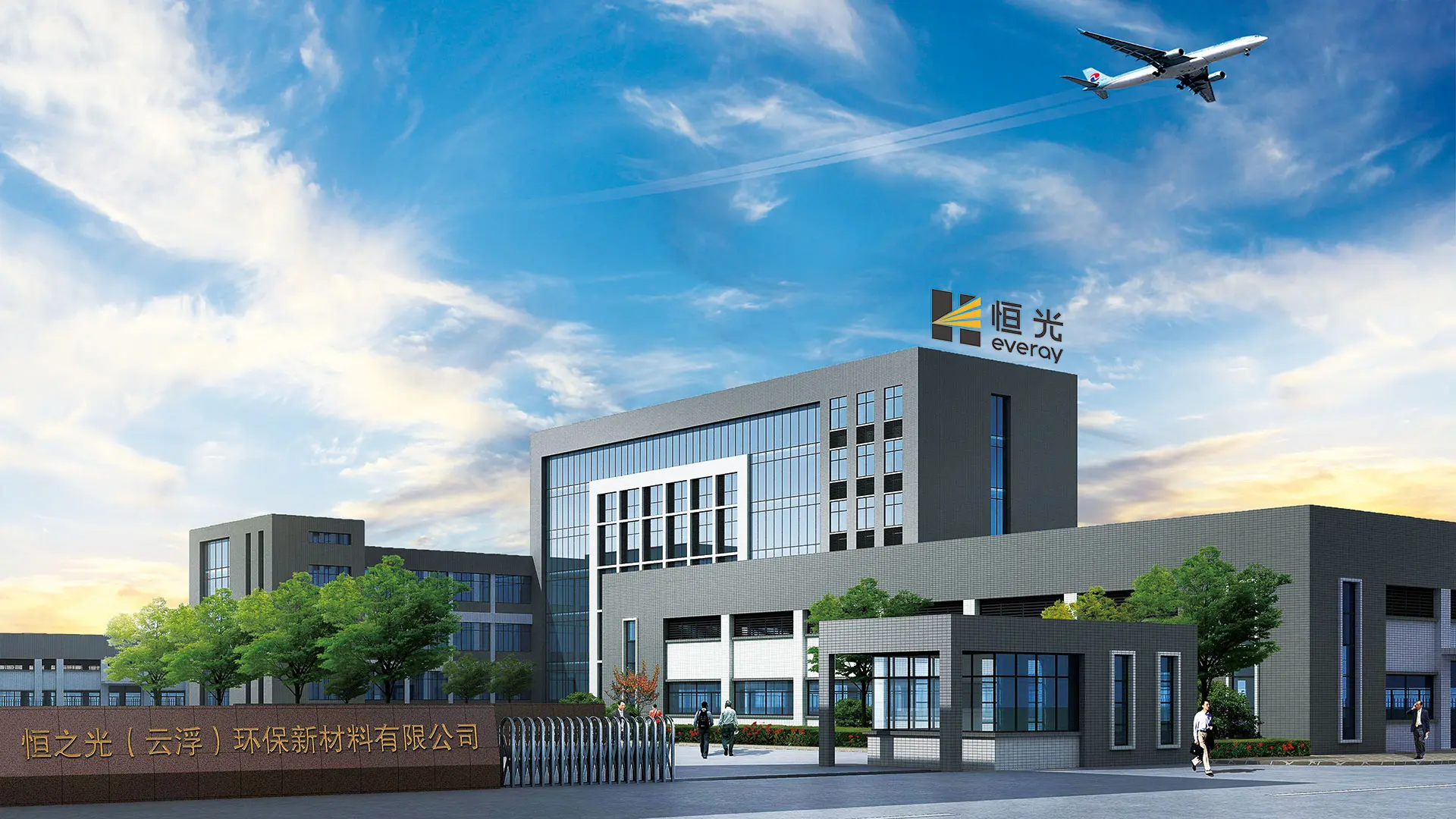
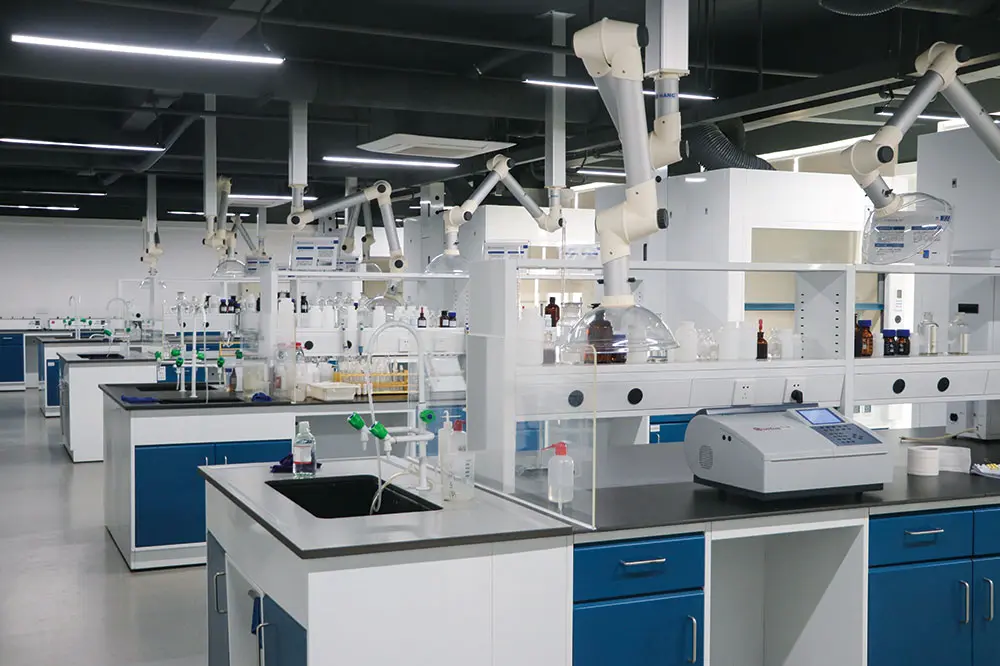
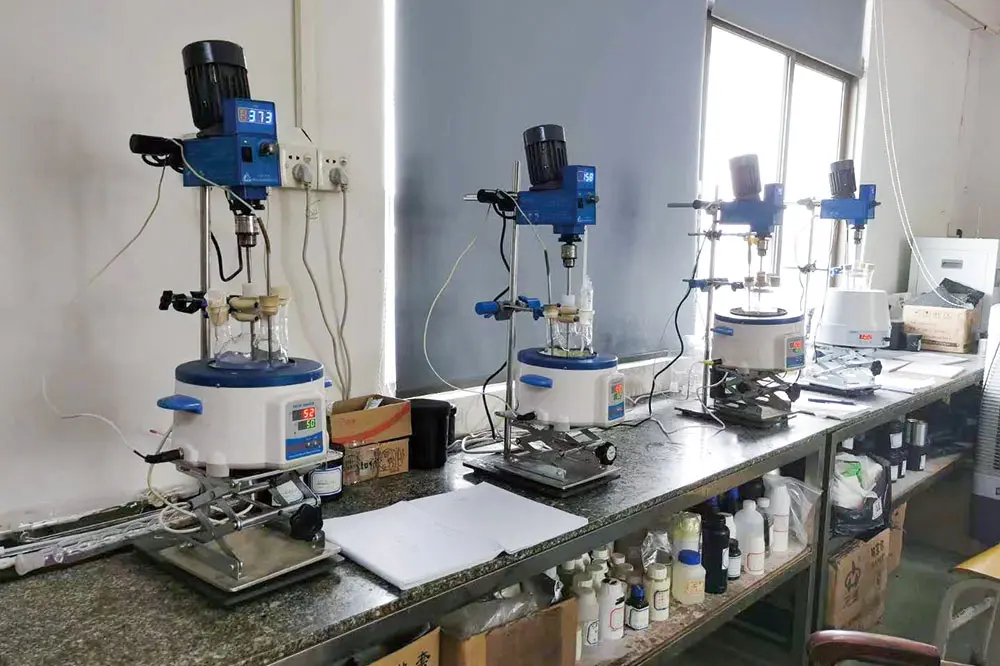
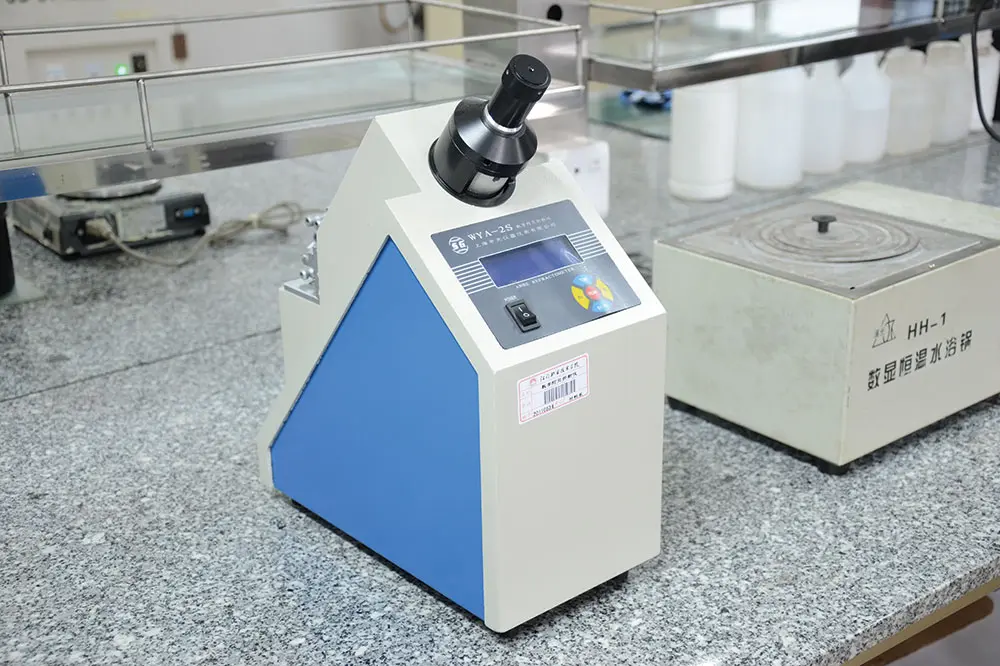
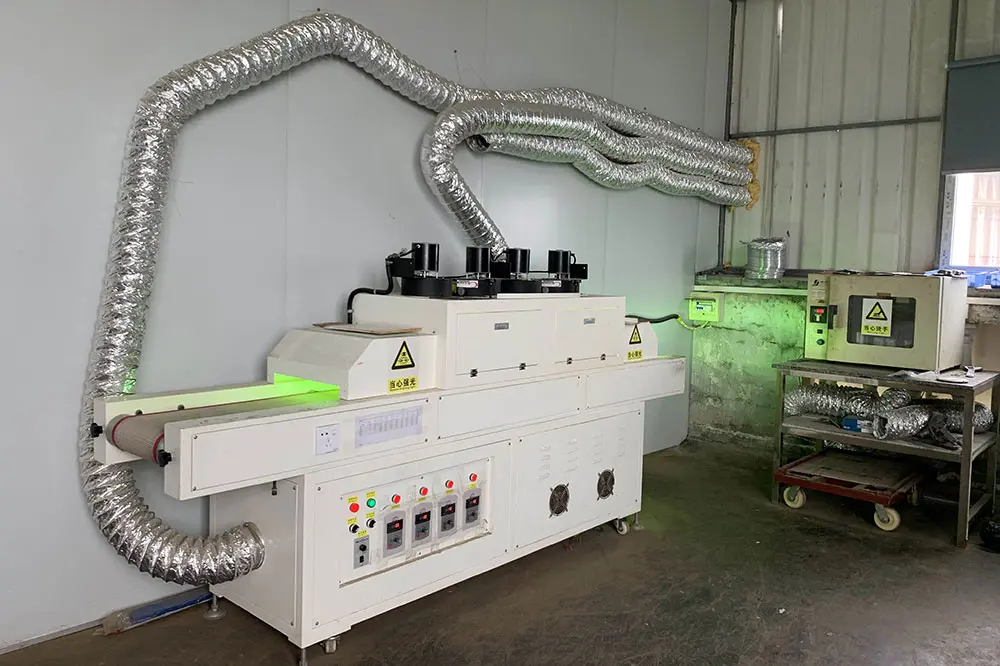
Guangdong Ever Ray Environmental Material Co., Ltd., established in 2006, is a high-tech enterprise focusing on the R&D and manufacturing of oligomers for UV-curable resins, including epoxy acrylates, polyurethane acrylates (waterborne, aliphatic urethane, aromatic urethane), polyester acrylates, pure acrylates, and other modified functional acrylate oligomers. To support the global chemical supply chain, Ever Ray operates two production bases in Guangdong province:
Our combined annual production capacity exceeds 20,000 tons across more than 10 production lines. The factories operate under the ISO9001 Quality Management System and ISO14001 Environmental Management System. We use a fully computerized DCS (Distributed Control System) to manage our processes, ensuring safe operations, precise temperature and pressure controls, and consistent product quality from batch to batch.
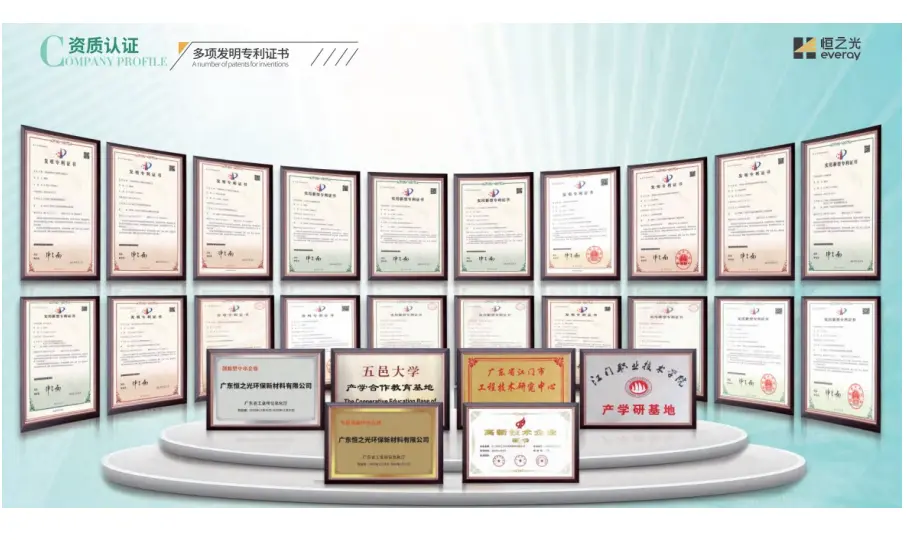
We source high-quality raw materials globally and work with domestic and international UV material experts to continuously improve our production safety and quality standards. With over 15 technicians in our R&D department and more than 10 patents, we develop solutions that balance performance with cost efficiency for wood coatings, plastics, inks, and adhesives.
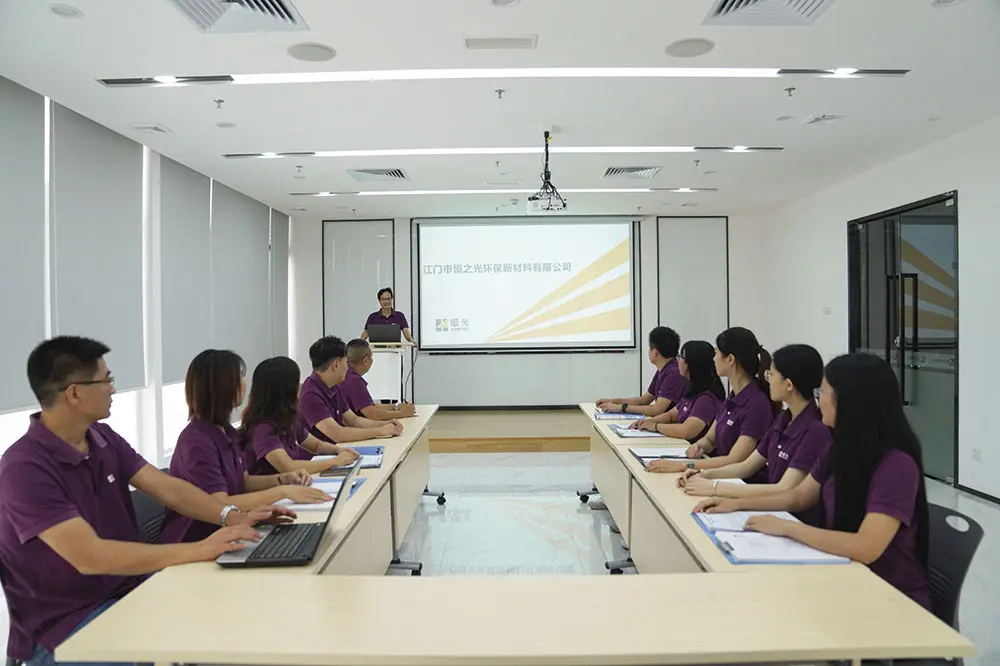
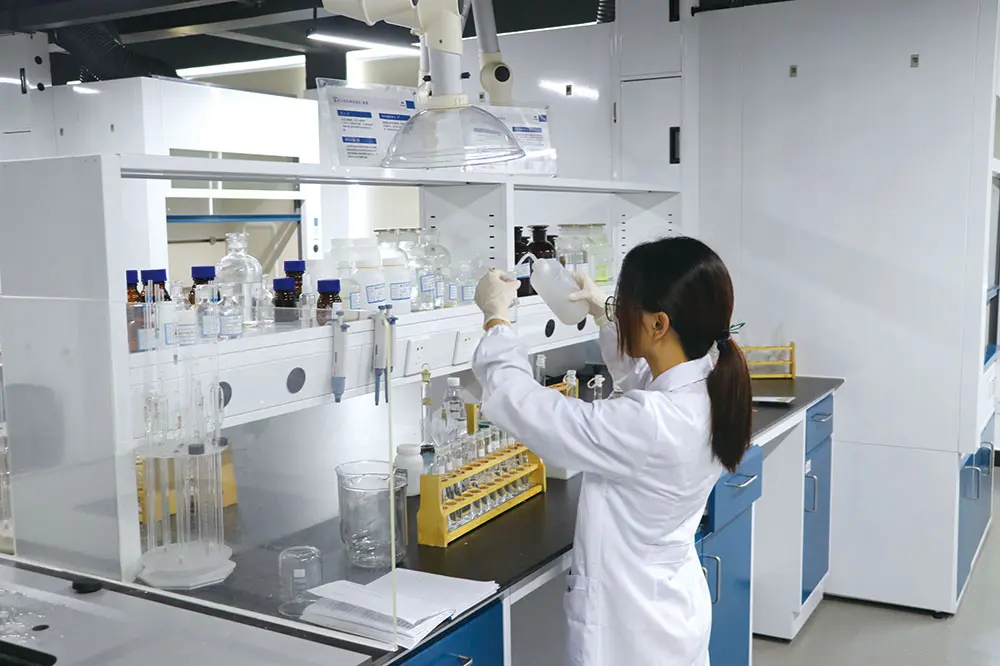
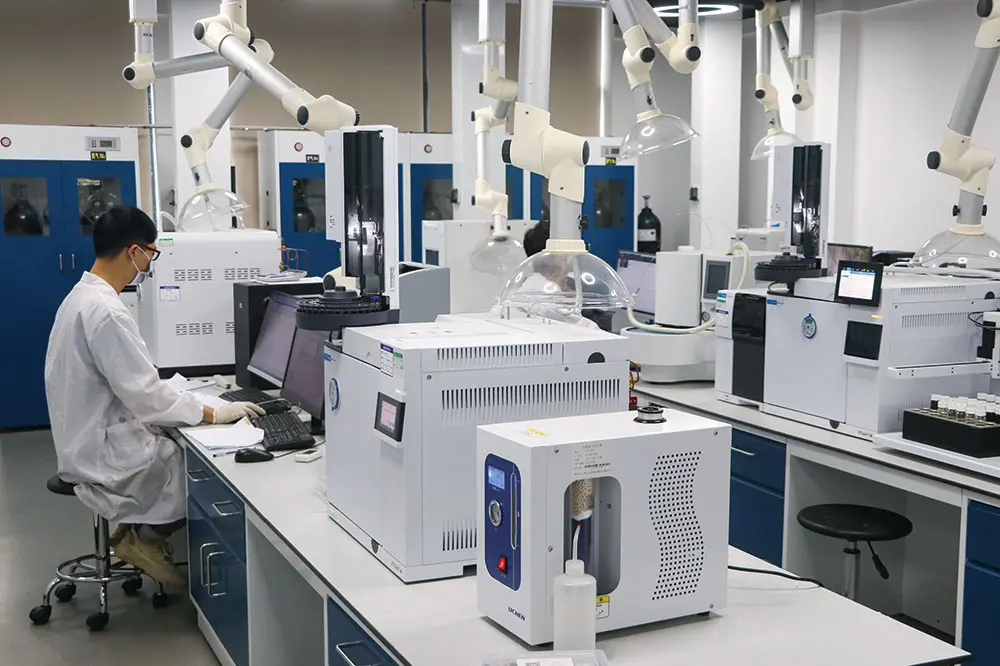
Ensuring our chemical products meet local regulations and technical requirements in Japan.
Exporting chemical materials to Japan requires compliance with strict local regulations. Every chemical product shipped to Japanese ports must comply with the Chemical Substances Control Law (CSCL - Kashin-ho) and the Industrial Safety and Health Law (ISHL), both managed by the Ministry of Economy, Trade and Industry (METI). Our regulatory team works to ensure all exported oligomers and active amine products are properly registered under the Japanese Chemical Substances Inventory (ENCS) or meet the necessary volume exemptions.
We support our Japanese business partners with:
Providing safety documentation in Japanese that complies with GHS specifications and local environmental standards.
Supplying comprehensive COA, RoHS, and REACH documentation, along with trace metal analysis for electronics-grade applications.
Offering reliable shipping routes from South China ports directly to Tokyo, Yokohama, Nagoya, and Osaka, ensuring consistent supply schedules.
Discover our full line of functional UV-curing oligomers, developed to meet specific hardness, flexibility, and curing speed requirements.
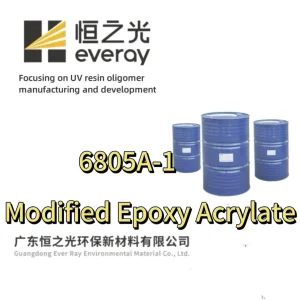
Fast-curing resin designed for high-gloss paper varnishes and packaging inks.
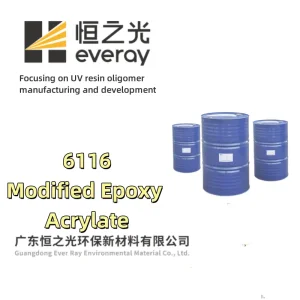
Versatile binder offering good pigment wetting and adhesion to difficult plastic films.
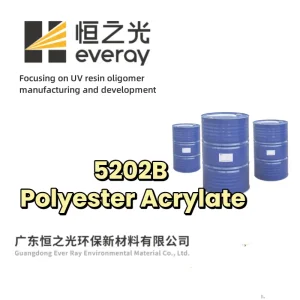
Low viscosity polyester acrylate designed for high-flexibility coatings.
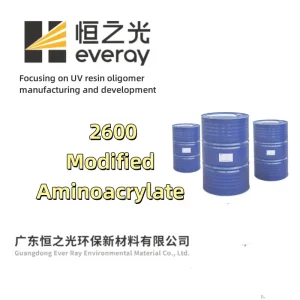
Provides scratch-resistant surfaces for consumer electronics and appliances.
Combines flexibility with low shrinkage to prevent cracking on wood and plastic parts.
Designed to minimize curing heat, making it suitable for nail care and heat-sensitive electronics.
Delivers gloss and chemical resistance for screen inks and clear overprint varnishes.
Combines surface hardness with chemical resistance for general-purpose applications.
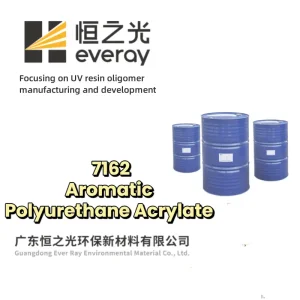
Optimized spray viscosity for uniform coating thickness on shaped plastic parts.
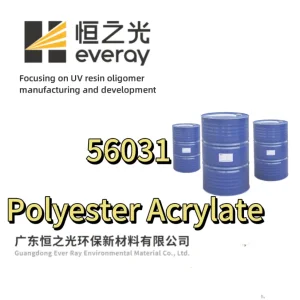
Low viscosity and high cure rates, suitable for gravure varnishes and specialty textural coatings.
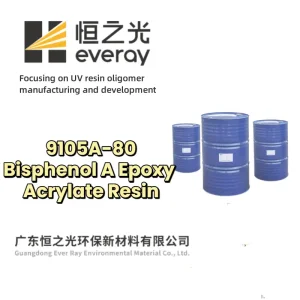
Offers high hardness and excellent chemical resistance for industrial wood coatings.
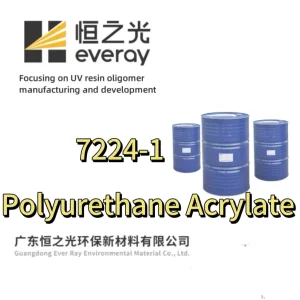
High elasticity and low shrinkage, designed for leather finishes, nail gels, and flexible wood coatings.
At Guangdong Ever Ray, we focus on balancing advanced technology with environmental protection. We hold more than 10 patents for practical inventions in UV curing systems, and our technical team works to develop reactive, chemical-resistant, and high-gloss formulations for wood coatings, plastics, printing inks, and adhesives.
We work with our customers to design formulations that meet performance requirements while optimizing costs. By prioritizing green chemistry principles, we aim to support sustainable development and environmental protection across the industries we serve.
Find technical answers regarding chemical mechanisms, supply logistics, and regulatory compliance for Japan.
Contact our technical team to discuss sample requests, customized viscosities, or regulatory documentation for your operations in Japan.
Send Inquiry Now Ever Ray