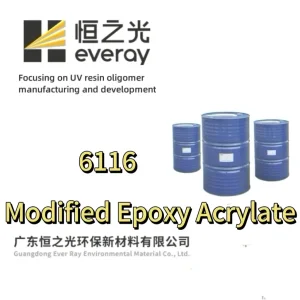
Discover our primary formulations optimized for low-odor varnishes, rapid cure rates, high hardness, and superior surface curing. Designed to meet the stringent demands of modern flexo printing and industrial wood coatings.
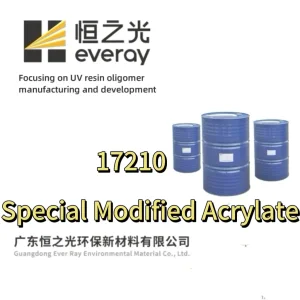
The Turkish chemical and industrial coatings sector represents a vital industrial bridge linking European standards with the growing Middle Eastern and Central Asian markets. Centered in key manufacturing zones such as Kocaeli, Dilovası, Tuzla, and Bursa, Turkish paint and ink formulators are experiencing a rapid paradigm shift. Historically dependent on conventional solvent-borne formulations, the market is undergoing a transition driven by two primary factors: stringent environmental regulations (such as KKDİK, Turkey's domestic REACH-aligned framework) and the market demand for immediate throughput efficiency.
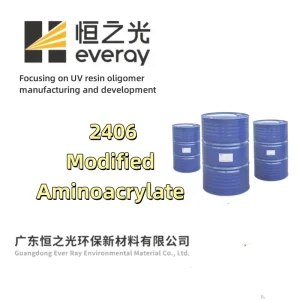
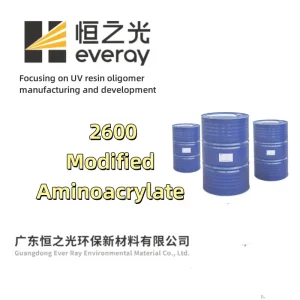
Amino Acrylate Oligomers are critical components in addressing these modern technical challenges. Due to their specific molecular architecture containing active amine groups, these oligomers act as built-in synergistic agents. When formulated into UV inks, overprint varnishes (OPV), or wood coatings, they dramatically mitigate the effects of oxygen inhibition during the photo-polymerization process. This technical advantage allows Turkish manufacturers in the packaging sector (based heavily in İzmir and Istanbul) to increase line speeds, reduce energy consumption from UV curing lamps, and achieve dry-to-touch surface curing without resorting to expensive inert nitrogen environments.
The tertiary amine structure in our amino acrylates functions as a hydrogen donor. It reacts with peroxyl radicals, converting them back into active carbon-centered radicals, ensuring complete surface cure even in thin-film applications.
By bypassing the sluggish oxygen reaction pathway, our amino acrylates accelerate polymerization speed up to 2-3 times, allowing high-speed flexo and offset presses in Istanbul to run at maximum output capacity.
Amine modification imparts excellent wetting properties and physical polar interactions, significantly boosting adhesion to plastic films (BOPP, PET, PVC) commonly used in the Turkish flexible packaging sector.
Formulators must balance cure speed, film flexibility, and chemical resistance. Standard epoxy acrylates provide hard, chemically resistant films but suffer from high shrinkage and slow surface cure due to oxygen inhibition. Aliphatic urethane acrylates offer flexibility and weatherability but at a higher cost. Amino modified polyether/polyester acrylates offer a versatile middle ground, acting as reactive diluent-carriers that accelerate surface reaction speeds while maintaining optimal viscosity profiles.
| Oligomer Type | Curing Speed (mJ/cm²) | Oxygen Inhibition Resistance | Adhesion to BOPP/PET | Primary Industrial Use in Turkey |
|---|---|---|---|---|
| Amino Acrylate (e.g., Ever Ray series) | 80 - 120 (Fastest) | Excellent (Self-Synergistic) | High (Polar Amine Interaction) | High-speed UV Flexo, Overprint Varnishes (OPV) |
| Standard Epoxy Acrylate | 150 - 250 (Moderate) | Poor (Requires Amine Co-initiators) | Medium | Wood Furniture Coatings (Bursa/İnegöl) |
| Aliphatic Urethane Acrylate | 180 - 300 (Slow to Moderate) | Moderate | Very High | Automotive Plastics & 3D Printing (Kocaeli) |
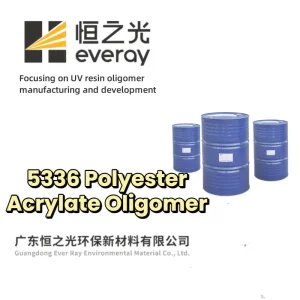
| Polyester Acrylate | 160 - 240 (Moderate) | Poor to Fair | Medium-High | Offset Lithographic Printing Inks |
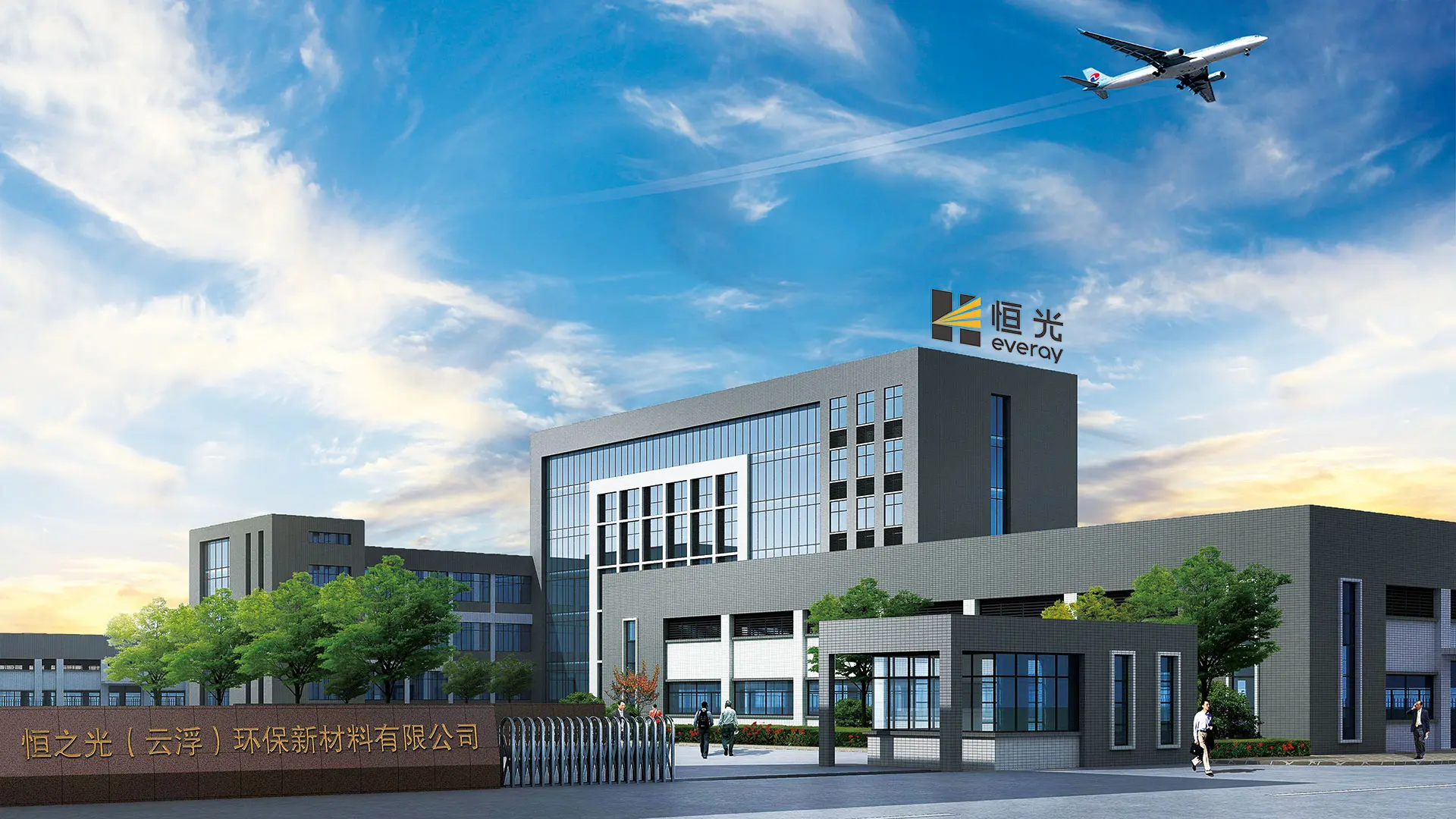
Guangdong Ever Ray Environmental Material Co., Ltd., established in 2006, is a high-tech enterprise focusing on the R&D and manufacturing of oligomers for UV curable resin. Our extensive product portfolio includes epoxy acrylate, polyurethane acrylate (waterborne, aliphatic urethane, aromatic urethane), polyester acrylate, pure acrylate, and specialized functional modified acrylate oligomers designed to meet strict performance metrics.
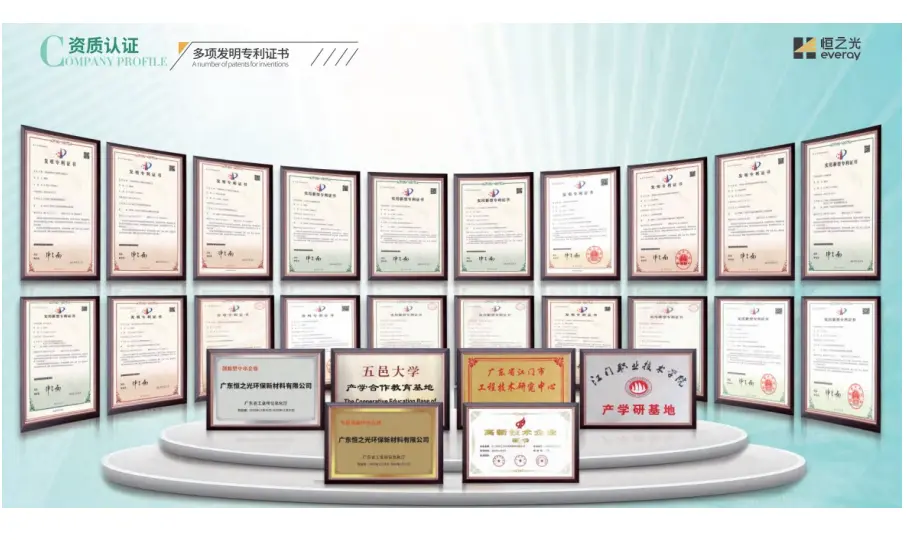
With over 15 dedicated research technicians in our R&D department and more than 10 invention and practical patents, we serve global markets by providing high reactivity, chemical resistance, and high gloss formulations. Our custom synthesis capabilities allow us to adjust technical parameters (such as viscosity, amine values, and functionality) to match the environmental constraints and machinery configurations of our partners in Turkey and globally.
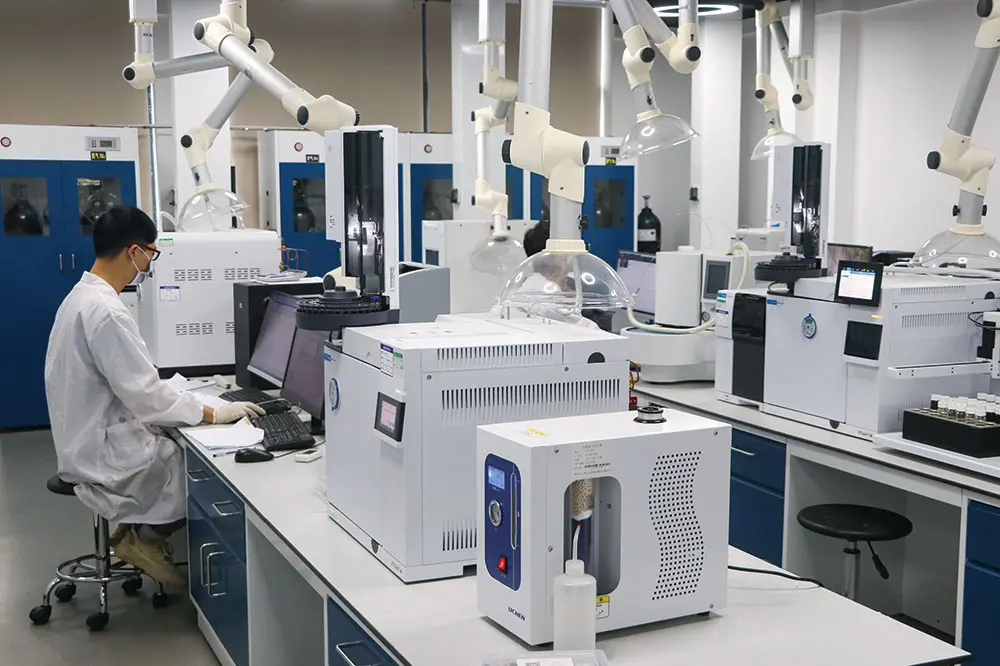
We operate two production bases in China: our 10,000 square meter facility in Jiangmen, Guangdong, and our larger 40,000 square meter facility in Yunfu, Guangdong. Equipped with advanced DCS (Distributed Control System) fully computerized automation, we ensure batch-to-batch chemical stability and traceabilty. Our combined annual production capacity exceeds 20,000 tons across more than 10 dedicated production lines.
Both plants operate strictly under the ISO9001 Quality Management System and ISO14001 Environmental Management System. We source premium raw materials globally and consult with UV material experts to guarantee that every shipment reaching ports like Ambarlı (Istanbul), Aliağa (İzmir), or Mersin meets the technical requirements of the Turkish market.
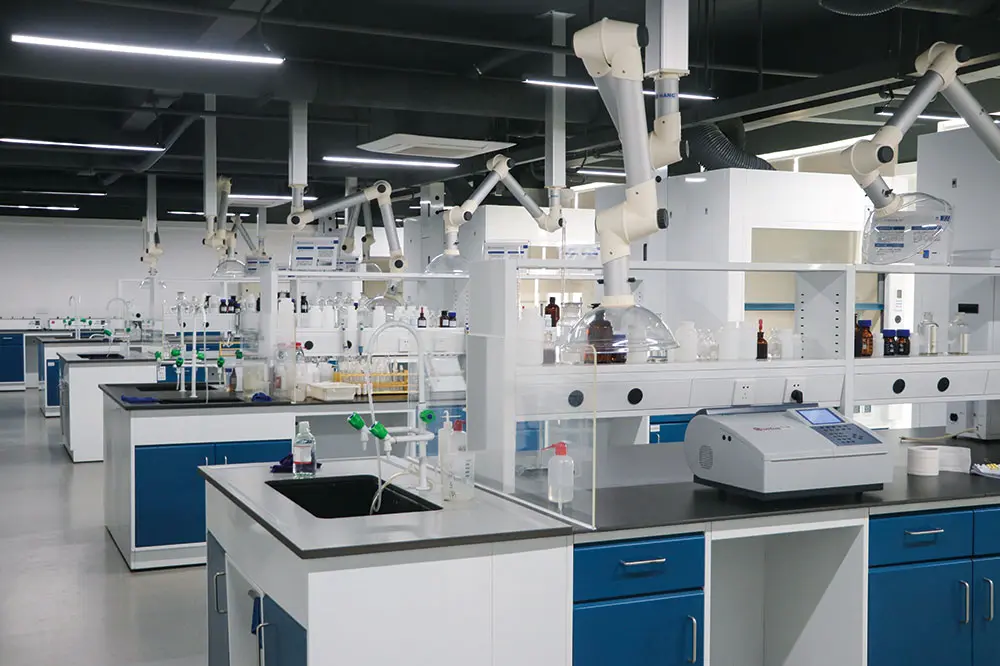
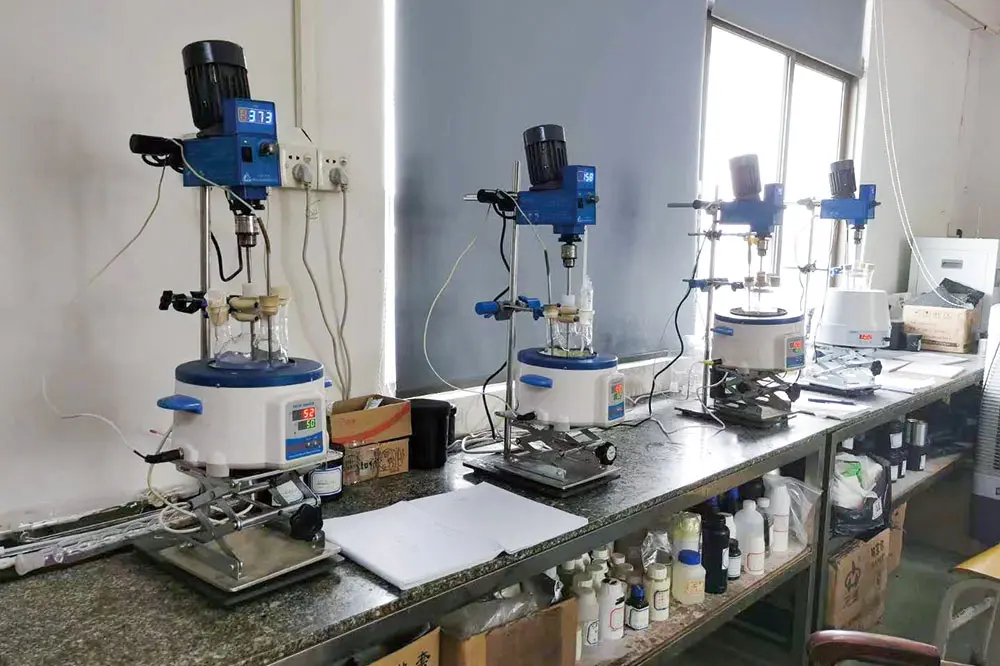
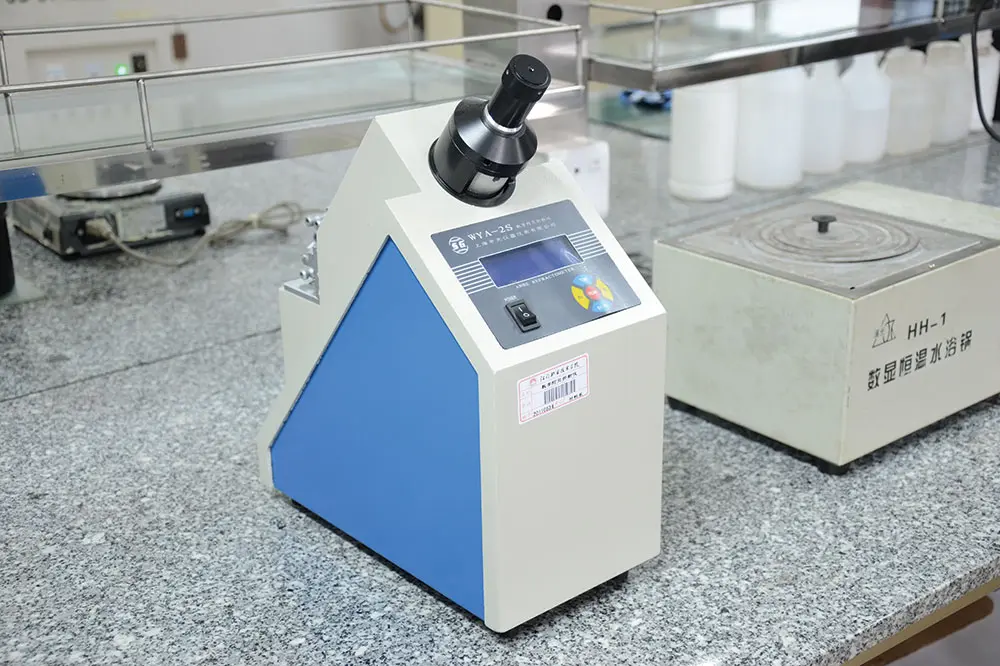
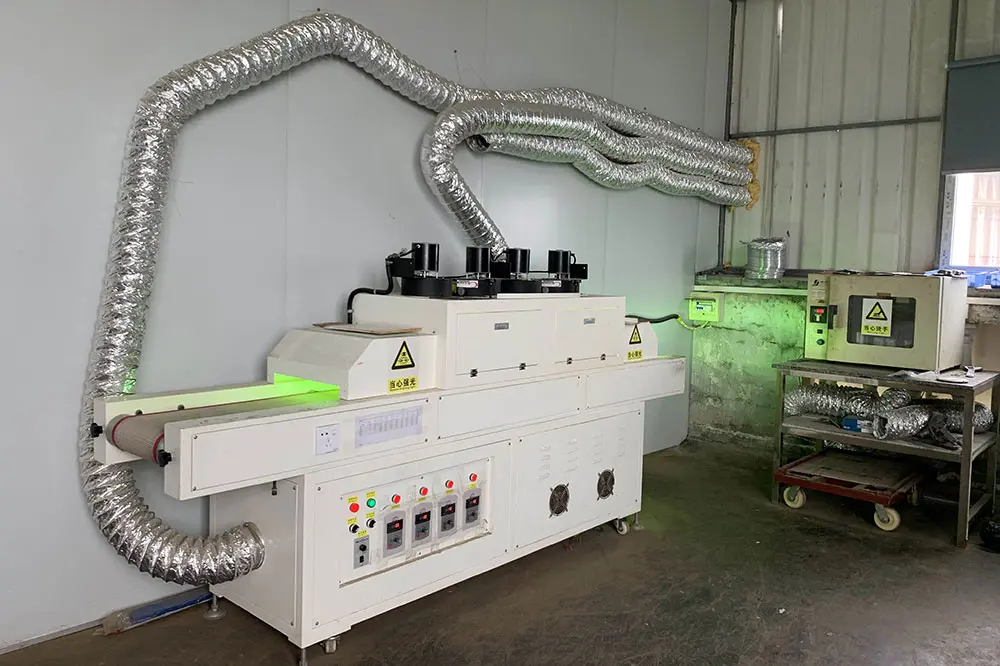
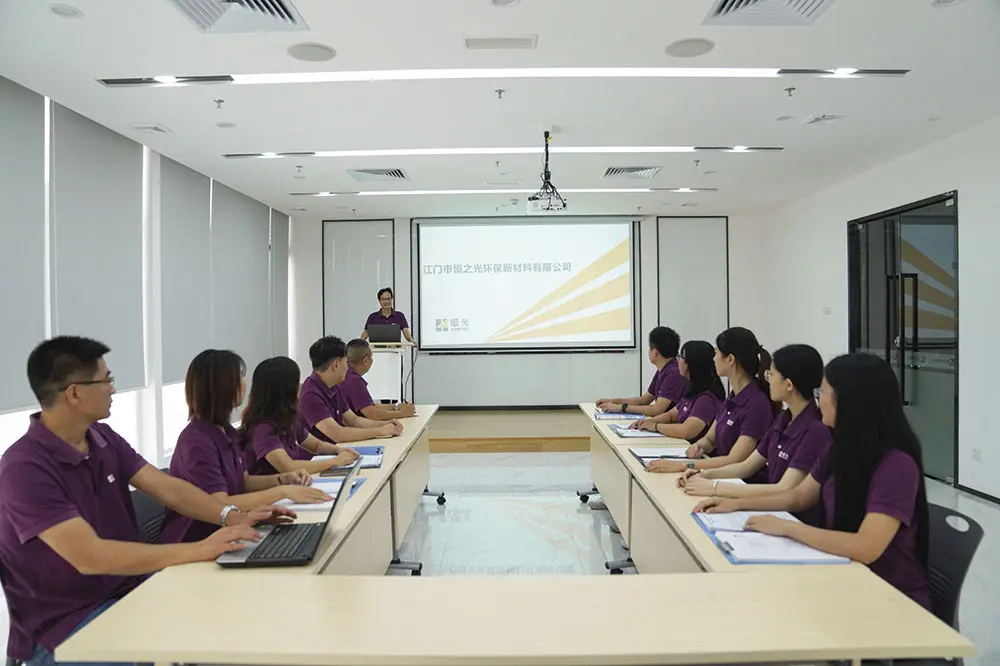
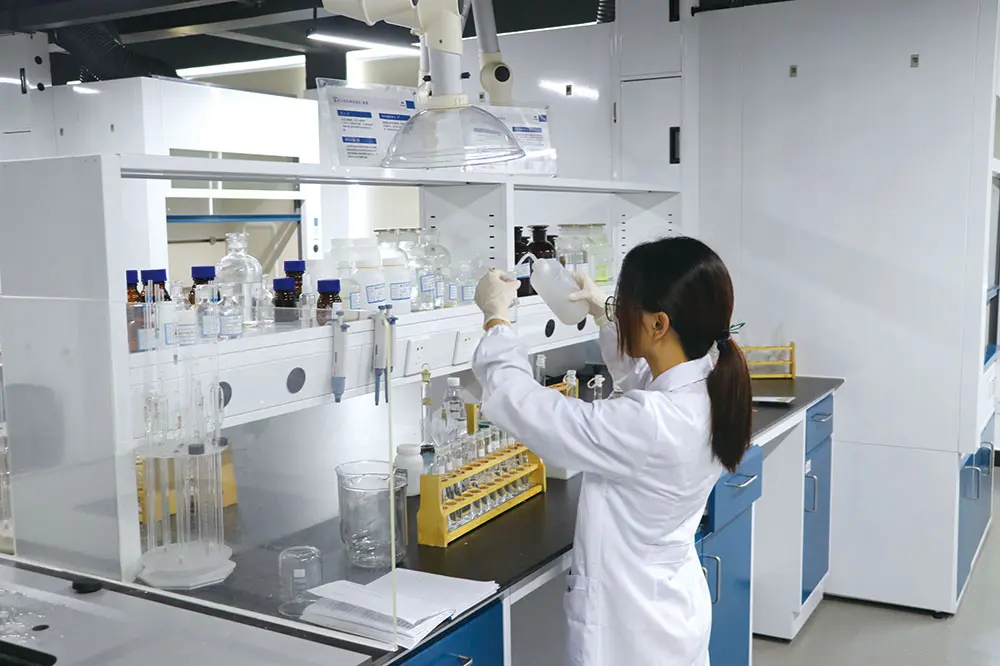
We adapt our chemical designs to support the processing configurations, substrate characteristics, and drying technologies of Turkish industrial manufacturers.
The furniture cluster in Bursa-İnegöl requires rapid cure speeds and high surface scratch resistance. Our Epoxy Acrylate series (such as Ever Ray 6102 and 6116) are designed to yield high gloss and low shrinkage. By using amino acrylates to accelerate curing under mid-pressure mercury lamps, manufacturers can process high-throughput matte and high-gloss panels without losing surface hardness.
Turkish food packaging printers must comply with strict migration and odor guidelines. Our low-odor amino acrylates (e.g., Ever Ray 2406) react completely under UV LED curing arrays. This significantly reduces residual monomer levels and volatile organic compounds (VOCs), eliminating the odor issues associated with packaging materials.
For automotive suppliers located in Kocaeli, plastic adhesion (to PC, ABS, and treated PP) is a critical requirement. Utilizing our specialized polyurethane acrylates provides the necessary flexibility, thermal shock resistance, and adhesion. When combined with our amine synergist systems, they maintain adhesion even under environmental stress and humidity testing.
Procuring specialty chemicals globally requires reliable lead times and consistent product quality. Ever Ray’s automated DCS facility in Yunfu ensures that critical reaction variables—including temperature profiles, raw material feed rates, and vacuum pressure—are monitored and controlled. This digital process control reduces batch-to-batch variation, allowing Turkish manufacturers to maintain consistent settings on their production lines.
We support our Turkish partners from our production hubs in Guangdong with comprehensive logistics services:
In thin-film applications, atmospheric oxygen diffuses into the liquid coating and reacts with free radicals to form unreactive peroxyl radicals, which retards the cure. The tertiary amine structure in our amino acrylate oligomers acts as a hydrogen donor. The peroxyl radical abstracts a hydrogen atom from the carbon adjacent to the amine nitrogen, forming an active carbon-centered amine radical. This amine radical can react with acrylic monomers, maintaining the polymerization process and ensuring a dry, hard surface finish.
Yes. UV LED lamps (typically emitting at 365nm, 385nm, or 395nm) emit a narrow spectrum that requires highly reactive formulations. Because amino acrylates accelerate cure speeds, they are ideal for UV LED configurations, allowing formulators to achieve complete curing without surface tackiness.
We work closely with Turkish importers and our Only Representatives (OR) to manage chemical notifications and registrations. We provide full composition certificates, SDS documents compliant with Turkish regulations, and the necessary data to support smooth customs clearance at all Turkish entry ports.
When stored in original, unopened packaging in a cool, dry place away from direct sunlight and heat sources (ideally below 30°C), our oligomers remain stable for at least 12 months. Since they contain polymerizable acrylic groups, exposure to light or elevated temperatures can initiate polymerization.
Browse our broader range of epoxy, polyurethane, and polyester acrylates formulated to meet diverse performance, flexibility, and viscosity requirements.
 Ever Ray