These initial performance-grade oligomers provide exceptional cure response, chemical resistance, and mechanical resilience for demanding industrial applications across the United States.
The United States industrial manufacturing sector is experiencing a paradigm shift. With aggressive EPA (Environmental Protection Agency) guidelines on Volatile Organic Compound (VOC) emissions and strict air quality mandates across regional manufacturing corridors (such as the Midwest industrial belt and California), the transition to radiation-curable coatings is accelerating.
Epoxy acrylate oligomers represent the chemical foundation of this transition. Known for their rapid cure response, exceptional hardness, and cost-effective performance, these oligomers are the backbone of UV-curable wood coatings, high-speed graphics packaging inks, electronics assembly adhesives, and protective metal finishes.
US procurement teams are tasked with balancing three core challenges: achieving zero-VOC compliance, maintaining high line speeds in automated factories, and securing a reliable supply chain. Ever Ray addresses these hurdles directly through innovative molecular customization and global distribution capabilities.
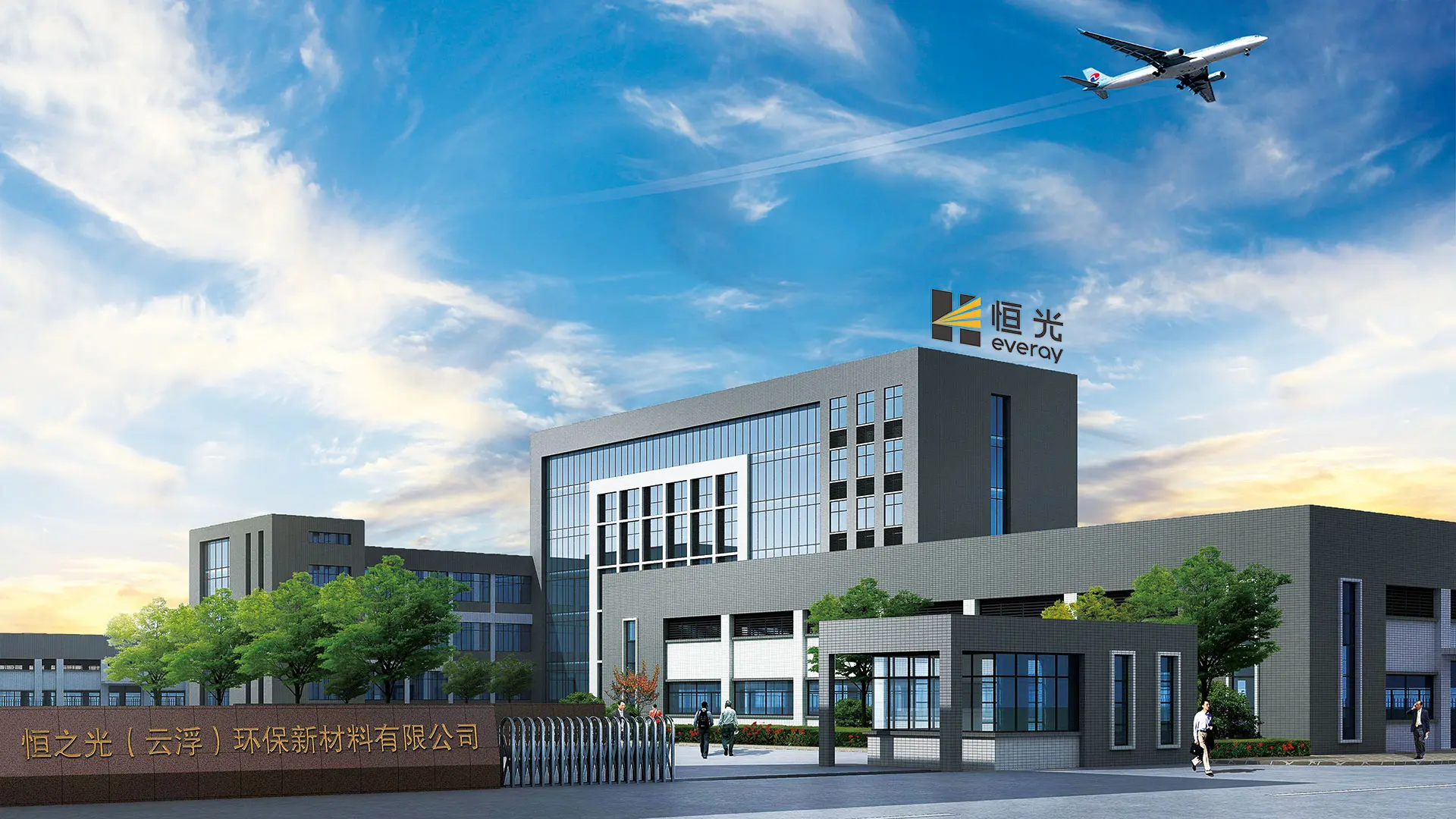
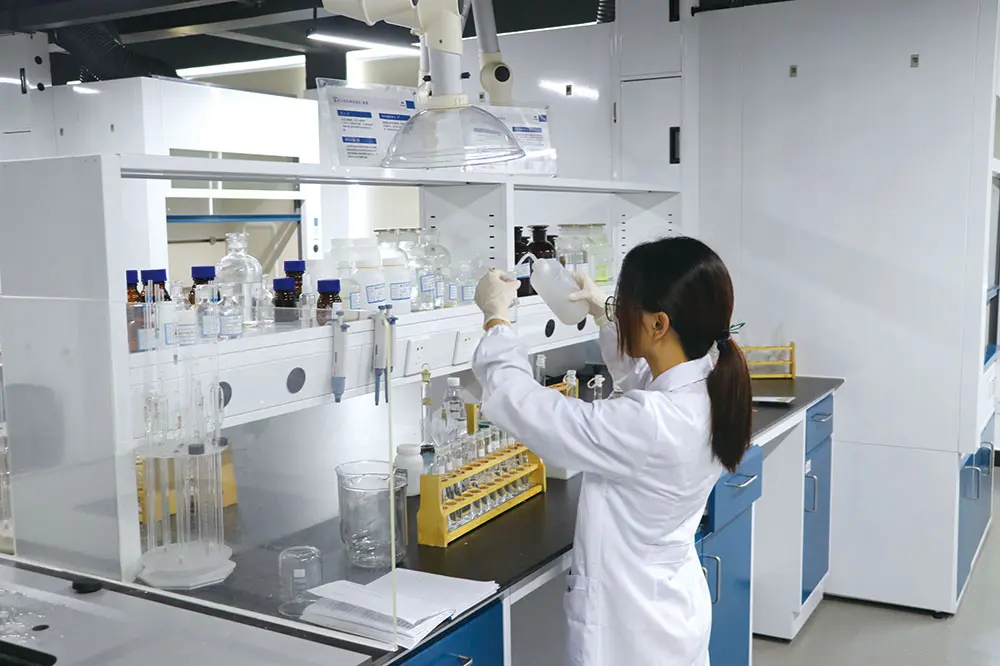
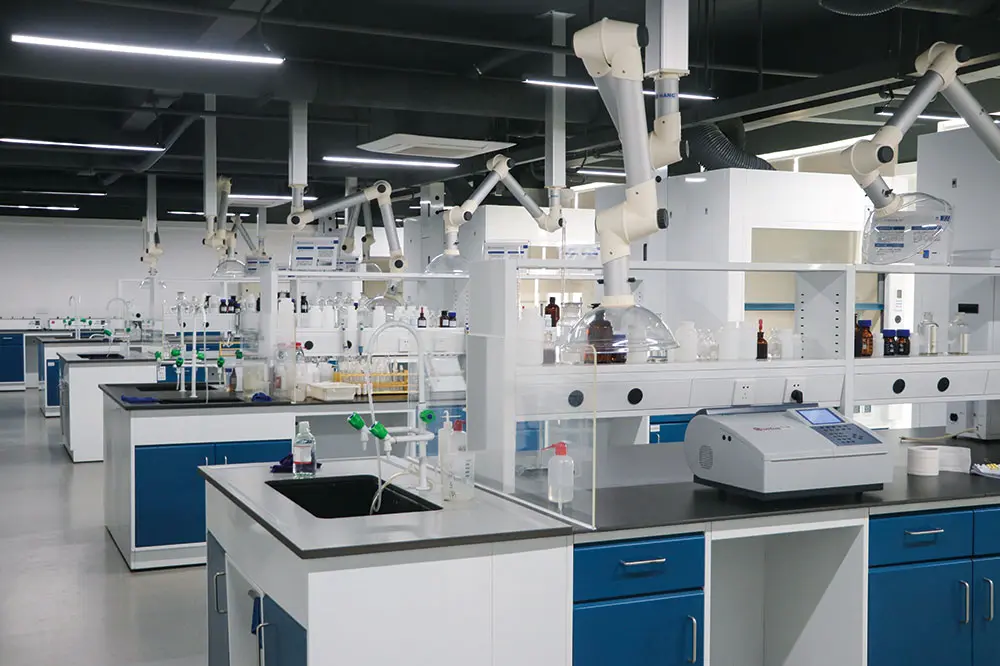
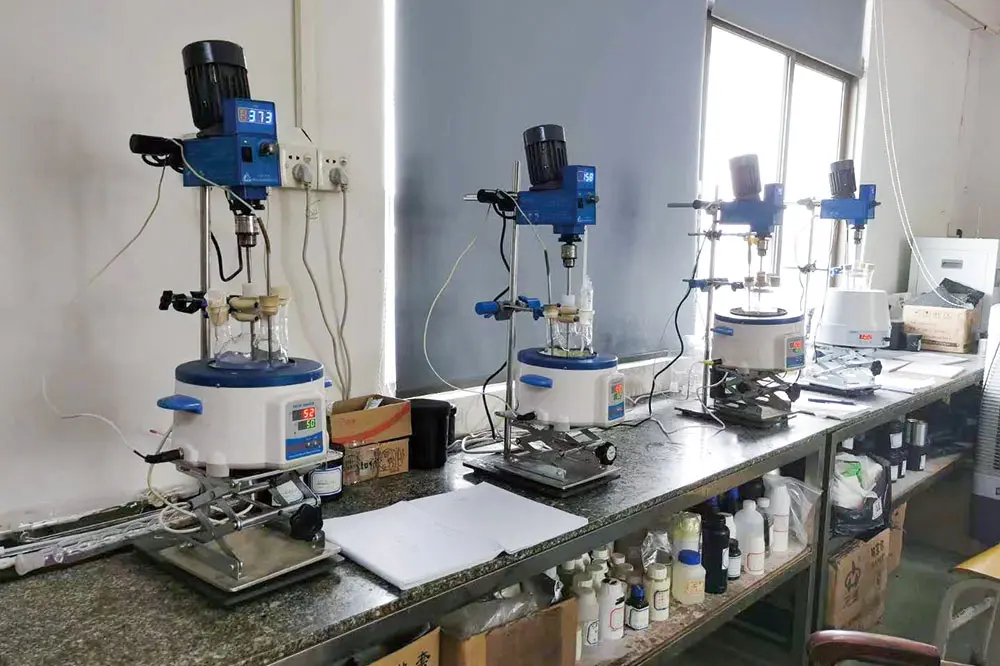
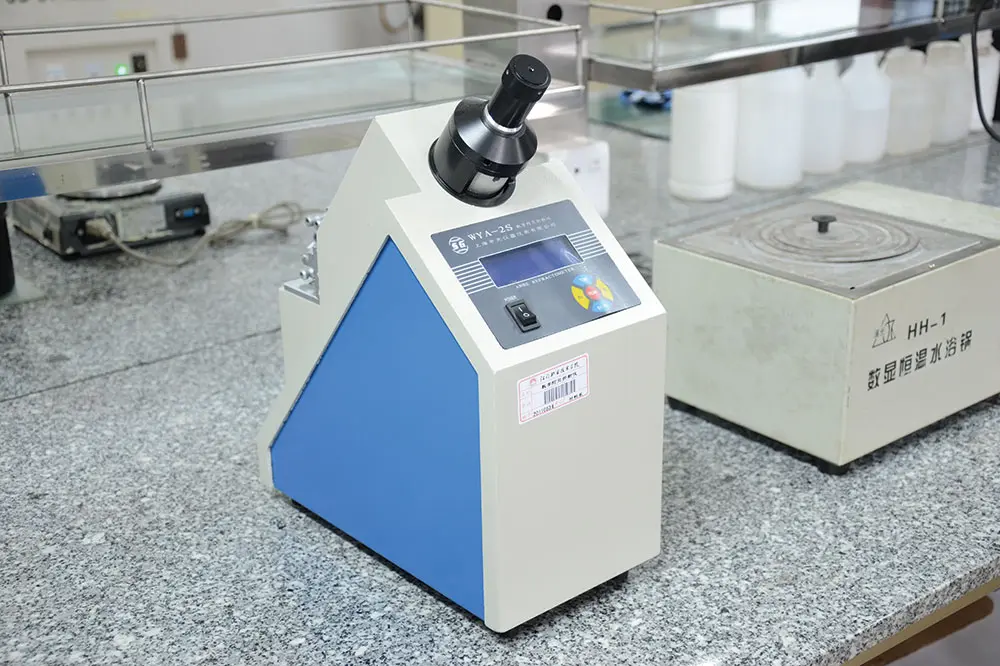
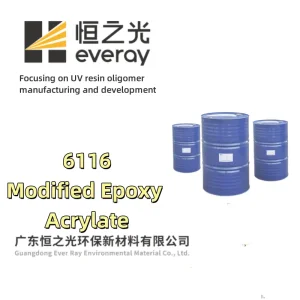
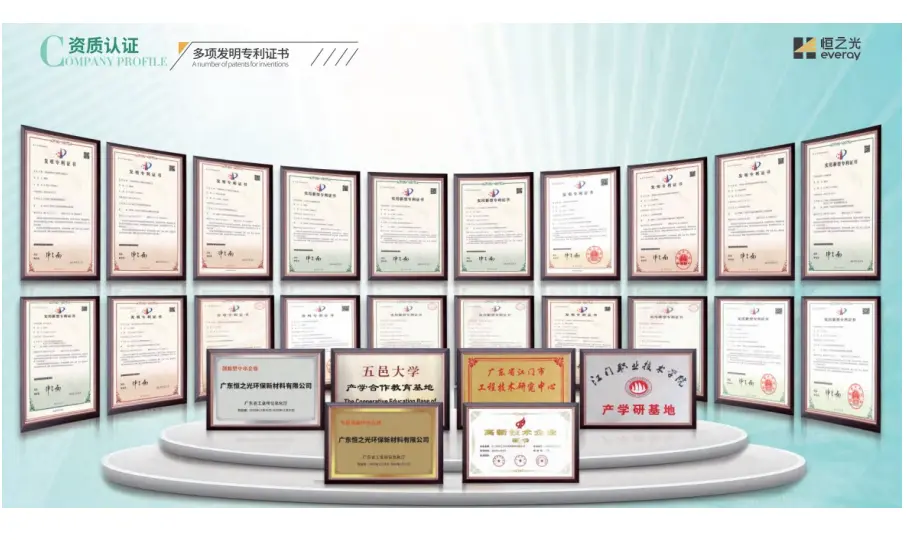
Guangdong Ever Ray Environmental Material Co., Ltd., established in 2006, is a high-tech enterprise focusing on the R&D and manufacturing of oligomers for UV curable resins. Our diverse portfolio includes epoxy acrylate, polyurethane acrylate (waterborne, aliphatic urethane, aromatic urethane), polyester acrylate, pure acrylate, and specialized functional modified acrylate oligomers.
We operate two main production complexes to guarantee seamless global volume supply:
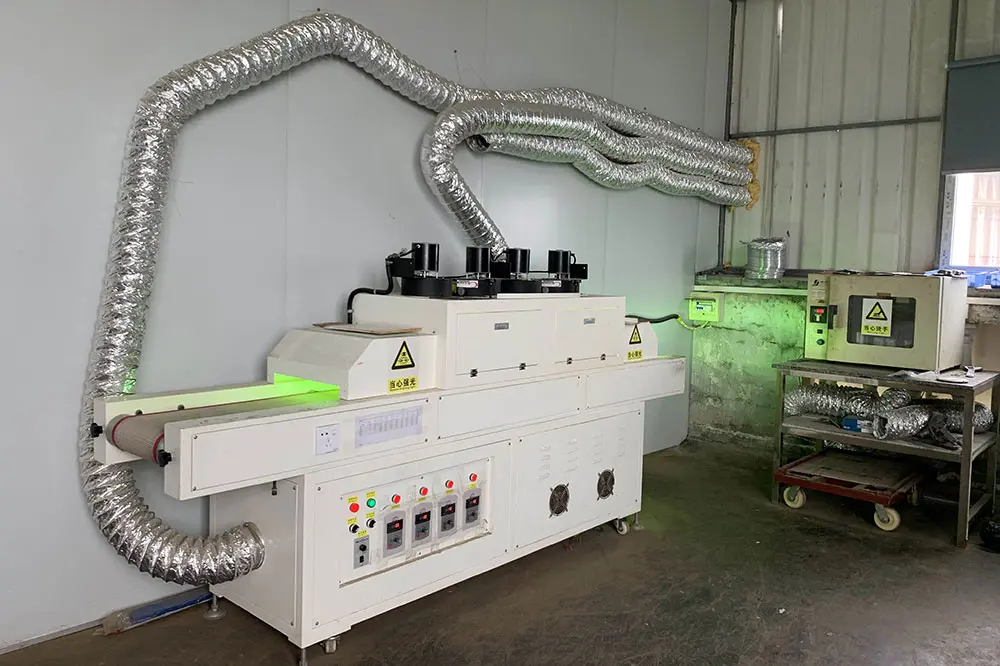
Our operations support 10+ automated production lines with an annual capacity exceeding 20,000 metric tons. Equipped with advanced DCS fully computerized control systems, our plants run under strict ISO 9001 and ISO 14001 structures to deliver pristine batch consistency—a requirement highly valued by US manufacturers who cannot afford line downtime or viscosity shifts.
Designed to meet low-viscosity, fast-curing, and shadow-cure applications, these formulations satisfy the stringent quality baselines of American graphic designers, packaging engineers, and electronic material developers.
The radiation curing industry is undergoing global structural changes. Key macro trends driving the demand for custom-modified epoxy acrylate oligomers include:
Global regulatory bodies are intensifying pressure to eliminate industrial greenhouse gases. UV LED curing systems, supported by low-viscosity, highly reactive epoxy acrylates, reduce energy consumption up to 60% compared to traditional thermal ovens.
Modern applications require specialized physical properties. Adhesives and coatings must satisfy precise criteria: anti-yellowing performance under high sunlight exposure, flexural recovery for flexible electronics, and minimal shrinkage to protect fragile glass or silicon substrates.
Uncertainties in global logistics require manufacturers to secure partnerships with companies offering vast production capacity, large storage facilities, and consistent raw material access. Shortages of key raw materials (such as bisphenol A or acrylic acid) can disrupt manufacturing pipelines.
At Ever Ray, we utilize "Factory 4.0" manufacturing technologies. Our DCS fully computerized control network manages raw material feed ratios, monitors polymerization temperatures in real-time, and limits batch deviations. This digital oversight ensures that our products retain consistent viscosity, color index, and acid value limits.
Operating out of Yunfu and Jiangmen, our automated facilities protect US clients from sudden market shortages. With a 20,000-ton capacity, our systems maintain a safety buffer of critical raw materials, keeping delivery times reliable even during volatile trade conditions.
Ever Ray specializes in modifying chemical formulas to align with specific regional manufacturing practices within the United States.
US automotive manufacturers need coatings with excellent chemical resistance to solvents, cleaners, and road contaminants. Our modified epoxy acrylate UV resins deliver high scratch resistance and surface hardness for exterior trim and interior plastic parts, matching strict OEM durability standards.
Modern US flexographic and offset presses run at high speeds, requiring immediate cure response from printing inks. Our low-viscosity epoxy acrylates provide rapid crosslinking, high gloss, and clear print resolution, ensuring optimal ink transfer and smear-free runs.
Flatline cabinet finishing lines require low-shrinkage resins to prevent panel warping and edge delamination. Our specialized oligomers offer rapid curing and high hardness, helping manufacturers maximize throughput without compromising wood grain appearance or adhesion.
Our complete product line, designed to cover diverse viscosity ranges and specialty applications, supports large-scale formulation operations in the North American market.
Answers to common processing challenges encountered by industrial formulators when using epoxy acrylates.
Standard Bisphenol A epoxy acrylates exhibit relatively high shrinkage (typically 6-8%) during radical polymerization due to rapid double-bond conversion. Ever Ray mitigates this through molecular structure modification. By introducing flexible polyether or polyester segments into the epoxy backbone (as in our 6102 Low Shrinkage UV Resin), we lower crosslinking density slightly while maintaining hardness. This adjustments improves substrate adhesion (especially on metals and plastics) without compromising overall cure speeds.
Adding too much reactive monomer (such as TMPTA or TPGDA) can increase film shrinkage, skin irritation, and extractables. We address this using two approaches: first, by controlling molecular weight distribution (Mw/Mn) to lower polymer viscosity; and second, by designing hyperbranched modified networks. Formulations like our 61163 High Solid Low Viscosity resin offer high solid content with minimal diluent requirements, easing regulatory compliance for low-VOC products.
Traditional bisphenol A-based resins yellow under UV exposure due to the degradation of the aromatic ether linkages. To solve this, Ever Ray developed specialized aliphatic modifications and selected high-purity raw materials. Our 6271 UV resin and 6851A modified resins use hindered amine light stabilizers (HALS) and modified chemical structures to prevent discoloration. This makes them suitable for shadowless optical adhesives, electronics protection, and clear topcoats.
For packaging and offset printing inks, minimizing migrant substances is a critical safety requirement. Our high-molecular-weight oligomers, such as the 6805A-1 UV-resin, are designed to achieve high double-bond conversion under standard UV dosages. This rapid, complete cure reduces residual monomers, helping converters align their packaging ink formulations with indirect food contact guidelines.
Yes. In addition to standard 100% solid UV oligomers, Ever Ray produces carboxyl-modified and amine-modified epoxy acrylates. These modified polymer chains can be neutralized with amines and dispersed in water. This system supports waterborne UV formulations, combining low application viscosity and water cleanup with the high hardness and chemical resistance of epoxy chemistries.
 Ever Ray