Engineered specifically to balance low shrinkage, rapid curing kinetics, and surface hardness in high-humidity Nordic industrial environments.
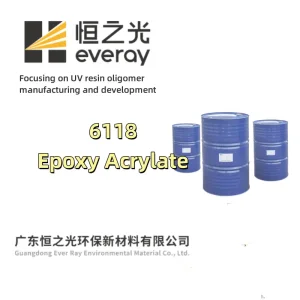
Sweden's manufacturing sector is globally renowned for its stringent environmental standards, regulatory compliance, and a strong push toward carbon neutrality. Under the oversight of the Swedish Chemicals Agency (KemI) and the overarching framework of European REACH regulations, traditional solvent-borne curing systems are rapidly being phased out. The industrial transition to UV/EB (ultraviolet/electron beam) curing is no longer just a technological alternative; it is a compliance mandate for sustainable competitiveness.
Epoxy acrylate oligomers represent the thermodynamic backbone of modern radiation-cured chemistry. In industrial centers like Gothenburg, Jönköping, and Stockholm, manufacturers rely heavily on these oligomers to achieve volatile organic compound (VOC) reductions without sacrificing operational speed. The Swedish wood-coating industry (closely tied to global home furnishing leaders), the structural metal coating sector, and packaging conversion factories require raw materials that display ultra-fast curing kinetics, exceptional mechanical durability, and strict safety margins.
We modify raw oligomer backbones to maintain consistent viscosity profiles even under variable temperature logistics across northern Sweden.
At the molecular level, epoxy acrylates are synthesized via the esterification of epoxy resins (typically bisphenol A diglycidyl ether or novolac epoxies) with acrylic acid. The resulting structure contains a highly reactive acrylic double bond at both termini, with a rigid aromatic core and hydroxyl groups along the chain backbone.
The Bisphenol-A backbone delivers exceptional rigidity and mechanical strength, making these resins highly resistant to abrasion, micro-scratches, and structural deformations.
Acrylate double bonds react almost instantaneously when exposed to UV light (wavelengths 200–400 nm), allowing lines to run at speeds exceeding 60m/min.
The dense cross-linked network formed during photopolymerization blocks the penetration of moisture, industrial solvents, household cleaners, and grease.
However, unmodified standard epoxy acrylates can suffer from disadvantages such as high viscosity, low flexibility, and polymerization shrinkage. To resolve these challenges, Guangdong Ever Ray utilizes advanced modification techniques, including fatty acid modification (to improve flexibility and wood wetting), polyester/polyurethane co-polymerization, and functional monomer dilution. This targeted approach allows Swedish paint formulators to achieve optimal adhesion on difficult substrates, including dense pine wood, rigid plastics, and sheet metals.
| Oligomer Type | Curing Speed (m/min) | Shrinkage Rate | Yellowing Resistance | Primary Industrial Application in Sweden |
|---|---|---|---|---|
| Standard Bisphenol A Epoxy Acrylate (e.g., 9104) | Very High (>55) | High (6-8%) | Moderate | Paper Varnishes, Industrial Wood Fillers, Rigid Ink bases |
| Fatty Acid Modified Epoxy Acrylate (e.g., 6116) | High (40-50) | Medium (4-5%) | Good | Wood topcoats, flexible packaging, metal coatings |
| Low Viscosity Modified Epoxy Acrylate (e.g., 6300) | High (35-45) | Low-Medium | Excellent | Overprint varnishes, high-speed flexographic inks |
| Urethane/Acrylate Modified Hybrids (e.g., 6851A) | Moderate-High | Low (<3%) | High Anti-Yellowing | Optical adhesives, consumer electronic plastics, top-tier automotive trim |
How our epoxy acrylate oligomers solve engineering challenges in key Nordic economic sectors.
Sweden is a global pioneer in timber technology. Protecting solid pine, spruce, birch, and medium-density fiberboards (MDF) requires coatings that cure rapidly but remain elastic enough to withstand seasonal wood expansion and contraction. Our low-shrinkage oligomers, such as 6102 and 6118, provide deep wood pore wetting, highlighting natural grains while offering robust scratch resistance suitable for high-traffic furniture and parquet floors.
Sustainable packaging design is central to Swedish consumer goods. The migration of low molecular weight components from UV-cured inks is a major regulatory concern. Our highly reactive oligomers ensure complete double-bond conversion during curing, minimizing residual monomer fractions. This guarantees compliance with food contact materials safety norms while maintaining maximum resolution on offset and flexographic press lines.
For Sweden's automotive manufacturers and metal components suppliers, corrosion protection and scratch resistance are critical. Custom-formulated oligomers (such as 6203F) exhibit strong hydrogen bonding to steel and treated aluminum surfaces. They offer high crosslink density to protect components against environmental factors, thermal fluctuations, and chemical exposures.
Guangdong Ever Ray Environmental Material Co., Ltd.: The intersection of chemical precision, reliability, and global supply efficiency.
Established in 2006, Guangdong Ever Ray Environmental Material Co., Ltd. is a high-tech enterprise focusing on the R&D and manufacturing of oligomers for UV curable resin. Our portfolio spans expoxy acrylates, polyurethane acrylates (waterborne, aliphatic urethane, aromatic urethane), polyester acrylates, pure acrylates, and special functional modified acrylate oligomers.
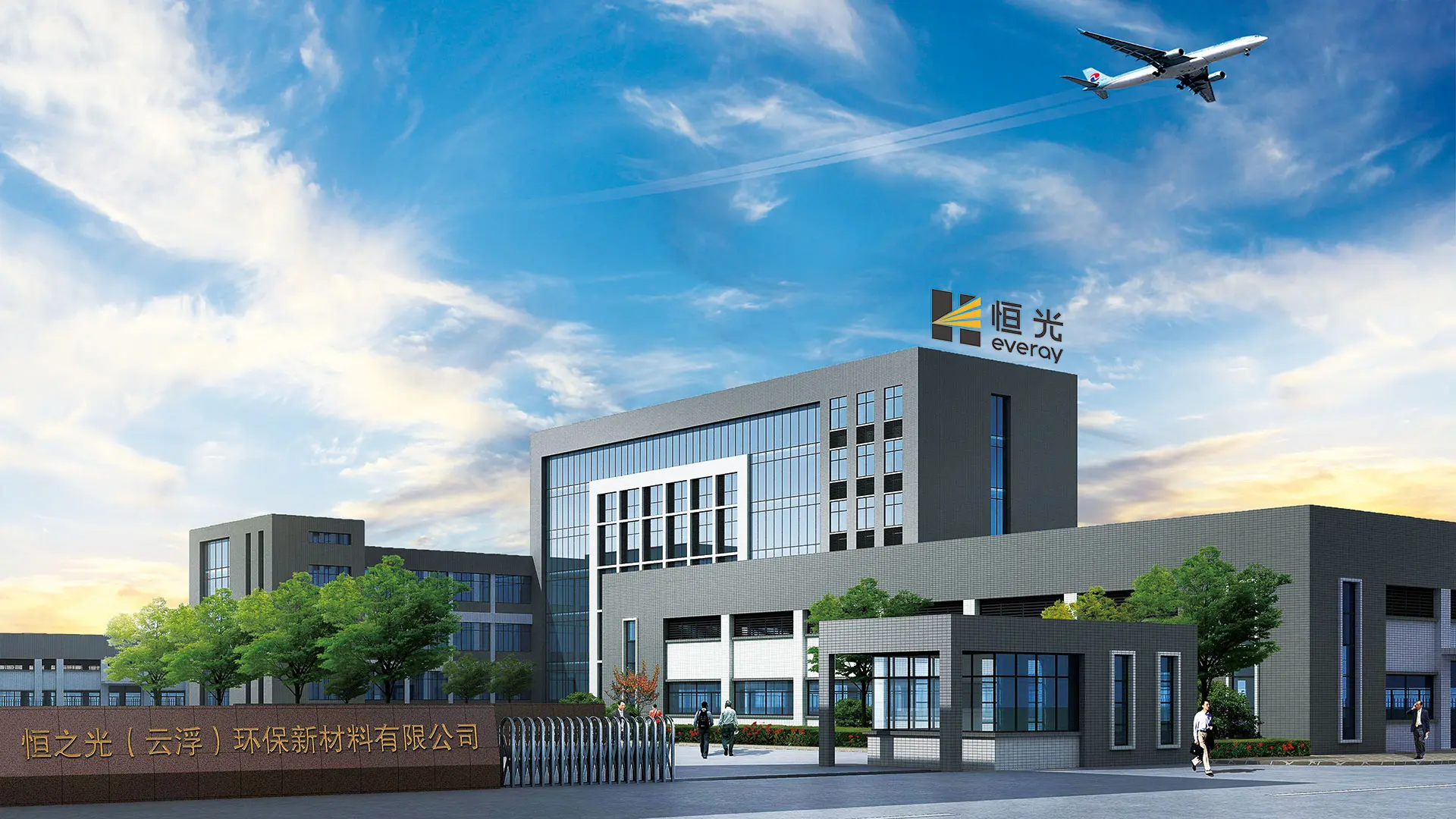
We operate two state-of-the-art production bases. The Jiangmen factory covers 10,000 square meters, handling rapid prototyping and high-mix specialty resins. Our flagship Yunfu facility spans 40,000 square meters, equipped with high-throughput automated reactors managed by a DCS fully computerized control system. This ensures that molecular weight distribution, viscosity, reactivity, and monomer residues remain uniform from batch to batch. Both sites operate under ISO9001 and ISO14001 certification.
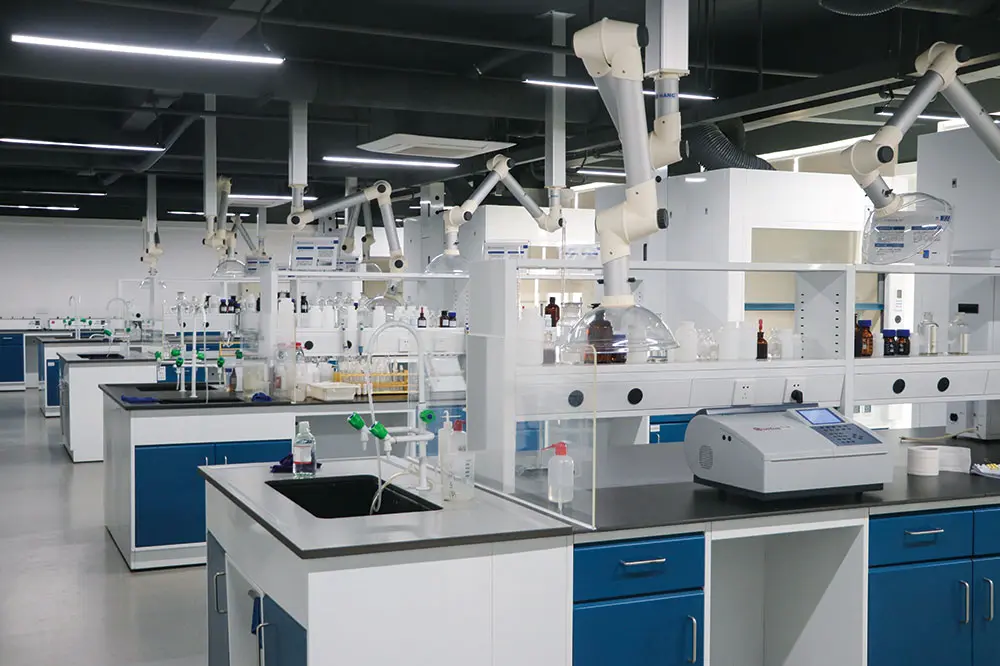
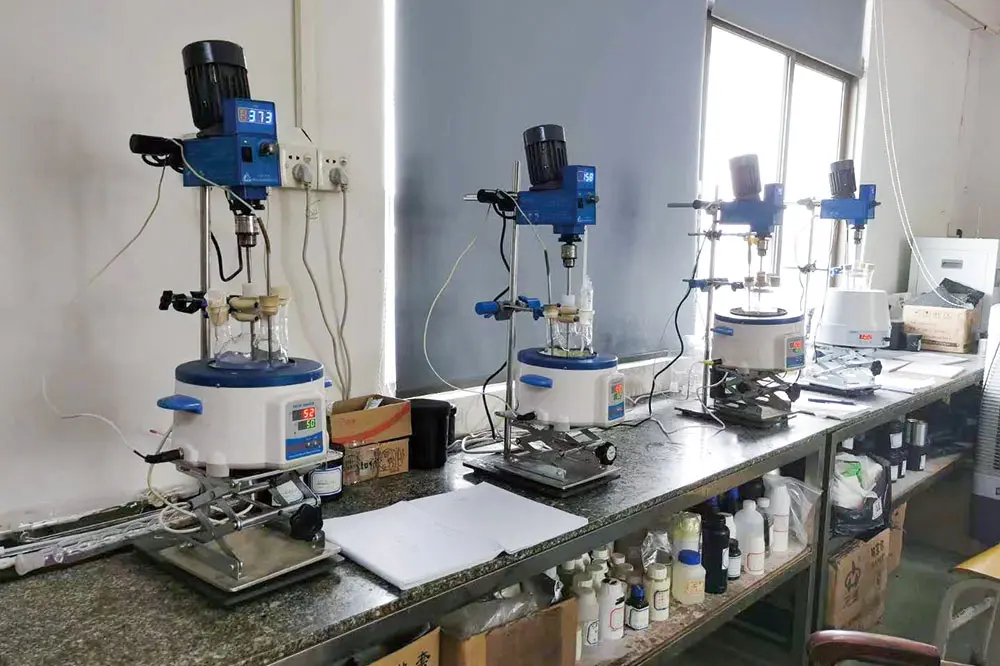
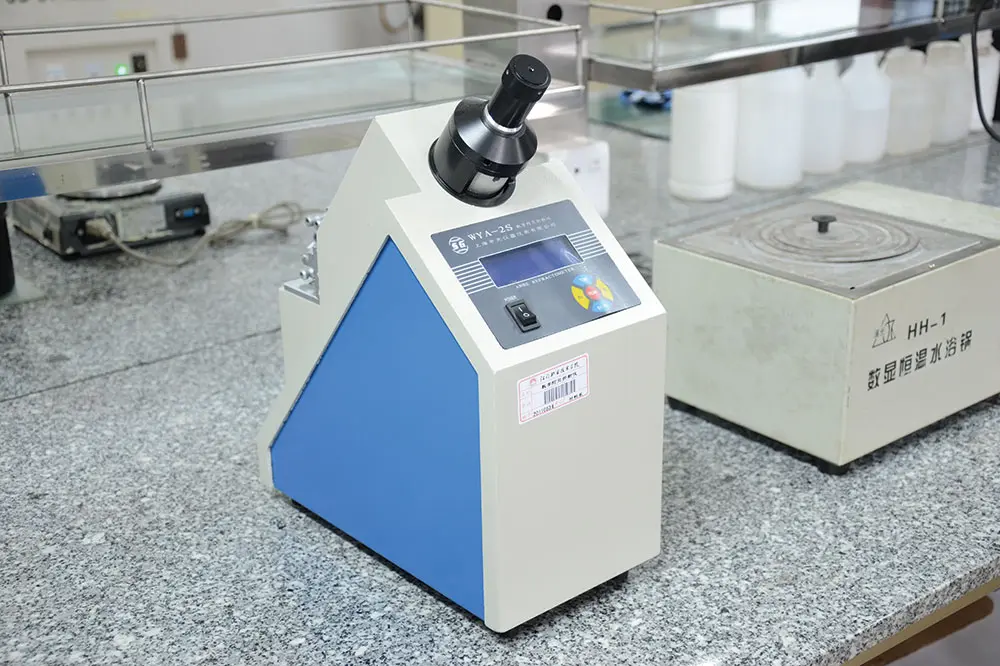
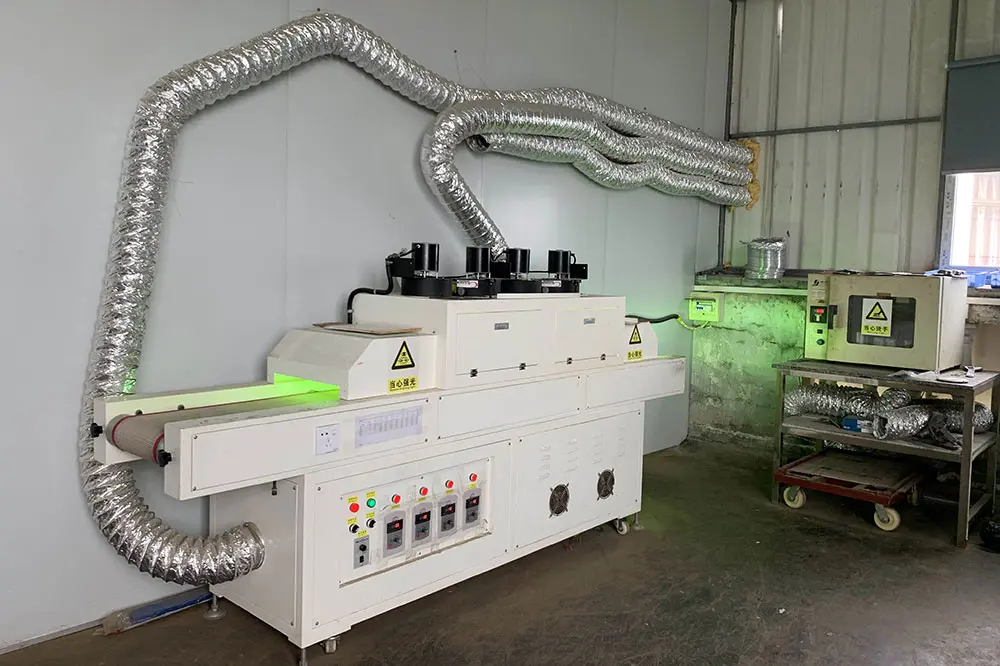
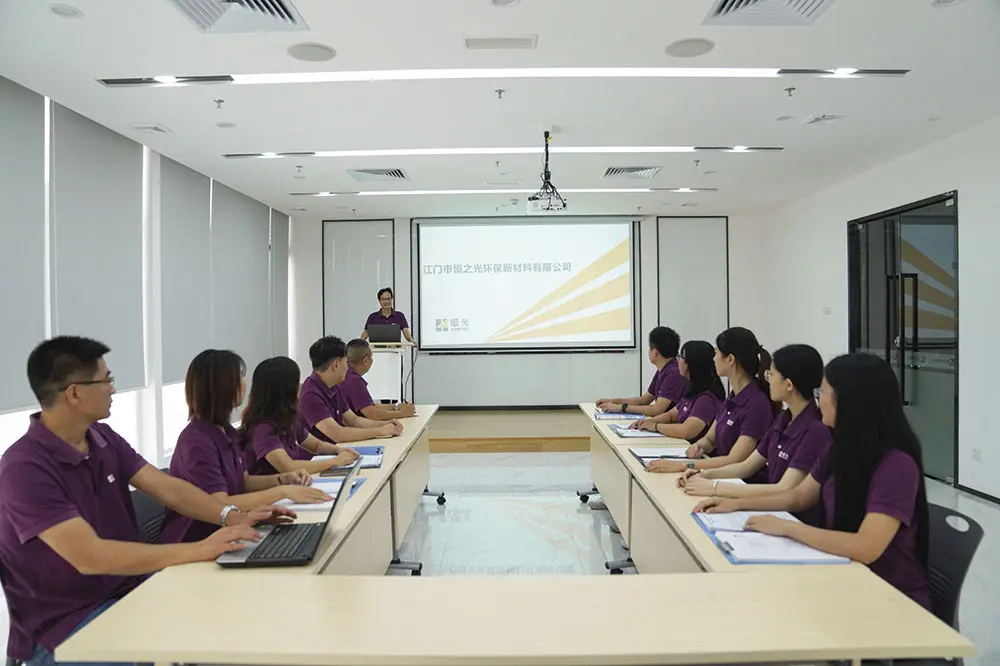
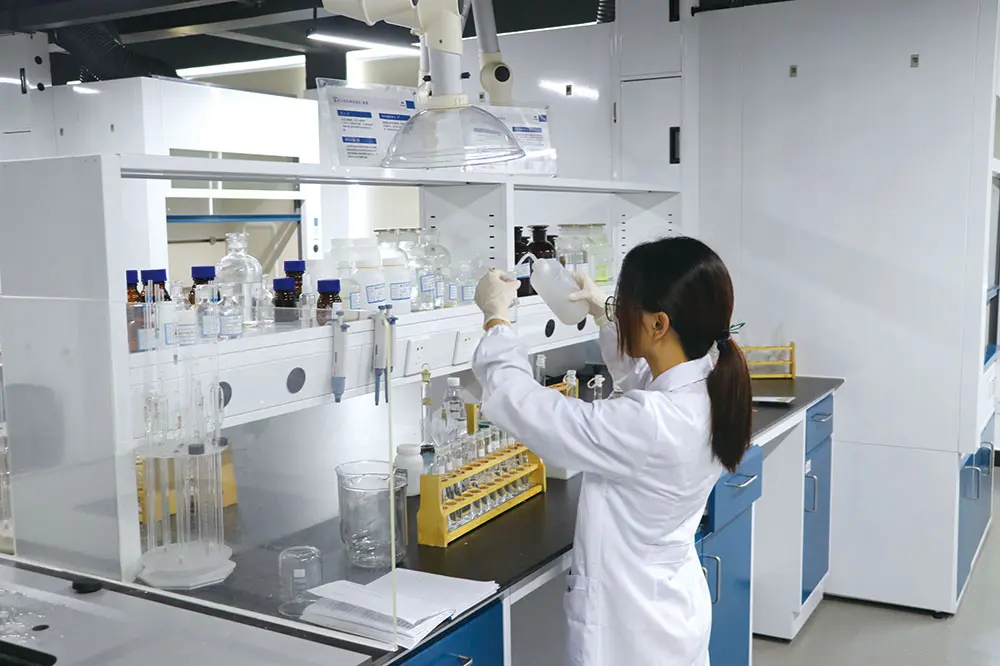
To maintain high safety and stability, we source high-quality raw materials globally and consult with domestic UV curing industry experts. Our in-house analytical laboratory is equipped with gas chromatography (GC), gel permeation chromatography (GPC), Fourier-transform infrared spectroscopy (FTIR), and Brookfield rheometers. This ensures every shipment dispatched to Swedish chemical formulators arrives with a comprehensive Certificate of Analysis (CoA) matching your exact specifications.
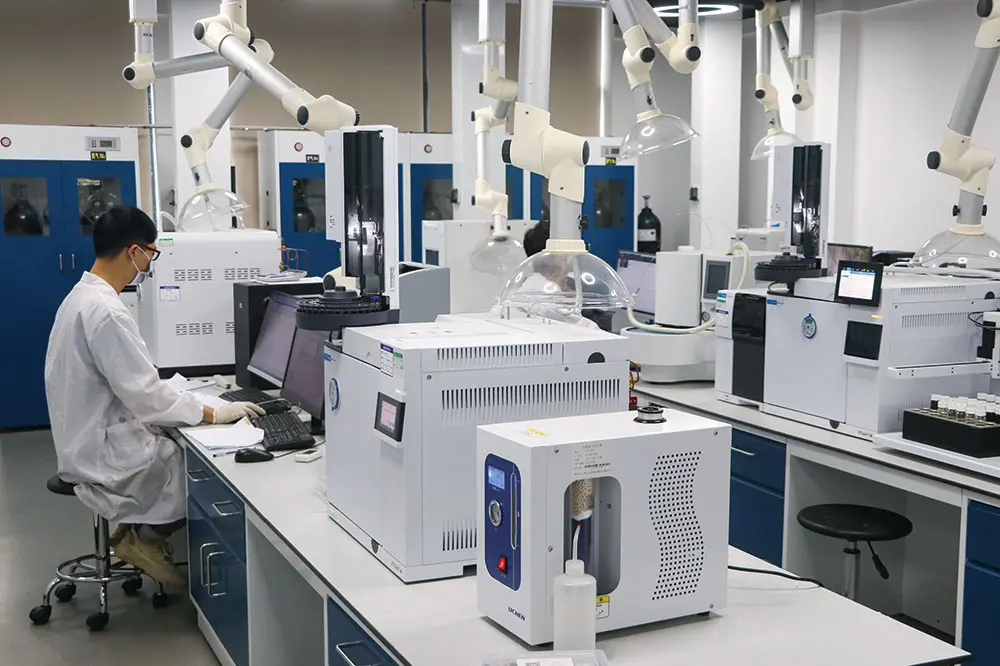
Select from our specialized line of modified epoxy acrylates, UV monomers, and high-performance curing agents.
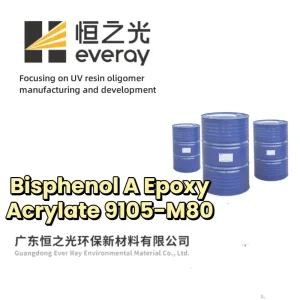
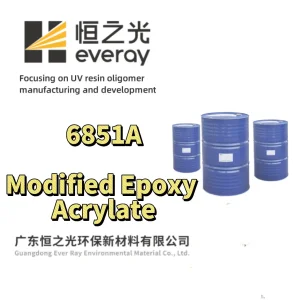
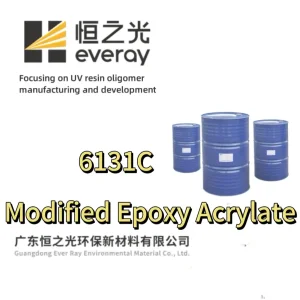
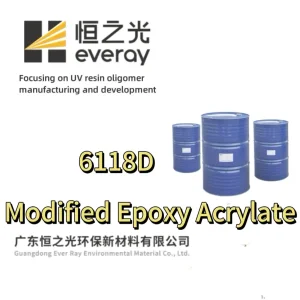
Guangdong Ever Ray integrates sustainability and performance. With 15+ dedicated chemical engineers and technicians in our research centers, we focus on eco-friendly innovations.
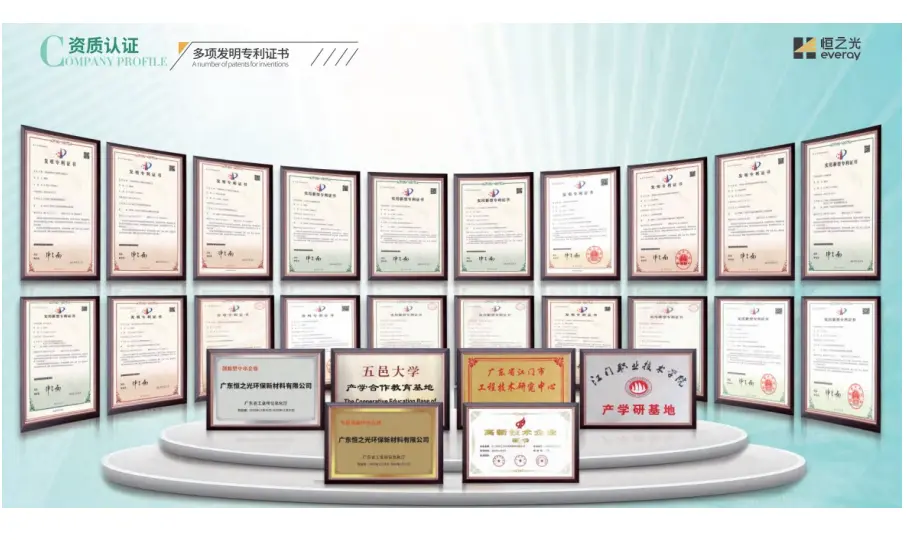
For our partners in Sweden, we ensure that every batch conforms to the strict safety parameters defined by European bodies:
Critical chemistry and procurement insights for R&D departments and sourcing directors in Sweden.
 Ever Ray