High-reactivity epoxy acrylate oligomers optimized for demanding wood finishes, packaging inks, and heavy-duty coatings.
The Republic of Ghana is positioning itself as West Africa's leading manufacturing hub under national strategies like the "One District, One Factory" (1D1F) initiative. In major industrial sectors across Accra, Tema, and Kumasi, manufacturing enterprises are swiftly upgrading their production lines. One of the most pronounced technology transitions is happening within the industrial coatings, commercial packaging, printing, and wood processing sectors.
Traditionally, these sectors relied heavily on solvent-based polyurethanes, nitrocellulose lacquers, and conventional thermal curing inks. However, Ghana's tropical climate—characterized by consistently high ambient temperatures and elevated relative humidity—often compromises the curing reliability of solvent-evaporative systems, leading to defects like micro-cracking, slow drying times, and surface blushing.
To combat these challenges, Ghanaian manufacturers are adopting UV-curing technology. UV curing relies on photochemical reactions to polymerize liquid oligomers instantly. At the core of this transition are Epoxy Acrylate Oligomers. These resins provide unmatched benefits, including instantaneous curing, negligible volatile organic compound (VOC) emissions, and extremely high chemical and scratch resistance.
Understanding the core chemical performance metrics of Epoxy Acrylate Oligomers is critical for Ghanaian formulating chemists and production managers seeking to develop robust UV-curable products.
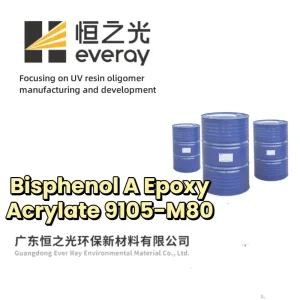
Standard Epoxy Acrylates (typically synthesized from bisphenol A diglycidyl ether and acrylic acid) offer a high concentration of terminal acrylate double bonds. Upon exposure to ultraviolet radiation, photoinitiators generate free radicals that initiate chain-growth polymerization. This results in a highly cross-linked network, providing exceptional hardness, chemical resistance, and high tensile strength.
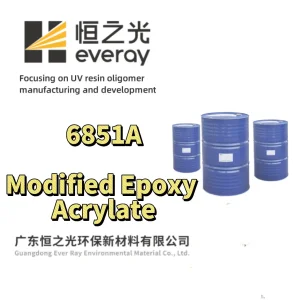
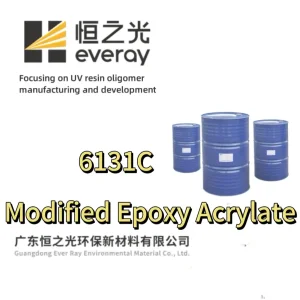
Due to the density of the covalent bonds formed during polymerization, pure epoxy acrylates can exhibit significant volumetric shrinkage (typically 5%–9%). This may result in adhesion loss on smooth substrates. Ever Ray's modified epoxy acrylates incorporate soft segments or organic modifications to minimize shrinkage while maintaining outstanding surface curing performance.
The viscosity of standard epoxy acrylates is highly temperature-dependent. At warm ambient temperatures in West Africa, formulation viscosity naturally decreases. Understanding this temperature-viscosity relationship allows local manufacturers to optimize monomer diluent (e.g., TMPTA, TPGDA) loading ratios, reducing costs without compromising application characteristics.
| Oligomer Class | Key Strengths | Primary Industrial Applications | Curing Velocity |
|---|---|---|---|
| Standard Bisphenol A Epoxy Acrylate | Extreme hardness, high gloss, fast curing, chemically inert. | Overprint varnishes, wood topcoats, plastic coatings. | Excellent (<1.5s/pass) |
| Modified Epoxy Acrylate | Enhanced flexibility, improved adhesion to metals, lower shrinkage. | Offset lithographic inks, metal packaging, plastic films. | Moderate to Fast |
| Low Viscosity Epoxy Acrylate | Minimal monomer dilution needed, high pigment wetting. | Flexographic and screen printing inks, sprayable wood finishes. | Very Fast |
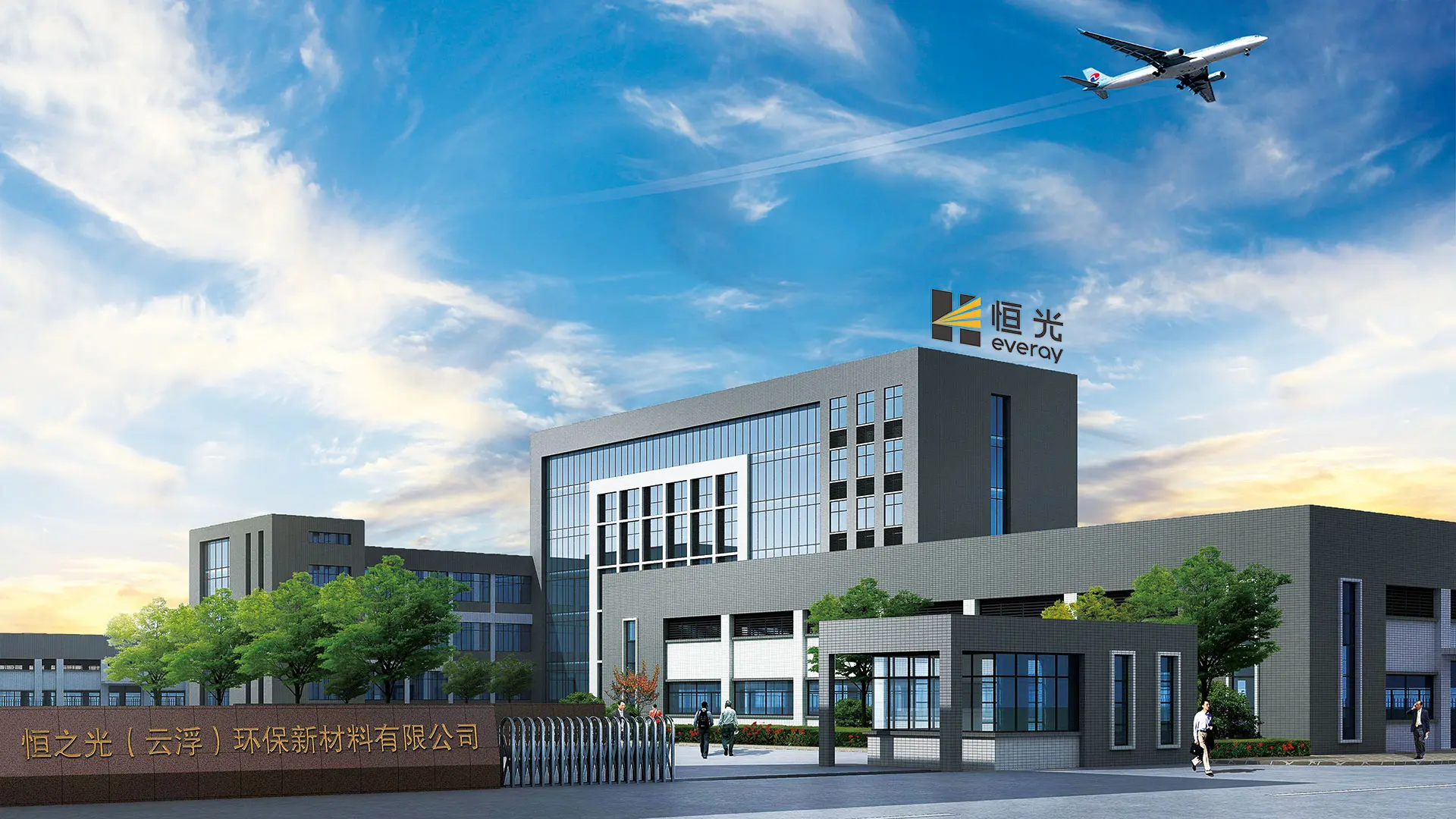
Established in 2006, Guangdong Ever Ray Environmental Material Co., Ltd. is a premier national high-tech enterprise dedicated exclusively to the research, development, synthesis, and manufacturing of high-performance oligomers for UV-curable systems. Our extensive product portfolio includes epoxy acrylate, polyurethane acrylate (waterborne, aliphatic urethane, and aromatic urethane), polyester acrylate, pure acrylate, and other custom-synthesized functional modified acrylate oligomers.
With nearly two decades of focus on radiation-curing technology, Ever Ray has emerged as a reliable partner for global manufacturers seeking chemical raw materials that balance cost-efficiency with high functionality.
To guarantee continuous supply and maintain logistics stability for international markets, including West Africa, Ever Ray operates two state-of-the-art production bases in Guangdong Province, China:
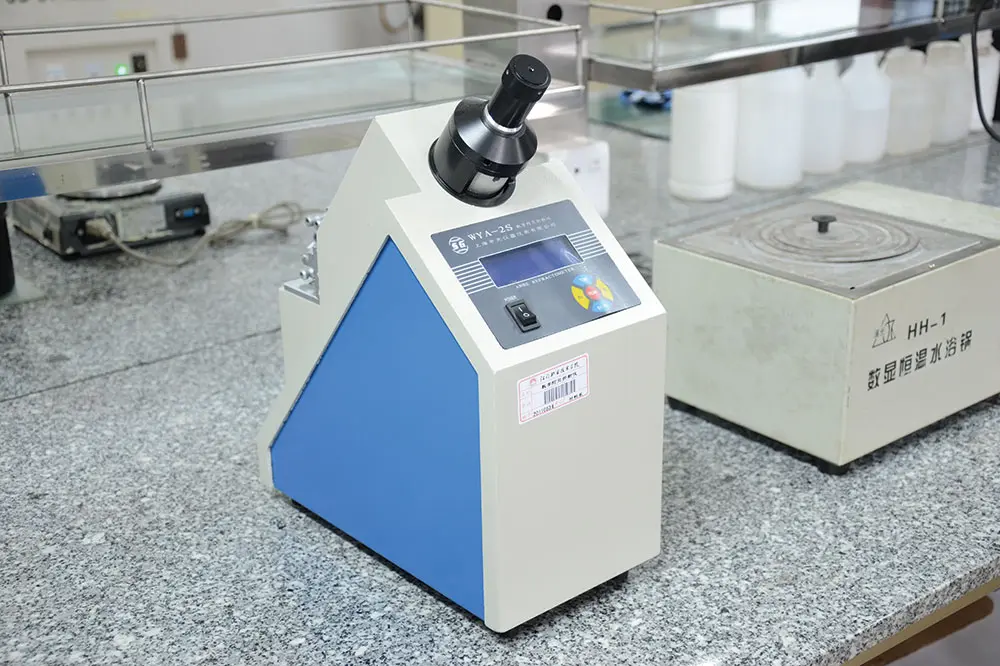
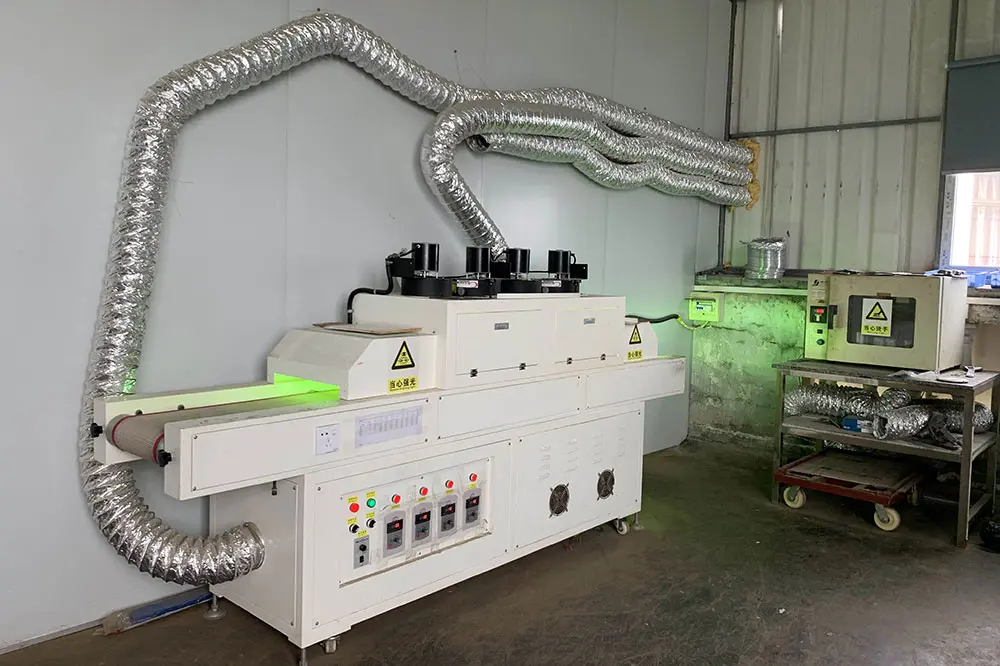
Combined, our annual production capacity exceeds 20,000 metric tons, operating across more than 10 highly automated production lines. All processes are controlled using a centralized DCS fully computerized system to ensure batch-to-batch consistency.
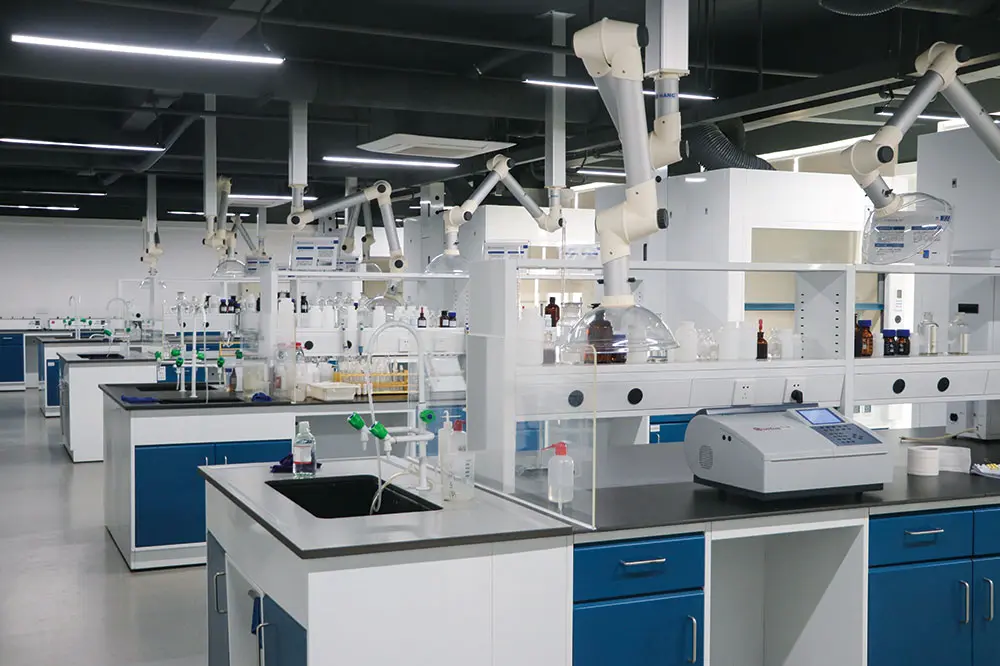
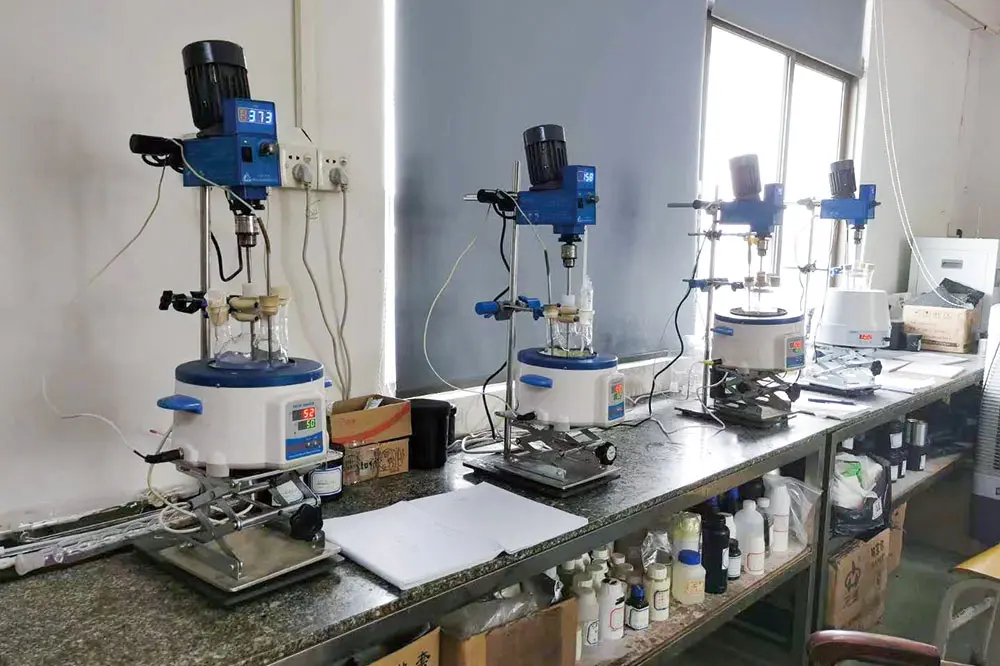
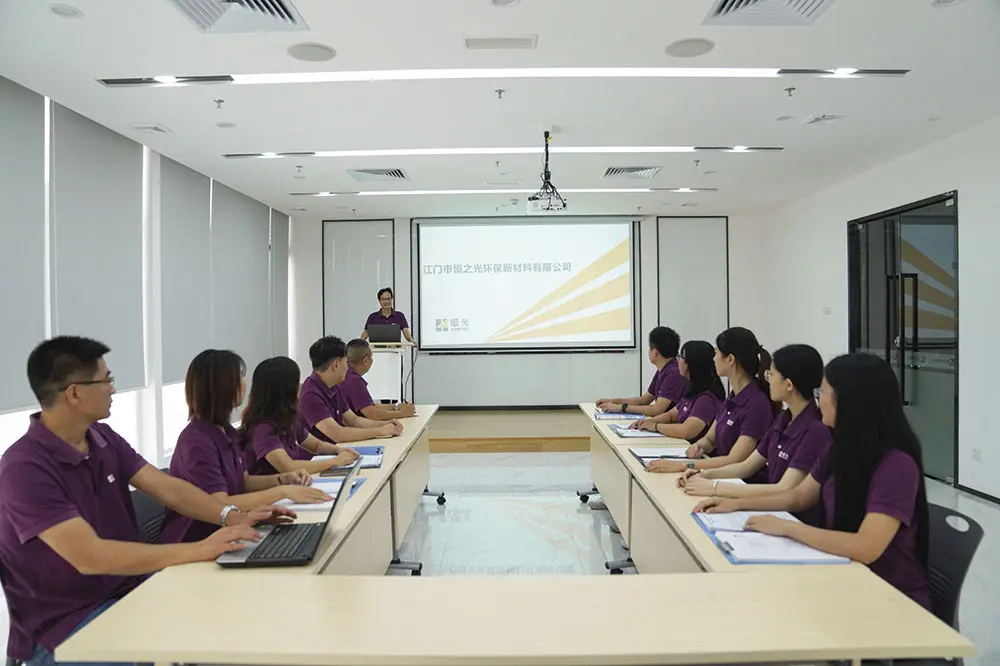
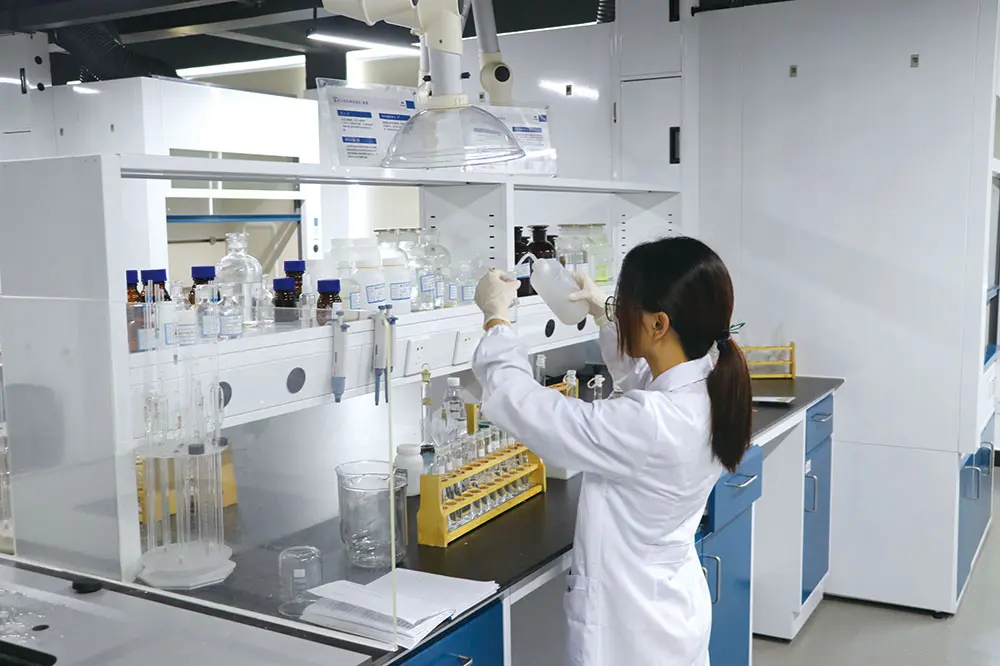
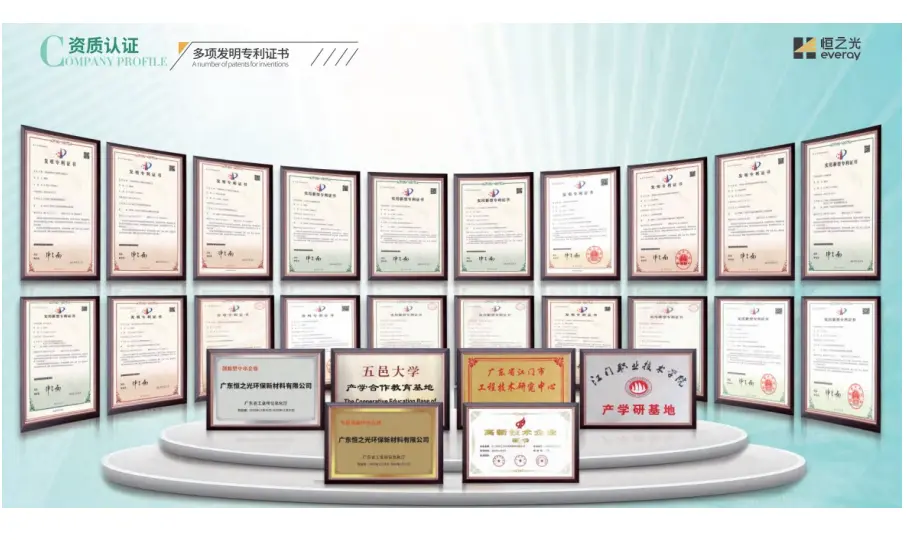
Innovation drives our growth. Ever Ray holds more than 10 invention and utility model patents, with a dedicated team of over 15 technicians in our R&D department. We collaborate with national academic institutions and industry consultants to continuously optimize raw material reactivity, yellowing resistance, and safety metrics.
We don't just supply products; we partner with formulators in Ghana to deliver tailored solutions that meet precise local performance and cost criteria.
UV curing is expanding rapidly across Ghana. We provide tailored solutions to help local industries modernize their production lines:
With the growth of local consumer goods and food packaging in Ghana, the demand for high-speed, low-odor printing inks is rising. Our Epoxy Acrylates, such as the 6100D and 6805A-1, are designed for UV flexographic, offset, and screen printing inks. They provide fast curing speeds and excellent pigment wetting, ensuring crisp graphics and clean printing at high run speeds.
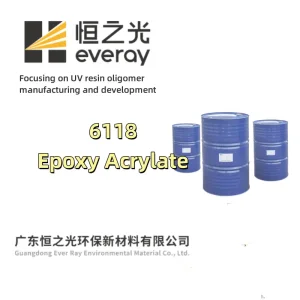
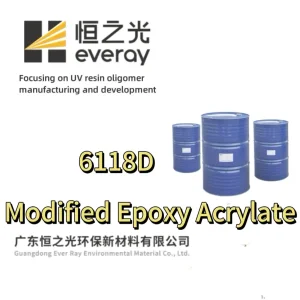
Ghana's wood processing industry, utilizing premium native hardwoods like Teak, Wawa, and Odum, requires high-durability coatings. Our modified epoxy acrylates (e.g., 6102 and 6118) provide deep wood grain enhancement, high gloss, and superior scratch resistance. They dry instantly under UV lamps, allowing wood manufacturers to pack and ship products immediately.
For automotive plastics, electronic enclosures, and metal building materials, our resins provide durable protection against high humidity, coastal salinity, and mechanical wear. Our low-shrinkage acrylates prevent coating cracking, protecting substrates under harsh environmental conditions.
When purchasing chemical raw materials internationally, Ghanaian manufacturers face common challenges: long lead times, variable maritime conditions, and inconsistent product quality. Ever Ray addresses these issues through advanced smart manufacturing and logistics support:
Our plants operate under ISO9001 Quality Management and ISO14001 Environmental Management Systems. The DCS automated control system manages feeding, temperature profiles, and reaction steps to ensure consistent quality across every batch.
To protect products during maritime transport from Guangdong to Tema or Takoradi ports, we use reinforced packaging. Drums are palletized, wrapped, and containerized with moisture absorbents to ensure the oligomers arrive in perfect condition.
We support Ghanaian buyers throughout the import process. Our technical and logistics teams ensure smooth clearance and application support:
We provide comprehensive Material Safety Data Sheets (MSDS), Technical Data Sheets (TDS), and Certificates of Analysis (COA) for every shipment. All formulations comply with global environmental standards, assisting with clearance through the Ghana Environmental Protection Agency (EPA).
Our lab can adjust resin properties, such as viscosity, curing speed, and flexibility, to meet the specific requirements of your local manufacturing environment.
We coordinate shipments to Tema and Takoradi ports, working with leading shipping lines to ensure reliable transit times and clear documentation.
Browse our full range of specialty acrylates, including shadowless adhesives, modified resins, and high-performance oligomers.
Find quick answers to common questions about importing, handling, and formulating with Ever Ray UV-curable epoxy acrylate resins in Ghana.
Get in touch with Ever Ray's technical sales team to request samples, discuss custom formulation needs, or get pricing details for the Ghanaian and wider West African markets.
 Ever Ray