Highly reactive epoxy acrylate oligomers customized for the local Victorian manufacturing, wood processing, and commercial print industries.
Victoria's chemical manufacturing and industrial coatings landscape is rapidly transitioning to comply with stringent sustainability policies, including the EPA Victoria Guidelines for Environmental Management. Volatile Organic Compound (VOC) reduction is no longer optional. As a result, waterborne and 100% solid UV-curable systems have become the benchmark for commercial woodworking, packaging converters, and automotive assembly lines around Melbourne (from Dandenong to Campbellfield).
Epoxy acrylate oligomers represent the backbone of this green transition. Formulated to offer fast polymerization rates, excellent chemical resistance, and high surface hardness, these resins serve Melbourne's timber industry (Victorian Ash, Oak coatings), local label printers, and architectural product developers. By deploying advanced bisphenol A epoxy acrylates and modified oligomers, local manufacturers achieve rapid cure cycles, drastically reducing energy usage while maximizing production line velocity.
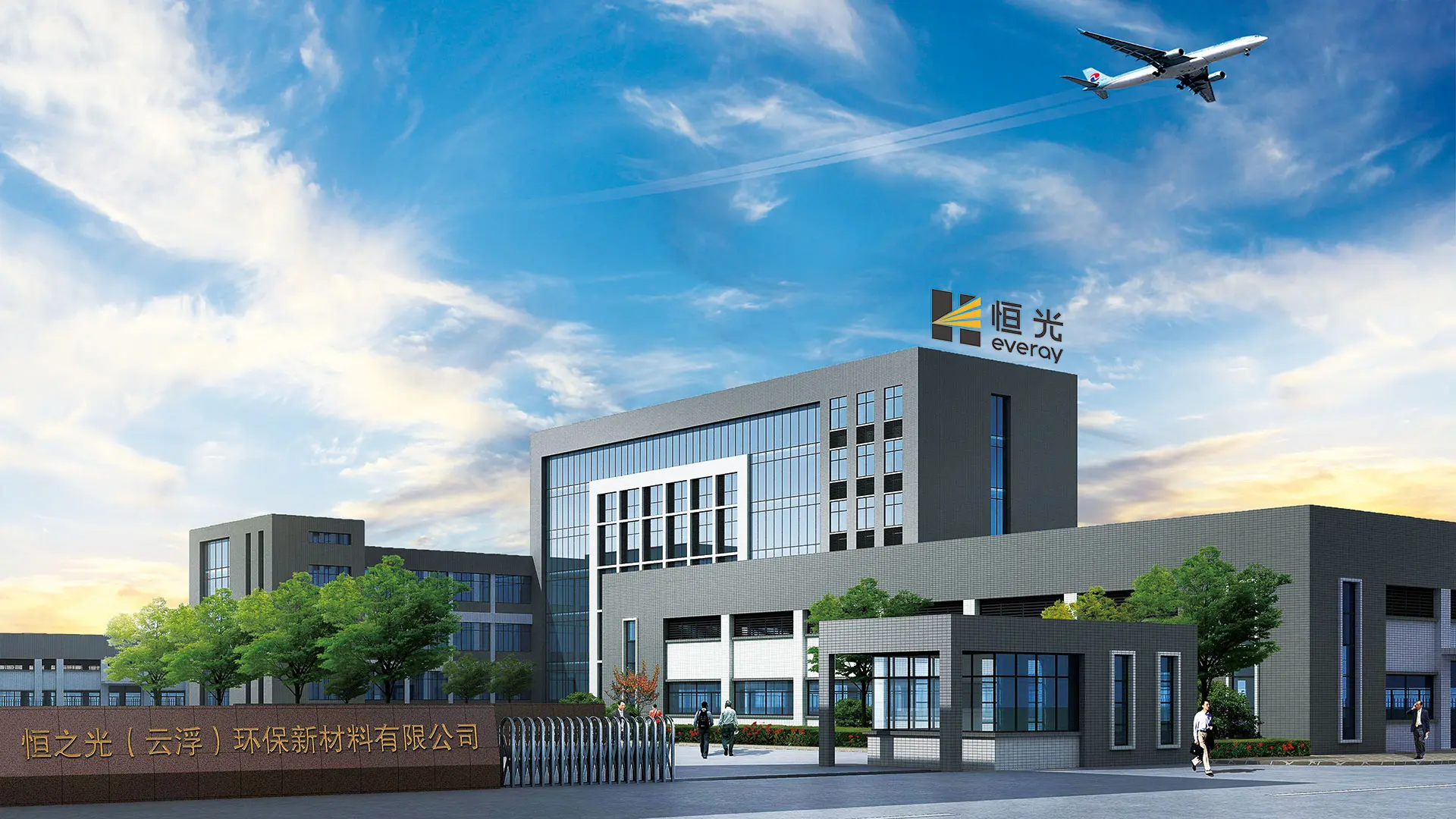
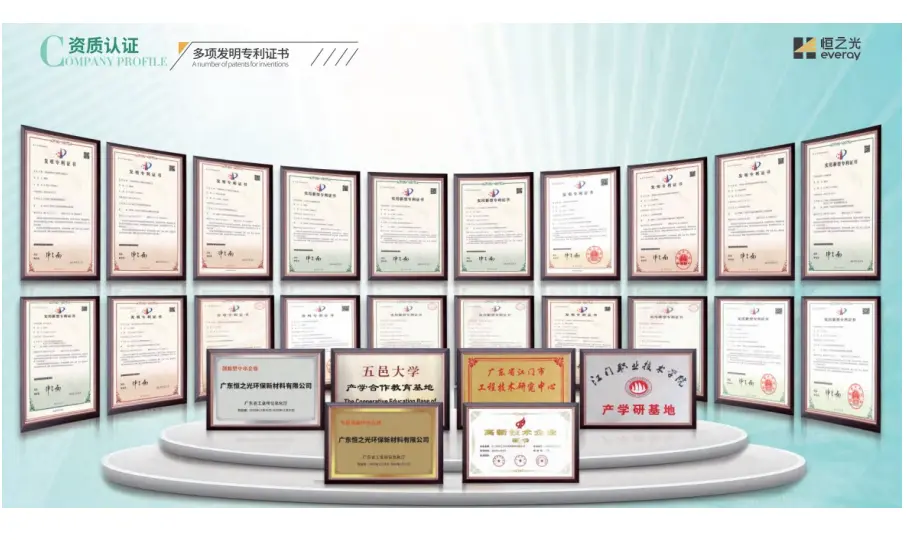
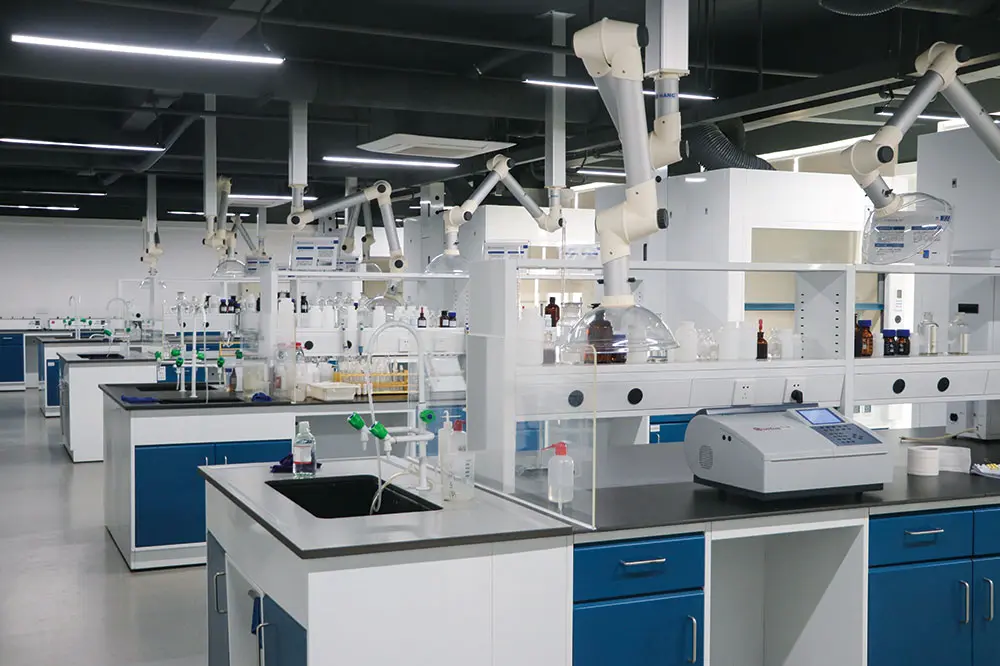
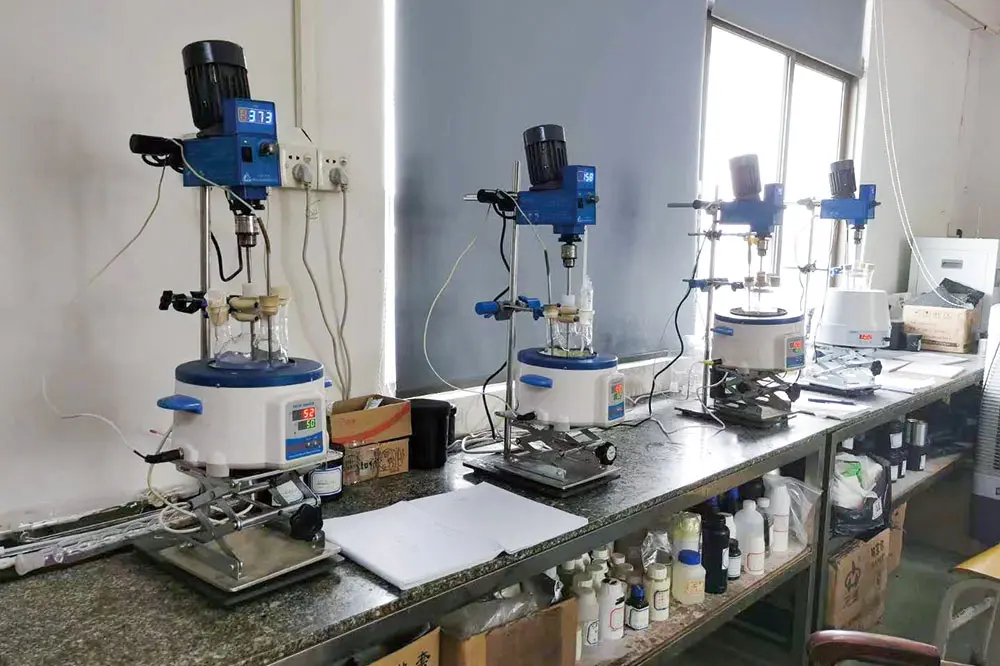
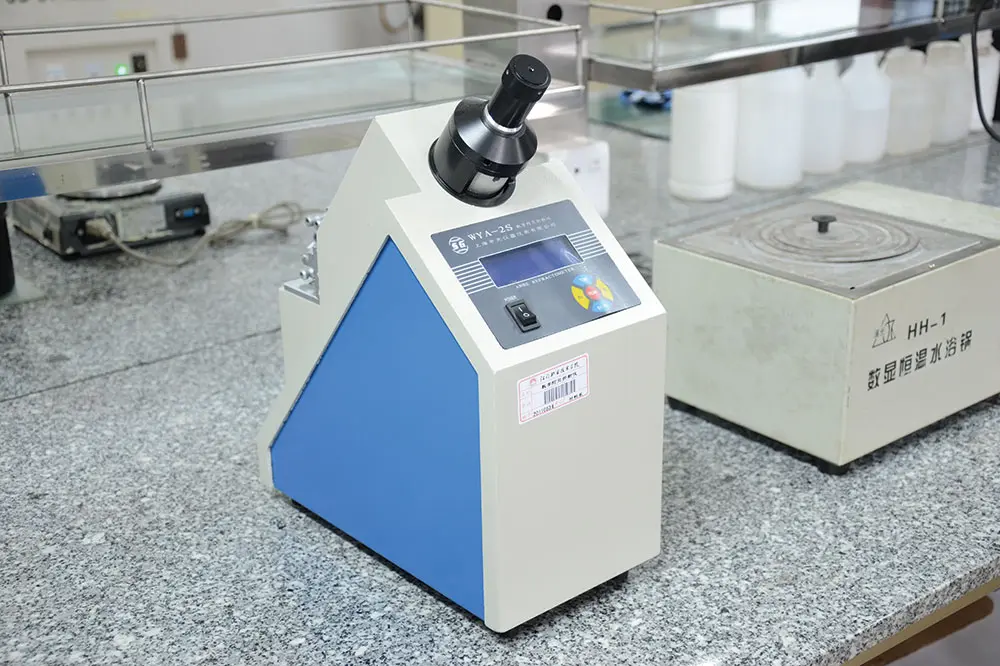
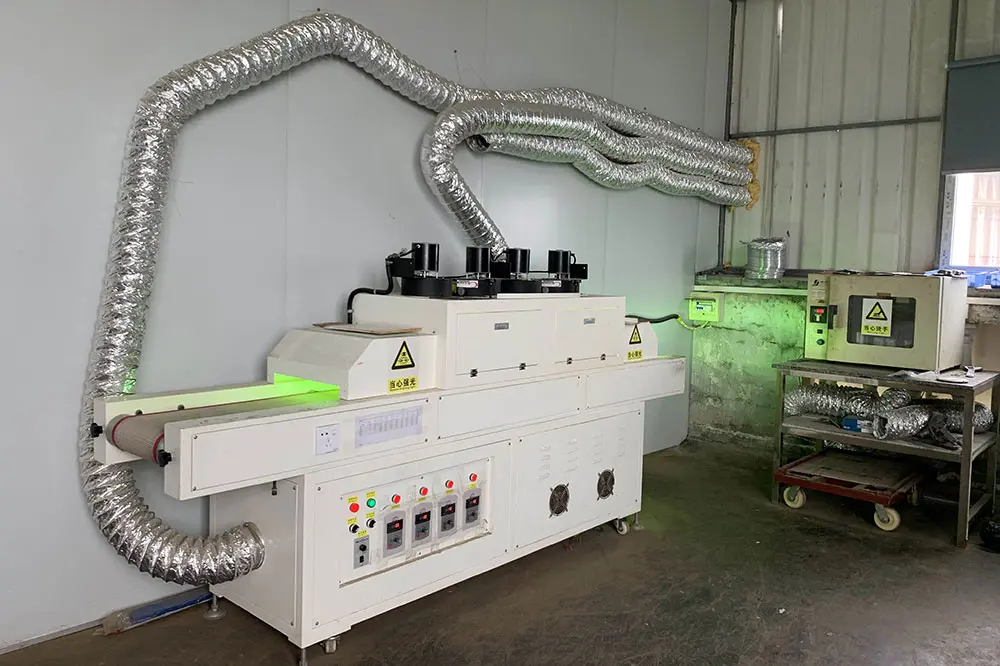
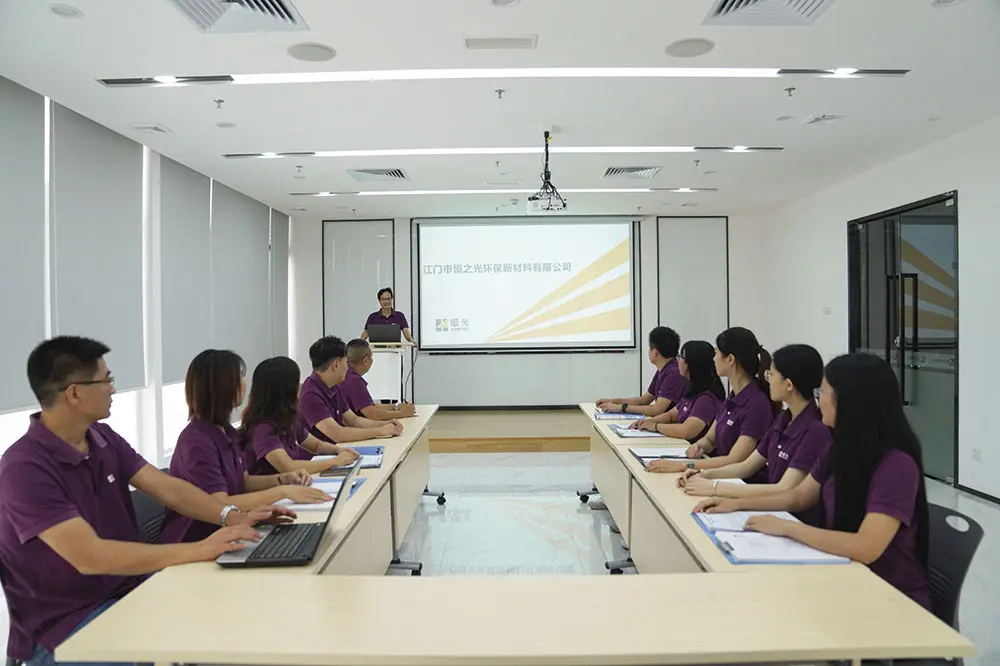
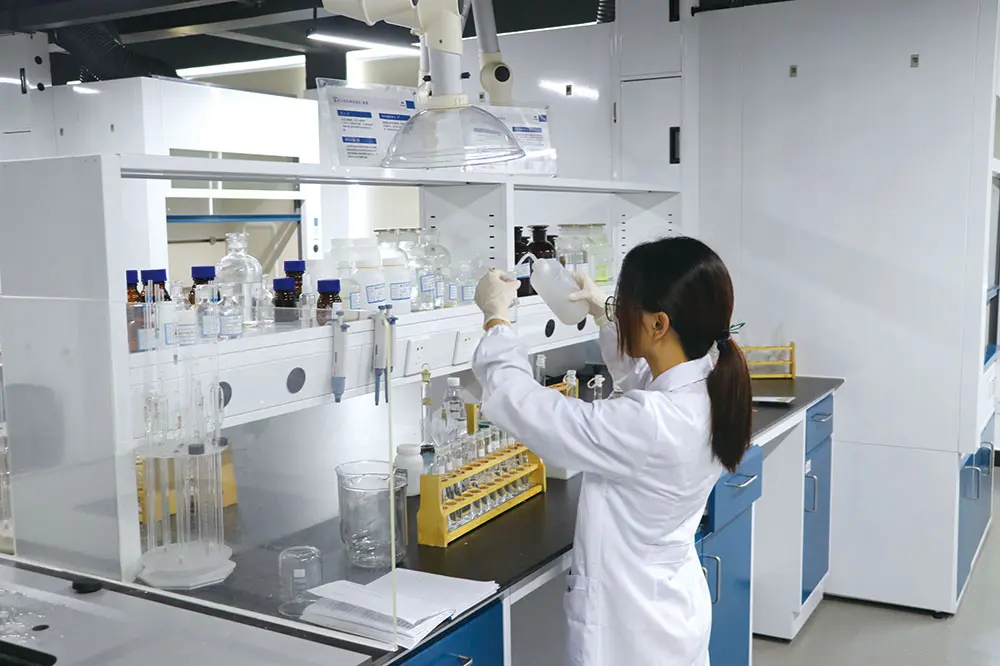
Guangdong Ever Ray Environmental Material Co., Ltd. established in 2006, is a high-tech enterprise focusing on the R&D and manufacturing of oligomers for UV curable resin such as epoxy acrylate, polyurethane acrylate (water borne, aliphatic urethane, aromatic urethane), polyester acrylate, pure acrylate, and other special functional modified acrylate oligomers.
We operate two robust production bases designed to support large-scale global chemical supply networks:
Complete with state-of-the-art quality control, storage, and logistics supporting facilities, our annual production capacity exceeds 20,000 tons across more than 10 dedicated production lines.
To ensure precise quality control, our factories operate strictly under the ISO9001 Quality Management System and ISO14001 Environmental Management System. This is integrated with a flexible and advanced DCS fully computerized control system. We source premium domestic and global raw materials, adopting advanced scientific management and consulting with UV material experts to guarantee safety and product consistency.
With more than 10 invention patents and practical patents, and a core team of over 15 senior technicians in our R&D department, we engineer resins with high reactivity, chemical resistance, and high gloss. Our formulations cater to a diverse array of global and local applications, including wood coatings, plastics, inks, and structural adhesives, balancing high performance with optimal cost efficiency.
Established Year
Annual Capacity
R&D Scientists
Invention Patents
Specific oligomer formulations targeting advanced low-viscosity applications and specialty optical clear coatings.
Understanding the chemistry behind the durability, crosslinking density, and polymer structure of UV radiation curing.
Standard Bisphenol A (BPA) epoxy acrylates are synthesized via the reaction of acrylic acid with epoxy resins. The presence of the rigid aromatic backbone of bisphenol A imparts superior tensile strength, excellent thermal stability, and exceptional hardness to the cured film. However, the high molecular weight and dense hydrogen bonding from hydroxyl groups can lead to high viscosity. Our R&D team resolves this through molecular design, yielding modified epoxy acrylates that display lower viscosity profiles while maintaining high reactivity.
These acrylates undergo rapid free-radical polymerization under UV radiation (250–400 nm) in the presence of appropriate photoinitiators (such as Omnirad 1173 or TPO). The result is a highly crosslinked, insoluble network featuring:
| Product Family | Viscosity (mPa.s @ 25°C) | Functionality | Primary Industry Target |
|---|---|---|---|
| 6100 Series | 15,000 - 30,000 | 2 | High-gloss paper coatings & wood topcoats |
| 6110 Series | 8,000 - 15,000 | 2 (Modified) | Fast-cure offset printing inks & adhesives |
| 6200 Series | 3,000 - 8,000 | 2 (Low Yellowing) | Shadowless adhesives & electronics packaging |
| 9000 Series | 12,000 - 25,000 | 2 (High Purity) | Specialty laminates & chemical-resistant coatings |
Importing and distributing raw chemical components into Melbourne requires adherence to strict national regulations. Guangdong Ever Ray ensures full alignment with the Australian Industrial Chemicals Introduction Scheme (AICIS). Our regulatory compliance specialists work closely with Australian importers to ensure all imported monomers and oligomers are properly registered and evaluated.
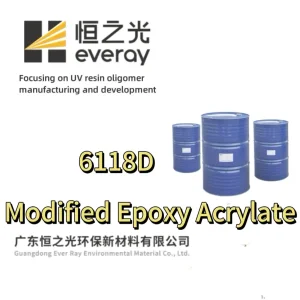
Additionally, we maintain a highly optimized logistics pathway to the Port of Melbourne. All shipments are packed in robust, UV-shielded steel drums (200kg) or IBC containers (1000kg) to protect product integrity during maritime transit across the equatorial zones. We guarantee:
Comprehensive technical database of Epoxy Acrylate Oligomers available for delivery to Melbourne manufacturers and chemical formulators.
How next-generation polymer innovations are resolving modern curing constraints and environmental goals.
Traditional UV curing relies heavily on high-pressure mercury lamps, which emit a broad spectrum of UV radiation and generate substantial heat. The industry is rapidly shifting toward UV-LED curing units operating at specific wavelengths (e.g., 365nm, 385nm, 395nm). Our latest modified epoxy acrylates are molecularly tuned to exhibit high reactivity and surface cure efficiency under narrow-spectrum LED light, allowing local processors in Victoria to cut energy consumption by up to 50%.
As the circular economy becomes a key focus in Australia, we are developing bio-derived raw materials to replace petroleum-based feedstocks. By incorporating renewable building blocks such as vegetable oils, natural fatty acids, and agricultural residues, we aim to deliver oligomers with up to 40% bio-content without compromising the high-performance crosslinking characteristics of standard epoxy acrylates.
For packaging applications, particularly in the food and beverage industry, chemical migration is a critical safety consideration. Standard acrylates can sometimes leave unreacted trace monomers that pose odor and safety concerns. Ever Ray is addressing this by synthesizing high-molecular-weight oligomers with high acrylic functionality. This design ensures that virtually 100% of the active chemistry is bound tightly within the cured polymer matrix, meeting international migration standards.
Expert insights regarding formulation, compatibility, and international logistics for epoxy acrylates.
Our epoxy acrylate oligomers have a shelf life of 6 to 12 months when stored in their original, unopened containers. The storage temperature should be kept below 30°C, away from direct sunlight, heat sources, and strong oxidizers. Since Victoria can experience high-temperature spikes in summer, we recommend storage in well-ventilated, temperature-controlled warehouse spaces.
Pure Bisphenol A epoxy acrylates exhibit high viscosity due to extensive intermolecular hydrogen bonding. Formulators typically manage this by adding reactive diluents (monomers) such as TPGDA, TMPTA, or DPGDA. Additionally, Ever Ray produces chemically modified epoxy acrylates (like our 6300 and 61163 series) which feature pre-reduced viscosity, requiring less monomer dilution and maintaining excellent film performance.
Yes. All chemical components supplied by Ever Ray are assessed against international inventory systems, including Australia's AICIS. We assist our local distribution partners and direct importers by providing full Chemical Abstracts Service (CAS) numbers and compositional data required to register and import the materials legally and safely.
While standard Bisphenol A epoxy acrylates offer high hardness and chemical resistance, they are prone to yellowing when exposed to UV light over extended periods. For outdoor timber coatings, we recommend blending epoxy acrylates with our aliphatic polyurethane acrylates (PUA) or using our modified anti-yellowing epoxy acrylate series (such as 6851A and 61163) to prevent degradation from sun exposure.
Our standard MOQ for direct sea freight shipments to the Port of Melbourne is typically 1 metric ton (packaged in either 200kg drums or 1000kg IBCs). However, for testing, validation, and trial formulations, we can supply smaller sample quantities. Please contact our technical sales team for sample availability.
 Ever Ray