 Ever Ray
Select high-performance acrylic oligomers developed specifically to address low-VOC emission standards and precision industrial coatings.
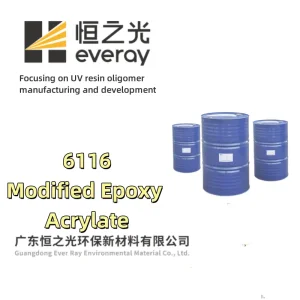
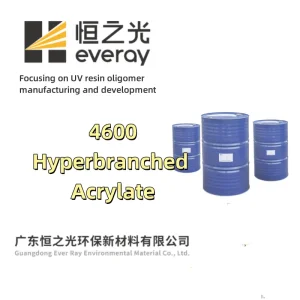
Hyperbranched polymers represent a major paradigm shift in industrial resin design. In contrast to linear polymer structures, hyperbranched acrylate oligomers possess a globular, highly branched dendritic macromolecular structure. This unique morphology eliminates chain entanglements, giving the chemical system a significantly lower viscosity profile at comparable or higher molecular weights. The vast number of functional terminal groups provides a substantial improvement in crosslinking density upon UV or EB exposure. This structural advantage directly correlates with rapid curing rates, minimal volume shrinkage, high chemical resistance, and excellent mechanical resilience.
Standard UV curing coatings face a fundamental trade-off: high crosslinking density typically requires low-molecular-weight multifunctional monomers, which often introduce high volume shrinkage, substrate adhesion issues, and potential health hazards (skin irritation and high volatile odor). Conversely, linear oligomers used to achieve flexibility and low shrinkage suffer from elevated viscosity, requiring large amounts of reactive diluents (monomers like IBOA, TPGDA, or TMPTA) to achieve coatable viscosities.
Hyperbranched structures circumvent this dynamic. The hyperbranched core provides a natural low-viscosity vehicle, requiring minimal dilution. This makes it possible to formulate solvent-free, ultra-low VOC coatings that achieve high hardness, superior scratch resistance, and robust mechanical stability in a single pass. This aligns directly with current international initiatives aimed at modernizing production systems through environmentally friendly chemistry.
Globular molecular structure prevents chain entanglement, offering low viscosity even at high molecular weights, significantly decreasing the requirement for volatile reactive monomers.
High density of terminal acrylate groups dramatically accelerates UV/LED radical cure kinetics, enabling faster line speeds for high-output industrial lines.
The multi-functional branched matrix redistributes internal polymerization stress, preventing film distortion, lifting, and adhesion failure on sensitive metal, glass, and plastic substrates.
Hungary has established itself as a primary industrial powerhouse in Central and Eastern Europe. Bolstered by strategic foreign direct investments and local infrastructure development, the country serves as a critical manufacturing hub for global value chains. The demand for hyperbranched acrylate oligomers in Hungary is driven primarily by key industrial clusters: automotive manufacturing, electronics assembly, industrial packaging, and high-end wood coating industries.
Hungary hosts major automotive production facilities for OEMs like Audi in Győr, Mercedes-Benz in Kecskemét, Suzuki in Esztergom, and the major BMW factory development in Debrecen. Supporting these OEMs is a dense tier of component manufacturers supplying plastic interior parts, dashboard components, decorative trims, and optical housings. These substrates require high-performance coatings that combine scratch resistance, UV durability, and low-temperature curability to protect thermo-sensitive plastics. Hyperbranched acrylate oligomers are an ideal choice here, providing high hardness and chemical resistance for automotive interiors while keeping VOC levels below strict EU thresholds.
With major production sites in cities such as Székesfehérvár, Budapest, and Miskolc, Hungary has a long history of electronics manufacturing. The localization of battery manufacturing plants for electric vehicles (EVs) has further intensified the regional demand for high-reliability resins. Hyperbranched UV curable resins are widely utilized in PCB conformal coatings, dielectric layers, optical bonding adhesives, and lithium-ion battery component sealing. The low shrinkage of hyperbranched systems minimizes mechanical stress on delicate electronic components, ensuring long-term thermal and electrical stability.
The flexographic and offset packaging print shops concentrated around Budapest and Central Hungary are undergoing rapid transformation. Driven by EU mandates to phase out organic solvent emissions, local operators are investing heavily in LED-UV printing technologies. Hyperbranched polyester acrylates and epoxy acrylates provide the rapid cure response under LED wavelengths (typically 385nm or 395nm) needed to eliminate oxygen inhibition. The result is high-resolution print runs on flexible packaging, plastic foils, and metal containers with zero solvent retention and minimized odor profiles suitable for indirect food packaging.
Guangdong Ever Ray Environmental Material Co., Ltd. — Delivering Global Standard Oligomer Solutions since 2006.
Established in 2006, Guangdong Ever Ray Environmental Material Co., Ltd. is a high-tech enterprise specializing in the research, development, and manufacturing of oligomers for UV-curable systems. Our product portfolio includes epoxy acrylates, polyurethane acrylates (waterborne, aliphatic urethane, aromatic urethane), polyester acrylates, pure acrylates, and specialty functional modified acrylate oligomers.
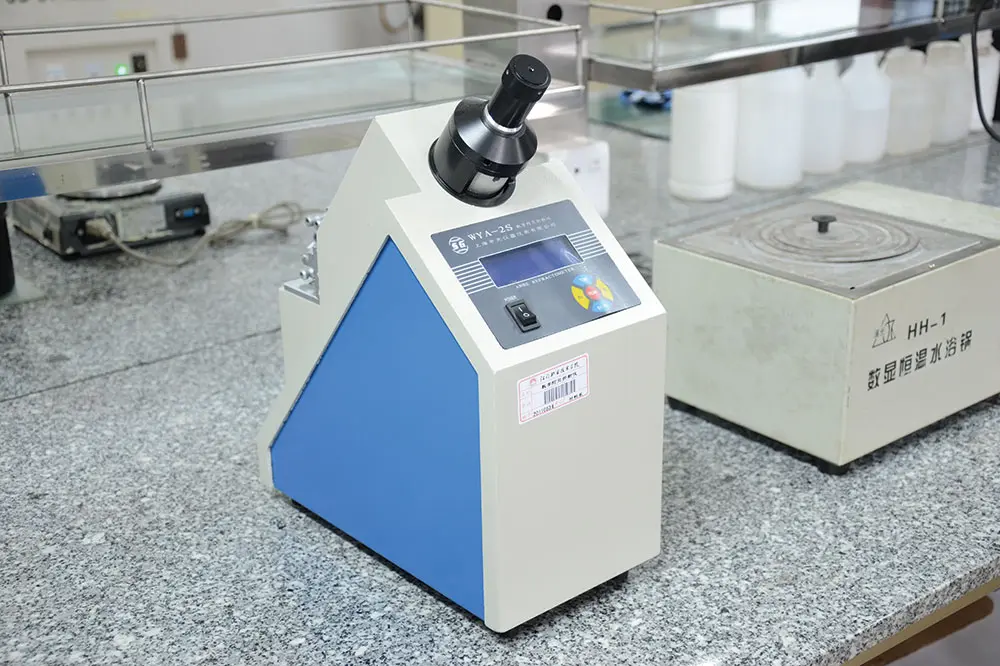
We operate two modern production bases in Guangdong province. Our facility in Jiangmen covers an area of approximately 10,000 square meters, while our high-capacity production base in Yunfu spans around 40,000 square meters. Complete with advanced quality control labs, computerized storage, and automated logistics networks, our annual production capacity exceeds 20,000 tons. The Yunfu facility features more than 10 dedicated production lines managed via a fully computerized DCS (Distributed Control System).
Our operations run under strict ISO9001 Quality Management and ISO14001 Environmental Management frameworks. To ensure batch-to-batch consistency and technical safety, we source high-quality raw materials globally and collaborate with domestic and international UV materials specialists for technical guidance.
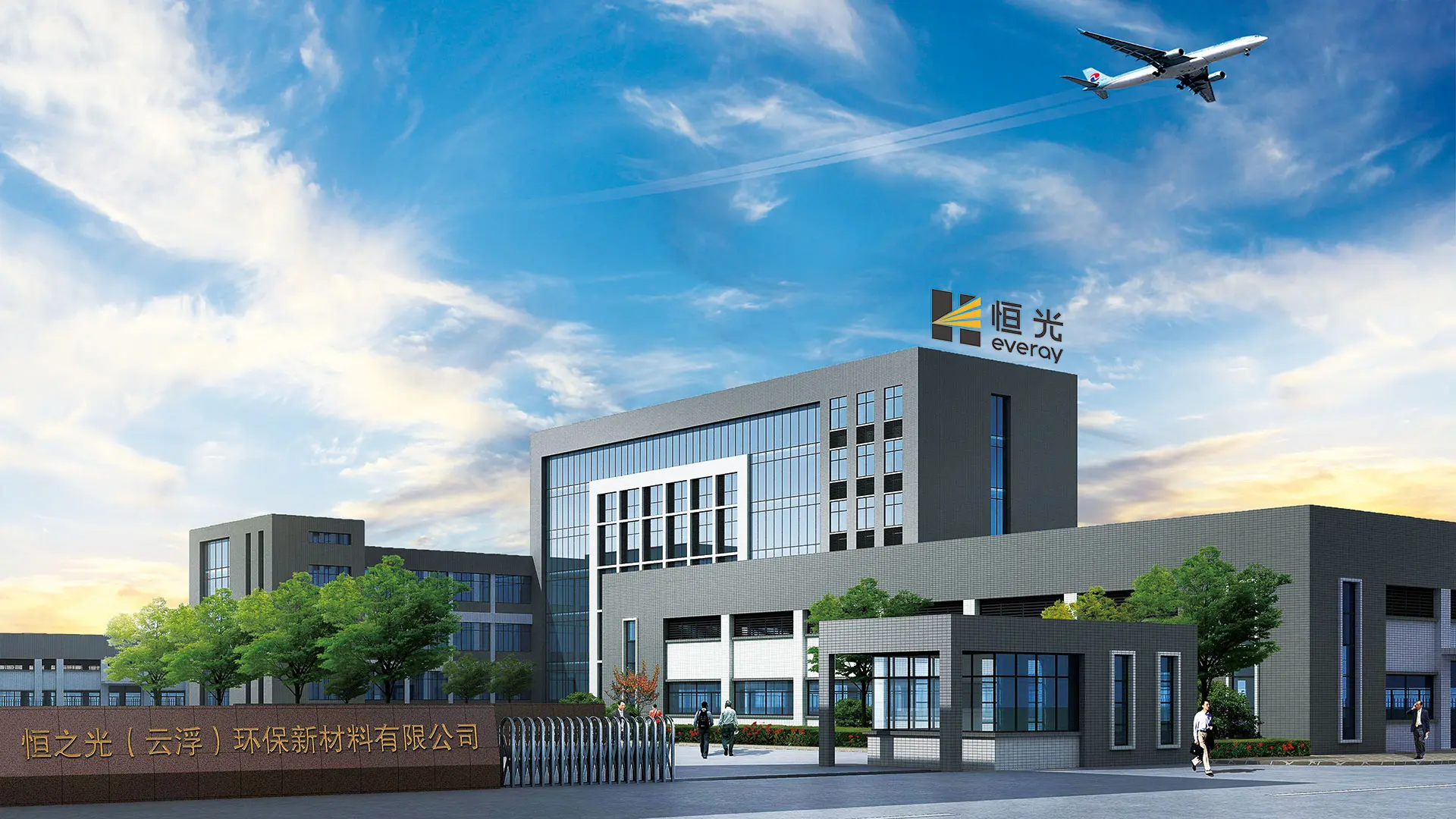
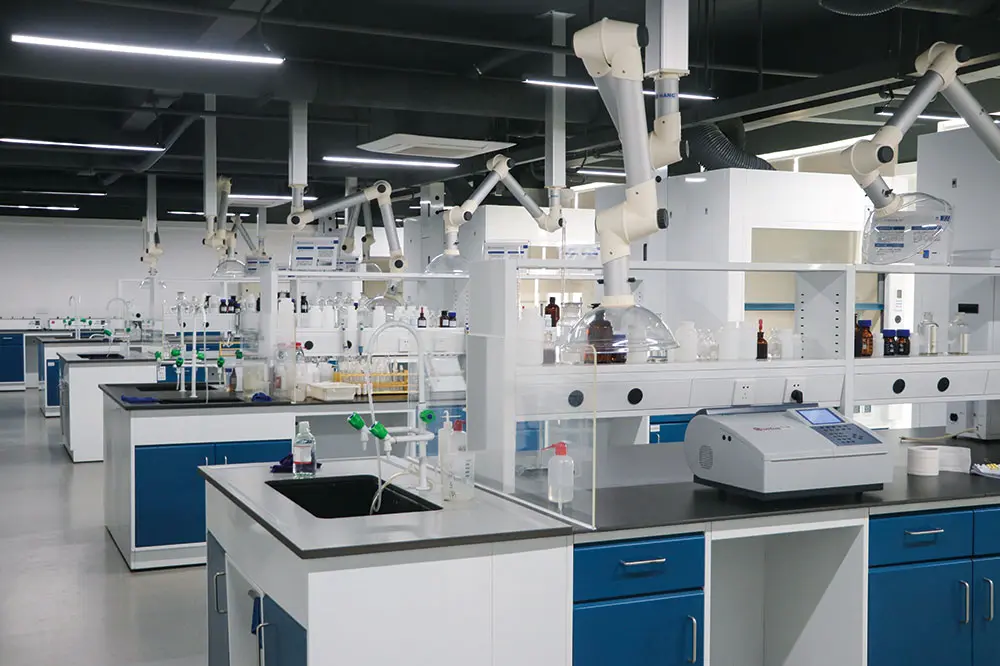
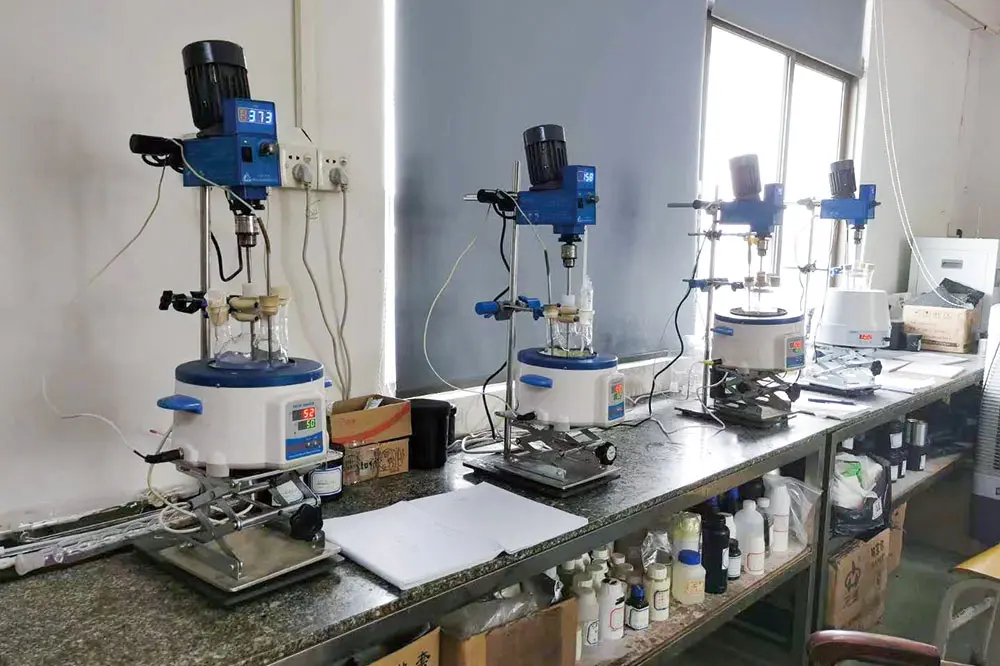
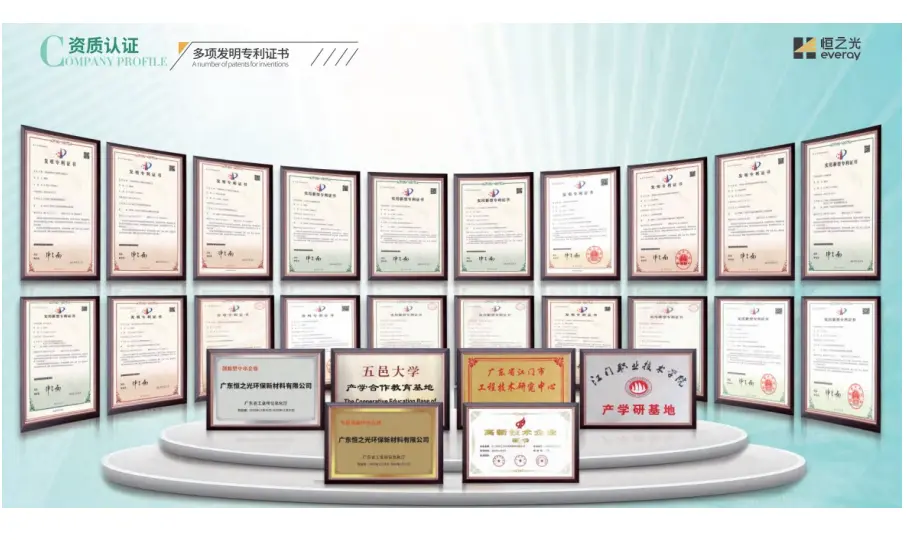
With more than 10 invention and utility patents, our R&D team works closely with customers to design formulations that deliver high reactivity, chemical resistance, and high gloss. We serve diverse application markets including industrial wood coatings, plastics, printing inks, and optical adhesives, providing functional performance alongside cost-effective formulation options.
The global market for UV-curable resins is driven by evolving chemical regulations and the shift toward energy-efficient curing processes. Three major development vectors define the future of hyperbranched acrylate technology:
For chemical imports entering the European Union, including Hungary, compliance with REACH regulations is a basic operational requirement. Standard reactive diluent monomers are facing regulatory pressures due to hazard classifications related to skin sensitization and aquatic toxicity. Hyperbranched acrylates, by virtue of their polymeric design, offer a path forward. Their larger molecular size and lower skin permeability significantly reduce skin irritation potential (PII index), helping formulators meet regulatory standards while maintaining performance.
Traditional medium-pressure mercury arc lamps consume substantial energy, generate ozone, and require constant thermal management. CEE-based manufacturing facilities are increasingly replacing these lamps with monochromatic LED light sources (e.g., 365, 385, 395nm). Because LEDs emit over a narrow spectral band, curing efficiency relies heavily on high-reactivity oligomers. Hyperbranched structures, which contain multiple reactive acrylate end groups per molecule, help formulations achieve optimal surface and through-cure under LED illumination, overcoming oxygen inhibition without the need for high photoinitiator concentrations.
Sustainability is a core focus in modern polymer design. The next generation of hyperbranched acrylate oligomers incorporates bio-renewable polyols and natural fatty acid cores, such as those derived from soybean or castor oils. These sustainable building blocks reduce dependence on fossil fuels without compromising mechanical performance, supporting carbon-neutral targets across the industrial manufacturing supply chain.
A wider selection of specialty UV resins and functional oligomers designed for high-adhesion wood coatings, durable glass primers, and packaging inks.
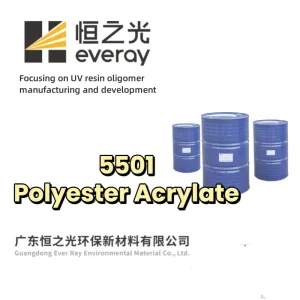
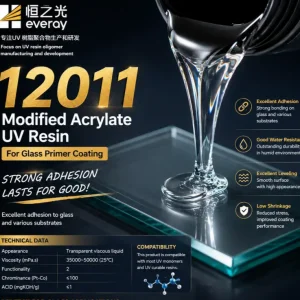
We work with our clients to provide complete formulation solutions designed for modern industrial manufacturing environments. By matching specific oligomers to target applications, we help chemical engineers optimize processing parameters and film performance:
Technical inquiries regarding hyperbranched acrylate chemistry, industrial formulation design, and international logistics services.
Linear oligomers consist of long, entangled polymer chains that exhibit high viscosity even at low molecular weights. Hyperbranched acrylate oligomers possess a globular, highly branched dendritic macromolecular structure. This unique morphology eliminates chain entanglements, giving the chemical system a significantly lower viscosity profile at comparable or higher molecular weights.
Because hyperbranched oligomers have low intrinsic viscosity, they require fewer reactive diluent monomers (such as IBOA or HDDA) to achieve a workable application viscosity. This allows formulators to reduce monomer concentrations, which can lower raw material costs while decreasing film shrinkage and odor.
Yes, many of our hyperbranched oligomers, including the 5501 and 4600 grades, are designed for LED-UV curing. The high density of terminal acrylate groups provides a rapid curing response that helps overcome oxygen inhibition under the narrow emission spectra of LED light sources.
Yes. The high density of polymerizable double bonds at the terminal branches creates a dense, crosslinked network upon curing. This high crosslinking density increases surface hardness and scratch resistance, making grades like our 4600 series suitable for demanding applications like automotive interiors and electronics housings.
When stored in their original, unopened containers in a cool, dry place below 30°C and away from direct sunlight, our UV-curable oligomers typically have a shelf life of 12 months. Standard inhibitors are added to prevent premature polymerization.
We work closely with EU importers to provide the necessary technical documentation, safety data sheets (SDS), and chemical registration support required for REACH compliance, ensuring smooth logistics and customs clearance into Hungary and other EU member states.
Our standard international shipping minimums start from trial pallet quantities (approx. 800kg to 1,000kg) to full container loads (FCL). Custom logistics arrangements can be discussed based on the specific project timeline and annual volume requirements.
Our ISO9001-certified manufacturing bases in Jiangmen and Yunfu utilize automated DCS (Distributed Control Systems) to monitor temperature, reaction rates, and addition times during synthesis. This automation, combined with complete raw material inspection and final QC testing, ensures batch-to-batch consistency.