Engineered to deliver exceptional adhesion, chemical resistance, and rapid photo-cure response times for Israel's rigorous industrial applications.
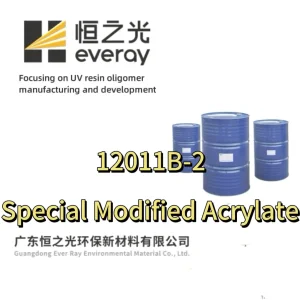
Israel has long been globally recognized as the "Silicon Wadi," a hotbed for hardware breakthroughs, additive manufacturing, optoelectronics, and highly specialized printing technologies. From microelectronics encapsulation in industrial parks like Yokneam and Rehovot, to advanced 3D printing systems engineered by pioneering Israeli corporations, the demand for high-performance chemical formulations is surging.
Modified Acrylate Monomers sit at the very heart of these technologies. Standard raw monomers often fail to meet the stringent demands of modern electronic interfaces or complex glass surfaces. The harsh, salty coastal air of Tel Aviv and Haifa demands coatings with superior hydrolytic and environmental stability. Photopolymer formulations must showcase minimal shrinkage to guarantee dimensional accuracy in high-speed SLA/DLP 3D printers, and achieve immediate adhesion on difficult substrates (such as glass, metal, and PVC floors) without priming.
Traditional epoxy acrylates can suffer from high viscosity and brittleness. To overcome this limitation, our lab specializes in chemical alterations—introducing urethane chains to balance toughness or integrating carboxyl/hydroxyl groups to boost adhesion.
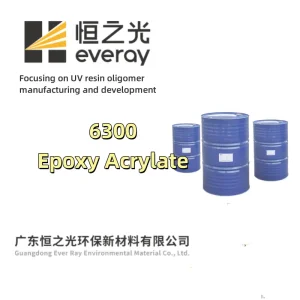
By modifying the backbone of epoxy resins, we produce oligomers that exhibit significantly reduced viscosity (like our 6300 low viscosity modified epoxy acrylate) without sacrificing the fast curing speeds that automated industrial production lines in Israel require. This makes them ideal for high-speed paper varnishes, UV offset inks, and protective solder masks.
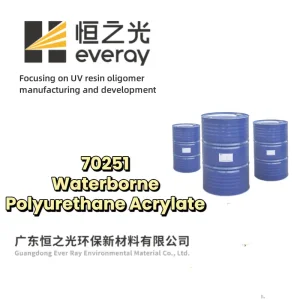
In accordance with global ecological movements and Israel's strict environmental protection regulations, waterborne UV systems are rapidly replacing solvent-based alternatives. Our dual-cure systems utilize physical drying followed by UV radiation to achieve chemical resistance profiles equivalent to traditional coatings.
Supplying dual-cure, high-toughness oligomers to support high-resolution stereolithography processes in biomedical and dental industries.
Providing modified acrylates with exceptional dielectric strength and moisture barrier properties for potting and conformal coatings.
Securing long-term adhesion for domestic beverage containers and industrial equipment panels against humid, high-salinity maritime climates.
Founded in 2006, Guangdong Ever Ray is a premier high-tech enterprise dedicated to the research, development, and high-volume manufacture of advanced UV curable oligomers.
We maintain two state-of-the-art production bases in China: our Jiangmen facility spanning 10,000 square meters, and a massive 40,000 square meter site in Yunfu, Guangdong. Outfitted with complete quality control laboratories, automated storage facilities, and fully integrated DCS computerized control systems, we boast an annual production capacity exceeding 20,000 tons.
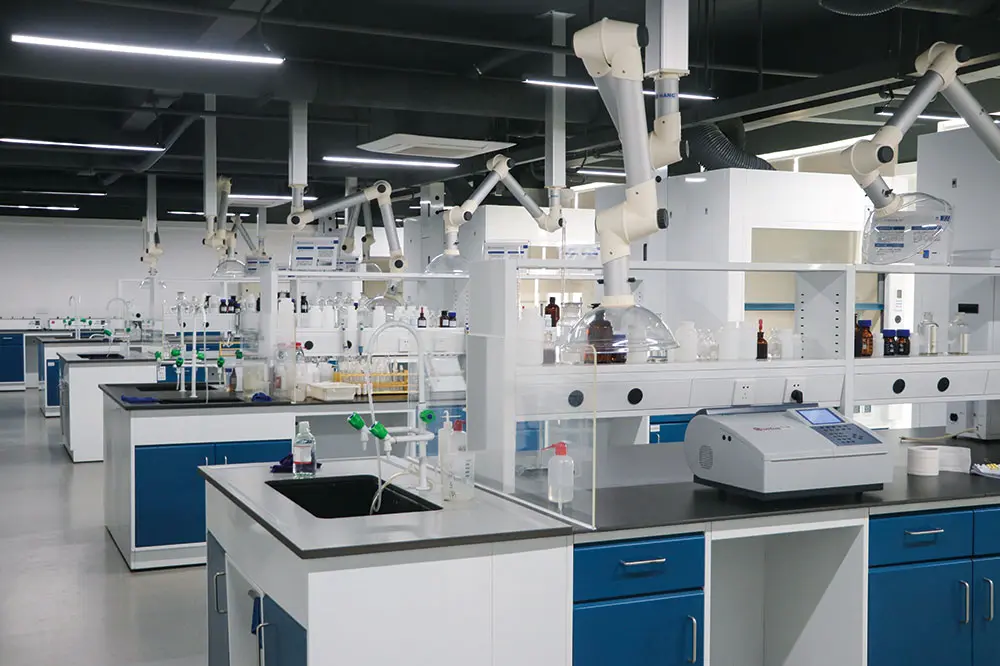
Our core mission revolves around environmental coexistence and technical excellence. Holding over 10 invention and utility patents, our R&D team consisting of 15+ dedicated technical experts works closely with international customers to tailor molecular weights, functional groups, and reactive profiles.
Learn More About Our Facilities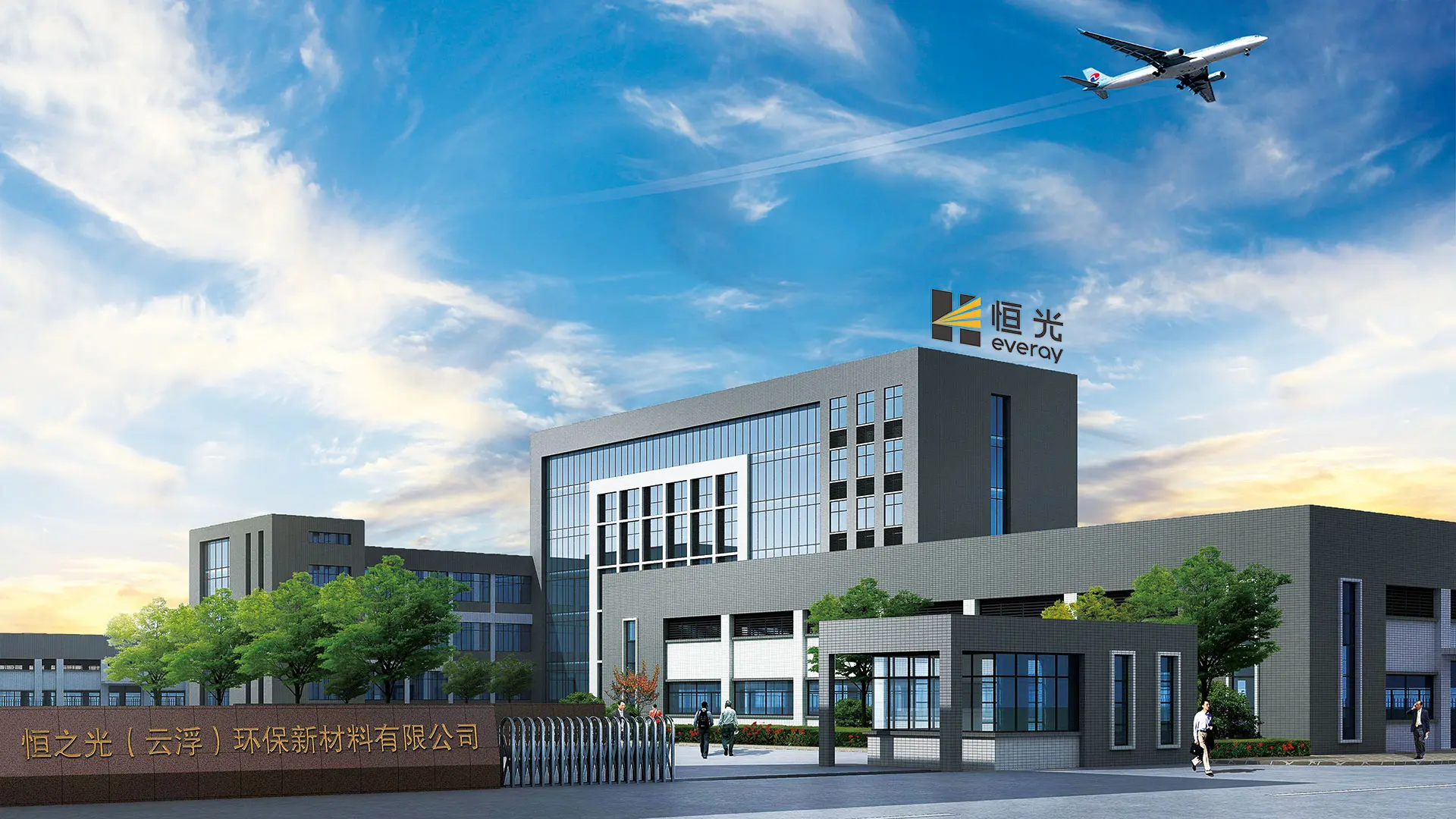
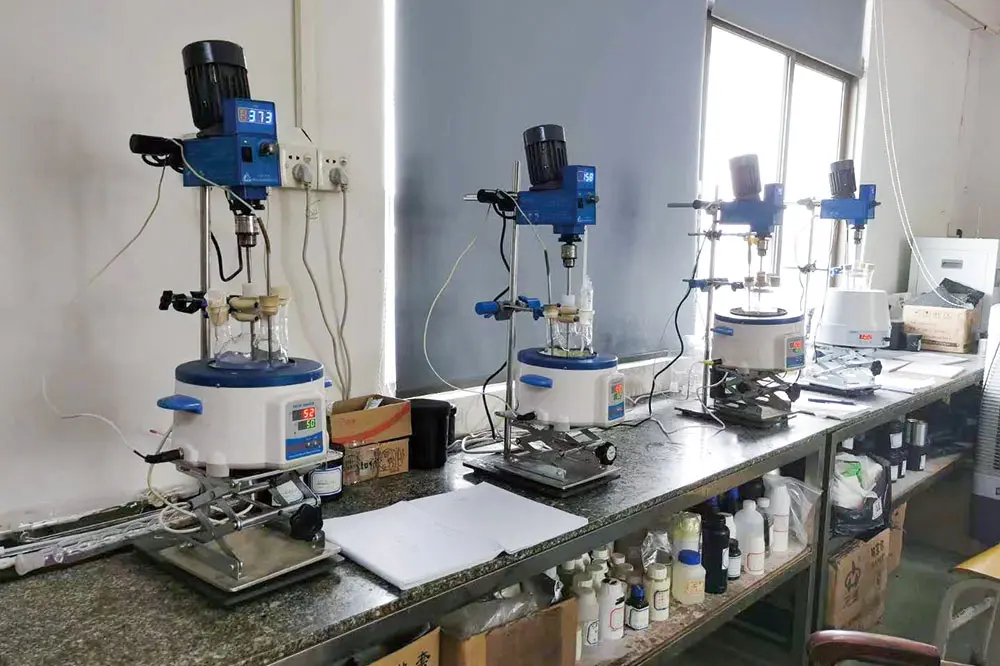
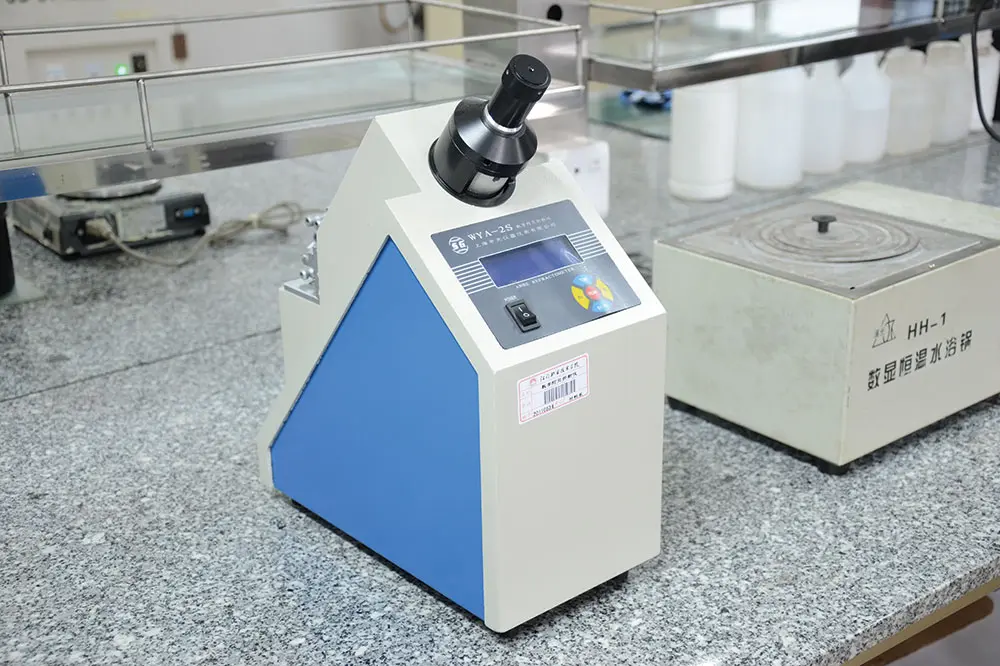
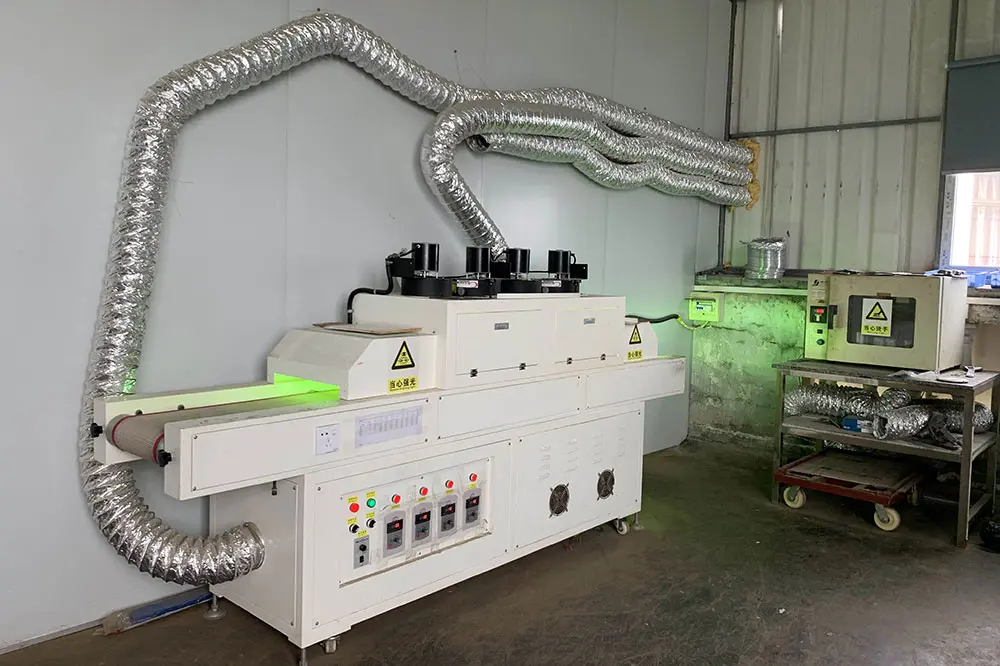
Procuring high-value chemical specialties requires not only superior molecular performance but also a resilient, compliant, and cost-efficient supply chain. By partnering with Guangdong Ever Ray, Israeli distributors and end-manufacturers gain significant competitive advantages:
Explore our complete range of high-gloss, fast-curing, and low-shrinkage acrylates engineered for extreme performance parameters.
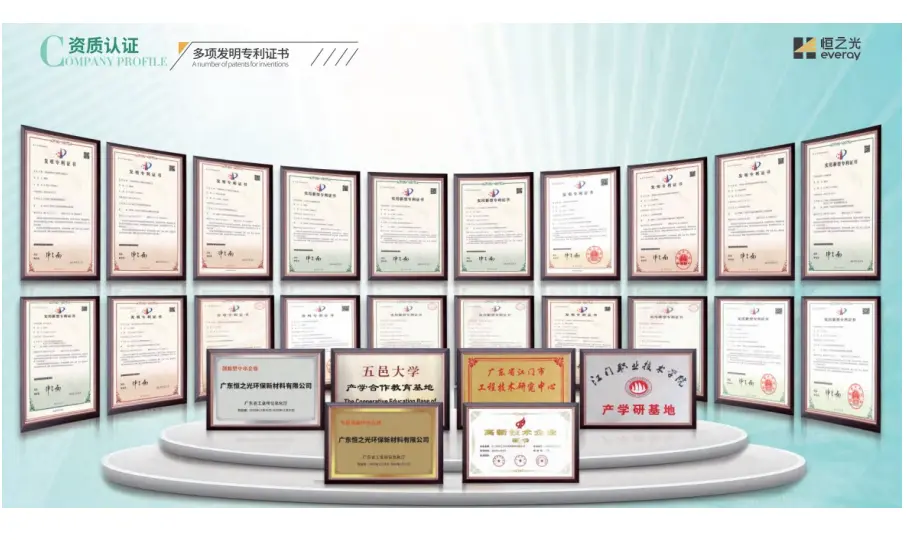
True technical authority is built on research. Guangdong Ever Ray’s R&D laboratory focuses heavily on the structural design of acrylic prepolymers. Our active patents address mechanisms that optimize cure speeds under low-energy LED lamps (specifically 395nm wavelength light engines widely used in localized industrial 3D printing equipment in Israel) and reduce shrinkage in high-density crosslinked networks.
Moreover, as global industrial players shift toward circular economy principles, we prioritize "green chemistry." This involves designing renewable bio-based acrylates derived from vegetable and seed oils, reducing reliance on fossil resources, and maintaining compliance with international standards such as RoHs and SVHC criteria under European directives.
Answering crucial procurement and chemical engineering inquiries regarding the import and formulation of modified acrylate resins in Israel.
Partner with an established manufacturer to secure custom formulations, stable volumes, and technical validation tailored to Israel's advanced manufacturing requirements.
Send Inquiry Now Ever Ray