Explore our elite collection of engineered oligomers designed to optimize curing speed, surface durability, and substrate adhesion.
Established in 2006, Guangdong Ever Ray Environmental Material Co., Ltd. is a state-level high-tech chemical enterprise specializing in the systematic R&D, custom modification, and scalable synthesis of specialized oligomers for UV-curable systems. Our diverse chemistry solutions range from standard epoxy acrylates and polyurethane acrylates (including eco-friendly waterborne, aliphatic, and aromatic variants) to high-performance polyester acrylates, pure acrylates, and specialty modified functional oligomers.
With a comprehensive product strategy tailored to maximize cure rates, weatherability, and mechanical integrity, Ever Ray serves as an indispensable supply partner to formulators across the wood coating, industrial plastic decoration, flexible electronics, precision screen printing, and structural adhesive sectors.
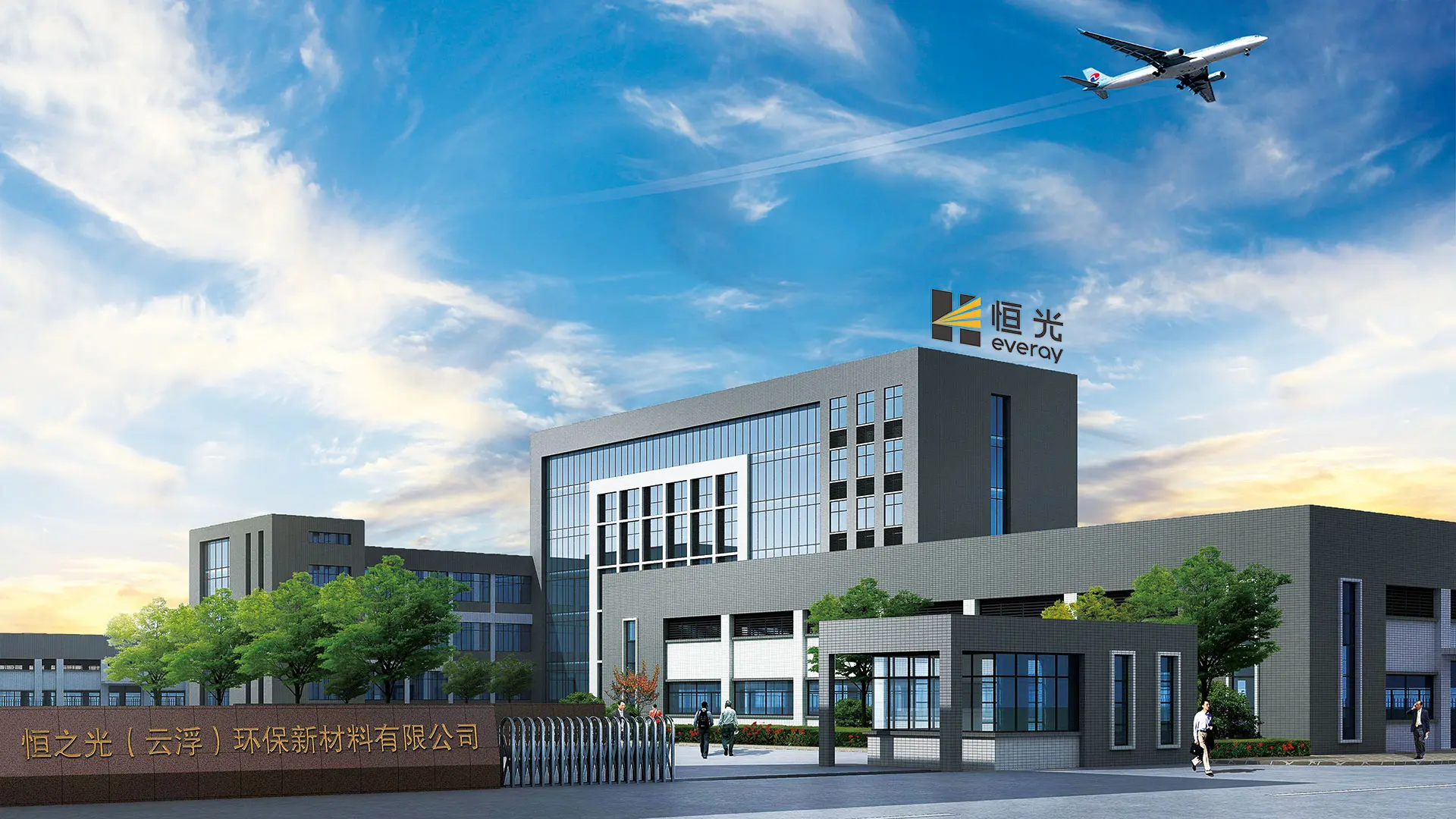
Underpinning our product consistency is a high-capacity, dual-base manufacturing infrastructure designed for precision volume handling.
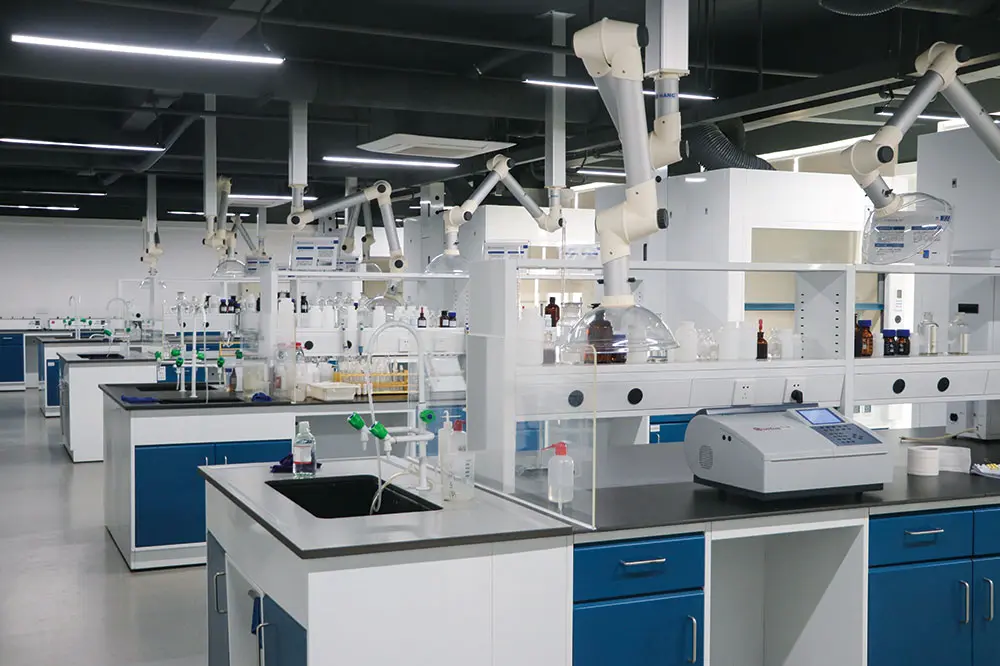
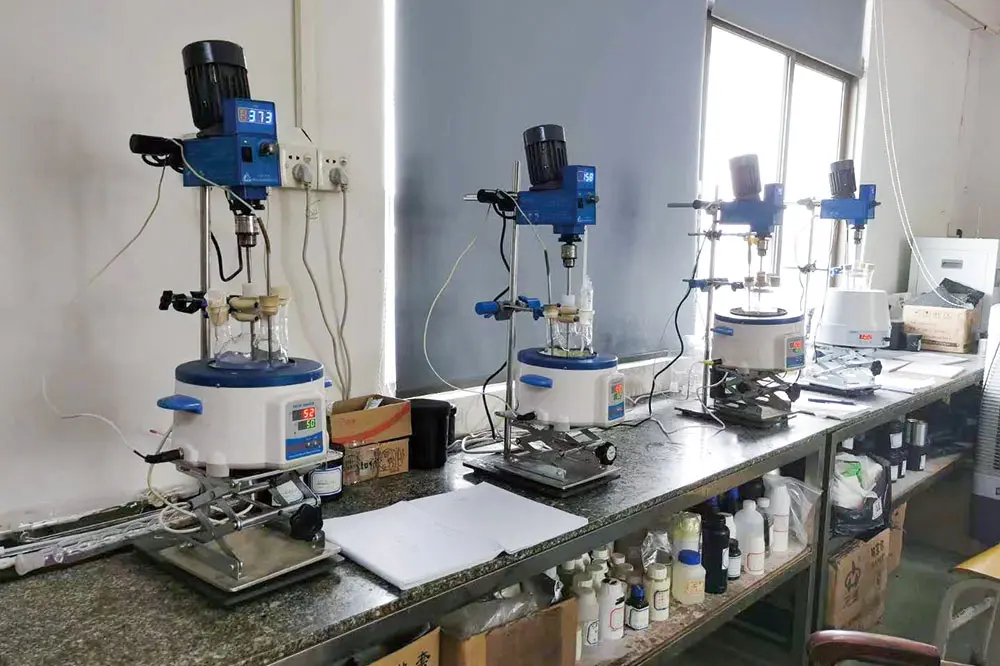
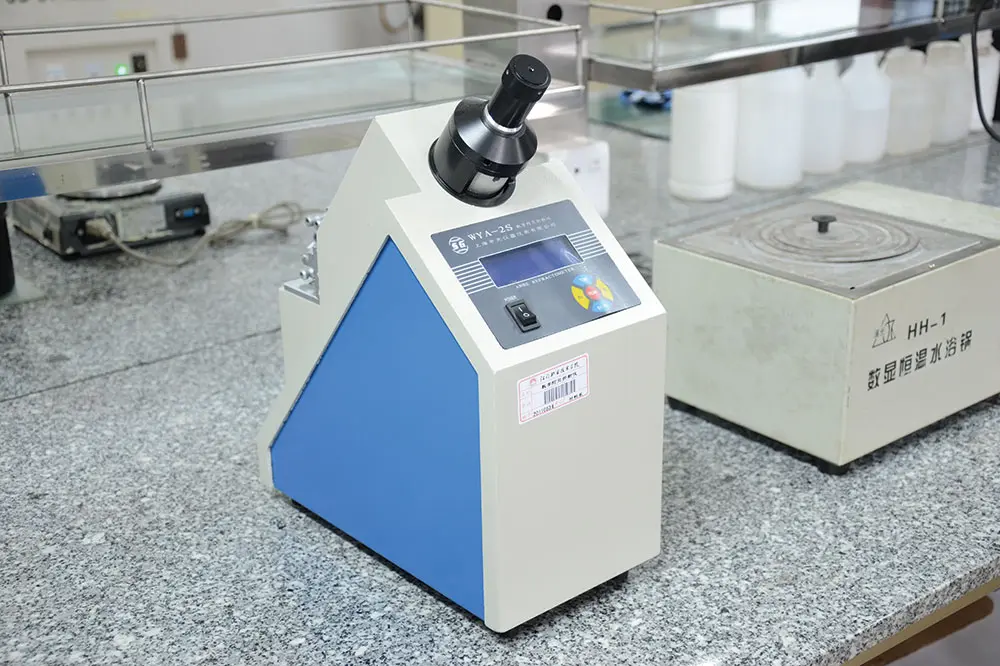
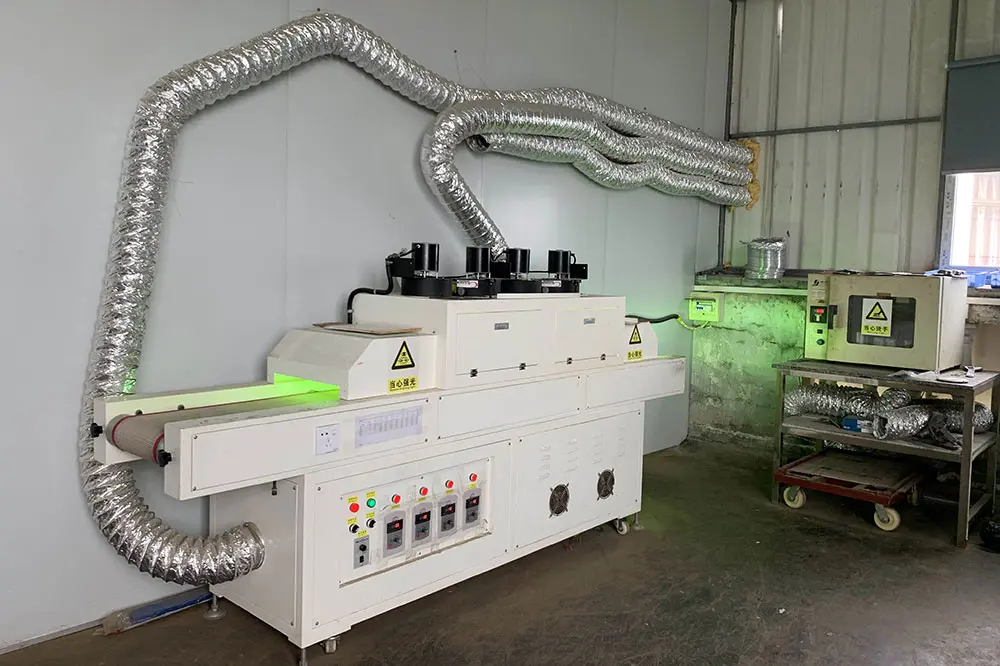
To assure a reliable supply chain for domestic and international chemical buyers, Ever Ray manages two advanced manufacturing hubs in South China:
With an annual capacity exceeding 20,000 metric tons distributed across 10+ computerized production lines, our facilities operate under strict ISO9001 Quality Management and ISO14001 Environmental Management Systems. Operations utilize an advanced DCS (Distributed Control System) to secure batch consistency and process safety.
Insights into evolving industry dynamics, sourcing risks, and strategic supply structures.
Formulators in Europe and North America are actively diversifying their supply origins. Procurement teams look for vendors with robust bulk-raw-material buffers, high-level DCS automation, and direct access to major maritime shipping lanes to insulate against trade and logistical shocks.
Global environmental mandates continue to restrict monomer volatility and heavy solvent emissions. Formulators face increasing pressure to substitute volatile organic compounds (VOCs) with high-solids, dual-cure, and waterborne UV options that adhere to strict green manufacturing codes.
Off-the-shelf oligomers often fail to meet challenging specifications, such as extreme weather resistance or low-shrinkage values in specialty electronic potting. Consequently, procurement strategies are shifting from simple transactions toward collaborative development with specialized manufacturers.
Achieving structural balance in UV-curable formulations requires a deep understanding of polymer structure-property relationships. Modern radiation-cured coatings rely on three primary classes of prepolymers, each offering distinct molecular benefits:
Epoxy acrylates, such as our modified 6231 and 6160M-3 grades, are synthesized via the ring-opening esterification of epoxy resins with acrylic acid. They exhibit high reactivity, exceptional chemical resistance, and elevated surface hardness. These characteristics make them ideal for wood varnishes and overprint inks where fast cure speed is essential.
Polyurethane acrylates combine the high scratch resistance of polyurethanes with the fast radical curing of acrylates. Aliphatic PUAs (like the base of our 7402 series) show exceptional yellowing resistance and weatherability, making them suitable for automotive topcoats and outdoor applications. Aromatic PUAs, while highly reactive, are typically reserved for indoor coatings where high toughness is required.
Polyester acrylates (such as our 5319A-1 and low-shrinkage 5026F) provide a balanced profile. Their low viscosity reduces the need for reactive diluents, helping formulators manage costs while maintaining strong pigment wetting in printing inks.
How our customized acrylate structures resolve key application challenges across industries.
Our UV-curable adhesives, such as the 1762 and peelable 72923, are engineered to address the common industry challenge of shrinkage-induced stress at bonding interfaces. By balancing oligomer backbone flexibility, these materials maintain high peel strength and yellowing resistance, even under continuous UV and thermal exposure.
Advanced additive manufacturing demands resins with low volume shrinkage and high dimensional stability. Our 72017 photo-thermal dual-curing polyurethane acrylate enables the fabrication of high-toughness parts, elastomer outsoles, and engineering prototypes, minimizing distortion during post-curing.
High-gloss industrial coatings require resins that offer both flexibility and scratch resistance. Oligomers like 6100D-85 provide strong adhesion to difficult substrates, such as wood and plastics, and show high reactivity even under low-energy curing systems.
A projection of our strategic and chemical developments toward next-generation UV oligomers.
We are incorporating bio-derived polyols and circular intermediates into our polyester and polyurethane acrylate backbones. Our goal is to reduce dependency on fossil-based raw materials by up to 35% without compromising mechanical performance or cure kinetics.
With industrial plants moving away from high-temperature mercury vapor curing lamps, we are optimizing oligomer reactivity profiles for LED-UV curing wavelengths (365nm and 395nm), ensuring thorough through-cure in highly pigmented coatings.
We are expanding our waterborne polyurethane acrylate dispersion capabilities. This technology enables zero-VOC application, easy clean-up, and thin-film coating profiles for sensitive substrates like plastics, premium paperboards, and cosmetic packaging.
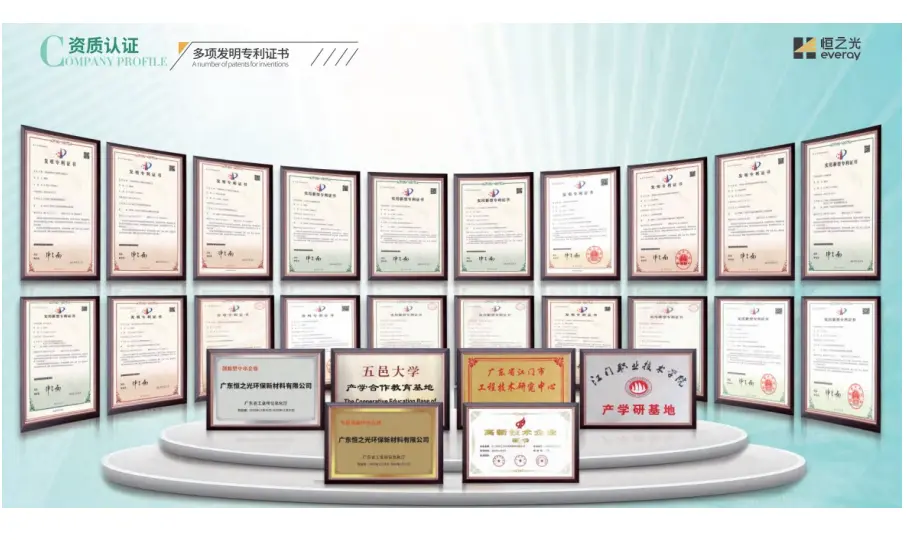
To support high-volume global distribution, Ever Ray implements strict raw material controls and end-product testing protocols:
Answers to common chemical procurement, formulation, and application queries.
Discover additional high-performance oligomers engineered to optimize chemical resistance, adhesion, and appearance in industrial applications.
 Ever Ray