Explore our top-performing UV curable formulations and chemical bases engineered for global applications.
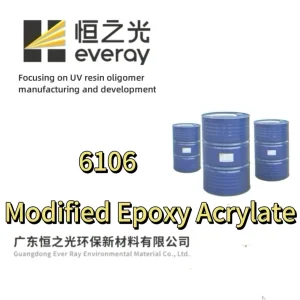
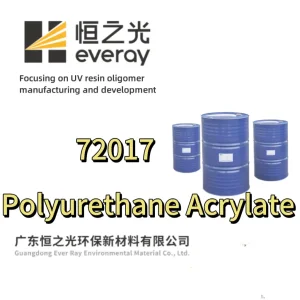
The global market for acrylic resin adhesives and UV-curable oligomers has experienced a massive shift towards eco-friendly, fast-curing, and high-performance solutions. In modern industrial operations, acrylic resin adhesives serve as critical structural matrices for automotive assembly, electronics potting, high-speed packaging, and optical displays.
As environmental regulations restrict Volatile Organic Compound (VOC) emissions globally (under strict REACH and EPA regulations), energy-efficient ultraviolet (UV) and electron beam (EB) curing technologies have transitioned from niche options to mainstream manufacturing requirements. In addition, the booming electronics industry requires optical transparency, high adhesion strength, and zero-shrinkage formulas. This drives massive demand for specialized acrylates, including modified epoxy acrylates, aliphatic polyurethane acrylates, and hyperbranched polyester oligomers.
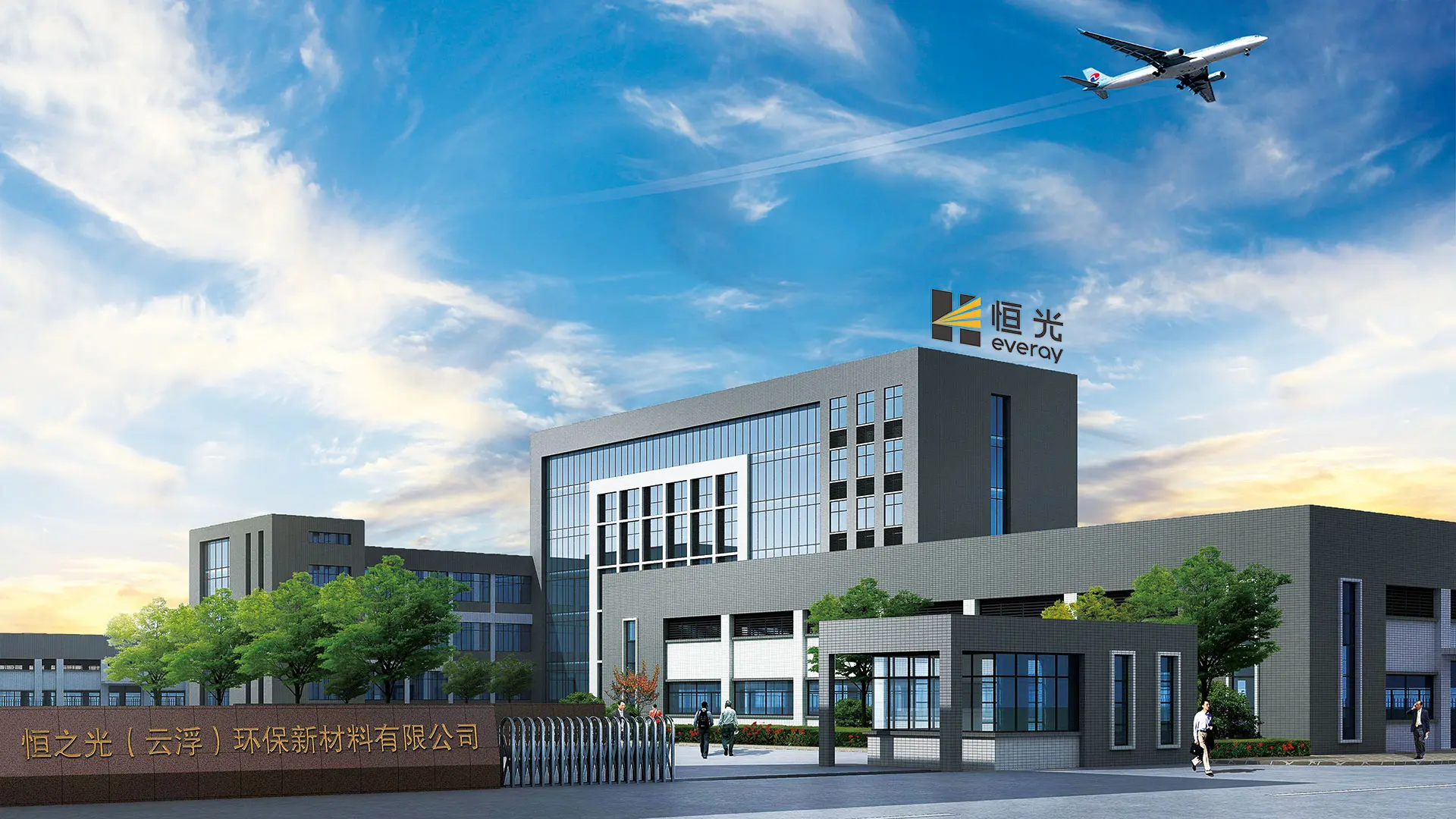
Innovating Eco-Friendly Polymer Chemistries and Oligomers Since 2006
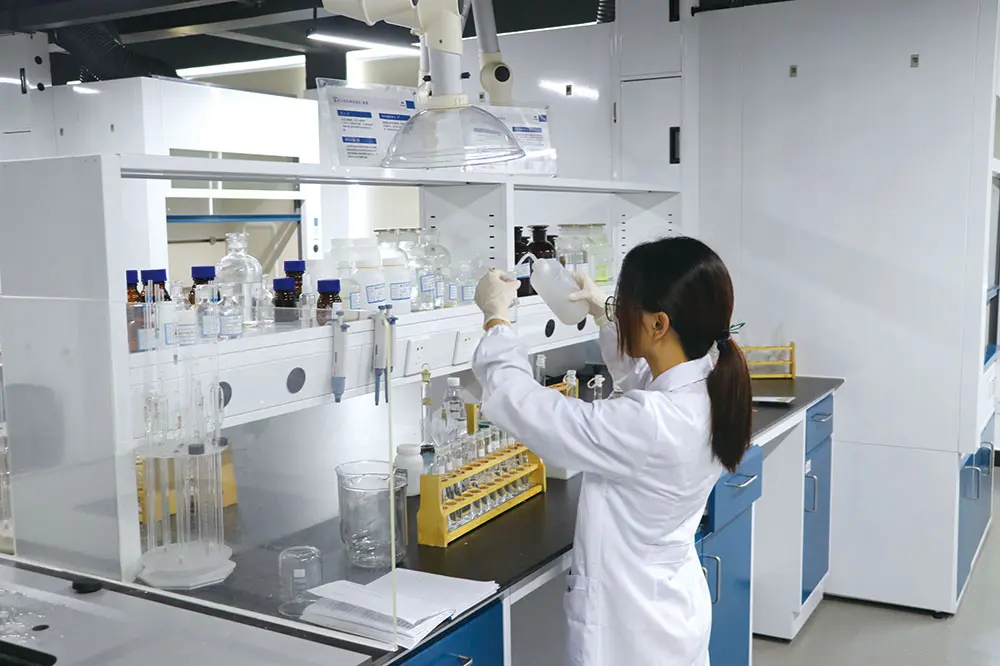
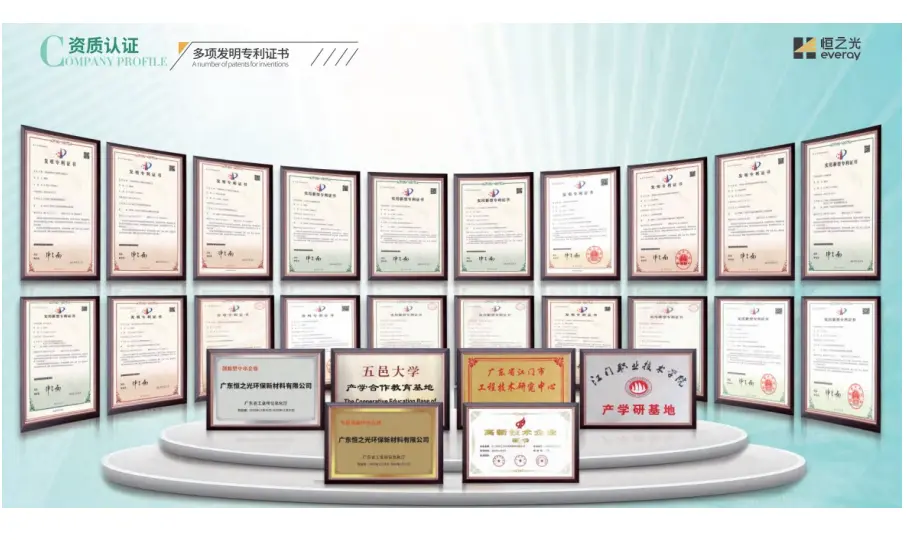
Guangdong Ever Ray Environmental Material Co., Ltd., established in 2006, is a high-tech enterprise focusing on the R&D and manufacturing of oligomers for UV curable resin. Our extensive product portfolio includes epoxy acrylate, polyurethane acrylate (water-borne, aliphatic urethane, aromatic urethane), polyester acrylate, pure acrylate, and custom functional modified acrylate oligomers.
We run two specialized production bases. Our plant in Jiangmen, Guangdong spans over 10,000 square meters. The second, larger base in Yunfu, Guangdong covers approximately 40,000 square meters. Together, they host advanced quality control labs, modern warehouses, and extensive logistics systems. Powered by 10+ automated production lines, our annual production capacity exceeds 20,000 tons.
To guarantee consistent quality, our factories run under the ISO9001 Quality Management System and ISO14001 Environmental Management System. We use a flexible, computerized DCS (Distributed Control System) for real-time production monitoring and automation.
Purchasing acrylic resin adhesives from a specialized Chinese supplier like Guangdong Ever Ray offers clear commercial and technical benefits. The Southern Chinese chemical manufacturing cluster provides unmatched ecosystem integration. We source high-grade raw materials directly from local refineries, minimizing transportation times and material volatility.
Additionally, our implementation of DCS computerized automation ensures that human error is minimized during synthesis. This results in highly uniform batch-to-batch viscosity, acid values, and polymerization rates. In chemical sourcing, consistency is critical. Fluctuations in oligomer viscosity can ruin down-stream UV ink or coating production. Our advanced logistics network, close to major shipping hubs in Guangzhou and Shenzhen, guarantees reliable supply chains and fast delivery times to customers in North America, Europe, and Southeast Asia.
Acrylic resin adhesives and oligomers are engineered to perform under demanding conditions across several key industries:
Aliphatic polyurethane acrylates are widely used for screen bonding, structural potting, and smart device casings. They provide excellent yellowing resistance, drop protection, high impact strength, and low shrinkage.
Epoxy acrylates serve as the primary resins for high-gloss, ultra-hard topcoats on wooden furniture and paper packaging. They offer fast curing speeds and resistance to water and chemical staining.
Polyester acrylates are preferred for packaging inks due to their low viscosity, excellent pigment wetting properties, and high reactivity. This ensures crisp print definitions on high-speed industrial printing presses.
The UV curing industry is moving rapidly toward specialized polymer properties. Dual-curing mechanisms (such as photo-thermal dual-cure polyurethane acrylates) are gaining popularity. They allow curing in shadowed areas where UV light cannot reach, which is critical for complex 3D printing geometries and dense electronic assemblies.
Furthermore, the market is demanding a reduction in skin irritation and odor profiles for monomers and oligomers. This makes products like our low-odor, skin-friendly polyester acrylate resins highly attractive for cosmetic packaging and indoor consumer goods.
When sourcing acrylic resin adhesives globally, chemical procurement officers should verify the following parameters to ensure production line compatibility and quality:
Expert answers to common questions about chemical properties, shipping, and custom formulations.
Select from our targeted chemical solutions to optimize your ink, coating, or adhesive formulation.
 Ever Ray