Industrial-grade raw materials engineered for exceptional optical clarity, structural integrity, and custom curing dynamics.
The demand for clear cast epoxy resins and high-clarity UV-curable oligomers has experienced exponential growth. Sourcing partners require deep technological integration, reliable factory scaling, and strict raw material control to meet stringent global standards.
In modern industrial applications, clear cast epoxy systems are no longer restricted to craft or DIY configurations. Today's commercial sectors require performance-driven, anti-yellowing optical clarity, high crosslinking density, and precise thermal-shock resilience. As heavy industries shift from solvent-based systems to environmentally conscious 100% solids UV-curing technologies, the chemistry of raw epoxy acrylates, polyurethane acrylates (PUA), and polyester acrylates dictates the mechanical limits of coatings, protective layers, and advanced packaging materials.
Manufacturers globally are navigating strict regulatory environments (REACH, RoHS, TSCA) while demanding cost-efficiencies. A reliable direct-factory pipeline from specialized chemical hubs guarantees consistent batch-to-batch polymer synthesis, mitigating risks of discoloration, shrinkage, and micro-cracking in high-stress industrial applications.
Utilizing high-purity aliphatic backbones to ensure minimal light absorption, maintaining a low yellowing index (YI) under prolonged ultraviolet exposure.
Optimizing curable formulations with low shrinkage to preserve critical geometric tolerances in high-precision structural applications.
Decoding the chemical design behind high-performance polyurethane acrylates and modified epoxies.
Designed specifically for harsh exterior coatings and optical components. Aliphatic chemical structures inherently resist UV-induced photo-oxidation, retaining long-term transparency without yellowing.
Balancing rapid radical polymerization kinetics with the unmatched adhesion profile, mechanical hardness, and chemical resistance of classic epoxy backbones.
Leveraging functionalized epoxidized vegetable oil intermediates (e.g., 6710B & 6720) to balance cure flexibility, improve pigment wetting, and reduce raw material carbon footprints.
One of the primary challenges in clear cast epoxy coatings and UV thick-film structures is volumetric shrinkage during polymerization. When monomers crosslink to form dense 3D networks, molecular distance decreases, leading to internal stress, warping, and loss of substrate adhesion. Our modern technical roadmap utilizes oligomers with higher molecular weights and customized branch density to mitigate this shrinkage, ensuring mechanical stability, precise skin feel, and durable adhesion across diverse substrates such as wood, plastic, glass, and vacuum-metallized layers.
How our oligomer variations perform across commercial, industrial, and high-precision fields.
Providing high reactivity and robust gloss levels for structural wood finishes, furniture topcoats, and packaging varnishes. Oligomers such as 6720 deliver optimal mechanical hardness with excellent leveling properties.
Ensuring strong adhesion to tricky plastic substrates (ABS, PC, PMMA). Products like the aromatic PA UV-resin 7113A are optimized for vacuum-metallized topcoats, showing excellent flowability and metallic layer protection.
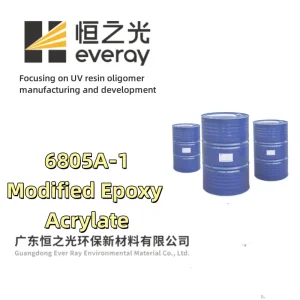
Optimized for high-speed automated print lines. Our oligomers (e.g., 6805A-1 and 5403-3F) maintain a pristine water-ink balance, low odor, and fast cure properties required for commercial packaging and flexible films.
Established in 2006, Guangdong Ever Ray Environmental Material Co., Ltd. is a premier high-tech enterprise dedicated to the R&D and manufacturing of advanced UV curable oligomers.
Our core specialization includes the precise synthesis of epoxy acrylate, polyurethane acrylate (waterborne, aliphatic urethane, and aromatic urethane variants), polyester acrylate, pure acrylate, and custom modified acrylate oligomers designed to solve complex chemical challenges.
With over 15 dedicated technical experts within our internal R&D division and more than 10 invention and practical utility patents, we engineer raw materials that supply high reactivity, chemical resistance, and high-gloss capability to custom formulations. Our materials are integrated into diverse global markets including wood coatings, plastic films, structural adhesives, cosmetic containers, and high-definition printing inks. We harmonize chemical performance with cost savings and ecological consciousness to deliver stable, scalable green chemistry solutions.
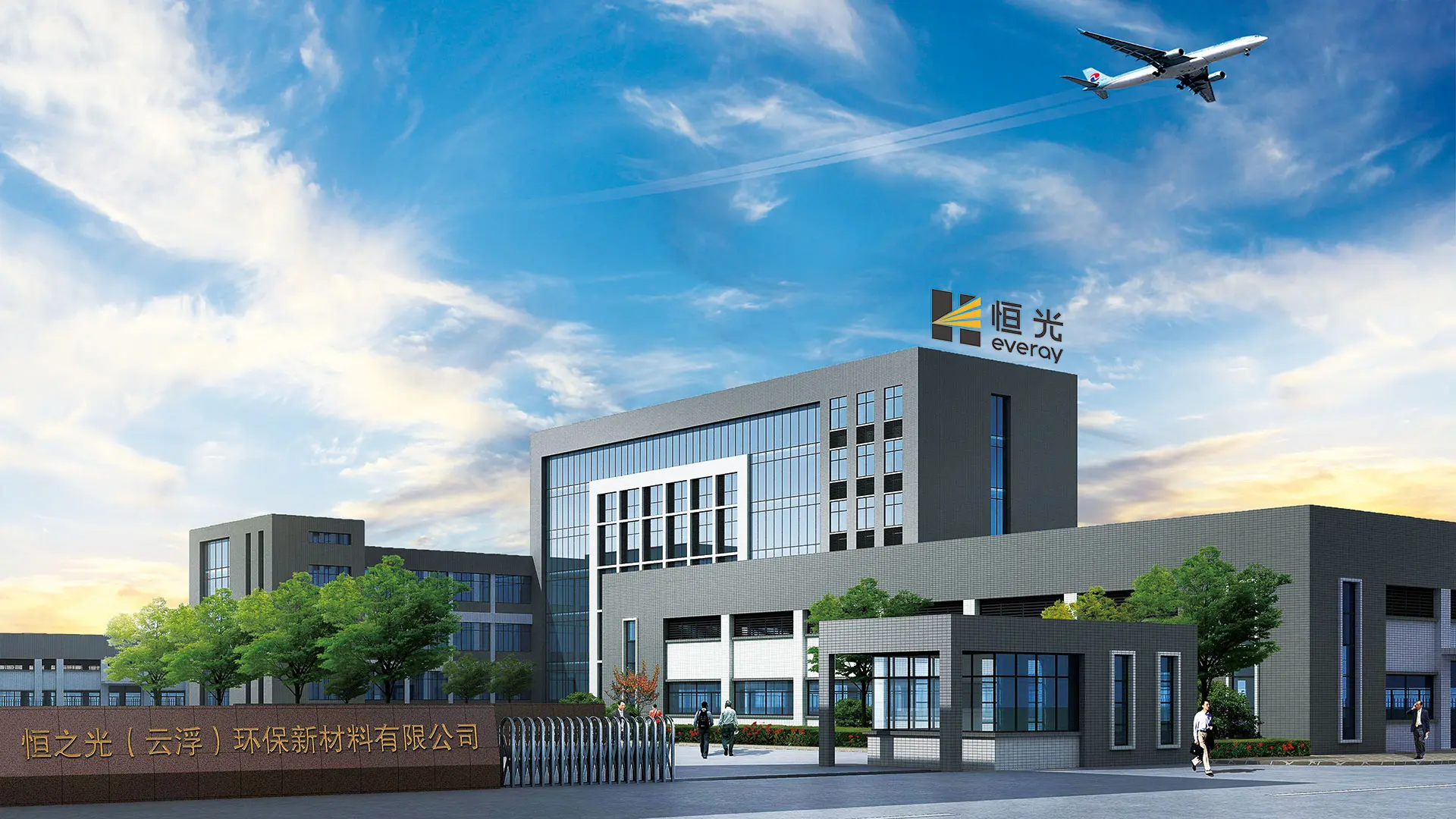
We operate two state-of-the-art production bases in Guangdong province. Our primary Jiangmen facility spans over 10,000 square meters, while our specialized Yunfu manufacturing facility covers an impressive 40,000 square meters. Combined, our infrastructure supports an annual production capacity exceeding 20,000 tons, operating over 10 automated lines driven by advanced DCS fully computerized controls. To guarantee quality consistency, our facilities are ISO9001 quality management and ISO14001 environmental management certified.
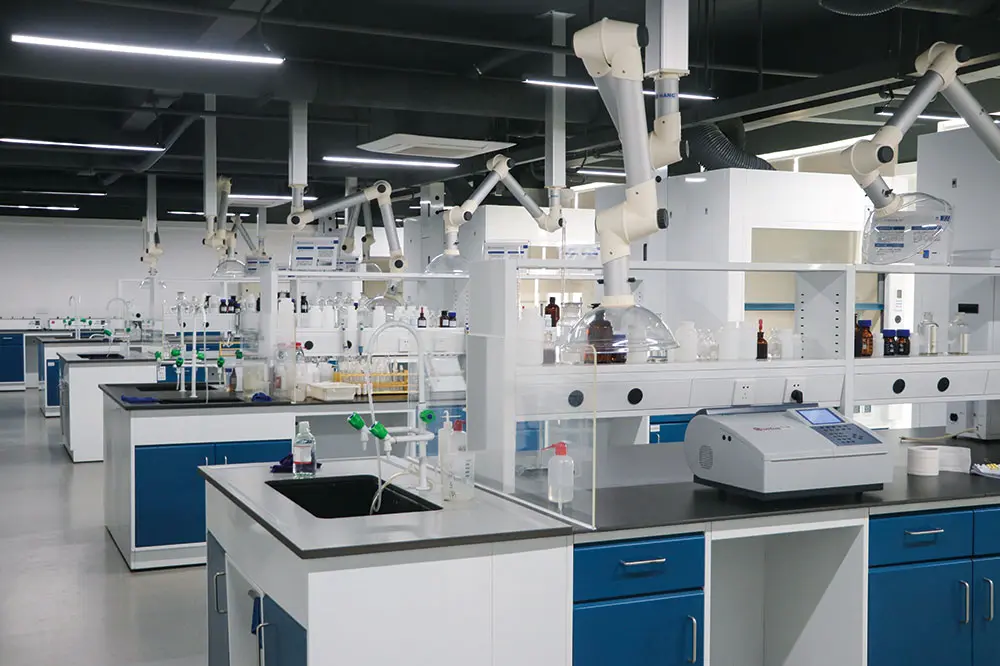
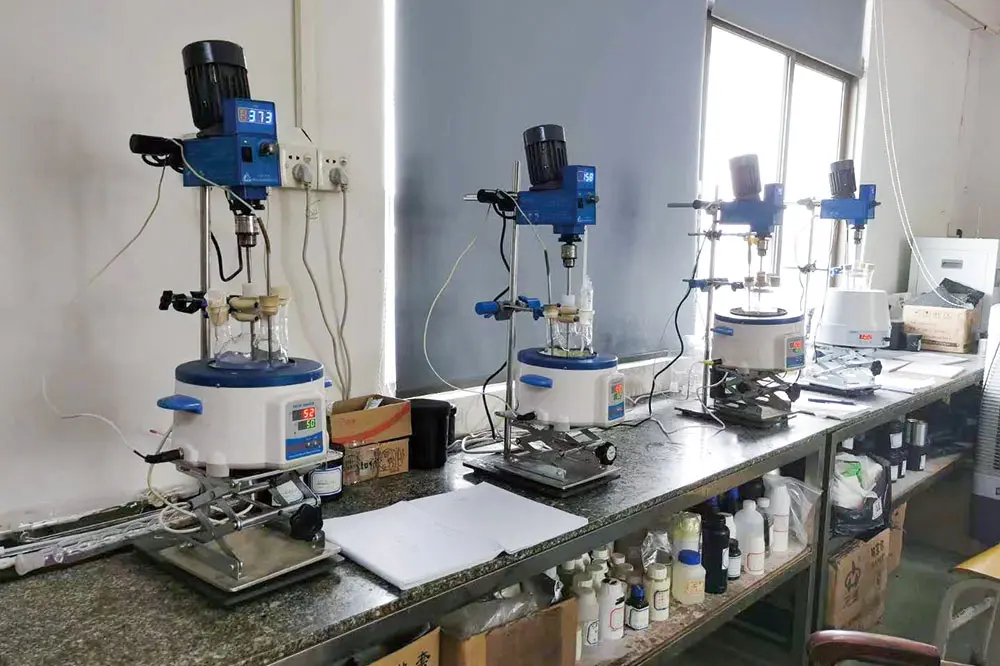
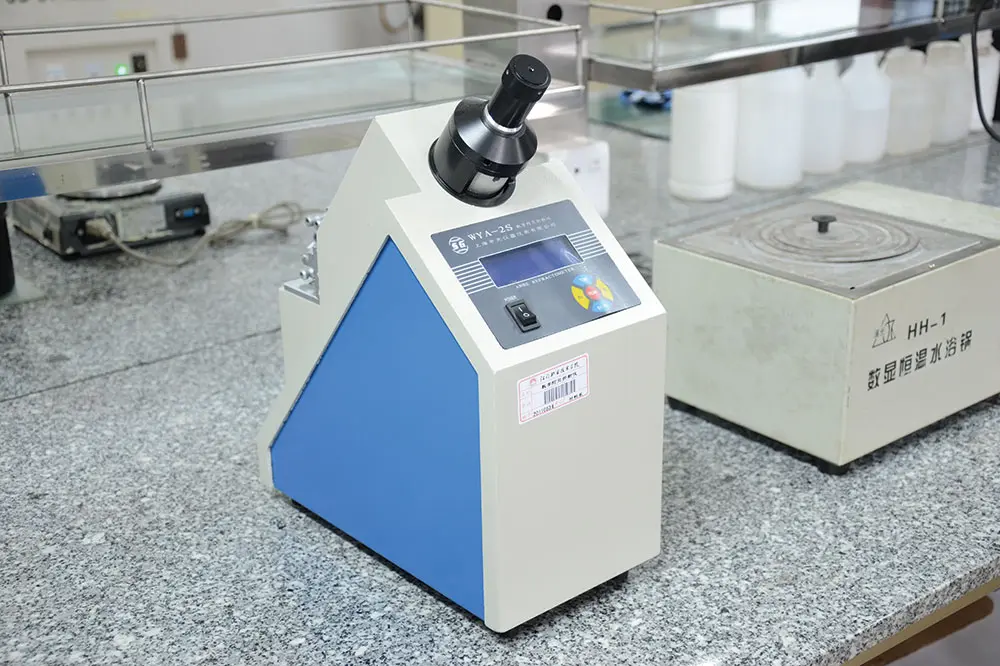
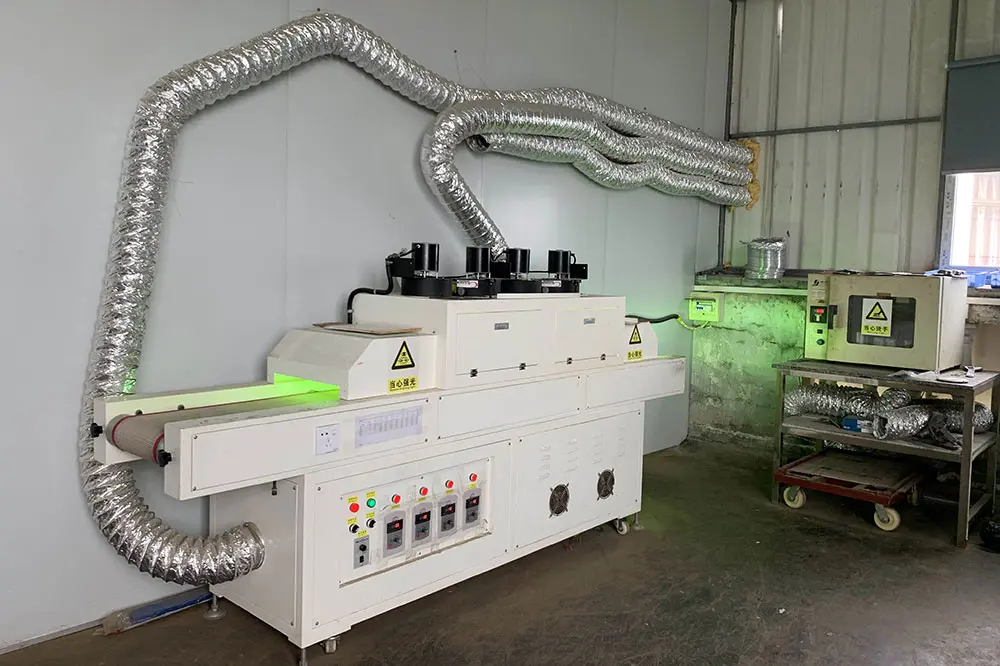
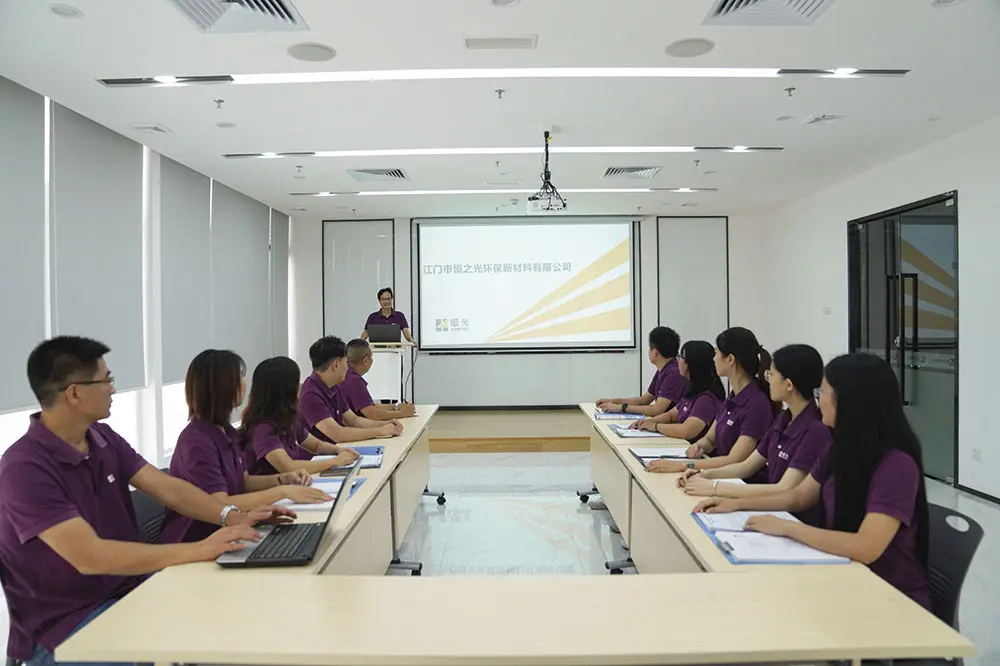
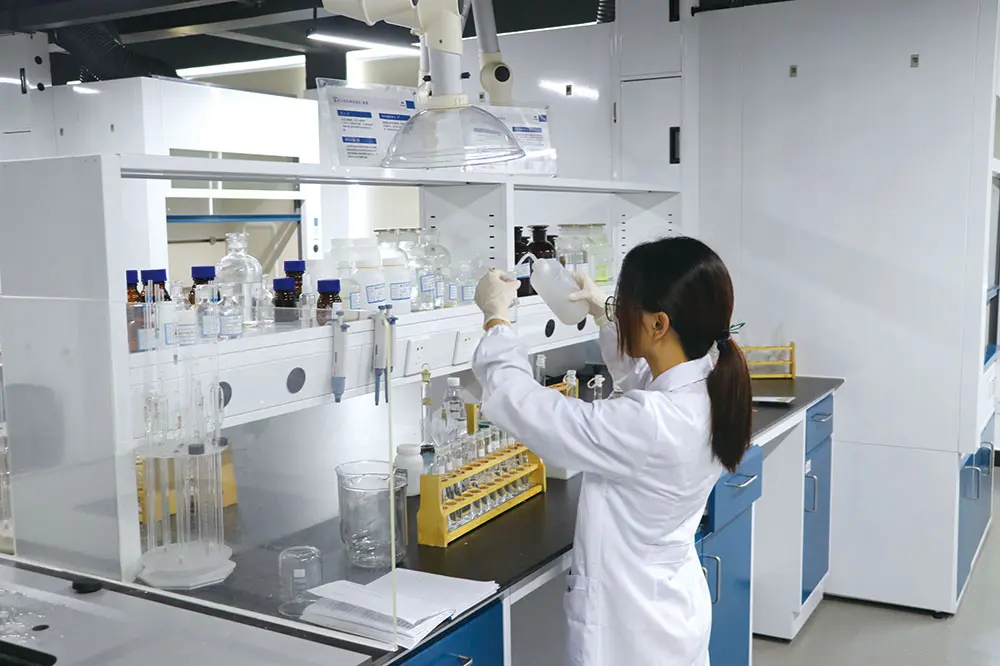
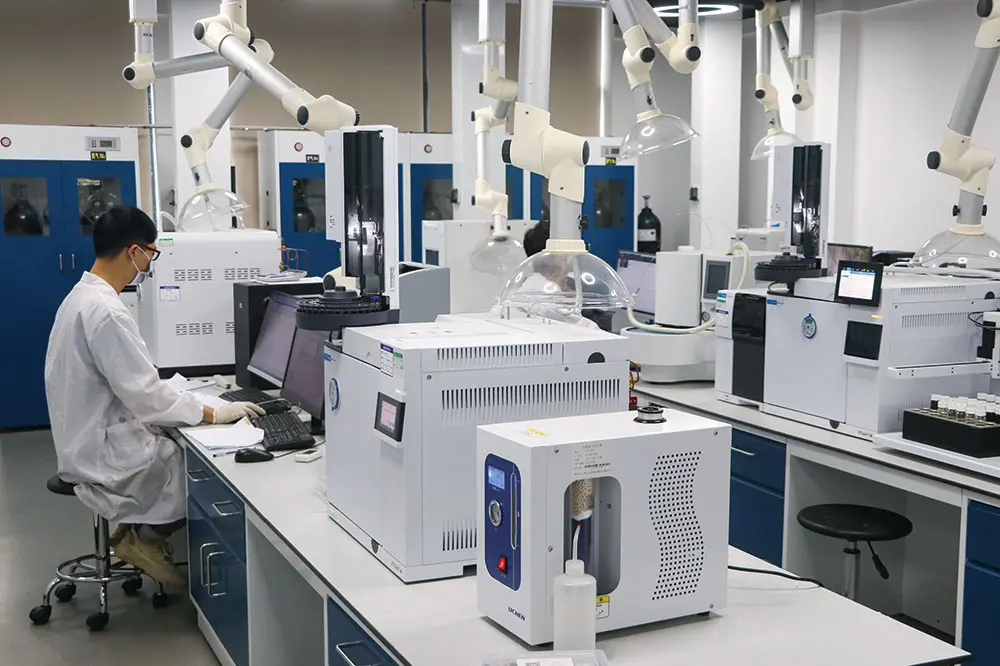
Leveraging geographical clusters, fully integrated logistics, and automation to maintain global cost and stability advantages.
The chemical supply chain requires more than raw manufacturing capacity; it demands absolute consistency. Our Guangdong-based production facilities leverage the unique chemical industrial clusters of southern China. This structural localization gives us rapid, cost-optimized access to premium domestic and global chemical intermediates and precursors. By maintaining long-term partnerships with raw material suppliers, we insulate our global clients from supply bottlenecks and sudden raw material price fluctuations.
Furthermore, our implementation of the fully computerized DCS (Distributed Control System) removes human error from the polymerization process. Reaction temperatures, pressure gradients, and catalytic feeds are constantly adjusted in real-time. This level of automated precision guarantees that whether you order 1 ton or 100 tons, the molecular weight distribution, viscosity profile, and curing speed of the oligomers remain identical from batch to batch. We also integrate guidance from top domestic UV-curable material scientific experts to keep our synthesis pipelines at the cutting edge of global environmental safety and output quality stability.
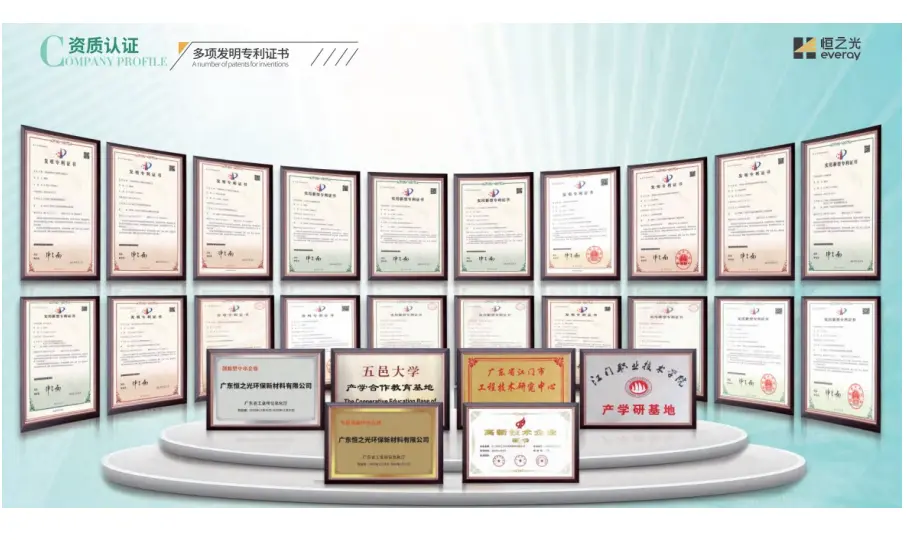
Sourcing chemicals globally requires adherence to complex regulatory architectures. We ensure all exported resins, oligomers, and customized formulations comply with standard global frameworks. Our quality control department is equipped to provide full documentation, including Material Safety Data Sheets (MSDS), Technical Data Sheets (TDS), and verification reports for REACH, RoHS, and TSCA clearances.
Additionally, we understand that off-the-shelf oligomers may not perfectly match your existing production machinery. Our R&D division offers custom formulation adjustment. By tweaking viscosity, functional density, curing speeds, and thermal resilience, we tailor products directly to your existing factory settings. We offer complete support throughout trials, logistics management, and scaling phases.
Technical answers to help chemical engineers and purchasing managers assess resin compatibility and performance metrics.
A: Our R&D focuses on the molecular design of the polymer backbone. By synthesizing oligomers utilizing aliphatic polyurethane structures rather than aromatic components, we eliminate structures that absorb UV radiation and form chromophores. This chemical architecture maintains low yellowness index (YI) values, preserving long-term optical clarity even under direct outdoor sunlight exposure.
A: These bio-based oligomers offer double benefits: they serve as highly effective, eco-friendly diluents that improve carbon footprints, and they offer superior mechanical flexibility, pigment wetting capabilities, and printability when blended into UV offset and wood coating formulations.
A: Our Jiangmen and Yunfu production plants run under strict ISO9001 and ISO14001 guidelines, and they rely on a DCS computerized automation platform. All raw material additions, reactor temperatures, mixing speeds, and reaction cycles are strictly monitored and controlled by computers, eliminating human variances.
A: Yes. We can modify molecular weight distributions, crosslinking densities, and dilute reactive monomer content in our laboratories. This allows us to supply oligomers matching exact viscosity profiles needed for your curtain coaters, roll coaters, spray systems, or high-speed printing presses.
A: Standard orders utilizing our core product lines generally ship from our ports within 2 to 3 weeks. Custom oligomer modifications or specialty polymer synthesis runs typically require a 4 to 6-week window, which includes full QC testing, lab matching, pilot batching, and shipping preparation.
Complete your chemical formulations with our range of high-efficiency UV monomers, polyester acrylates, and specialty oligomers.
 Ever Ray