Concrete, despite its inherent structural resilience, remains a highly porous and reactive material prone to physical abrasion, chemical corrosion, and micro-crack propagation. In heavy-duty commercial and industrial environments, the application of "epoxi para concrete" (epoxy for concrete) is not merely an aesthetic choice—it is a critical engineering requirement. For decades, traditional two-component epoxy systems dominated the market. However, modern infrastructure demands call for a radical improvement in curing speeds, volatile organic compound (VOC) reductions, and cross-linking densities.
As global supply chains pivot toward rapid construction and lean operations, factories and suppliers are shifting to UV-curable and modified acrylate hybrid systems. These systems utilize advanced oligomers—such as modified epoxy acrylates and polyurethane acrylates—to achieve instantaneous curing under UV exposure. This shift eliminates the costly 24 to 72-hour downtime associated with standard concrete cure times, allowing warehouses, automotive assembly lines, and high-precision electronic manufacturing clean rooms to resume operations almost immediately.
Information Gain Insights: High-performance concrete sealers formulated with modified epoxy acrylates provide superior surface hardness, chemical barrier properties against aggressive solvents, and long-term crack-bridging elasticity when combined with urethane oligomers.
Procuring "epoxi para concrete" oligomers on a global scale requires navigating complex supply chains, strict regional environmental mandates, and distinct performance specifications. Large-scale structural projects in Europe, the Americas, and Southeast Asia look for reliable suppliers that offer more than simple commodity resins; they demand backward-integrated chemical factories capable of maintaining consistent molecular weight distributions, low acid values, and high reactivity.
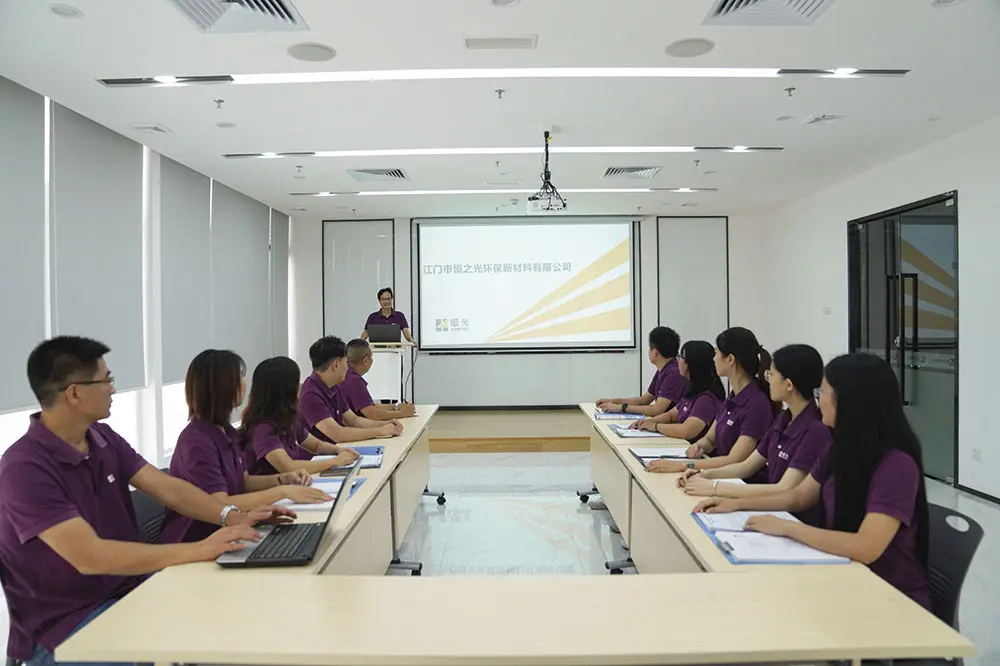
Guangdong Ever Ray Environmental Material Co., Ltd. has established itself as an industry leader by addressing these strict sourcing needs. Operating multiple dedicated production facilities with comprehensive digital system integrations, Ever Ray bridges the gap between raw chemical synthesis and tailored applicator performance, offering key strategic advantages:
Formulating an effective concrete coating demands a precise balance between hardness (to resist abrasion from forklifts and heavy vehicles) and flexibility (to withstand concrete micro-cracking and thermal expansion). Understanding the molecular properties of different oligomer groups is essential:
Provides exceptional adhesion to porous surfaces, high surface hardness, and superior chemical resistance against oils, fuels, and alkaline agents. Ideal for industrial workshop flooring.
Offers great elasticity and impact resistance. Aliphatic polyurethane acrylates provide outstanding weatherability and non-yellowing characteristics, crucial for outdoor concrete sealers.
Known for low viscosity and high curing speed. PEAs are often blended to optimize processing viscosity and speed up production without adding excessive reactive monomer diluents.
For instance, blending a high-adhesion modified epoxy acrylate, such as 6100D-85 or 6851A, with flexible polyurethane acrylates like 7200-1 allows formulators to customize the coating properties. This hybrid formulation path provides concrete coatings with the impact absorption of polyurethanes and the chemical protection of epoxies.
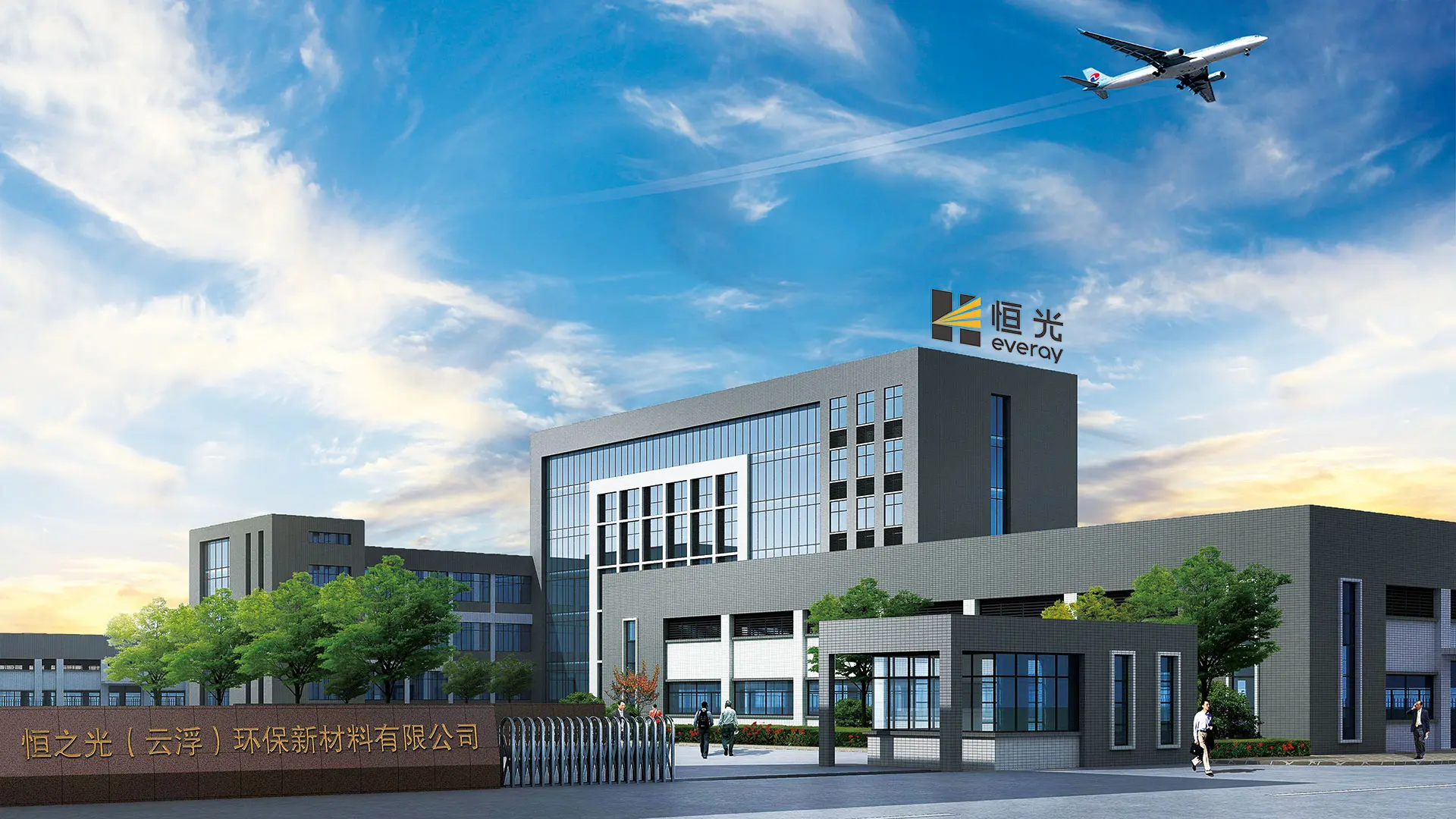
Guangdong Ever Ray Environmental Material Co., Ltd. established in 2006, is a high-tech enterprise focusing on the R&D and manufacturing of oligomers for UV curable resin such as epoxy acrylate, polyurethane acrylate (water-borne, aliphatic urethane, aromatic urethane), polyester acrylate, pure acrylate and other special functional modify acrylate oligomers.
We have two production bases, one is in Jiangmen, Guangdong, production area is about 10,000 square meters, while the other is in Yunfu, Guangdong which production area is around 40,000 square meters, complete with quality control, storage and logistics supporting facilities, annual production capacity is more than 20,000 tons with more than 10 production lines.
To ensure quality control, our factory operates under the ISO9001 quality management system and ISO14001 environmental management system, utilizing a flexible and advanced DCS fully computerized control system. Moreover, we select high-quality domestic and foreign raw materials, adopt advanced scientific management methods, and consult domestic UV material experts for guidance to ensure production safety and product quality stability.
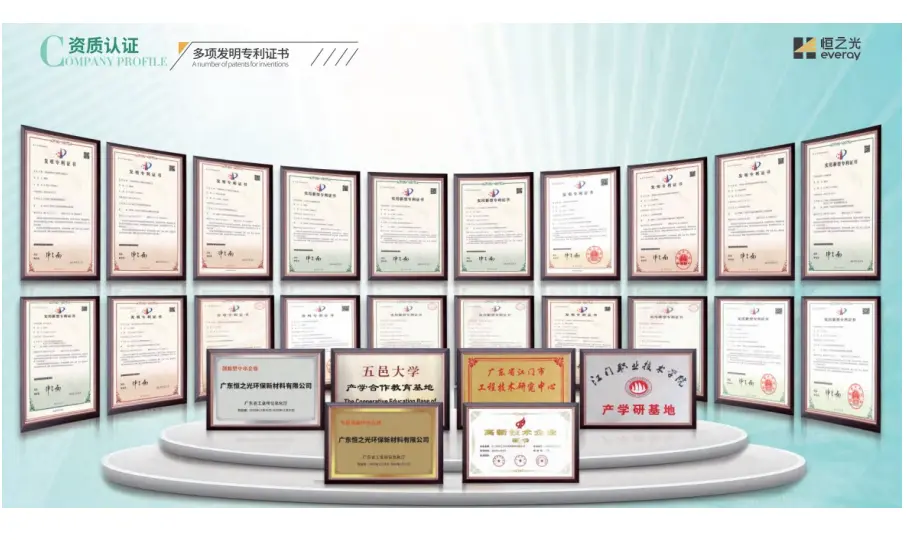
We hold more than 10 invention patents and practical patents. With more than 15 technicians in our R&D department, we deliver products that provide high reactivity, chemical resistance, and high gloss to formulations for a wide variety of applications, including wood coatings, plastic, inks, adhesives, and more.
We focus on the harmonious coexistence of technology and environmental protection, taking science and technology as our driving force for future development, as we continue to pursue excellence and support a sustainable green living environment.
The concrete coating industry is moving quickly away from high-VOC solvent-borne formulations due to strict green building standards (such as LEED v4 and BREEAM). The future of epoxy and acrylate polymers relies on three primary technical advancements:
Waterborne UV systems offer the low viscosity of solvent-based coatings without the environmental impact. Once the water content evaporates, the remaining film is cross-linked using UV light. This approach provides a uniform, thin coating that penetrates deep into the concrete's pores before polymerization.
One limitation of traditional UV curing on concrete surfaces is "shadow zones"—areas where UV light cannot reach, such as joints and deep cracks. Dual-cure formulations address this by combining rapid UV surface polymerization with a secondary moisture-cure mechanism, ensuring complete curing throughout the concrete substrate.
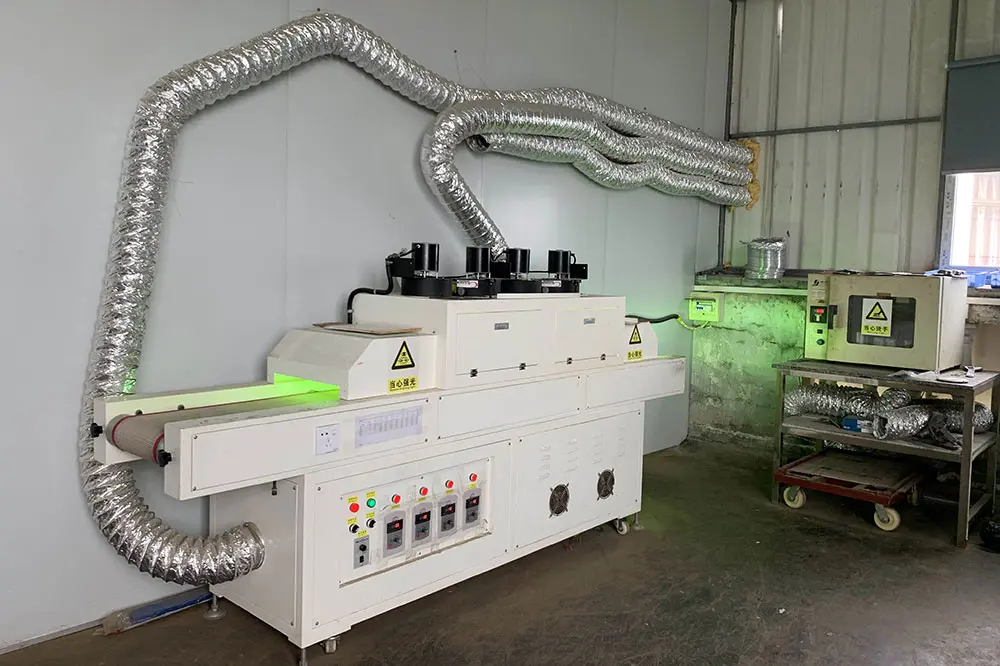
Traditional high-pressure mercury lamps generate significant heat, which can warp thin coatings and consume substantial energy. Modern concrete installers prefer portable, energy-efficient UV-LED curing machines. Developing oligomers with high reactivity at 385nm to 405nm light wavelengths is essential for ensuring fast curing speeds without yellowing.
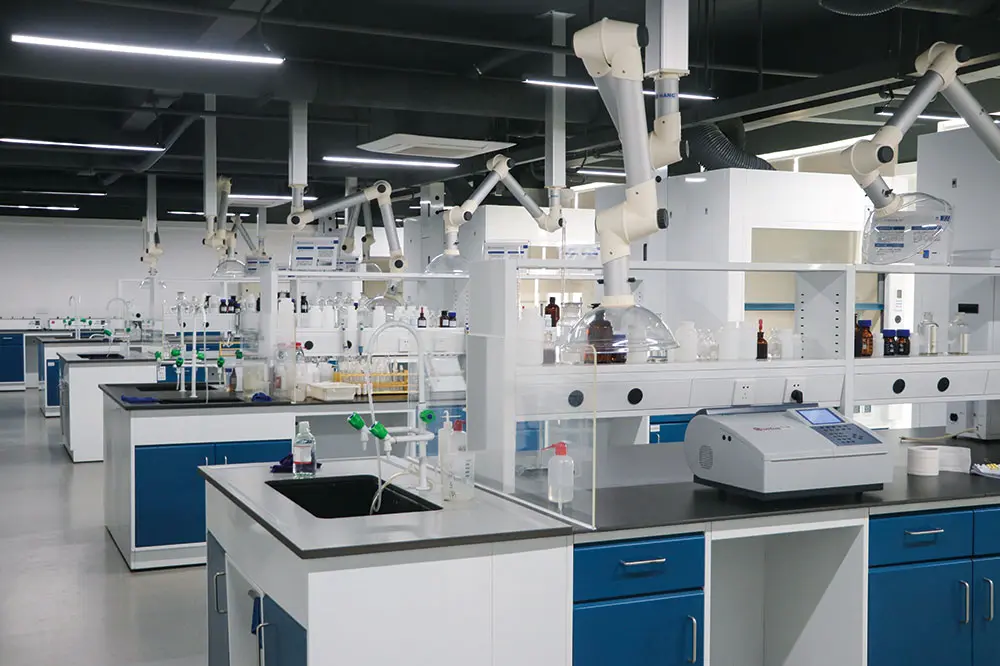
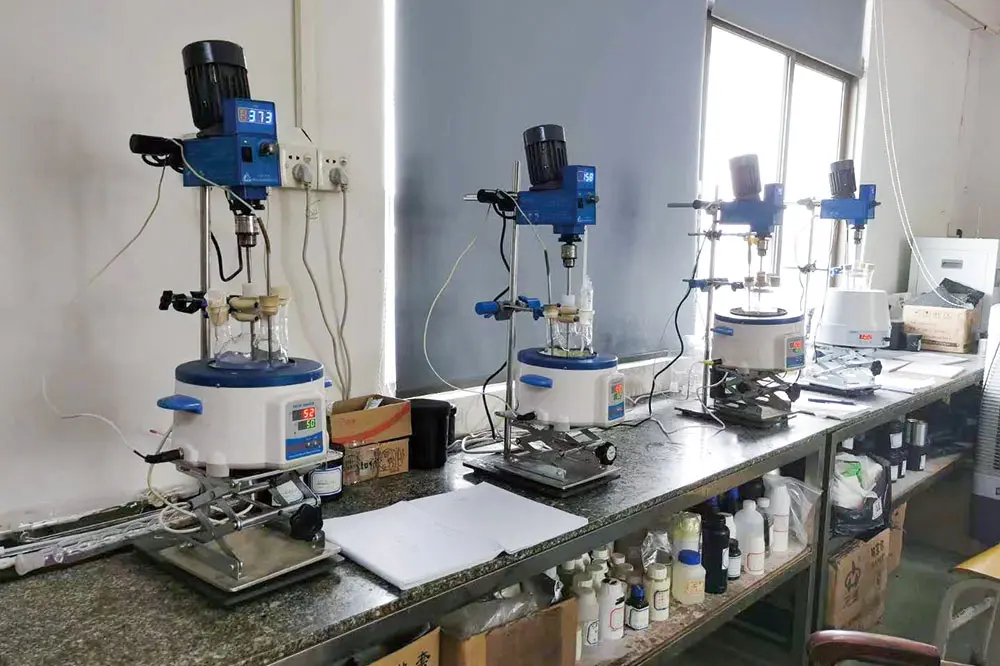
At Ever Ray, quality control is integrated directly into our manufacturing processes. In our Yunfu and Jiangmen bases, we run advanced DCS (Distributed Control Systems) to manage reaction temperatures, feed rates, and vacuum pressure. This automated control reduces variations between batches, ensuring that every container of epoxy acrylate or polyester acrylate meets strict viscosity and reactivity specifications.
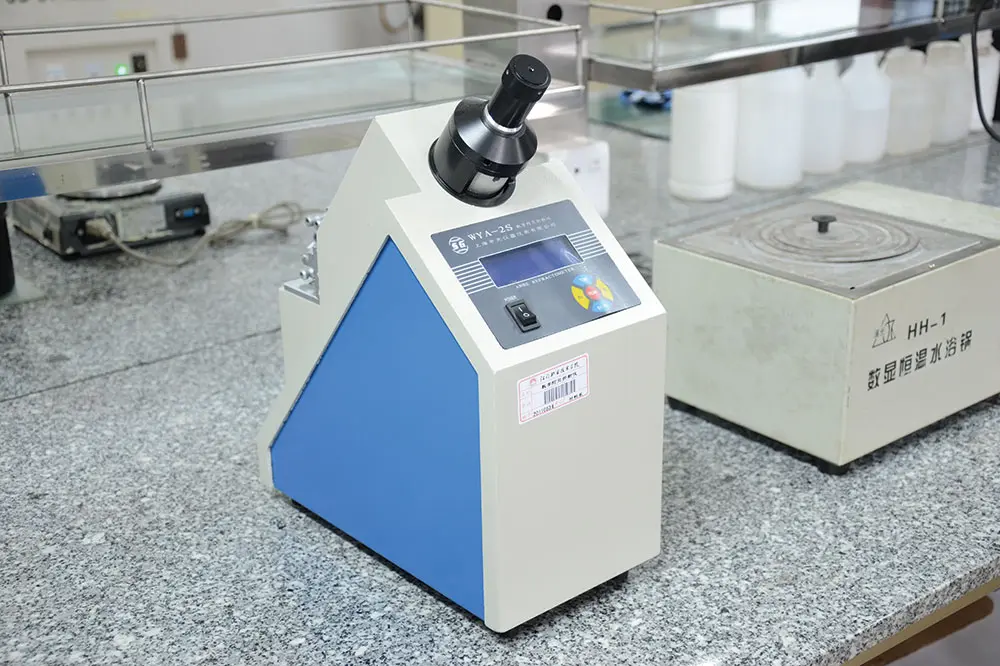
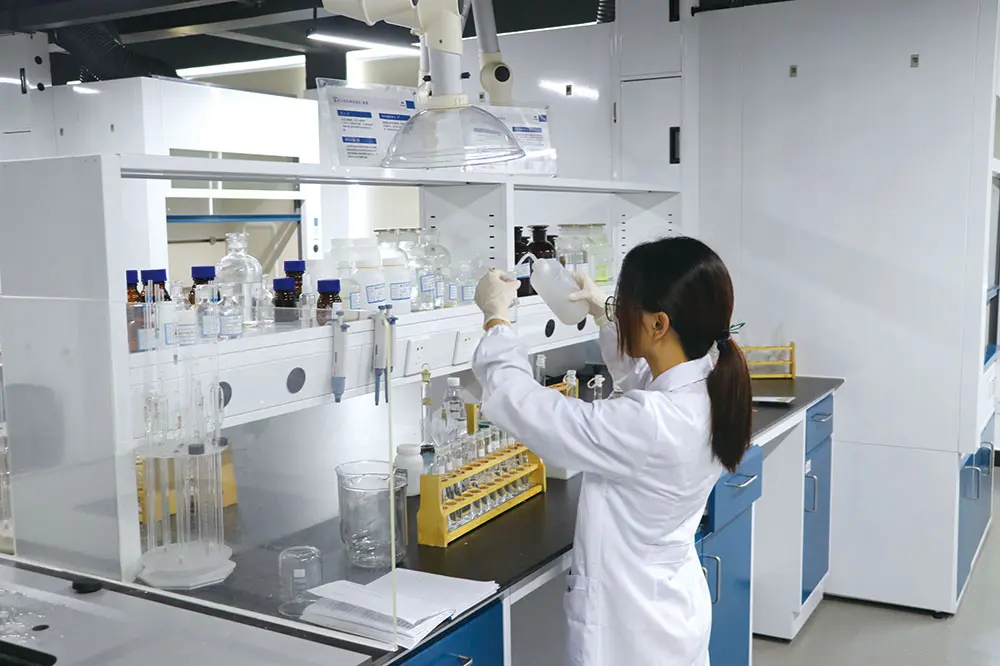
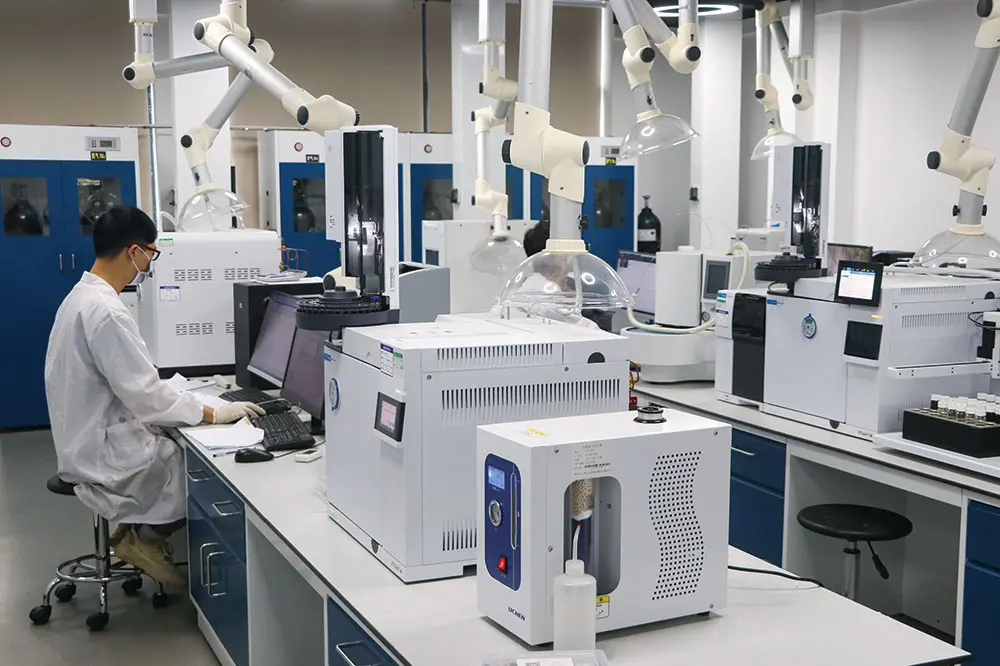
Our analytical laboratories utilize high-resolution gas chromatography (GC), gel permeation chromatography (GPC), and Fourier-transform infrared spectroscopy (FTIR) to analyze molecular structures. This rigorous testing ensures that only fully compliant, high-quality materials reach our clients.
 Ever Ray