Explore our premium grade acrylate and polyurethane oligomers engineered for optimal adhesion, minimal shrinkage, and fast cure cycles.
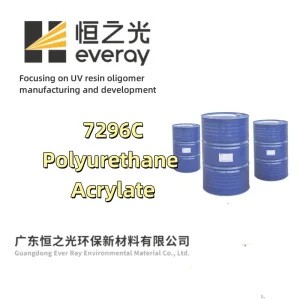
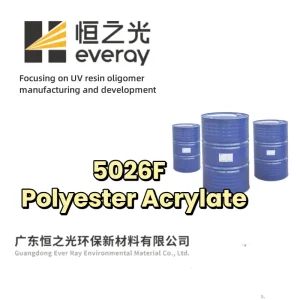
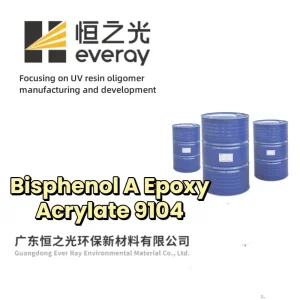
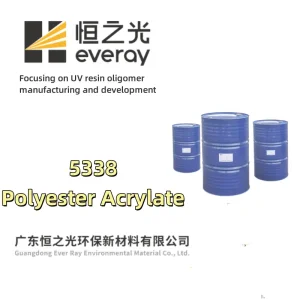
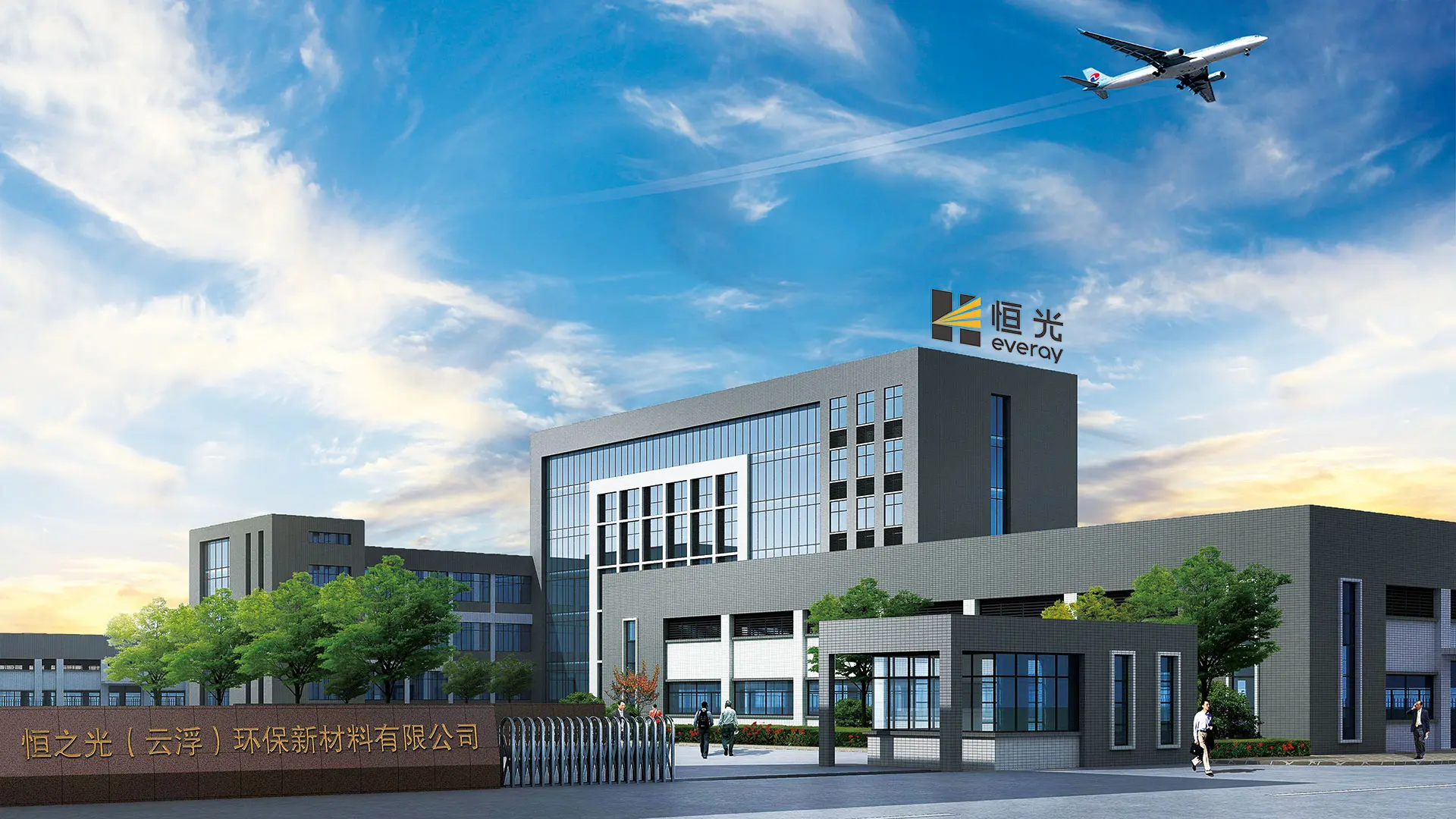
Established in 2006, Guangdong Ever Ray Environmental Material Co., Ltd. is a premier national high-tech enterprise dedicated entirely to the research, development, and manufacturing of oligomers designed for UV-curable resins. Our diverse chemical synthesis portfolio includes epoxy acrylate, polyurethane acrylate (waterborne, aliphatic urethane, and aromatic urethane), polyester acrylate, pure acrylate, and specialized functional modified acrylate oligomers.
We operate two highly sophisticated production bases to ensure supply chain stability and high-volume delivery. Our primary facility in Jiangmen, Guangdong spans approximately 10,000 square meters. To meet growing global market demand, our second facility in Yunfu, Guangdong encompasses a massive 40,000 square meter layout, fully optimized with advanced quality control, safe chemical storage, and automated logistics networks.
To ensure uncompromising product stability, both facilities operate under the stringent guidelines of the ISO9001 Quality Management System and ISO14001 Environmental Management System. Production lines utilize a flexible, advanced DCS fully computerized control system, minimizing human error and ensuring tight batch-to-batch consistency. Furthermore, we select premier raw materials from trusted domestic and international chemical suppliers and collaborate with veteran domestic UV materials experts to pioneer safety and stability innovations.
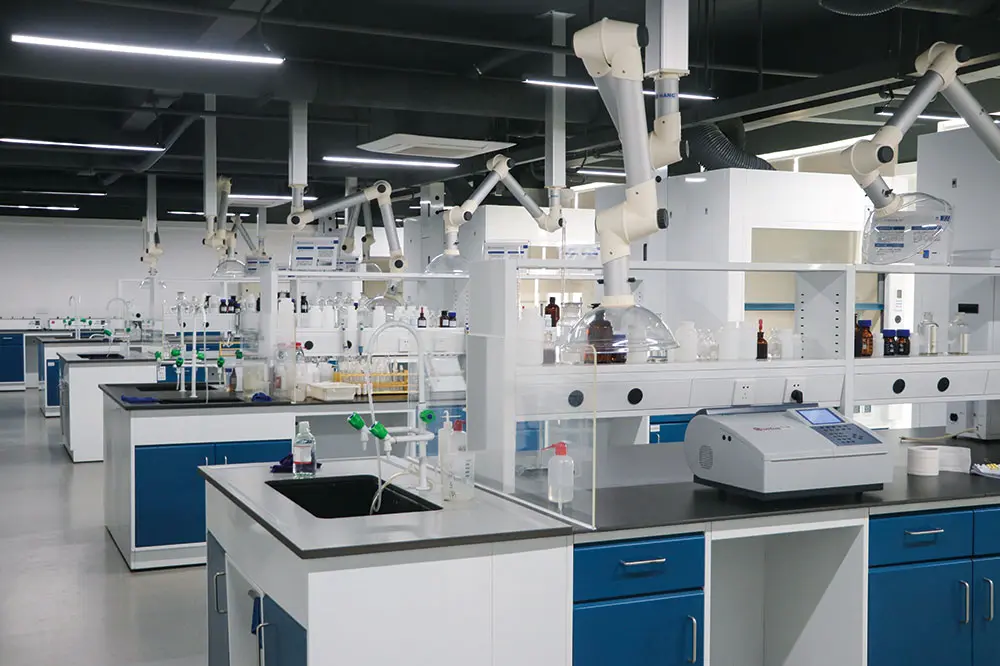
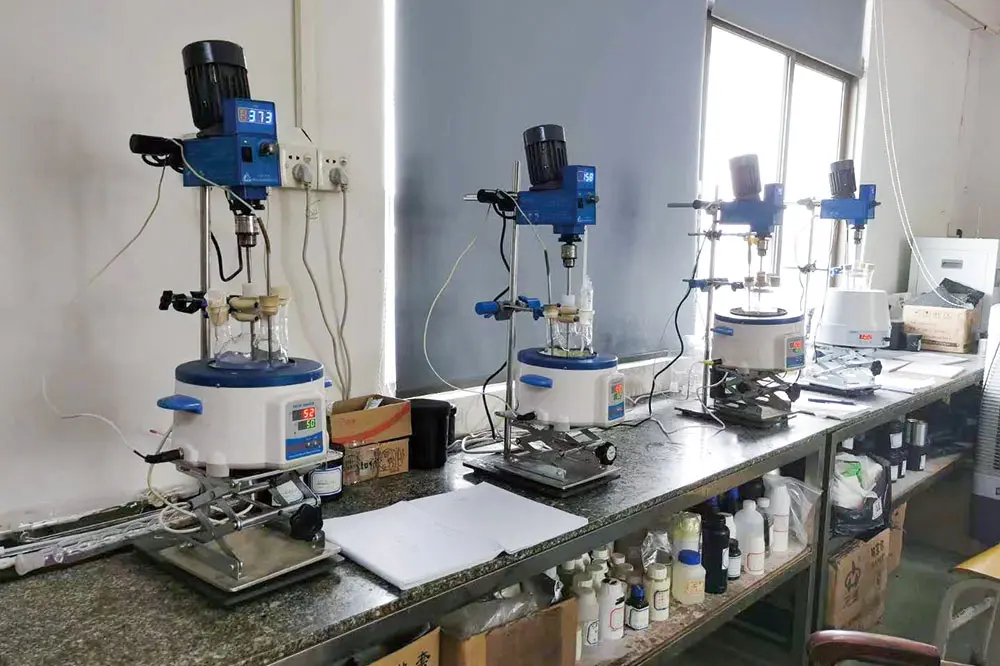
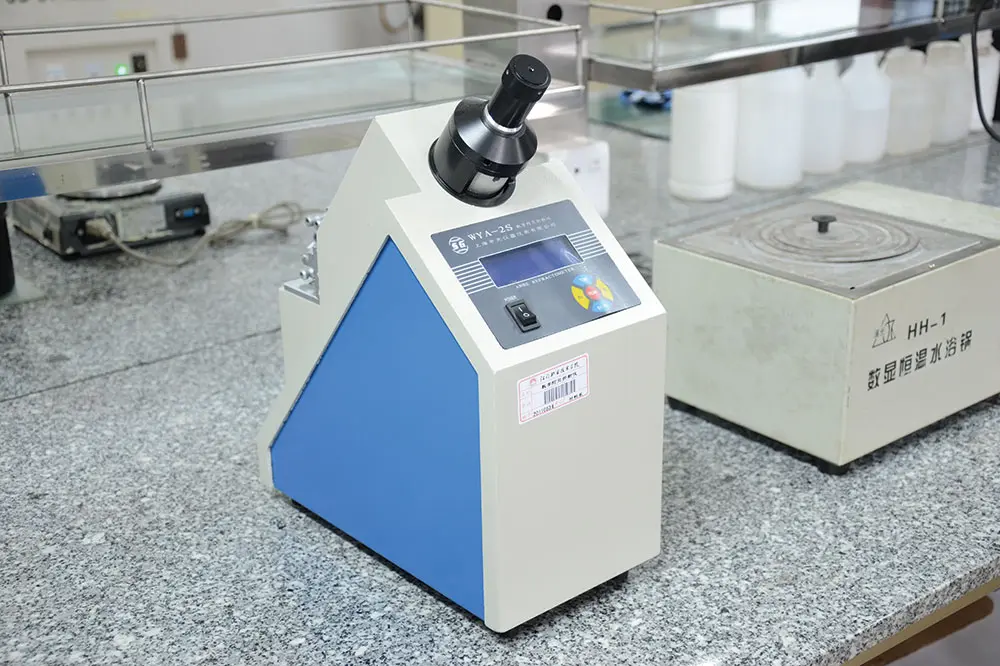
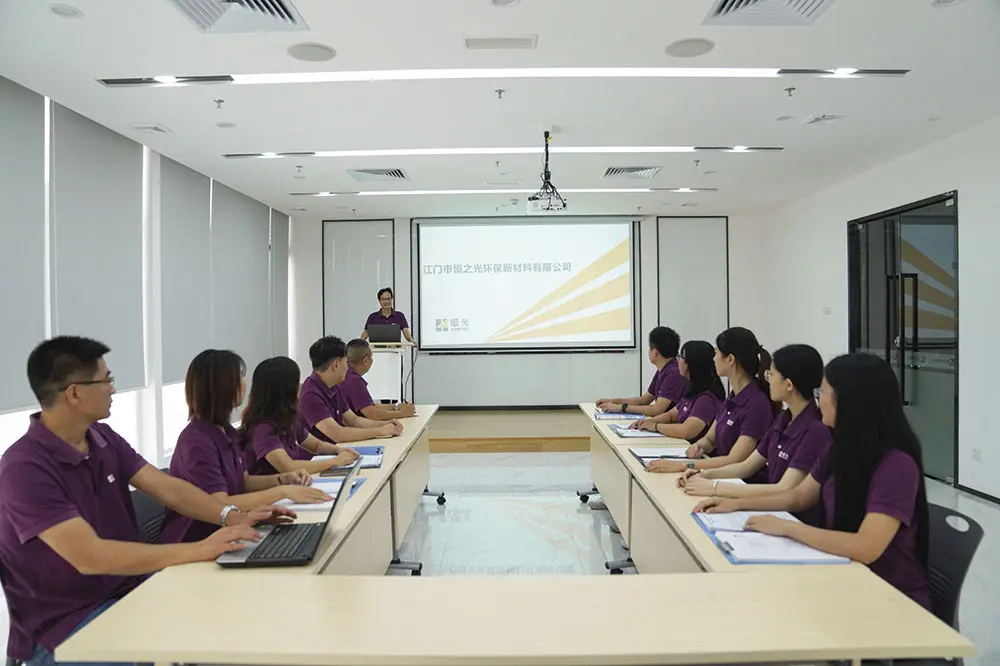
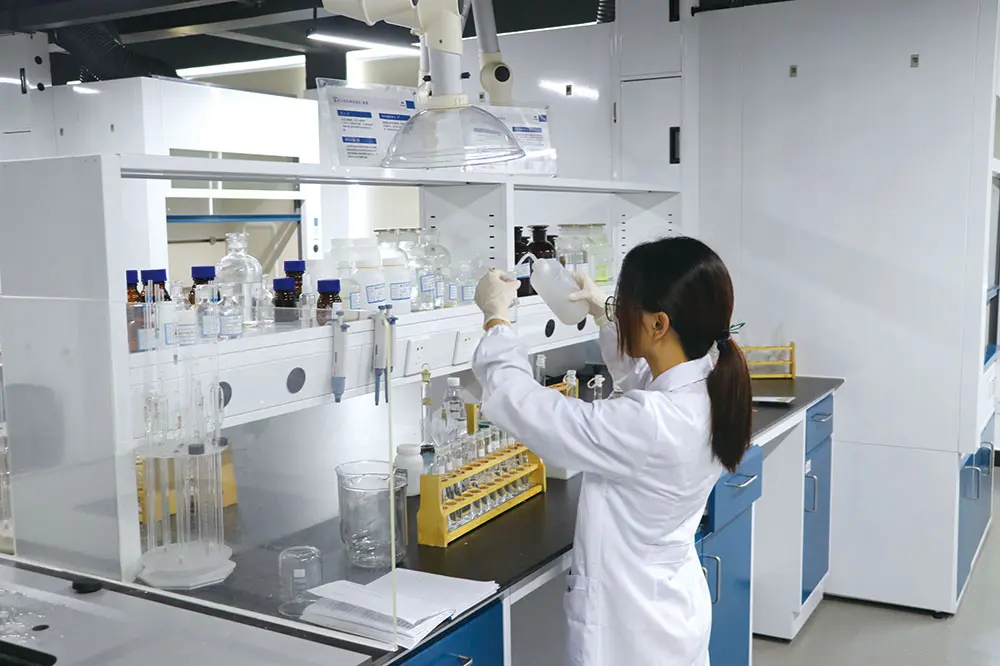
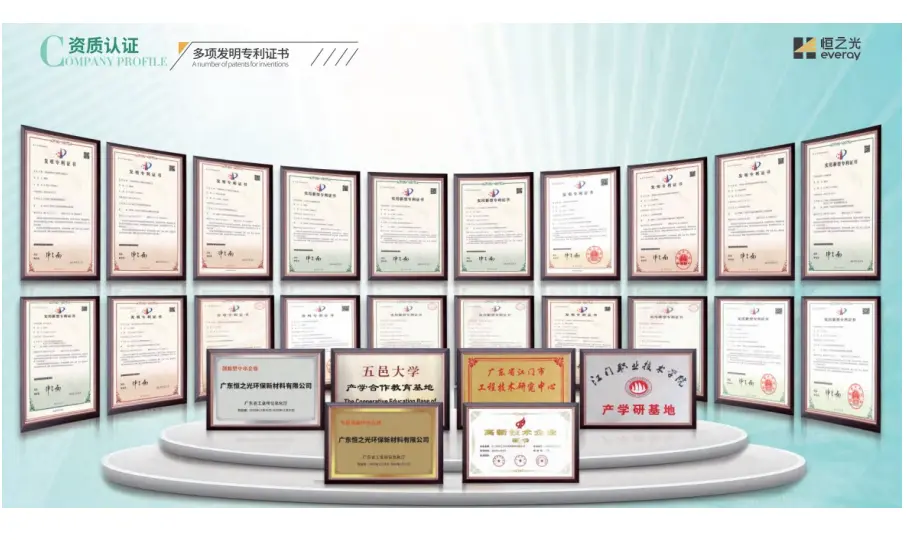
Guangdong Ever Ray holds more than 10 invention patents and practical patents, demonstrating our active contribution to advanced photopolymer science. Our specialized R&D division consists of over 15 professional chemical technicians who constantly refine chemical structures to deliver superior performance.
Our research emphasizes producing oligomers that introduce high reactivity, exceptional chemical resistance, high surface hardness, and superior gloss values to end-user formulations. We cater to diverse applications, including industrial wood coatings, plastics, functional inks, and structural adhesives.
By providing custom formulations and structural modifications, we help client companies balance high performance and cost-efficiency. Our corporate philosophy centers on the harmonious coexistence of technology and environmental protection, driving sustainability through green chemistry.
A comprehensive overview of how photopolymerization is transforming modern industrial manufacturing across continents.
Rapid urbanization and the rise of precision manufacturing have spiked the global adoption of solvent-free, eco-friendly coating technologies. North American and European regulations heavily restrict VOC emissions, forcing a shift to 100% solid UV coatings.
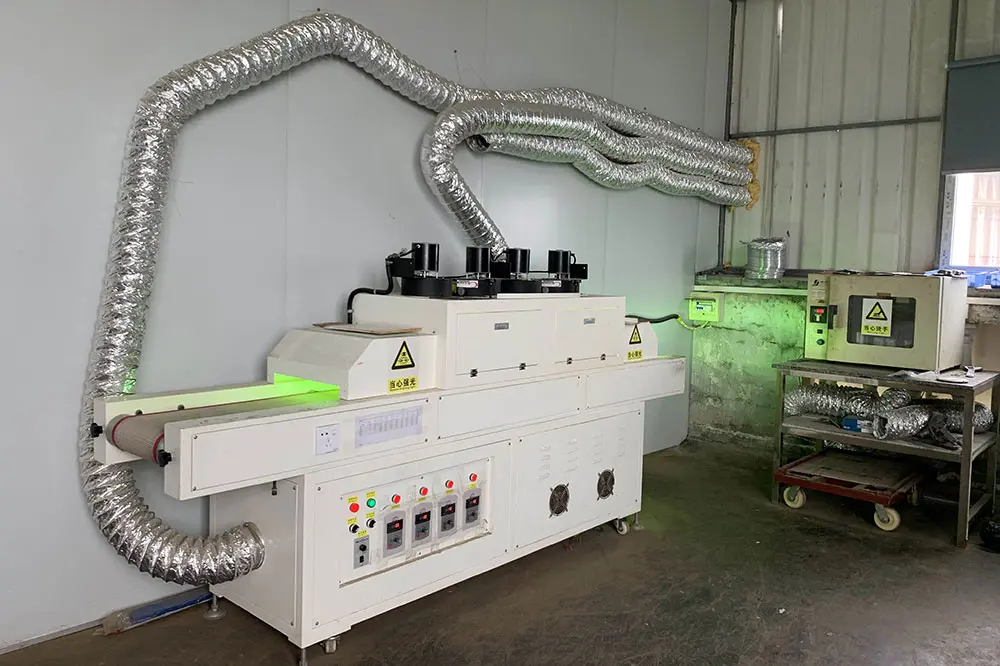
Traditional thermal drying ovens consume immense energy and square footage. UV curing runs via compact, high-intensity UV lamps or energy-saving LEDs, curing coatings in fractions of a second, which significantly boosts assembly-line throughput.
China houses the most complete raw chemical supply network, enabling manufacturers like Guangdong Ever Ray to source high-grade acrylic acid and specialty epoxides at optimal price points. This integration translates directly into pricing advantages for global B2B buyers.
No longer confined to simple varnishes, modern UV-curable oligomers are core components in advanced optoelectronics, flexible display packaging, 3D printing (SLA/DLP), automotive interior components, and high-performance adhesives.
Selecting the appropriate oligomer is crucial for balancing cure speed, mechanical properties, and formulation cost. Our product line targets four major structural classes:
Formed by reacting epoxy resins with acrylic acid. Characterized by exceptionally fast cure speeds, high surface hardness, high gloss, and excellent chemical resistance (e.g., our 9104 Bisphenol A Epoxy Acrylate). Ideal for wood primers, overprint varnishes, and metal coatings.
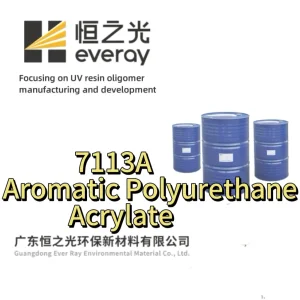
Synthesized from polyols, diisocyanates, and hydroxyalkyl acrylates. Offers a perfect balance of toughness, abrasion resistance, and flexibility. Aliphatic PUA provides excellent weathering properties (non-yellowing), while aromatic PUA ensures maximum adhesion on tricky substrates like PC, ABS, and metals.
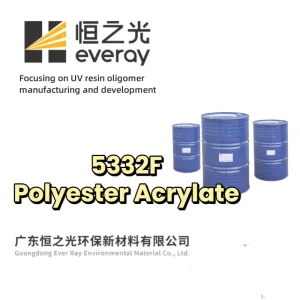
Prepared through esterification reactions. Recognized for low viscosity, good flexibility, and cost-effectiveness. Highly compatible with diverse monomer diluents, they serve as workhorse resins in high-speed offset and flexographic inks (e.g., our 5332F and 5351 series).
Modified with specific functional groups to achieve low shrinkage, enhanced water transfer performance, or extreme glass/metal adhesion. These are customized resins for high-value applications, such as flexible displays and dual-cure electronics adhesives.
The global radiation curing market is shifting toward LED-UV Curing Systems. Compared to conventional medium-pressure mercury lamps, LED lamps generate minimal heat, emit no ozone, and operate with lower power requirements. However, LED systems emit light at a narrow wavelength (typically 365nm, 385nm, or 395nm), requiring specialized, high-reactivity oligomers designed to cure under long-wave UV-A light.
Concurrently, interest in Waterborne UV Resins has grown, offering a way to regulate viscosity without adding monomer diluents, which can cause skin irritation or high shrinkage. In addition, Bio-based UV Curable Resins derived from renewable resources (such as soybean oil or cardanol) are moving from laboratory testing to commercial scale to help brands meet carbon footprint goals.
Global procurement teams face challenges such as rising chemical shipping costs, tightening REACH and TSCA compliance regulations, and batch inconsistency from smaller toll manufacturers.
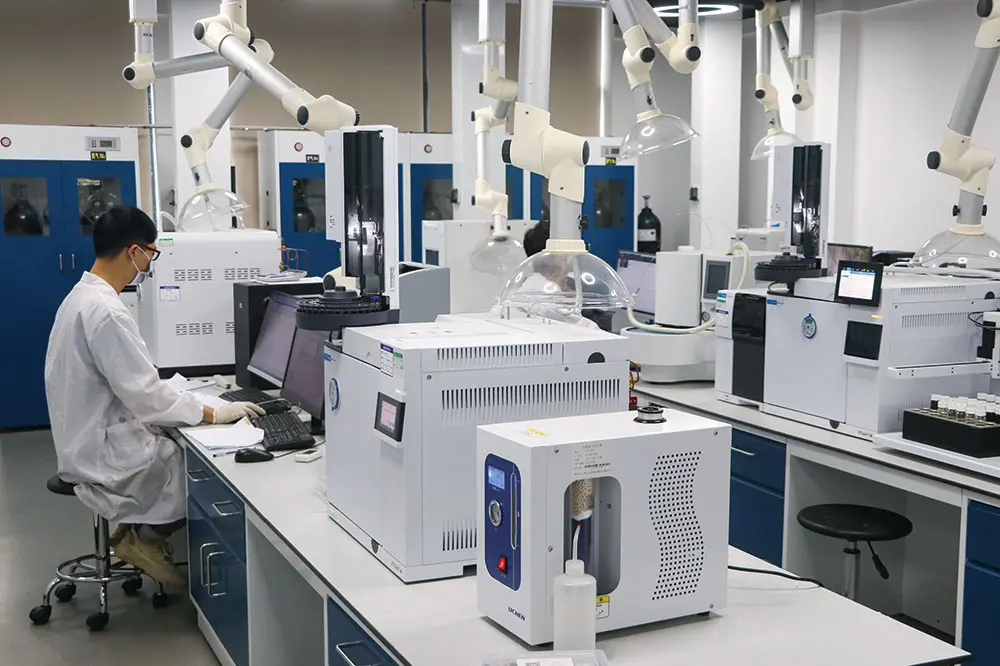
Partnering directly with primary manufacturers like Guangdong Ever Ray helps mitigate these risks. Our ISO-certified facilities ensure that every shipment undergoes testing via Gas Chromatography (GC) and Gel Permeation Chromatography (GPC), with verified Certificate of Analysis (COA) records provided for every batch.
We work closely with customers to optimize shipping configurations, utilizing robust steel drum packaging and ISO tank container shipping options to ensure materials arrive safely and within spec.
A broad selection of high-performance formulation resins optimized for screen, offset, flexo inks, and plastic coatings.
Critical answers for sourcing managers, chemical engineers, and formulation technicians.
Epoxy Acrylates (e.g., Bisphenol A Epoxy Acrylate 9104) are chosen for their fast cure speeds, high surface hardness, and strong chemical resistance, though they exhibit higher volume shrinkage and limited flexibility. Polyurethane Acrylates, on the other hand, provide excellent flexibility, impact resistance, and weatherability. Aliphatic PUAs resist yellowing under UV light, making them suitable for outdoor applications, whereas Epoxy Acrylates are generally preferred for indoor wood finishes, metal primers, and paper overprint varnishes.
We manage our production using an integrated DCS fully computerized control system at our Yunfu (40,000 sqm) and Jiangmen (10,000 sqm) facilities. This system closely monitors reaction parameters—such as feeding speed, reaction temperatures, and esterification time—in real time. Additionally, we run analytical tests including Gas Chromatography (GC), viscosity profiling, and color checking on every batch to ensure consistent material performance for our buyers.
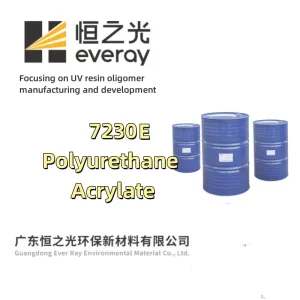
Vacuum metallization requires basecoats and topcoats with high adhesion to plastic substrates like ABS and PC, along with strong interlayer adhesion to the deposited metal film. Our 7230E Polyurethane Acrylate UV Resin and Aromatic Polyurethane Acrylate Oligomer are specifically designed for these applications, offering balanced shrinkage and targeted functional groups that promote adhesion to non-porous surfaces.
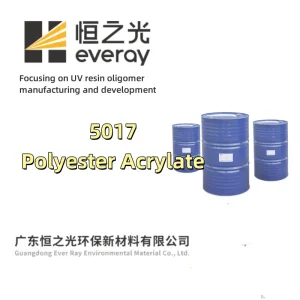
Shrinkage can stress coatings and cause adhesion failure, while residual odor is a common concern for indoor print packaging. To address these issues, we developed UV Resin 5017 (low odor, low shrinkage) and Polyester Acrylate 5026F. These products feature modified backbone structures that reduce double-bond density and help minimize shrinkage during cross-linking, while utilizing highly purified components to lower volatile residual odors.
Yes. Traditional UV curing relies on mercury lamps, but modern lines are transitioning to 385nm and 395nm LED lamps. Our Polyester Acrylate 5501 is optimized for LED-UV wood coating systems. Its molecular structure is engineered for high reactivity, helping formulators achieve complete surface cure speeds even under the narrower emission bands of LED lights.
Because photocurable resins contain reactive acrylates, they must be stored away from direct sunlight, UV sources, and temperatures exceeding 40°C. Standard shelf life is typically 6 to 12 months from the date of manufacture when stored in their original, unopened steel drums in a cool, well-ventilated warehouse. Adequate headspace should be maintained in the containers, as atmospheric oxygen helps prevent premature gelation.
 Ever Ray