Explore our cutting-edge chemical formulations engineered for superior leveling, high gloss, and scratch resistance.
The wood coatings market is experiencing a profound paradigm shift driven by stringent global environmental mandates and demanding manufacturing process speeds. Traditional solvent-based polyurethane and nitrocellulose varnishes, while providing acceptable finishes, release high levels of Volatile Organic Compounds (VOCs) and require long thermal curing times. Modern industrial operations demand higher efficiency and environmentally compliant chemistry.
This demand has accelerated the adoption of UV-curable epoxy acrylate oligomers. As primary film-formers, modified epoxy acrylates provide wood coatings with an optimal combination of surface hardness, outstanding chemical barrier properties, and rapid cross-linking speeds. By converting to UV processing, manufacturers reduce curing times from hours to seconds while achieving superior scratch resistance and grain definition.
"The integration of modified epoxy acrylates has elevated the mechanical properties of wood finishes, enabling manufacturers to meet ASTM chemical resistance standards while minimizing carbon footprint."
B2B procurement of polymer raw materials demands batch-to-batch consistency, robust supply logistics, and verified quality control systems.
Global manufacturers require resins with uniform viscosity, acid value, and curing reactivity to maintain high efficiency on automated spray, roller, and curtain coating lines.
With regulations like REACH (Europe), TSCA (USA), and domestic VOC limitations tightening, suppliers must verify heavy-metal-free, low-odor, and low-volatility formulations.
Large-scale wood processing factories depend on suppliers who can guarantee continuous material availability and flexible packaging solutions, preventing production downtime.
A trusted, high-tech enterprise at the forefront of UV-curable polymer technology since 2006.
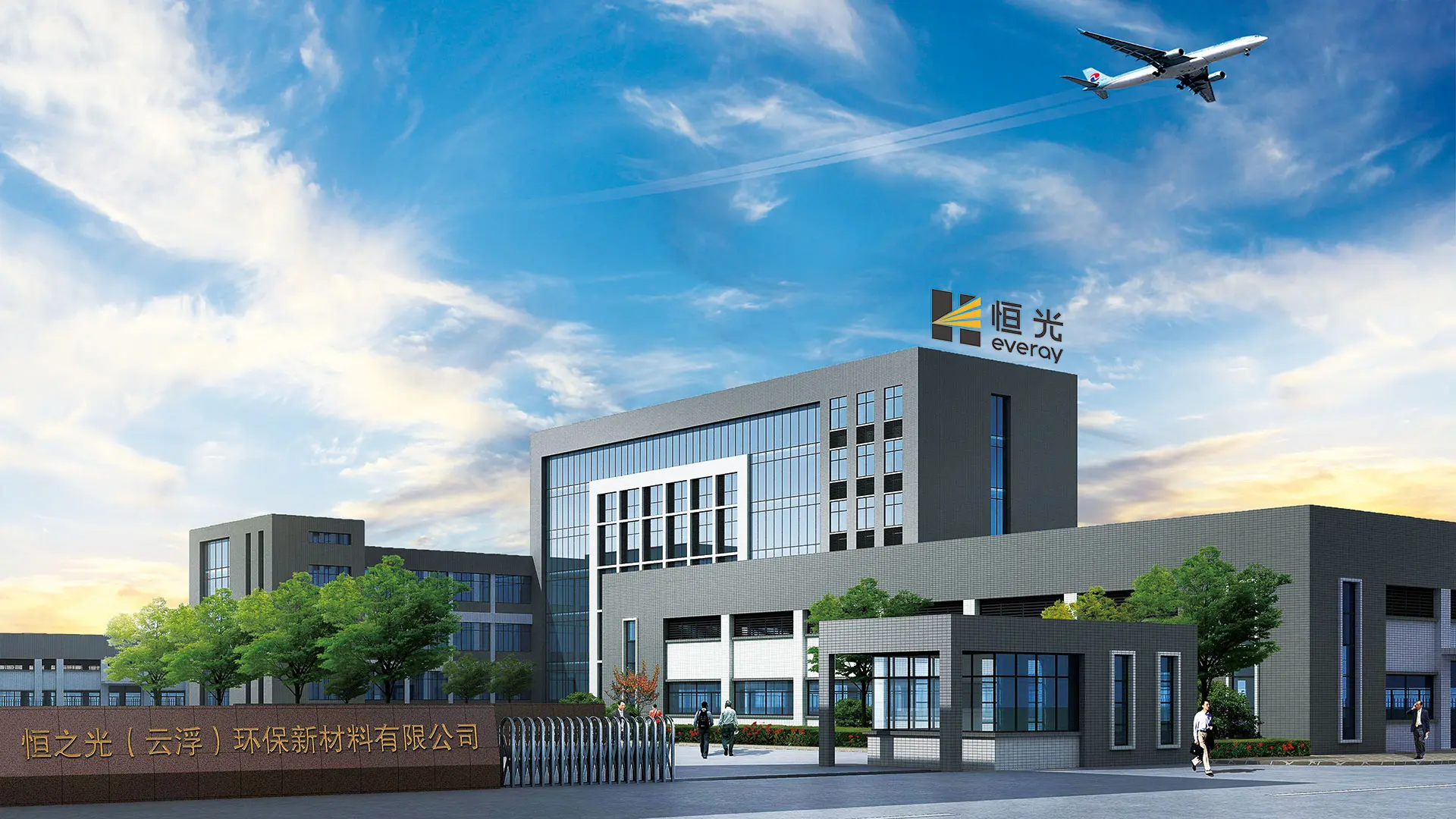
Established in 2006, Guangdong Ever Ray Environmental Material Co., Ltd. is a specialized high-tech enterprise focusing on the R&D and manufacturing of oligomers for UV curable resin. Our extensive product portfolio includes epoxy acrylate, polyurethane acrylate (water-borne, aliphatic urethane, aromatic urethane), polyester acrylate, pure acrylate, and custom-modified acrylate oligomers tailored for demanding industrial coatings.
To meet the increasing needs of global purchasers, we operate two advanced production bases in Guangdong province:
Equipped with more than 10 modern production lines and controlled by a flexible DCS fully computerized system, our annual output exceeds 20,000 tons. Our factories are certified under the ISO9001 quality management system and the ISO14001 environmental management system, ensuring safe production processes and consistent product quality.
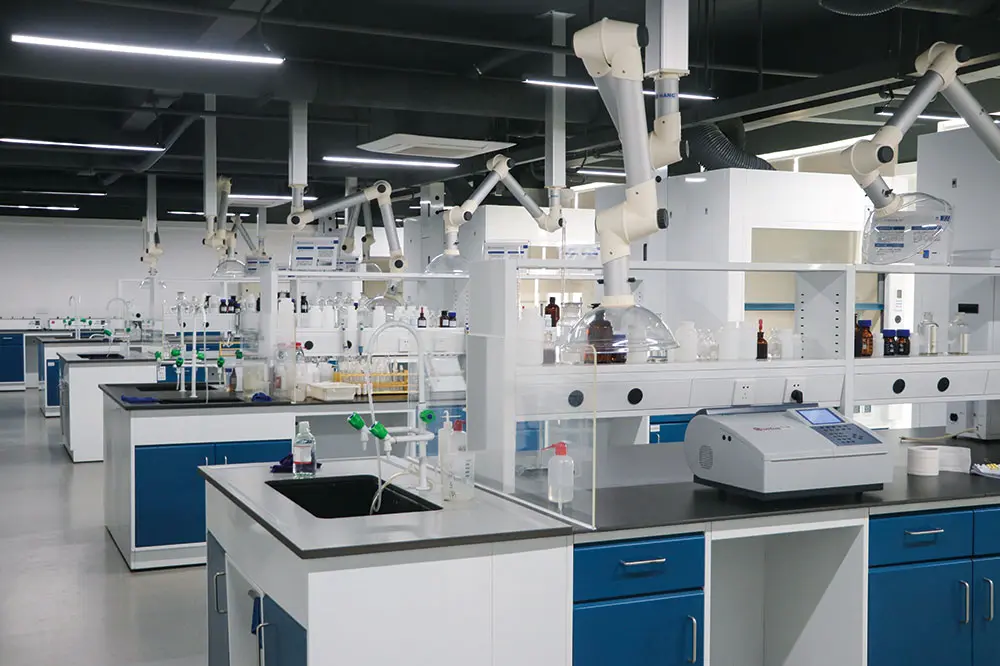
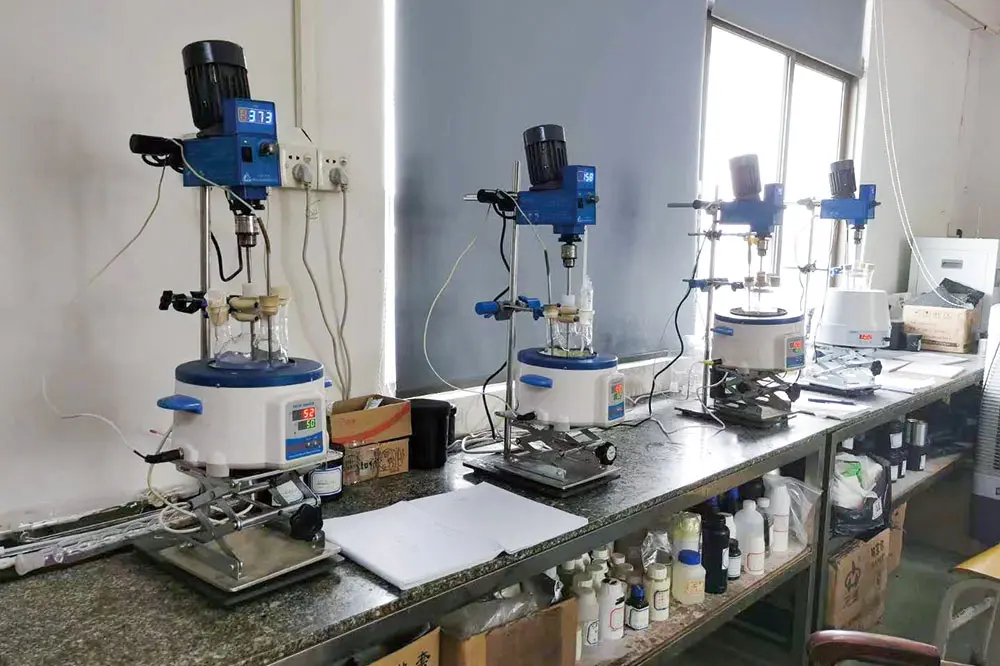
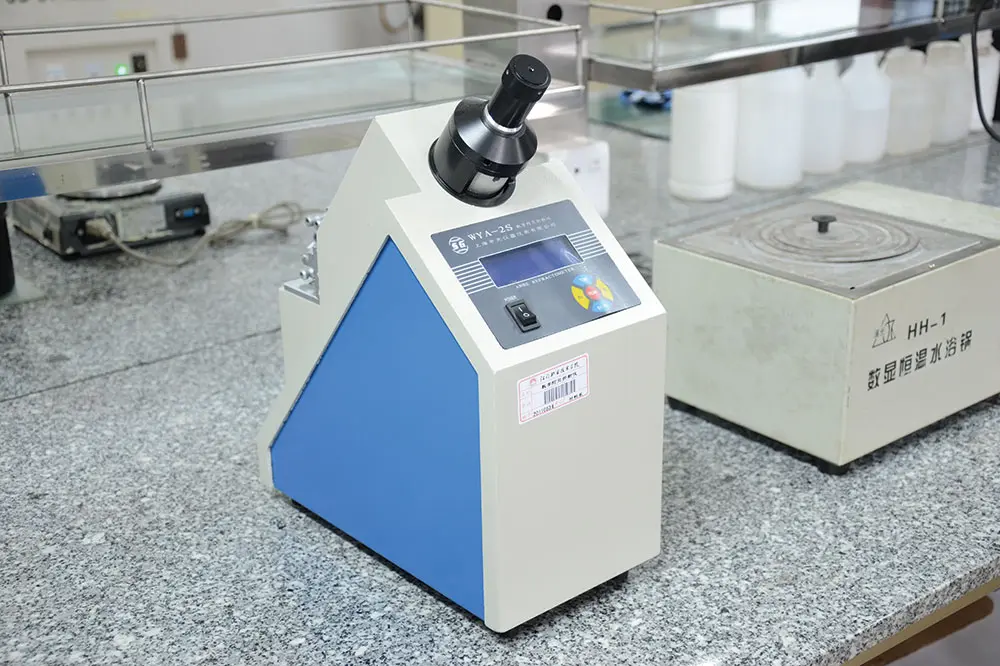
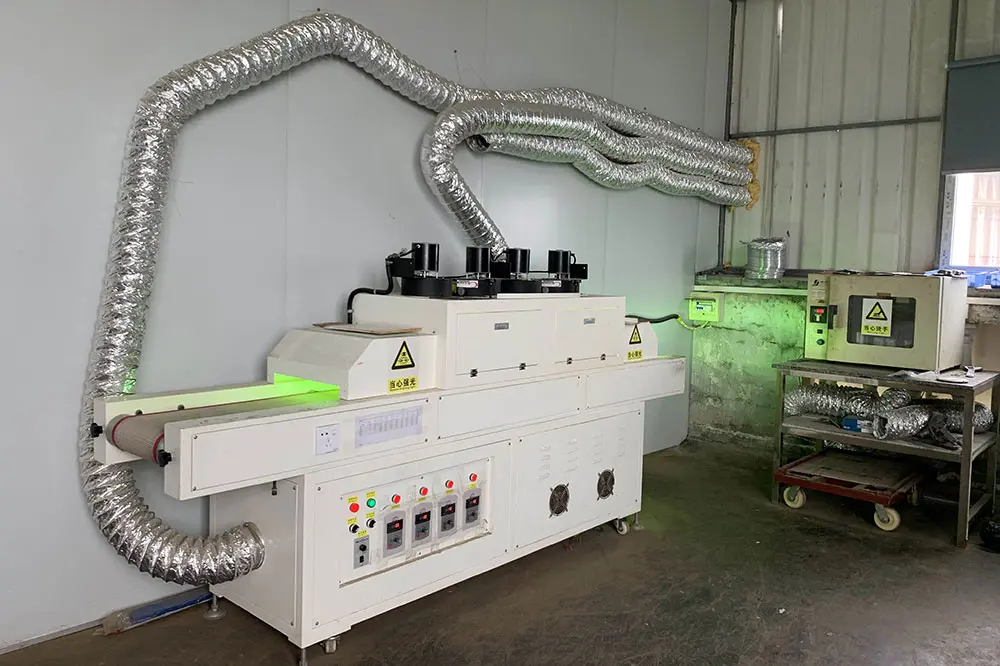
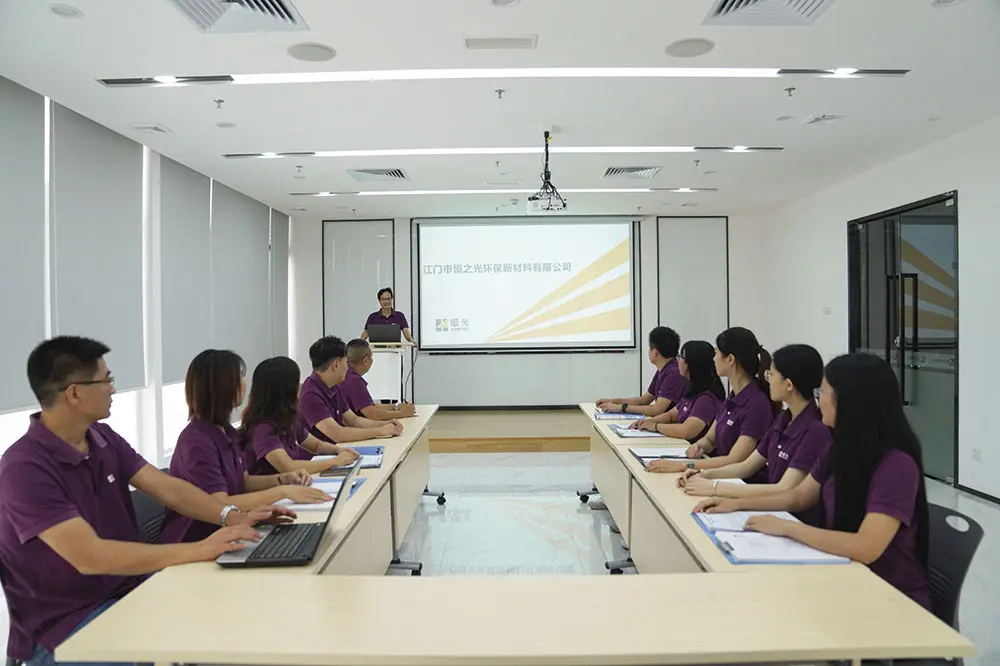
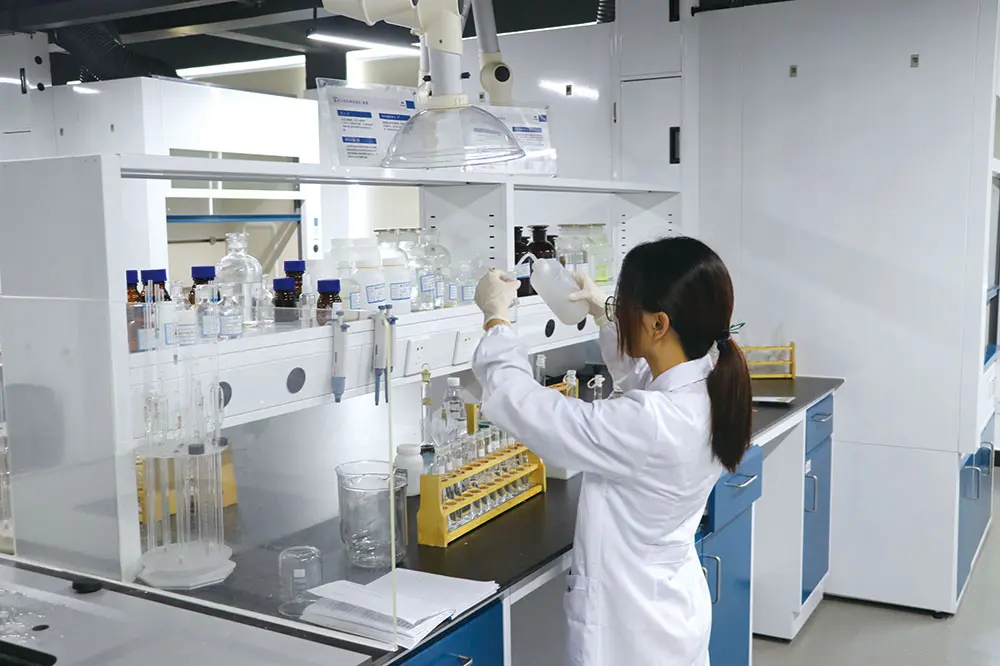
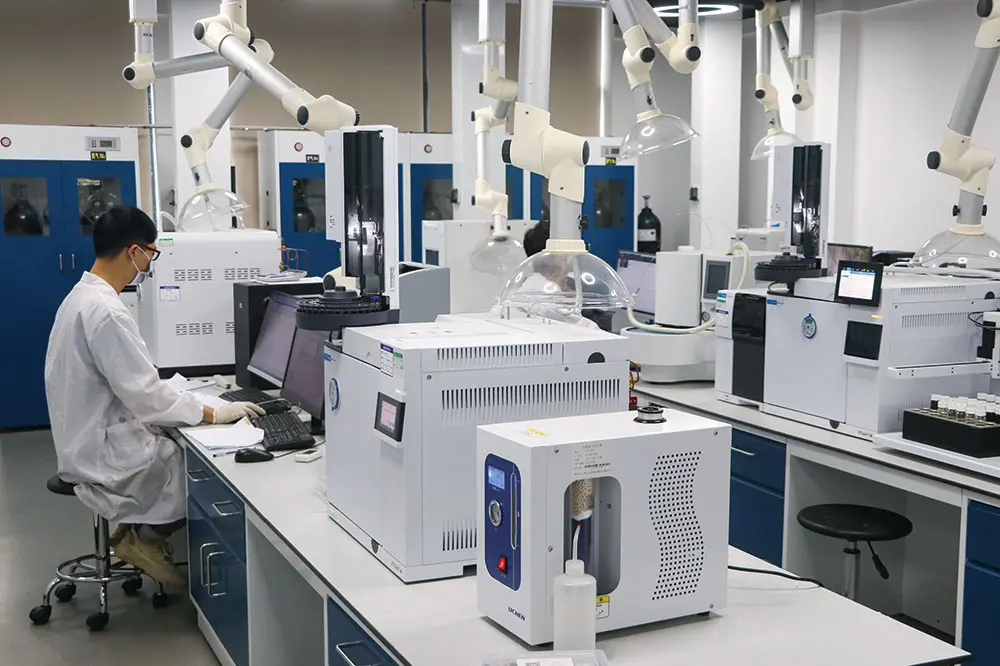
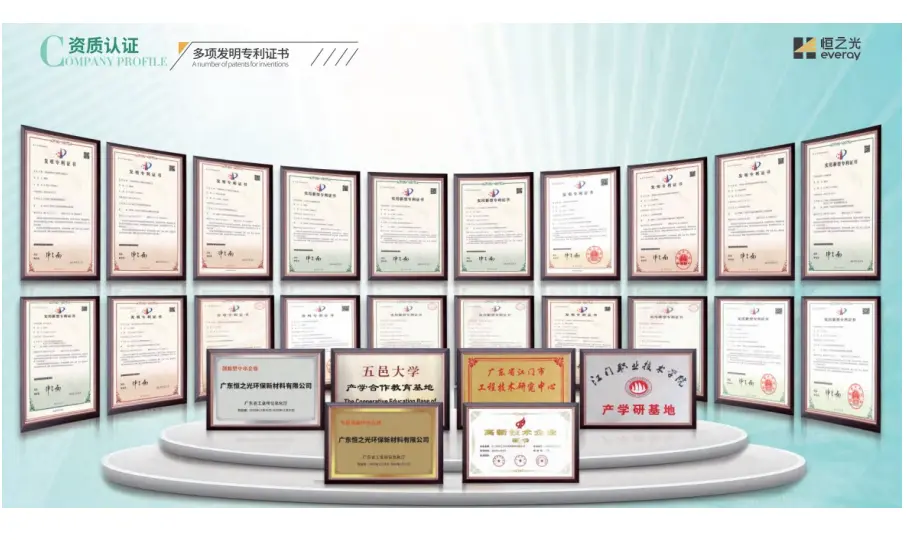
Supported by a dedicated R&D department featuring over 15 senior technicians, we hold more than 10 invention and utility patents. We design oligomers to deliver high reactivity, excellent chemical resistance, and high gloss for wood, plastic, printing ink, and adhesive formulations. Our team specializes in modifying molecular architectures to help customers balance technical performance with production costs.
Discover how our UV oligomers are applied across various wood and industrial coating systems.
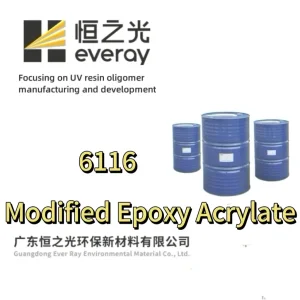
Our modified epoxy acrylates like 6118 and 6116 are widely used in primers and topcoats for kitchen cabinetry and office furniture. They provide a high-gloss finish, excellent leveling properties, and strong scratch resistance.
For solid wood and engineered multi-layer flooring, our resins provide the mechanical strength and abrasion resistance needed to withstand heavy foot traffic and resist household chemicals.
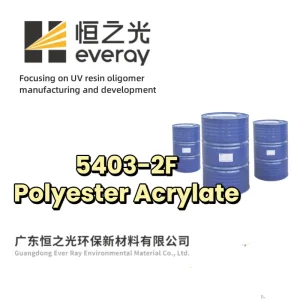
Designed for paper and board applications, oligomers such as 5052B-2 and 5403-2F provide low viscosity, fast cure speeds, and high-gloss characteristics required for high-speed printing presses.
As regulatory standards tighten worldwide, our technical roadmap focuses on green chemistry, reduced energy use during application, and bio-based raw materials.
We are working to integrate renewable, plant-derived feedstocks into our polymer backbones. Our R&D team is developing epoxy acrylates with high bio-content that match the performance of petrochemical equivalents.
To further reduce VOC emissions and improve cleaning safety on industrial lines, we are expanding our range of waterborne polyurethane acrylates (PUDs). These systems combine the low viscosity of water-based systems with the rapid curing of UV technology.
LED-UV curing systems use less energy and generate less heat than traditional mercury lamp systems. We are modifying our photo-curing resins to maximize sensitivity under 365nm and 395nm LED spectrums, helping customers lower energy consumption.
We implement comprehensive quality control at every stage of production to ensure our products meet international standards.
We source key chemical intermediates from verified domestic and international suppliers, testing each batch to maintain consistency in molecular weight distribution and monomer content.
Process MonitoringOur computerized DCS systems monitor temperature, pressure, feed rates, and viscosity in real time, helping to prevent batch-to-batch variations.
Analytical TestingOur quality control labs use gas chromatography (GC), gel permeation chromatography (GPC), and FTIR spectroscopy to verify polymer structure and trace monomer levels.
Get answers to common technical and sourcing questions about UV-curable wood resins and varnish formulations.
Explore our range of low-shrinkage oligomers, high-performance binders, and UV-curable monomers.
 Ever Ray