Direct supply options for industrial UV gravure varnishes, flexo inks, nail polishes, 3D printing and wood coatings.
Insights into market size, structural composition, chemical dynamics, and the shifting paradigms of UV-curable polymer matrices.
The industrial coatings landscape has undergone a monumental shift toward environmentally sustainable, rapid-curing technologies. At the heart of this revolution are UV-curable oligomers—specifically Epoxy Acrylates and Polyester Acrylates. As key binding materials, these synthetic polymers provide the baseline physics for coatings, adhesives, and inks. They dictate critical film properties, including tensile strength, scratch resistance, chemical barriers, adhesion profiles, and overall crosslink density.
By blending the chemical robustness of aromatic or aliphatic backbones with the reactive crosslinking capability of acrylic monomers, chemical synthesists have created an adaptable class of resins. The global demand for these high-performance materials is projected to grow substantially, driven by stringent environmental restrictions on volatile organic compounds (VOCs) and the rise of automated high-speed production lines.
A comprehensive technical comparison to guide industrial procurement teams and formulation chemists.
| Resin Classification | Primary Backbone Source | Core Performance Strengths | Key Limitation Factors | Primary Applications |
|---|---|---|---|---|
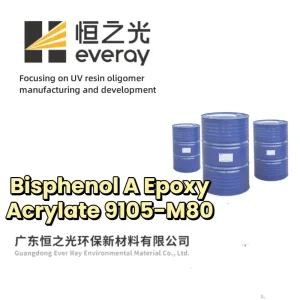
| Epoxy Acrylates (e.g., Bisphenol-A modified) | Bisphenol A / Novolac Epoxy Diglycidyl Ether | Extremely fast cure rate, high hardness, superb chemical resistance, brilliant gloss. | Brittleness, potential yellowing under UV, high viscosity needing heavy dilution. | Overprint varnishes, wood floor sealers, industrial metal coatings, electronics. |
| Polyester Acrylates (e.g., Chlorinated/Modified) | Polyester Polyols (Adipic acid, Phthalic anhydride) | Good pigment wetting, flexibility, excellent adhesion to plastics, lower viscosity ranges. | Slower cure speed, lower hardness compared to epoxy, moisture sensitivity. | Lithographic & Flexographic inks, plastic coatings, 3D printing formulations. |
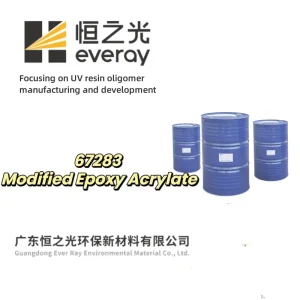
| Modified Epoxy Acrylates | Fatty acid / Amine modification | Enhanced flexibility, reduced shrinkage, optimized yellowing resistance, fast cure. | Slight reduction in absolute solvent resistance. | Solder masks, optical fibers, wood topcoats, high-end packaging. |
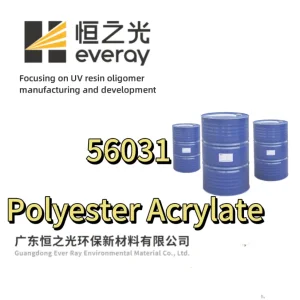
Viscosity control is critical for coating applications. High molecular weight oligomers often require massive monomer dilutions, which can degrade cured film properties. Modern synthesis focuses on low-viscosity, high-reactivity oligomers (such as Ever Ray's 56031 and 1262B) to limit monomer usage, optimize flow, and improve application characteristics.
Unsaturated double bonds (acrylate groups) cure rapidly via free radical polymerization when exposed to UV light. High reactivity ensures complete conversion on high-speed industrial lines. Ever Ray's modified epoxy resins balance this curing speed with yellowing resistance, making them ideal for high-exposure environments.
Industrial components require protection against solvents, mechanical wear, and chemicals. The bisphenol-A aromatic ring structure in epoxy acrylates provides a strong barrier against acids, bases, and polar solvents. This makes them a preferred choice for harsh industrial coatings and automotive varnishes.
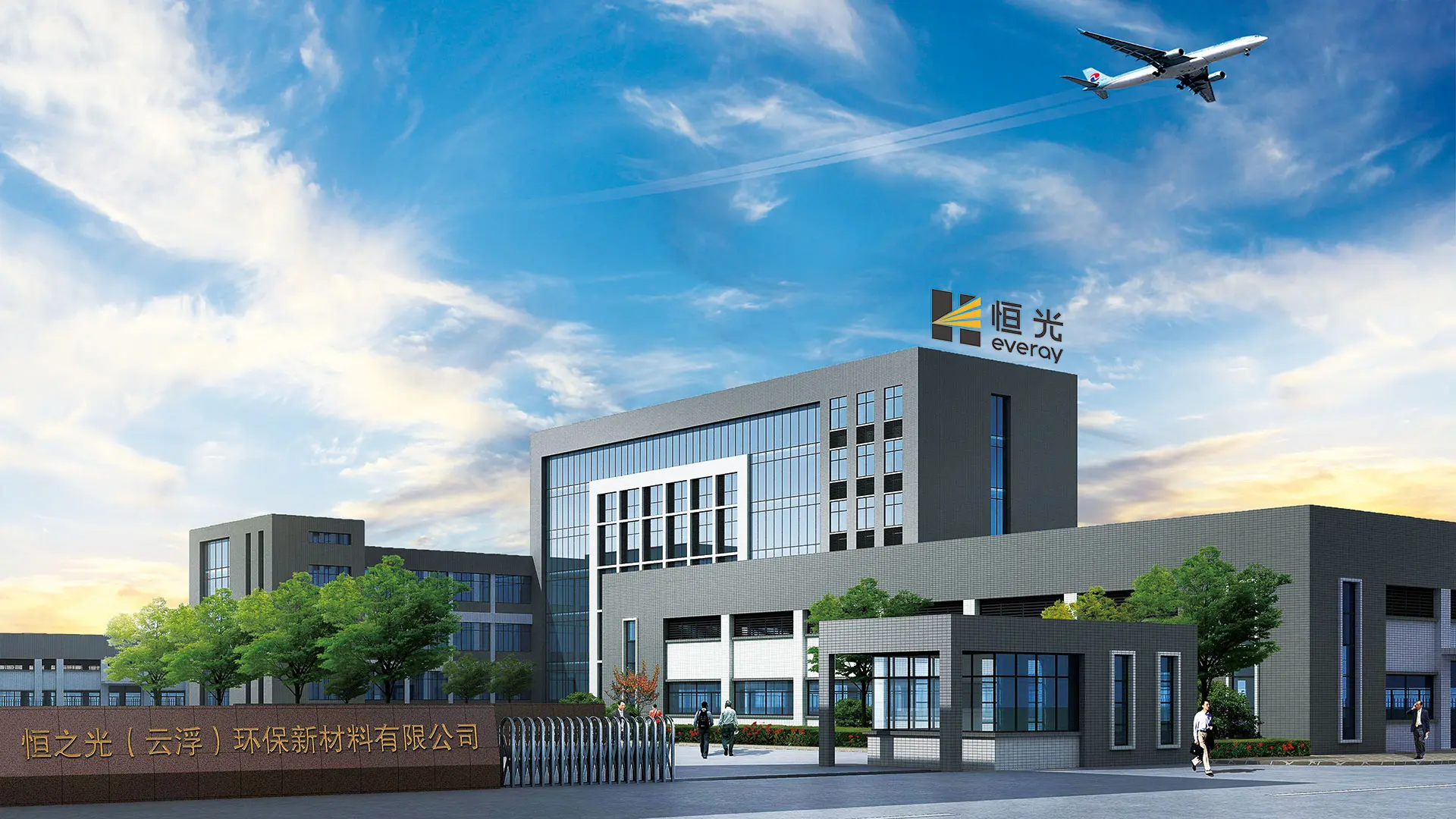
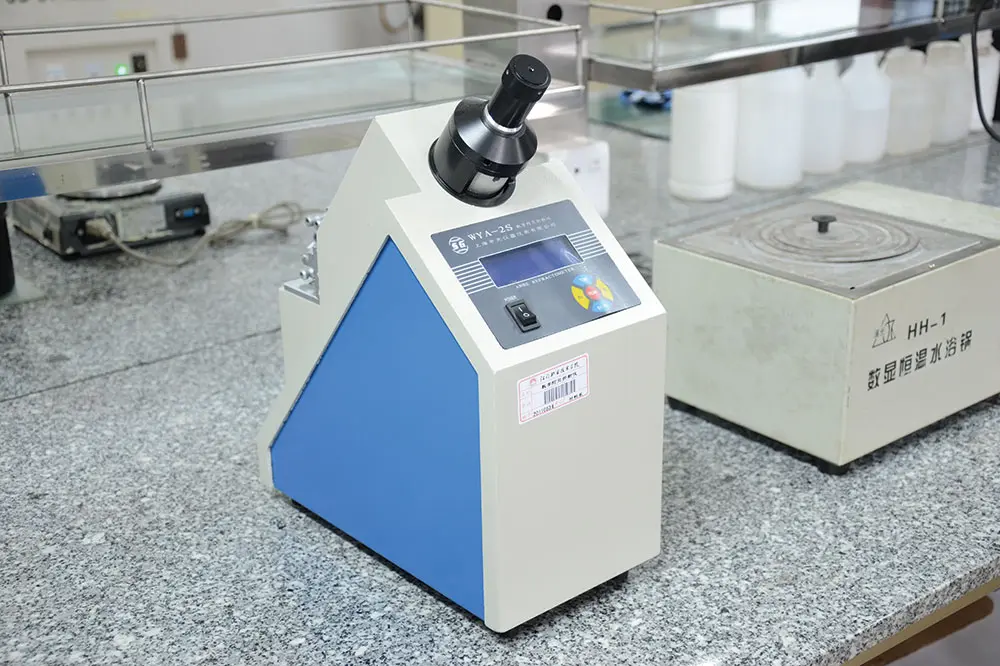
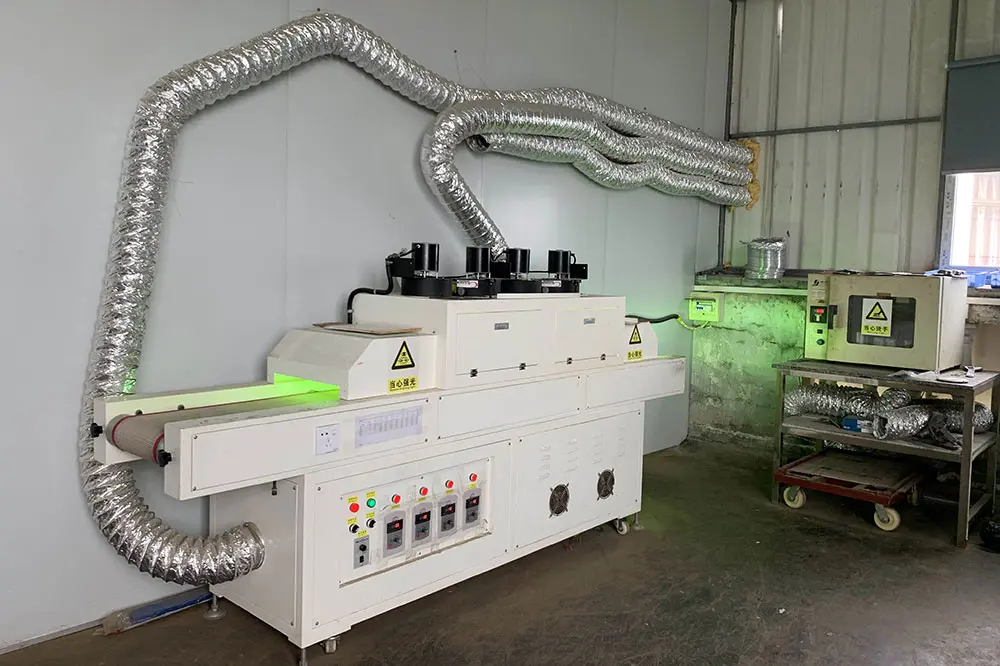
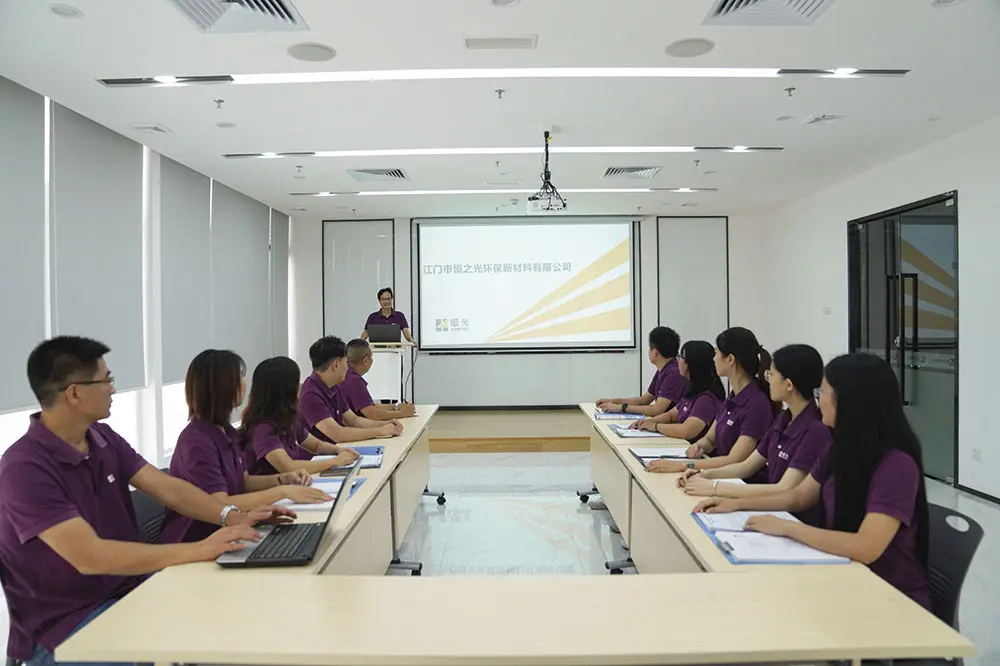
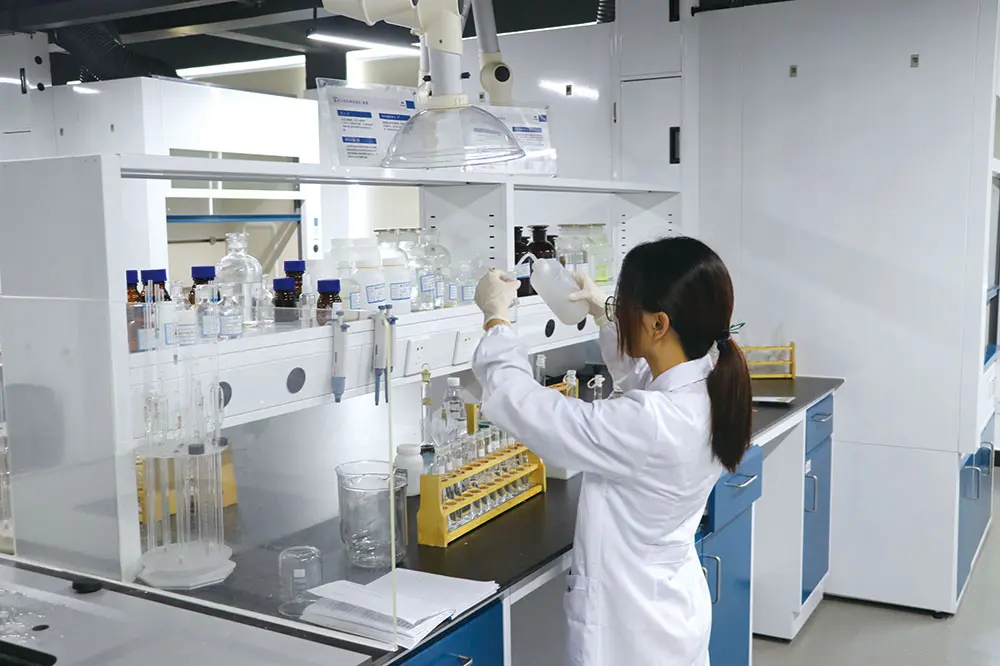
Inside Guangdong Ever Ray Environmental Material Co., Ltd. - A Trusted Partner in Photocurable Chemistry.
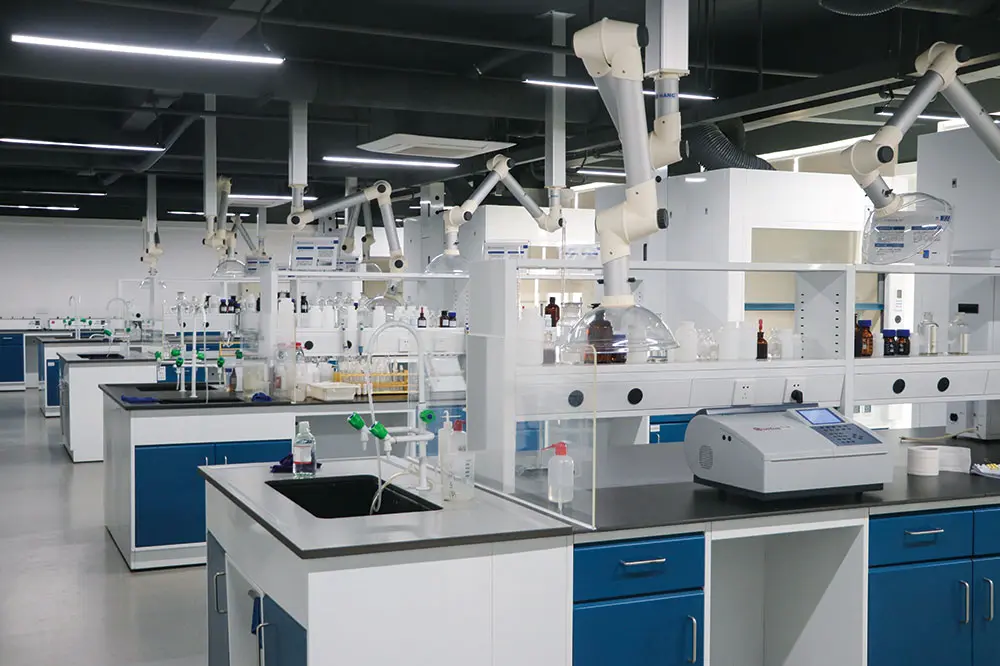
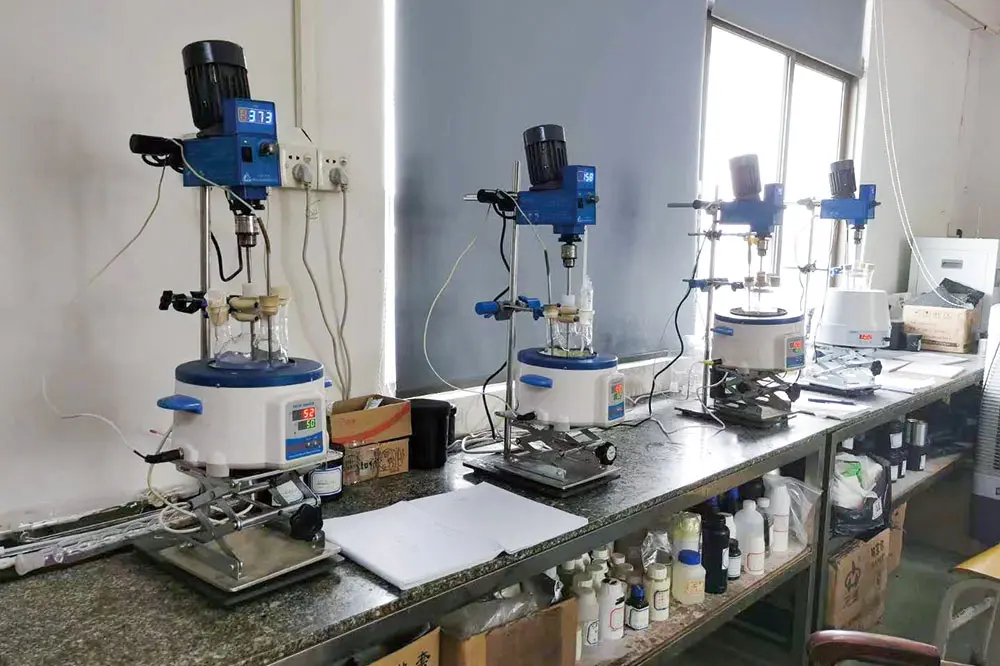
Founded in 2006, Guangdong Ever Ray Environmental Material Co., Ltd. is a high-tech chemical enterprise specializing in the research, development, and manufacturing of high-quality UV-curable oligomers. Our product portfolio includes epoxy acrylate, polyurethane acrylate (waterborne, aliphatic, aromatic), polyester acrylate, pure acrylate, and custom-modified functional acrylates.
To support global supply demands, we operate two production bases in Guangdong province. The Jiangmen Base covers 10,000 square meters, while the high-capacity Yunfu Base spans 40,000 square meters. Our combined annual production capacity exceeds 20,000 tons, supported by over 10 fully automated, DCS computerized production lines.
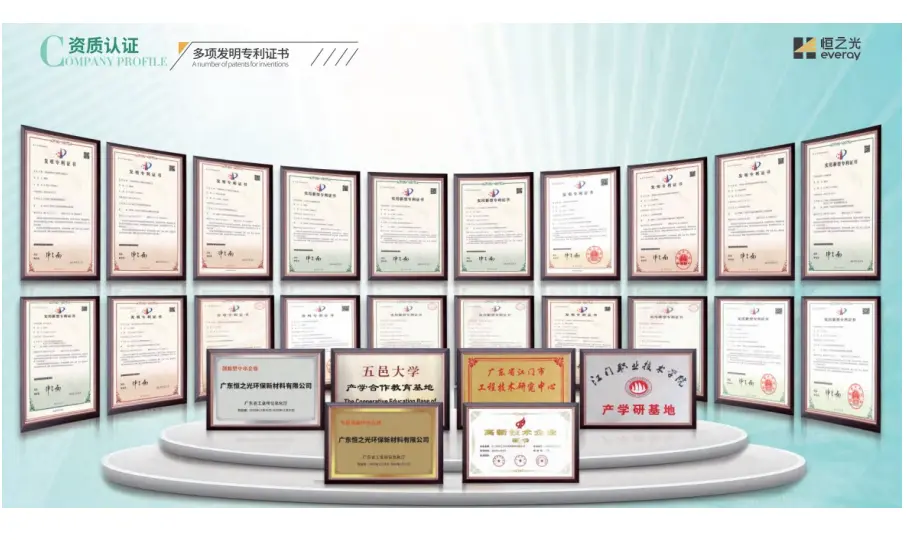
We source raw materials globally and implement strict quality controls. Our production sites operate under certified ISO9001 Quality Management and ISO14001 Environmental Management Systems to guarantee product safety and stability.
How specialized UV oligomers solve production challenges across global manufacturing sectors.
Lithographic, flexographic, and screen inks demand high pigment wetting and low misting at high press speeds. Polyesters like 5403-2F provide the necessary wetting and adhesion to polymer films, while high-reactivity acrylates like 56031 ensure immediate curing on modern, high-speed lines.
Laminate flooring and natural wood require thick, durable coatings with high scratch and chemical resistance. Using modified epoxy acrylates like 6102 and 1262B ensures excellent surface hardness, low volumetric shrinkage, and strong adhesion to wood and plastic-composite substrates.
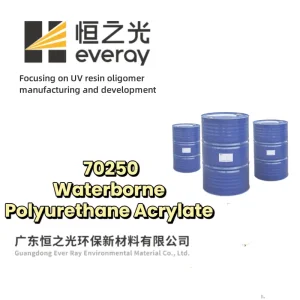
SLA and DLP 3D printers rely on resins with precise cure control and minimal shrinkage to maintain dimensional accuracy. Specialized oligomers like 70250 are formulated to achieve high resolution, fast layer-to-layer cure speeds, and reliable mechanical properties in printed parts.
Designing the future of photocure technology through bio-based chemistry and smart crosslinking systems.
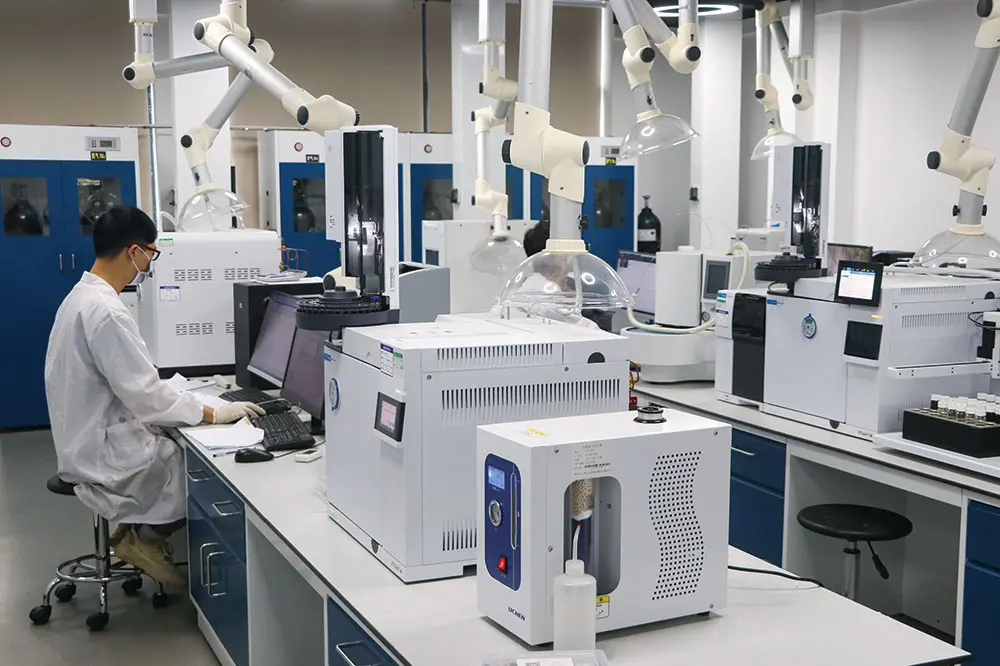
The UV-curing market is shifting toward sustainable materials. Our R&D pipeline focuses on developing renewable bio-sourced raw materials to synthesize bio-based polyester and epoxy acrylates. This transition aims to reduce reliance on petroleum backbones while maintaining performance.
Key R&D initiatives include:
Frequently asked questions by chemical procurement officers, formulators, and research engineers.
High-performance resins for wood coatings, PVC flooring, vacuum electroplating, and industrial varnishes.
 Ever Ray