Explore our advanced formulations engineered for vacuum plating, structural adhesion, electronic encapsulation, and eco-friendly protective coatings.
Polyurethane acrylates (PUAs) stand at the absolute pinnacle of UV curing technology, combining the structural toughness of polyurethane with the rapid crosslinking capability of acrylates.
The molecular design of PUA is synthesized via a meticulous reaction of diisocyanates, polyols, and hydroxyl-functional acrylates. This unique combination establishes a segmented structure containing hard segments (which provide high glass transition temperatures, thermal stability, and structural hardness) and soft segments (governing flexibility, elongation, and impact resistance).
By balancing this chemical structure, modern chemical engineers can program precise performance profiles. In critical industrial applications, PUAs offer unparalleled benefits over standard epoxy acrylates: they avoid yellowing under high-UV exposure, sustain extreme thermal shock gradients, and demonstrate exceptional adhesion to highly challenging substrates such as glass, non-ferrous metals, and low-surface-energy polymers.
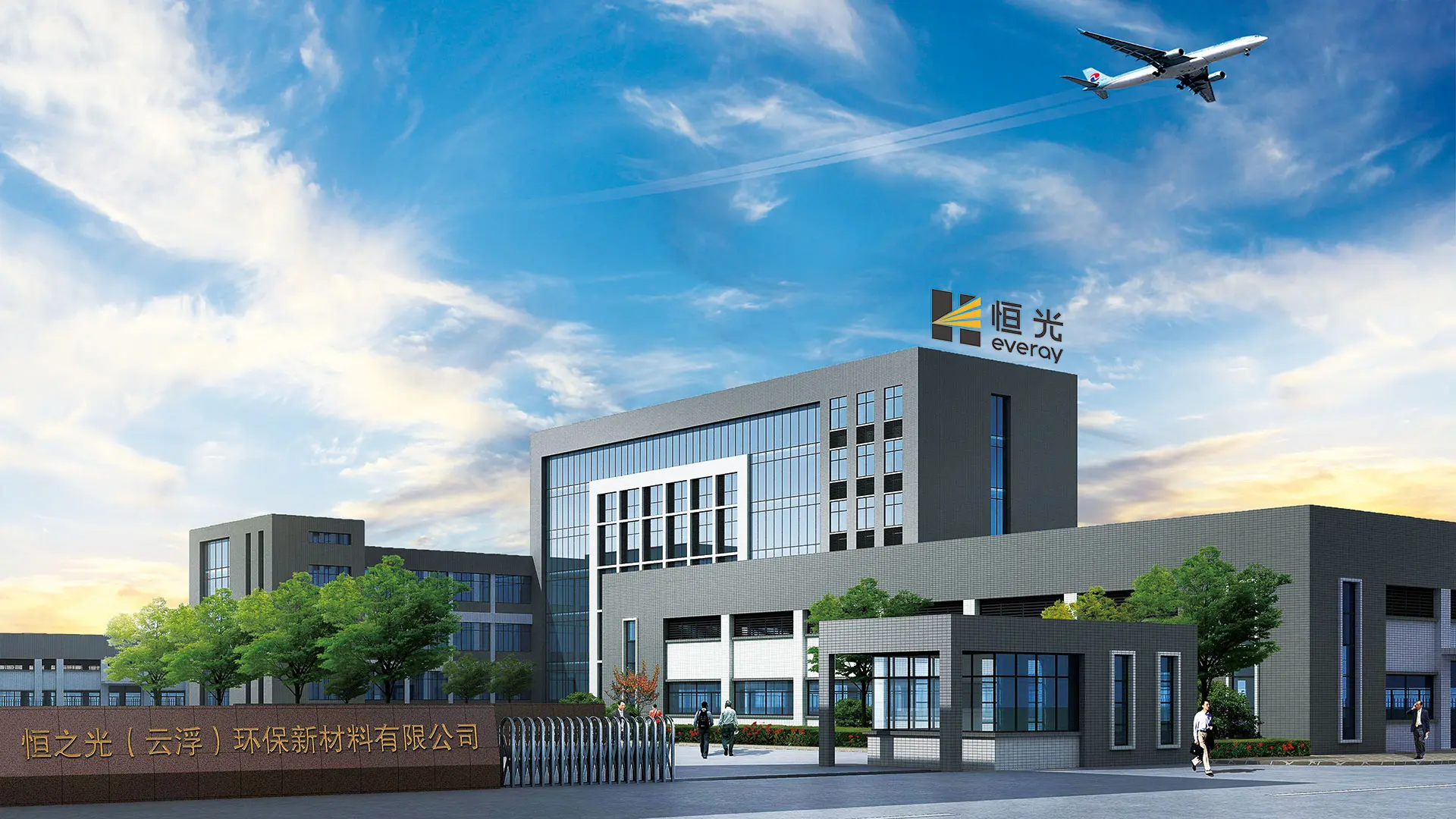
Established in 2006, Ever Ray has built an international reputation as an advanced R&D powerhouse and manufacturer specializing in UV-curable oligomers.
Over nearly two decades, we have committed ourselves to engineering the next generation of environmental material solutions. Our core focus centers on the R&D and precision synthesis of oligomers for UV curable resins, including epoxy acrylate, polyurethane acrylate (waterborne, aliphatic, and aromatic urethane), polyester acrylate, pure acrylate, and special modified functional monomers.
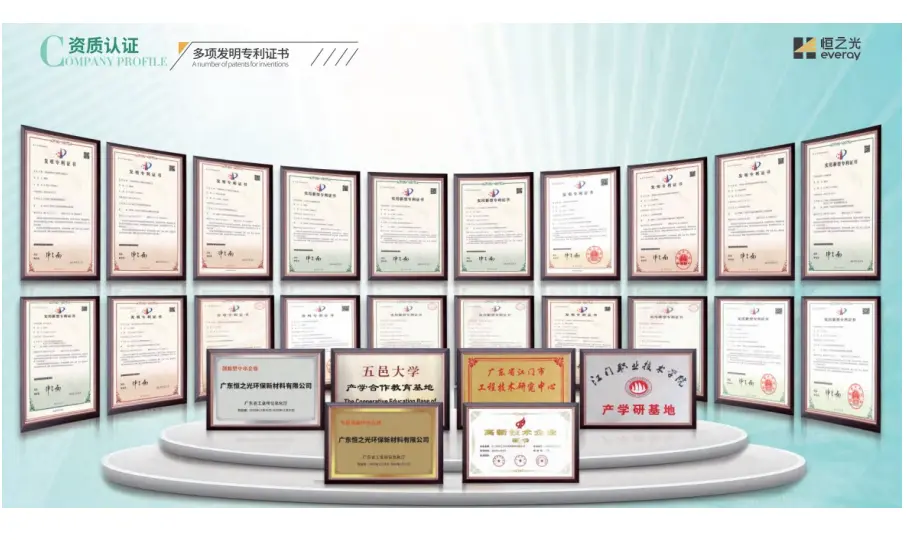
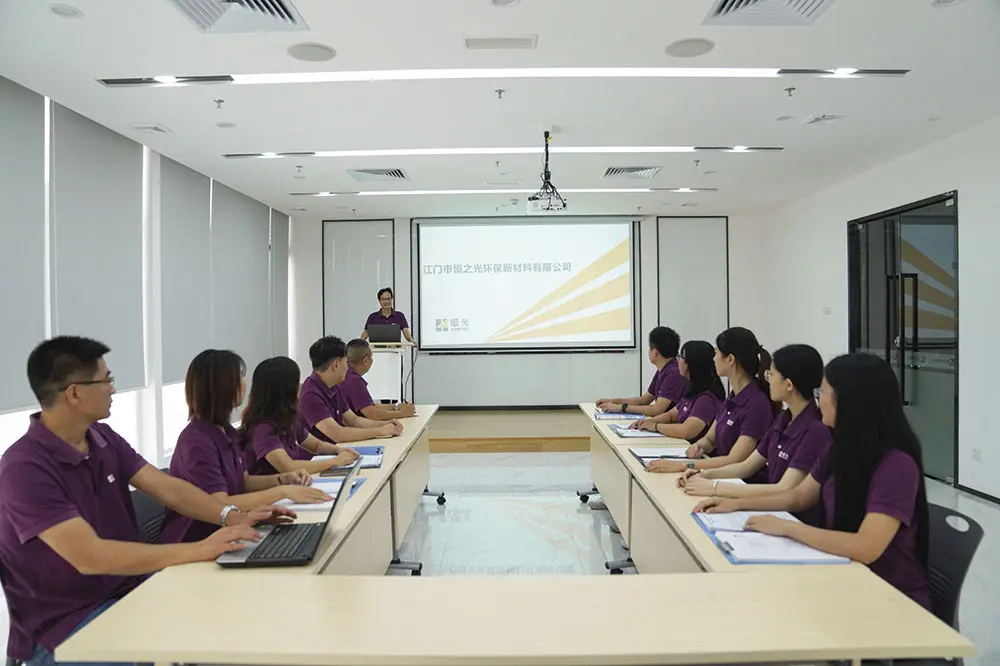
Equipped with a technical R&D department hosting over 15 senior chemical engineers and materials scientists, we maintain a robust patent portfolio featuring more than 10 invention patents. We provide customized formulation designs, addressing not only demanding functional specifications but also optimizing cost efficiency, speed of curing, and reduced environmental footprint.
To ensure robust supply continuity and meet growing global demand, Guangdong Ever Ray operates two state-of-the-art production sites:
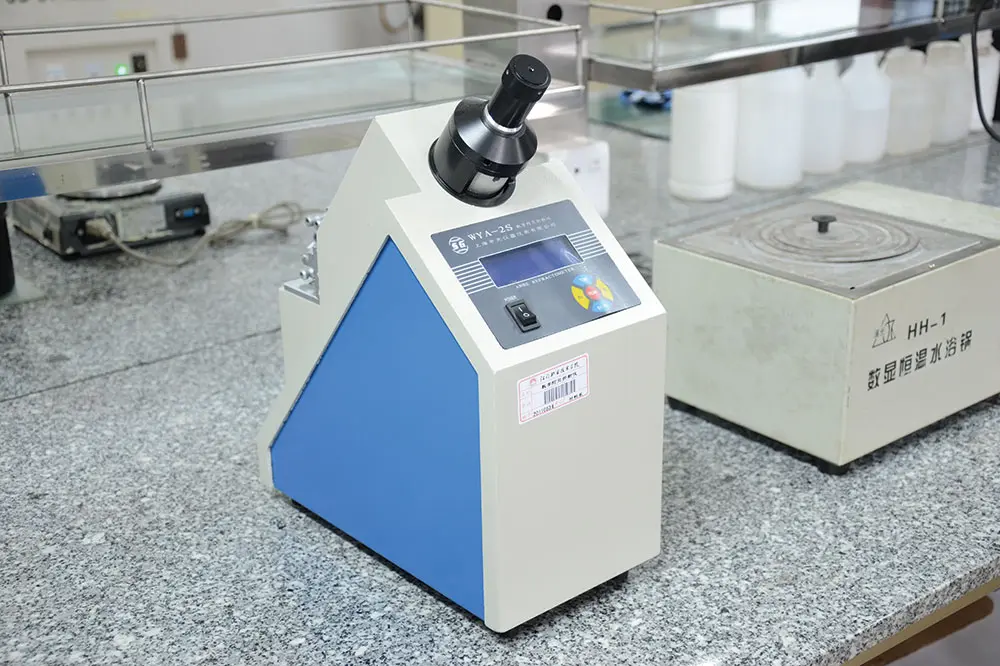
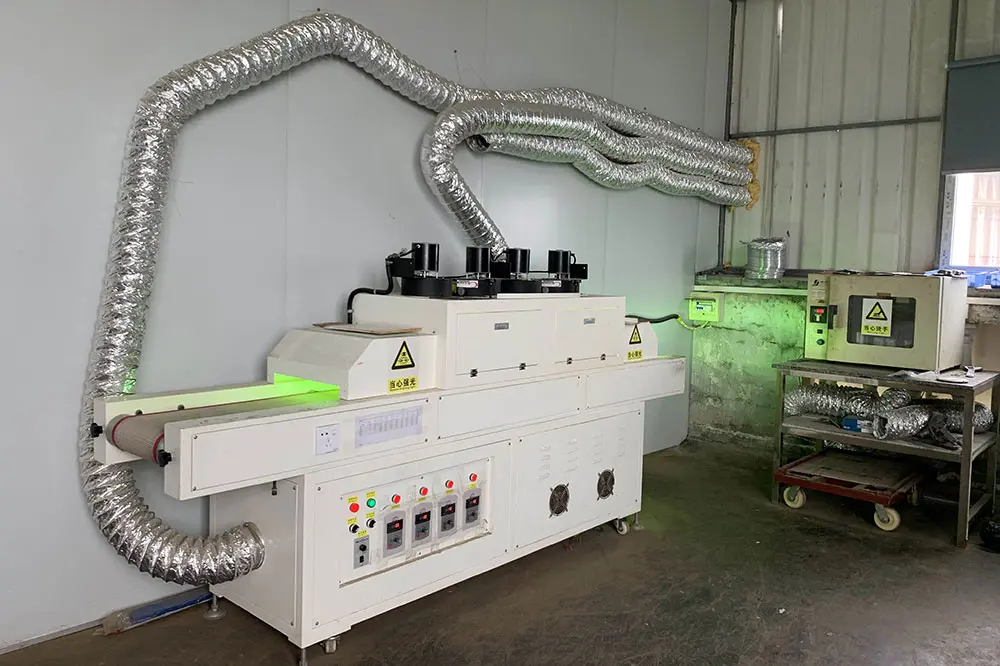
Both bases operate under strict adherence to the ISO9001 Quality Management System and ISO14001 Environmental Management System. The integrated DCS (Distributed Control System) ensures highly reproducible polymerization kinetics, ensuring minimal batch-to-batch variance and extreme reliability.
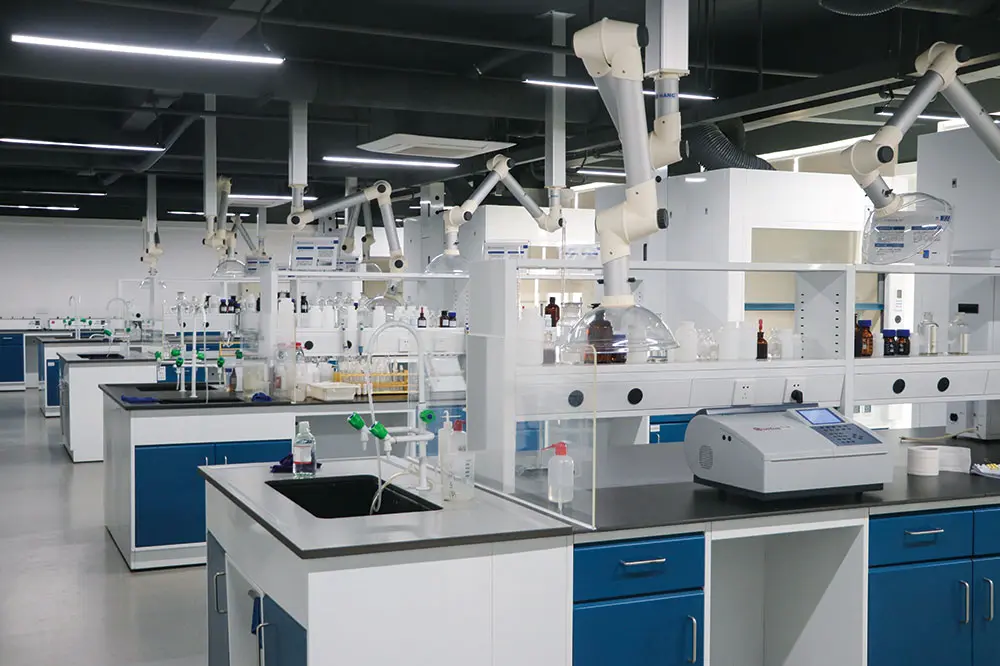
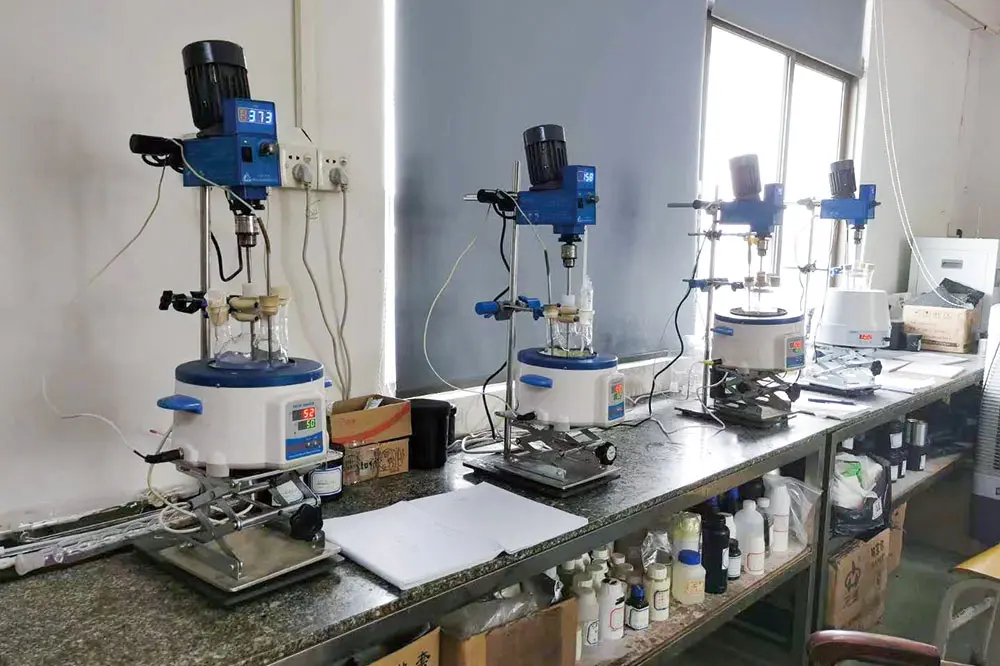
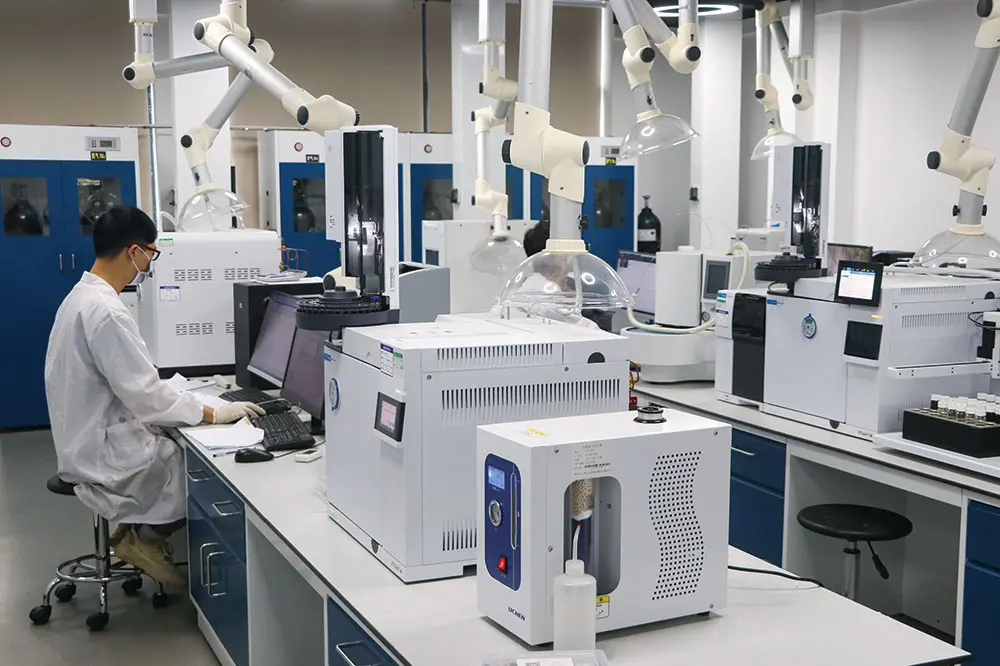
Guangdong Ever Ray integrates China's advanced chemical supply chain to deliver high-quality, cost-competitive performance materials worldwide.
Our location in the Guangdong-Hong Kong-Macao Greater Bay Area grants us immediate access to major upstream petrochemical producers. This close proximity ensures stable sourcing of core raw materials such as acrylic acid, HDI, IPDI, and specialized polyols, shielding our clients from global chemical market volatility.
Precision temperature profiles and pressure controls prevent unwanted side-reactions during polymer synthesis. By leveraging fully integrated DCS technology in our production lines, we ensure highly consistent viscosity, color index, reactivity, and molecular weight distribution.
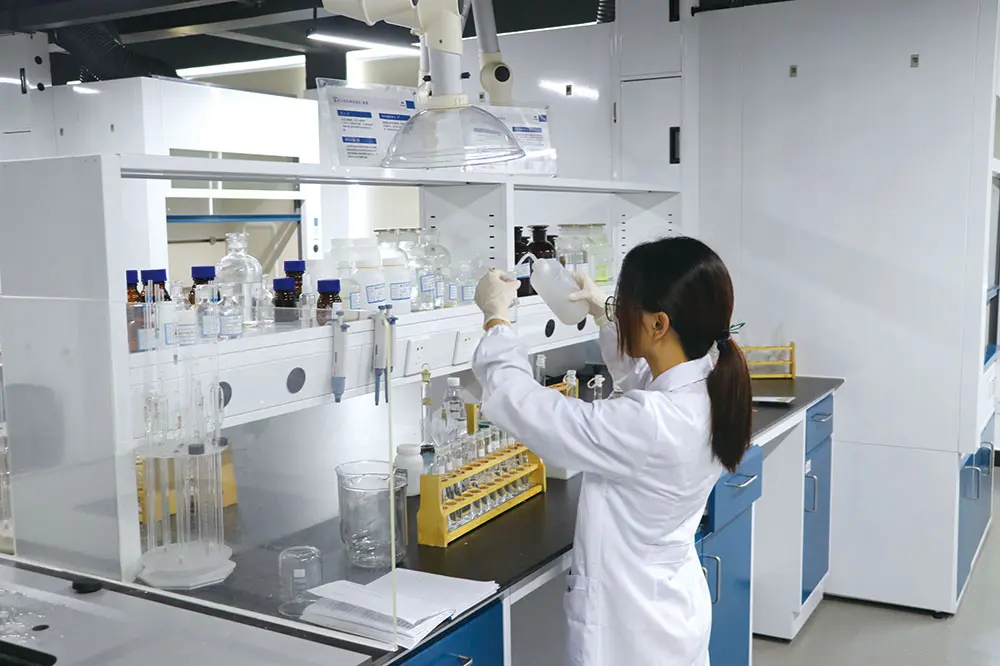
Unlike standard chemical distributors, our dedicated R&D lab modifies oligomers to meet specific customer requirements. Whether you require a lower viscosity for matte formulations or high anti-yellowing limits for automotive applications, our chemists customize the chemical structure to fit your process parameters.
Technical advancements that are actively shaping the future of global green coatings, electronics packaging, and specialized adhesives.
| Trend Name | Technical Challenge | Polyurethane Formulation Solution | Target Industries |
|---|---|---|---|
| LED-UV Compatible Formulations | Lower photon energy at 395nm causes poor surface curing due to oxygen inhibition. | Highly reactive PUAs optimized for surface curing when combined with amine-modified polyether acrylates. | High-speed graphic printing, industrial wood coating, packaging. |
| Waterborne UV Systems | Balancing structural mechanical properties with zero-VOC aqueous dispersions. | Water-dispersible aliphatic polyurethane acrylates (WPUAs) featuring high cross-linking density. | Eco-friendly automotive interiors, plastic electronics, indoor wood finishes. |
| Low Shrinkage / Stress Relief | High cross-linking density in UV resins causes shrinkage stress, compromising substrate adhesion. | High molecular weight oligomers containing flexibilized soft-segment polyols. | Electronic potting, semiconductor optical coatings, metal anti-corrosion primers. |
| Bio-Based Oligomers | Replacing petroleum-derived diisocyanates and polyols with renewable carbon sources. | PUAs formulated with bio-derived succinic acid, dimer fatty acids, and bio-diols. | Consumer goods, high-end electronics packaging, green building coatings. |
How Ever Ray's specialized oligomer lines solve structural challenges in diverse manufacturing processes.
Plastics like ABS and polycarbonate pose challenges for vapor-deposited metal coatings. Our 7620 UV-Curing Resin is formulated for vacuum plating basecoats, providing a smooth surface and strong intercoat adhesion, while keeping basecoat shrinkage minimal to prevent microscopic stress fractures.
Circuit boards and chip arrays must be shielded from thermal stress, moisture, and vibration. Our 73008 Low-Shrinkage PUA provides high-dielectric protection, low shrinkage stress, and yellowing resistance, helping to protect delicate electronic connections during thermal cycling.
In high-speed offset lithography, achieving a clean ink-water balance is essential to prevent smearing. Our 5403-3F Polyester Acrylate balances hydrophobic and hydrophilic regions, enabling stable emulsification window widths and fast cure speeds in UV-curable inks.
Reliable logistics, consistent quality assurance, and compliance services tailored to international chemical procurement.
Acquiring chemical materials internationally requires rigorous quality verification and efficient logistics. At Ever Ray, we streamline our processes to ensure smooth import operations for global manufacturers.
Every product batch leaves our facility with a comprehensive Certificate of Analysis (COA) containing precise measurements of viscosity, acid value, color index, and solid content. We also provide safety documentation, including GHS-compliant Safety Data Sheets (SDS), to facilitate customs clearance.
To support global compliance, our products are aligned with REACH registration requirements, RoHS guidelines, and heavy metal testing standards. This compliance ensures that products containing Ever Ray resins can access highly regulated markets in Europe and North America.
Answers to common technical questions about polyurethane chemistry, curing properties, and formulation design.
A secondary selection of specialized monomers and oligomers designed for high-speed flexographic inks, optical adhesives, and 3D printing.
 Ever Ray