Explore our premium grade monomers and oligomers designed for high reactivity, superior wear resistance, and cost efficiency.
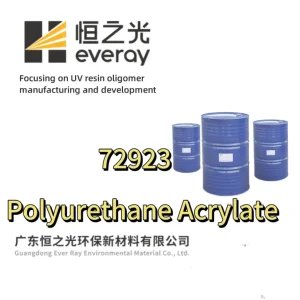
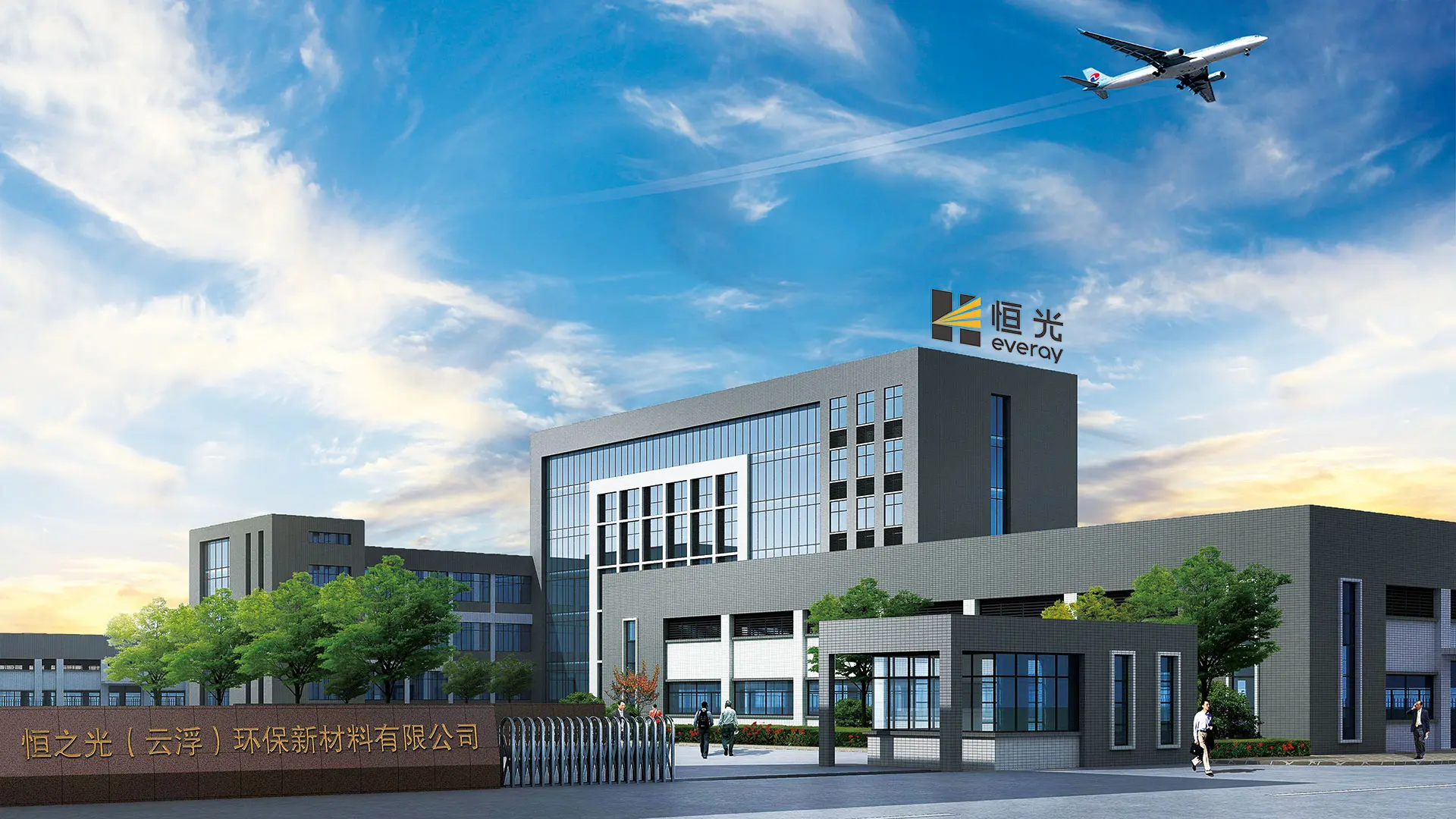
Established in 2006, Guangdong Ever Ray Environmental Material Co., Ltd. is a leading high-tech enterprise focusing on the R&D and manufacturing of oligomers for UV curable resin. Our extensive range of products covers epoxy acrylates, polyurethane acrylates (waterborne, aliphatic urethane, and aromatic urethane), polyester acrylates, pure acrylates, and other custom special modified acrylate oligomers.
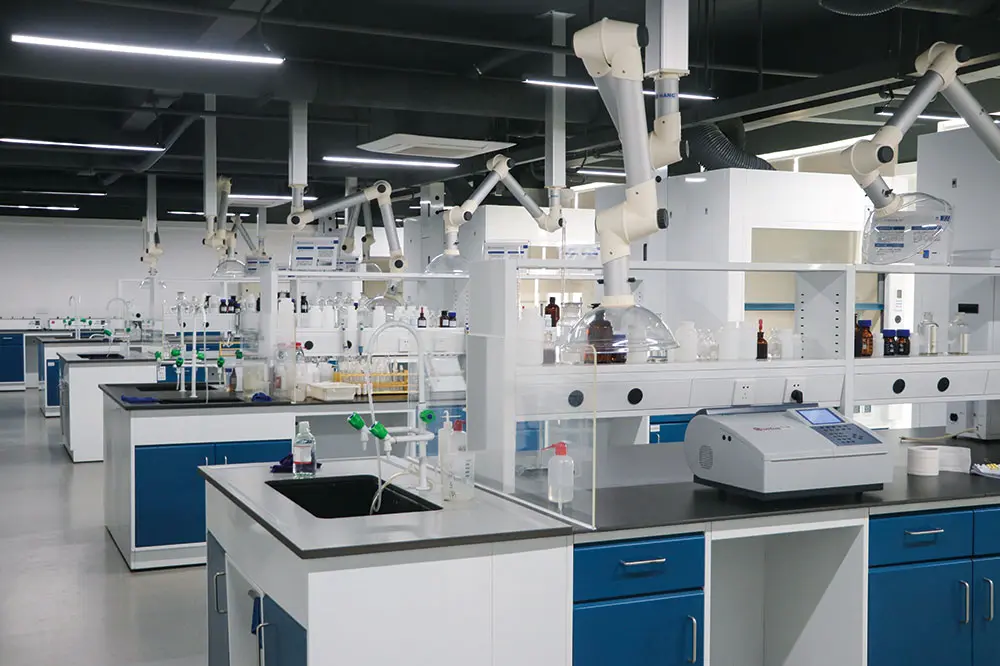
We operate two massive manufacturing bases in Guangdong province. The Jiangmen base accounts for approximately 10,000 square meters, while our flagship facility in Yunfu spans 40,000 square meters. Both facilities feature state-of-the-art storage, quality control laboratories, and DCS fully computerized management systems.
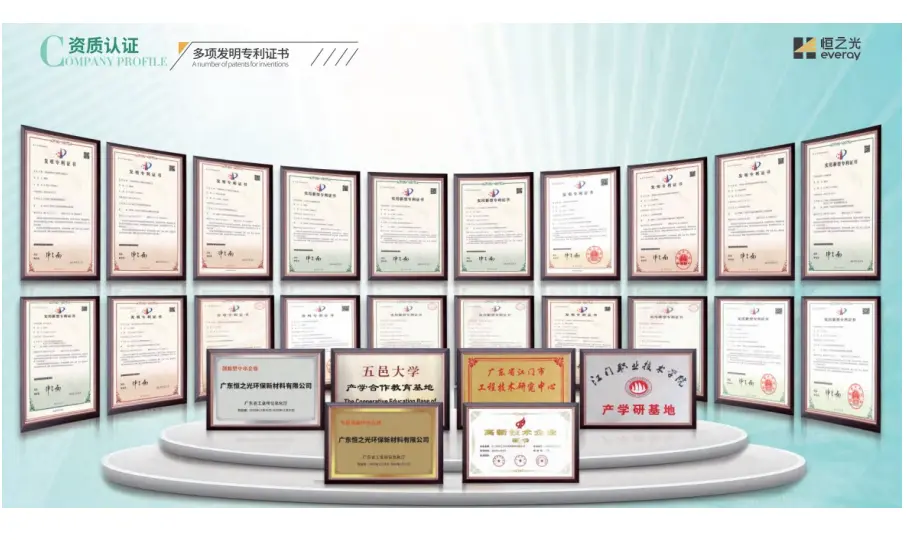
Under tight compliance with ISO9001 and ISO14001 certification frameworks, our production processes combine raw materials from premium suppliers and insights from top UV research chemists, guaranteeing annual output consistency of over 20,000 tons across 10 dedicated automated production lines.
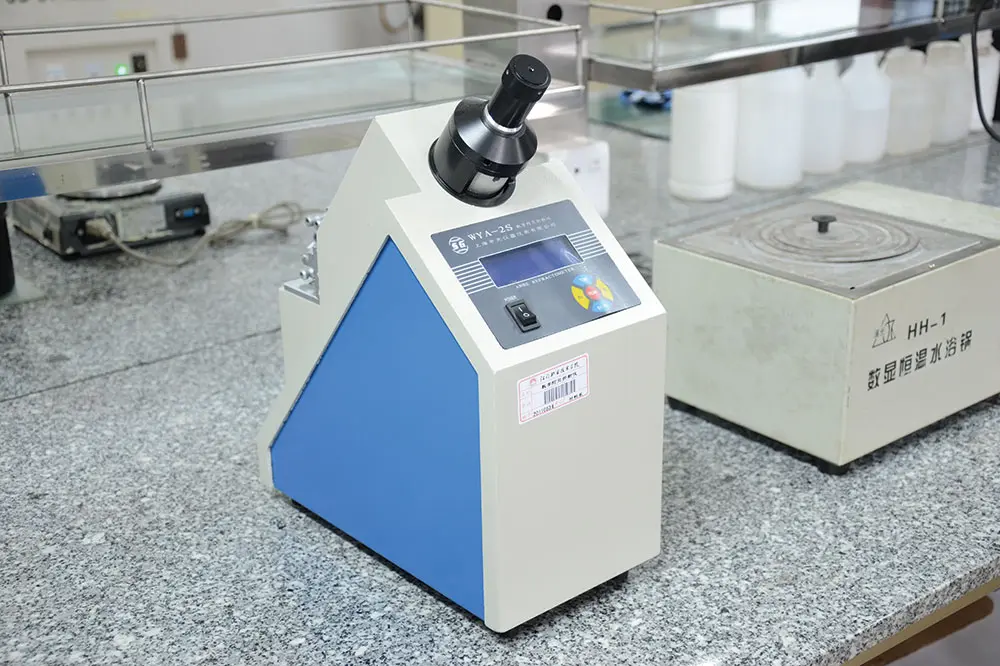
A comprehensive analysis of resin performance characteristics, curing mechanisms, and formulation modifications.
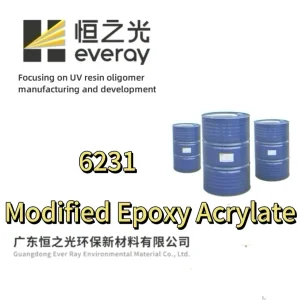
Widely utilized for their exceptional hardness, fast cure response, and brilliant gloss values. By incorporating epoxy backbones, these products (like the 92001 or 6231) deliver chemical resilience that makes them perfect for wood primers and hard surface topcoats.
Available as aliphatic or aromatic types. Aliphatic PUAs (e.g., 72923) boast superb weatherability, non-yellowing traits, and flexural fatigue resistance. Suitable for high-exposure outdoor surfaces, automotive finishes, and protective laminates.
Offering a balanced profile of low viscosity, good pigmentation compatibility, and flexibility. Commonly formulated into high-speed lithographic and flexographic inks (e.g., 5377A) to provide high transfer speeds without risking ink cohesion failure.
Understanding which acrylate chemistry matches your process requirements is crucial for coating performance. Below is a structural cross-comparison matrix of resin properties:
| Resin Type | Key Performance Attribute | Curing Speed | Yellowing Resistance | Best Application Area |
|---|---|---|---|---|
| Modified Epoxy Acrylate | Ultra-hard, Chemical-resistant | Extremely Fast | Moderate | Wood topcoats, Metal primers, Glass inks |
| Aliphatic Urethane Acrylate | High Flexibility, Non-yellowing | Fast | Excellent | Automotive coatings, Outdoor plastics, Leather finishes |
| Aromatic Urethane Acrylate | Impact strength, Hardness | Very Fast | Poor (Indoor use) | Heavy industrial flooring, structural adhesives |
| Polyester Acrylate | Low viscosity, High pigment wetting | Moderate | Good | Flexographic inks, Paper overprint varnishes |
How global industries apply Ever Ray resin technologies to solve functional surface protection problems.
Traditional glass coatings often struggle with adhesion failure under moist environments. Our 17730A-2 Special Modified Acrylate Resin solves this through specialized hydrophilic-blocking moieties. Applied globally in glass tableware and premium perfume containers, it provides unparalleled hot water immersion durability and chemical resistance against alcohol washes.
For residential and commercial interior spaces, minimizing VOC footprint is a strict regulatory priority. Ever Ray's Low viscosity 1262B for PVC flooring allows formulators to reduce reliance on volatile monomer diluents. It forms a highly cross-linked network that resists scuff marks and heel abrasions, complying with international indoor air standards.
Emerging stereolithography (SLA) techniques demand low shrinkage alongside optimal mechanical integrity. The 72017 Photo-Thermal Dual-Curing Resin allows 3D printers to achieve intricate dimensional tolerances. High initial green strength during UV exposure is supplemented by thermal post-cure mechanisms to maximize material density and impact toughness.
High-speed printing lines running at speeds over 300 meters per minute require instantaneous curing. Utilizing our Polyester Acrylate 5377A, flexographic inks can achieve instant drying without tackiness. This enables packing converters to process rolls immediately, boosting workflow throughput in regional packaging hubs.
Adapting to global market shifts toward eco-friendly chemistry, high functional specialization, and automated production.
To reduce dependence on fossil fuel precursors, Ever Ray's laboratory is optimizing materials derived from renewable resources. Our 6710B Epoxidized Soybean Oil Acrylate represents our initial milestone, combining environmental benefits with highly competitive pricing structures for consumer goods packaging applications.
For complex 3D objects containing shadowed zones where UV light cannot reach, we are expanding research on dual-cure chemistry. These resins cure initially under light, while unexposed core segments complete curing via secondary thermal mechanism, eliminating structural weak points.
Reducing skin irritation risks for operators is leading formulation trends. Ever Ray is engineering advanced waterborne polyurethane acrylates that require no monomer diluents, utilizing clean water as the viscosity reducer to create zero-hazard work environments.
Operating out of Guangdong, Ever Ray benefits from the world's most integrated petrochemical cluster. This provides immediate access to vital chemical feedstocks (such as acrylic acid, epoxies, and isocyanates), mitigating international pricing shocks and supply delays.
Furthermore, our close proximity to main ports in Guangzhou, Shenzhen, and Hong Kong allows fast maritime shipping connections. Formulators in Europe, North America, and Southeast Asia can expect timely door-to-door bulk shipping schedules, supported by local customs documentation and compliance expertise.
Ensuring your regulatory compliance with localized testing, REACH registration support, and custom tailoring.
Our manufacturing practices comply with ISO 9001 quality management and ISO 14001 environmental frameworks. We assist global clients with REACH documentation, TSCA approvals, and RoHS compliance certificates.
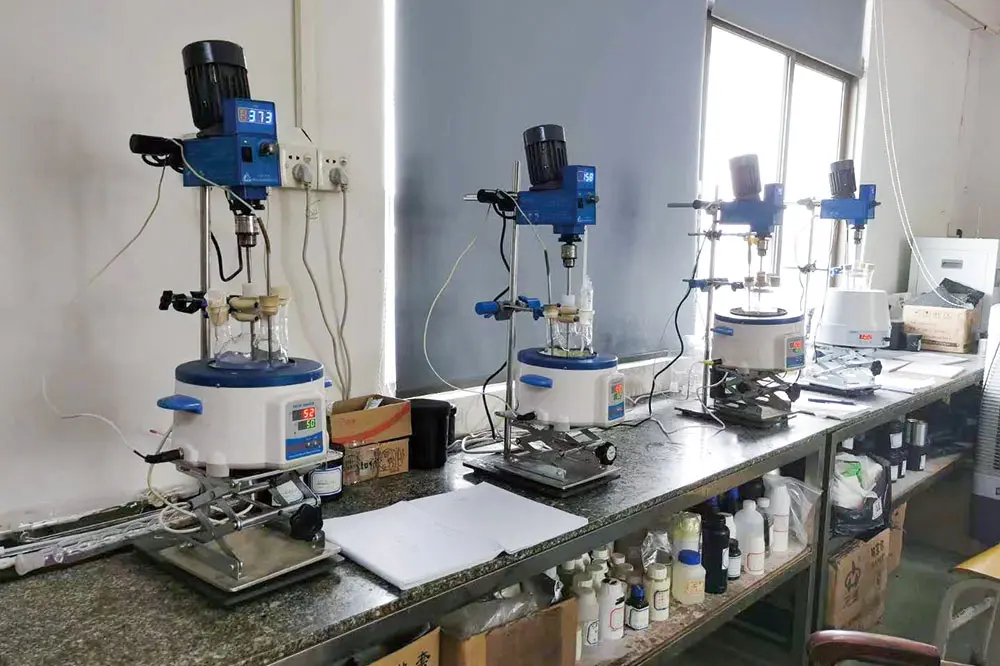
Need specific viscosities, cured hardness targets, or yellowing indices? Our R&D center, staffed by 15+ polymer technicians, designs custom oligomers tailored to your exact application parameter targets.
With massive chemical storage facilities at our Yunfu base (40,000 sqm footprint) and integrated logistics chains, we guarantee short lead times and stable supply continuity for worldwide customers.
Compare and source high-durability resins designed for demanding industrial, mechanical, and aesthetic targets.
Expert answers addressing the selection, application, and safety of UV-curable acrylate oligomers.
Epoxy acrylates offer faster curing speeds, superior surface hardness, and higher gloss levels, making them excellent choices for wood sealers, paper coatings, and industrial varnishes. Polyurethane acrylates (PUA) provide significantly better flexibility, impact resistance, and elongation properties. Aliphatic polyurethane acrylates additionally deliver excellent UV resistance, preventing yellowing when exposed to outdoor environments, unlike epoxy acrylates which tend to yellow over time.
We use a DCS (Distributed Control System) computerized system that automates material feed rates, reaction temperatures, and pressure conditions during chemical synthesis. This setup, combined with strict ISO9001 quality audits and pre-shipment tests (including viscosity, color values, and curing speed validations), ensures that every batch meets the exact technical requirements of our clients.
Dual-curing resins combine UV-initiated free radical polymerization with a secondary thermal curing process. This is vital for complex parts or pigmented layers where light cannot penetrate fully. The dual-cure mechanism eliminates uncured spots, ensuring uniform mechanical properties and excellent overall cross-linking in applications like 3D printing and structural bonding.
Yes. Our R&D team can alter the molecular weight distribution, modify backbones, or formulate products with specific monomers to meet your viscosity, reactive speed, and gloss specifications. Please contact our technical team with your targeting values to receive custom samples.
Yes. UV-curable technologies are inherently low-VOC because they contain 100% reactive solids that polymerize into the coating film. We also design specialized waterborne UV oligomers and low-viscosity resins that reduce the need for volatile monomer diluents, assisting our clients in meeting strict regional emissions requirements.
 Ever Ray