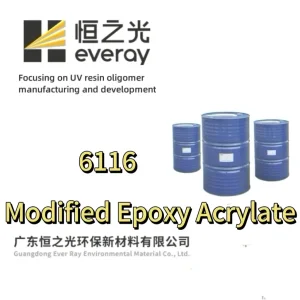
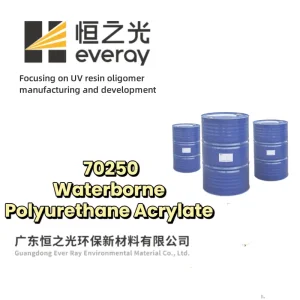
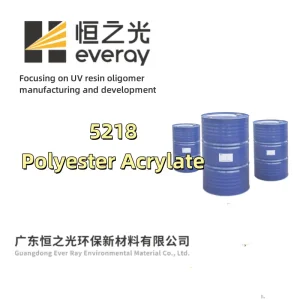
Explore our high-performance modified epoxy acrylates, polyester acrylates, and weather-resistant polyurethane acrylates designed for industrial adhesive formulations.
Guangdong Ever Ray Environmental Material Co., Ltd. is a high-tech pioneer specializing in the Research, Development, and synthesis of premium oligomers for UV-curable resins. Our expertise encompasses structural engineering of epoxy acrylates, polyurethane acrylates (water-borne, aliphatic urethane, aromatic urethane), polyester acrylates, pure acrylates, and customized functional specialty monomers.
Through two decades of scientific dedication, we supply chemical solutions engineered to meet the demanding requirements of global manufacturers of optical fiber, consumer electronics, automotive components, smart packaging, and medical equipment.
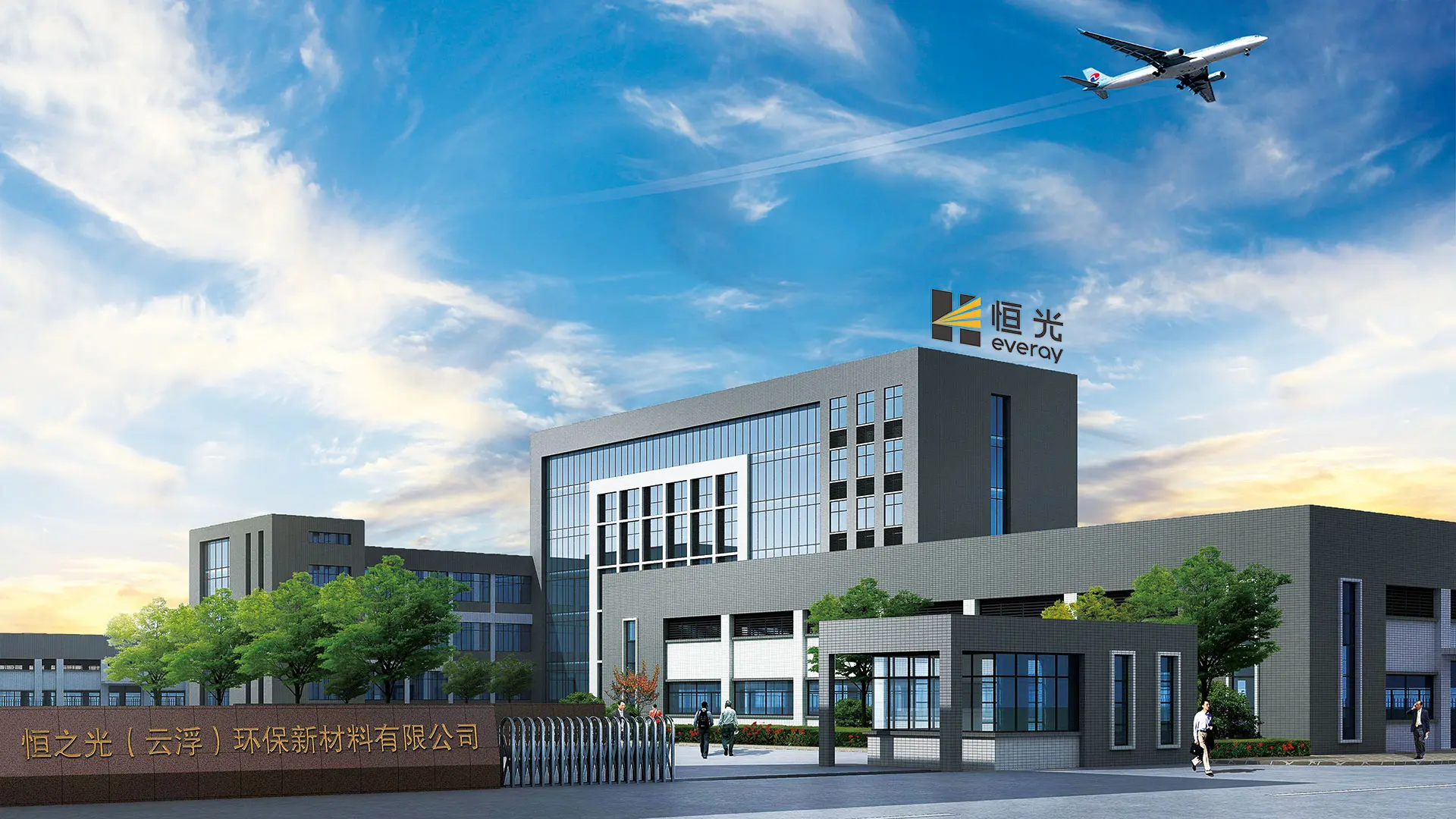
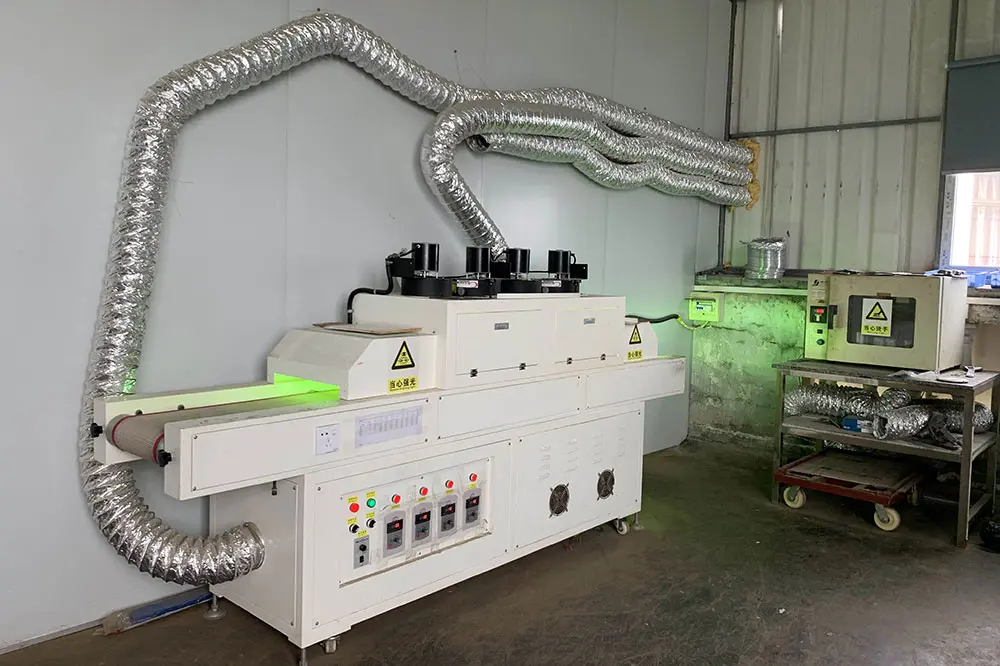
We operate two state-of-the-art production sites in Guangdong province to guarantee supply security and material consistency:
Navigating transition parameters, ecological targets, and performance demands in modern photo-curing technology.
The global adhesive industry is undergoing a structural paradigm shift driven by legislative environmental directives, processing speed optimization, and product miniaturization. UV-curable adhesives represent the peak of this evolution, presenting near-instant cure profiles, solvent-free processing (low VOC), and minimal thermal load on sensitive plastic and electronic substrates.
Procurement teams from high-technology electronics, medical devices, and automotive sectors are no longer searching merely for "glue"; they seek integrated chemical systems. In the electronic assembly space, UV adhesives must withstand thermal cycles, resist chemical solvents, exhibit ultra-low shrinkage to prevent stress fractures, and remain non-yellowing over long operational lifetimes. We design our modified urethane and epoxy oligomers specifically to answer these highly demanding requirements.
Complete alignment with international regulations including EU REACH, RoHS directive compliance, and zero VOC initiatives to support green product lifecycles.
Our newer generation of oligomers is synthesized to match narrow-spectrum UV-LED emissions (365nm to 395nm), which reduces energy consumption by up to 70% compared to traditional mercury arc lamps.
High molecular weight consistency, narrow polydispersity indices, and structural stability prevent volatile components migration and bubble formation during curing phases.
Providing optimal chemical frameworks across diverse application verticals to enable high-efficiency production.
From display panel bonding to camera module positioning, modern components require minimal thermal processing. Our low-shrinkage polyurethane acrylates (PUA) ensure that delicate optoelectronic devices retain perfect alignment under high mechanical loads.
External automotive components undergo harsh environmental cycles. We supply weather-resistant, non-yellowing polyurethane acrylate oligomers designed for high-tack PSA tape adhesives and outdoor protective coatings. These oligomers maintain excellent adhesion, impact resistance, and transparency under continuous UV exposure.
Substrates such as polycarbonate (PC), acrylic (PMMA), PET, and glass have historically been challenging for UV adhesives due to low surface energy and light absorption. Our modified epoxy acrylates present elevated wetting capacities and strong chemical bonding with glass and polar plastic surfaces.
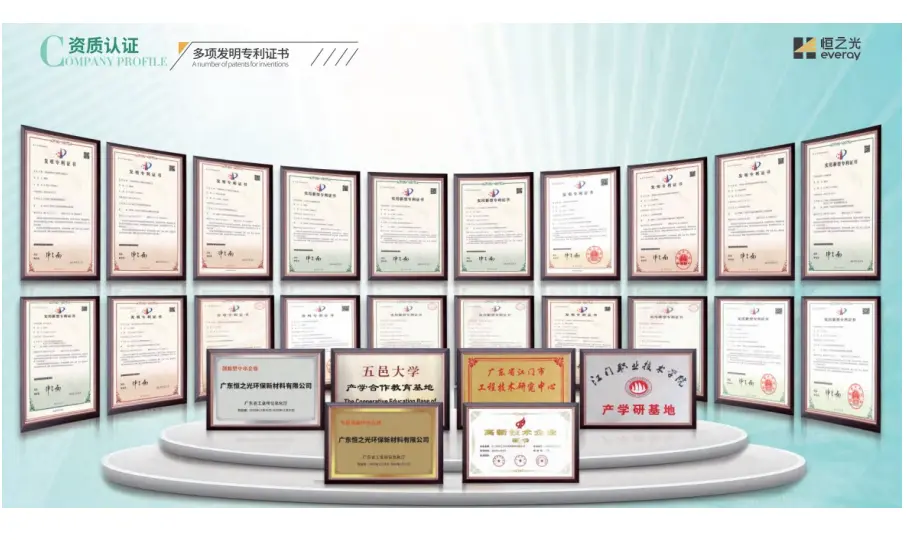
Our patent profile and regulatory certifications ensure our structural reliability.
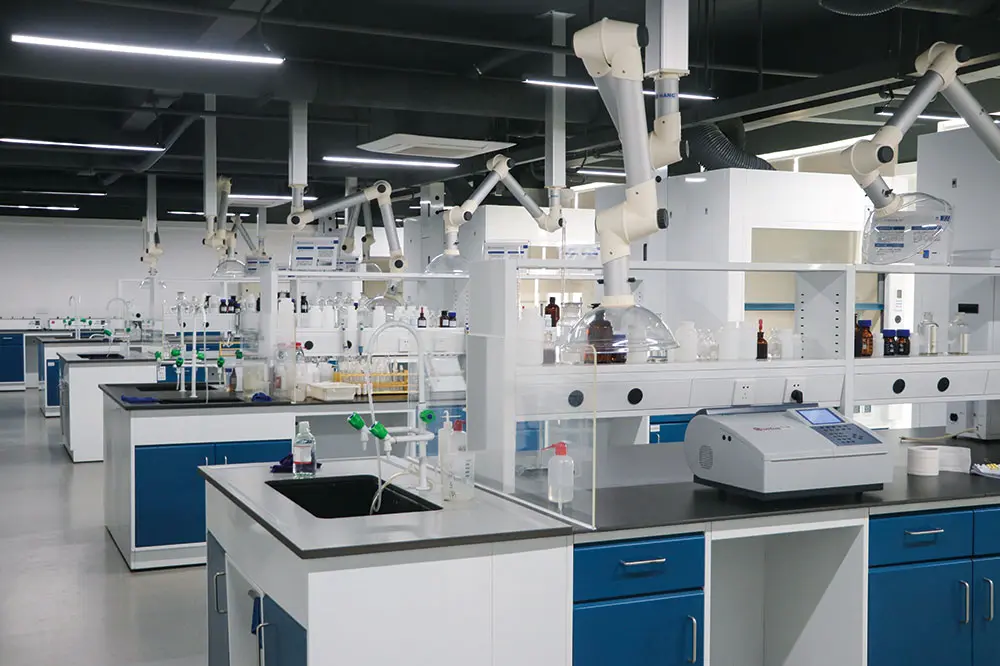
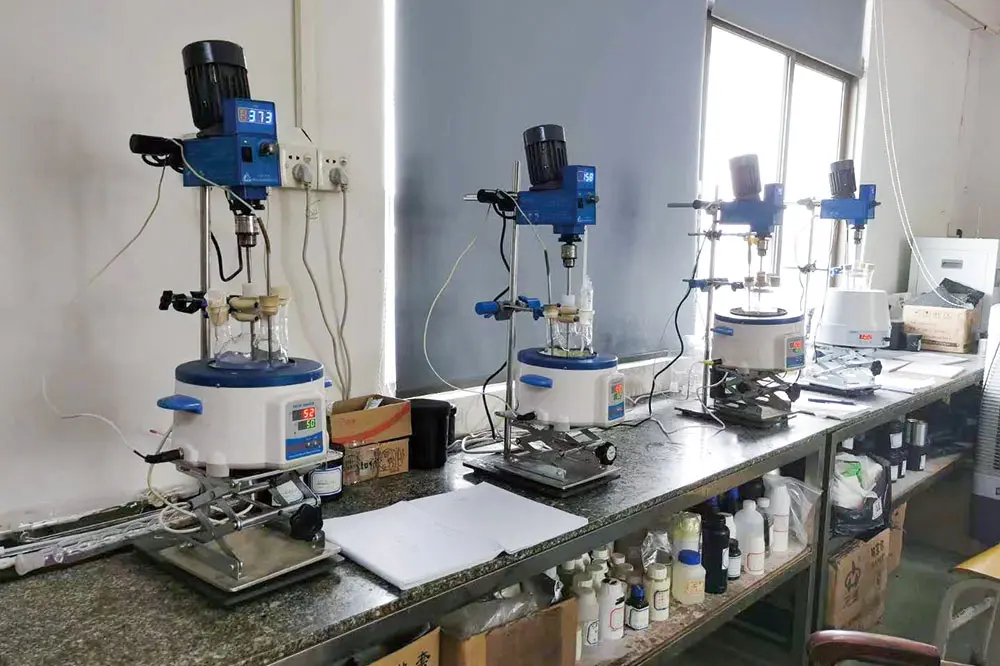
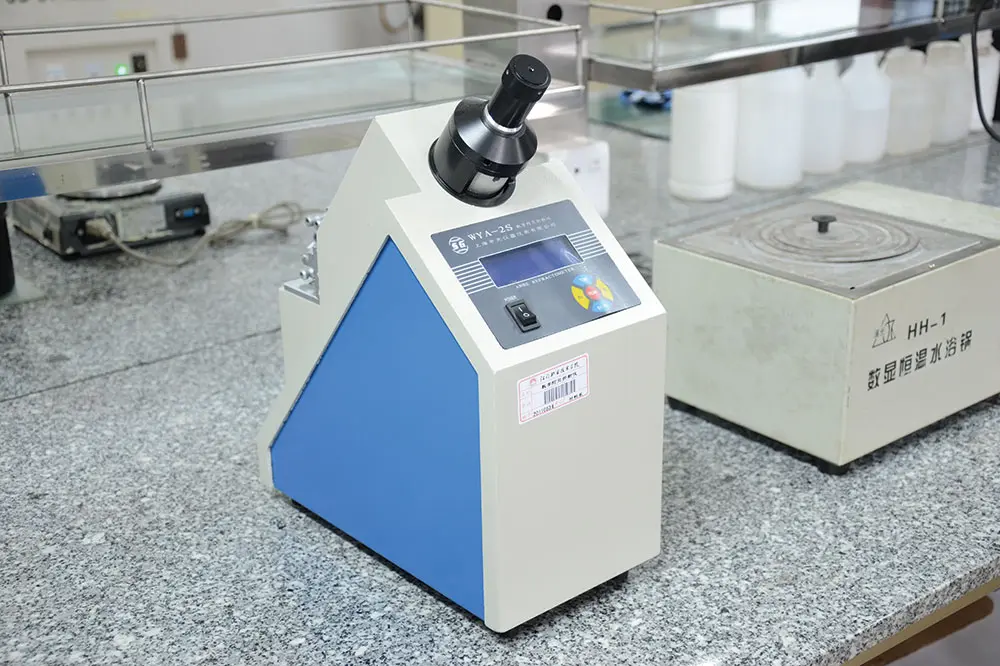
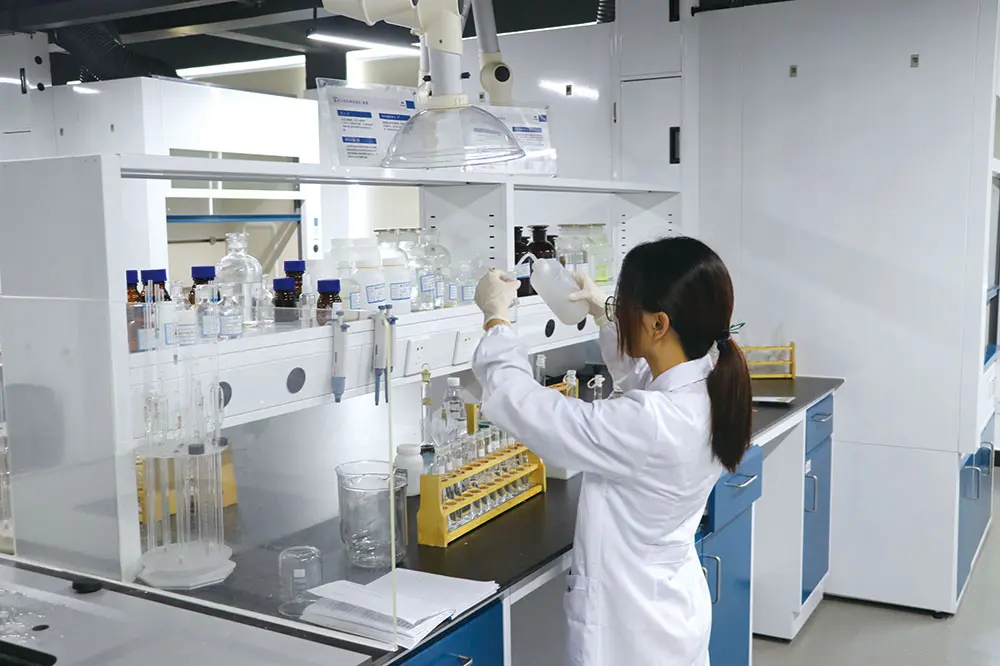
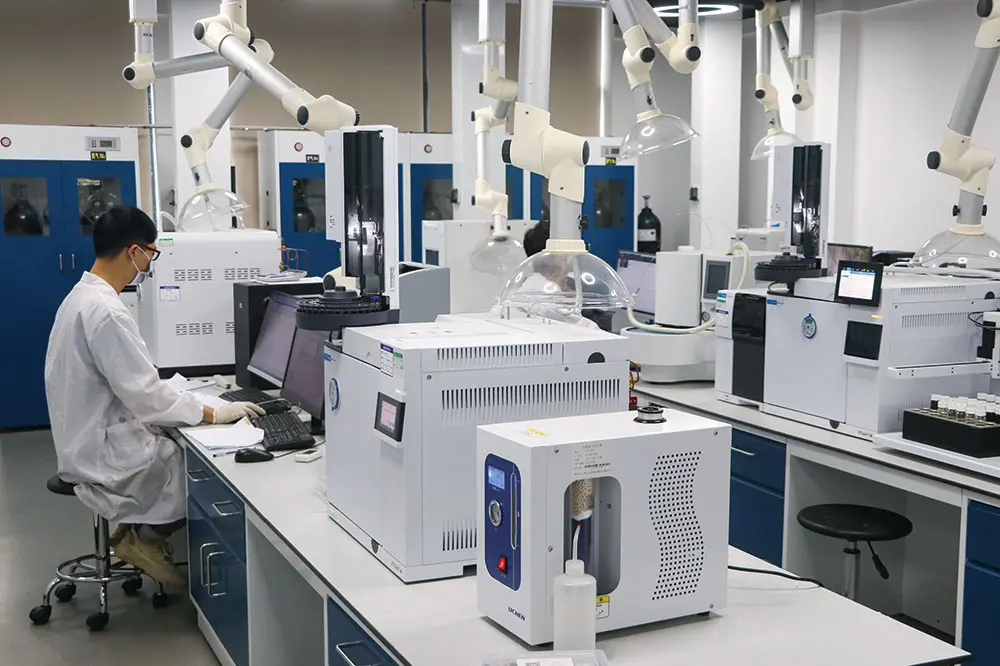
Our laboratory research direction is focused on addressing the fundamental structural limits of traditional photopolymer systems.
Overcoming shadowed regions in complex geometries remains a central challenge for UV-only curing mechanisms. Our R&D team is advancing secondary thermal or moisture-cure hybrid functionalities within our acrylate chains, ensuring uniform crosslinking density in unexposed shadow areas.
Synthesizing high-performance polyester and epoxy acrylates using bio-sourced intermediate chemical building blocks. The target is to substitute fossil-fuel resources with plant-derived alternatives while matching or exceeding current abrasion and yellowing resistance standards.
Deploying computational chemistry to model crosslinking reactions under varying photon flux. This allows us to customize viscosity, glass transition temperature (Tg), and elasticity profiles to meet high-precision specifications with shorter development timelines.
Get answers to critical technical questions regarding UV oligomer performance, formulation, and quality assurance.
Discover our wider range of polyester, epoxy, and functional acrylic resins tailored for specialized wood, plastic, and metallizing coatings.
 Ever Ray