Engineered for optical clarity, high curing speeds, superior crosslinking density, and robust environmental resistance across diverse subtrates.
The global manufacturing sector is undergoing a profound transformation driven by the transition toward high-throughput processing, energy conservation, and strict ecological compliance. At the forefront of this industrial shift is UV curing adhesive technology. Valued not only for its VOC-free footprints but also for its command over processing speed—often reaching complete curing within milliseconds—UV curable resins are replacing traditional heat-curable and solvent-borne adhesives globally.
From microelectronics and smartphone display bonding to automotive sensors and sustainable wood coatings, modern industries require tailor-made oligomers. These chemical foundations govern ultimate material performance, including tensile strength, weatherability, mechanical resilience under thermal shocks, and yellowing resistance. Finding a supplier with direct raw-material production capacity is critical to securing consistency in the high-demand global supply chain.
As technology trends demand thinner assemblies, rapid cycle times, and bonding across divergent surfaces (metals, plastics, glass), the role of specialized synthesis factories becomes clear. Highly functionalized oligomers, such as modified epoxy acrylates and aliphatic urethane acrylates, are now the standard building blocks for custom adhesive formulations.
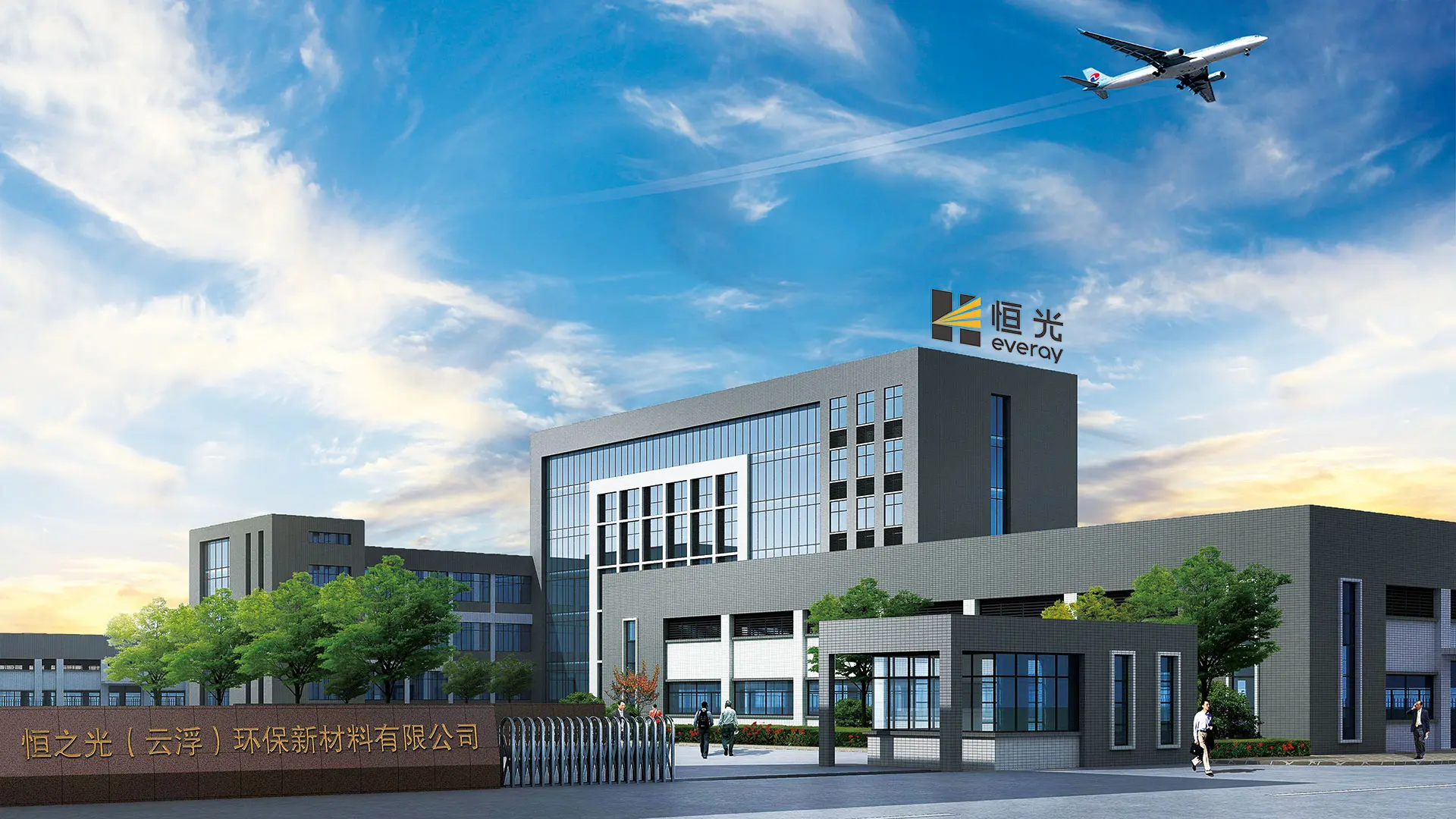
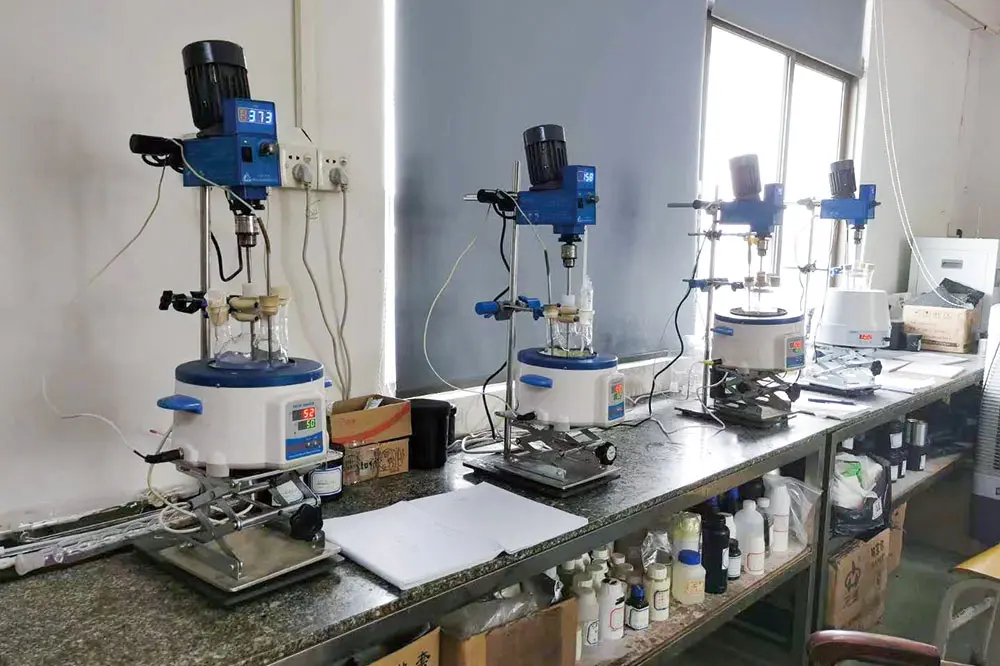
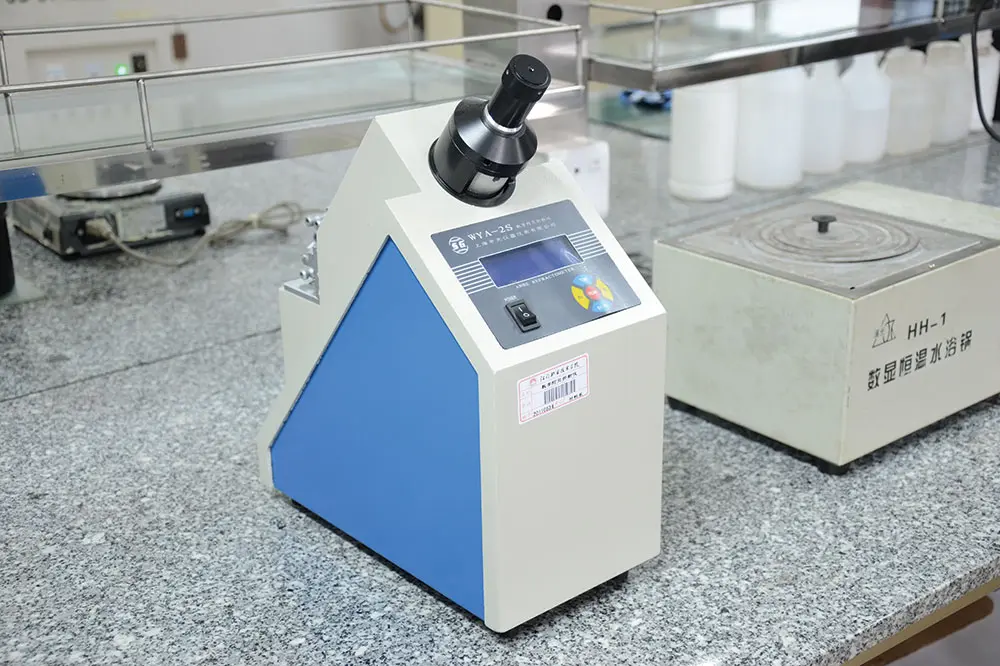
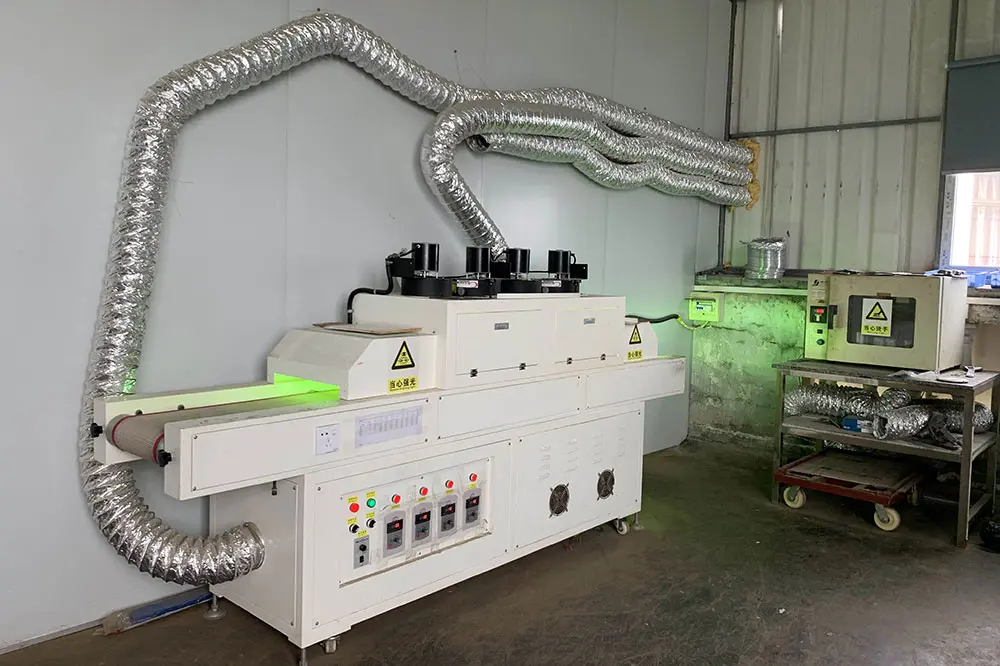
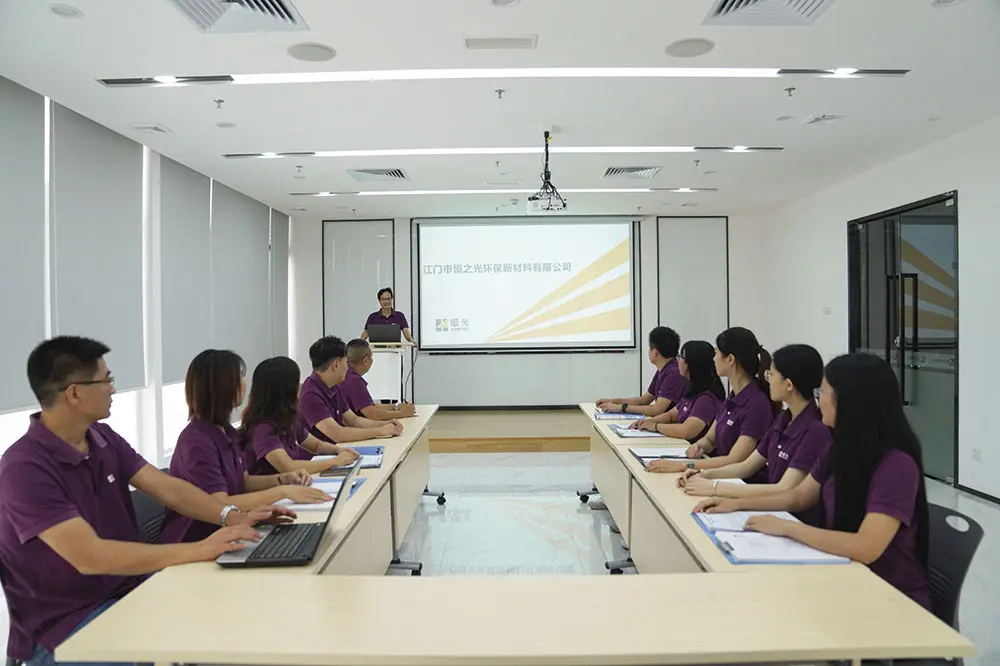
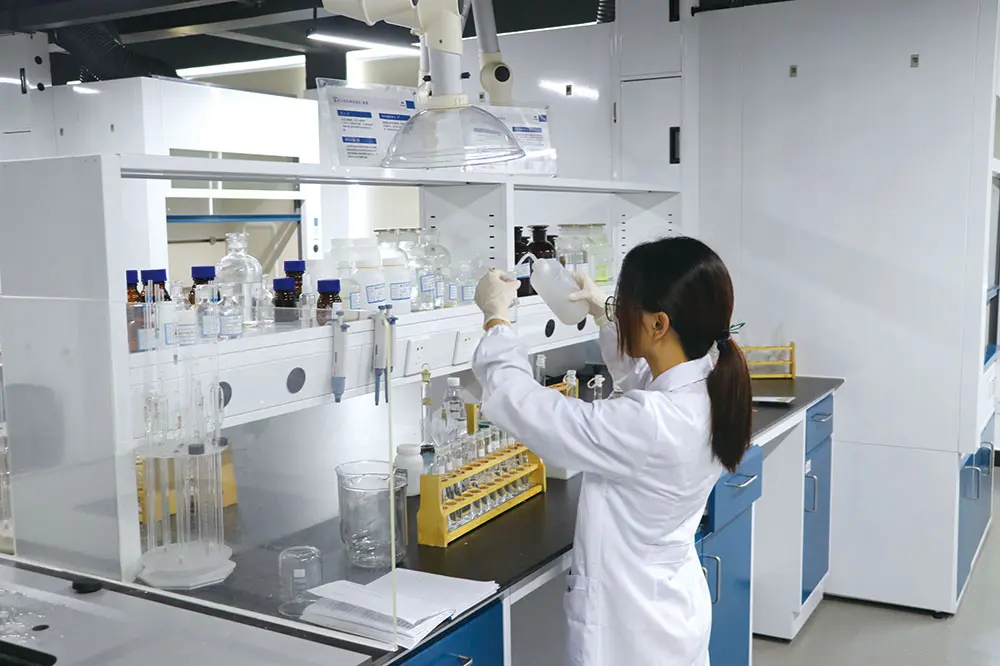
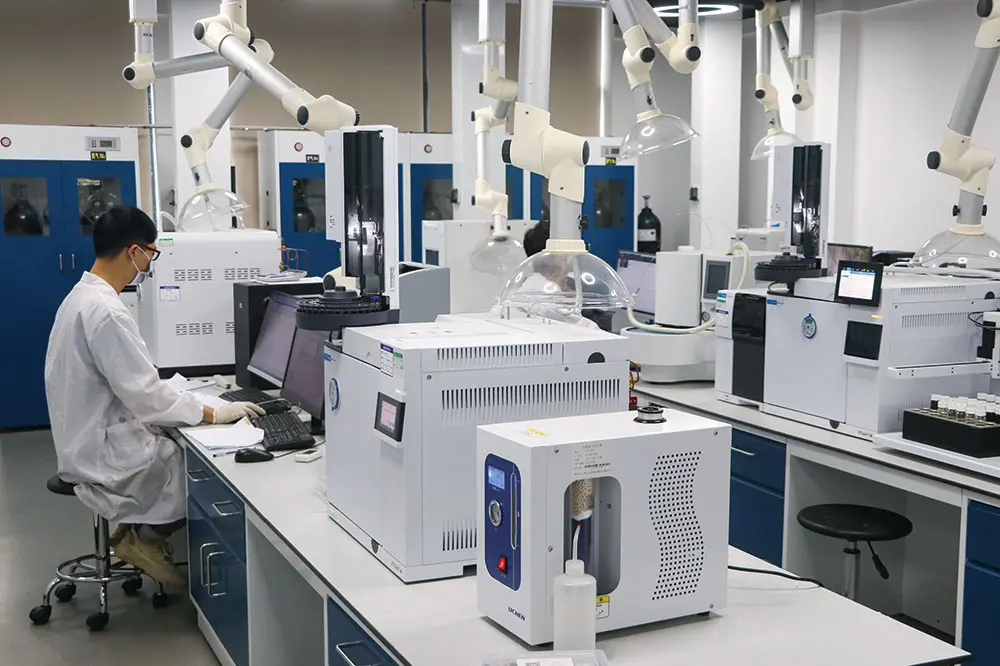
Established in 2006, Guangdong Ever Ray Environmental Material Co., Ltd. is a high-tech enterprise focusing on the R&D and manufacturing of oligomers for UV curable resin. Our extensive material portfolio includes epoxy acrylate, polyurethane acrylate (water borne, aliphatic urethane, aromatic urethane), polyester acrylate, pure acrylate, and other special functional modified acrylate oligomers designed to push the boundaries of modern UV chemistry.
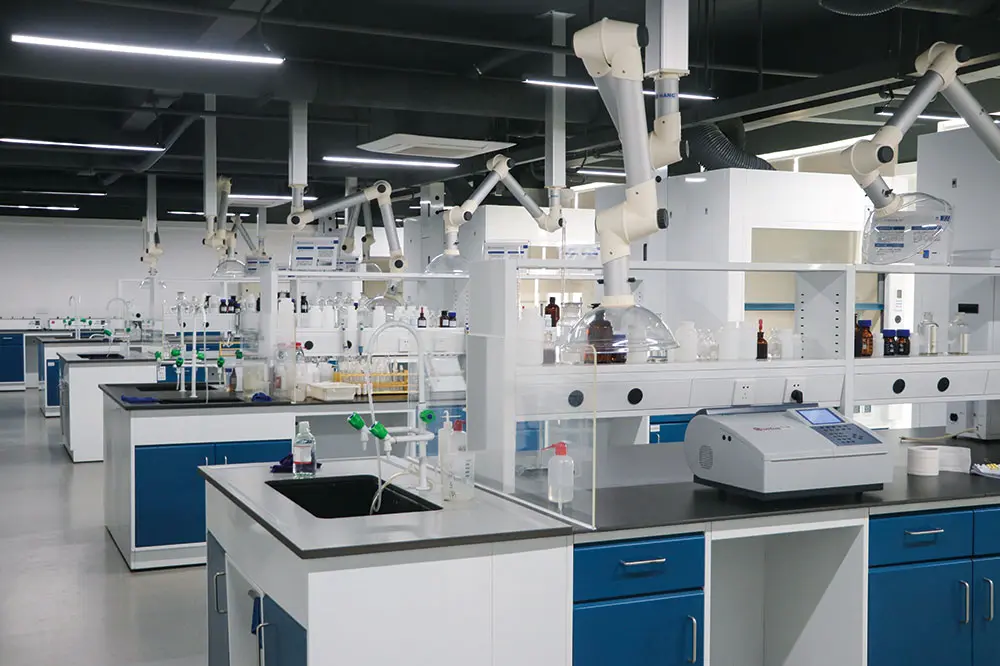
We operate two modern production bases: one located in Jiangmen, Guangdong, with a production area of approximately 10,000 square meters, and another in Yunfu, Guangdong, covering around 40,000 square meters. The facilities are supported by state-of-the-art quality control laboratories, storage infrastructure, and logistics supporting systems. Our annual production capacity exceeds 20,000 tons, managed through more than 10 advanced production lines.
To guarantee absolute batch consistency and safety, our factories operate under the ISO9001 quality management system and ISO14001 environmental management system. Production is driven by a flexible and advanced DCS fully computerized control system. Furthermore, we select high-quality domestic and foreign raw materials, adopt advanced scientific management methods, and consult with domestic UV material experts to ensure process safety and product performance stability.
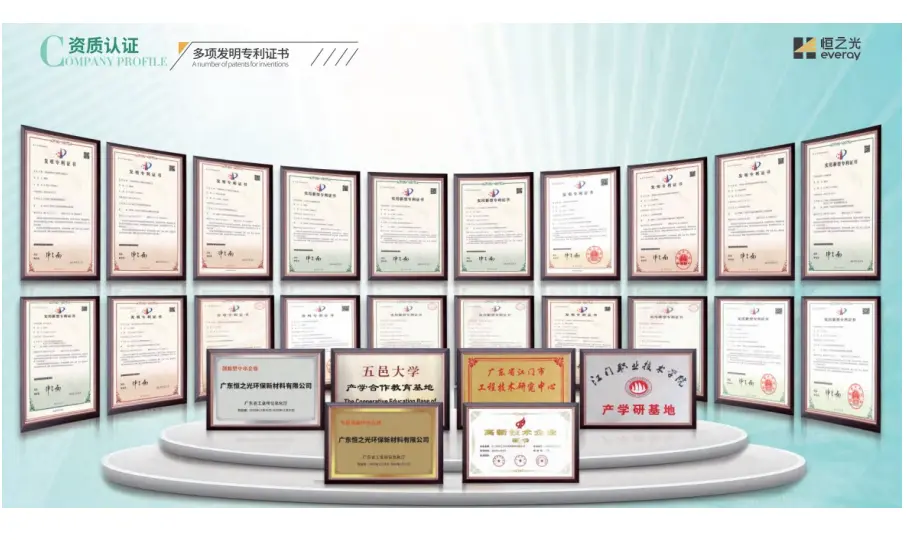
Innovation is the lifeblood of Guangdong Ever Ray. We hold more than 10 invention patents and practical utility patents, powered by a dedicated R&D division housing over 15 senior technicians. We focus on synthesizing oligomers that provide high reactivity, chemical resistance, and high gloss to formulations across wood coatings, plastics, electronics, inks, and structural adhesives.
By working closely with formulation chemists globally, we supply different core resins that address both functional demands—such as anti-yellowing, low shrinkage, and multi-substrate adhesion—and cost optimization objectives. At Ever Ray, we believe that technology and environmental protection should coexist in harmony. We take science as our driving force, striving to deliver sustainable, green living solutions through energy-efficient UV-curable chemistry.
Specialized molecular structures that reduce volumetric shrinkage during crosslinking, preserving interfacial bond strength on delicate electronic components.
Oligomers engineered with high double-bond density, specifically optimized for cure activation under long-wavelength (365nm to 395nm) LED sources.
Understanding the chemical properties of UV oligomers to optimize viscosity, curing rates, and mechanical performance.
Known for high reactivity, high hardness, exceptional gloss, and superior chemical resistance. They form the backbone of rigid plastic coatings, wood varnishes, and metal primers. Modified epoxy acrylates like Ever Ray 6106 resolve the inherent brittleness of traditional epoxy resins, introducing flexible chains that prevent cracking under mechanical stress.
Often classified into aliphatic and aromatic types. Aliphatic urethane acrylates provide outstanding weatherability, elasticity, and non-yellowing characteristics, making them suitable for outdoor applications, automotive interiors, and mobile electronics. Aromatic types deliver high hardness, fast cure, and cost-effective performance where color stability is not critical.
Commonly chosen for low viscosity, high flexibility, and rapid surface cure. They are frequently used as key vehicles in LED-UV wood coating formulations, lithographic inks, and paper varnishes. These resins provide excellent compatibility with reactive diluents and pigments.
Delivering high-tech performance to global key manufacturing sectors.
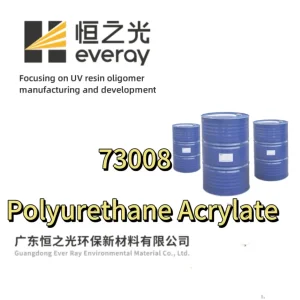
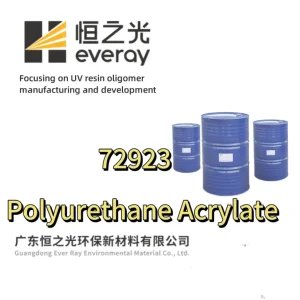
Electronic potting requires low shrinkage, high insulation resistance, and thermal endurance. Resins such as 73008 Low-Shrinkage Polyurethane Acrylate prevent warping of silicon wafers and delicate circuitry during UV exposure, while protecting assemblies from thermal cycling, moisture, and chemical attack.
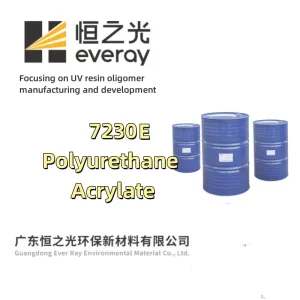
Car headlamp reflectors and decorative metallic finishes require vacuum plating primers with high interlayer adhesion. The 7230E Polyurethane Acrylate Resin provides direct adhesion to difficult engineering plastics (PC, ABS, PMMA) and subsequent aluminum deposits, preventing delamination.
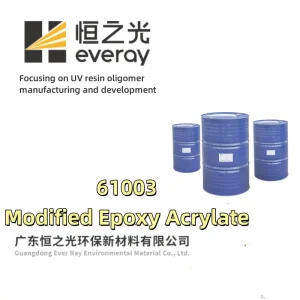
Food packaging and plastic films demand low odor, high speed, and non-migration characteristics. Resins like 61003A and A150 are designed to yield high double-bond conversion under LED-UV curing lamps, minimizing residual monomer levels and meeting modern packaging compliance standards.
Technical answers to key industry questions on formulating, curing, and applying UV resins.
Custom-synthesized raw materials for heat-resistant, chemical-resistant, and high-impact coating systems.
Connect directly with Guangdong Ever Ray's application engineers. We provide technical consultation, structural design support, and sample testing to meet your requirements.
Contact Our Technical Sales Team Ever Ray