Explore our high-performance monomers and oligomers designed for excellent adhesion on difficult substrates, including glass, wood, plastics, and paper.
Glass is notoriously difficult for standard organic polymers to adhere to. Due to its hydrophilic nature and smooth, inorganic surface structure consisting of a dense network of silanol groups (Si-OH), standard UV coatings suffer from poor bonding and high interfacial tension. Under humid conditions, water molecules quickly displace physical bonds, causing peeling and adhesion failure.
This is where specialized UV resin for glass primer formulation becomes critical. Advanced glass primers utilize molecular coupling mechanisms to bridge the inorganic glass substrate and the organic UV topcoat. By combining customized modified epoxy acrylates with specialized adhesion promoters (such as phosphate acrylates and organofunctional silanes), formulations achieve permanent chemical bonds that resist moisture, boiling water, and thermal stress.
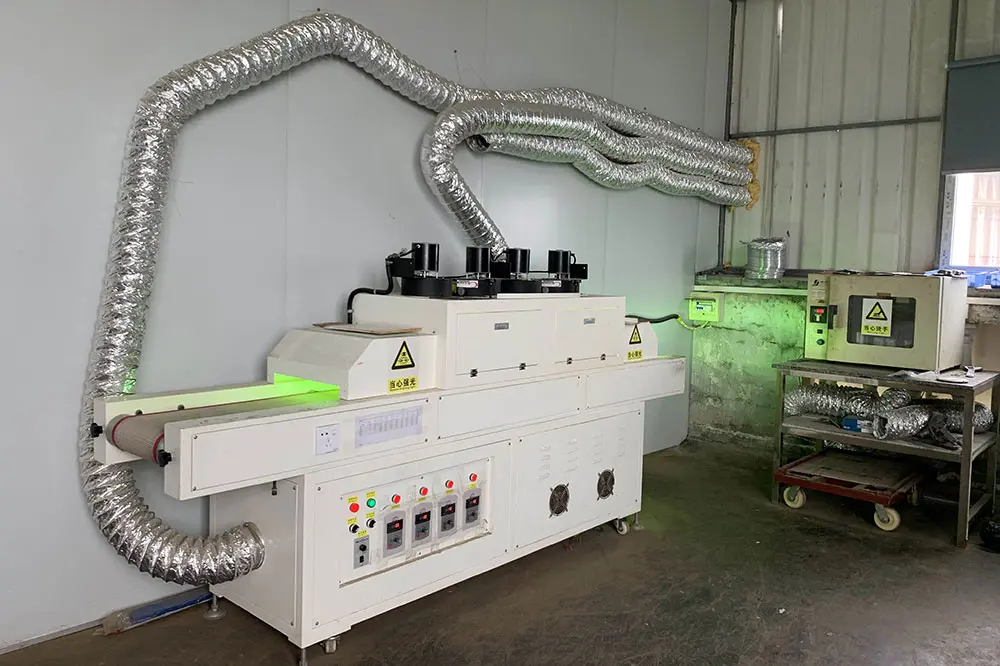
In modern industrial applications, UV curing technology has transformed production lines due to its high efficiency, low volatile organic compound (VOC) emissions, and low thermal load on substrates.
Modern vehicles rely on high-reliability screens and HUD glass surfaces. Standard coatings fail environmental cycle testing. Applying a highly crosslinked UV-cured glass primer creates an unbreakable barrier, ensuring touch screens and smart glass arrays withstand dynamic temperature changes and UV exposure.
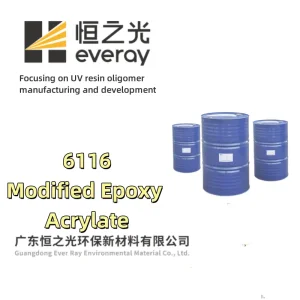
Luxury cosmetic packaging features vibrant colors printed directly on glass surfaces. The UV offset ink must adhere strongly during transport and resist perfume solvents and water immersion. Implementing modified epoxy acrylates like 6851A or 6106 provides the optimal balance of adhesion and chemical resistance.
Architectural glass panels require decorative protective coatings that maintain structural and aesthetic integrity. UV primers protect these panels from peeling under high humidity and intense sunshine, ensuring the longevity of decorative film layers and screen-printed patterns.
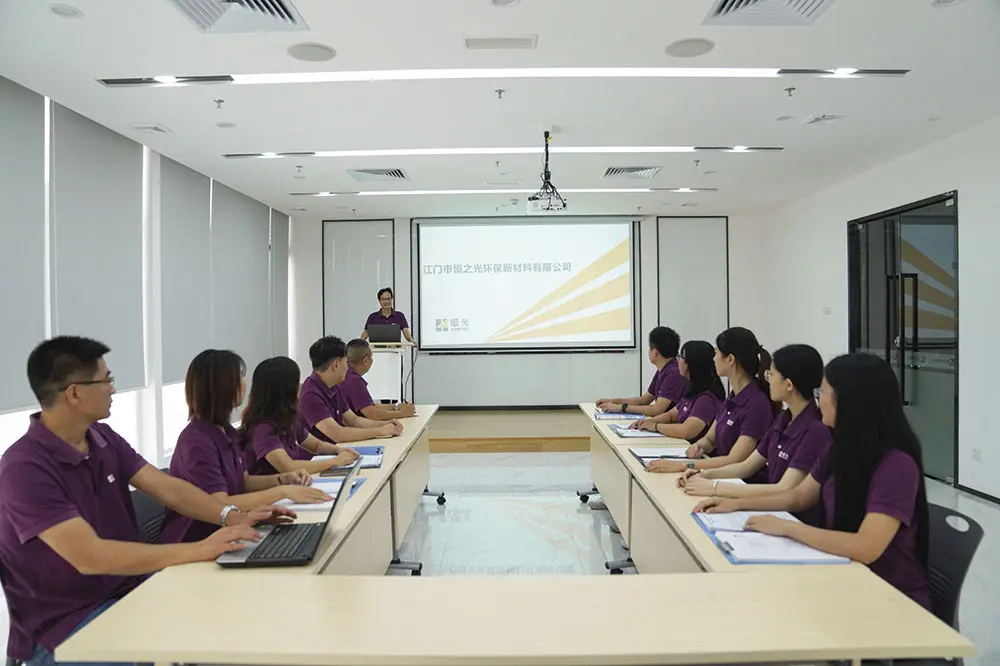
Established in 2006, Guangdong Ever Ray Environmental Material Co., Ltd. is a high-tech enterprise focusing on the R&D and manufacturing of oligomers for UV curable resin. Our extensive range includes epoxy acrylates, polyurethane acrylates (water-borne, aliphatic, and aromatic urethane), polyester acrylates, pure acrylates, and other special functional modified acrylate oligomers.
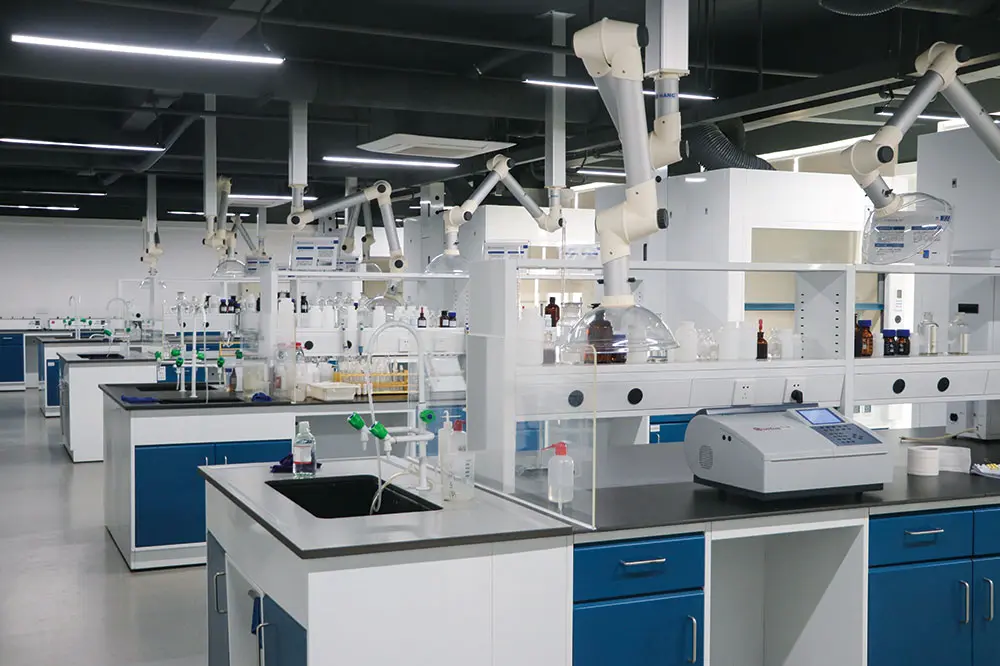
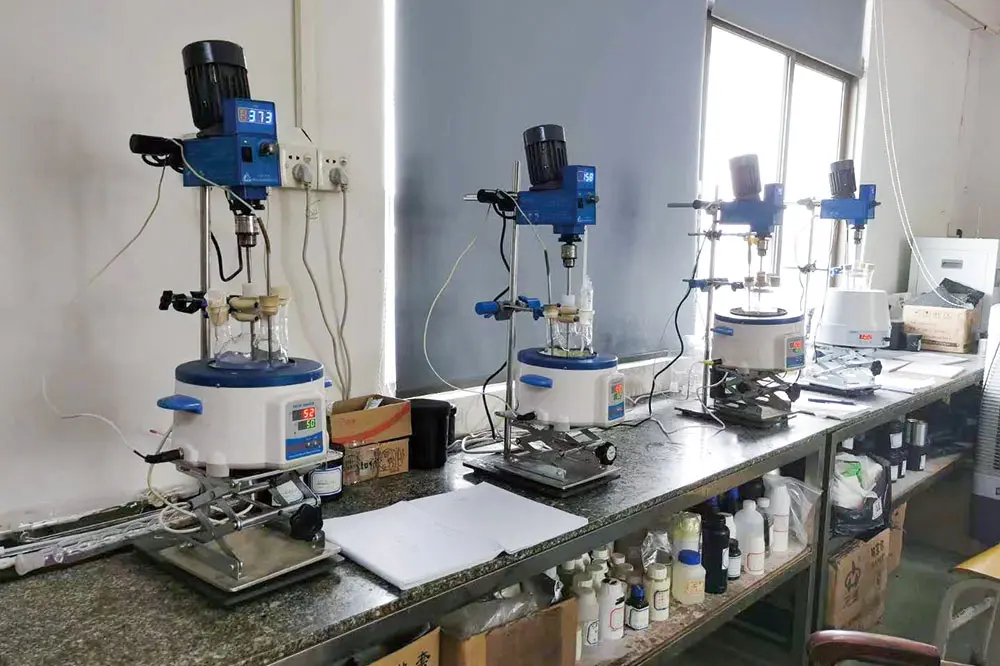
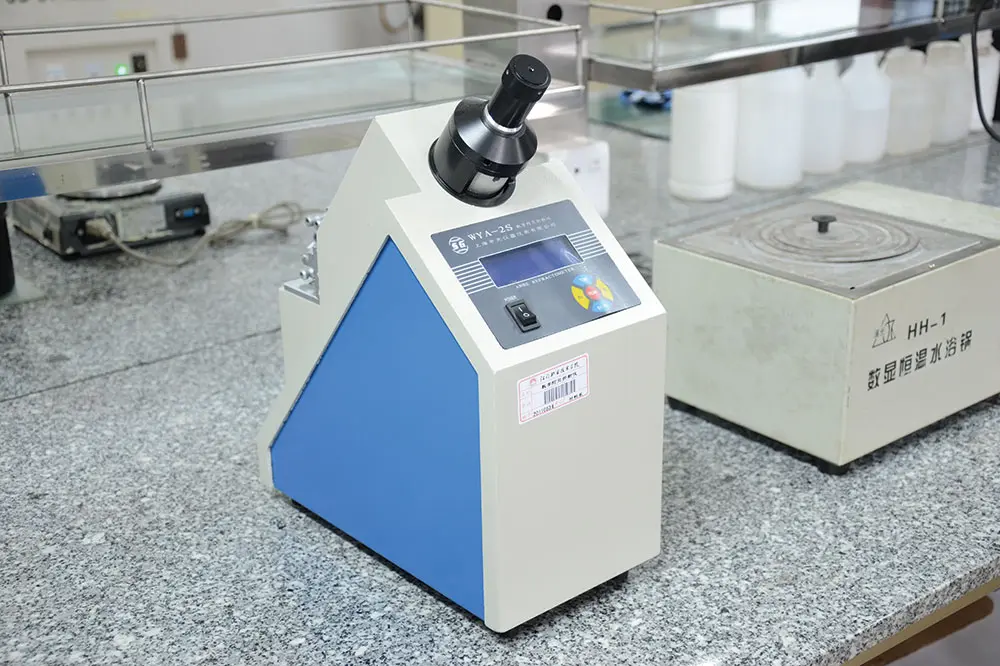
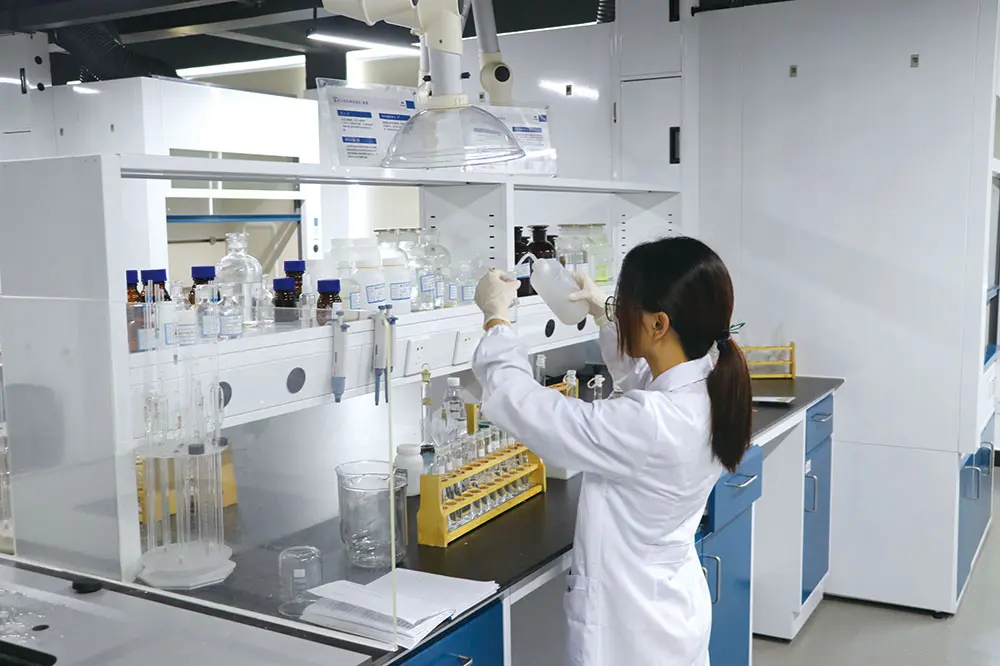
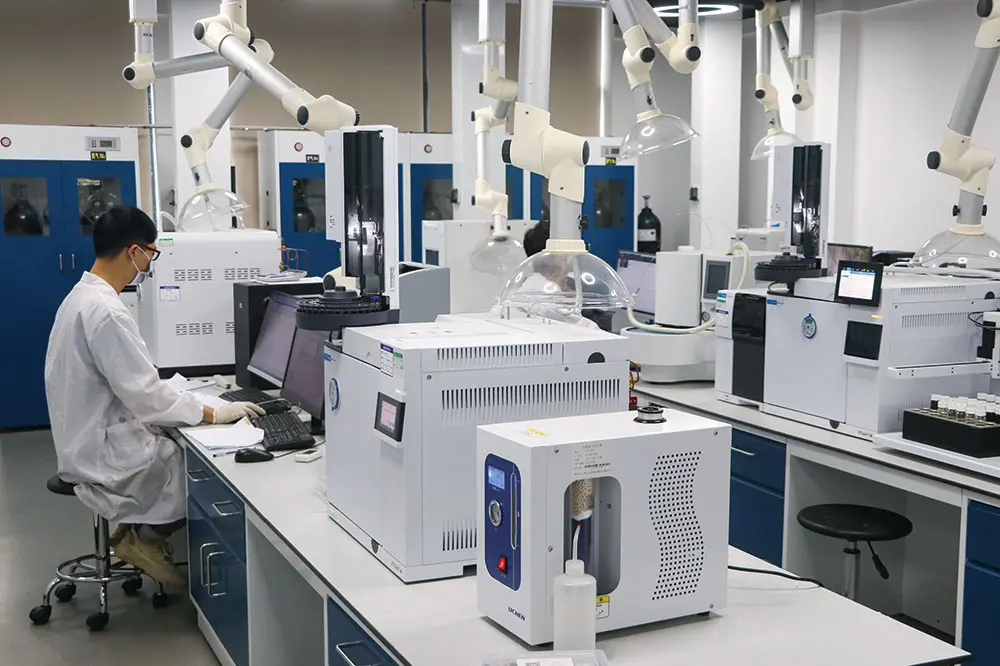
Operating with two major production bases in Jiangmen and Yunfu, Guangdong, we maintain total control over production quality, raw material integration, and logistical pipelines. Our manufacturing centers employ fully automated DCS computerized control systems, ensuring highly stable batch-to-batch production for our global partners.
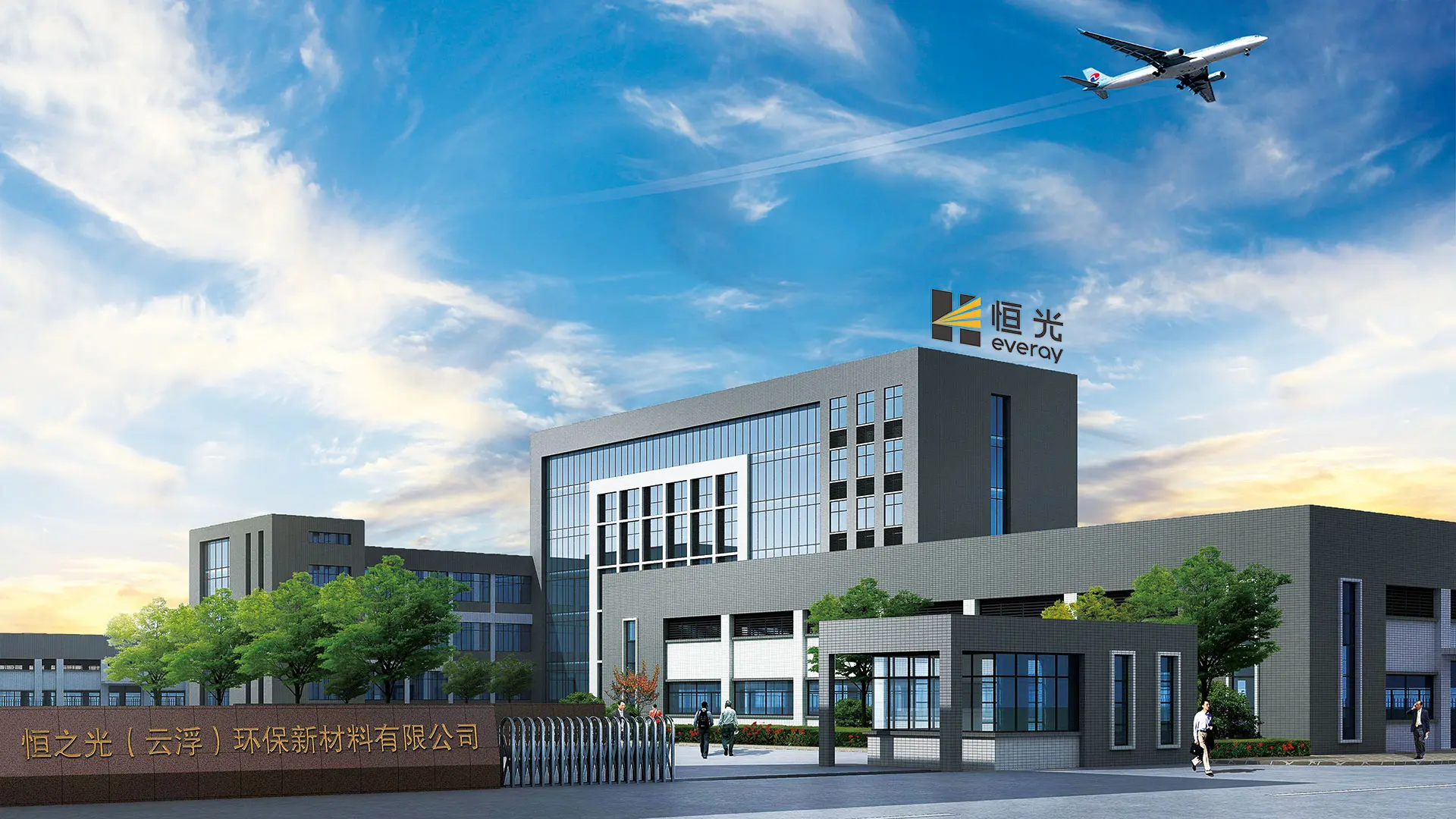
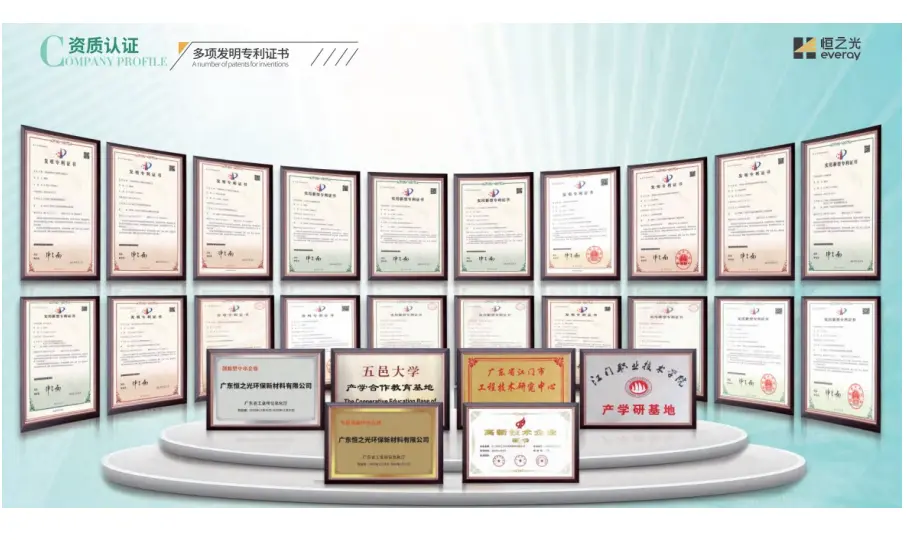
Our Jiangmen facility occupies approximately 10,000 square meters, while our flagship Yunfu production base spans over 40,000 square meters. Complete with dedicated quality control, storage, and logistics facilities, we operate more than 10 modern production lines. To guarantee top-tier quality control, our factories operate under the ISO9001 Quality Management System and ISO14001 Environmental Management System.
We work with high-quality domestic and foreign raw materials and hire industry experts to ensure process safety and chemical stability. By designing materials to optimize cost-efficiency and functionality, we support sustainable green living environments while meeting strict performance requirements.
The UV curing industry is experiencing rapid structural shifts driven by environmental regulations, product performance demands, and technological advancements.
Modern assembly lines demand clean working environments with reduced chemical emissions. Traditional primers relied heavily on volatile monomers for viscosity reduction, causing unpleasant workspace odors. Development trends favor oligomers with low odor profile and inherently low viscosity—like our 5017 and 6300 Modified Epoxy Acrylate—which offer excellent substrate wetting without excessive solvent addition.
Shrinkage during curing causes internal stress, leading to delamination on rigid substrates like glass. Research shows that combining hyperbranched acrylic UV resins (such as 4600) with specialized polyfunctional oligomers reduces shrinkage stress. This maintains the structural stability of the primer coating and prevents micro-cracks at the interface.
Green chemistry policies are driving the integration of eco-friendly oligomers into manufacturing. The industry is moving toward bio-based solutions like epoxidized soybean oil acrylate (6720) and water-borne polyurethane systems. These solutions reduce carbon footprints while matching the performance of traditional petrochemical alternatives.
Standard UV curing lamps generate substantial heat, which can warp thin materials. Modern lines are adopting energy-efficient LED curing systems. Primers must be formulated to react to longer wavelengths (365nm to 395nm) by using highly reactive oligomers, ensuring fast surface curing and deep adhesion even under low-energy LED light sources.
Procuring raw materials for glass primers involves assessing properties beyond initial adhesive strength. Global buyers must evaluate five key variables to ensure long-term stability and process optimization:
Find answers to common questions about formulating, storing, and applying UV-curable primers on glass substrates.
Glass features a smooth, high-energy, hydrophilic surface rich in silanol (Si-OH) groups. Water molecules easily penetrate the coating interface, breaking weak physical bonds. Additionally, UV resins shrink during polymerization, creating internal stress that leads to peeling. Achieving strong adhesion requires specialized oligomers that form chemical bonds with the glass structure while minimizing shrinkage.
Modified epoxy acrylates combine the high hardness, chemical resistance, and fast curing speed of bisphenol-A epoxy with customized chemistry that improves flexibility and substrate wetting. This balance reduces cure shrinkage and ensures reliable, long-lasting adhesion to glass and metal surfaces.
Yes, many of our oligomers, such as the 5335 and 6106 series, are designed for high reactivity. When paired with suitable photoinitiators (e.g., TPO or BAPO) that absorb longer wavelengths (365–395 nm), they achieve excellent curing performance under LED UV light sources.
Polyester acrylates provide good pigment wetting, high flexibility, and excellent compatibility with dilutive monomers. They help adjust the viscosity and color strength of screen printing and offset inks, ensuring smooth application and sharp print resolution on glass substrates.
We manage quality through our ISO9001-certified facilities using an advanced DCS fully computerized control system. This automated control regulates temperatures, feed rates, and process runtimes, ensuring stable material properties across every production batch.
Explore additional solutions, including epoxy acrylates, polyester resins, and eco-friendly coatings for wood, plastics, and paper.
 Ever Ray