Explore our high-performance base resins engineered to optimize viscosity, cure rate, tensile strength, and impact resistance.
The global footwear market is undergoing a seismic shift. Traditional injection molding, compression molding, and manual cementing processes are increasingly challenged by digital workflow alternatives. 3D printing footwear resin is at the very core of this manufacturing revolution. What began as a tool for rapid prototyping has matured into a viable method for mass customization and high-volume industrial production.
Modern consumers demand highly personalized, ergonomically optimized, and ecologically sustainable footwear. Major athletic brands have realized that elastomer-based 3D printing enables architectural designs—such as complex lattice midsoles—that are chemically and physically impossible to manufacture using traditional EVA (ethylene-vinyl acetate) foam. These 3D printed structures offer unmatched energy return, zoned cushioning, and localized mechanical support, significantly reducing athletic fatigue and injury risks.
By using photopolymer resins formulated with specialized polyurethane acrylate, midsoles can be tuned down to the millimeter to absorb impact and return maximum energy to the athlete.
3D printing produces nearly zero component waste compared to traditional subtractive cutting methods, directly aligning with global sustainability mandates.
Eliminate tooling setup phases. Design modifications can be finalized in CAD software and sent directly to print bases, cutting product release timelines from months to days.
As the industry transitions from high-cost SLA/DLP prototyping to high-speed Continuous Liquid Interface Production (CLIP) and LCD-based mass fabrication, the performance of the liquid photopolymer formulation determines the viability of the final shoe. Raw material chemistry—specifically the choice of polyurethane acrylates, epoxy acrylates, and custom catalysts—plays the decisive role in defining the tear strength, elongation-at-break, and flex-fatigue life of the outsole or midsole.
Industrial procurement teams from multinational footwear brands require more than just standard resin supplies. They seek vertical-integrated partners who understand the complex chemical synthesis, mechanical behaviors, and international environmental regulations of high-volume chemical supplies. When sourcing 3D printing footwear resins, global enterprises focus heavily on three critical factors:
Furthermore, sourcing managers must balance raw material unit economics. Direct sourcing from specialized chemical synthesis manufacturers in China enables global brands to cut down unnecessary markups associated with middleman distributors. By procuring customized oligomers directly from prime synthesis plants, global enterprises achieve the material scale needed to make 3D printed footwear cost-competitive with traditional vulcanized or injected rubbers.
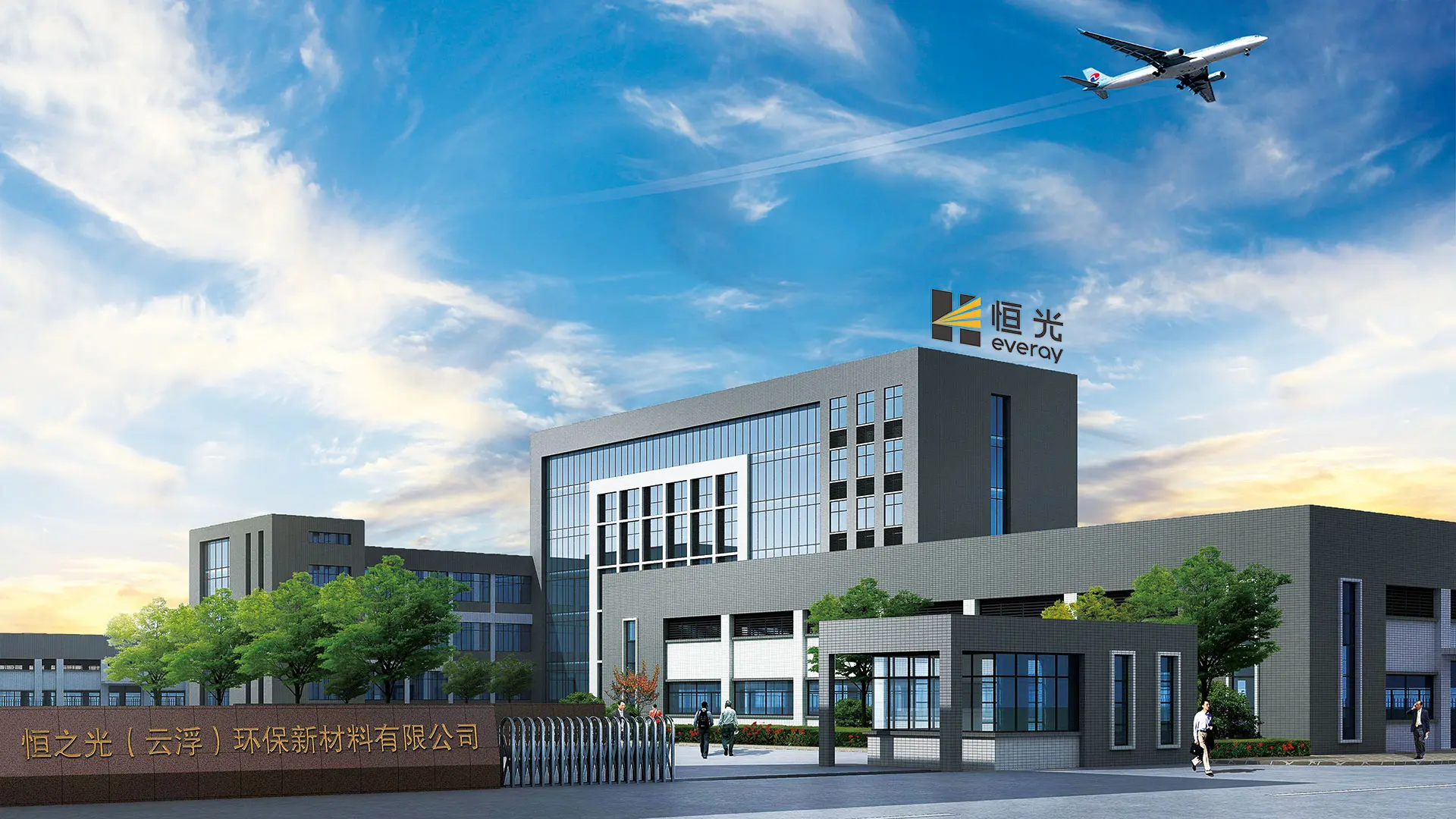
Guangdong Ever Ray Environmental Material Co., Ltd. represents the absolute pinnacle of China Factory 4.0 infrastructure in the UV-curable oligomer sector. Spanning two main production bases—a specialized 10,000-square-meter facility in Jiangmen and a massive, fully automated 40,000-square-meter facility in Yunfu—our manufacturing footprint is optimized to supply the growing international demand for advanced polyurethane acrylates and specialized polyester resins.
Our Yunfu production plant integrates a sophisticated DCS (Distributed Control System). This fully computerized process control system monitors temperature, pressure, raw material dosing, and catalyst reactions in real-time. By eliminating human error from chemical synthesis, we guarantee that every batch of polyurethane acrylate exhibits identical molecular weight distribution and functional group density. This level of process stability is critical for developers blending high-performance 3D printing footwear resins.
In addition, our logistics, storage, and strict quality control operations operate under the ISO9001 quality management system and the ISO14001 environmental management system. With more than 10 dedicated production lines operating concurrently, we can seamlessly scale production from pilot batches to thousands of tons, ensuring global logistics resilience even during peak market demand cycles.
Guangdong Ever Ray Environmental Material Co., Ltd., established in 2006, is a high-tech enterprise focusing on the R&D and manufacturing of oligomers for UV curable resin. Our comprehensive catalog includes epoxy acrylate, polyurethane acrylate (waterborne, aliphatic urethane, aromatic urethane), polyester acrylate, pure acrylate, and other special functional modified acrylate oligomers.
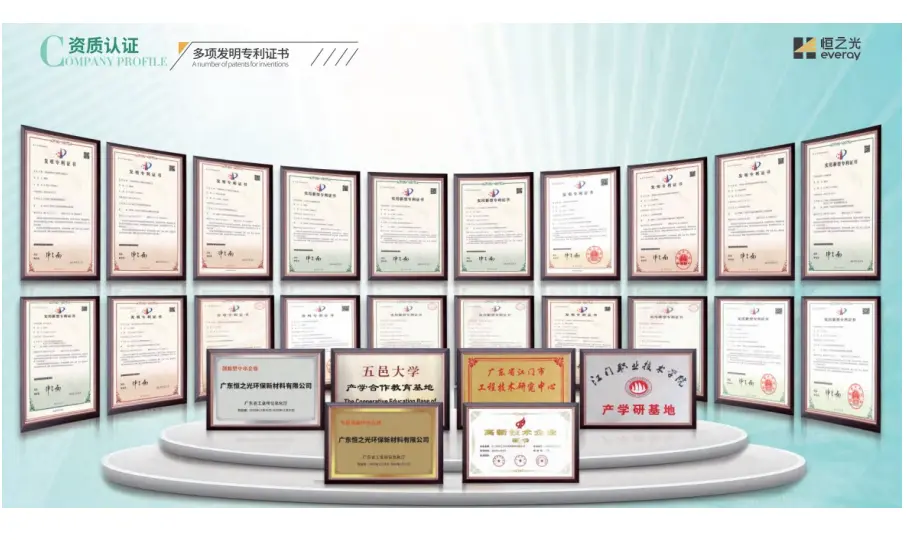
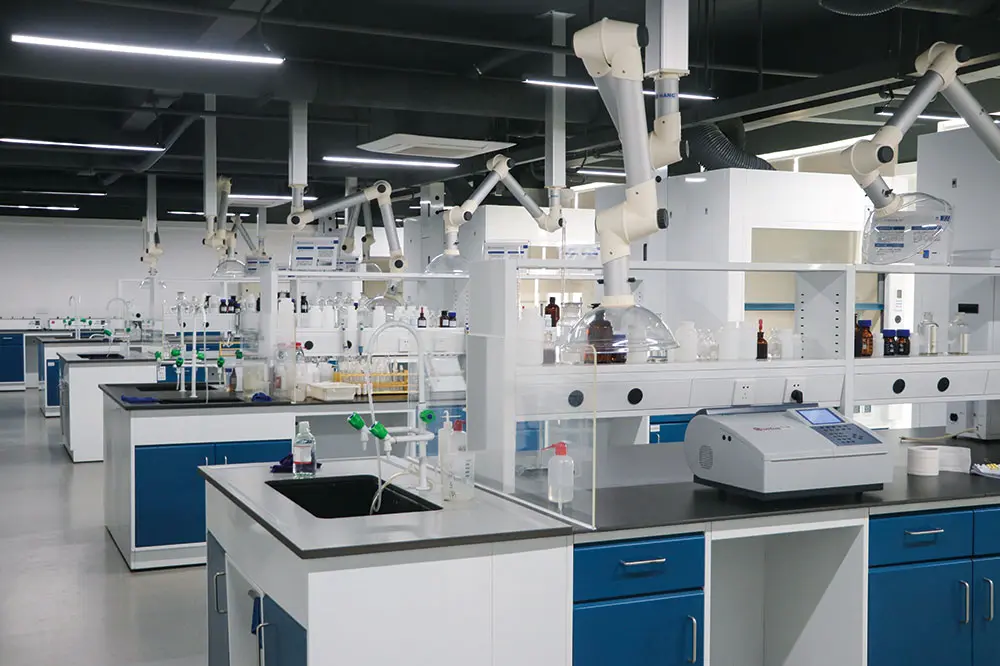
We have more than 10 invention patents and practical patents, supported by a professional team of over 15 technicians in our R&D department. We specialize in providing high reactivity, chemical resistance, and high-gloss formulations to meet demanding applications across wood coatings, plastics, functional inks, adhesives, and rapid-advancing photopolymer 3D printing resins.
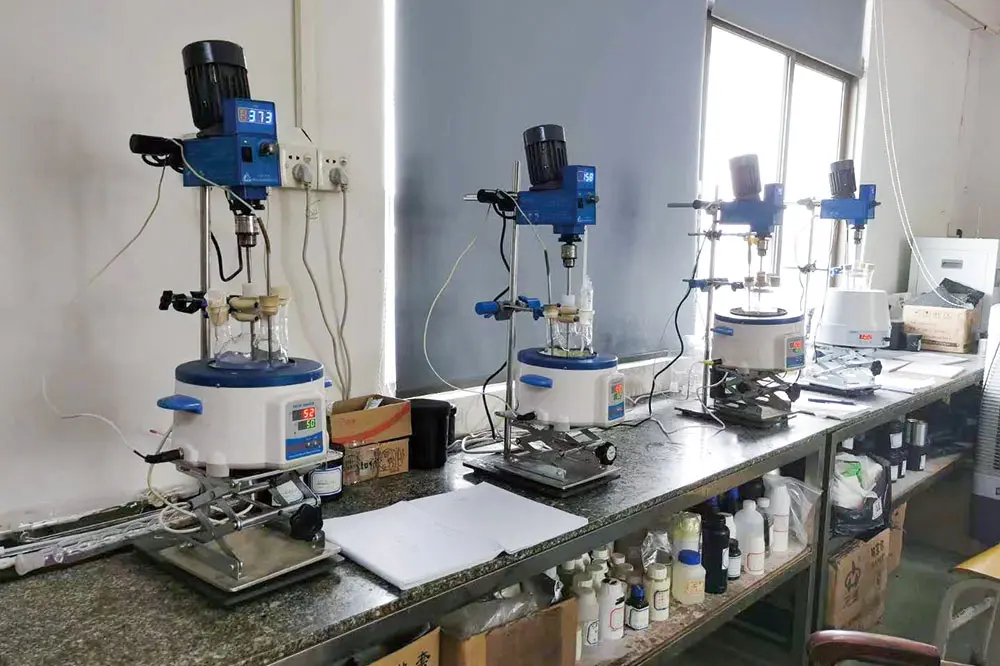
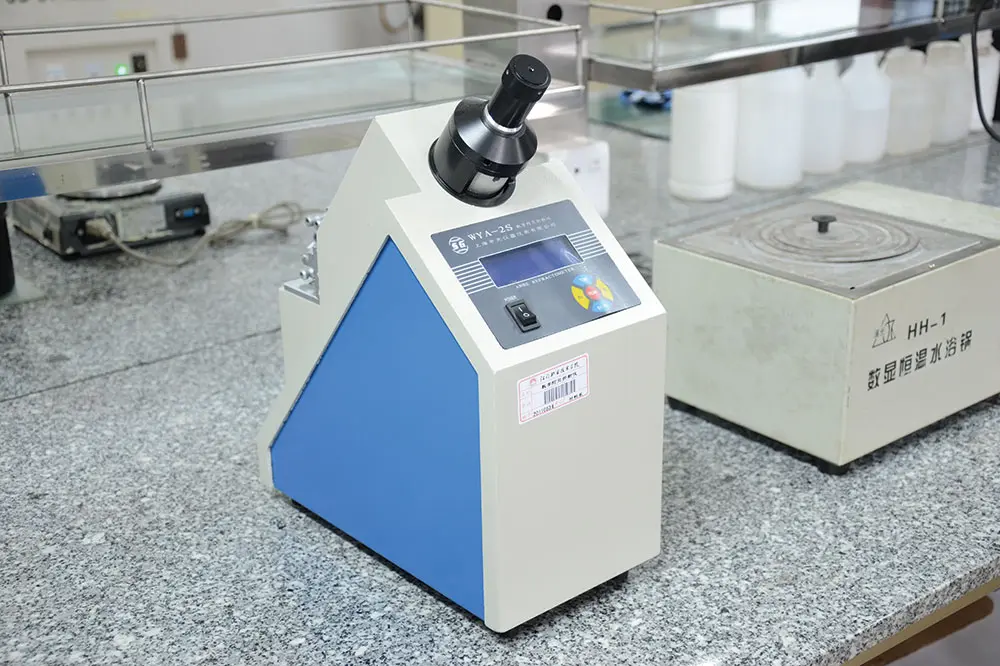
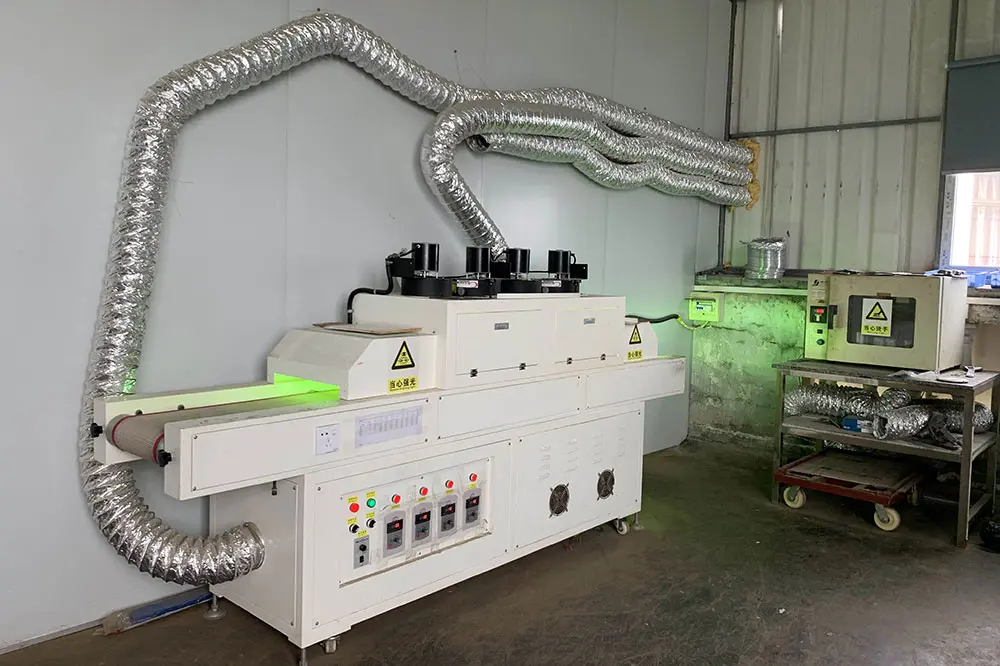
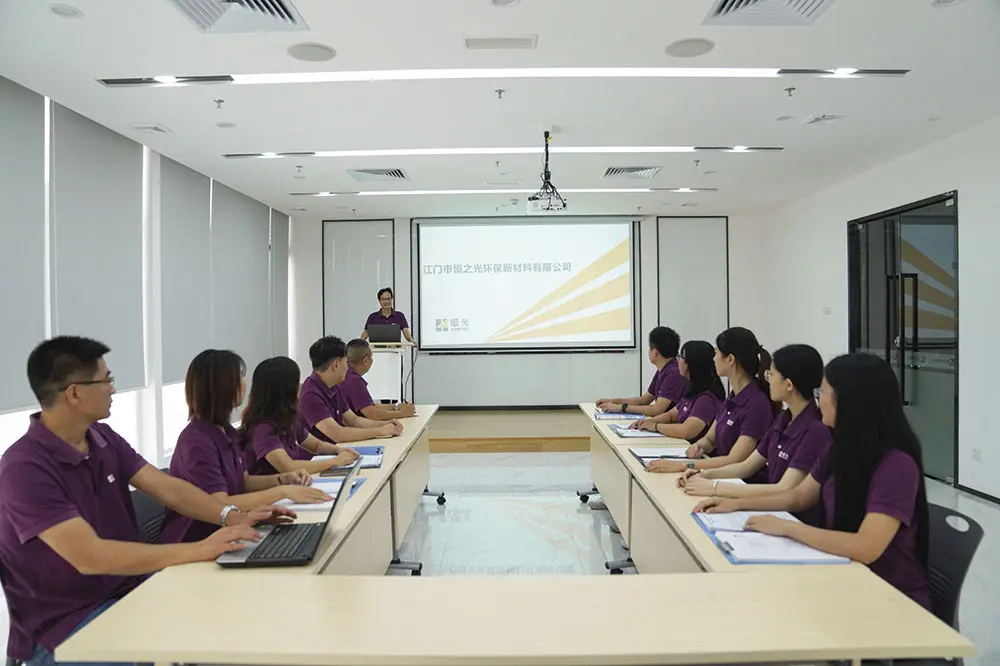
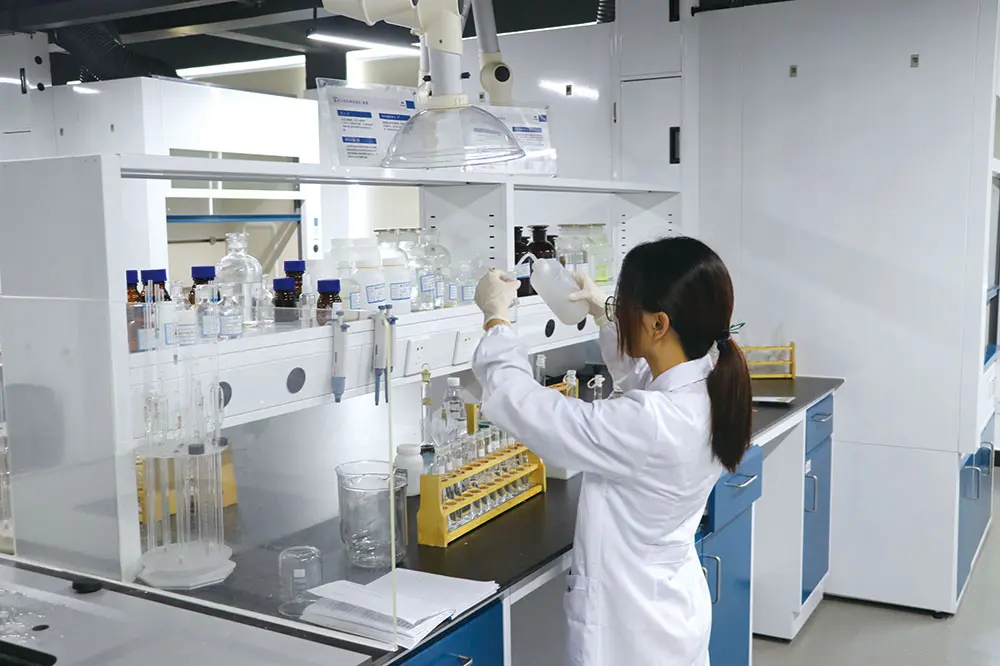
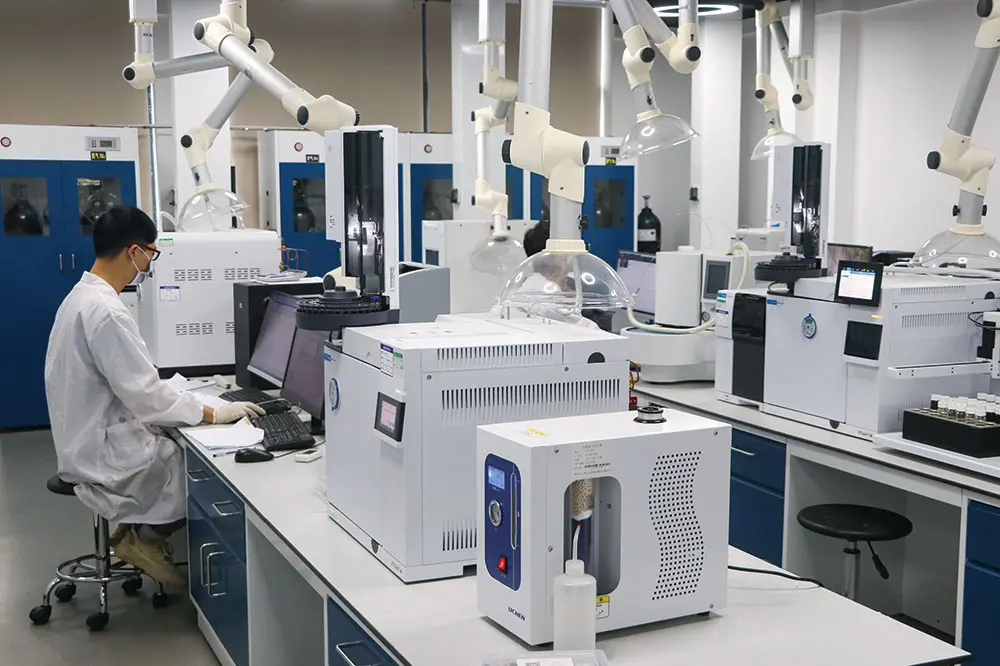
Formulated photopolymers based on Ever Ray UV-curable oligomers excel in distinct industrial and commercial footwear contexts. Our chemical bases cater to multiple localized application scenarios:
High-rebound aliphatic polyurethane acrylate oligomers are synthesized to yield high elasticity, exceptional fatigue life, and UV color stability. When formulated into 3D printing resin, these compounds enable the production of lattice-based midsoles that resist collapse even after hundreds of kilometers of running impact, showing superior performance compared to traditional thermoplastic polyurethane (TPU) foams.
Orthotics require varying structural densities across different zones of the foot. By utilizing low-viscosity, fast-curing polyester acrylates and pure acrylates, resin formulators can print bespoke medical insoles that precisely conform to a patient's foot scan. This provides variable density mapping to support corrective walking bio-mechanics.
Before launching a new product line, design teams print complete visual and functional concept shoes. Using our wear-resistant polyurethane acrylates (such as 7296-1), design houses can print mock-ups that survive fit-testing, stretch trials, and wear evaluations without brittle fracture failures.
In-depth answers to critical chemical and manufacturing inquiries from design engineers and sourcing directors.
High-performance, eco-friendly monomer and oligomer configurations built to maximize durability, adhesion, and flexibility.
 Ever Ray