Established in 2006, Guangdong Ever Ray Environmental Material Co., Ltd. is a state-level high-tech enterprise dedicated to the R&D, synthesis, and large-scale manufacturing of high-performance oligomers for UV curable resins. Our engineering product matrix includes advanced epoxy acrylate, polyurethane acrylate (covering waterborne, aliphatic urethane, and aromatic urethane), polyester acrylate, pure acrylate, and specialized functional modified acrylate oligomers designed to meet the rigorous demands of modern manufacturing.
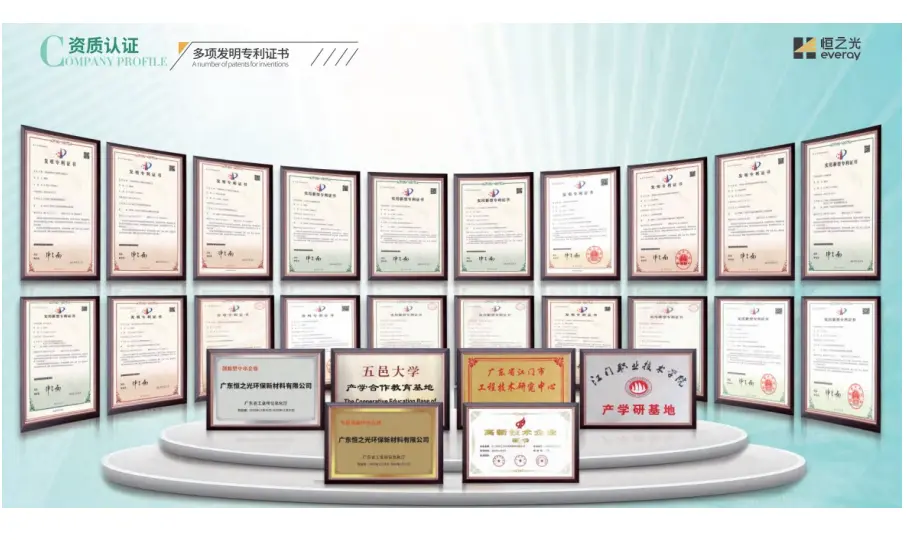
Over nearly two decades of technological accumulation, we have secured more than 10 invention patents and practical utility patents. Led by a specialist team of over 15 senior chemical engineers and materials scientists in our dedicated R&D division, we continuously deliver custom formulations that balance raw performance with economic feasibility, ensuring our global clientele stays ahead in a shifting industrial landscape.
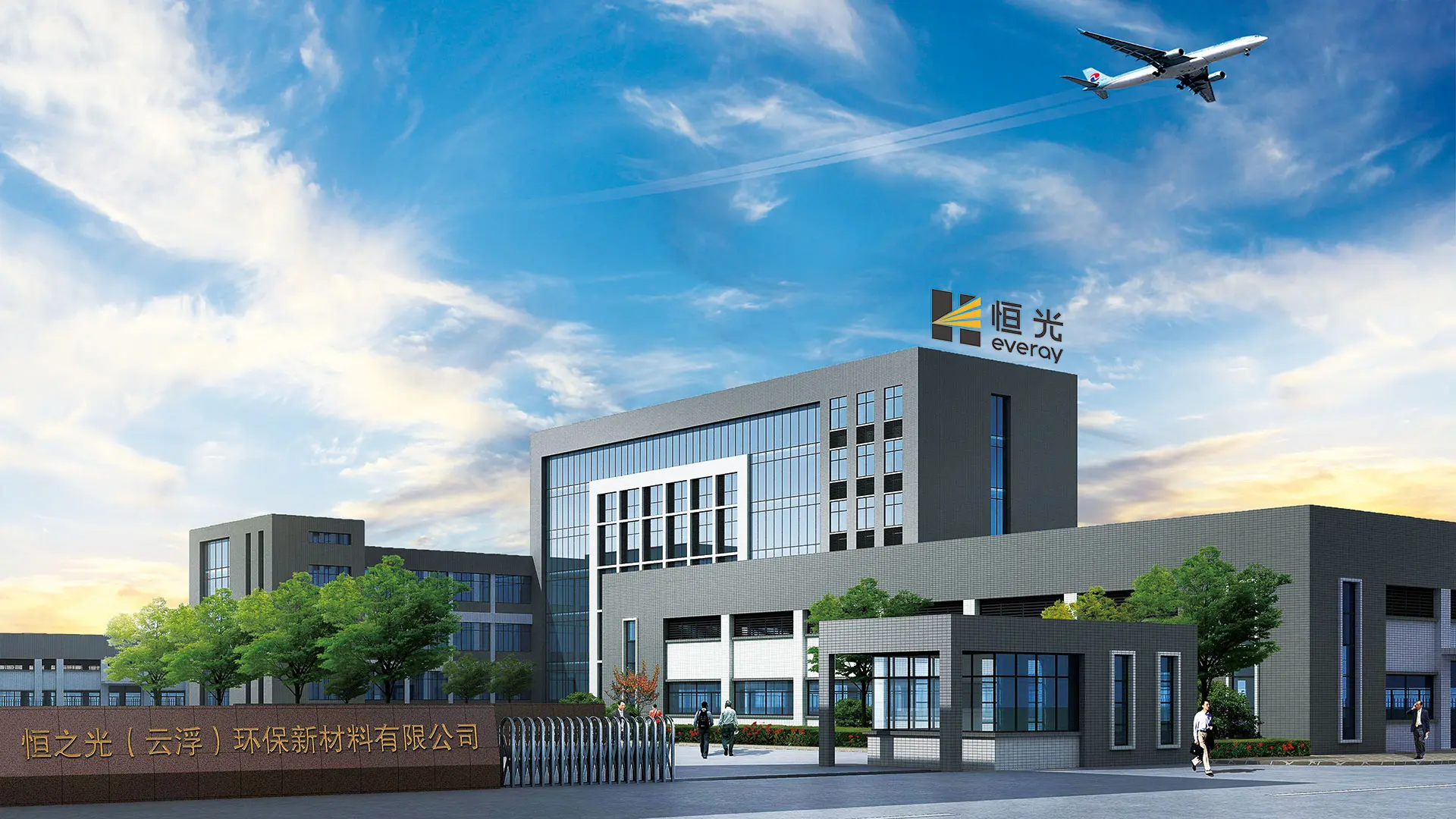
Operating dual production bases strategically located in Guangdong province, we achieve absolute consistency in chemical batch processing via fully integrated Distributed Control Systems (DCS).
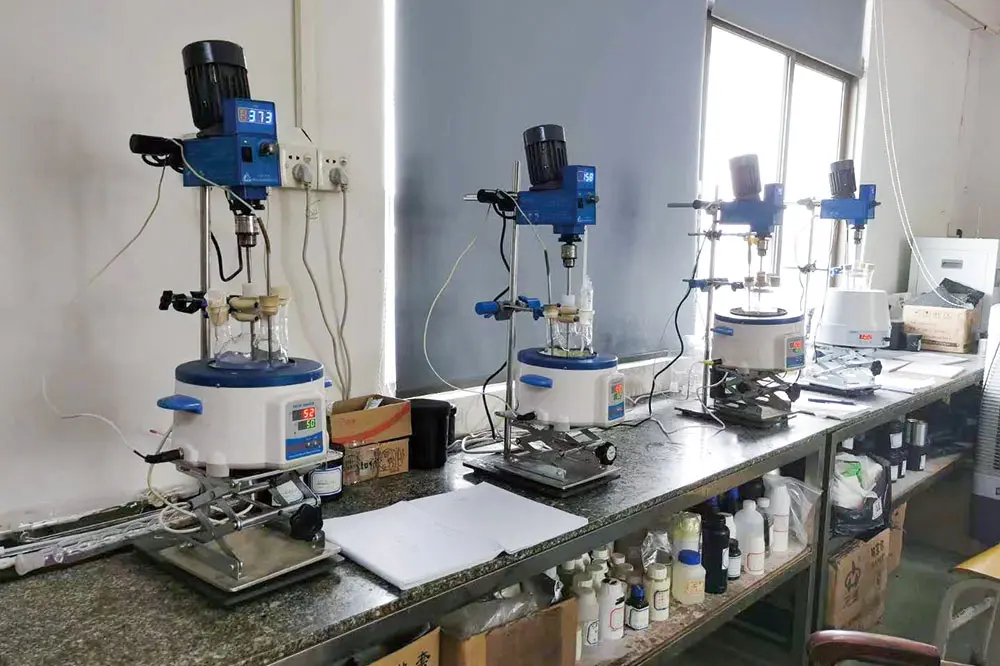
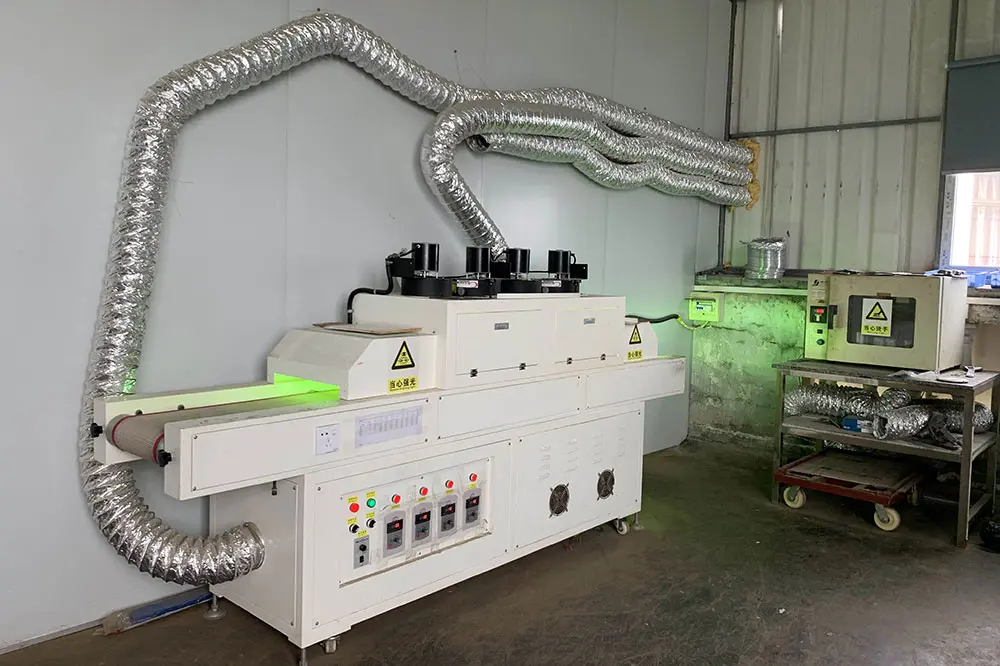
Covering an area of 10,000 square meters, our Jiangmen facility serves as our agile, high-precision manufacturing hub. It specializes in tailored chemical modifications and pilot testing lines that allow us to customize oligomers to exact customer mechanical requirements with rapid turnaround times.
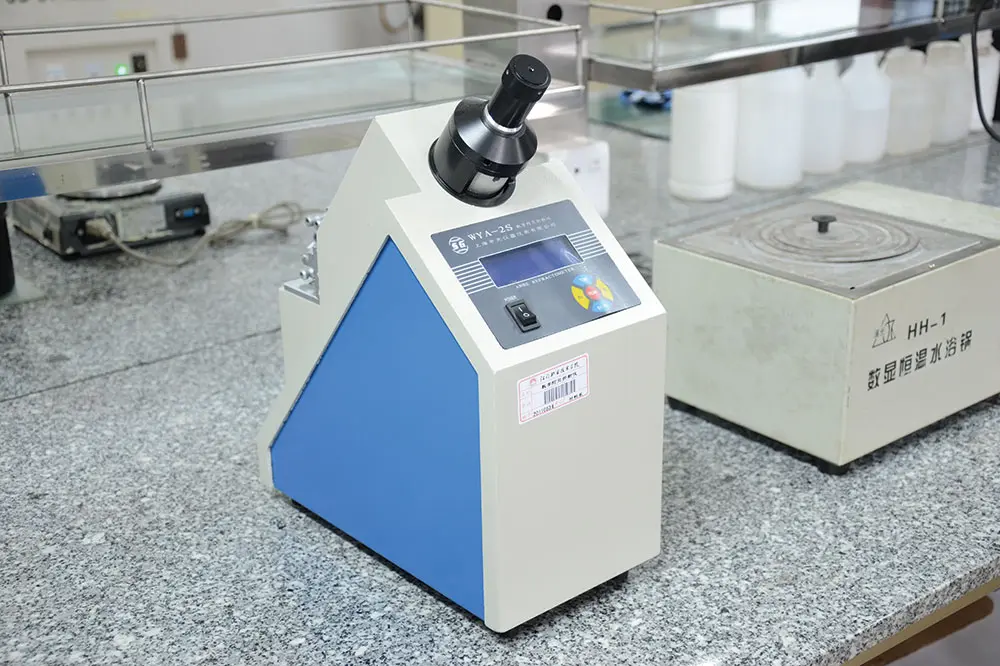
Spanning 40,000 square meters, our Yunfu base is built for massive scale. Complete with sophisticated quality control units, large-capacity storage, and streamlined global logistics nodes, this plant operates continuous production streams designed to fulfill large-volume international supply agreements.
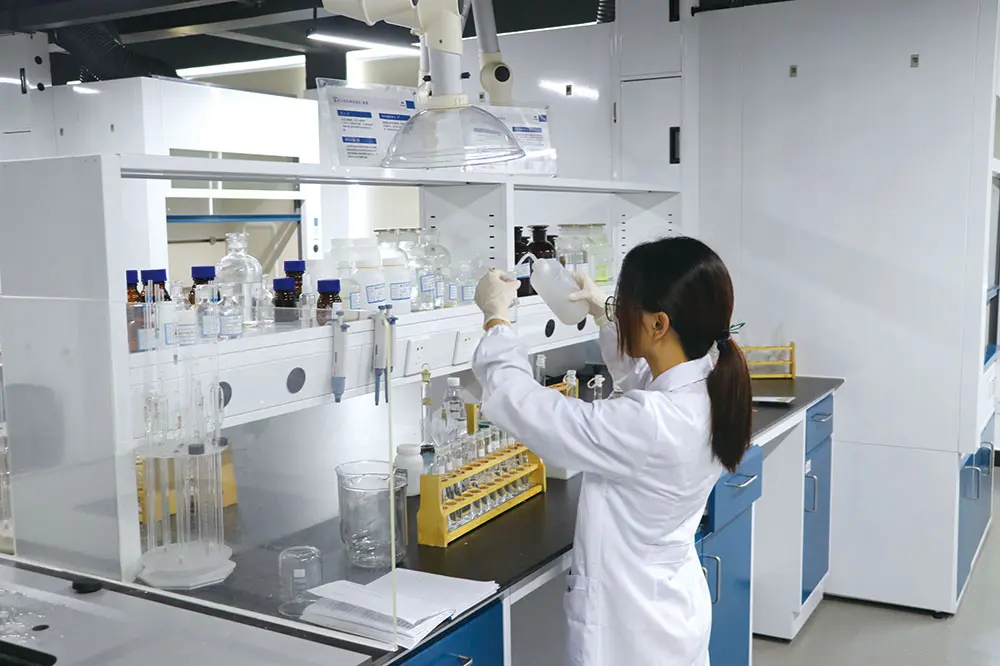
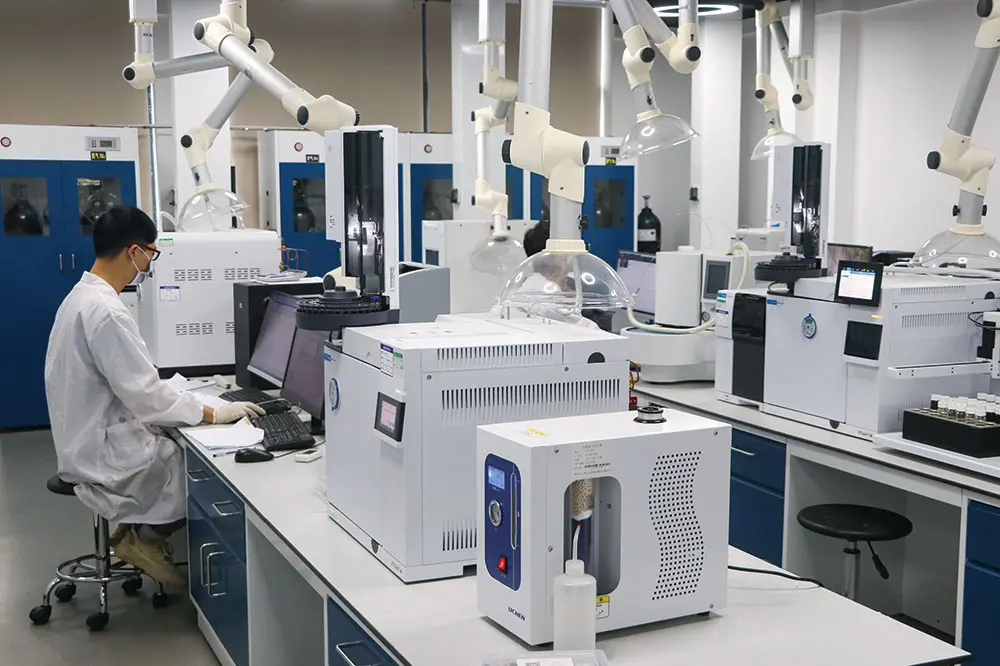
To ensure stability across high-volume production, both plants operate strictly under the ISO9001 Quality Management System and the ISO14001 Environmental Management System. Fully computerized DCS platforms monitor critical process parameters (temperature, pressure, and monomer addition rates) in real-time, eliminating human variance and ensuring that our oligomers maintain consistent viscosity and reactivity profiles from batch to batch. We purchase premium chemical feedstocks from verified domestic and international suppliers to uphold strict raw material quality standards.
The global 3D printing market is shifting rapidly from low-volume prototyping to mass industrial production. In this transition, ABS-like photopolymer resins have emerged as the material of choice for engineering-grade applications. Standard acrylic resins often suffer from brittleness and high shrinkage, which makes them unsuitable for functional testing. ABS-like photopolymer systems, however, are formulated to replicate the mechanical toughness, impact resistance, and elongation at break of traditional Acrylonitrile Butadiene Styrene (ABS) thermoplastics.
According to industrial market analyses, demand for ABS-like resins is rising at a compound annual growth rate (CAGR) of over 18%. This growth is driven by the automotive, consumer electronics, medical device, and industrial design sectors. Modern SLA, DLP, and LCD 3D printers require resins that cure quickly and produce parts with excellent dimensional stability. Because of this, factories must source oligomers that offer the right balance of viscosity, curing speed, and post-cure mechanical properties.
Currently, Asia-Pacific leads global production capacity, with Guangdong serving as a central hub for raw material synthesis and chemical export. European and North American markets are also seeing high demand for these materials. These regions require strict adherence to environmental standards like REACH and RoHS, which has led to a growing focus on low-VOC, waterborne, and bio-based UV oligomers.
Achieving "ABS-like" properties in a photopolymerized network requires precise control over molecular design. Standard acrylate monomers polymerize into highly cross-linked networks that are brittle and prone to shattering under stress. To solve this, chemical formulators combine specific oligomer families to achieve the optimal balance of stiffness and elasticity:
These oligomers act as the primary elastomeric backbone. The urethane linkages introduce hydrogen bonding within the cured network, allowing the material to absorb mechanical energy and deform under impact without fracturing, which yields high elongation at break.
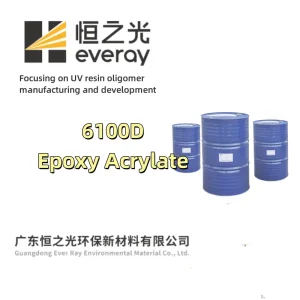
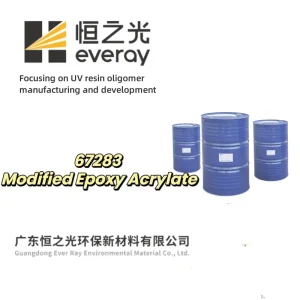
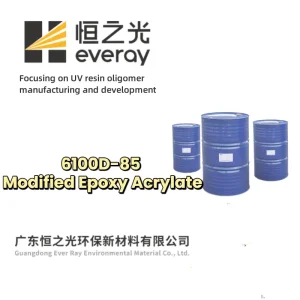
Epoxy acrylates provide the necessary rigidity, surface hardness, and tensile strength. Our modified epoxy acrylates, such as the 6100D and 92001 series, provide fast curing speeds, high gloss, and chemical resistance, which prevents the printed parts from sagging or losing their shape over time.
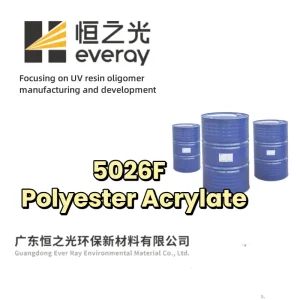
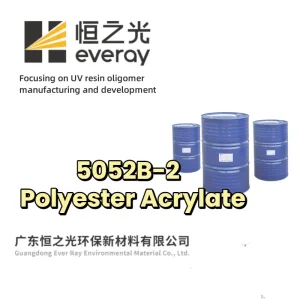
Volume shrinkage during UV curing can lead to warpage and internal stresses. Incorporating low-viscosity polyester acrylates like our 5026F or 5052B-2 reduces shrinkage, ensuring sharp edge definition, high resolution, and dimensional accuracy in the final printed part.
| Mechanical Metric | Standard Acrylic Resin | ABS-Like Photopolymer Resin | Target Thermoplastic ABS |
|---|---|---|---|
| Tensile Strength (MPa) | 30 - 45 | 50 - 65 | 40 - 50 |
| Elongation at Break (%) | 2% - 8% | 15% - 35% | 20% - 50% |
| Flexural Modulus (GPa) | 1.5 - 2.0 | 2.2 - 2.8 | 2.1 - 2.6 |
| Impact Strength (J/m) | 15 - 25 | 35 - 55 | 100 - 300 |
| Heat Deflection Temp (°C) | 50 | 65 - 85 | 80 - 95 |
The UV oligomer and 3D printing resin industries are evolving rapidly, shaped by technological advancements and regulatory shifts. Key trends include:
ABS-like photopolymer resins are used across various regional markets to address specific engineering challenges:
Tier-1 automotive suppliers use ABS-like resins to print functional components like air ducts, dashboard mounts, and interior clips. These parts must undergo rigorous vibration and thermal testing, requiring materials that resist cracking under cyclical stresses.
Electronics hubs in Shenzhen, Seoul, and Tokyo use ABS-like resins to rapidly prototype cell phone housings, earbud casings, and remote control prototypes. The resin's low shrinkage and high surface gloss make it easy to paint or metal-plate, closely matching production-grade plastics.
Modern factories print custom manufacturing aids, assembly jigs, and drill guides on-site. ABS-like resins provide the mechanical durability needed to withstand daily workshop wear, while their chemical resistance prevents degradation from machine lubricants.
At Guangdong Ever Ray, we align our technology roadmap with global environmental targets. We believe that chemical manufacturing should support environmental sustainability:
Over the next five years, we plan to increase our R&D investment in bio-based oligomers, aiming to replace at least 30% of our standard petroleum derivatives with renewable alternatives. Our synthesis processes are designed to reduce wastewater generation and minimize energy consumption.
By adopting advanced DCS automation in our Yunfu and Jiangmen factories, we have reduced batch-to-batch scrap rates by 95%. This efficiency minimizes chemical waste and decreases the carbon footprint per ton of manufactured oligomer, helping downstream resin formulators meet their scope 3 emissions targets.
We understand that a single resin formulation cannot meet every industrial requirement. Some applications demand extreme flexibility, while others require high heat deflection or cost efficiency. Because of this, we offer tailored development programs for our global partners:
Different 3D printing technologies (SLA, DLP, LCD) have different viscosity requirements. We adjust oligomer molecular weights to optimize resin viscosity, improving layer separation and flow characteristics within the printer vat.
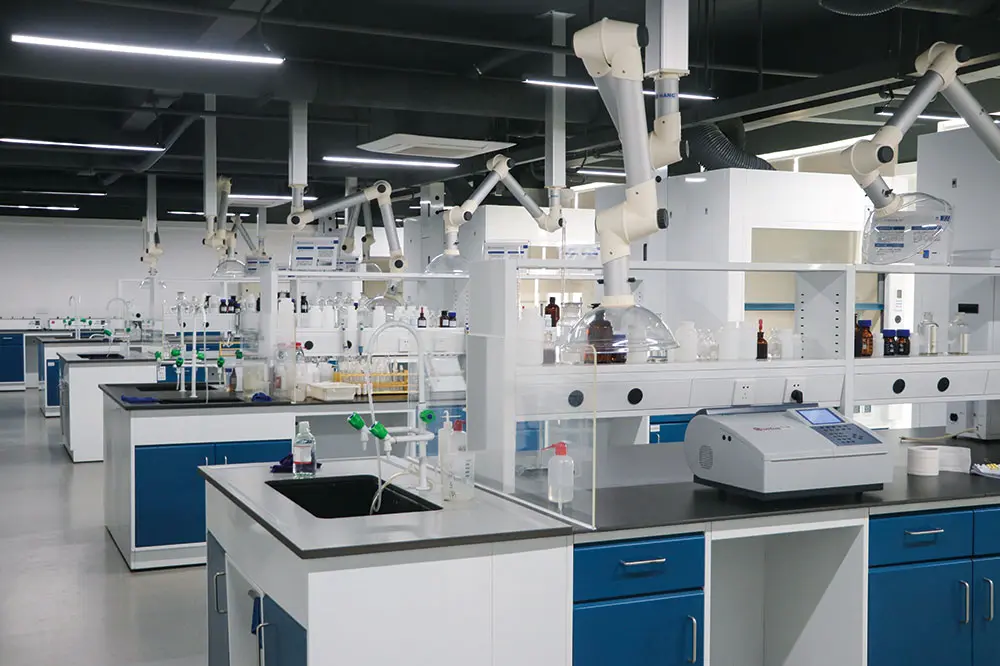
If your application requires specific tensile, flexural, or impact performance, our R&D lab can synthesize modified polyurethane or epoxy acrylates to meet those target properties.
We configure the reactivity of our oligomers to match specific UV wavelengths (typically 385nm or 405nm) and light intensities. This ensures clean curing and minimal run time per layer.
 Ever Ray