Explore our primary portfolio of ultra-purified acrylates and specialized oligomers custom-formulated to maximize UV/LED cure response, reduce shrinkage, and optimize substrate adhesion.
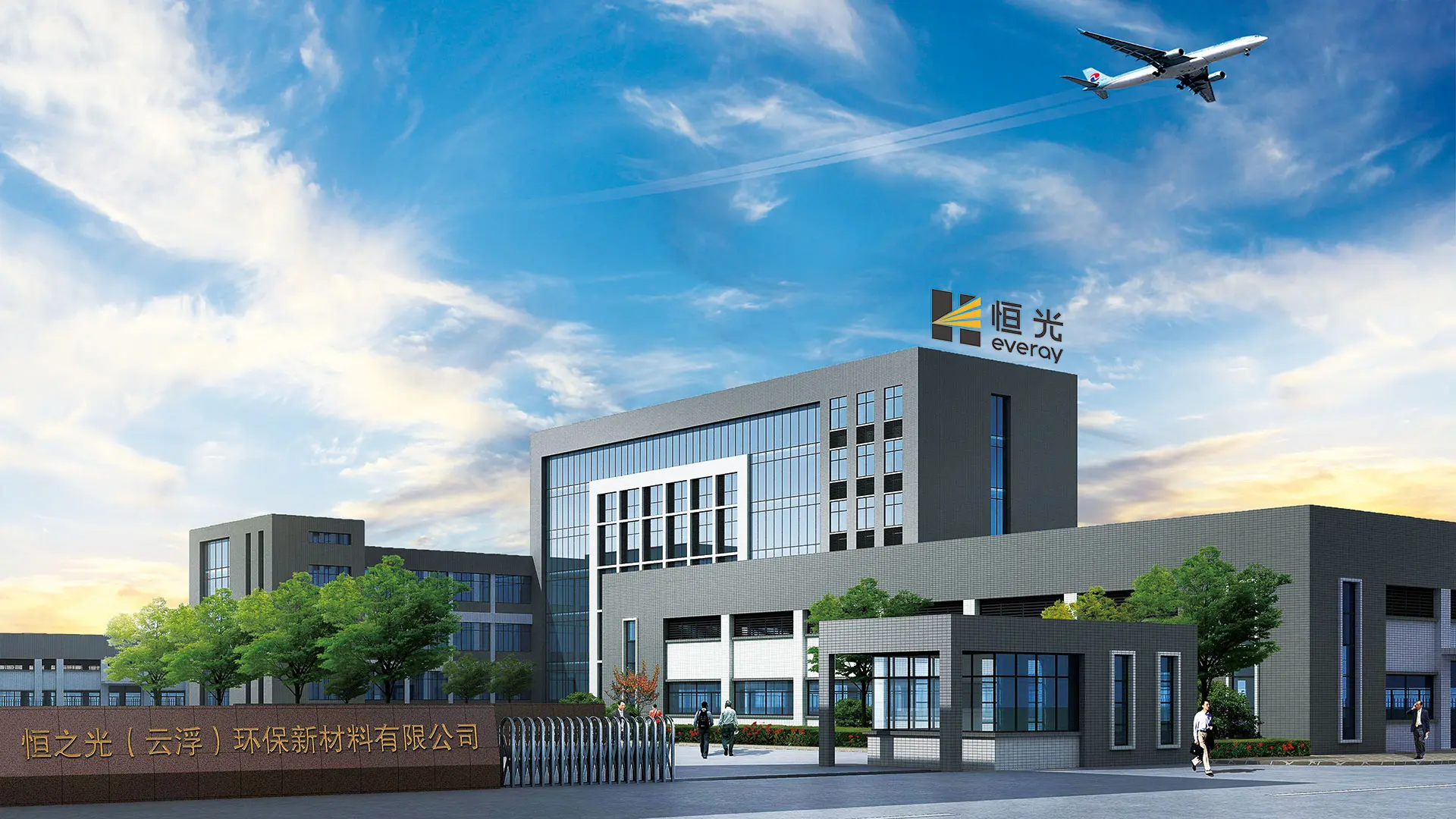
Guangdong Ever Ray Environmental Material Co., Ltd., established in 2006, is a premier high-tech enterprise dedicated entirely to the research, development, and high-capacity manufacturing of high-performance oligomers for UV/LED curable resins. Our expertise spans a comprehensive chemistry profile including epoxy acrylate, polyurethane acrylate (waterborne, aliphatic urethane, aromatic urethane), polyester acrylate, pure acrylate, and other special functional modified acrylate oligomers.
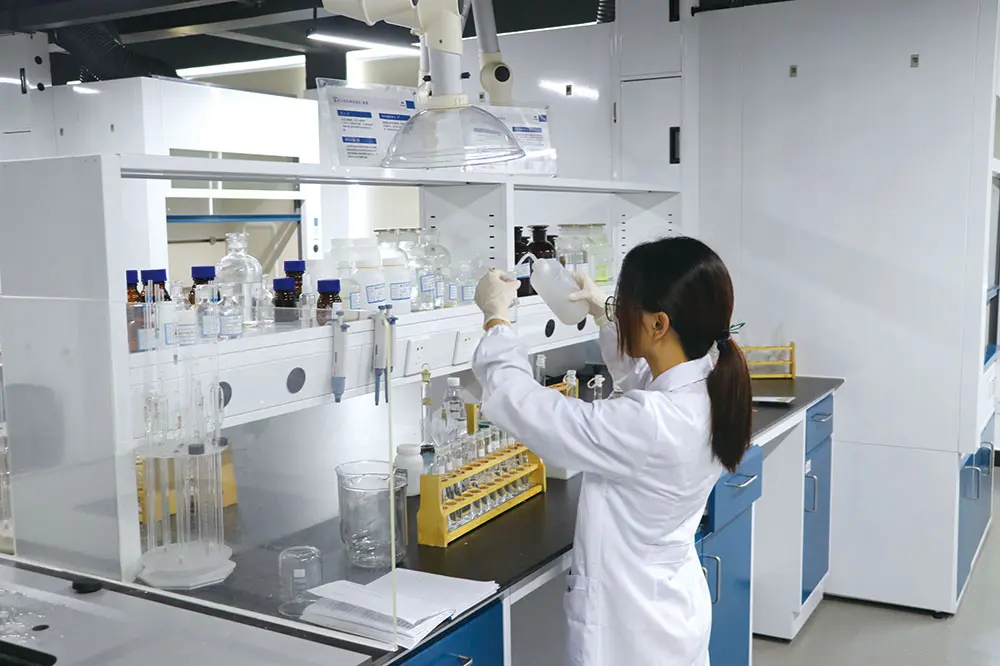
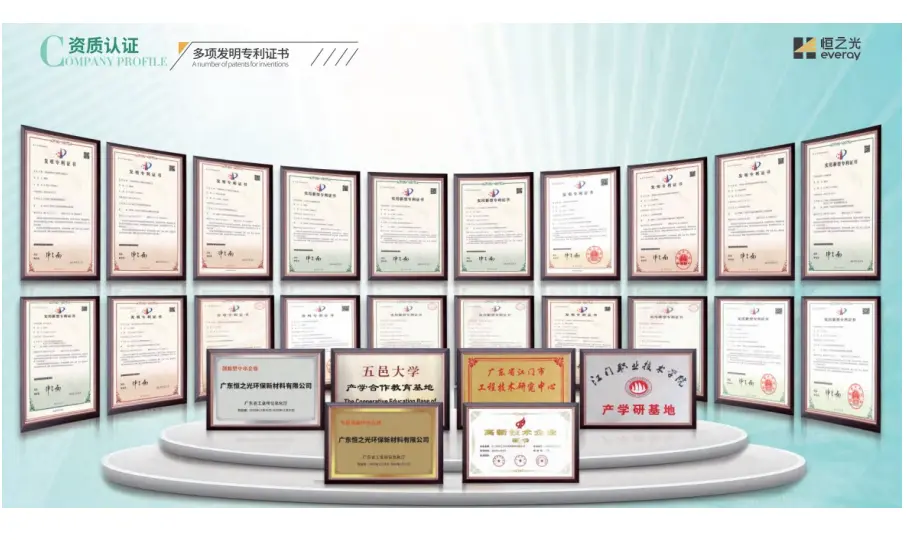
Backed by more than 10 invention patents and practical utility patents, our R&D department features a dedicated team of over 15 senior technicians. We focus on engineering high reactivity, superior chemical resistance, and exceptional gloss for formulation stability in wood coatings, plastic varnishes, packaging inks, and high-performance adhesives.
We firmly believe that advanced science and green manufacturing should coexist. By keeping technology and environmental protection in harmony, we drive down VOC emissions and optimize energy use, helping our global partners transition smoothly toward sustainable green operations.
To support high-volume manufacturing demands and secure supply chain resilience, we run two manufacturing bases in Guangdong Province:
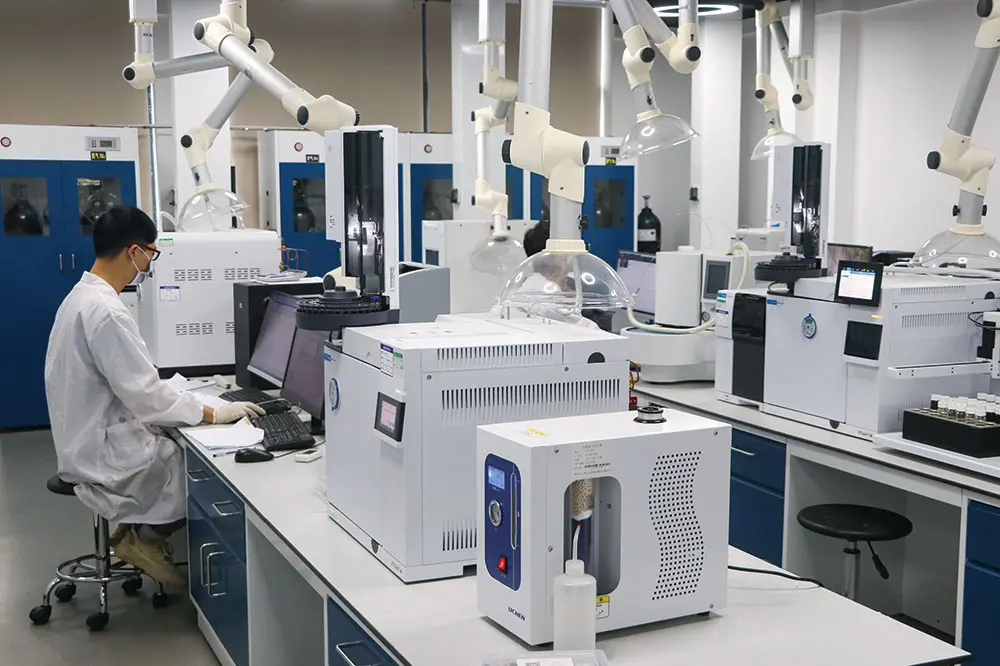
Both manufacturing facilities operate under strict compliance with the ISO9001 Quality Management System and the ISO14001 Environmental Management System. We deploy an advanced DCS fully computerized process control system to monitor critical reaction dynamics (temperature, pressure, feed rates) in real-time, assuring exceptional batch-to-batch consistency and minimizing safety hazards.
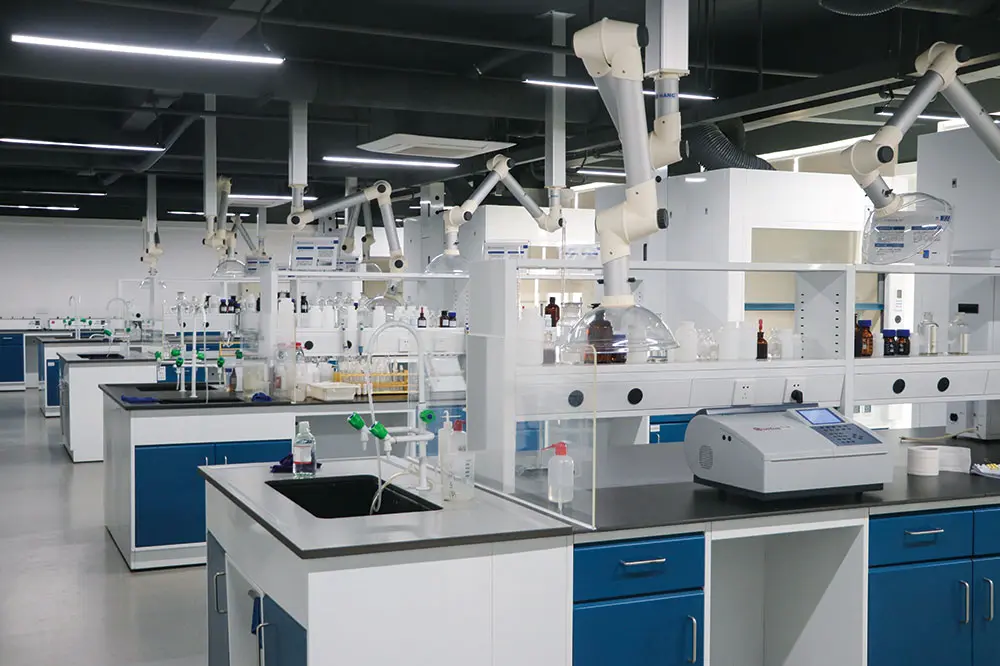
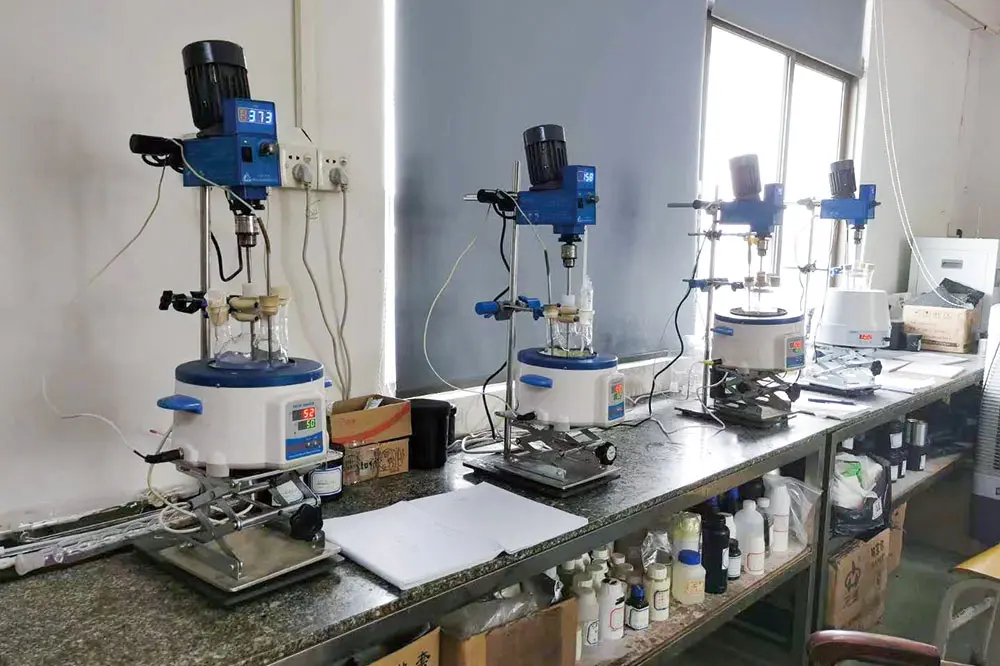
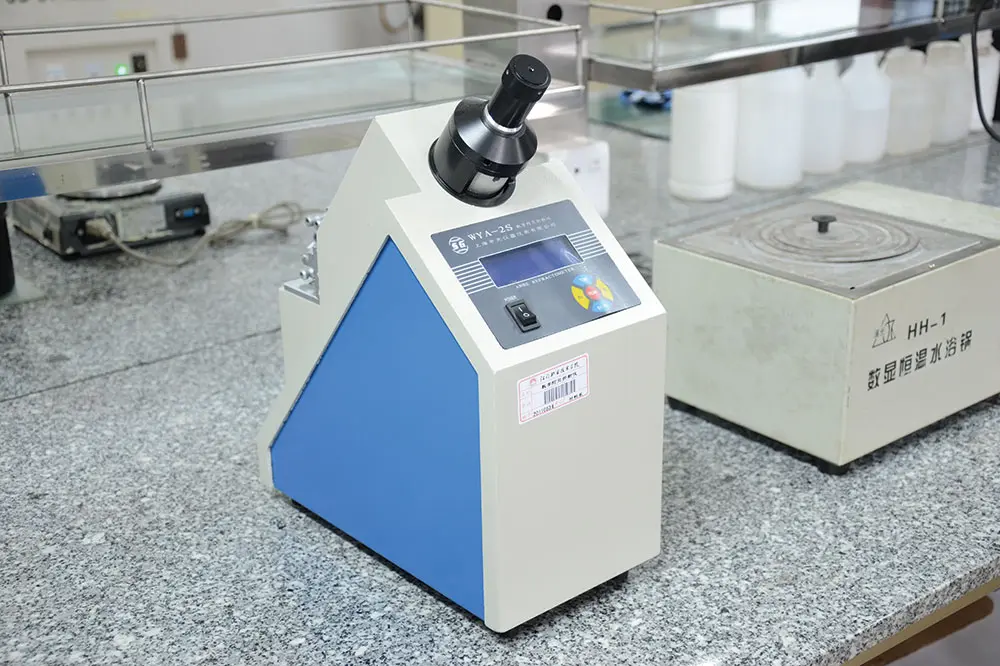
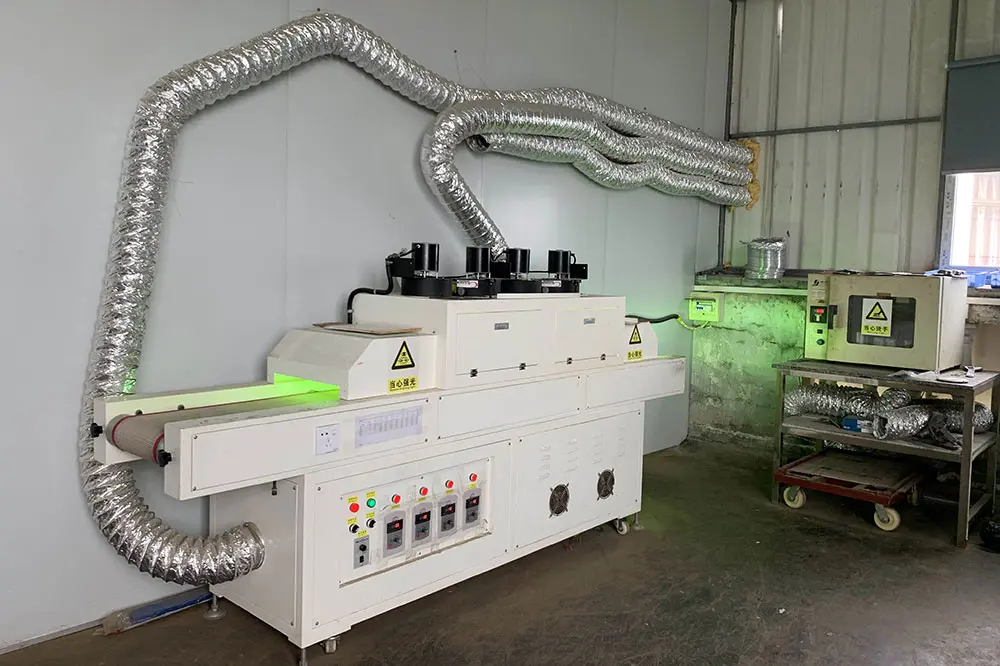
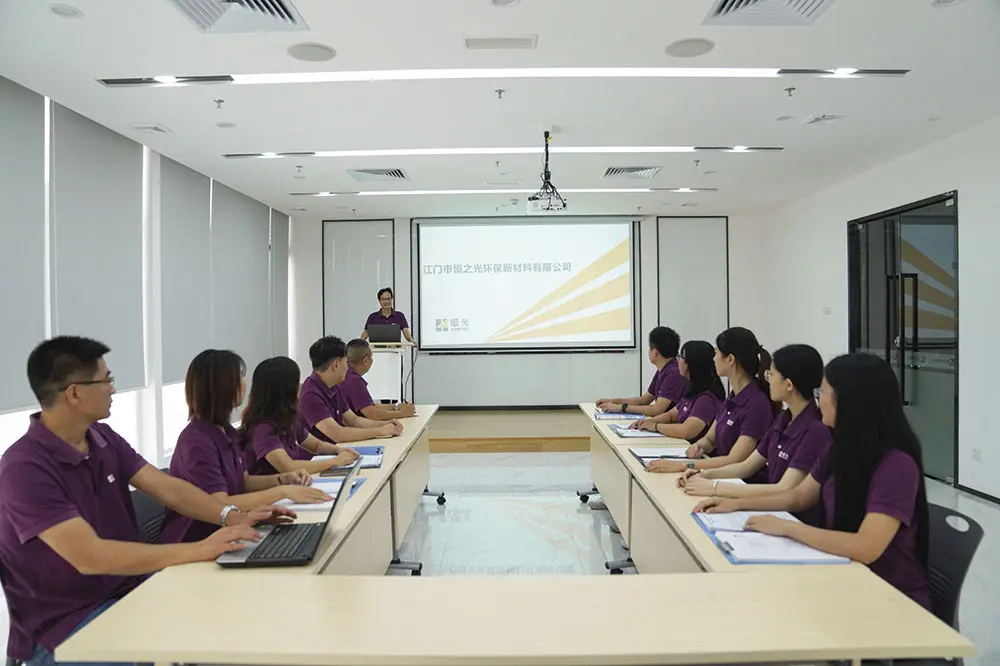
The global industrial landscape is transitioning rapidly from conventional solvent-borne thermal curing to radiation-curable systems. This evolution is propelled by stringent global environmental regulations, energy efficiency policies, and the operational demand for immediate line throughput. Radiation-curable resins (UV and LED) represent the pinnacle of this shift, offering cross-linking in fractions of a second without emitting Volatile Organic Compounds (VOCs).
Everay Environmental Material Co., Ltd. addresses the major bottlenecks of UV/LED formulation development: balancing shrinkage, controlling viscosity, and managing optical yellowing. By manufacturing our oligomers directly, we guarantee our clients complete traceability and raw material continuity. Our specialized acrylates and oligomers are engineered to target four macro-industrial segments:
A brief comparative overview of our core chemical lines based on performance metrics.
| Oligomer Type | Adhesion | Cure Speed | Flexibility |
|---|---|---|---|
| Epoxy Acrylate | High | Very Fast | Moderate |
| Polyester Acrylate | Good | Moderate | High |
| Urethane Acrylate | Excellent | Fast | Excellent |
The global demand for UV-curable resins is experiencing robust growth, driven by key markets in North America, the European Union, and the Asia-Pacific region. As regulatory bodies enforce strict restrictions on solvent emissions (such as the Clean Air Act in the US and VOC directives in Europe), industries must adapt. Radiation-curing processes consume up to 75% less energy than thermal drying ovens, directly helping enterprises reach their Scope 1 and Scope 2 carbon reduction goals.
By sourcing high-purity feedstocks domestically and globally, and using a fully integrated DCS-controlled process, Everay secures a consistent and reliable supply chain, avoiding the material shortages common in the chemical sector.
We serve formulations manufacturers across Europe, South America, and Southeast Asia. Our field application engineers assist clients with direct formulation adjustments, viscosity matching, and cure-speed optimization to suit local conditions.
All our custom oligomers are compliant with REACH and RoHS standards. We prioritize chemical safety, delivering materials that facilitate easier product registration and compliance for international brands.
Different industrial applications require specific molecular properties. For example, wood coatings require excellent scratch resistance and hardness, whereas metal and plastic varnishes demand elasticity and strong substrate adhesion. Our R&D team addresses these distinct requirements by modifying the backbone of our oligomers.
For base coats and top coats in UV vacuum electroplating, products like 7620 UV-curing Resin and 1730 UV Resin are engineered for fast curing and excellent adhesion. They prevent cracking during the thermal stress of metal deposition and protect the thin metallic layer from environmental wear.
Industrial wood coatings require low-viscosity resins that can penetrate porous surfaces while ensuring high-speed curing. Our 6100D-85 Epoxy Acrylate offers excellent cross-linking density, providing outstanding solvent resistance and surface hardness for parquet and commercial furniture.
Packaging and graphic arts demand high cure speeds and low odor. Resins like Polyester Acrylate 5332F and Epoxy Acrylate 92001 provide excellent pigment wetting and rheological behavior. This prevents misting on high-speed offset rollers while ensuring fast surface drying under standard UV systems.
| Oligomer Code | Primary Chemistry | Key Performance Features | Ideal Application |
|---|---|---|---|
| 5017 | Polyester Acrylate | Ultra-Low Odor, Very Low Shrinkage, Good Flexibility | UV Inks, High-Gloss Varnishes |
| 92001 | Epoxy Acrylate | High Reactivity, High Hardness, Excellent Tensile Strength | High-Efficiency Curing Systems, Overprint Varnishes |
| 61003A | Modified Acrylate | LED-UV Curing Efficiency, Excellent Surface Dry | LED-UV Packaging Inks, Film Coatings |
| 6271 | Modified Epoxy Acrylate | High Abrasion Resistance, Strong Non-Yellowing Performance | Protective Coatings, Structural Adhesives |
| 7620 | Special Urethane Acrylate | Excellent Adhesion to Non-porous Metals & Plastics | Base & Top Coat for Vacuum Electroplating |
| 6100D-85 | Epoxy Acrylate | Excellent Adhesion, Rapid Cure Response | Roller Coated Wood & Parquet Varnishes |
| 5332F | Polyester Acrylate | Excellent Pigment Wetting, High Lithographic Stability | Offset Inks, High-Speed Graphic Arts |
| 1730 | Modified Acrylate | High Cure Speed, Excellent Plastic Adhesion | Sputtering and Vacuum Metalizing Topcoats |
Operating a chemical manufacturing business requires strict adherence to international safety and environmental regulations. As an established global manufacturer, Everay provides comprehensive regulatory documentation and technical support to simplify your validation and certification processes.
We actively register our core oligomer structures to comply with the European Union's REACH regulation and the US Toxic Substances Control Act (TSCA), supporting seamless international imports.
Our manufacturing bases in Jiangmen and Yunfu operate under strict ISO quality and environmental systems. We utilize automated raw material dosing and real-time reactor monitoring to prevent contamination.
Every shipment is accompanied by a detailed Certificate of Analysis (COA) specifying viscosity, acid value, density, and cure response. Global SDS sheets in multiple languages are provided for safe handling.
As the radiation curing industry evolves, our R&D department continues to develop new products to meet emerging market trends:
We are increasing the renewable content in our resins by incorporating plant-derived dicarboxylic acids and polyols, reducing reliance on petroleum-based feedstocks without sacrificing curing speed or mechanical performance.
To help customers eliminate hazardous organic solvents, we are expanding our range of waterborne polyurethane acrylates. These offer low application viscosities and can be cleaned with water before curing.
LED-UV light sources (such as 365nm and 395nm wavelengths) emit less heat and consume less energy than traditional mercury lamps. We design our oligomers to match the emission spectrum of these LED arrays, ensuring complete curing even at high production speeds.
Precision 3D printing requires low-viscosity resins with minimal shrinkage. We are developing specialized oligomers for SLA/DLP systems that offer high definition, low warpage, and good mechanical properties.
Our technical team answers common questions from formulation chemists and production managers regarding performance, application, and handling.
Discover our specialized oligomers, formulated for offset printing, packaging varnishes, anti-fouling protective layers, and wood coatings.
 Ever Ray