Whitepaper: Deciphering the Frontier of Custom Resin Development & UV-Curable Oligomer Engineering
The modern chemical synthesis landscape is undergoing a paradigm shift, transitioning from standardized resin applications to high-precision, tailor-made molecular design. The core of this transition lies in custom resin development—specifically the customization of photopolymerizable oligomers. As performance requirements across consumer electronics, industrial manufacturing, packaging, and automotive coatings intensify, standard off-the-shelf resins often fail to deliver the delicate balance of surface hardness, flexible adhesion, chemical resistivity, and environmental sustainability required by state-of-the-art curing systems.
This deep-dive analysis serves as a comprehensive technical guide to custom resin development, exploring chemical design methodologies, industrial requirements, global compliance parameters, and manufacturing innovations that support modern global supply chains.
1. The Chemistry Matrix: Custom Polyurethane, Epoxy, and Polyester Acrylates
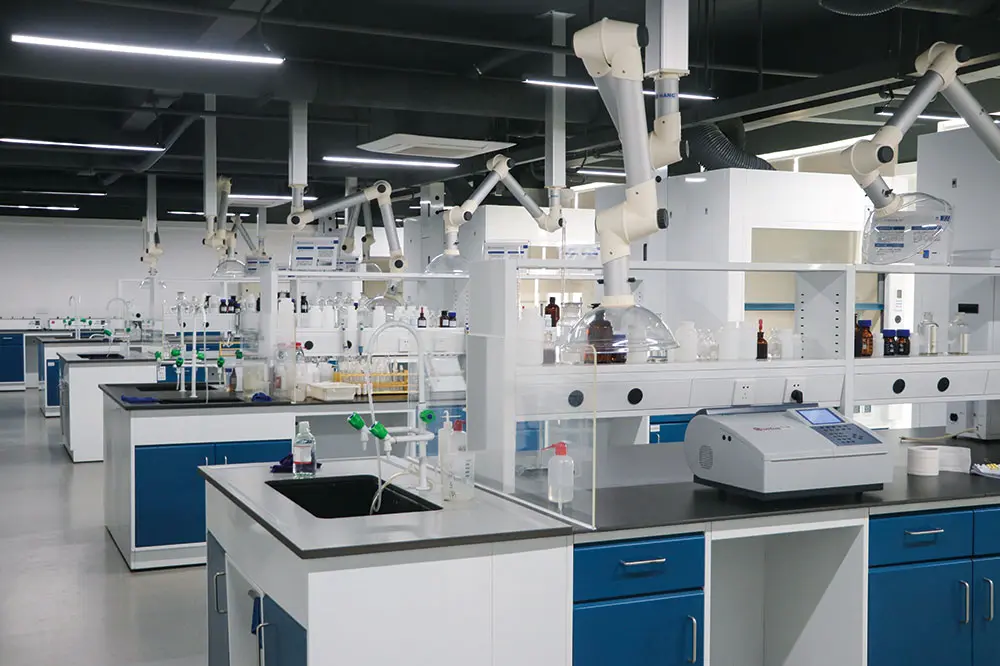
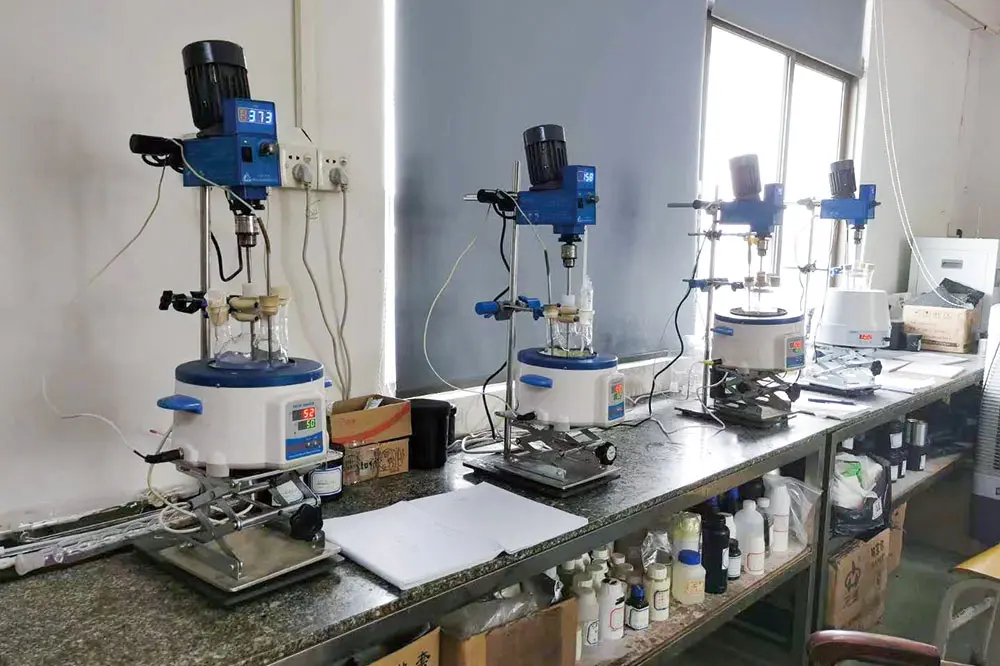
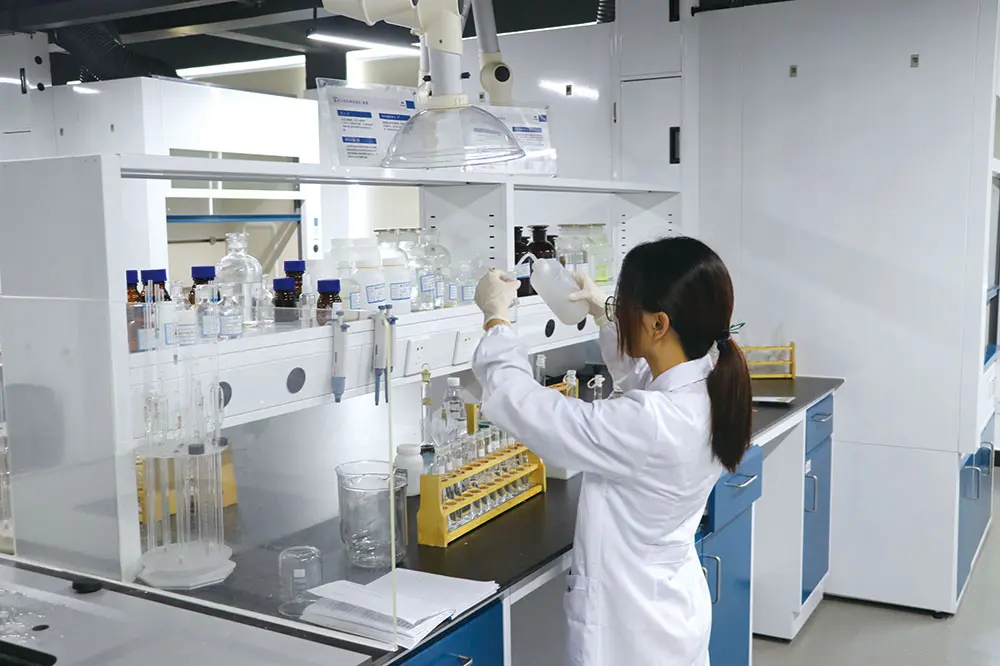
Developing custom photopolymers demands precise control over the polymer backbone structure. Oligomers act as the skeleton of UV-curable coatings, inks, and adhesives, deciding the ultimate mechanical and physical qualities of the cured film. Below, we break down the primary structural classes engineered within our advanced research laboratories.
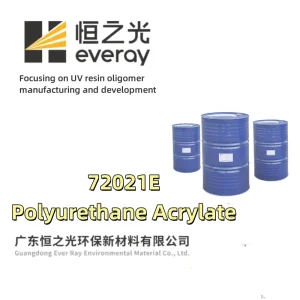
Polyurethane Acrylates (PUA)
Formulated through the reaction of diisocyanates, polyols, and hydroxyl-functional acrylates, our custom PUAs offer unparalleled flexibility, impact strength, and weather resistance.
Aliphatic PUAs: Excellent yellowing resistance and optical clarity, ideal for outdoor protective laminates and electronics.
Aromatic PUAs: Cost-effective, offering exceptional hardness and rapid cure speeds for indoor applications.
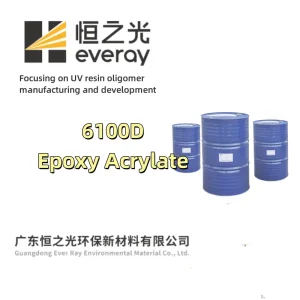
Epoxy Acrylates (EA)
Characterized by high curing speeds, superior hardness, and excellent chemical resistance. Custom modifications mitigate native brittleness while enhancing substrate adhesion.
Bisphenol A Epoxy Acrylates: Standard for paper, wood, and metal varnishes, providing high gloss.
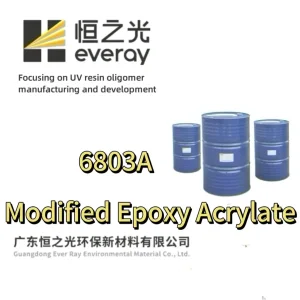
Modified Epoxy Acrylates: Blended to improve flexibility and decrease volume shrinkage.
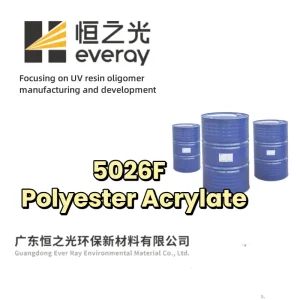
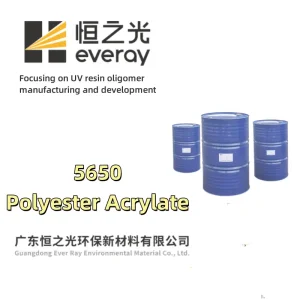
Polyester Acrylates (PEA)
Providing a valuable equilibrium between viscosity, flexibility, and pigment wetting capabilities. Widely utilized in high-performance printing ink formulations.
2. Strategic Demands of Global Corporate Procurement
For international industrial operations, procurement is not merely an exchange of commodities; it is a strategic partnership centered around quality security, long-term supply resilience, and custom integration. Enterprise buyers look for resin manufacturers who can provide customized solutions rather than simple catalogue items.
Critical Strategic Indicators for Enterprise Purchasing Directors:
Batch-to-Batch Consistency: Ensuring that complex polymer properties (viscosity, molecular weight distribution, and refractive index) remain identical across multi-ton shipments.
Tailored Viscosity Control: Adjusting molecular weight profiles to match unique application techniques such as slot-die coating, spray application, flexographic, or gravure printing.
Cure Speed Optimization: Engineering oligomers to react under specific light sources, including conventional mercury lamps or energy-efficient LED-UV curing systems (e.g., 365nm, 395nm wavelengths).
About Guangdong Ever Ray Environmental Material Co., Ltd.
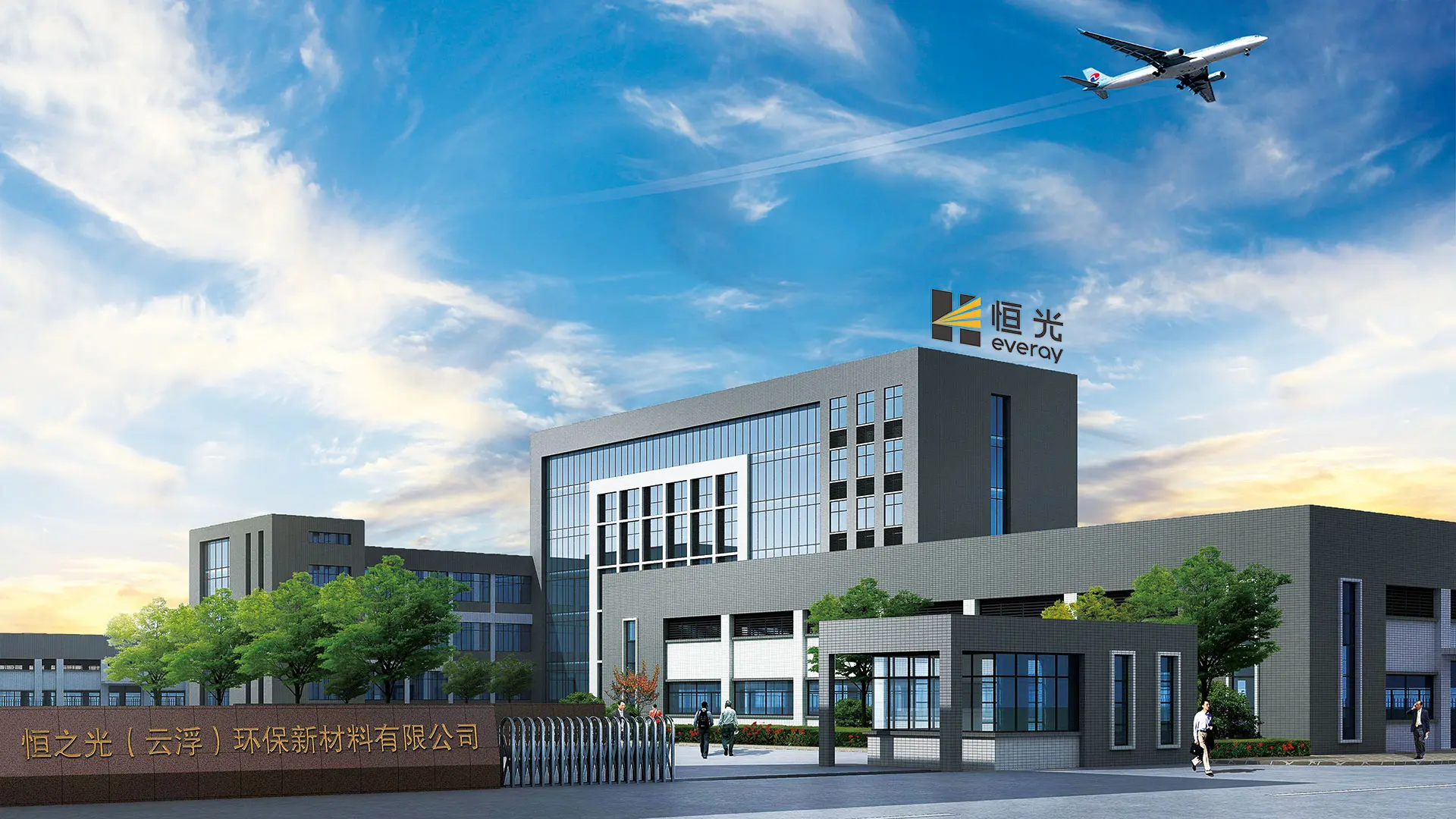
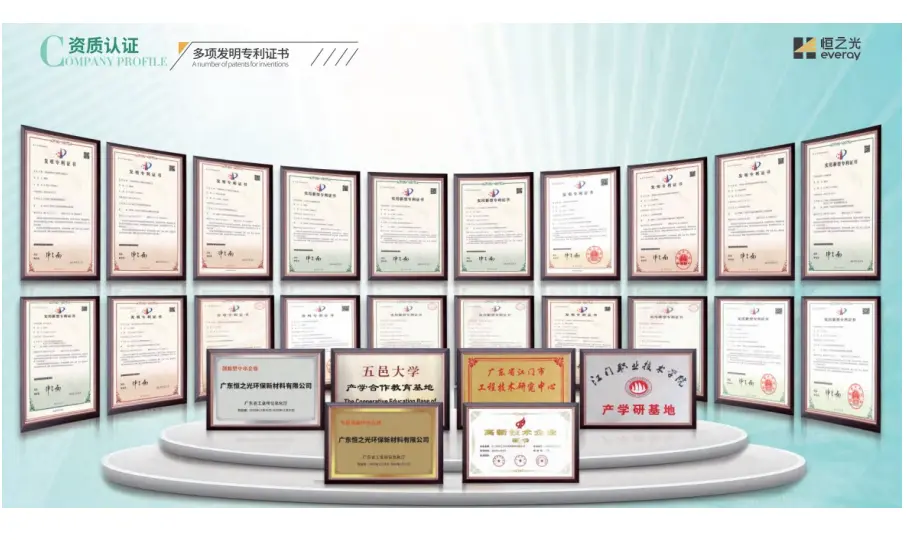
Established in 2006, Guangdong Ever Ray Environmental Material Co., Ltd. is a premier high-tech enterprise dedicated to the R&D and manufacturing of high-performance oligomers for UV-curable systems. Our extensive product portfolio comprises advanced epoxy acrylates, polyurethane acrylates (including waterborne, aliphatic urethane, and aromatic urethane), polyester acrylates, pure acrylates, and special functional modified acrylate oligomers designed to solve complex industrial issues.
By focusing on the harmony of technology and ecological protection, Ever Ray actively promotes science and technology as the fundamental driving force for modern green development, striving for sustainable high-efficiency living environments worldwide.
Dual-Base Manufacturing and Production Capacity
To ensure continuous supply security and fast order fulfillment, Ever Ray manages two advanced manufacturing bases in Southern China:
Jiangmen Production Base (Guangdong): Spanning approximately 10,000 square meters, focused on precision specialty products and trial runs.
Yunfu Production Base (Guangdong): A massive 40,000-square-meter state-of-the-art facility designed for high-capacity industrial production.
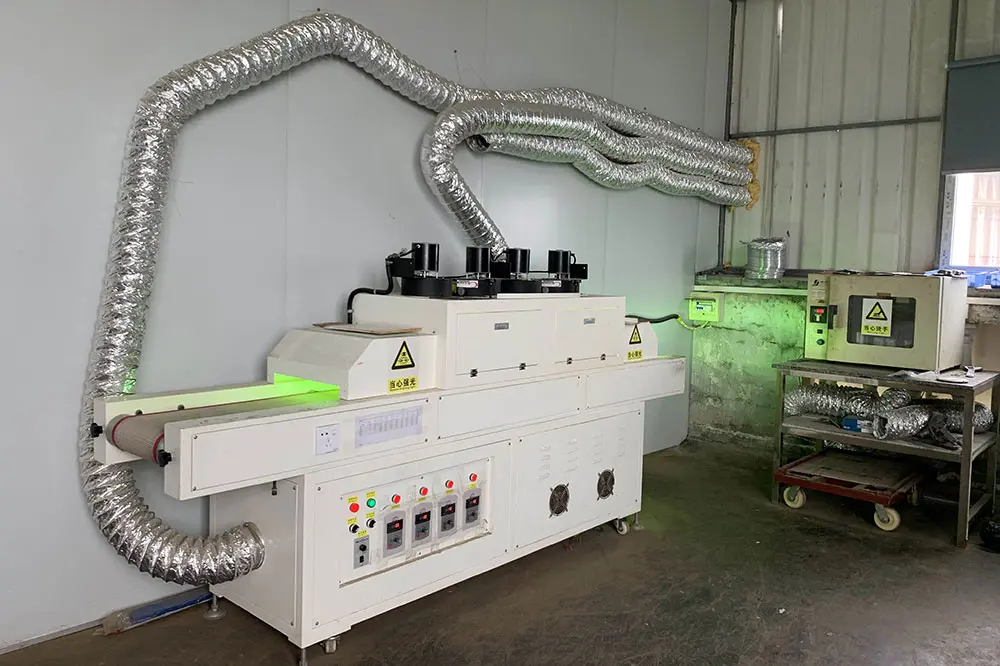
Equipped with more than 10 modern production lines controlled via a flexible, advanced DCS computerized control system, our combined annual production capacity exceeds 20,000 tons. High-quality domestic and foreign raw materials, advanced production methods, and strategic guidance from leading domestic UV material experts guarantee batch safety and stable physical properties.
3. The Chinese Chemical Supply Chain Advantage
Working with a China-based custom resin manufacturer like Ever Ray offers substantial strategic advantages. China’s chemical manufacturing ecosystem provides unparalleled structural and operational efficiencies that directly benefit global buyers.
Raw Material Integration
Proximity to major global upstream producers of acrylic acid, polyols, and isocyanates ensures stable component access, eliminating long transit delays and minimizing manufacturing disruptions.
Economies of Scale
Highly optimized dual production facilities in Jiangmen and Yunfu translate directly into cost-competitive pricing structure, enabling buyers to optimize their bottom line without sacrificing quality parameters.
Agile Prototyping
Supported by 15+ dedicated in-house technicians, Ever Ray can rapidly adjust chemical formulations, create sample batches, and scale production at a pace that matches modern fast-evolving markets.
4. Localized Support & Global Regulatory Compliance
For international manufacturers, raw material regulatory safety is paramount. Ever Ray operates in strict adherence to global safety protocols, ensuring seamless integration into foreign domestic production cycles.
Our facilities run under the strict guidance of the ISO9001 Quality Management System and ISO14001 Environmental Management System. This ensures that every manufactured oligomer complies with international ecological frameworks. We assist our global clients with REACH registrations, TSCA documentation, and RoHS certifications, offering safety datasheets (SDS) in multiple languages to facilitate customs clearing and local warehouse management.
Direct Engineering Support
We do not just ship resin; we send solutions. Our customer support engineers collaborate directly with your technical departments, helping to troubleshoot cure failures, substrate delamination, or processing challenges on-site or via virtual consultation.
5. Future Trends in Custom UV Resin Synthesis
The UV curing industry is moving rapidly toward sustainable, high-efficiency chemistry. Understanding these trends helps formulation engineers design next-generation products:
Bio-Based Oligomers: Incorporating renewable raw materials (derived from vegetable oils or biomass) to reduce dependence on fossil fuels without losing mechanical performance.
Low-Migration Formulations: Crucial for food packaging applications, where oligomer and photoinitiator fragments must not migrate into foodstuffs.
Dual-Cure Systems: Combining UV-curing with moisture or thermal-curing mechanisms to ensure complete curing in shadowed areas of 3D objects or opaque coatings.
LED-UV Compatible Materials: Designing oligomers with high absorption profiles in the longer wavelength regions to accommodate cooler, safer LED light systems.
Frequently Asked Questions (FAQ)
Expert insights into selecting, customizing, and applying our UV-curable resins.
What is your typical lead time for a custom resin formulation?
Custom resin development generally begins with a detailed application assessment. Lab-scale prototyping takes 1 to 2 weeks, followed by customer evaluation. Once approved, pilot-scale formulation and initial commercial batches can be shipped within 3 to 4 weeks.
How does Ever Ray guarantee batch-to-batch quality stability?
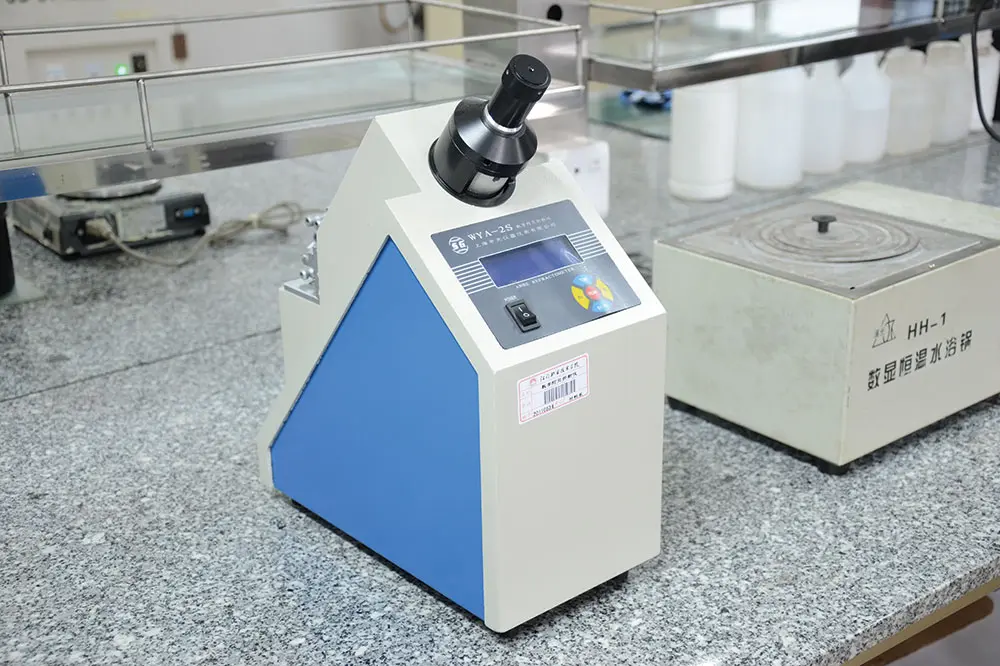
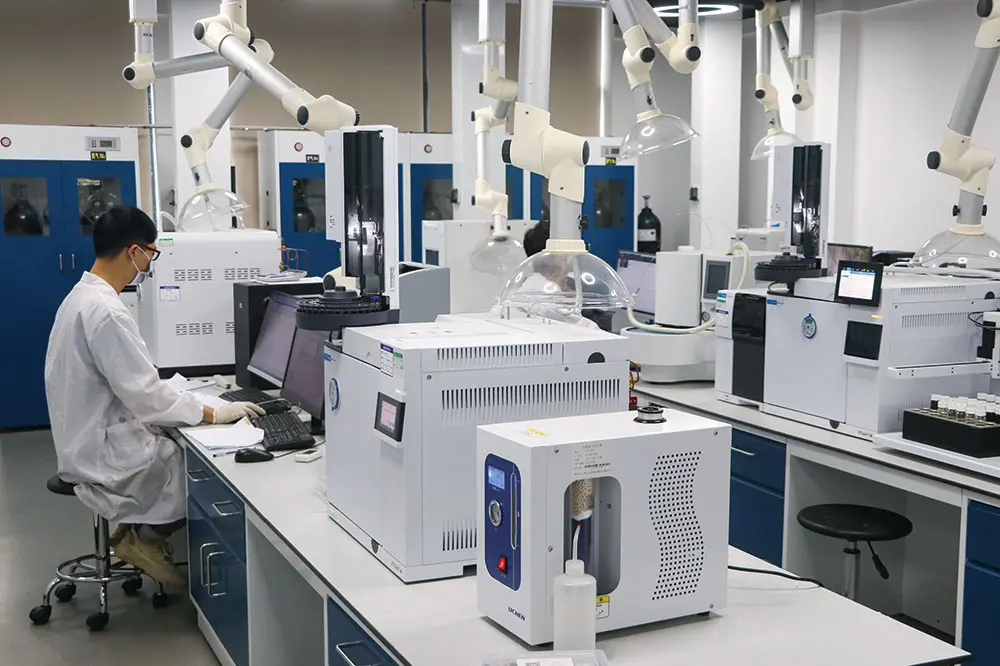
Quality stability is controlled through our DCS fully computerized manufacturing system. This advanced configuration ensures precise temperature, feed rates, and pressure during synthesis. Additionally, each batch is verified against tight specification limits for viscosity, color index, cure speed, and acid value before leaving our QC laboratory.
Do you support low-yellowing applications?
Yes. We specialize in aliphatic polyurethane acrylates (such as our weather-resistant PSA adhesives) specifically engineered to resist UV degradation, offering excellent color index retention and low yellowing profiles, making them suitable for long-term outdoor use.
Can you modify resins to lower viscosity without adding monomers?
Yes. We design hyperbranched polyester acrylates and modified oligomers that maintain low molecular viscosity. This enables formulators to reduce reliance on volatile monomer diluents, minimizing odor, skin irritation, and shrinkage issues.
Are your products compliant with global environmental standards like RoHS and REACH?
Absolutely. Guangdong Ever Ray operates under ISO14001 guidelines. Our materials are designed to be low-VOC or VOC-free, compliant with RoHS restrictions, and we provide comprehensive regulatory support to meet local requirements in regions like Europe, North America, and Southeast Asia.
Extended Performance Product Portfolio
Discover specialized acrylates designed for demanding industrial applications.
 Ever Ray