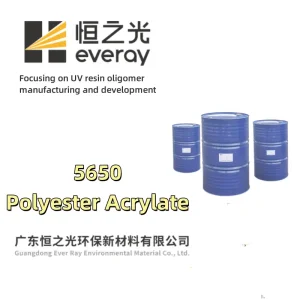
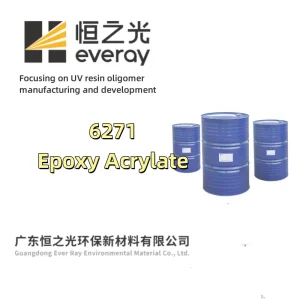
Explore our elite selection of UV-curable prepolymers designed for rapid photopolymerization, unmatched durability, and excellent substrate wetting characteristics.
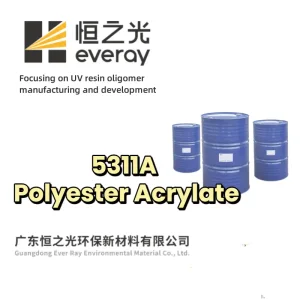
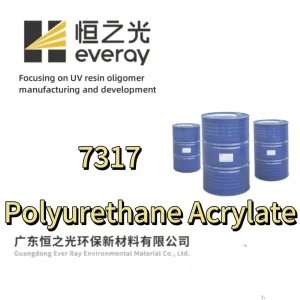
Understanding Molecular Mechanics, Ring-Opening Polymerization, and High-Build Coating Kinetics.
Epoxide resins, characterized by their highly reactive three-membered oxirane ring systems, represent the structural foundation of modern industrial coatings, structural adhesives, and photopolymerizable printing inks. Through advanced catalytic processes, these cyclic ethers undergo ring-opening reactions when subjected to protonic acids or nucleophiles, leading to ultra-dense, crosslinked macromolecular matrices. The resultant networks are globally renowned for their unparalleled mechanical strength, excellent thermal stability, and exceptional chemical resistance profile.
When functionalized with acrylic acids, standard epoxide structures transform into Epoxy Acrylate Oligomers. This conversion merges the robust mechanical properties of the epoxide backbone with the extremely fast curing speed of free-radical ultraviolet (UV) curing systems. The result is a hybrid class of prepolymers that cure within milliseconds under industrial UV lamps, bypassing traditional thermal baking cycles, dramatically reducing energy footprints, and omitting the need for hazardous volatile organic compound (VOC) solvents.
Transitioning toward green chemistry, modern R&D is focused on synthesizing bio-derived epoxides, such as Epoxidized Soybean Oil Acrylate (ESBOA). These raw materials minimize petrochemical reliance while providing flexible, non-toxic properties for consumer goods packaging.
Developing dual-cure and hybrid polymerization chemistries that combine free-radical UV curing with cationic epoxide curing. This dual action alleviates oxygen inhibition issues on the surface while ensuring deep cure profiles in shadowed areas.
Incorporate functionalized nano-silica and graphene platelets directly into the epoxide resin matrix to enhance optical clarity, chemical block resistance, and structural impact strength for optoelectronic and screen-display applications.
How our customized epoxide and acrylate systems resolve critical engineering challenges across global manufacturing supply chains.
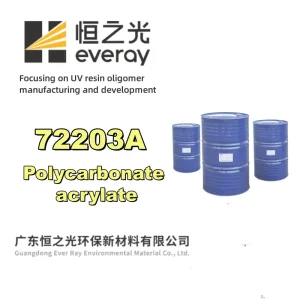
Automotive substrates require resilient coating solutions capable of withstanding thermal cycling and environmental stress cracking. Our polycarbonate and polyurethane modified acrylates supply automotive plastics with robust adhesion, high weathering stability, and reliable self-healing micro-elasticity.
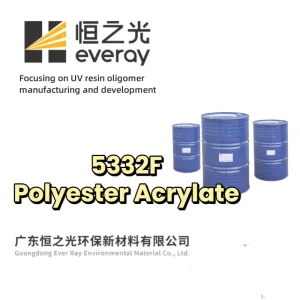
Modern offset and flexographic printing presses operate at speeds exceeding 400 meters per minute. Resins like our Polyester Acrylate 5332F deliver exceptional pigment dispersion, low ink misting tendencies, and immediate curing speeds under standard UV lamp configurations.
Industrial wood processing plants utilize roller coatings to achieve high-gloss varnishes. By integrating waterborne UV systems and modified epoxy acrylates, our products deliver deep wood grain wetting, high scratch resistance, and zero VOC emissions.
Advanced DCS Fully Computerized Production Infrastructure Ensuring Batch Consistency and Uncompromised Quality Standards.
To guarantee uninterrupted material provisioning to multinational industrial corporations, our production networks utilize cutting-edge manufacturing automation. Equipped with modern DCS (Distributed Control System) automation, our chemical processing plants tightly regulate temperatures, feeding speeds, and reaction vessel pressures. This level of precise computerization guarantees that every delivered batch matches the target viscosity range and molecular weight distribution, yielding near-zero variation in customer application lines.
Meeting strict international standard profiles for environmental protection, raw material origin tracking, and technical field support.
Industrial chemical integration is governed by stringent global regulatory frameworks. Under Ever Ray’s standard production guidelines, our entire catalog complies with essential global chemical control indices. We maintain active compliance structures for major global markets:
Beyond compliance, we offer global on-site technical support. Our engineers coordinate directly with your production lines, adjusting viscosity curves and photoinitiator concentrations to optimize the chemical performance under your curing conditions.
To streamline commercial transactions and maintain supply chain security for multi-site operations, our delivery logistics support a range of supply protocols:
Answers to common engineering challenges encountered when formulating UV curable epoxy, polyurethane, and polyester acrylates.
Epoxy acrylates offer extremely high curing speeds, superior surface hardness, and excellent chemical resistance at an economical cost. However, they can be brittle. Polyurethane acrylates provide superior flexibility, impact resistance, and weatherability. They are often blended together to balance hardness, flexibility, and cost requirements.
Polymerization shrinkage is caused by the close packing of monomer molecules as covalent bonds replace van der Waals spaces. To minimize shrinkage, formulators can incorporate higher molecular weight oligomers, utilize low-shrinkage functional monomers (such as Isobornyl Acrylate - IBOA), or introduce inorganic nano-silica fillers to physically stabilize the curing matrix.
Generally, under standard storage guidelines, our oligomers maintain stability for 12 months from the date of manufacture. They must be stored in original, sealed, UV-opaque high-density polyethylene (HDPE) or metal containers, away from direct sunlight, heat sources, and at temperatures below 35°C to prevent thermal gelation.
Epoxidized Soybean Oil Acrylate (such as our 6710B) is a bio-based renewable oligomer. It offers high flexibility, excellent dilution profiles, and exceptionally low skin irritation parameters. Its chemical structure limits the risk of low-molecular-weight component migration, making it an excellent candidate for eco-friendly overprint varnishes and indirect food packaging inks.
Atmospheric oxygen acts as a radical scavenger, forming stable peroxy radicals that slow surface polymerization and cause tackiness. Formulators can address this by adding amine synergists (which scavenge oxygen molecules), using nitrogen inerting chambers during curing, or formulation adjustment with high-reactivity polyester/polyurethane acrylates.
Yes, waterborne UV resins (such as our Waterborne 70251) combine the environmental benefits of water-based systems with the rapid cure speeds of UV technology. Upon drying to remove water, the formulation is exposed to UV light to crosslink, yielding high scratch resistance, low VOC emissions, and excellent grain definition on wood substrates.
Our secondary portfolio highlights specialty performance resins, waterborne options, and engineering resins designed for extreme environments.
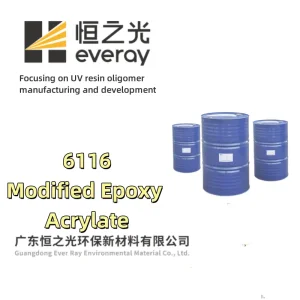
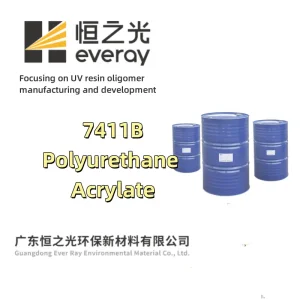
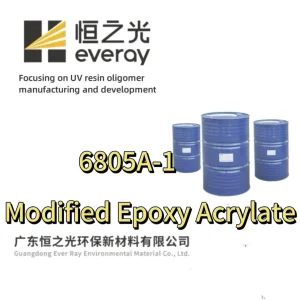
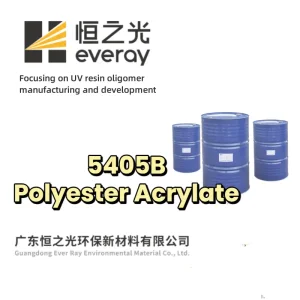
An Industry Leader in High-Tech R&D and Large-Scale Production of UV-Curable Polymeric Systems.
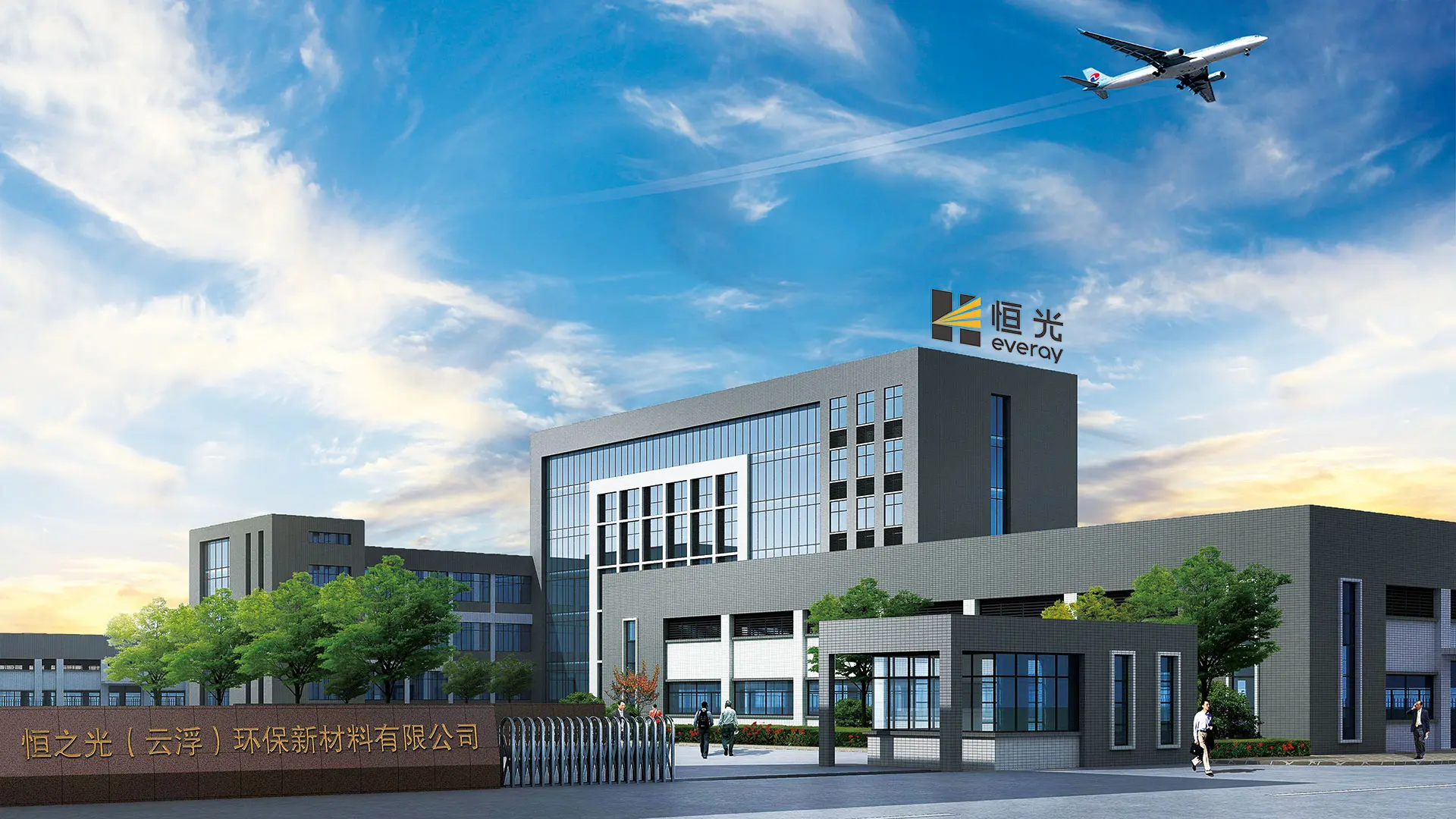
Guangdong Ever Ray Environmental Material Co., Ltd., established in 2006, is a high-tech enterprise focusing on the R&D and manufacturing of oligomers for UV curable resin such as epoxy acrylate, polyurethane acrylate (waterborne, aliphatic urethane, aromatic urethane), polyester acrylate, pure acrylate and other special functional modified acrylate oligomers.
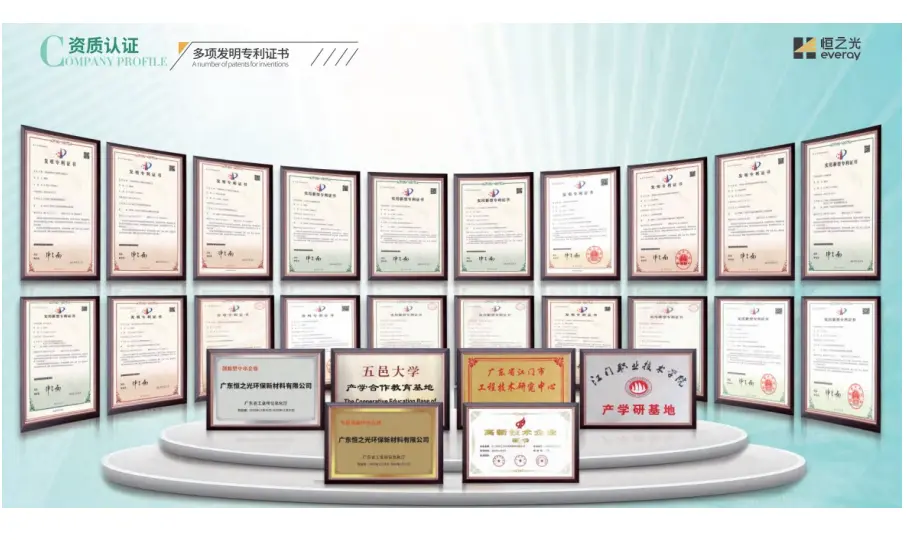
With over 15 dedicated technicians in our R&D department and more than 10 patents for invention and utility designs, we develop chemical raw materials that provide high reactivity, chemical resistance, and high gloss to formulations for a wide variety of applications, including wood coatings, plastic, inks, adhesives, and electronics. Our technical specialists collaborate with customer formulation chemists to optimize curing performance and control raw material costs.
We operate two modern production bases in Guangdong province. Our first base is located in Jiangmen, covering a production area of approximately 10,000 square meters. The second base, situated in Yunfu, covers an area of around 40,000 square meters. Both facilities feature comprehensive quality control laboratories, climate-controlled warehousing, and supporting logistics infrastructure.
Our combined annual production capacity exceeds 20,000 metric tons across more than 10 production lines. To ensure consistent manufacturing quality, our facilities operate under the ISO9001 Quality Management System and ISO14001 Environmental Management System. We utilize advanced DCS fully computerized process control systems, select high-grade raw materials, and work under the technical guidance of polymer experts to maintain safety and batch stability.
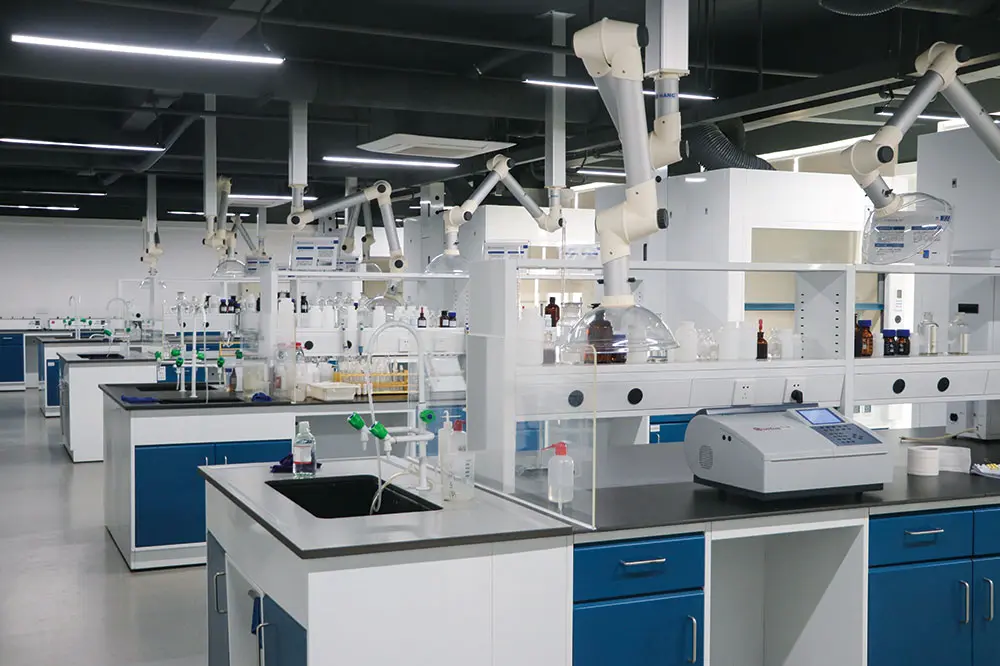
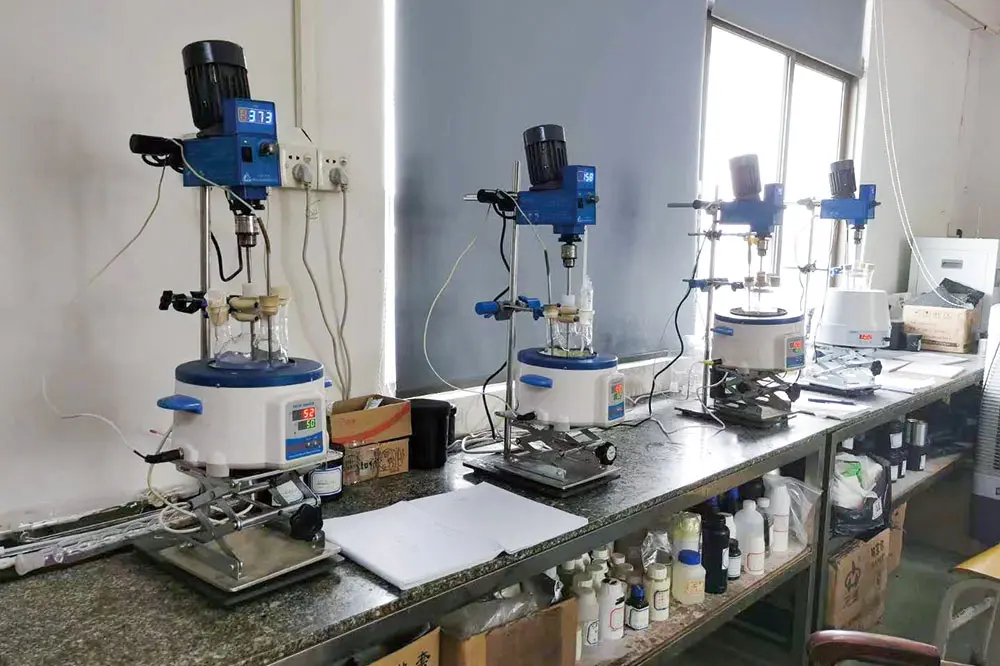
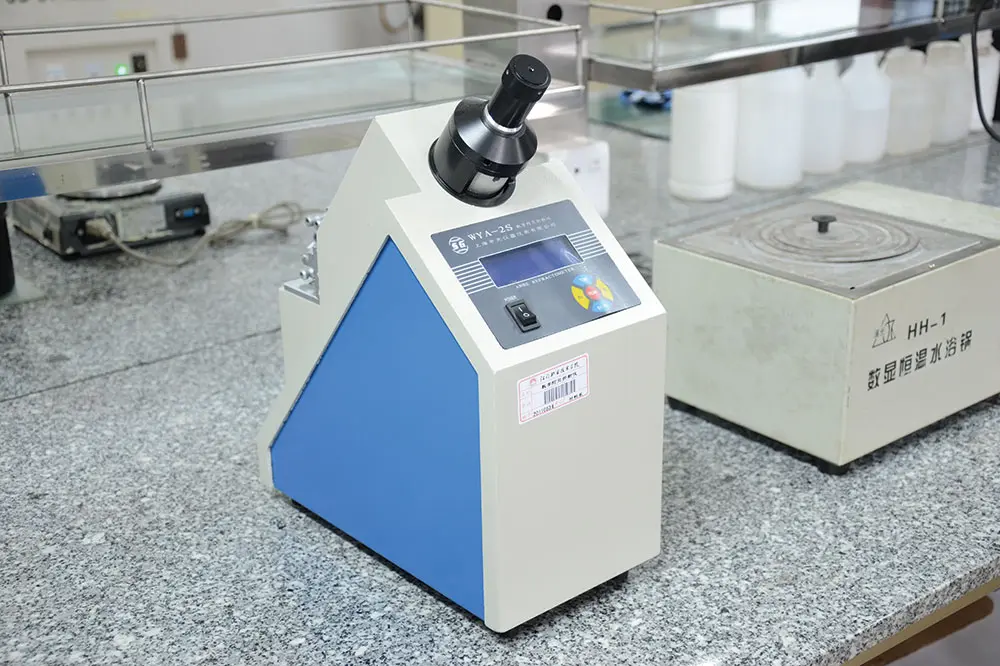
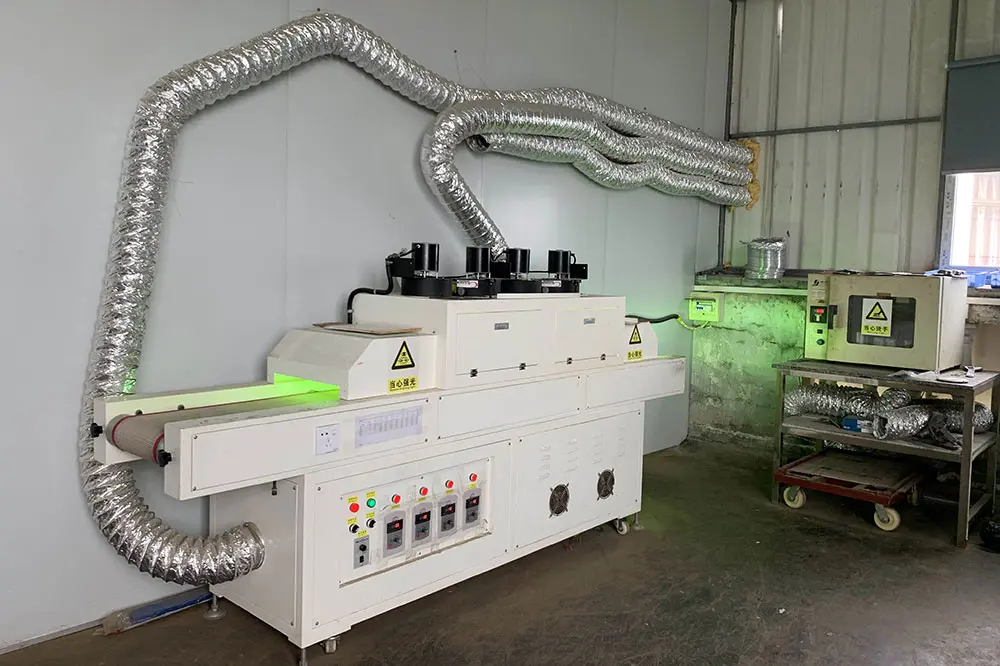
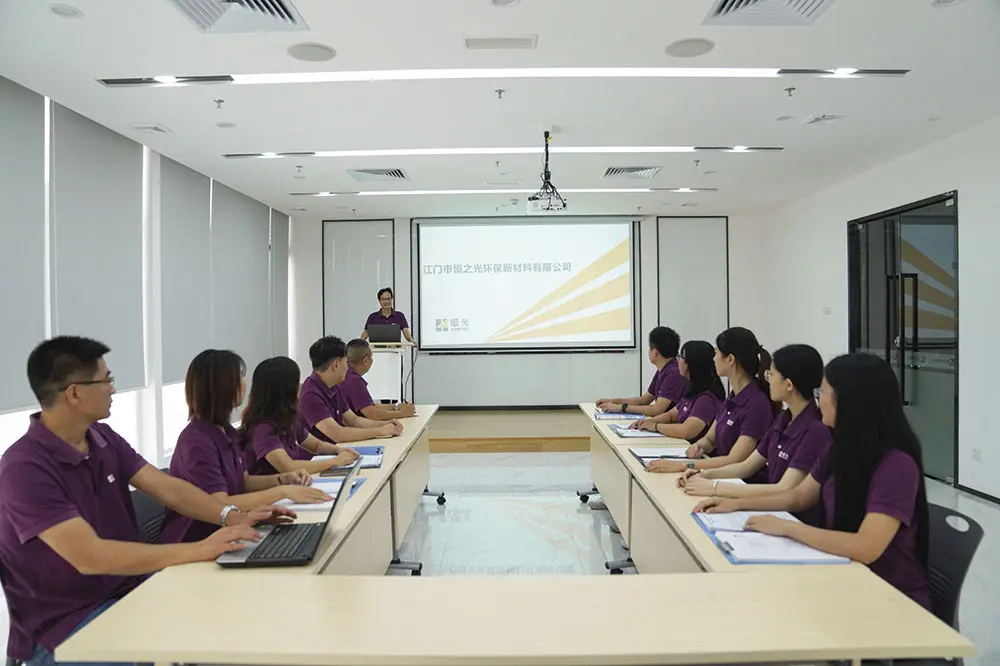
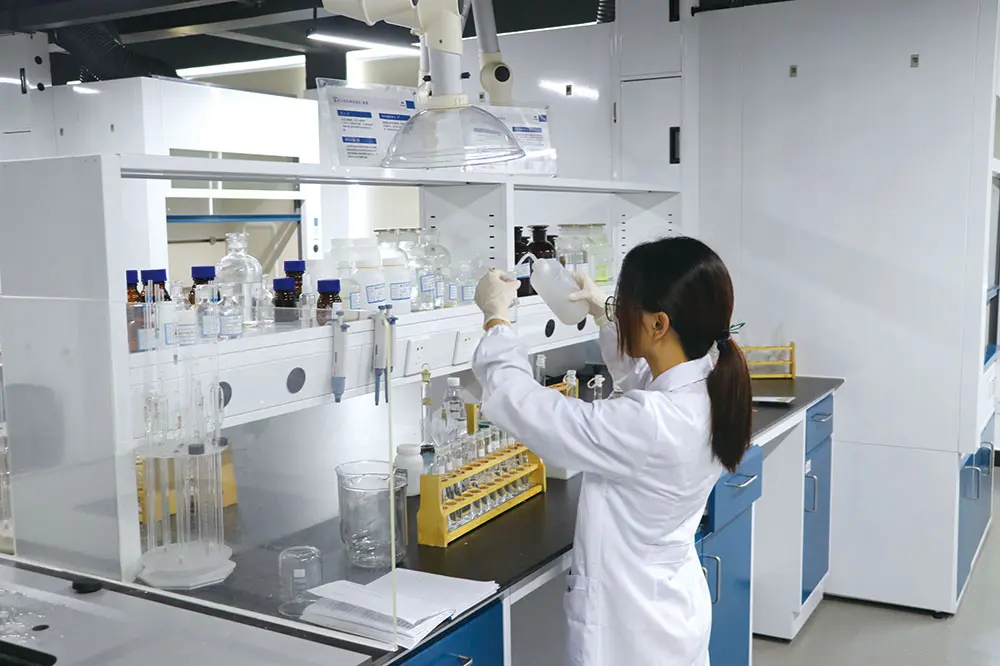
We focus on technology and environmental protection coexisting in harmony. Science and technology are our driving forces as we pursue sustainable, green manufacturing technologies for industrial coatings.
 Ever Ray