Explore our advanced chemical compositions engineered for high adhesion, durability, and customized curing requirements.
An in-depth look at how epoxy acrylates and UV oligomers are revolutionizing high-precision assembly lines globally.
The global adhesive market is undergoing a seismic transition. Traditional solvent-borne adhesives are rapidly being phased out due to tightening environmental regulations, strict occupational safety requirements, and the rising demand for manufacturing speed. At the heart of this revolution is Epoxy Resin applied as glue, specifically modified through acrylate synthesis (epoxy acrylates) to offer structural integrity alongside ultra-fast UV crosslinking capabilities.
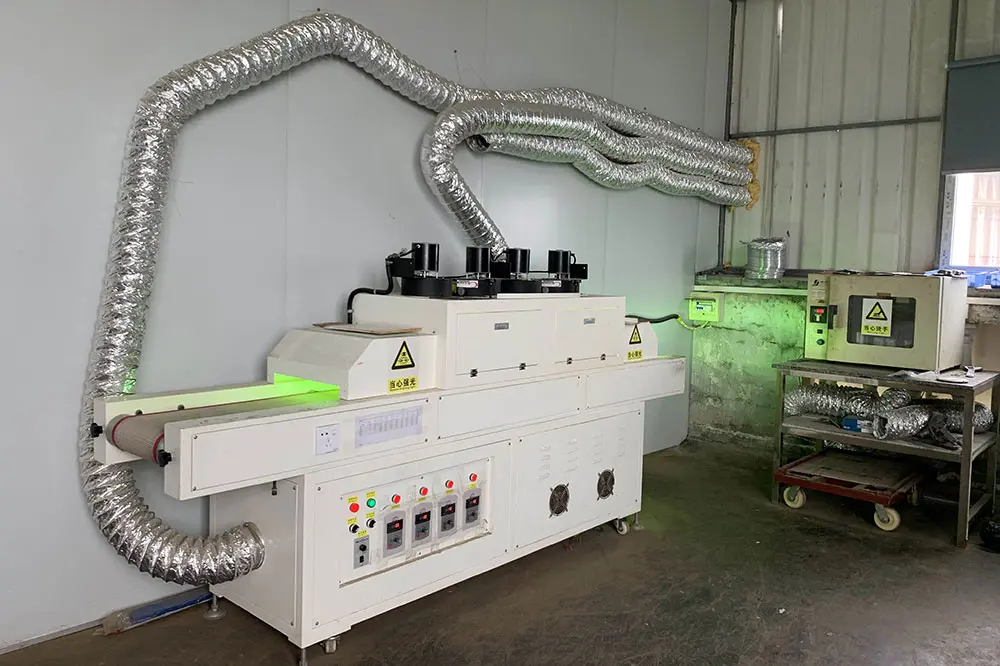
Modern applications require adhesives that do not just bond, but actively contribute to the mechanical stability, thermal insulation, and dielectric protection of the end-product. Whether it is in automotive sensory electronics, high-speed printed circuit board (PCB) encapsulation, or heavy-duty industrial wood paneling, modified epoxy resins act as the baseline copolymer. By utilizing advanced UV curing technology, manufacturing lines reduce curing durations from hours to fractions of a second. This efficiency improvement translates directly to lower operational expenses, diminished greenhouse gas emissions, and zero Volatile Organic Compound (VOC) emissions, complying fully with REACH and RoHS standards.
Understanding oligomer synthesis, double-bond density, and performance criteria for demanding environments.
Epoxy acrylates combine the toughness, chemical resistance, and adhesion of bisphenol-A epoxy backbones with the quick radical polymerization properties of acrylic esters. During UV exposure, photoinitiators break down into free radicals, initiating chain-growth polymerization that converts liquid oligomers into a highly crosslinked solid matrix.
A primary challenge with radical UV polymerization is volume shrinkage, which can cause internal stress and weaken adhesion. To mitigate this, Guangdong Ever Ray Environmental Material Co., Ltd. develops modified epoxy acrylates (such as the 6203F Low-Shrinkage Modified Epoxy Acrylate). By optimizing molecular weights and integrating flexible aliphatic chains, we lower double-bond density to manage shrinkage without reducing mechanical strength.
The resulting cured film provides chemical resistance, thermal stability up to 200°C, and exceptional hardness, making it ideal for solder mask inks, protective coatings, and structural bonding agents.
When selecting raw materials for structural glues or functional varnishes, procurement teams examine precise chemical parameters. The following matrix illustrates the performance attributes that our technical experts tailor to match client requirements:
Our operations meet international manufacturing standards, ensuring reliable global supply and consistent quality.
Year Established
Annual Production Capacity
Total Facility Footprint
Senior R&D Chemical Technicians
Invention & Utility Patents
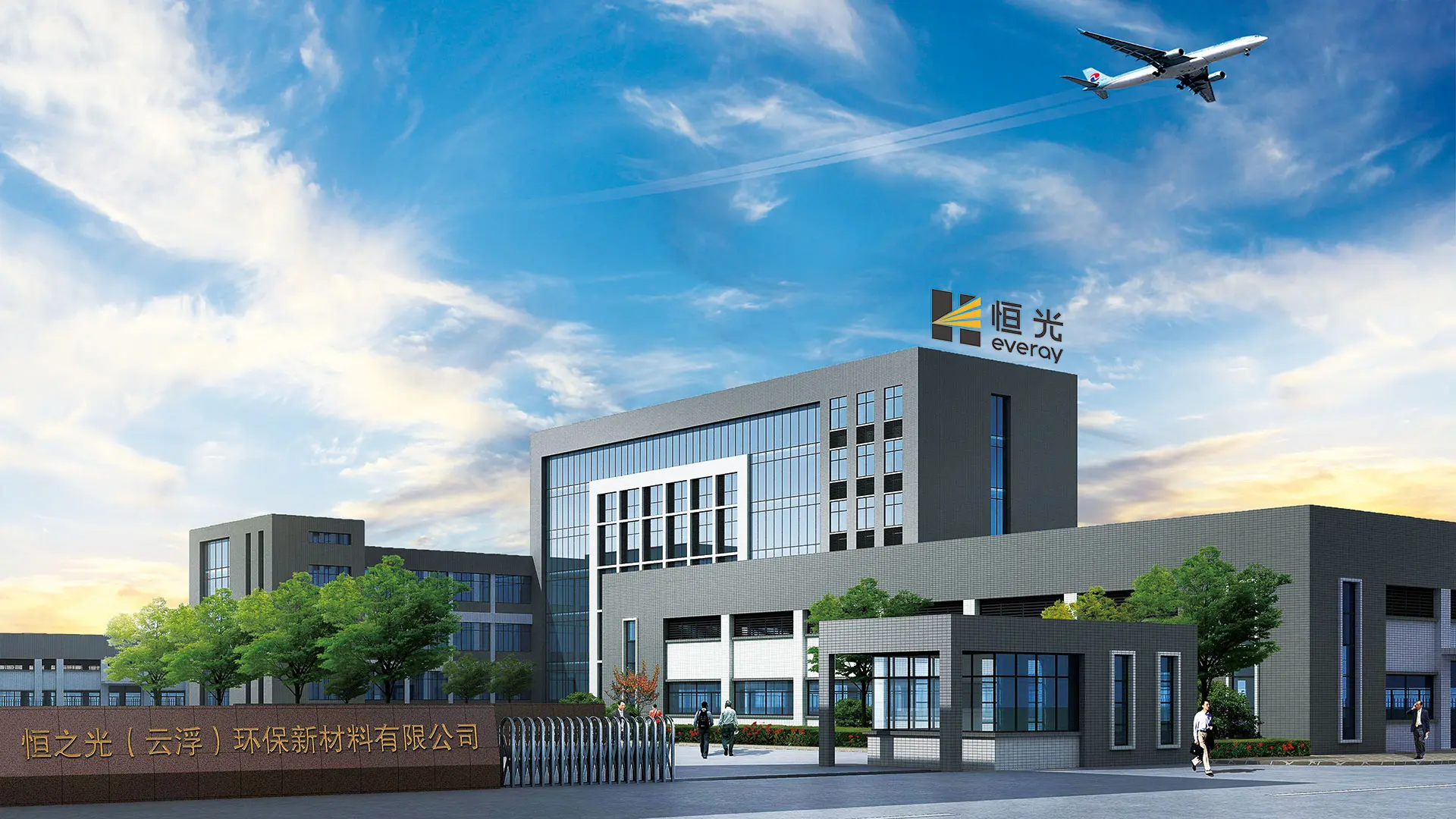
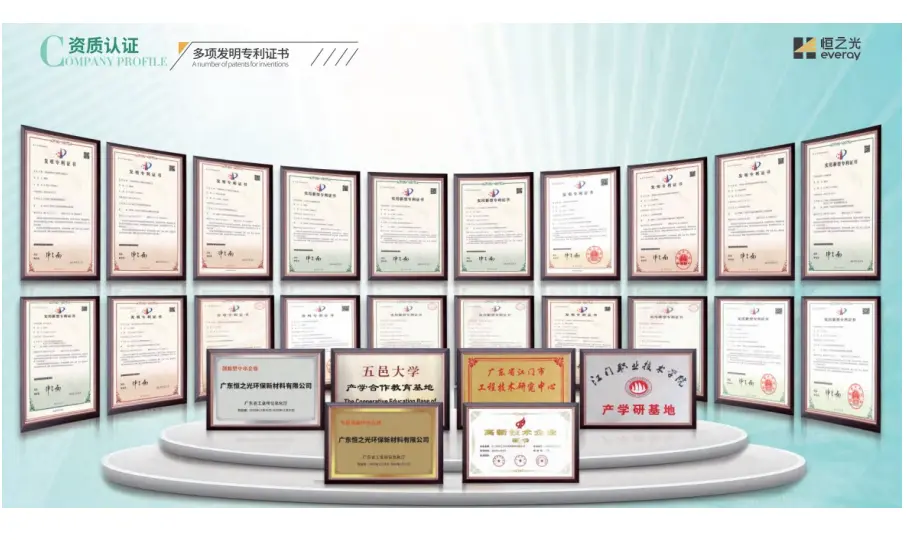
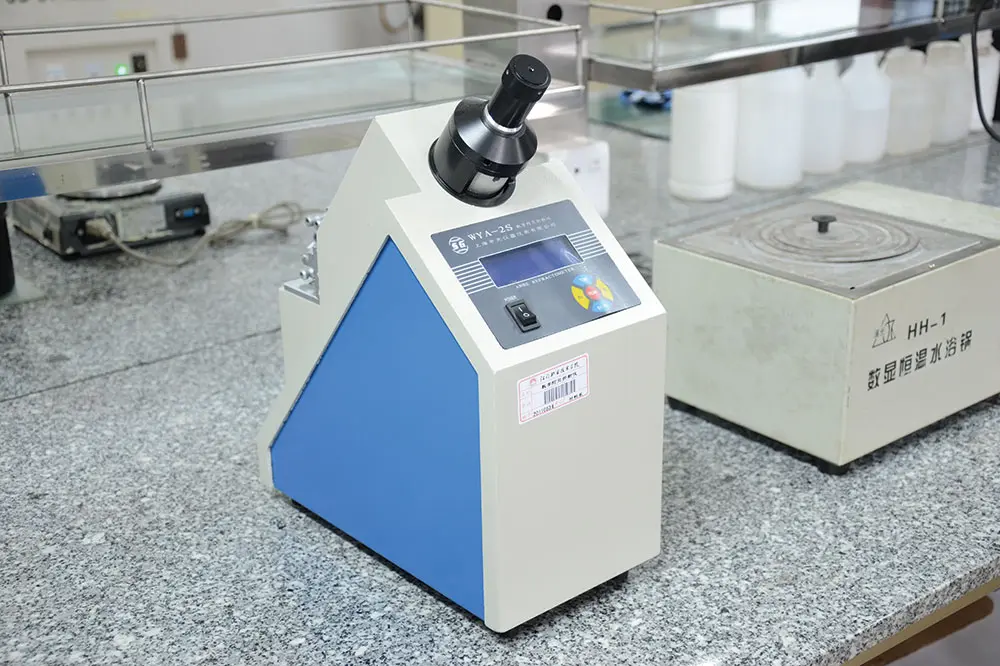
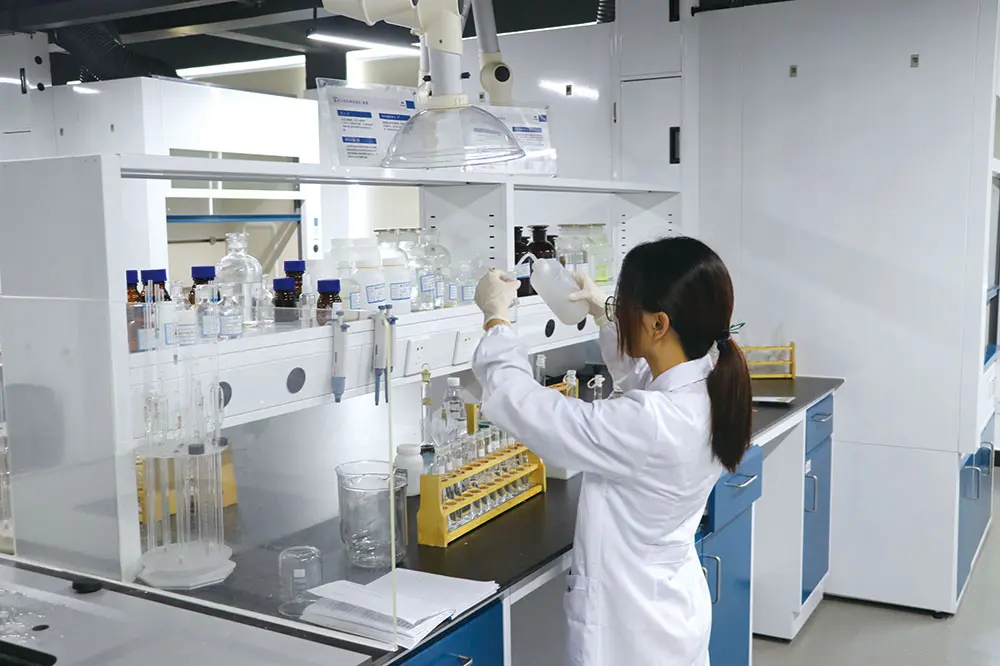
Underpinned by ISO9001 and ISO14001 certification, Guangdong Ever Ray operates advanced DCS-controlled chemical processing facilities in Jiangmen and Yunfu. By sourcing raw materials from audited global providers, we ensure chemical stability and quality control across every production batch.
How automation, geographical advantages, and digital manufacturing systems ensure reliable supply.
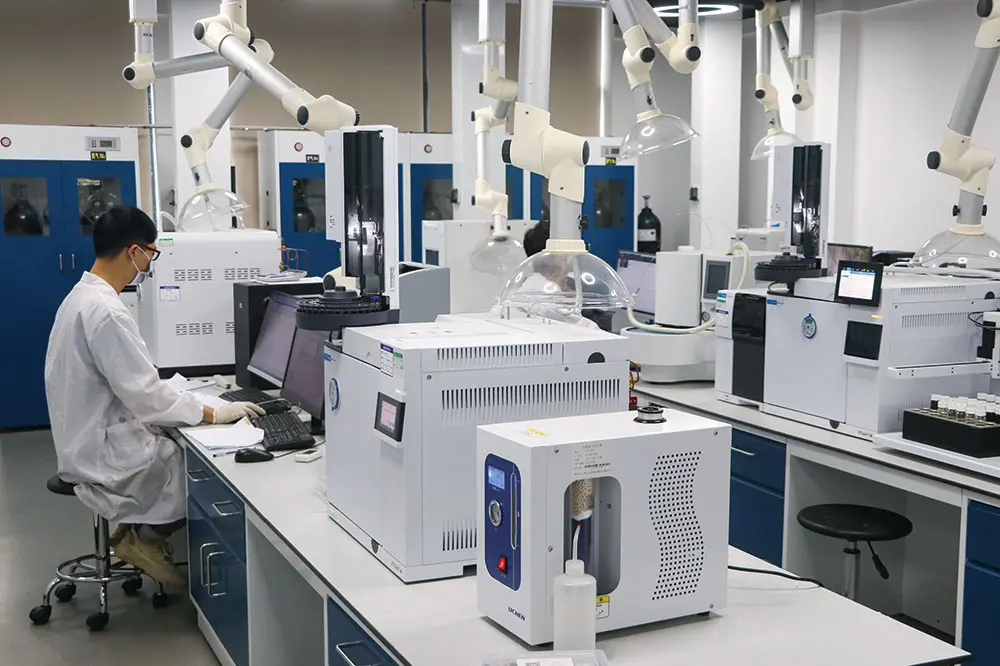
Production reliability in chemical synthesis depends on consistency. Our facility in Yunfu, Guangdong, utilizes a Distributed Control System (DCS). This system monitors temperatures, feeding rates, agitation speeds, and pressure levels in real-time, minimizing manual adjustment errors during synthesis.
This automated approach enables precise temperature control during highly exothermic esterification and polymerization processes. As a result, we achieve consistent molecular weight distribution, clean color values, and uniform viscosity indices. This reliable performance prevents product variations on customer application lines.
With 10 active production lines running continuously, we maintain safety and quality standards while remaining flexible enough to customize oligomer batches for specialized industrial needs.
How our polymer formulas adapt to different substrate properties and manufacturing environments.
A single adhesive formulation cannot meet the needs of all substrates. Glass, metal, treated polymers, and wood present distinct surface energies and chemical profiles that require tailored approaches. Our product catalog is formulated to address these varied requirements:
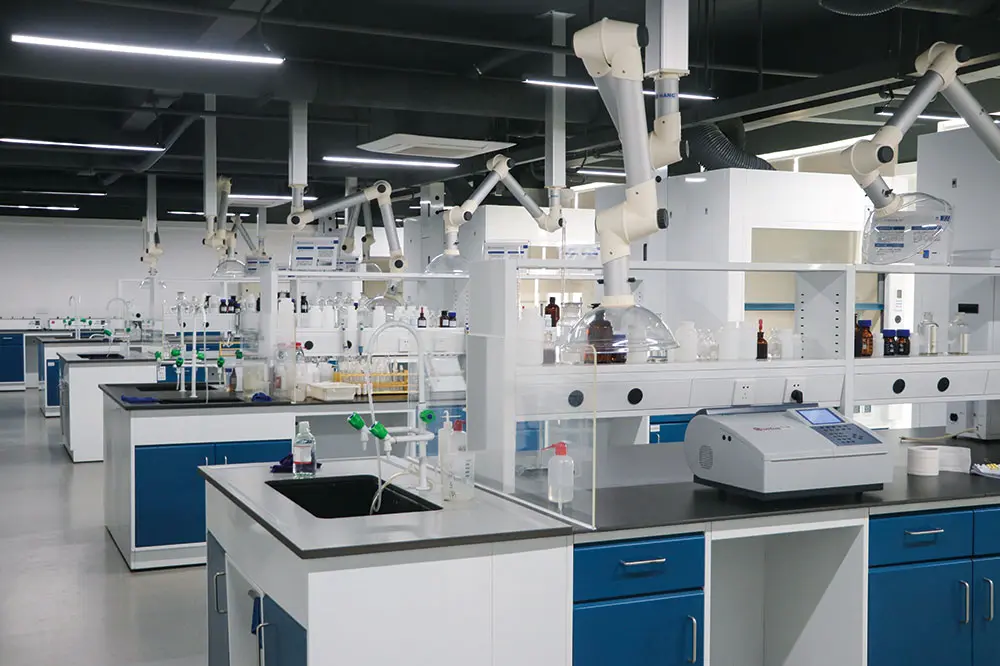
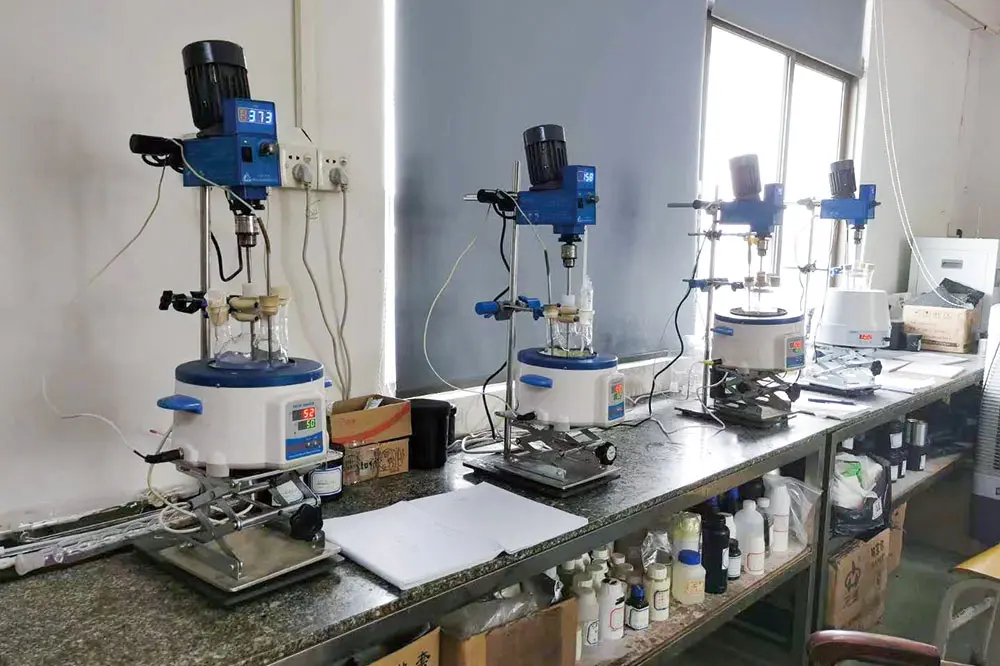
Furthermore, our R&D team addresses emerging technology sectors, including 3D printing resins, offset printing varnishes, and waterborne UV curing systems. By matching oligomers with appropriate active diluents and monomer combinations, we help formulation chemists balance reactivity, viscosity, and cost-efficiency.
Direct answers from Ever Ray’s chemical engineering team regarding formulation, performance, and application troubleshooting.
Explore our high-performance modified acrylates, designed to improve hardness, curing speed, and chemical resistance.
 Ever Ray