Engineered for exceptional adhesion, mechanical toughness, and superior wear resistance.
A Comprehensive Technical Analysis of Material Science, Performance Optimization, and Future Trends
Polyester polyurethane coating technology represents one of the most critical backbones of modern industrial surface protection. Developed to combine the high elasticity, abrasion resistance, and chemical stability of polyurethanes with the structural rigidity and weathering capacity of polyester backbones, these materials have evolved from simple architectural coatings into highly sophisticated, UV-curable industrial systems.
In the contemporary B2B landscape, the transition toward zero-VOC formulations and energy-efficient curing processes has accelerated. Polymer chemists and procurement officers are no longer just seeking standard protective coverings; they are searching for functional oligomers that can crosslink rapidly under UV radiation while retaining structural flexibility on varied substrates. This paradigm shift requires chemical manufacturers to possess deep technical expertise in structural design—modifying the polyester diols and polyurethane prepolymers at the molecular level to meet specific performance tolerances.
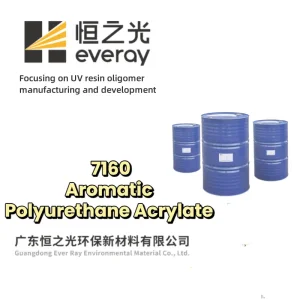
Aliphatic polyurethane acrylates are engineered for outstanding exterior durability and non-yellowing characteristics. In contrast, aromatic configurations offer superior hardness and cost-efficiency for indoor industrial wood, metal, and heavy-duty machinery applications.
Utilizing state-of-the-art Distributed Control Systems (DCS) to manage polymerization reactions. This ensures batch-to-batch consistency, tight viscosity ranges, and exact molecular weight distributions necessary for high-speed printing and coating lines.
Transitioning from traditional solvent-borne systems to solvent-free, 100% solid, or waterborne UV-curable systems. This technology significantly reduces carbon footprints, eliminates greenhouse gas emissions, and improves shop floor safety.
As global supply chains continue to experience geopolitical shifts and raw material price volatility, multinational industrial buyers prioritize partners who can demonstrate deep technical authority and supply chain resilience. High-quality polyester polyurethane coatings are not off-the-shelf commodities; they require collaborative development. B2B buyers routinely test for critical parameters, including monomer compatibility, viscosity stability under varying shear rates, thermal degradation limits, and adhesion parameters measured via cross-hatch testing on diverse substrates such as ABS, Polycarbonate, treated glass, and hardwood.
Established and Innovating
Dual Production Facilities
Annual Production Capacity
Dedicated R&D Scientists
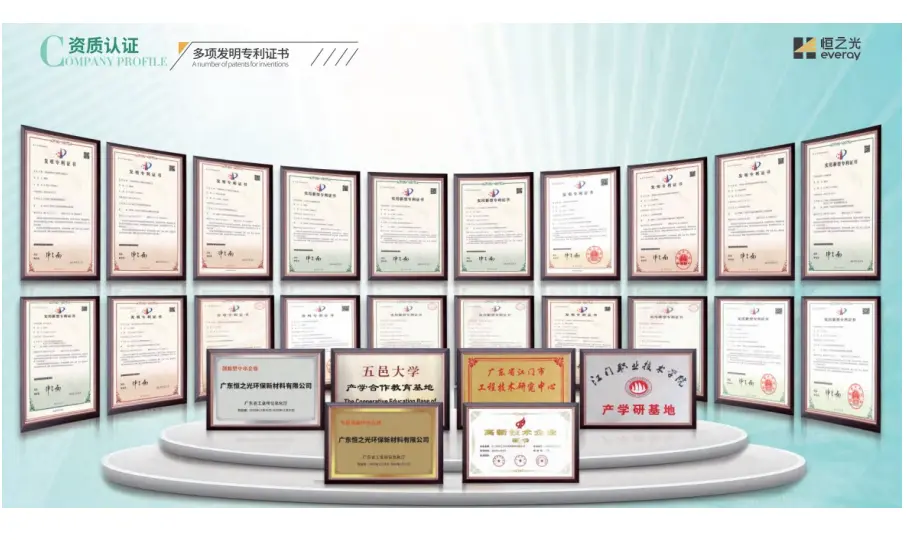
Invention & Practical Patents
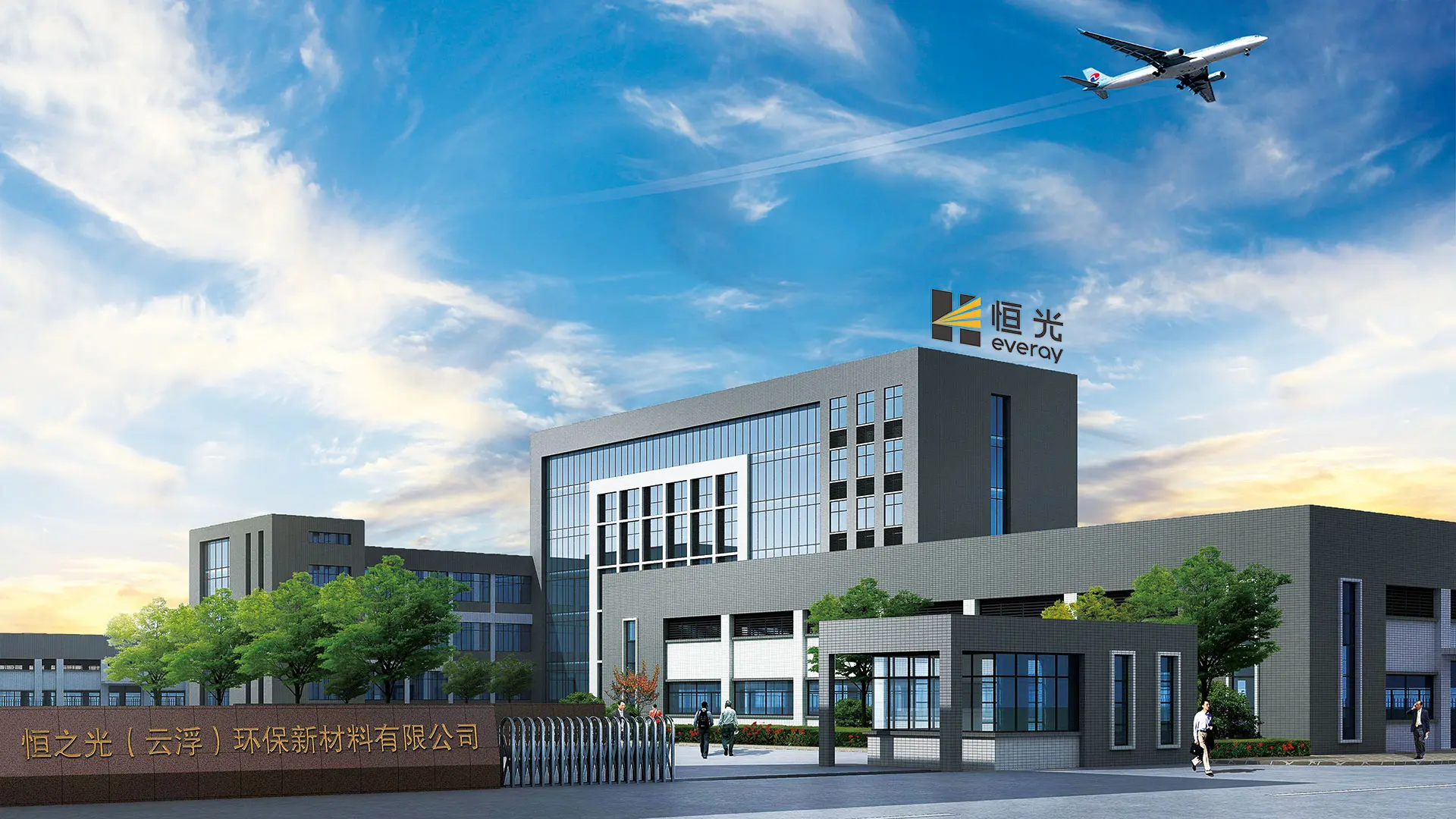
Established in 2006, Guangdong Ever Ray Environmental Material Co., Ltd. is a premier high-tech enterprise focusing on the R&D and manufacturing of oligomers for UV curable resin. Our comprehensive portfolio includes high-performance epoxy acrylates, polyurethane acrylates (waterborne, aliphatic urethane, aromatic urethane), polyester acrylates, pure acrylates, and special functional modified acrylate oligomers.
We believe that technology and environmental protection must coexist in harmony. By using science and technology as our core driving forces, we continuously pursue excellence to foster a sustainable green living environment. We serve global coating formulators, printing ink manufacturers, and industrial adhesives suppliers with customized formulations designed to optimize performance and reduce manufacturing overheads.
To support global B2B procurement demands, Guangdong Ever Ray has established two cutting-edge production bases. The first is in Jiangmen, Guangdong, covering 10,000 square meters. The second and larger facility is in Yunfu, Guangdong, spanning approximately 40,000 square meters. Our combined annual production capacity exceeds 20,000 tons, distributed across more than 10 advanced production lines.
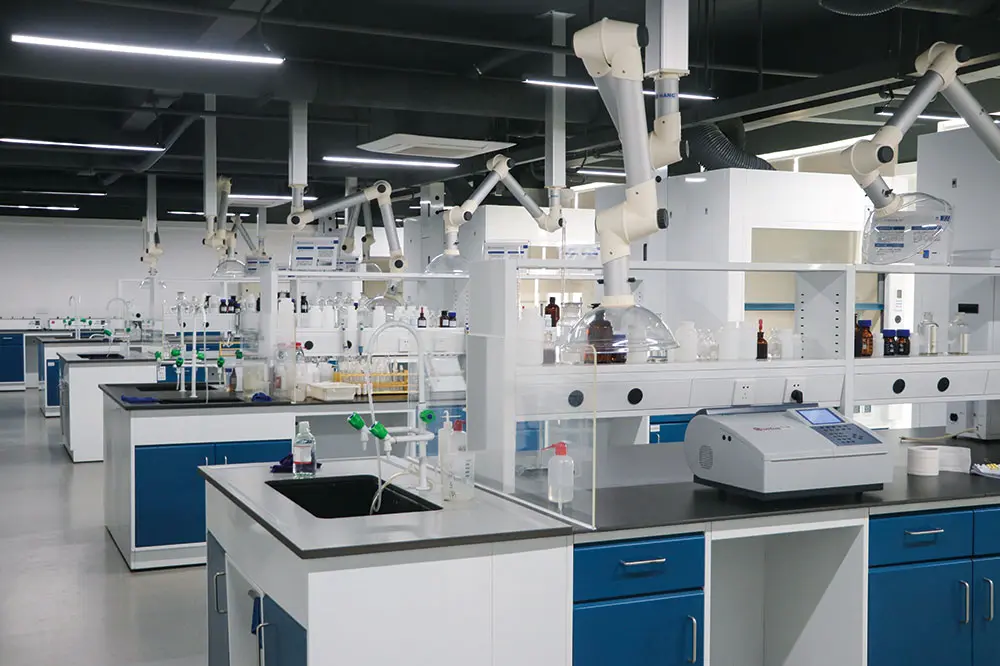
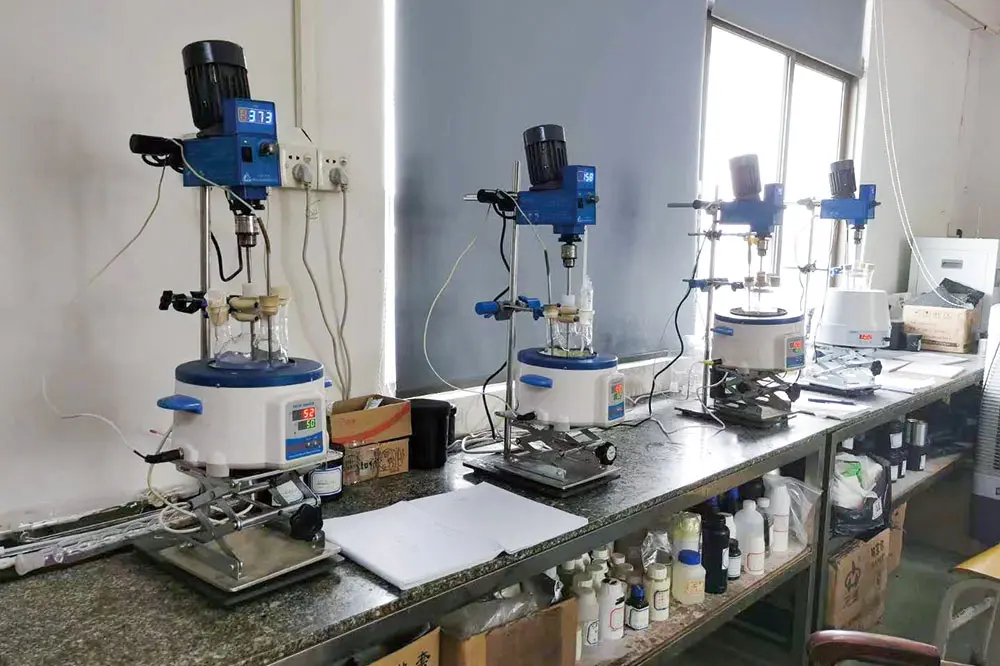
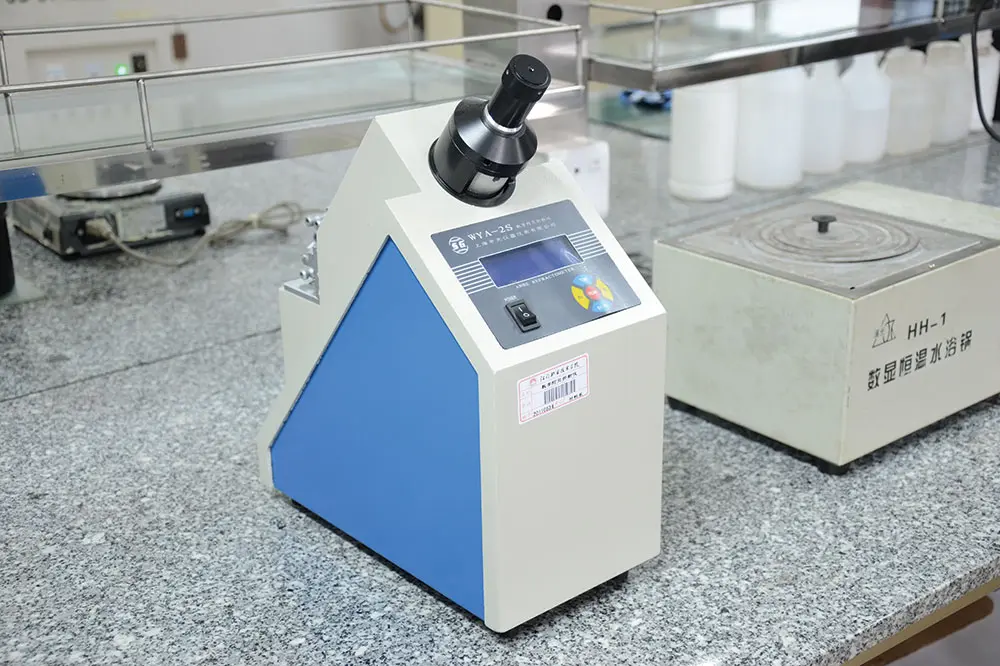
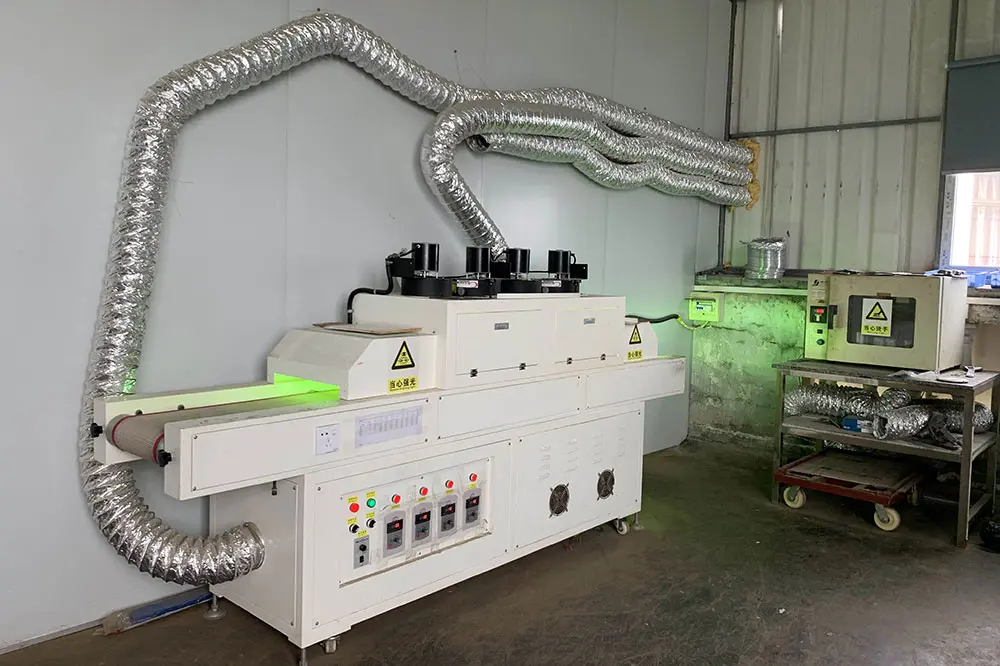
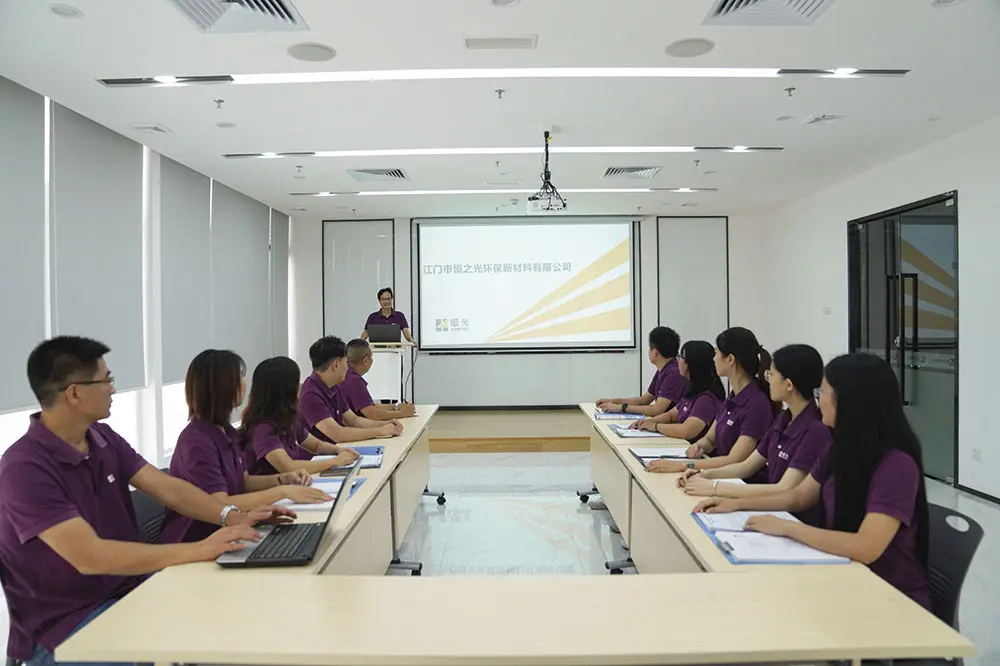
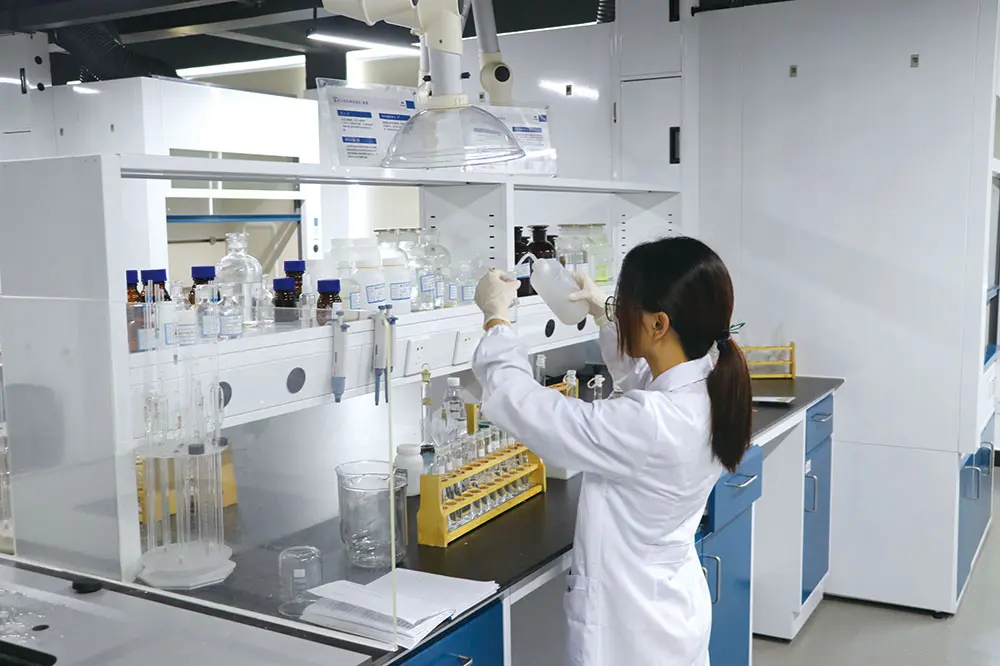
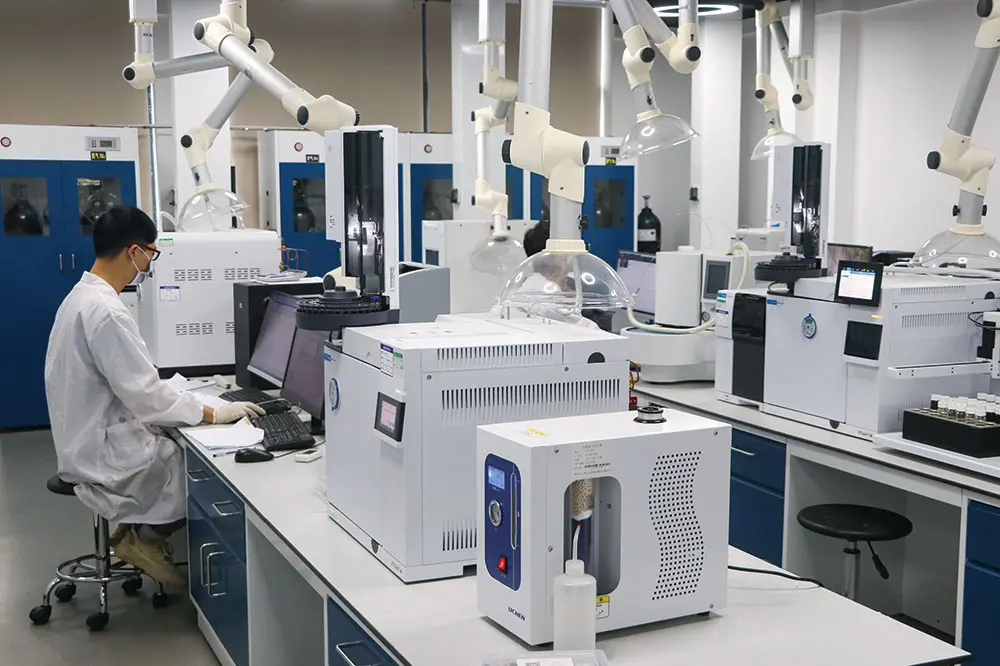
With more than 15 highly skilled technicians in our R&D department and over 10 invention and utility patents, we engineer customized solutions that deliver high reactivity, excellent chemical resistance, and high gloss. Our R&D efforts are aimed not only at elevating physical functionality but also at optimizing cost-efficiencies for our clients' coating formulations.
How Polyester Polyurethane Coatings Perform Across Diverse Commercial Sectors
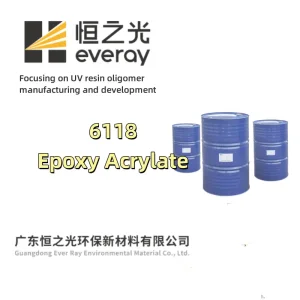
Industrial wood furniture and flooring require coatings that resist scratching, household chemicals, and yellowing. Utilizing oligomers like our *6116 Low Viscosity Epoxy Oligomer* and *High Adhesion 6100D-85*, formulators can achieve deep wood-grain wetting, rapid curing speeds, and high-matte or high-gloss finishes that protect structural woodwork for decades.
Cosmetics packaging, automotive interiors, and consumer electronics rely on polyurethane coatings for structural adhesion to low-surface-energy plastics like PP, ABS, and Polycarbonate. Products like our *7620 UV-curing Resin* are engineered to provide base-coat and top-coat adhesion for vacuum metalized layers, preventing delamination and maintaining physical brilliance.
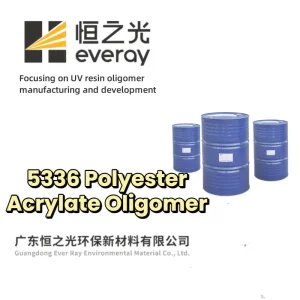
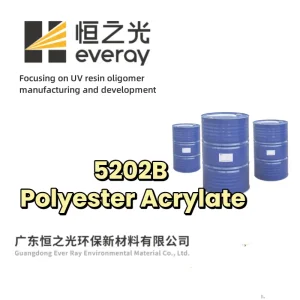
Modern packaging lines operate at extreme speeds, demanding instant curing and zero migration of chemical components. Our *Polyester Acrylate 5336* and *5202B* resins are designed for UV inks, screen-printing varnishes, and flexographic systems, offering low viscosity, high reactivity, and excellent compatibility with various pigments.
By adjusting the balance between hard segments (isocyanates) and soft segments (polyesters), our engineering team tailors thermal stability and impact resistance. Our formulations ensure that even under freezing temperatures or extreme environmental moisture, the structural integrity of the polymer matrix remains uncompromised.
Answering Crucial Technical Questions for Coating Chemists and Sourcing Agents
A1: Polyester-based polyurethanes provide significantly higher tensile strength, superior abrasion resistance, and better resistance to heat, hydrocarbons, and oxidative degradation. This makes them ideal for heavy-duty industrial coatings, automotive surfaces, and structural plastic coatings where physical wear is extensive. Polyether-based systems are generally preferred only when extreme hydrolytic stability at low temperatures is the sole critical requirement.
A2: We manage our polymerization reactions using a fully automated DCS (Distributed Control System) across both our Jiangmen and Yunfu production bases. Every batch undergoes gas chromatography, gel permeation chromatography (GPC), and viscosity testing under regulated thermal conditions to ensure it matches our baseline specifications. All production runs are certified under ISO9001.
A3: Aliphatic urethane acrylates do not contain benzene rings in their chemical structure. Consequently, they do not absorb UV light in the wavelengths that cause photo-oxidation and yellowing. Resins like our *Anti-Yellowing Polyurethane Acrylate Oligomer* are engineered to maintain optical clarity, flexibility, and gloss retention even after prolonged outdoor exposure.
A4: Yes. Our R&D department specializes in modifying oligomers with functional carboxyl, hydroxyl, or phosphoric acid groups. These functional groups establish chemical bonding with metal oxides and polar plastics, greatly enhancing adhesion parameters (typically reaching 5B in cross-hatch adhesion testing) without compromising the curing speed.
A5: UV curable resins must be stored in original, tightly sealed containers in a cool, dry, and well-ventilated warehouse, away from direct sunlight, UV sources, and temperatures exceeding 40°C. Under these conditions, our oligomers generally have a shelf life of 6 to 12 months, verified by periodic viscosity and acid value monitoring.
Direct-from-factory high-performance resins optimized for global distribution.
 Ever Ray