Explore our core high-performance liquid formulations designed for exceptional adhesion, chemical resistance, and efficient curing cycles.
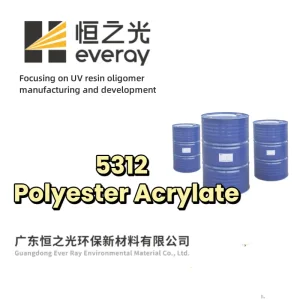
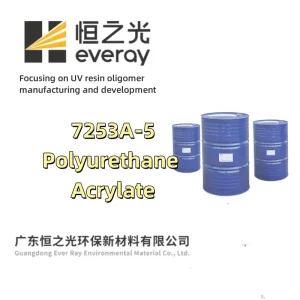
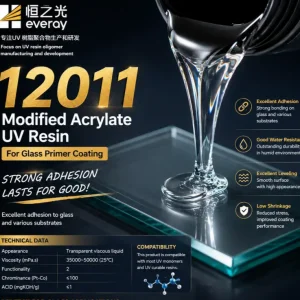
Guangdong Ever Ray Environmental Material Co., Ltd. (Est. 2006)
Established in 2006, Guangdong Ever Ray Environmental Material Co., Ltd. is a premier high-tech enterprise dedicated to the research, development, and advanced manufacturing of high-performance oligomers for UV-curable resins. Our diverse chemical portfolio includes premium epoxy acrylates, polyurethane acrylates (waterborne, aliphatic urethane, and aromatic urethane), polyester acrylates, pure acrylates, and customized functional modified acrylate oligomers.
We manage two highly advanced production bases in Guangdong province. Our flagship facility in Yunfu spans approximately 40,000 square meters, while our specialized base in Jiangmen covers 10,000 square meters. Engineered for safety and extreme precision, our facilities operate under comprehensive ISO 9001 Quality Management and ISO 14001 Environmental Management Systems. All processes are supervised via a flexible, state-of-the-art Distributed Control System (DCS), ensuring fully computerized operations, high repeatability, and stable supply. Our combined annual production capacity exceeds 20,000 tons across more than 10 dynamic production lines.
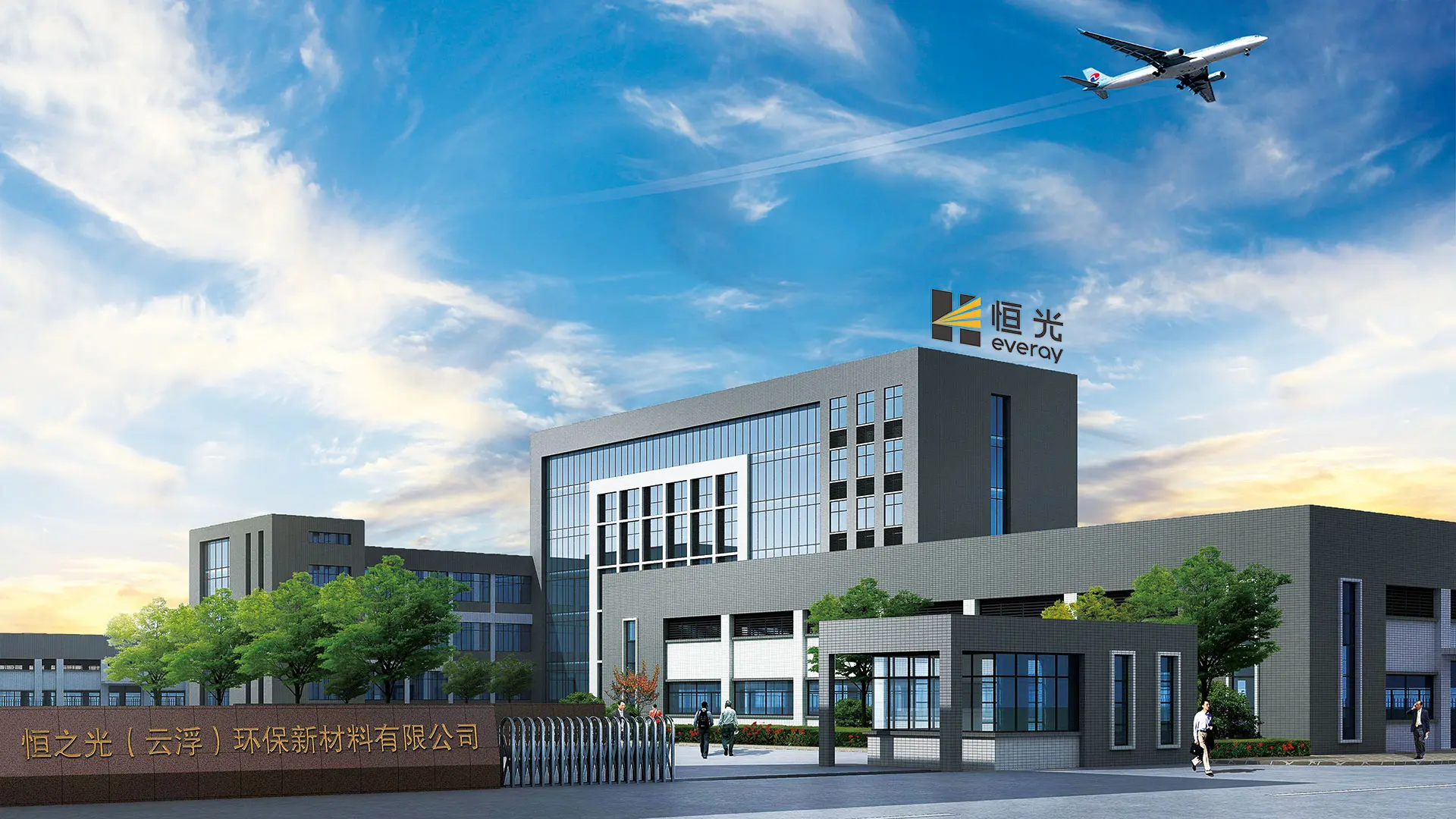
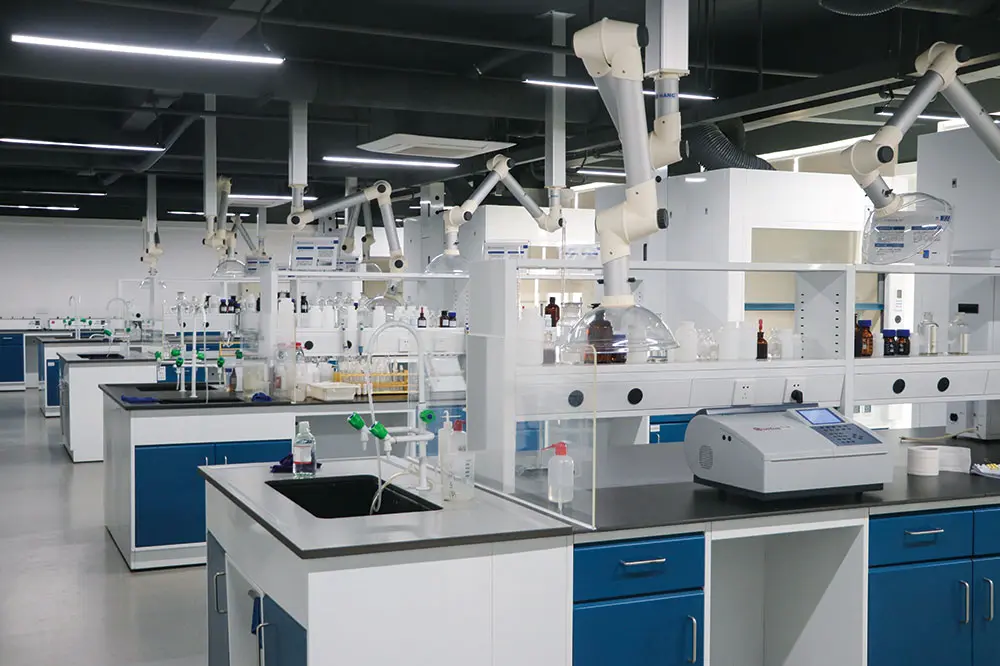
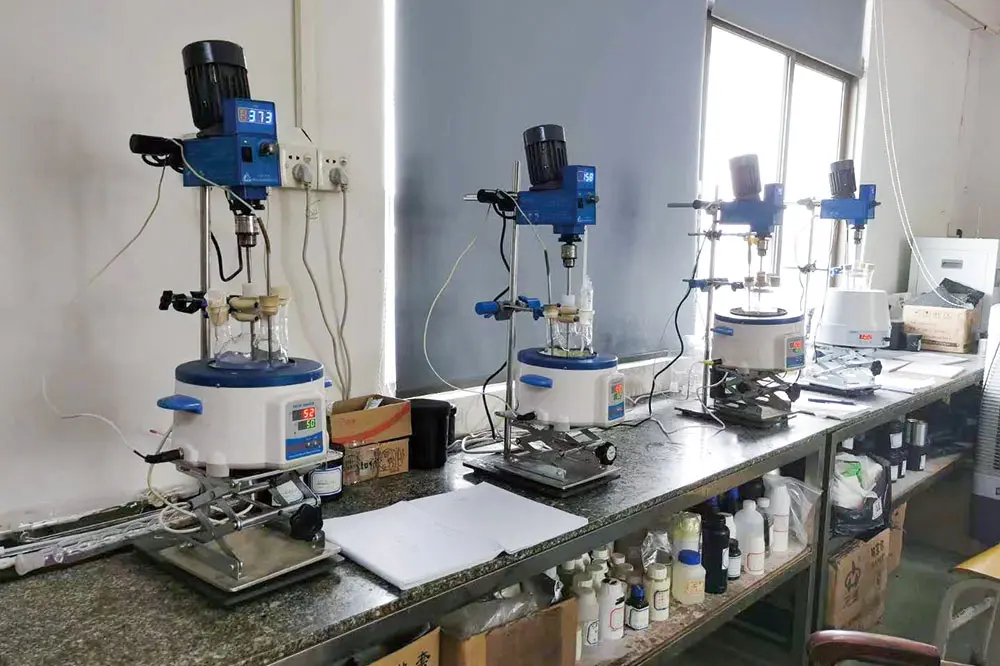
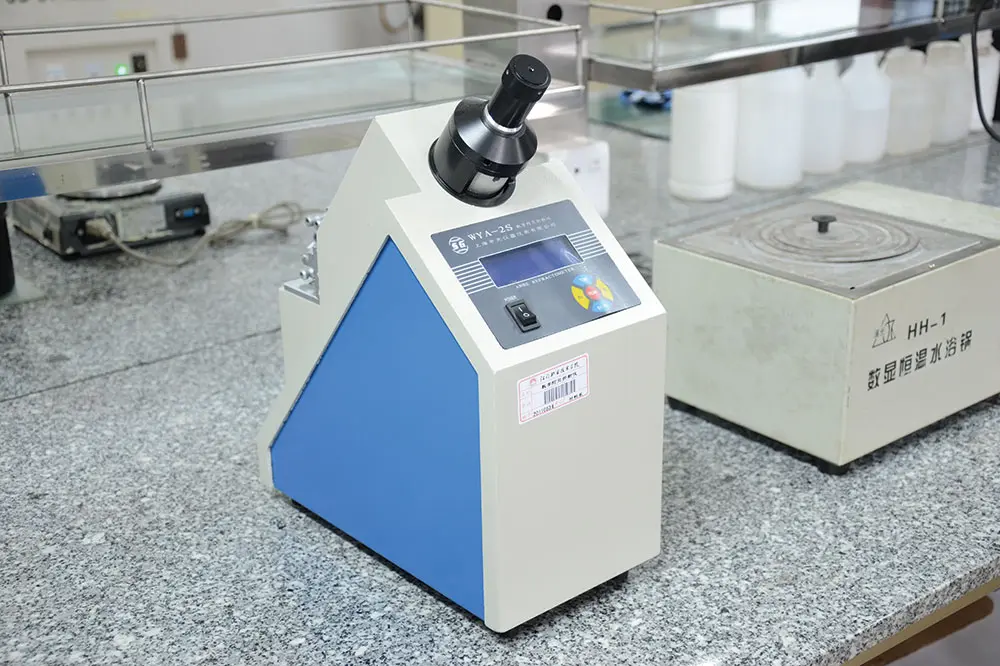
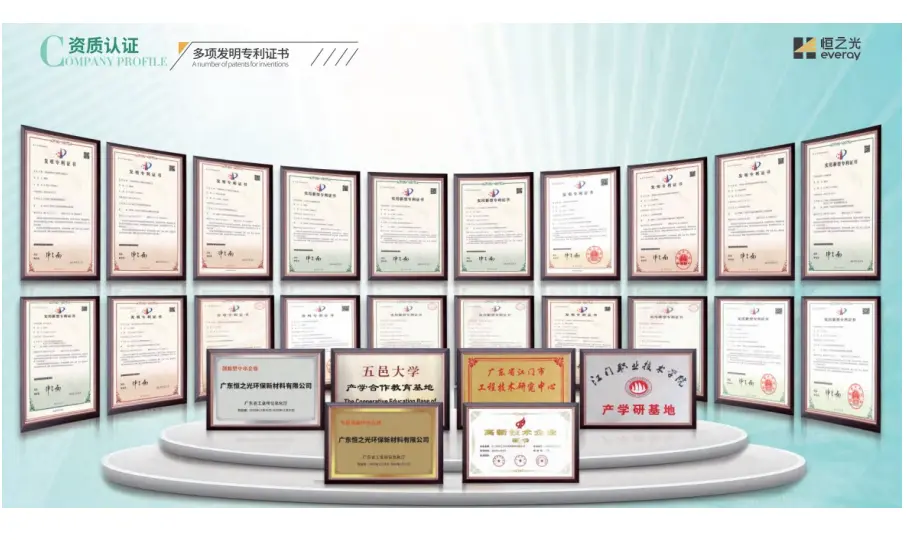
With an R&D department staffed by over 15 senior technicians and supported by more than 10 patents, we continuously introduce products that provide superior reactivity, chemical resistance, hardness, and gloss. Our materials serve critical global sectors including wood coatings, electronics, packaging inks, automotive plastics, and optical adhesives.
Accelerating performance across critical industrial value chains with custom polyurethane liquids and specialized UV oligomers.
Engineered for high resistance to UV weathering and mechanical stress. Our aliphatic polyurethane liquids prevent yellowing over long exposures, ideal for outdoor coatings, automotive finishes, and protective laminates.
By implementing DCS computerized controls, we guarantee extremely tight viscosity parameters batch after batch. This reliability reduces application defects in high-speed coating and gravure printing processes.
We prioritize green chemistry with low-VOC, high-solids, and waterborne formulations. Our solutions help global buyers meet stringent REACH, RoHS, and EPA clean air standards without compromising on cure speed.
Modern industrial chemistry is undergoing a rapid evolution. Global manufacturers are transitioning away from thermal-curing solvent-borne systems toward radiation-cured liquid resins. This shift is driven by strict environmental regulations regarding volatile organic compound (VOC) emissions, energy saving directives, and the pursuit of faster production throughput. Polyurethane Acrylates (PUA) represent a major milestone in this transition. These liquids combine the high elasticity, toughness, and chemical resistance of polyurethanes with the rapid polymerization capabilities of acrylates. This unique combination makes them highly desirable for modern manufacturing processes.
As a leading polyurethane liquid factory and developer, we observe growing procurement needs in segments requiring high mechanical durability and environmental resilience. Applications range from protective smartphone screen coatings to automotive interiors, heavy industrial machinery coatings, and food-grade packaging varnishes. The chemical versatility of liquid polyurethane enables custom tailoring of tensile strength, glass transition temperature (Tg), and cross-linking density, matching the exact processing needs of our clients.
B2B chemical procurement teams face several challenges when sourcing polyurethane liquids at scale. We address these critical performance indicators at our state-of-the-art facilities:
To support next-generation product designs, Guangdong Ever Ray focuses on three key technical areas:
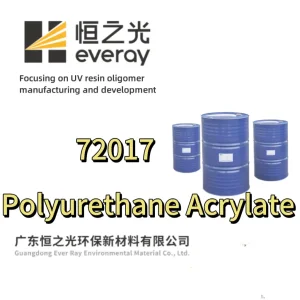
Traditional UV-curing relies on line-of-sight exposure to ultraviolet light. However, complex 3D-printed geometries or dark, shadowed industrial designs present curing challenges. Our 72017 Photo-Thermal Dual-Curing Polyurethane Acrylate Resin solves this. It utilizes a secondary thermal reaction mechanism to cure areas shaded from UV light. This ensures consistent mechanical properties throughout the entire structure, which is crucial for advanced 3D printing and structural adhesive applications.
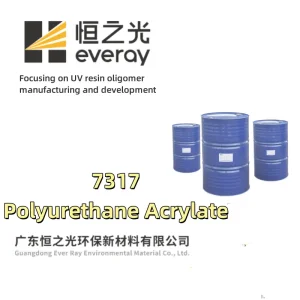
Packaging and consumer electronics require unique haptic and visual designs. Developing stable textured coatings requires precise control of surface-to-bulk curing rates. Our specialized 7317 UV resin is engineered to produce high-quality wrinkle and snowflake textures under specific UV wavelengths, providing durable, tactile surfaces for premium cosmetics packaging and electronics housing.
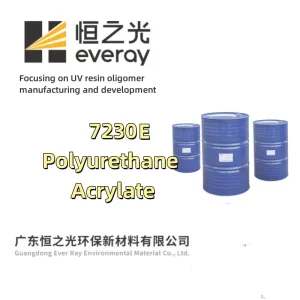
Vacuum metallization requires base coats that can smooth out substrate defects and top coats that protect the thin metal film. Our 7230E polyurethane acrylate UV resin is designed specifically for vacuum plating, offering excellent interlayer adhesion, high gloss, and superior wear resistance.
Delivering chemical products globally requires strict adherence to international safety and quality standards. Our manufacturing sites operate under ISO 9001 and ISO 14001 certifications. We employ automated feeding, strict temperature controls, and inline filtration systems to prevent contamination. Each batch undergoes rigorous testing, including gas chromatography, gel permeation chromatography (GPC), and viscosity mapping, ensuring compliance with REACH and RoHS standards.
Technical answers to common questions about polyurethane liquids, UV oligomers, and procurement logistics.
Explore our specialized industrial resins, designed to meet strict performance requirements across diverse manufacturing lines.
 Ever Ray