Explore our top-tier UV-curable oligomers and specialized resins developed to meet rigorous industrial specifications.
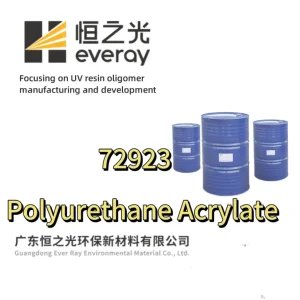
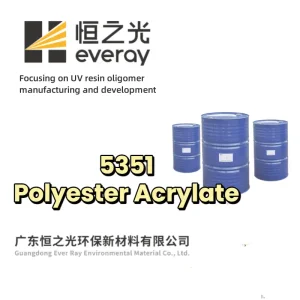
In modern civil engineering, protective coatings, and advanced optoelectronics, the demand for flawless, flat, and durable surfaces has driven the development of high-performance polymer materials. Self-leveling epoxy resins and UV-curable oligomers stand at the intersection of precision polymer chemistry and application engineering. These systems are formulated to control rheological profiles, allowing the resin to flow under gravity prior to curing to eliminate surface defects, pinholes, and orange peel effects.
As a leading pioneer in this domain, Guangdong Ever Ray Environmental Material Co., Ltd. (established in 2006) has spent nearly two decades refining the molecular synthesis of epoxy acrylates, polyurethane acrylates (waterborne, aliphatic, and aromatic), and polyester acrylates. By manipulating viscosity profiles, crosslinking density, and mechanical properties, we provide industrial manufacturers with prepolymers that serve as the backbone for next-generation coatings.
This whitepaper explores the global commercial landscape of self-leveling resin chemistry, modern UV oligomer developments, local applications across extreme environments, and the industry’s trajectory toward low-VOC, carbon-neutral manufacturing.
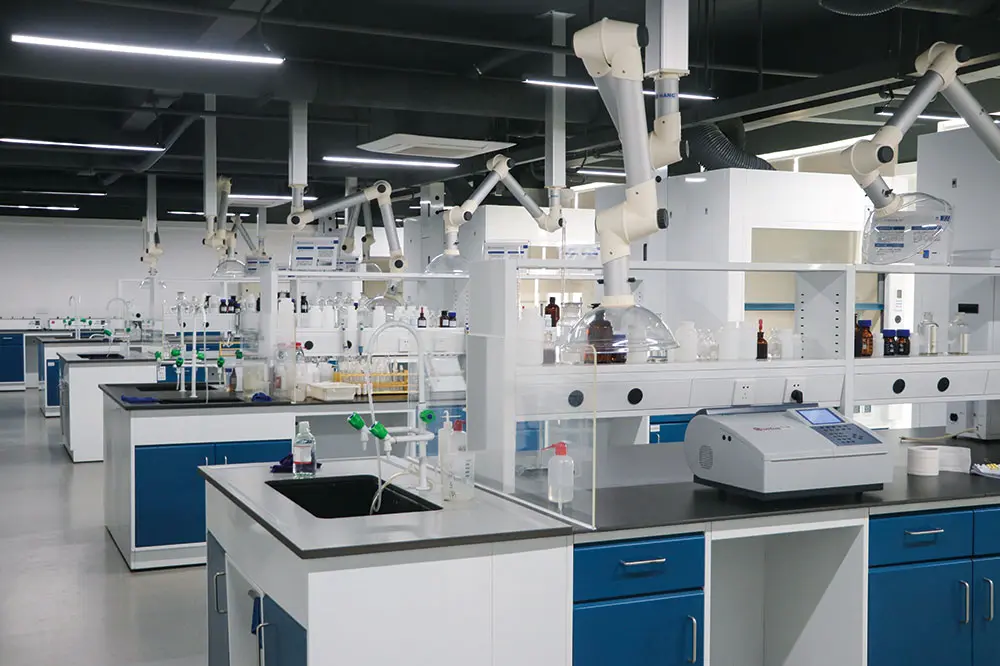
Guangdong Ever Ray Environmental Material Co., Ltd., established in 2006, is a premier national high-tech enterprise dedicated to the R&D, chemical engineering, and volume manufacturing of radiation-curable (UV/EB) oligomers. Our technical portfolio spans a wide spectrum of functional prepolymers, including epoxy acrylate, waterborne/aliphatic/aromatic polyurethane acrylate, polyester acrylate, pure acrylics, and custom-modified functional acrylates.
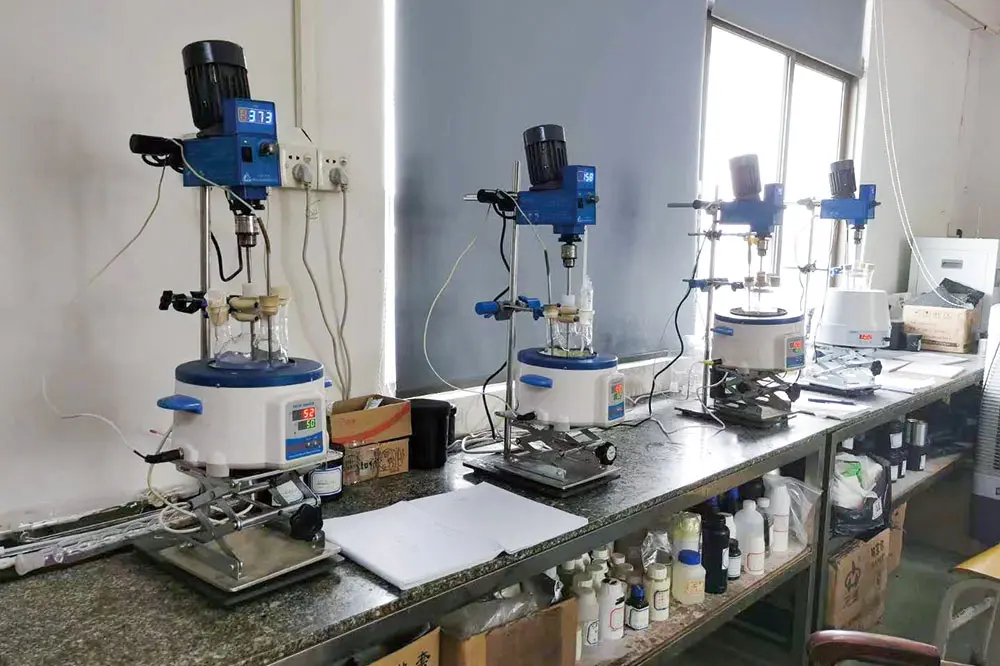
To guarantee structural product stability and chemical consistency, our production infrastructure utilizes advanced DCS fully computerized control systems. We select premium domestic and international raw materials, and collaborate closely with industry-leading polymer specialists. Through strict adherence to the ISO9001 Quality Management System and ISO14001 Environmental Management System, Ever Ray ensures that safety, compliance, and ecological responsibility coexist with manufacturing performance.
How self-leveling resins and UV chemistry drive modern infrastructure, aerospace, and electronics sectors.
Environmental legislation, such as the EU's REACH regulation and regional clean air rules in the US and Asia, has significantly limited volatile organic compound (VOC) emissions. This regulatory shift has accelerated the adoption of 100% solid UV coatings and waterborne polyurethane acrylates (WPUs), replacing solvent-based technologies in automotive, furniture, and industrial flooring sectors.
In manufacturing environments, automotive assembly plants, and cleanrooms, self-leveling epoxy flooring systems are essential. By utilizing highly specialized modified acrylates and epoxy prepolymers, formulators achieve high gloss, rapid cure rates, and high resistance to impact, mechanical load, and aggressive solvents.
Self-leveling formulations are critical to high-performance optics, touch screens, and flexible electronics. Advanced acrylates provide optically clear adhesives (OCA) and hardcoats, ensuring consistent film thickness, excellent thermal management, and reliable adhesion to substrates like glass, PMMA, and PET.
From mechanical properties to manufacturing efficiency, the next generation of industrial coatings is defined by three key technological shifts.
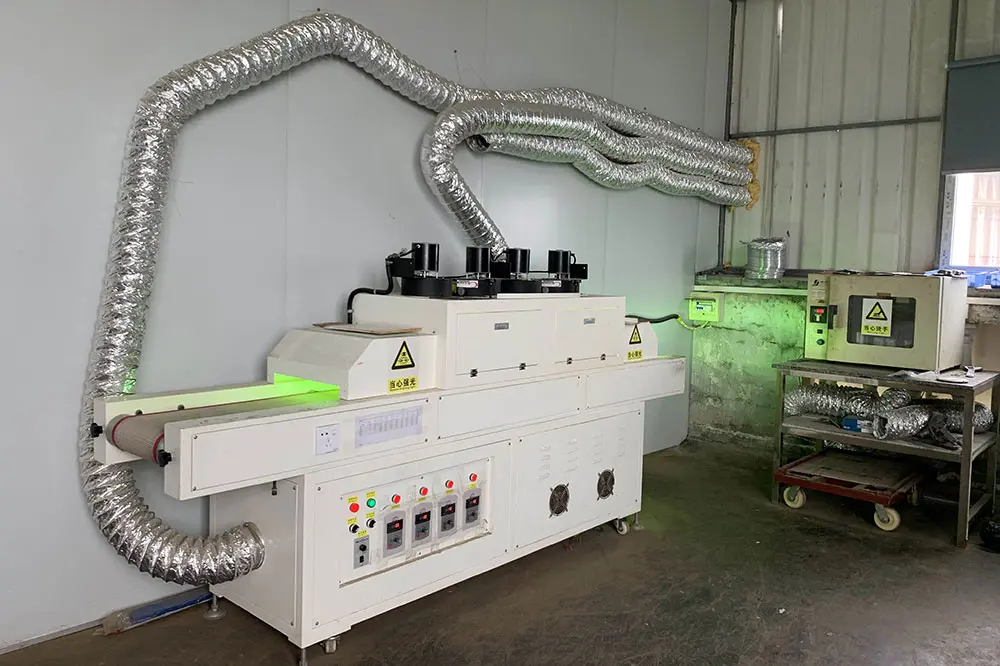
Conventional matting methods use high amounts of silica filler, which can compromise coating transparency and increase system viscosity. Excimer curing technologies solve this by using 172 nm UV light to micro-fold the surface of specialized resins like Polyester Acrylate 53036. This creates a durable, scratch-resistant surface with an ultra-matte finish and a soft, skin-like tactile feel.
Cure shrinkage can cause internal stress, micro-cracking, and loss of substrate adhesion. Advanced formulations, such as Modified Epoxy Acrylate 6203F, are chemically modified to reduce shrinkage during the crosslinking reaction. This is highly beneficial for precision applications like semiconductor encapsulation, optoelectronics, and vacuum electroplating.
Dual-cure systems combine UV curing with secondary thermal or moisture-cure mechanisms to ensure full polymerization in shaded or opaque areas. Utilizing high-reactivity acrylates like Polyester Acrylate 5502B, these systems allow high-speed processing without sacrificing mechanical properties, wear resistance, or substrate adhesion.
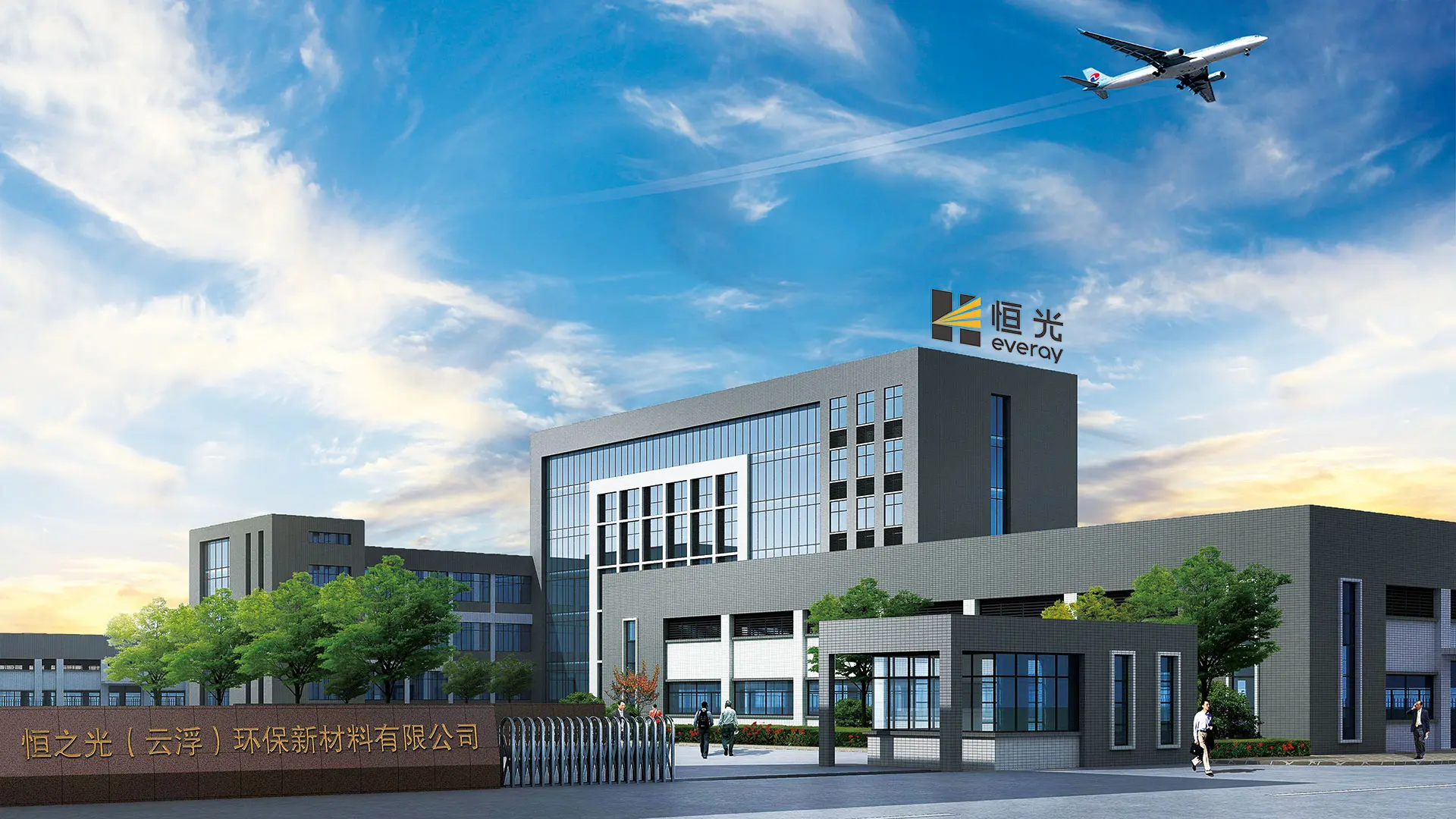
Ever Ray operates two advanced manufacturing sites in Guangdong Province, engineered for safety, precision, and high-volume production:
| Production Base | Site Area | Annual Capacity | Core Operations | Process Controls |
|---|---|---|---|---|
| Jiangmen Base (Guangdong) | ~10,000 m² | Over 20,000 Metric Tons (Combined) | R&D, Pilot Testing, Quality Assurance, Specialized Modifications | DCS fully computerized controls, ISO 9001:2015, ISO 14001:2015 |
| Yunfu Base (Guangdong) | ~40,000 m² | Large-Scale Polymer Synthesis, High-Volume Reactor Lines, Logistics Hub |
Our facilities utilize DCS automated systems to monitor reactions in real time, maintaining tight control over pressure, temperature, and feeding profiles. This ensures that every batch of epoxy acrylate or polyurethane acrylate meets our strict molecular weight and viscosity standards, providing excellent leveling performance and color stability.
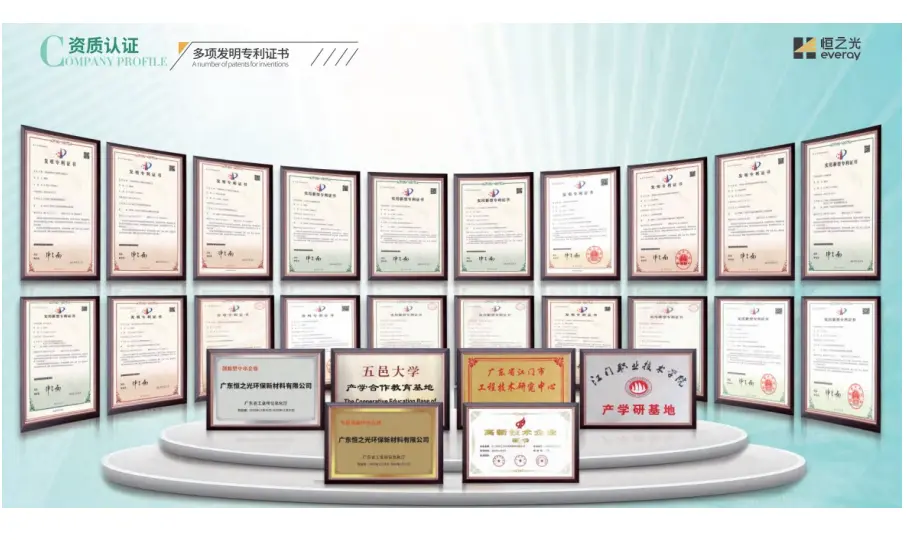
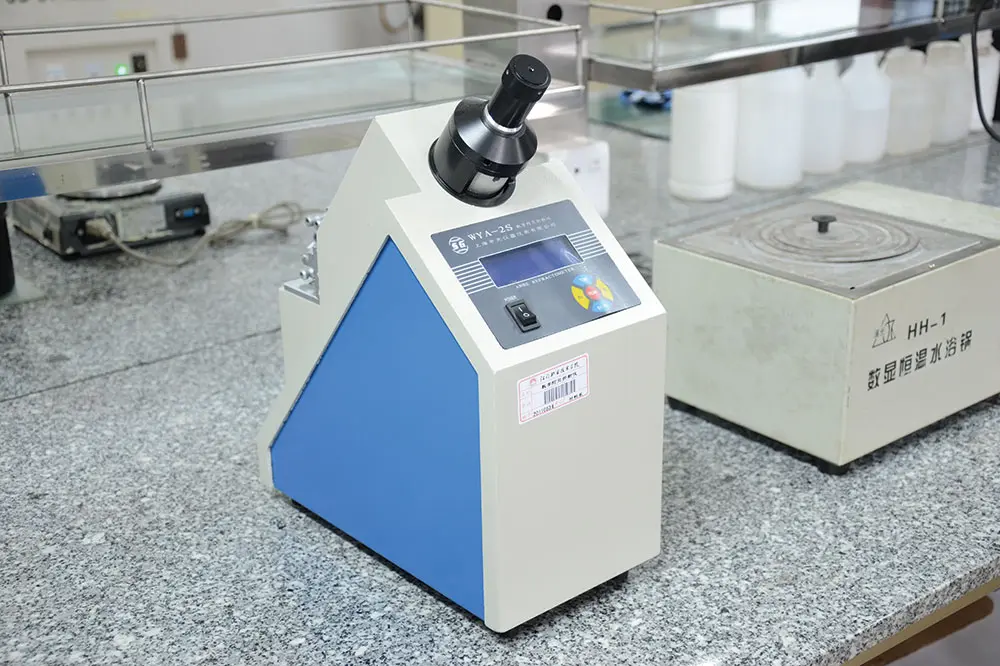
With 15+ dedicated R&D technicians and more than 10 patents, our research team develops custom resins tailored to specific industrial requirements. From adjusting cure speeds and yellowing resistance to optimizing adhesion on challenging substrates, we help our clients improve product performance while managing costs.
How industrial developers and OEMs utilize our specialized acrylates and resin prepolymers to solve complex application challenges.
For wood furniture and cabinet coatings, durability and color stability are key. Using products like 7200-1 Aliphatic Polyurethane Acrylate UV Resin, formulators can develop non-yellowing topcoats with high flexibility and scratch resistance. These coatings protect wood grain from UV degradation, moisture, and household cleaning chemicals.
SLA and DLP 3D printing technologies require photopolymers with rapid curing speeds and minimal volumetric shrinkage. Our 70250 UV Resin for 3D Printing is designed to support fine layer resolutions, clean edge definitions, and dimensional stability, making it suitable for both prototyping and functional parts.
Glass surfaces are non-porous and hydrophilic, which makes coating adhesion difficult, especially under humid conditions. 17730A-2 Special Modified Acrylate Resin features polar groups that bond chemically with glass substrates, ensuring high water resistance, chemical barrier performance, and excellent leveling.
Vacuum metallization on plastic substrates requires a primer coat that levels surface irregularities, as well as a protective topcoat to seal the metallic layer. Our 7620 UV-Curing Resin is engineered for vacuum electroplating, providing excellent intercoat adhesion, high gloss, and chemical resistance to protect thin-film metal layers from oxidation and wear.
Looking forward: The future of UV oligomer chemistry and sustainable materials development.
As global industries target carbon neutrality, the development of bio-based monomers and oligomers is accelerating. Ever Ray's technical roadmap includes incorporating renewable resources—such as plant-derived polyols and cardanol-based epoxy resins—into our core product lines without compromising performance, helping manufacturers reduce their carbon footprint.
Traditional matte coatings require multi-layer systems or high concentrations of matting agents. Our research is focused on developing self-matting oligomers that form structured surfaces during polymerization. By controlling surface crosslinking under specific light wavelengths, we aim to simplify the coating process and lower production costs.
To address curing challenges in thick layers or pigmented systems, we are expanding our R&D in dual-cure formulations. These materials combine rapid UV crosslinking for immediate handling strength with a secondary thermal or moisture-cure mechanism to ensure complete polymerization throughout the film.
Frequently asked technical questions answered by Ever Ray’s R&D department.
Achieving both hardness and leveling requires careful balance in polymer design. Hardness is driven by crosslinking density and rigid structures (such as Bisphenol A backbones in Epoxy Acrylate 9104). Leveling, on the other hand, depends on the system's viscosity and surface tension during application. We control this by combining rigid epoxy oligomers with modified low-viscosity acrylates, such as 6231, which lower surface tension and allow the wet film to flow and level before polymerization.
Yellowing is primarily caused by the photo-oxidation of aromatic rings (such as those found in Bisphenol A epoxy acrylates) when exposed to UV light. For outdoor applications or white topcoats, aliphatic structures are preferred. Our 72923 Aliphatic Polyurethane Acrylate Resin does not contain aromatic carbons, making it highly resistant to UV-induced yellowing and degradation.
Under 172 nm excimer UV light, the penetration depth is very low (typically less than a micrometer). This causes rapid polymerization only at the outermost surface of the coating, leading to micro-folding or wrinkling due to cure shrinkage. When the bulk coating is subsequentally cured by standard UV lamps, this micro-structured surface is locked in place, producing a highly durable matte finish without the need for traditional silica matting agents.
High volume shrinkage during curing creates internal stress that can lead to warping, micro-cracks, and loss of adhesion to plastic substrates. In vacuum metallization, shrinkage can also disrupt the thin deposited metal layer. We recommend 6203F Low-Shrinkage Modified Epoxy Acrylate Resin, which is formulated to control shrinkage, protect the metal interface, and ensure strong intercoat adhesion.
Discover our range of resins developed for specialized industrial coatings, high-speed inks, and protective varnishes.
 Ever Ray