Explore our premium grade UV-curable monomers and oligomers, custom engineered for unparalleled mechanical adhesion, high transparency, and superior cure velocity.
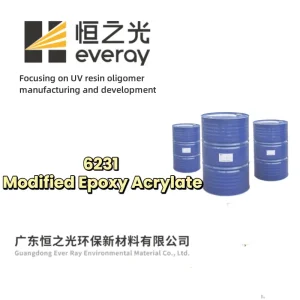
Understanding the transition from traditional thermocuring polymers to photopolymerizable structural resins.
Global manufacturers are rapidly phasing out traditional solvent-based thermal curing methods in favor of high-reactivity UV systems. This paradigm shift, driven by strict environmental protocols (e.g., VOC emission thresholds), places transparent epoxy acrylate and polyurethane acrylate oligomers at the heart of fast-cure processing lines.
By blending specialized epoxy acrylates with precise flexible oligomers, manufacturers achieve optimal shrinkage reduction without sacrificing thermal stability. Acrylic double-bond propagation ensures near-instantaneous cross-linking density, translating to outstanding scratch resistance and optical-grade transparency.
As corporations align with Carbon Neutrality goals, the design of low-viscosity, high-solids formulation schemes has become crucial. Monomer-diluted systems allow processors to formulate zero-VOC varnishes and inks that cure under low-energy UV-LED irradiation profiles, reducing energy overheads by up to 60% compared to traditional mercury arc installations.
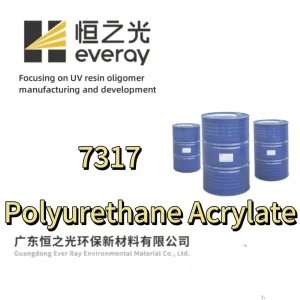
Established in 2006, Guangdong Ever Ray Environmental Material Co., Ltd. has established itself as an industry-leading high-tech enterprise focusing strictly on the research, development, and high-volume manufacturing of oligomers for UV-curable systems. Our specialized portfolio includes high-transparency epoxy acrylate, polyurethane acrylate (waterborne, aliphatic urethane, aromatic urethane), polyester acrylate, pure acrylate, and custom modified functional acrylate oligomers designed to withstand tough operational conditions.
We are dedicated to coexisting in harmony with the environment while maintaining strict technological advancement. Guided by domestic and foreign photopolymer experts, Ever Ray acts as a trusted global supply chain partner, helping businesses cut costs, improve curing dynamics, and achieve high-gloss, chemical-resistant finishes.
2006
Established Year
50k+
Production Area (sqm)
20k+
Annual Tons Capacity
10+
Patented Technologies
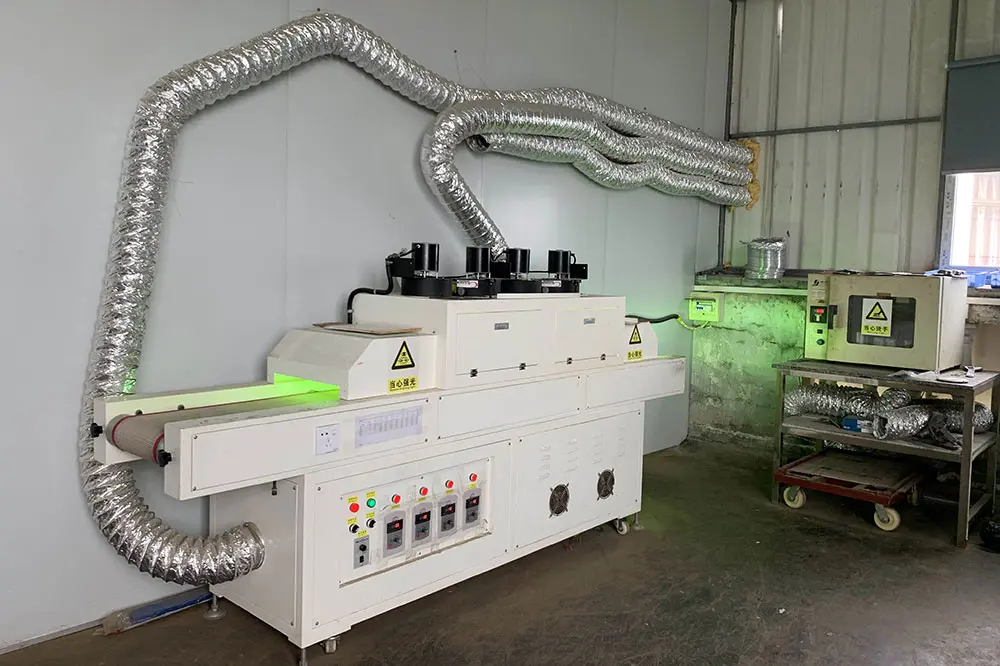
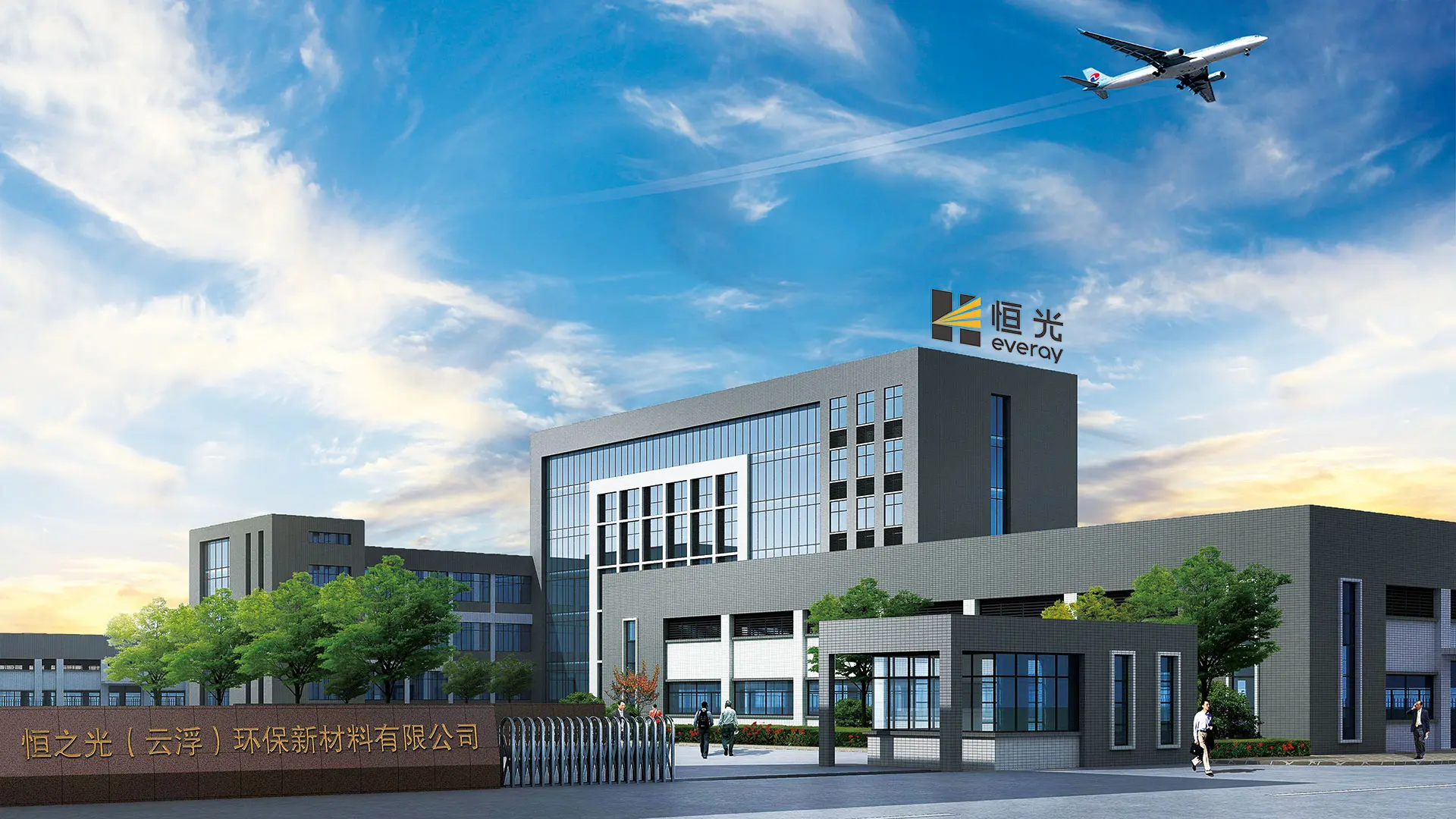
Our production infrastructure spans two massive manufacturing bases situated in Guangdong Province, managed through a central DCS computerized coordination terminal to guarantee absolute production safety and batch uniformity:
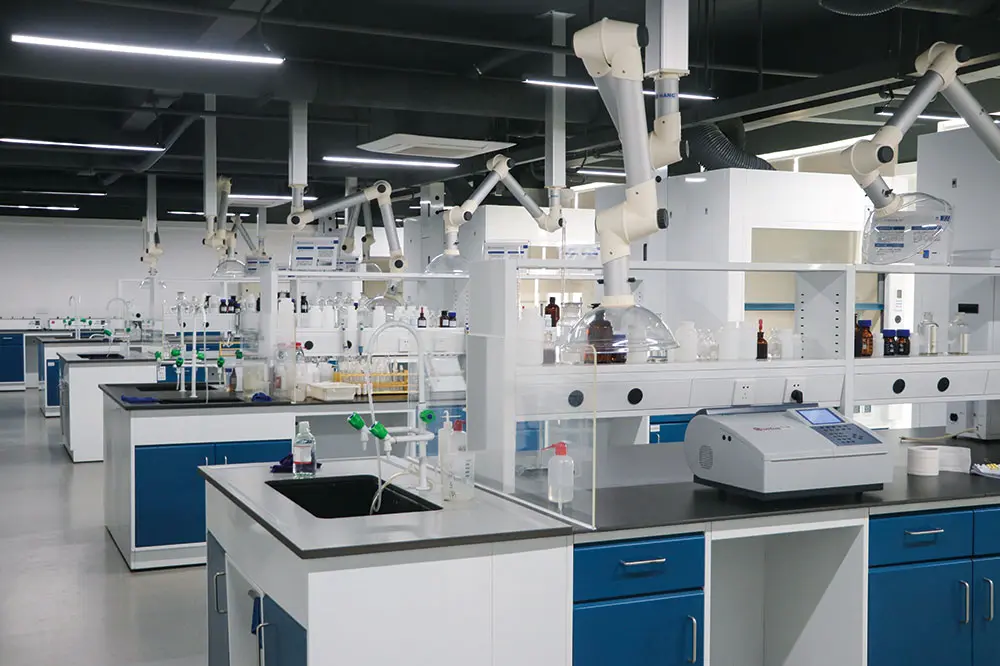
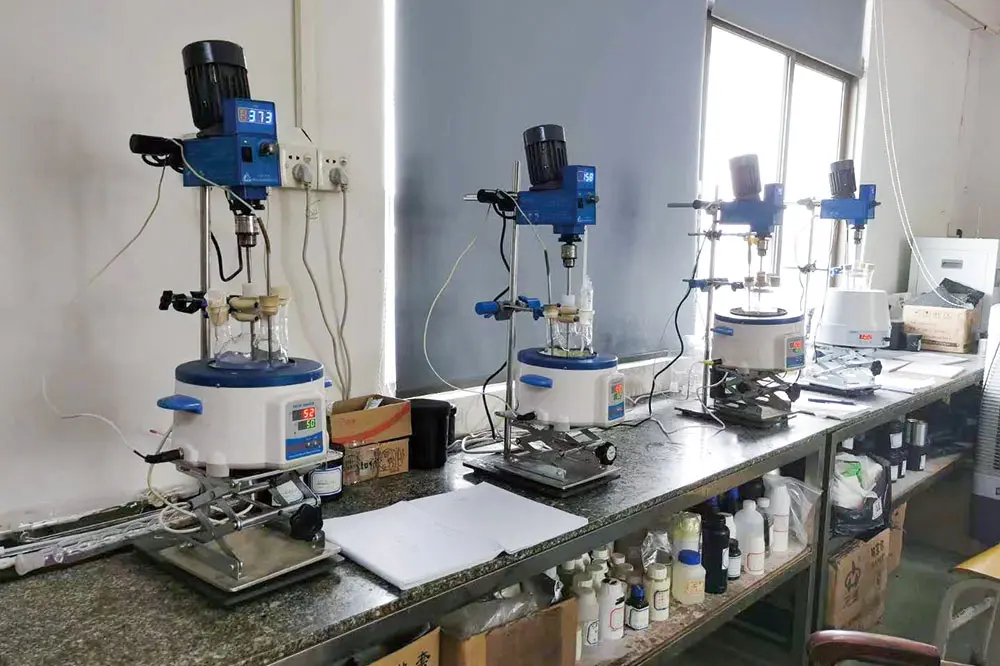
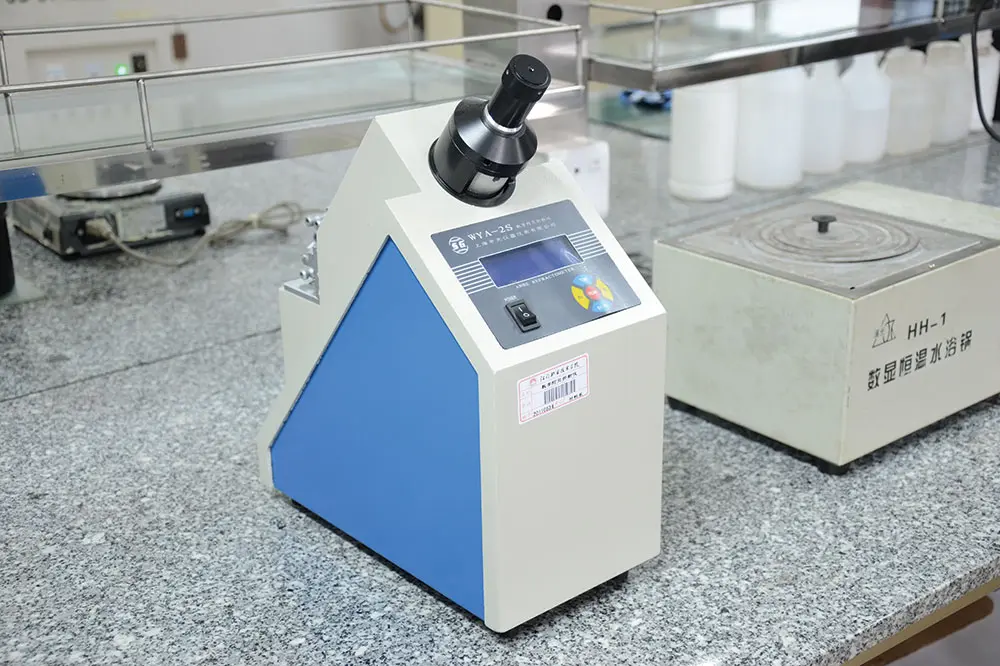
Visualizing our cleanroom processing, high-capacity reaction vessels, and advanced synthesis systems.
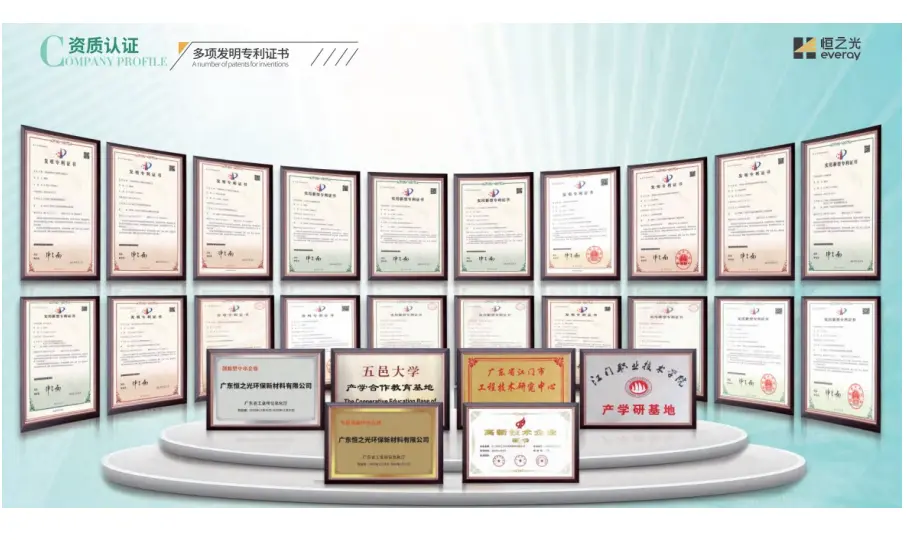
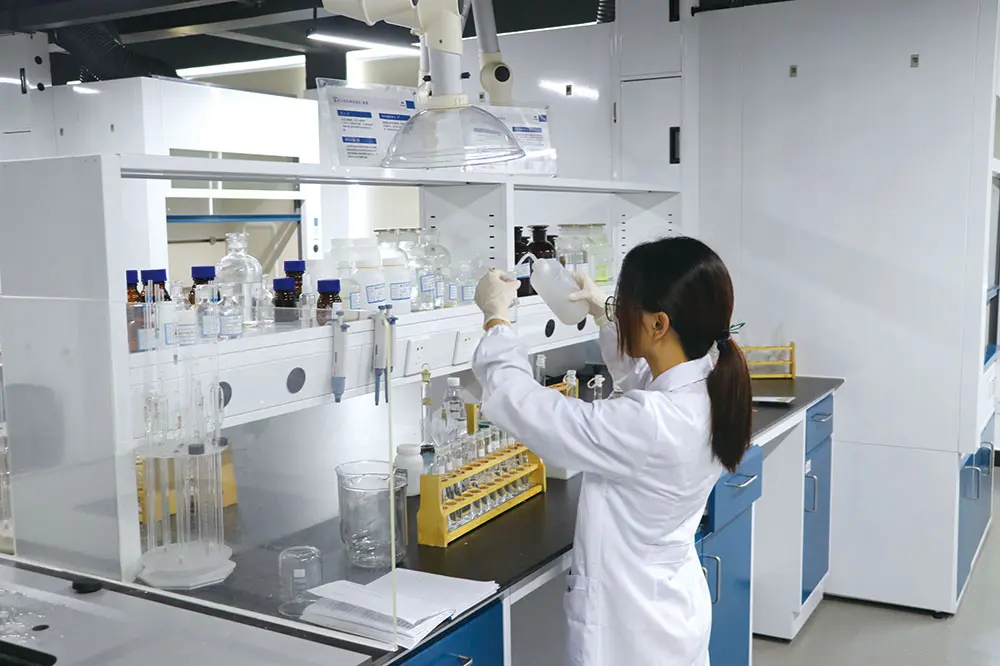
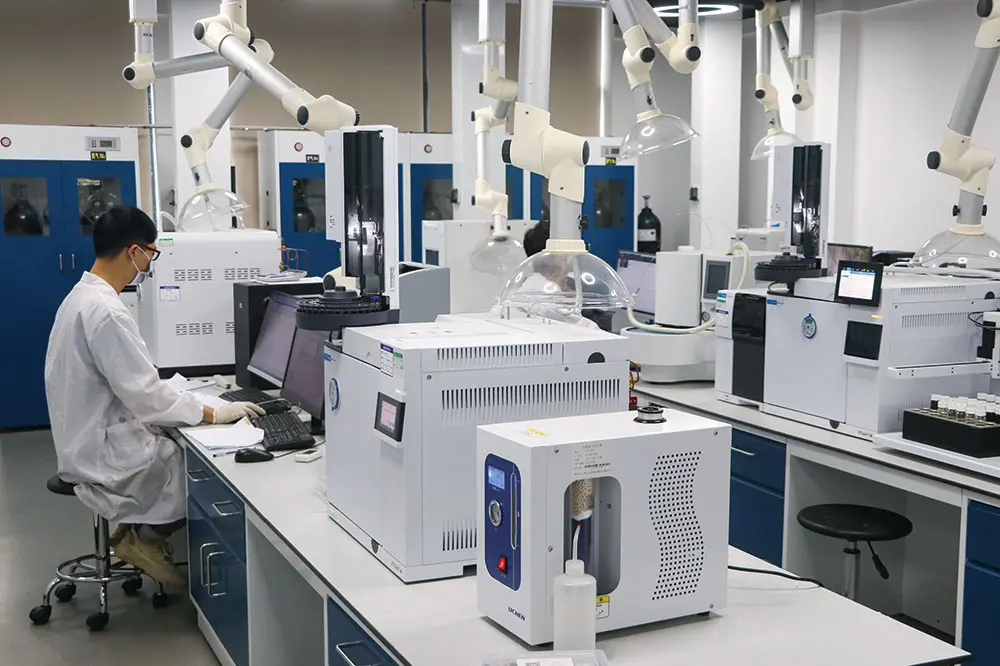
Ever Ray operates under strict compliance with the ISO9001 Quality Management System and ISO14001 Environmental Management System. With more than 15 dedicated technical specialists and chemists in our in-house R&D wing, we specialize in customizing oligomers that deliver exceptional reactivity, chemical resistance, and high-gloss characteristics. Our material scientists continuously develop solutions that address both functional needs and raw material optimization.
By using premium local and imported chemical feeds and managing production lines via real-time DCS systems, we prevent batch deviations, ensuring that each delivery matches standard specifications for viscosity, color index, and epoxide equivalent weight.
How Ever Ray resins address structural durability, adhesion, and optical requirements across core international markets.
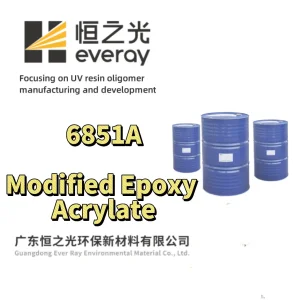
Our modified epoxy acrylates, such as the 6851A, are designed with specialized non-yellowing molecules. This minimizes double-bond photo-oxidation, preserving long-term optical clarity. These properties make it ideal for high-end protective topcoats, wood panel finishes, and automotive plastic components.
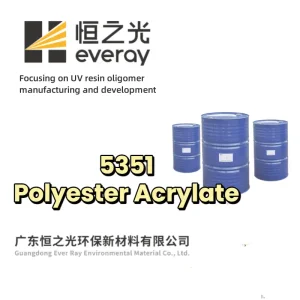
Utilizing high-solids polyester acrylates like the 5351 and 56031, formulators can design inks with excellent pigment wetting, low odor, and good curing characteristics. This approach resolves curing limitations on flexible plastic films, metallic foils, and multi-layered packaging substrates.
Cosmetic raw material suppliers require oligomers with low skin irritation, low shrinkage, and high flexibility. Ever Ray's polyurethane acrylate oligomers deliver optimal gloss and good acetone-soak removal times, ensuring stable performance in consumer nail cosmetic applications.
At Ever Ray, our research trajectory centers on resolving the key performance challenges of radiation-curable systems:
Developing bio-sourced raw materials to synthesize epoxy and polyurethane acrylates, reducing carbon footprint while maintaining chemical resistance.
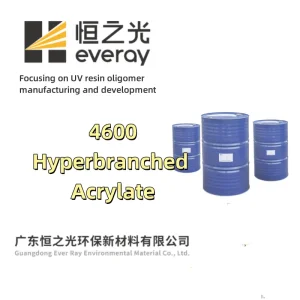
Utilizing hyperbranched and modified molecular structures to achieve near-zero shrinkage, which is critical for precision optical parts and adhesion on glass or metal substrates.
Optimizing oligomers to react under 365nm and 395nm LED wavelengths, helping manufacturing plants save energy and eliminate ozone emissions.
We understand that chemical sourcing requires compliance with strict safety regulations. Ever Ray offers full documentation and testing support to streamline international logistics:
Technical guidance and answers to common challenges in epoxy acrylate and UV-curable formulations.
Explore the remainder of our technical catalog, formulated for demanding applications in industrial inks, wood coatings, and protective varnishes.
 Ever Ray