Explore our premium grade chemical formulations engineered for outstanding adhesion, rapid cure kinetics, and superior physical properties across multiple industrial substrates.
An in-depth analysis of high-efficiency photopolymerization systems and oligomer development.
The global UV curing technology market is undergoing an unprecedented paradigm shift, driven by dynamic environmental mandates, accelerated production cycles, and the search for energy-efficient industrial coatings. Known chemically as photopolymerization, UV curing utilizes electromagnetic radiation—specifically in the ultraviolet spectrum (200 nm to 400 nm)—to initiate a rapid, chain-growth polymerization of oligomers and monomers. Unlike conventional thermal curing, which relies on evaporative solvents and prolonged heating cycles, UV curing completes crosslinking in fractions of a second, drastically reducing carbon emissions and plant footprint.
Historically utilized in simple paper varnishes, modern UV-curable formulations have transitioned into advanced applications, including flexible optoelectronics, multi-layer printed circuit boards (PCBs), aerospace composites, high-performance automotive coatings, and biocompatible medical adhesives. This transition is catalyzed by the development of specialty oligomers. As the skeletal backbone of any photocurable system, the chemical structure of the oligomer dictates the final film properties, such as tensile strength, elongation, thermal stability, chemical resistance, and substrate adhesion.
Instantaneous transition from liquid to solid crosslinked network. Enhances processing speeds by up to 400% compared to thermal thermal curing systems.
Elimination of volatile organic compound emissions, ensuring alignment with strict EPA, REACH, and domestic environmental policies globally.
Engineered chemistry allows low-temperature application on heat-sensitive substrates including paper, PVC, polycarbonate, ABS, and natural wood.
Regionally, the Asia-Pacific region dominates the manufacturing capacity and consumption of UV-curable materials, accounting for more than 45% of global market share. This dominance is driven by the concentration of consumer electronics fabrication (3C industry) and rapid urbanization demanding eco-friendly building materials. In North America and Europe, stringent regulatory frameworks established by agencies such as the EPA (Environmental Protection Agency) and ECHA (European Chemicals Agency) have accelerated the phase-out of traditional solvent-based formulations. This regulatory pressure has forced industries to adopt 100% solid UV formulations or waterborne UV systems (UV-PUDs) for wood coatings, packaging inks, and automotive parts.
Simultaneously, the industry is witnessing a transition from traditional medium-pressure mercury arc lamps to Solid-State Light Emitting Diode (LED) UV curing systems. LED-UV curing offers narrower emission bands (predominantly 365 nm, 385 nm, 395 nm, and 405 nm), lower energy consumption, longer operational life, and zero ozone production. This transition requires chemical manufacturers to synthesize highly reactive oligomers capable of matching the narrow output spectra of LED-UV systems without sacrificing depth of cure or surface tackiness.
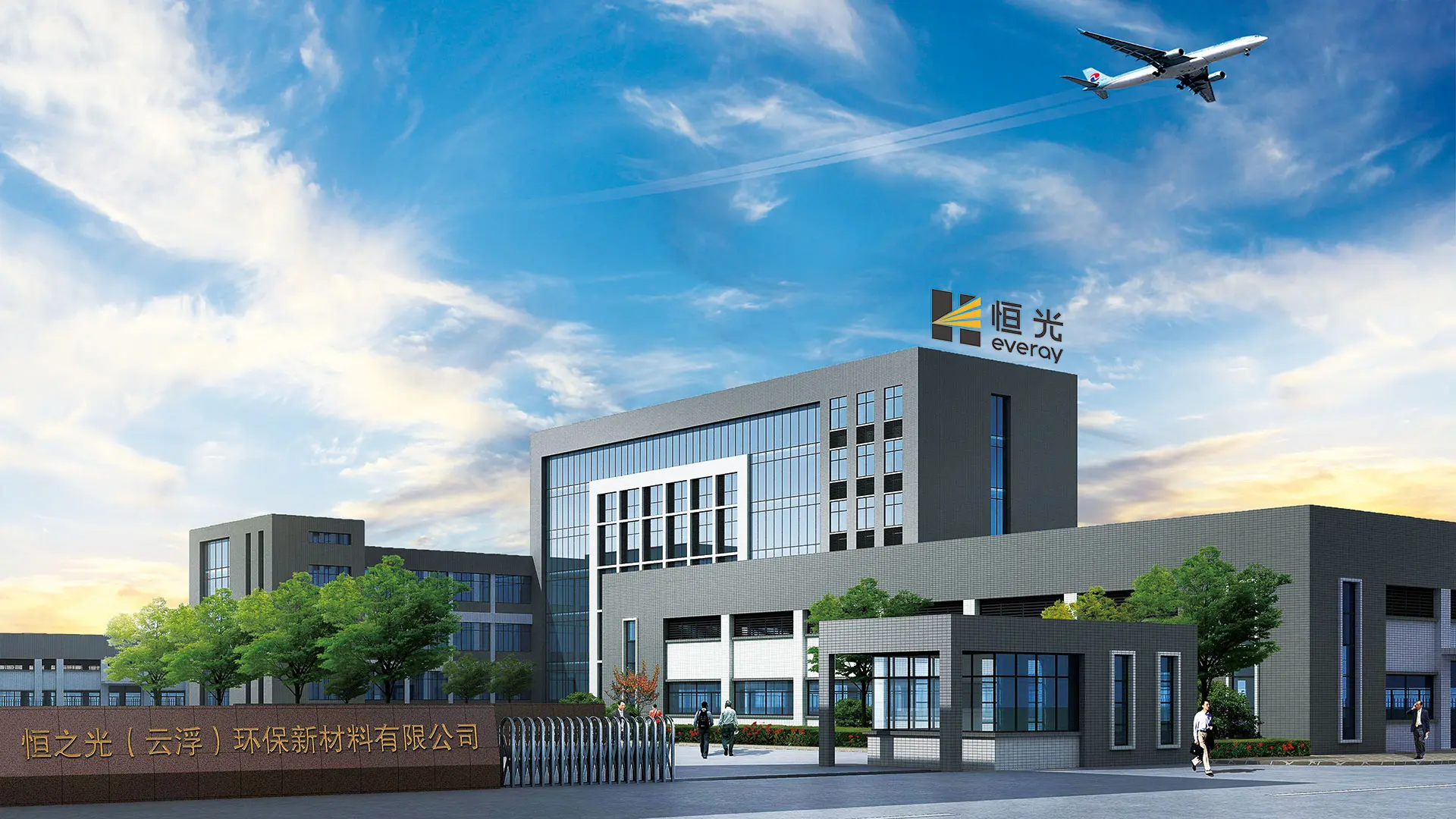
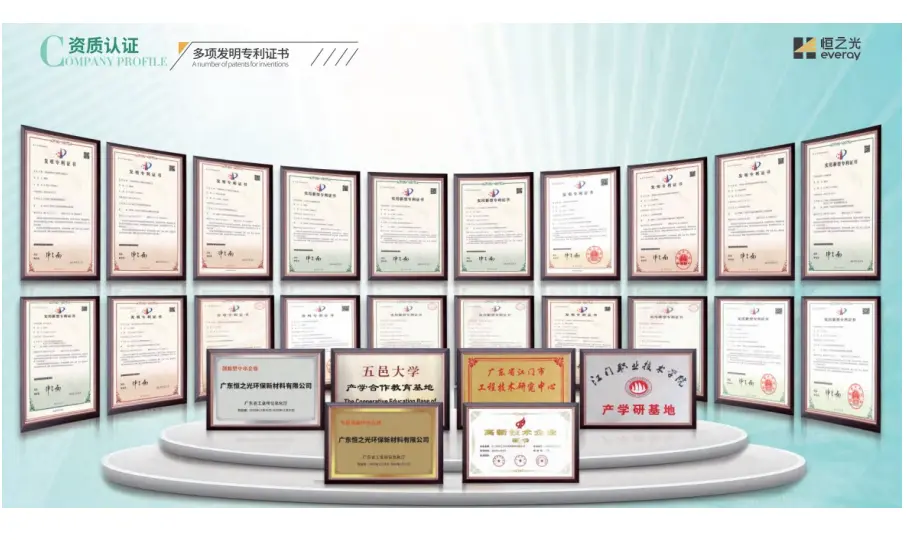
Established in 2006, Guangdong Ever Ray Environmental Material Co., Ltd. is a premier high-tech enterprise dedicated to the R&D, chemical synthesis, and large-scale manufacturing of oligomers for UV-curable resins. Our diverse portfolio includes epoxy acrylates, polyurethane acrylates (waterborne, aliphatic, and aromatic), polyester acrylates, pure acrylates, and specialty modified functional acrylates.
Through our persistent pursuit of chemical engineering excellence, we supply key formulations to worldwide markets, offering exceptional reactivity, high hardness, scratch resistance, and chemical defense systems across diverse applications including wood coatings, electronics, plastic metallization, and graphic arts.
Annual Capacity (Tons)
Total Production Area (m²)
Invention & Utility Patents
Senior R&D Technicians
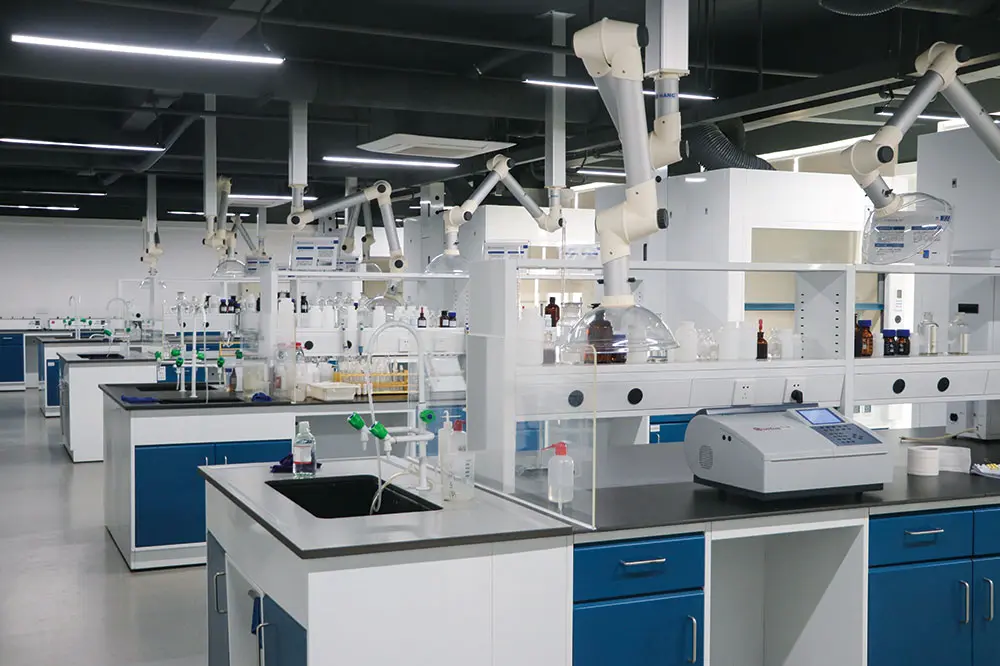
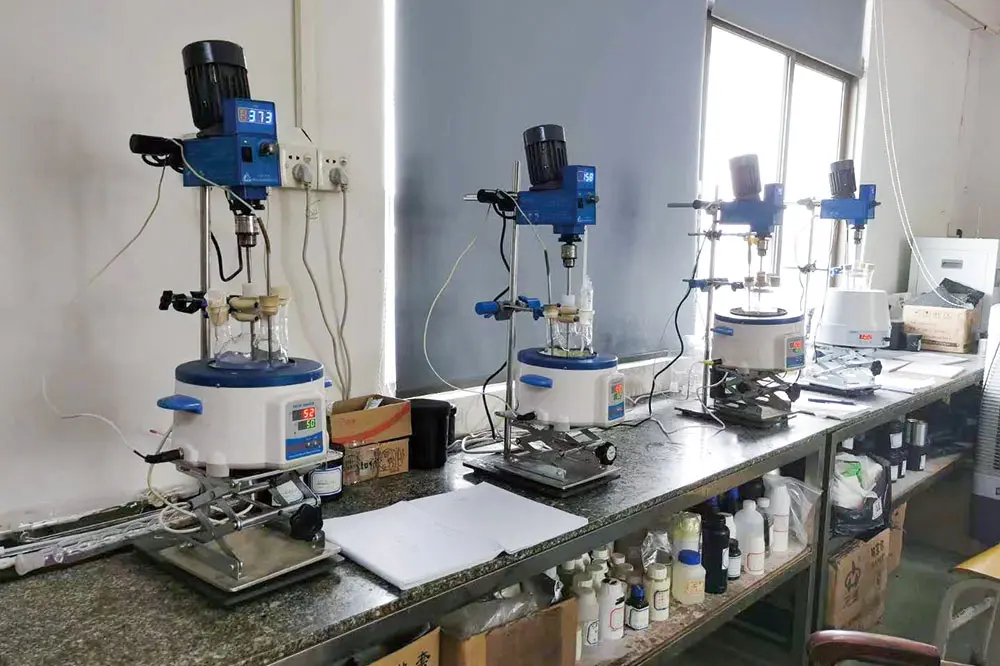
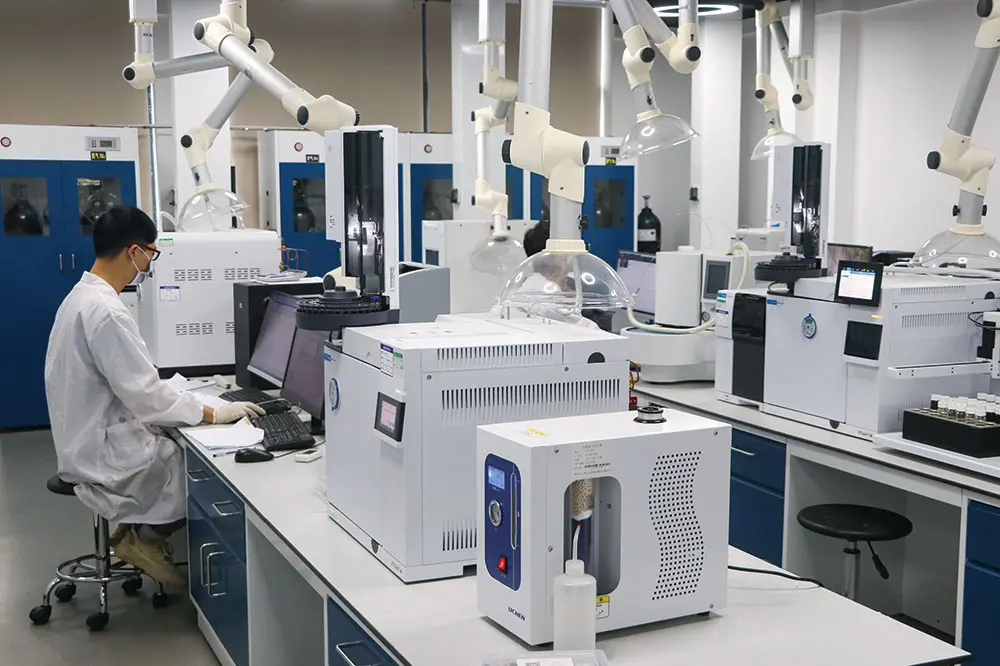
To support global supply stability and meet high-volume procurement schedules, Guangdong Ever Ray operates two chemical production facilities located in Guangdong province:
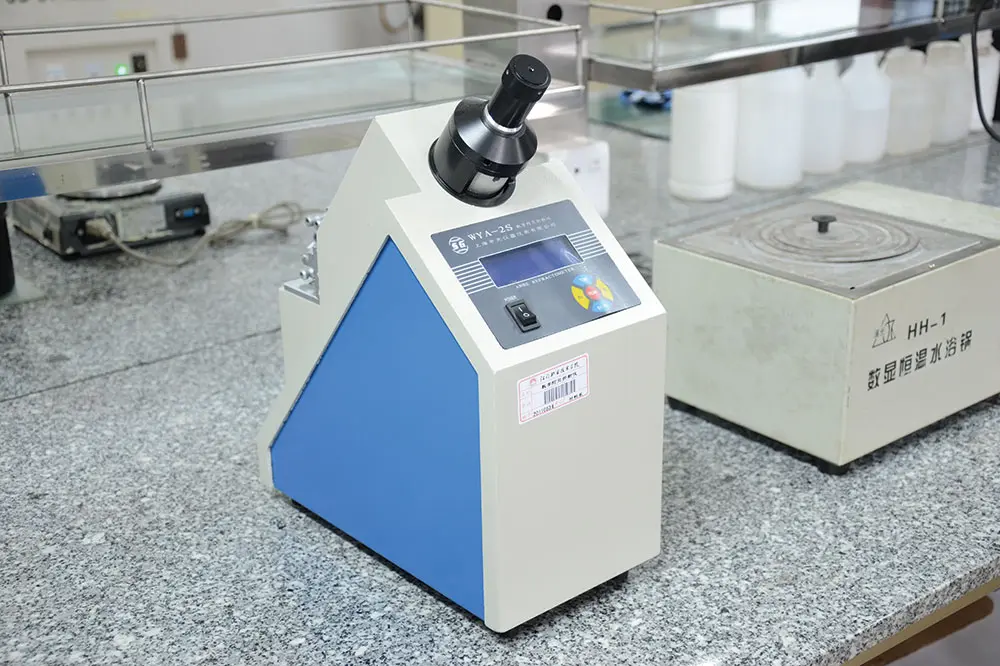
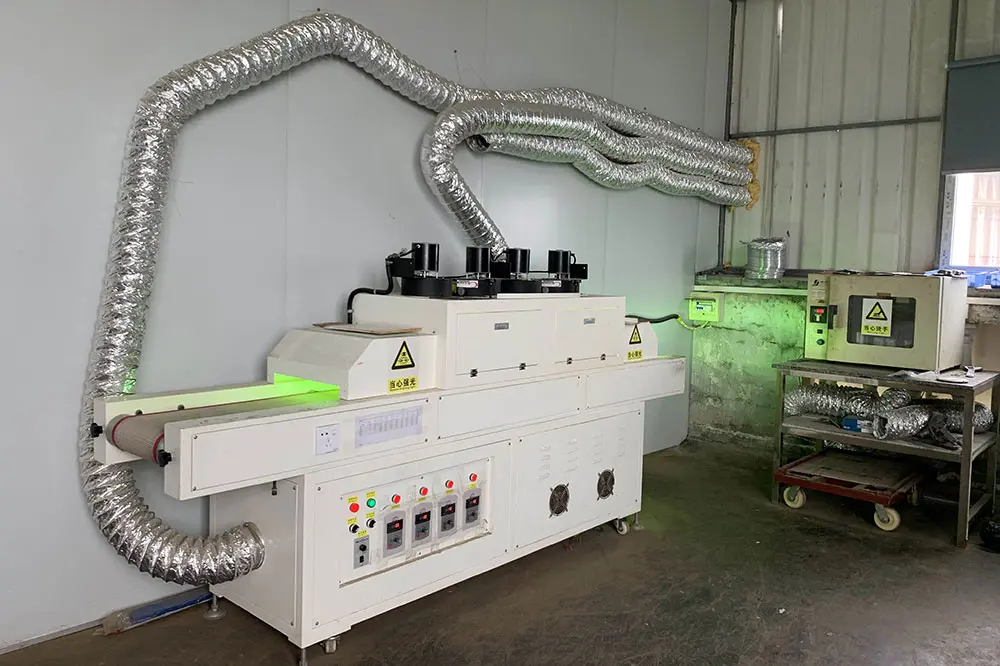
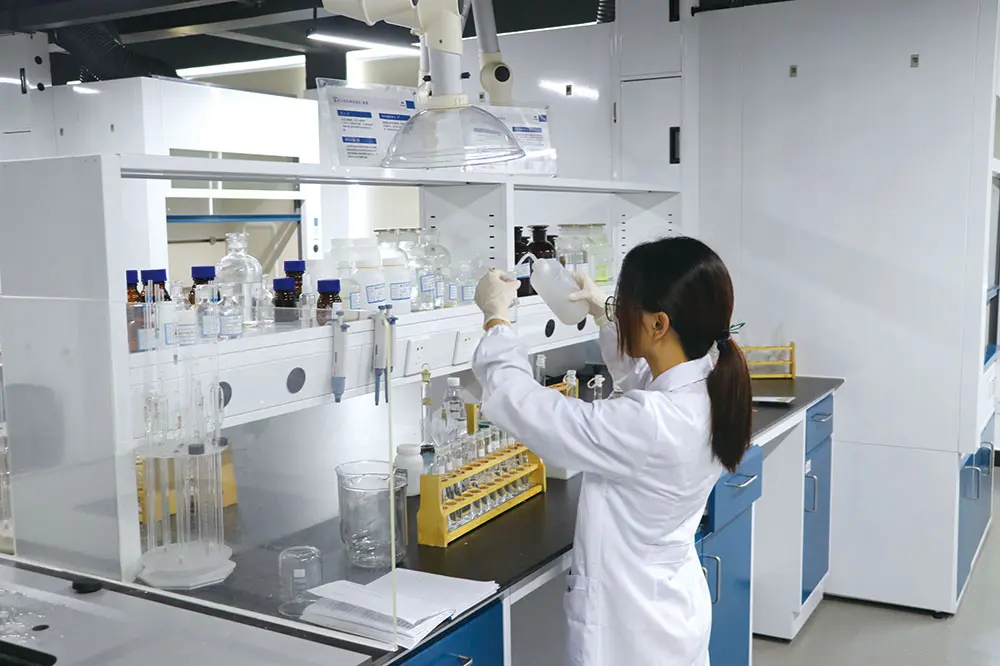
Both production bases are equipped with state-of-the-art DCS (Distributed Control System) computerized automation, ensuring precise process control over reaction temperatures, monomer addition rates, and pressure profiles. This high level of process control minimizes batch-to-batch variation, a critical factor for precision electronics and high-speed packaging printing. Additionally, our operations are certified under the ISO 9001 Quality Management System and ISO 14001 Environmental Management System, reflecting our commitment to safety, consistency, and clean production practices.
How downstream integration, vertical scale, and infrastructural efficiency support global operations.
The chemical supply chain for photopolymerizable systems relies heavily on the availability of key precursors, such as acrylic acid, specialty polyols, diisocyanates, and epoxides. Chinese chemical clusters, particularly within Guangdong and surrounding coastal zones, offer distinct advantages due to their concentrated industrial layout. This proximity allows for direct, pipeline-supported or localized transport of core raw materials, mitigating the logistics risks associated with cross-border shipping and reducing transit times.
At Ever Ray, this localized supply chain integration translates into concrete cost and speed advantages for our global partners:
By combining this infrastructure with DCS-controlled production, we deliver highly consistent oligomers that comply with strict global regulatory and environmental standards, helping international formulators optimize both raw material costs and product performance.
Customizing oligomer structures to meet specific regional and industrial performance requirements.
Our aliphatic urethane acrylates provide excellent scratch resistance and non-yellowing characteristics, ideal for protective finishes on mobile devices, automotive displays, and optical films.
For European and Asian furniture manufacturers, our waterborne UV polyurethane dispersions (UV-PUDs) offer excellent wood-grain wet-out, low gloss control, and chemical resistance with zero VOC emissions.
Designed for food packaging and label printing, our polyester and pure acrylates feature fast cure response, low odor, and minimal migratables, ensuring compliance with food safety regulations.
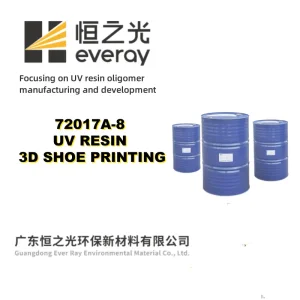
The expansion of additive manufacturing (SLA/DLP/LCD) has created a significant demand for UV-curable liquid resins with high mechanical strength and rapid curing kinetics. In 3D printed footwear, such as midsoles and insoles, the cured elastomer must withstand repetitive compression cycles without experiencing cracking or permanent deformation. Our 72017A-8 Dual-Curing UV Resin is specifically designed for these demanding footwear applications. This resin utilizes a hybrid curing mechanism, combining initial UV-induced crosslinking for rapid green-strength development with a secondary thermal or moisture-induced cure to ensure complete monomer conversion in shadow areas. The resulting polymer network offers excellent tensile strength, high tear resistance, and low compression set, making it highly suitable for high-performance athletic footwear.
A technical overview of upcoming innovations in photopolymer chemistry.
As the global market transitions toward higher efficiency and sustainability, our R&D team is focusing on several key areas of innovation:
To reduce dependence on fossil-based raw materials, there is a strong focus on synthesizing oligomers from renewable sources. By incorporating plant-derived polyols (such as castor oil, soybean oil, or dimer fatty acids) into the polyurethane or polyester backbone, we can formulate high-performance UV resins with bio-based content exceeding 40% without compromising reactivity or mechanical properties.
Traditional photoinitiators often rely on shortwave UV-C radiation for surface curing. With the industry moving toward 365 nm and 395 nm LED sources, we are redesigning our oligomers to minimize oxygen inhibition. By incorporating amine-synergist structures directly into the acrylate backbone, we can achieve tack-free surface cures at lower energy doses and longer wavelengths.
For consumer goods packaging, minimizing odor and volatile migration is critical. We achieve this by synthesizing high-molecular-weight multi-functional oligomers and utilizing ethoxylated or propoxylated monomer diluents. This approach reduces the residual low-molecular-weight fractions that can cause off-odors or migrate through packaging substrates.
Key quality benchmarks and compliance standards for international chemical sourcing.
Sourcing specialty chemicals globally requires strict compliance with international regulations. At Ever Ray, we align our manufacturing and quality control processes with the following global standards:
Expert insights on product specifications, formulation troubleshooting, and chemical compliance.
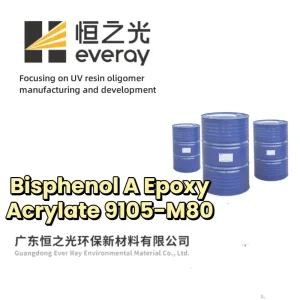
A detailed view of our high-reactivity acrylates, specialty functional monomers, and dual-curing resins.
Connect directly with our chemical engineers to request samples, arrange custom viscosity adjustments, or review compliance documentation for your project.
 Ever Ray