High-performance photo-curable formulations engineered for rapid cure profiles, excellent mechanical integrity, and reliable industrial throughput.
Photopolymerization, widely referred to as UV curing, is a complex photochemical process whereby liquid monomer-oligomer formulations are instantaneously transformed into highly crosslinked solid polymers upon exposure to ultraviolet radiation. The rate of this transformation—the UV resin curing time—is not a static parameter but rather a dynamic kinetic variable governed by the interaction of physical chemistry, spectral irradiation, and molecular engineering.
In standard free-radical UV systems, curing speed is initiated by the cleavage of photoinitiators under targeted wavelengths (typically 200nm to 405nm). Upon absorption of photons, these photoinitiators generate highly reactive free radicals that attack the carbon-carbon double bonds in acrylic oligomers and monomers, initiating a chain propagation sequence. This polymerization occurs within fractions of a second, making UV-curable chemistries the bedrock of modern high-speed printing, electronics packaging, industrial coatings, and micro-fabrication.
Did you know? Curing kinetics are radically different between radical and cationic systems. While free-radical systems cure almost instantly but suffer from oxygen inhibition, cationic systems (initiated by diaryliodonium or triarylsulfonium salts) cure slower but are immune to oxygen inhibition and display lower post-cure shrinkage.
Understanding the exact chemical structure of the oligomer is vital for optimizing curing efficiency. For example, Polyurethane Acrylates (PUA), such as the 7402 and 7296-1 formulations, offer a balance between rapid crosslinking density and high structural impact resistance. Conversely, Epoxy Acrylates, such as 9105A-80 or 61003A, exhibit high reactivity rates and deliver superior film hardness and solvent resistance, albeit with slightly higher volumetric shrinkage. In the design of modern coatings, the choice of raw chemical systems directly dictates the final speed of the curing conveyor and the corresponding mechanical yield.
Industrial performance depends on identifying and controlling the chemical and environmental variables that impact crosslinking speeds.
The matching of the light engine's emission spectrum (e.g., standard mercury vapor bulb vs. 365/395nm LED systems) with the absorption band of the photoinitiator packages determines the rate of initial radical generation.
Atmospheric oxygen acts as a radical scavenger, forming stable peroxy radicals that stall polymerization. Formulating with amine synergists or operating under nitrogen inerting offsets surface tackiness.
The density of reactive acrylate groups per oligomer molecule (acrylic functionality) greatly influences cure speed. Hexafunctional oligomers crosslink faster than bi-functional or mono-functional counterparts.
The international market for UV-curable resins is experiencing robust, structural growth driven by the manufacturing sector's pivot toward energy efficiency, environmental safety, and high-speed automated production. According to recent global chemical analyses, the photopolymer market is expected to expand at a CAGR of over 7.5% through 2030, with Asia-Pacific maintaining dominance in supply chain output, followed by North America and the European Union.
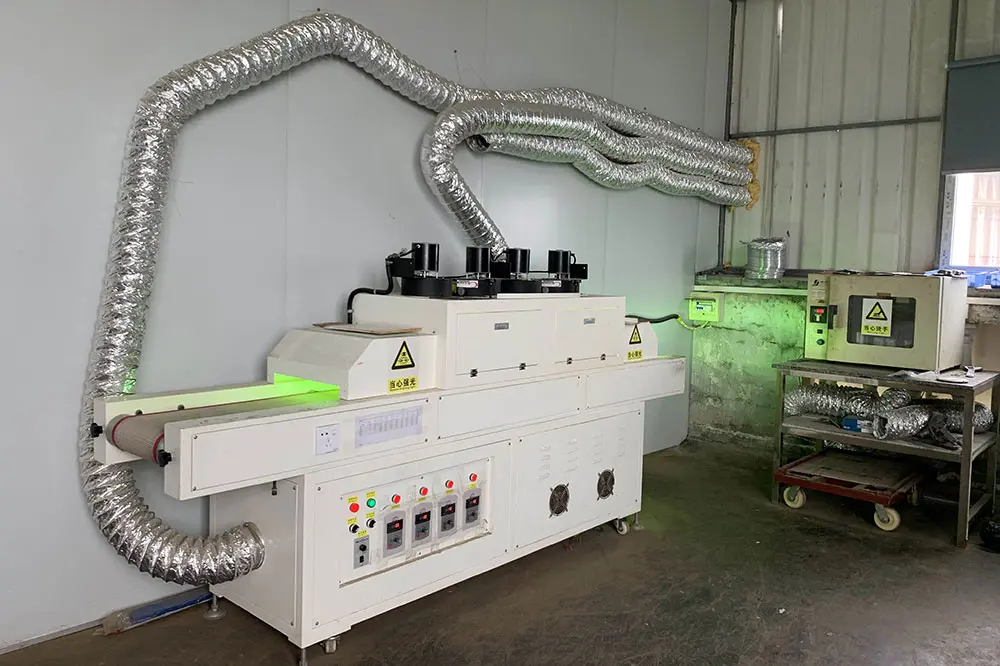
Traditional thermal-cure ovens, which require vast footprints, significant gas consumption, and release substantial Volatile Organic Compounds (VOCs), are rapidly being replaced by compact UV curing tunnels. Furthermore, the global shift toward LED UV curing systems has catalyzed the formulation of highly active oligomers. LED curing engines do not generate ozone and feature extremely low heat output, which allows for the high-efficiency coating of heat-sensitive substrates such as thin polymer films, wood veneers, and electronic components.
| Resin Type | Cure Speed Profile | Shrinkage Rate | Primary Application Fields |
|---|---|---|---|
| Epoxy Acrylate (e.g., 9105A-80) | Ultra-Fast (< 1 sec) | Moderate-High (6-9%) | Overprint varnishes, high-speed metal coatings, rigid plastics |
| Aliphatic Urethane Acrylate | Fast (1-2 sec) | Low-Moderate (3-5%) | Outdoor protective coatings, automotive trim, optical films |
| Polyester Acrylate (e.g., 5332F) | Moderate (2-4 sec) | Low (2-4%) | Lithographic offset inks, pigment-rich paper coatings |
| Waterborne UV Dispersion | Process Dependent | Minimal (< 2%) | Spray-applied industrial wood finishes, environmental coatings |
Environmental and regulatory policies, including the EU’s REACH registration mandates and stricter VOC restrictions in China and North America, have fueled the demand for green oligomers. Solutions like Epoxidized Soybean Oil Acrylate (e.g., 6710B) represent the intersection of bio-derived chemical building blocks and fast-curing UV performance, offering factories a way to reduce their carbon footprint without sacrificing mechanical throughput.
Established in 2006, a premier high-tech enterprise pioneering advanced UV-curable oligomers and chemical systems.
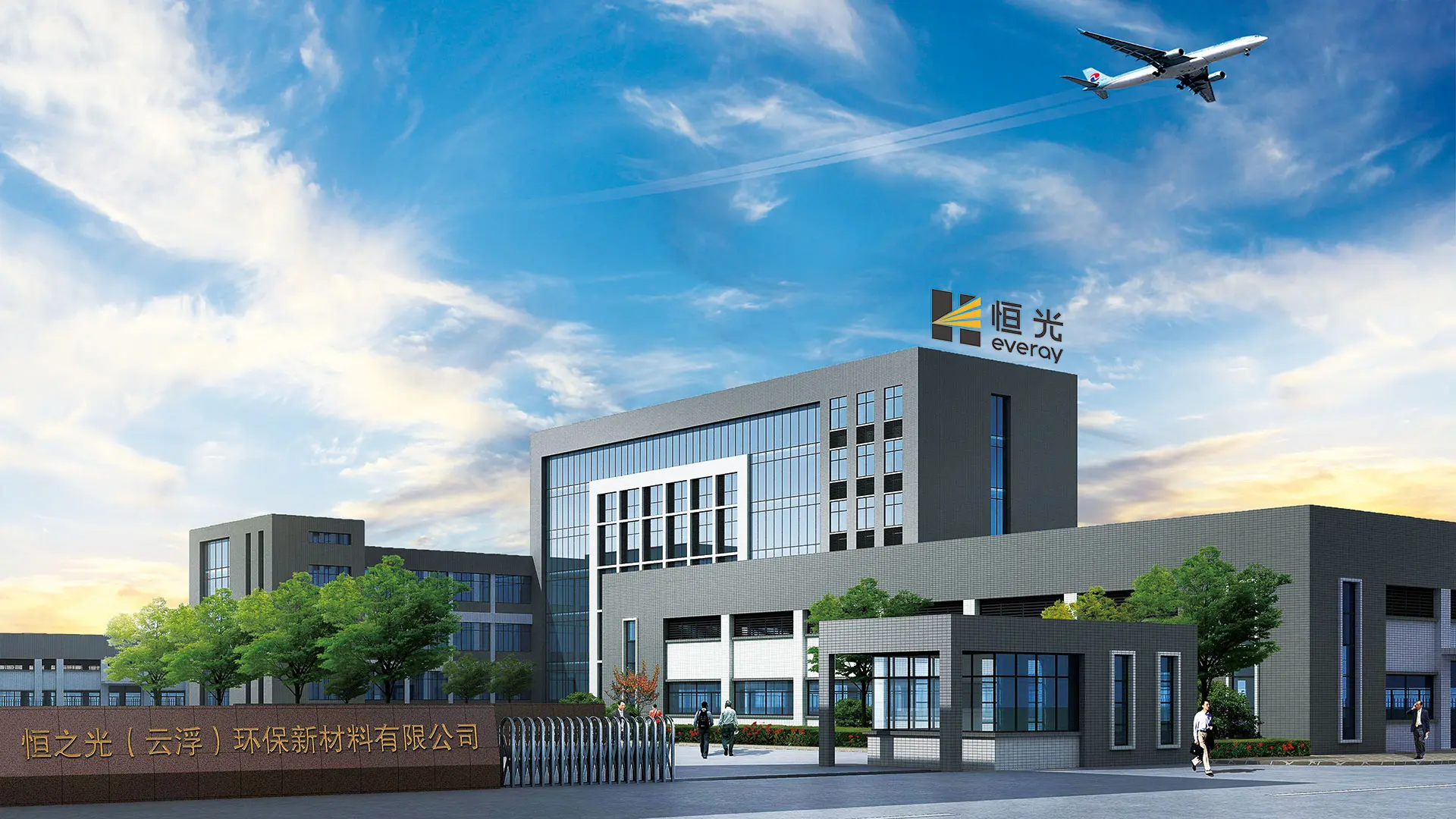
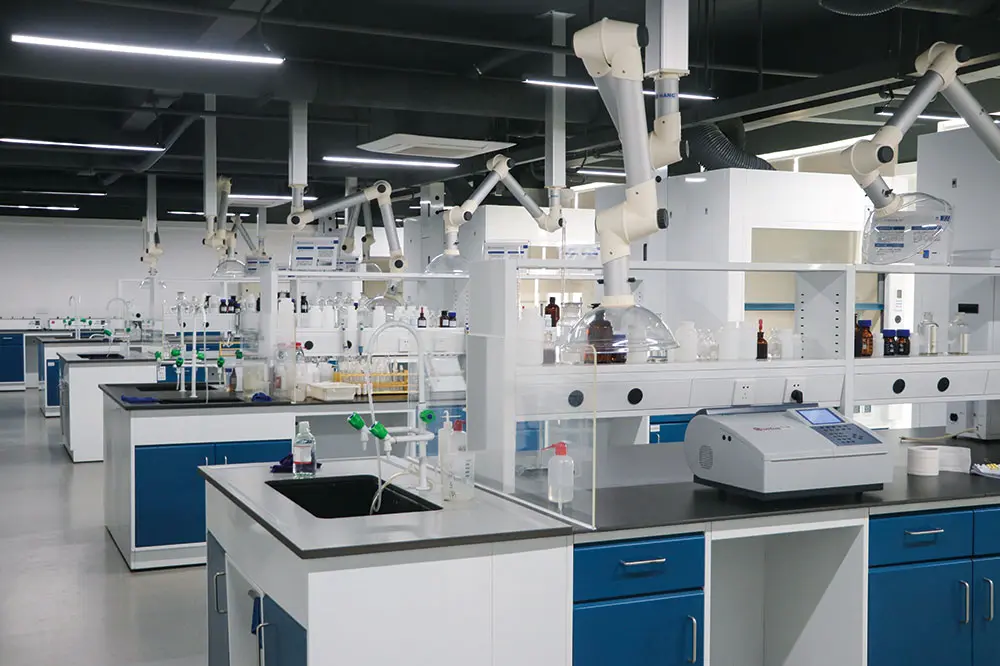
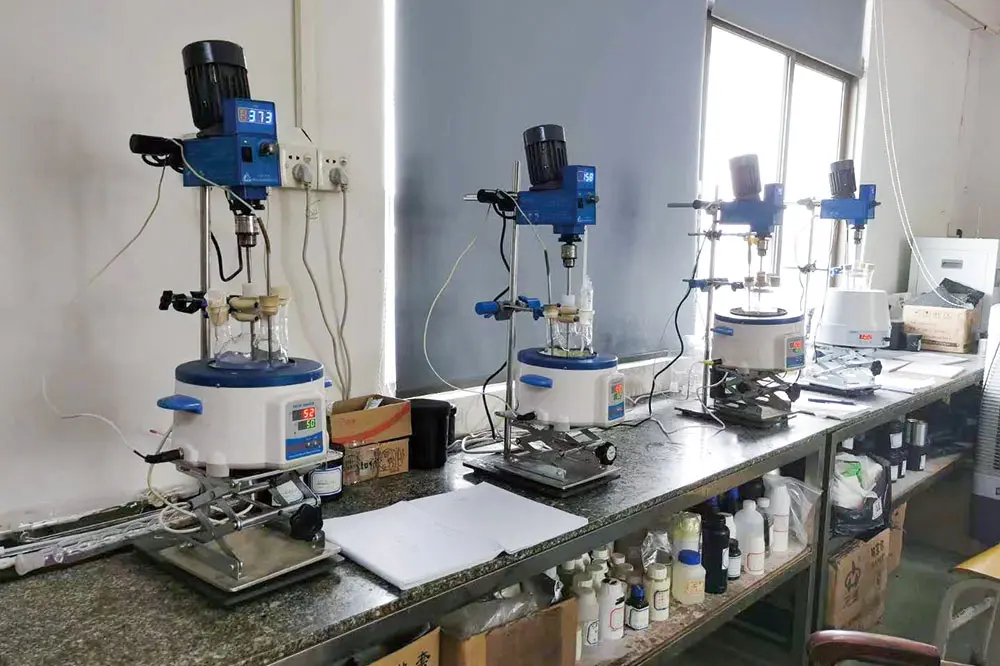
Guangdong Ever Ray Environmental Material Co., Ltd. is a dedicated developer and manufacturer of high-performance oligomers for UV curable resins. Our diverse portfolio includes epoxy acrylates, polyurethane acrylates (waterborne, aliphatic, and aromatic), polyester acrylates, pure acrylates, and specialty functional modified acrylate oligomers designed to meet the strict requirements of modern industrial applications.
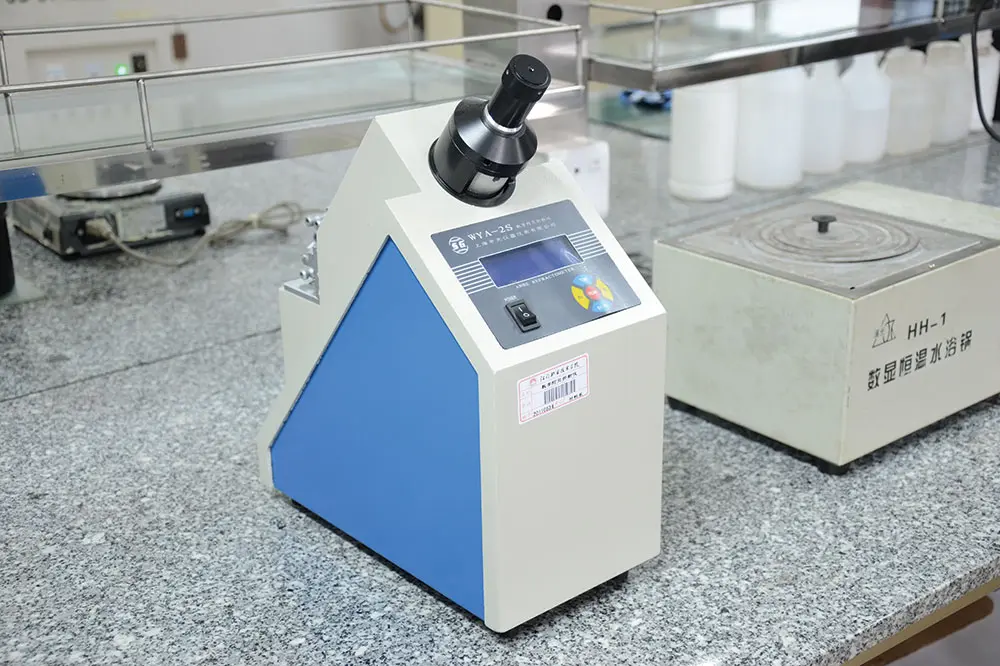
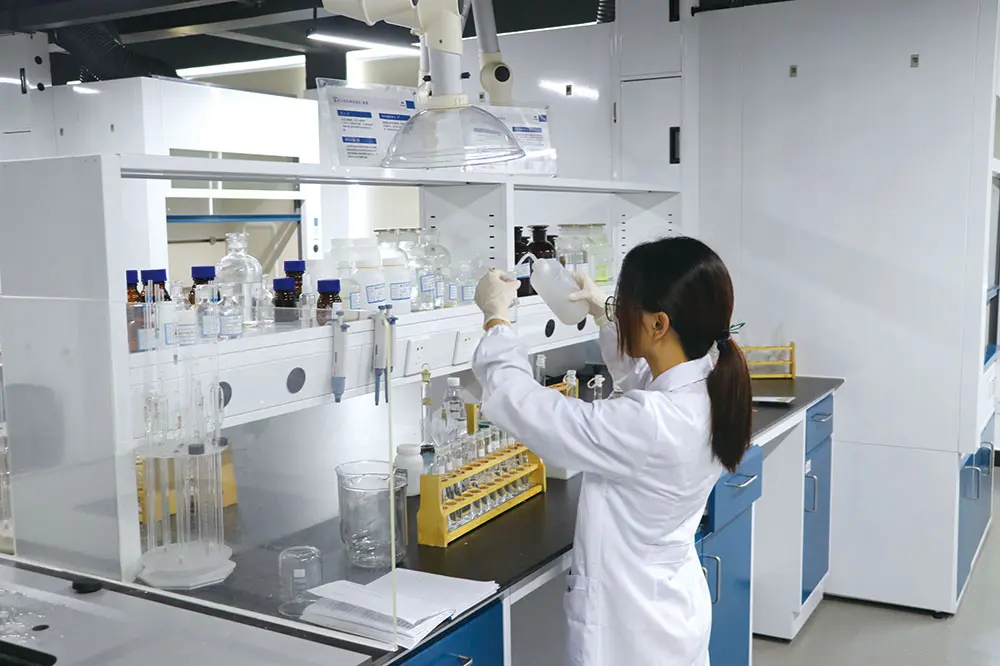
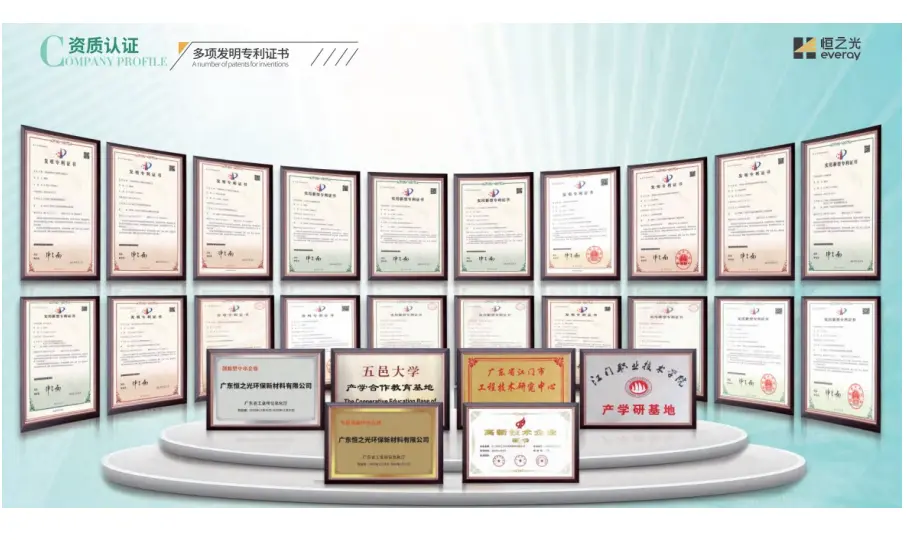
Operating from two advanced production bases, our primary facilities are located in Jiangmen, Guangdong (covering 10,000 square meters) and Yunfu, Guangdong (spanning 40,000 square meters). These manufacturing hubs feature state-of-the-art quality control, spacious storage, and integrated logistics facilities. Under the guidance of ISO9001 and ISO14001 management systems, our facilities are equipped with a flexible, fully computerized DCS control system, enabling an annual production capacity exceeding 20,000 tons across 10+ active production lines.
The industrial curing sector is evolving beyond conventional UV lamp configurations towards high-precision, low-energy, and environmentally conscious platforms. Formulations must adapt to remain compatible with these hardware advances.
Traditional medium-pressure mercury arc lamps emit a broad spectral range (200nm-450nm) but generate significant heat and ozone. The transition to monochromatic LED UV systems, peaking at 365nm, 385nm, or 395nm, demands highly targeted chemical formulations. Oligomers like our Polyester Acrylate 5501 are engineered specifically to maximize reactivity under LED wavelengths, avoiding surface-cure defects even under low-energy inputs.
A significant trend in high-end wood coatings, automotive interiors, and plastic films is the demand for super-matte, soft-touch finishes with high scratch resistance. This is achieved using excimer lasers emitting at 172nm under an inert nitrogen environment. The 172nm radiation penetrates only the top nanometer layer of the coating, causing localized shrinkage and micro-folding before a secondary UV lamp cures the base layer. Oligomers such as 53036 Polyester Acrylate UV resin are designed to support this micro-folding effect, yielding durable, low-gloss surfaces.
As corporations align with global sustainability directives, green chemistry has transitioned from a niche preference to an industrial requirement. Synthesis processes now actively utilize renewable building blocks, such as itaconic acid, dimer fatty acids, and modified seed oils. Our development of 6710B Epoxidized Soybean Oil Acrylate provides a robust bio-content alternative, offering comparable reactivity and hardness profiles to petroleum-derived oligomers at a competitive price point.
Different application environments require distinct formulation strategies to achieve optimum curing profiles and long-term film performance.
Wood substrates require coatings that preserve natural textures while resisting physical impact and chemical staining. For LED-UV wood curing lines, formulations utilize polyester acrylates such as Polyester Acrylate 5501 or 5103 to achieve rapid curing speeds, high wood-grain penetration, and excellent sandability. This chemistry allows wood production lines to operate at high conveyor speeds (up to 80 meters/minute) with minimal energy usage.
UV-curable inks contain high concentrations of organic and inorganic pigments that absorb and scatter UV light, which can inhibit deep curing. Formulators address this challenge by utilizing highly compatible oligomers like the Polyester Acrylate 5320, 5335F, and 5351. These resins provide excellent pigment wetting, low tack values, and fast radical propagation under heavy pigment loads, ensuring clear, sharp prints at high press speeds.
Thermoplastics like polycarbonate (PC), ABS, and PMMA are sensitive to thermal deformation. Low-heat UV curing using polyurethane acrylates (such as the impact-resistant 7296-1) allows for the application of highly protective, scratch-resistant coatings onto automotive headlights, electronic housings, and cosmetic packaging without compromising the dimensional stability of the plastic substrate.
In electronic assemblies, UV adhesives must cure rapidly in thin bond lines and adhere to diverse substrates, including glass, metals, and FR-4 boards. Formulations containing modified epoxy and polyurethane acrylates, such as the 72021E UV-resin, provide fast curing speeds and low volumetric shrinkage, preventing strain on sensitive micro-components during thermal cycling.
Addressing the technical, chemical, and operational challenges of UV resin curing times and raw material sourcing.
Specialized monomer-oligomer matrices designed for lithographic inks, low-shrinkage films, and excimer laser coating applications.
 Ever Ray