High-Quality UV Resin with Excellent Glass Adhesion

Innovative oligomer solutions engineered for exceptional chemical bonding on non-porous glass surfaces. The ultimate choice for advanced industrial coatings, printing inks, and optoelectronic adhesives.

Overcoming Glass Adhesion Barriers in UV Curing

Glass is characteristically a high-energy, smooth, non-porous substrate that presents immense adhesion challenges for organic coatings. The primary barrier is the presence of surface moisture and the hydrophilic nature of silicate structures. Without specialized chemical modification, typical UV-curable monomers and oligomers experience rapid volume shrinkage during polymerization, leading to internal stress build-up and subsequent delamination.

Guangdong Ever Ray Environmental Material Co., Ltd. resolves this industrial paint point by formulating UV resins featuring functionalized polar groups. These modify the molecular interface, creating robust hydrogen bonds and covalent links with silanol (Si-OH) groups on the glass surface. Our specialized aliphatic polyurethane acrylates and modified epoxy acrylates balance crosslinking density with high flexibility, countering shrinkage stress while retaining superb chemical, moisture, and boiling-water resistance.

By optimizing the molecular weight distribution and incorporating specific phosphate or carboxyl functional monomers, our UV oligomers drastically improve wet-adhesion, preventing moisture penetration at the glass-coating boundary—a critical parameter for architectural coatings, automotive displays, and smart touch screens.
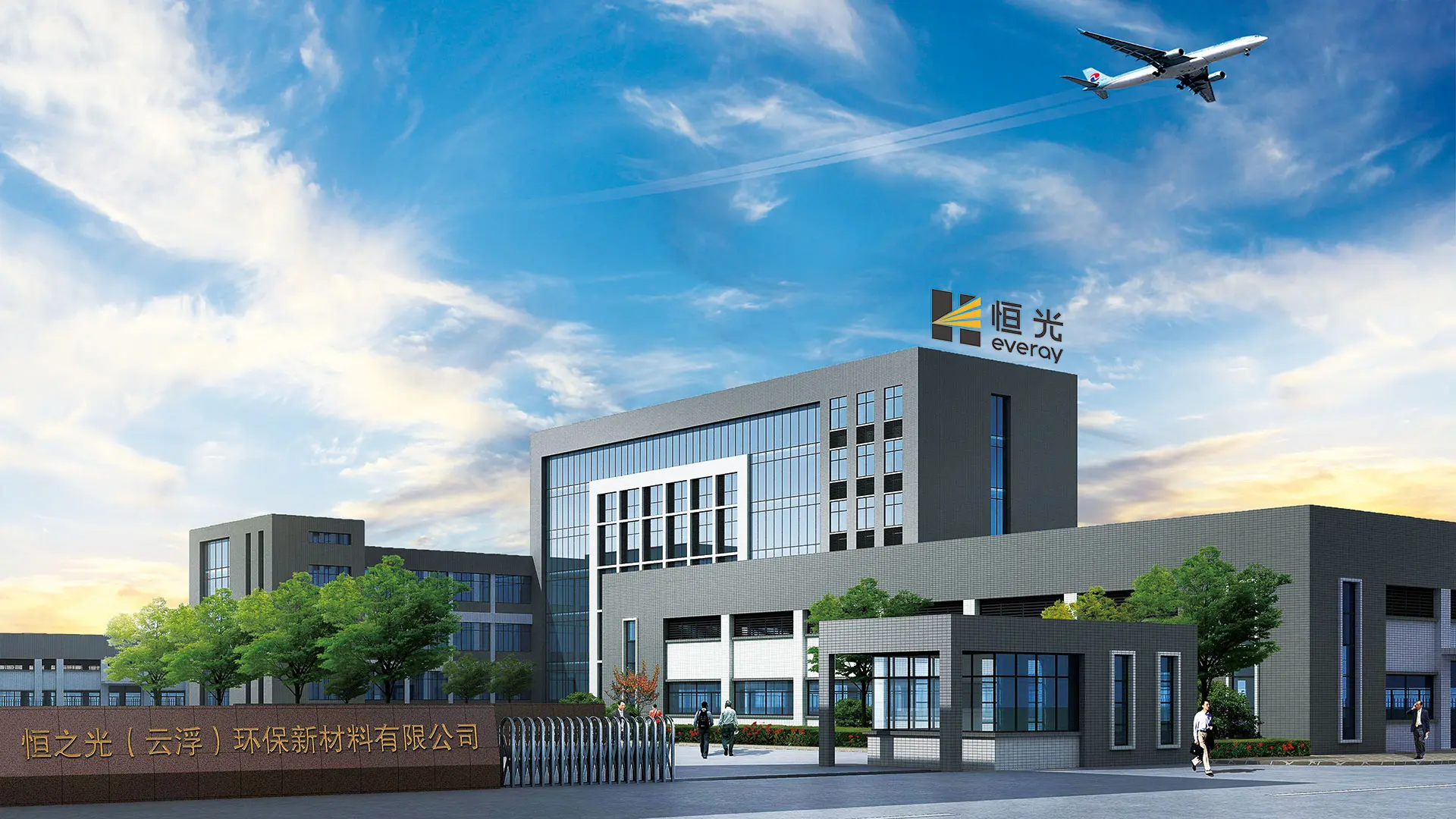
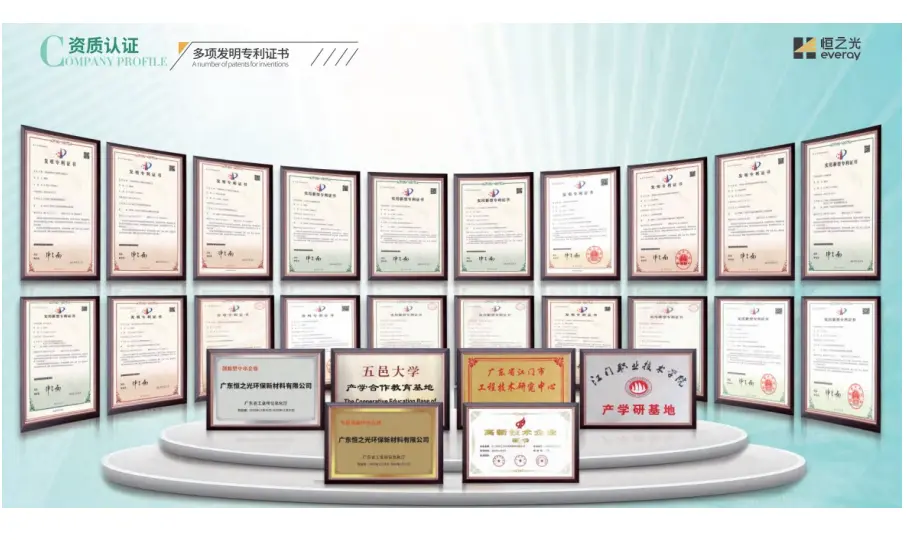
Ever Ray Environmental Material Co. R&D Center

Global Commercial & Industrial Landscape

Expanding localized applications and high-tech market demands for high-adhesion UV systems.

⚙️

Consumer Electronics & Displays

Modern touch panels and optical displays require ultra-thin, highly transparent protective varnishes and optical clear adhesives (LOCA). High-quality UV resins guarantee bubble-free curing, zero yellowing, and reliable adhesion directly to ITO-coated and raw cover glass, ensuring device integrity even in extreme humidity.

🚗

Automotive Smart Glass

Automotive HUD (Heads-Up Displays), smart tint windows, and control panels demand resins that withstand severe thermal cycling, UV exposure, and mechanical stress. Our low-shrinkage acrylates ensure zero glass delamination across temperature swings ranging from -40°C to +85°C.

🏢

Architectural Decorative Glass

From kitchen splashbacks to decorative cladding, glass screen printing demands high-adhesion UV inks. Our resin lines feature exceptional resistance to water boiling, chemicals, and mechanical scratching, eliminating the need for complex pre-treatment primers in industrial production.

20,000+
Annual Tons Capacity
15+
R&D Engineers
10+
Invention Patents
2006
Year Established

China Manufacturing Scale & Quality Control

Two state-of-the-art production bases delivering highly stable oligomers to the global market.

Ever Ray Production Flow Chart & Technology System

Guangdong Ever Ray Environmental Material Co., Ltd.

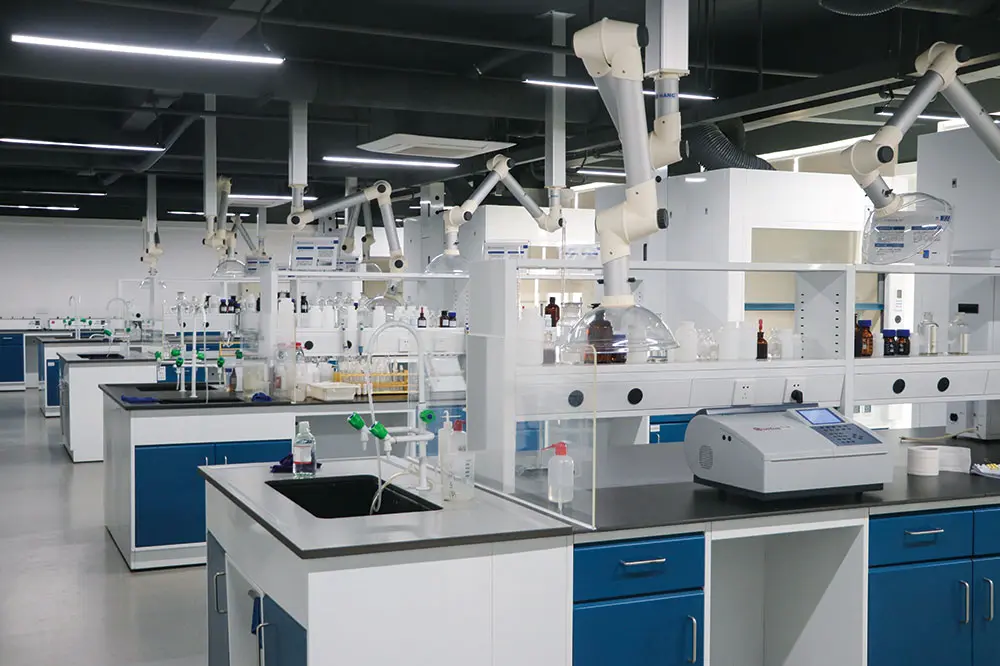
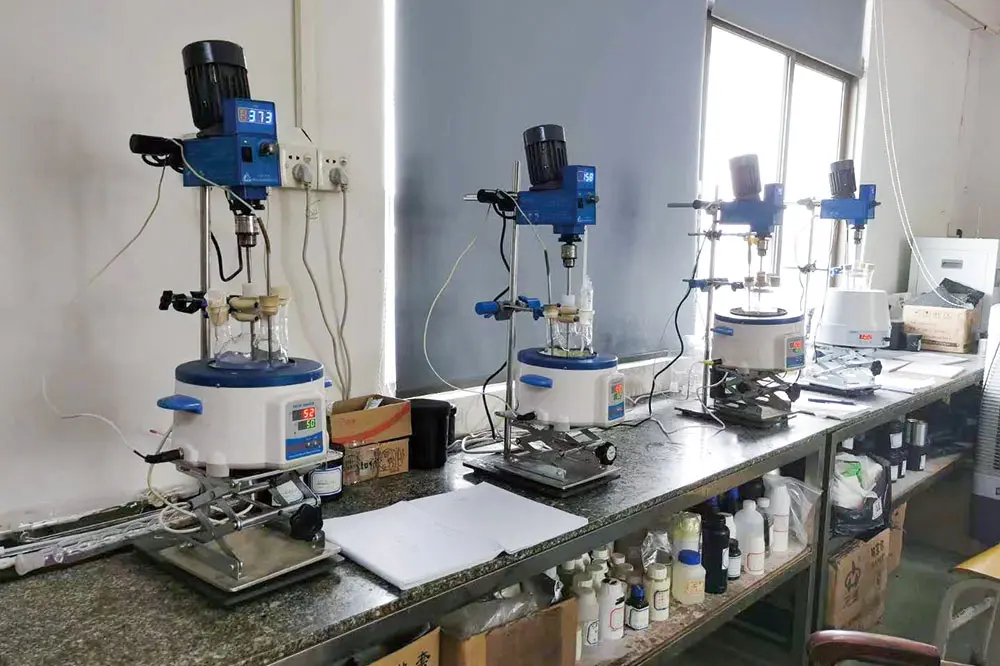
Established in 2006, Guangdong Ever Ray operates two comprehensive manufacturing bases to secure global supply. Our Jiangmen plant spans over 10,000 square meters, focusing on specialized R&D and pilot runs. The Yunfu plant expands our reach with a massive 40,000 square meter layout, complete with 10+ active production lines and an annual capacity exceeding 20,000 tons.

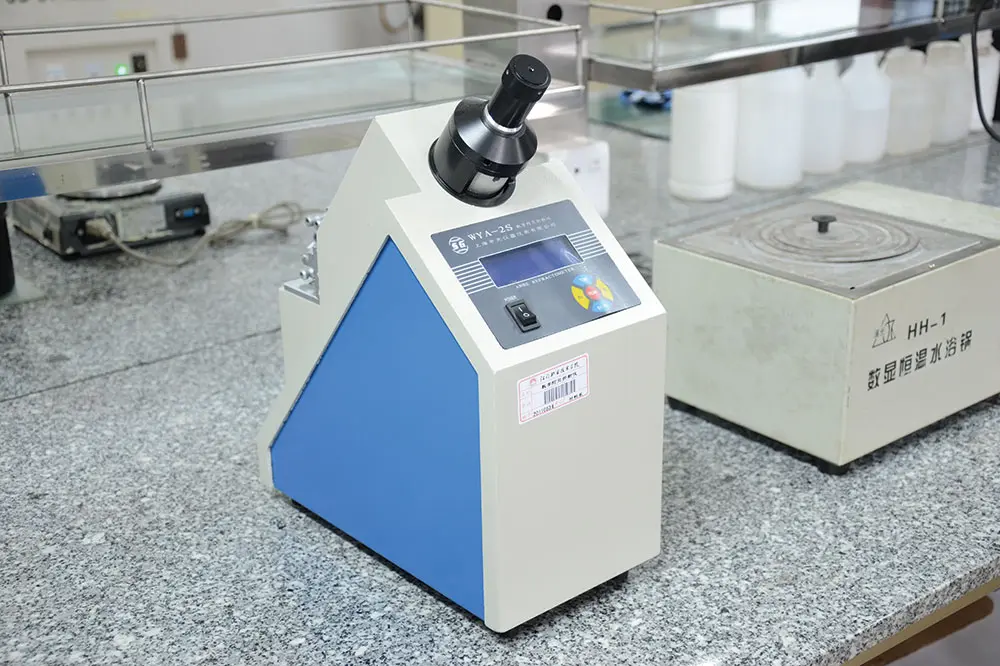
To guarantee batch-to-batch consistency, our facilities run on DCS fully computerized control systems, managed under ISO9001 and ISO14001 guidelines. Our technical team works alongside top domestic polymer specialists to engineer custom modifications in urethane acrylate, epoxy acrylate, and polyester acrylate structures, driving both performance enhancements and cost savings for our global partners.

Factory View 1
Factory View 2
Factory View 3
Factory View 4
Factory View 5
Factory View 6
Factory View 7
ISO 9001 & 14001 Certified Factory

Global Procurement & Quality Management Standards

Ensuring seamless import integration and regulatory compliance for cross-border industrial buyers.

Meeting Stringent Global Specifications

For international buyers in Europe, the Americas, and Southeast Asia, buying UV resins involves meeting strict chemical and safety regulations. Guangdong Ever Ray ensures all raw materials and production processes conform to RoHS, REACH, and VOC environmental directives.

Our experienced export department coordinates comprehensive testing documents, including Safety Data Sheets (SDS), Certificates of Analysis (COA) for each batch, and custom density/viscosity tests. Whether you are formulating screen printing inks, protective coatings, or high-adhesion laminating adhesives for glass, our custom packaging options (ranging from 20kg pails to 200kg drums and IBC totes) ensure your logistics flow smoothly.

We work closely with global distribution networks to manage supply-chain risk, offering stable lead times, container consolidation services, and dedicated technical support to help optimize our resins within your regional formulations.

Quality Control Benchmarks

  • Viscosity Stability: Rigorous temperature-controlled viscosity tracking to ensure seamless application across varying automatic coating lines.
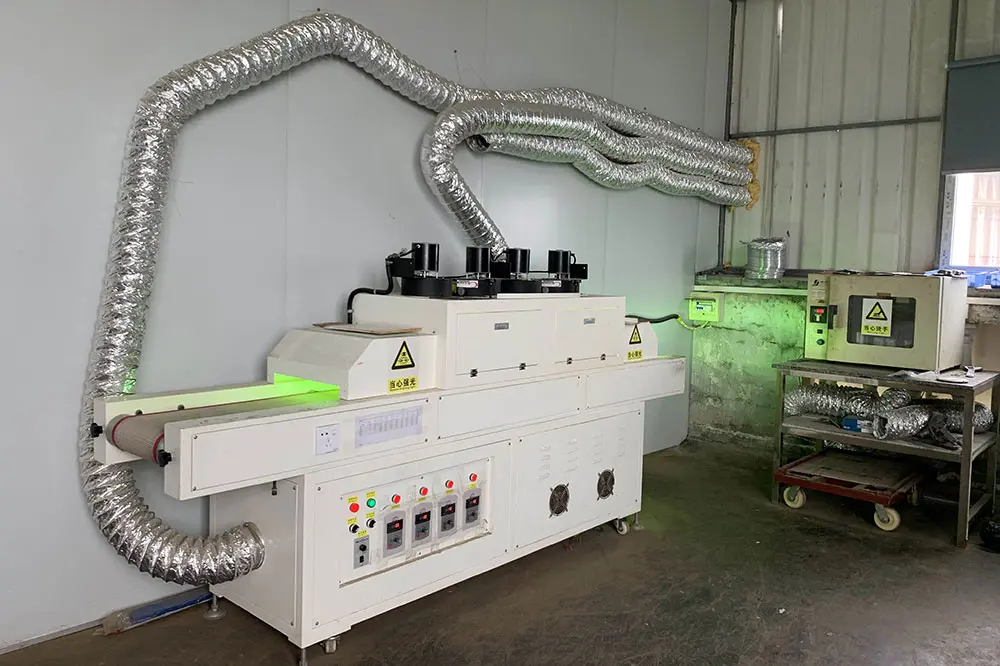
  • Curing Efficiency: Real-time monitoring of double-bond conversion rates under UV LED and mercury lamp exposures.
  • Cross-Cut Adhesion Test: 100% pass (5B rating) on dry and wet glass substrates according to ASTM D3359 protocols.
  • Environmental Aging: Accelerated testing via UV weatherometers and salt spray chambers to guarantee long-term durability.

Frequently Asked Questions

Technical insights addressing common challenges with glass-adhesive UV resin systems.

Why do standard UV resins peel off glass surfaces so easily?
Glass is inorganic, hydrophilic, and chemically inert, offering few sites for physical anchoring. In addition, standard UV resins shrink up to 10% during curing. This volumetric contraction generates internal stress along the interface, leading to micro-delamination and eventual peeling. Utilizing specialized oligomers containing carboxyl, hydroxyl, or phosphate groups establishes chemical hydrogen bonding with the glass's silanol structures, neutralizing this shrinkage stress.
How do silane coupling agents fit into your UV glass resin formulations?
Silane coupling agents act as molecular bridges. One end of the silane molecule reacts with the inorganic silicate surface of the glass, while the other end copolymerizes with the acrylic groups in our UV resin during UV exposure. We pre-engineer specialized functional oligomers to eliminate the need for complicated external silane priming, helping processors save time and reduce VOC emissions on the line.
Which UV resin family is ideal for glass applications—Epoxy Acrylates or Polyurethane Acrylates?
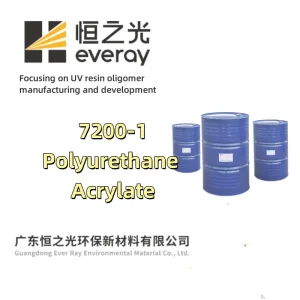
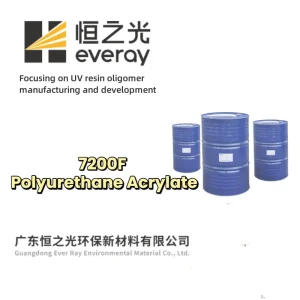
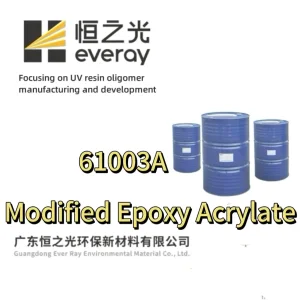
It depends on the application. Epoxy acrylates (like our 6100D or modified 61003A series) offer excellent hardness, scratch resistance, and speed. However, for outdoor exposure or applications requiring high thermal stability and impact resistance, polyurethane acrylates (such as our 7200-1 or 7200F aliphatic urethane series) are preferred due to their high flexibility, weatherability, and minimal yellowing under sunlight.
Does moisture or water-boiling affect the adhesion of your UV resin on glass?
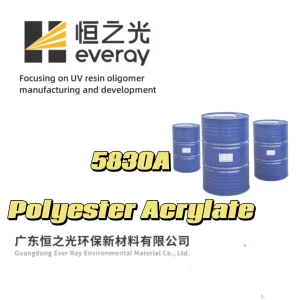
Yes, moisture is the primary enemy of glass adhesion because water molecules can displace weak hydrogen bonds at the interface. To prevent this, our high-quality resins (e.g., the 5830A polyester acrylate series) are formulated with hydrophobic segments and high-density crosslinking structures. This combination blocks moisture penetration, helping the cured film pass rigorous water-boiling tests (e.g., 2 hours at 100°C) without losing adhesion.
Can these UV resins be cured using LED UV lamps?
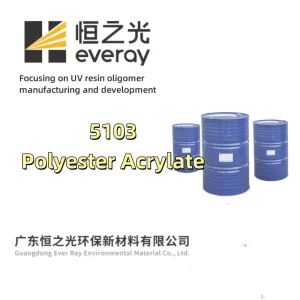
Yes. Many of our oligomers, including the fast-reacting 5103 polyester acrylate and modified epoxy acrylates, are optimized for both conventional medium-pressure mercury lamps and modern 365nm/395nm LED UV curing systems. Curing with LED lamps helps minimize heat stress on sensitive assemblies, making it perfect for electronics packaging and display bonding.