High-performance UV curable coatings engineered for maximum surface protection, durability, and reactivity.
The global coatings, inks, and adhesives industries are undergoing a massive transformation. Driven by stringent environmental regulations, corporate sustainability goals, and strict limitations on Volatile Organic Compound (VOC) emissions, manufacturers are actively transitioning away from traditional solvent-borne systems. This shift is not merely environmental; it is a critical evolution in material performance. Modern engineering requires polymers that deliver rapid processing speeds without compromising physical characteristics such as chemical resistance, gloss, scratch resistance, and substrate adhesion.
The market for UV curable systems, especially waterborne and 100% solid systems, has seen exponential growth. Regulatory frameworks such as the European Union’s REACH regulation and the EPA’s Clean Air Act amendments in the United States have compelled manufacturers to adopt sustainable options. Guangdong Ever Ray Environmental Material Co., Ltd. is positioned at the forefront of this market shift, providing high-efficiency polymeric architectures that balance performance stability with environmental safety.
Global environmental mandates necessitate the development of zero-VOC systems. Dispersible waterborne UV resins minimize environmental impact while maintaining lower viscosity profiles for optimized application across complex components.
Modern applications require fast cure rates. Designing oligomers with high double-bond density ensures rapid crosslinking under UV and LED light sources, significantly speeding up production cycles.
Striking the perfect balance between mechanical hardness and flexible elongation. Our custom aliphatic and aromatic polyurethanes allow precise tuning of crosslinking density for specialized coatings.
Year Established
Annual Capacity (Tons)
Total Manufacturing Area (㎡)
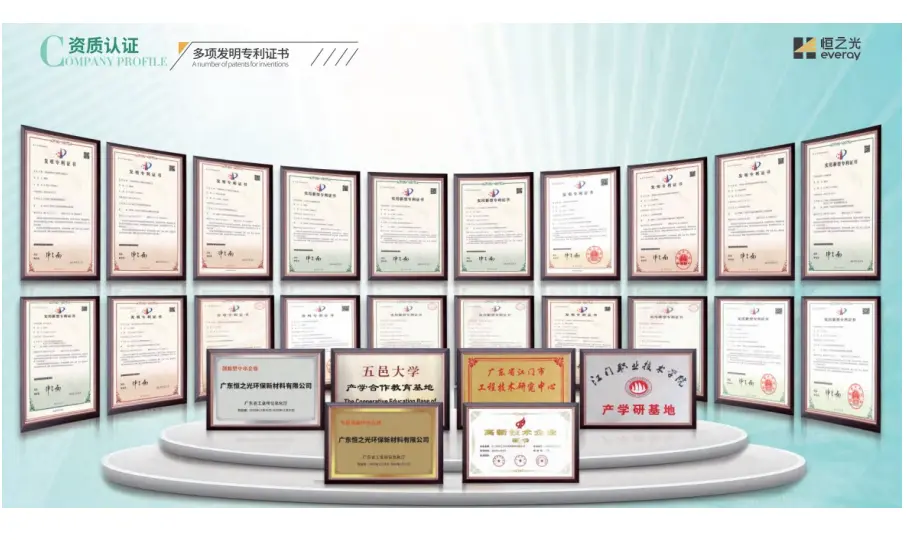
Invention & Utility Patents
Guangdong Ever Ray designs polymer chains engineered to optimize hardness, flexibility, and chemical resistance.
| Resin / Oligomer Class | Primary Technical Characteristics | Key Applications | Reference Product Code |
|---|---|---|---|
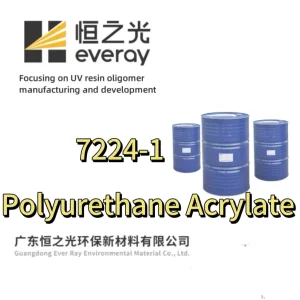
| Aliphatic Polyurethane Acrylate | Exceptional yellowing resistance, high tensile strength, outstanding weatherability, and flexible elongation. | Outdoor signage, automotive topcoats, protective wood coatings. | 7200-1, Model 72027 |
| Aromatic Polyurethane Acrylate | High reactivity, excellent abrasion resistance, cost-efficient formulations, strong adhesion to plastics. | Industrial plastic coatings, packaging inks, screen printing. | 7162, 7911 |
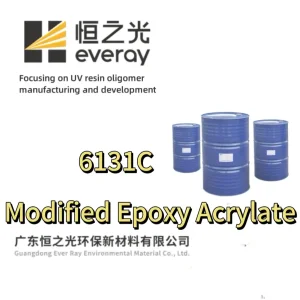
| Modified Epoxy Acrylate | Rapid cure speed, high surface hardness, superior chemical resistance, and excellent substrate adhesion. | Wood primers, high-gloss finishes, industrial metals. | 6271, Fast Curing Epoxy Oligomer |
| Polyester Acrylate | Low viscosity, excellent pigment wetting, low odor, and fast surface curing reactions. | UV screen printing inks, plastic spray primers, barrier coatings. | 5101, 5103, 5311A |
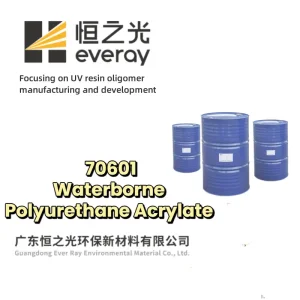
| Waterborne UV Dispersion | Zero-VOC potential, physical dry-ability prior to UV cure, easy cleaning, low shrinkage. | 3D printing, eco-friendly wood varnishes, spray coatings. | Waterborne 70601 |
We do not rely on standard formulas. Our technical team works at the molecular level, adjusting polymer backbone compositions to solve typical industrial challenges, including shrinkage control, adhesion to low-surface-energy plastics, and rheology adjustments for complex application processes. Whether you require specialized formulations for high-speed automated packaging lines or high-viscosity nail gels, our technicians modify reactive acrylate structures to meet specific operational limits.
How our advanced UV-curable and waterborne resins perform under real-world processing conditions.
Industrial wood lines demand coatings with high hardness, scratch resistance, and rapid processing capability. Our aliphatic polyurethane acrylates (such as the 7200-1) provide superior protection for high-end furniture, ensuring chemical resistance to household liquids and preventing yellowing over long-term sunlight exposure.
Plastics like ABS, polycarbonate, and PMMA present adhesion challenges due to their non-polar surface characteristics. Ever Ray's modified acrylates and aromatic polyurethanes provide excellent mechanical anchoring, high scratch resistance, and impact toughness, making them ideal for automotive interiors and electronic device housings.
In high-speed commercial printing, ink systems must cure instantly while maintaining flexibility. Our low-viscosity polyester acrylates (such as 5103 and 5101) act as high-efficiency binder resins, offering fast cure rates, clean pigment dispersion, and reliable mechanical properties on paper, metals, and flexible plastics.
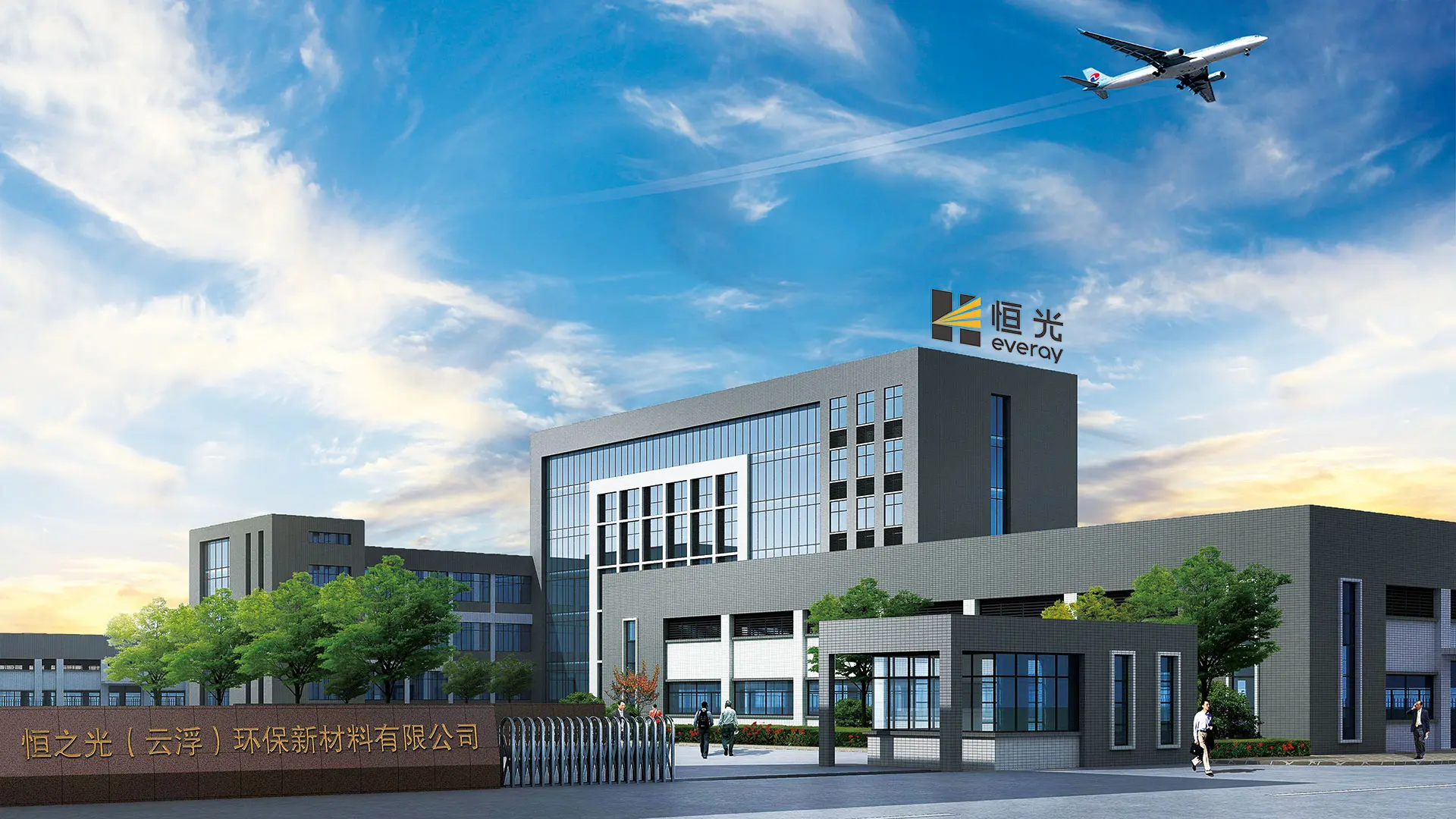
Established in 2006, Guangdong Ever Ray Environmental Material Co., Ltd. operates two state-of-the-art production bases in China.
To ensure supply chain reliability, we operate two distinct production bases in Guangdong province. The Jiangmen facility occupies approximately 10,000 square meters, focused on precision synthesis and customer-focused R&D. The Yunfu facility spans 40,000 square meters, designed for bulk production and equipped with modern storage, quality control, and logistics support systems. Our total annual capacity exceeds 20,000 metric tons across more than 10 automated lines.
Industrial consistency requires precision control. Both factories operate under ISO9001 Quality Management Systems and ISO14001 Environmental Management Systems. Synthesis processes are monitored by a fully computerized Distributed Control System (DCS), ensuring precise control over temperature, pressure, feed rates, and reactor dynamics. This automated approach guarantees batch-to-batch consistency and high product reliability.
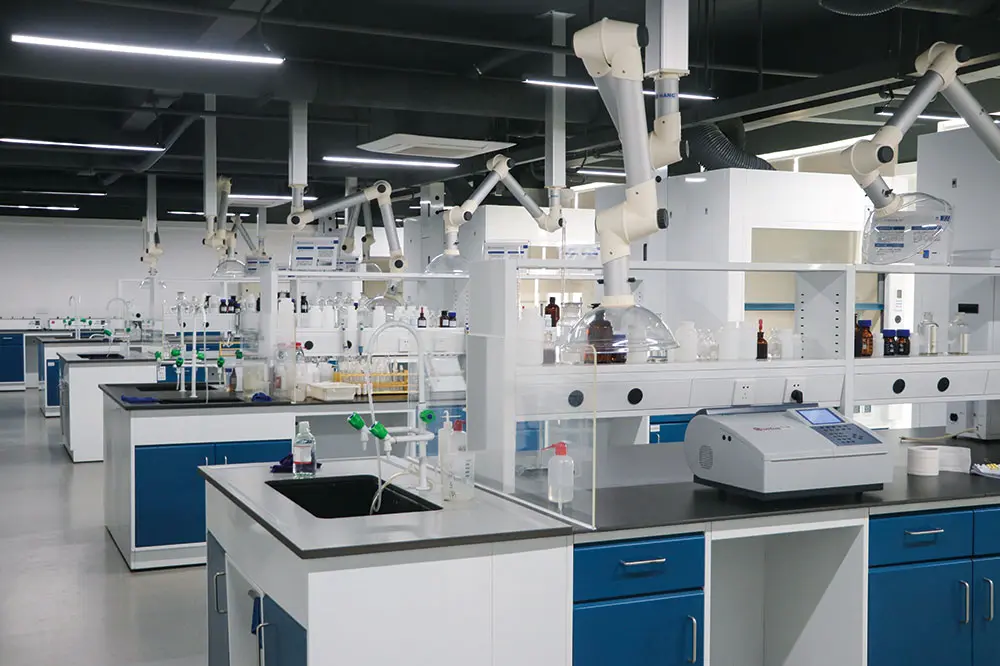
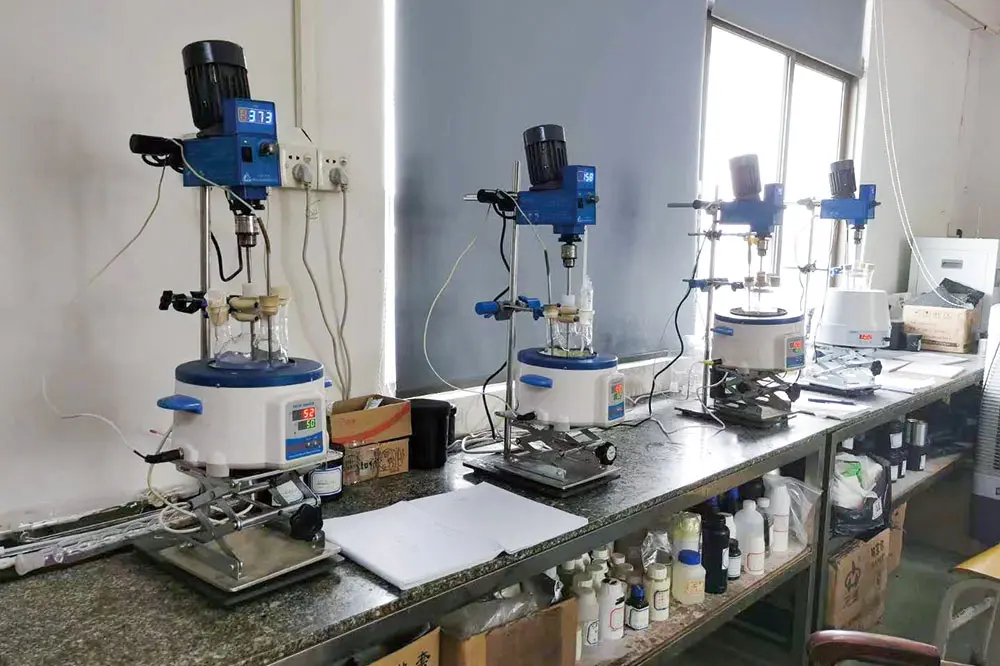
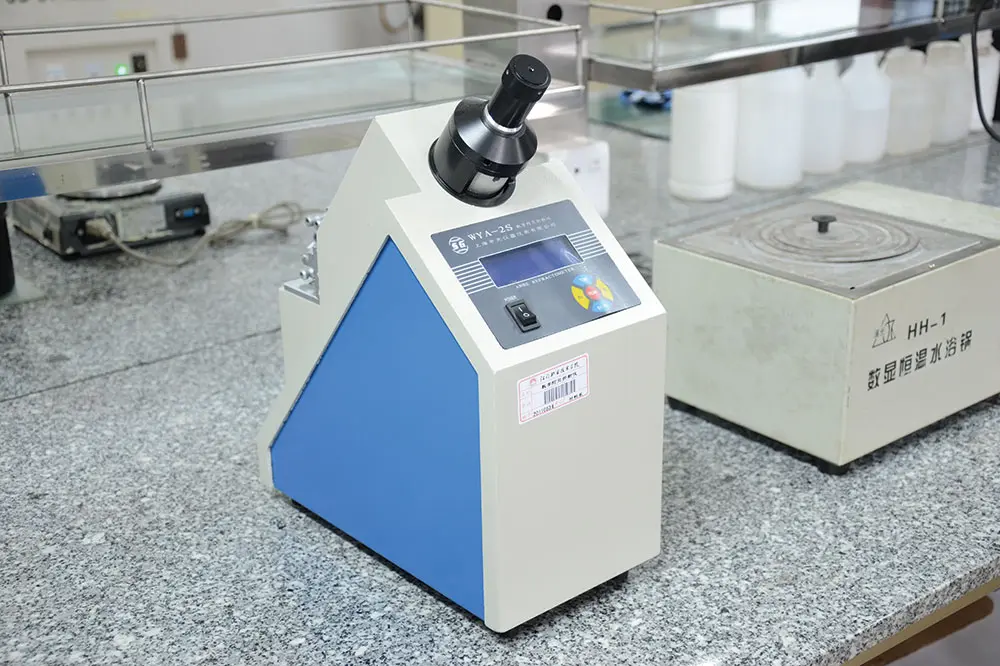
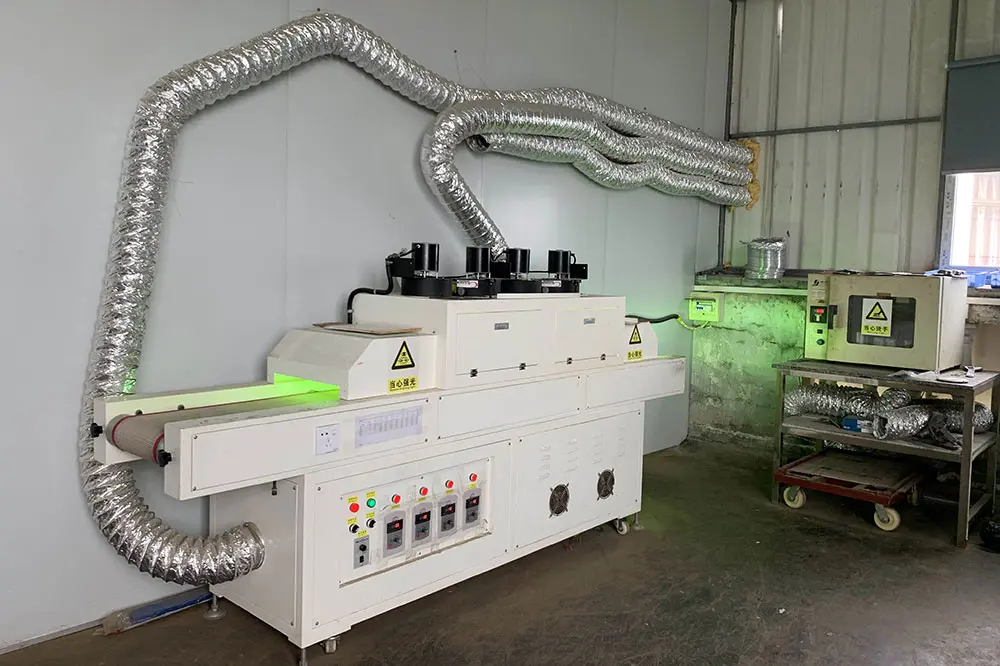
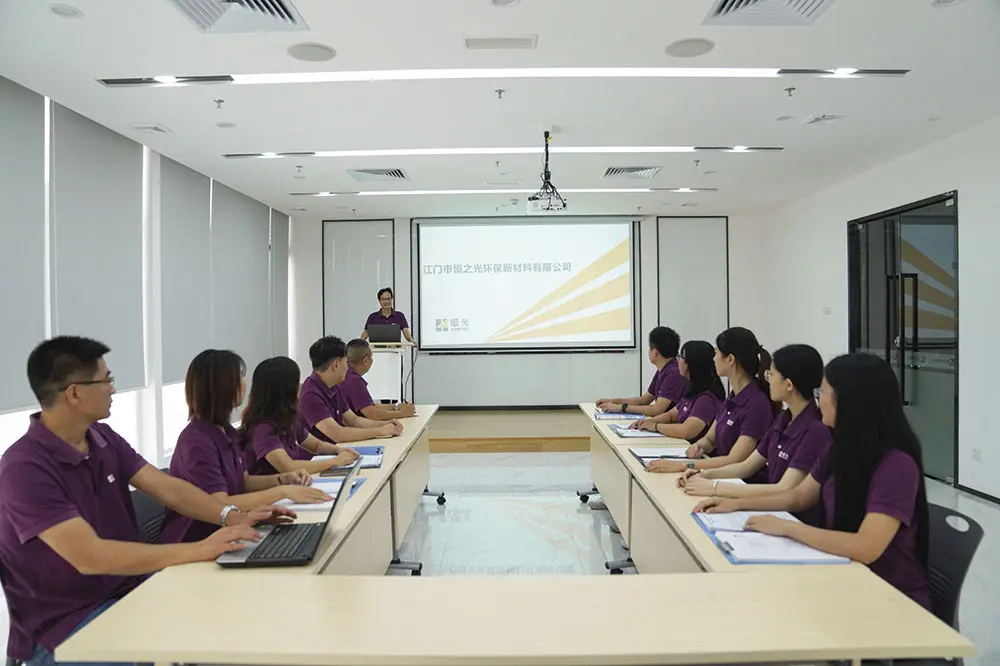
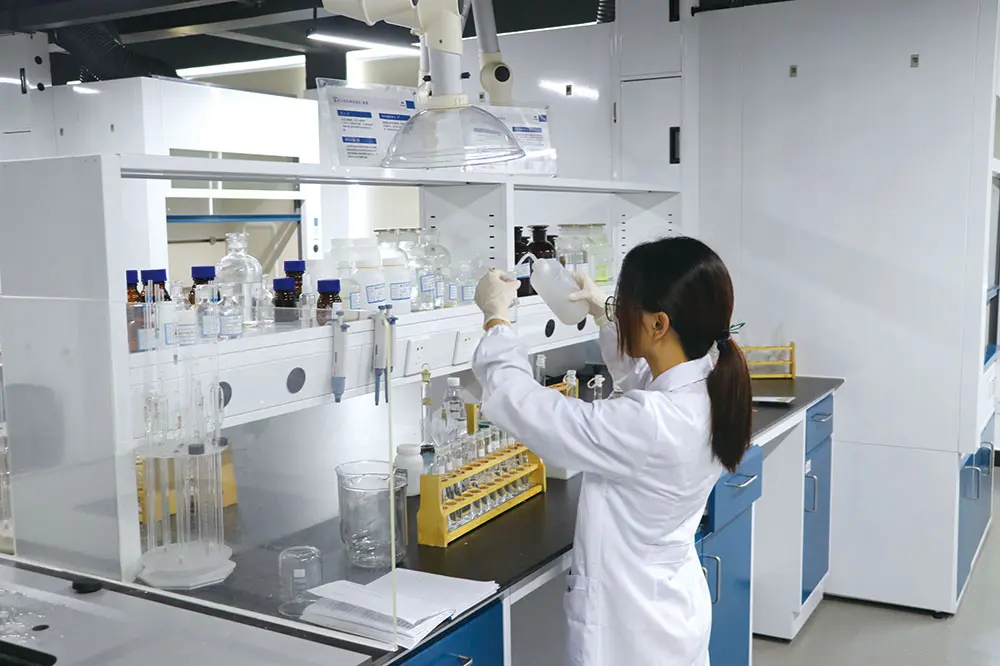
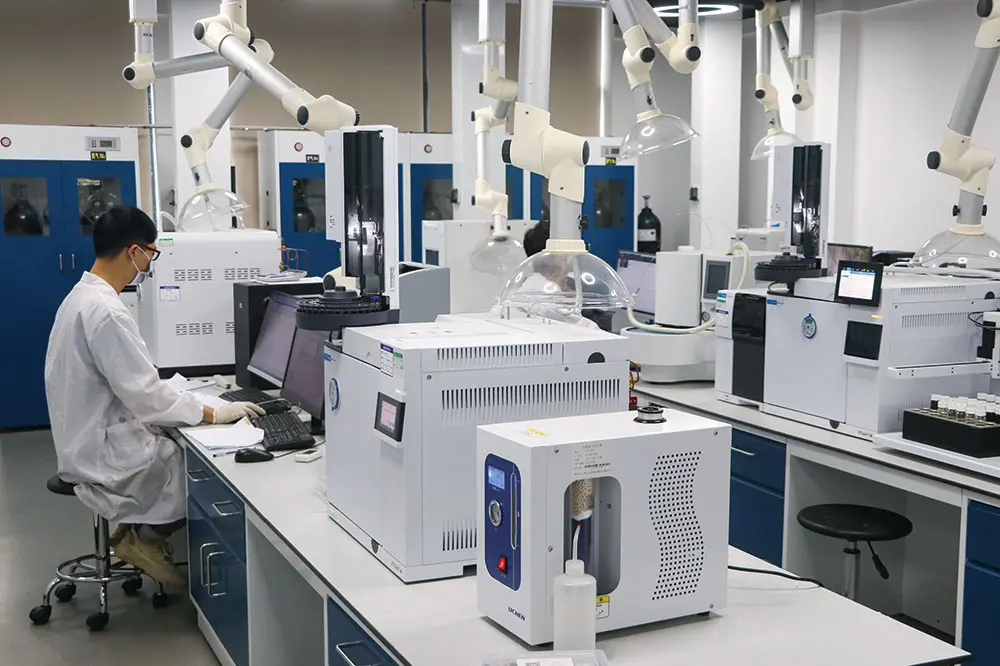
Guangdong Ever Ray’s R&D department, staffed by 15+ dedicated polymer technicians, maintains active research collaborations with leading academic institutions and domestic UV curing experts. Our development path focuses on three key areas:
We understand that raw material selection directly impacts manufacturing cost structures. Our technical service team works with partners to design custom formulations, optimize photoinitiator concentrations, and adjust monomer ratios. This collaborative process allows customers to achieve the desired technical performance while optimizing material costs.
Expert technical insights to address common challenges in formulation and UV curing processes.
Targeted solutions designed for high glass adhesion, water transfer printing, 3D printing, and vacuum electroplating applications.
 Ever Ray