Discover our leading selection of engineered polyurethane acrylates, epoxy acrylates, and low viscosity diluent resins designed to meet stringent global standards.
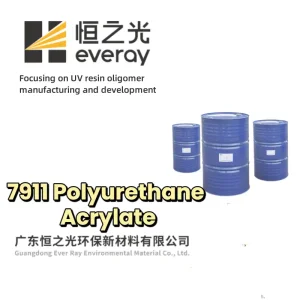
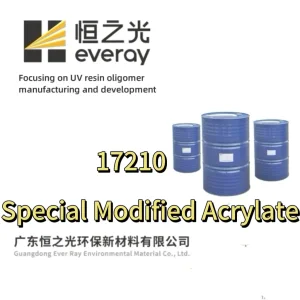
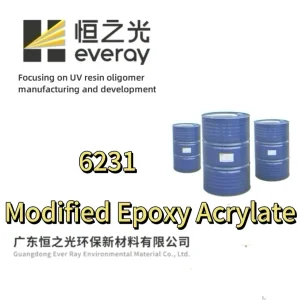
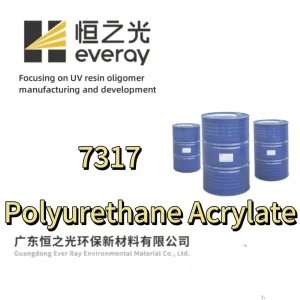
In the contemporary environmental regulatory climate, industrial coating formulators are shifting rapidly toward sustainable chemistry. Waterborne Polyurethane Dispersions (PUDs) and water-reducible Polyurethane Acrylates (PUAs) stand at the forefront of this green transition. Historically, solvent-borne urethanes dominated industrial segments due to their exceptional toughness, chemical resistance, and weatherability. However, the high levels of volatile organic compounds (VOCs) emitted by conventional solvents have driven stringent environmental thresholds worldwide, such as the EU Decopaint Directive, EPA VOC regulations, and China's GB30981-2020 standards.
Modern waterborne polyurethane chemistry resolves the historical trade-off between ecological sustainability and physical performance. By incorporating hydrophilic ionic groups (such as dimethylolpropionic acid - DMPA) into the polyurethane prepolymer backbone, manufacturers can disperse high molecular weight polyurethane resins in an aqueous phase. Upon water evaporation and subsequent physical coalescing or UV irradiation, these dispersions form crosslinked networks with performance properties that meet or exceed their solvent-based counterparts. This advancement has opened new frontiers in automotive interiors, high-durability wood finishes, packaging inks, and performance electronics.
The combination of radiation curing (UV/EB) with waterborne polyurethane dispersions has yielded the highly specialized class of UV-PUDs. In these systems, water acts as a viscosity reducer instead of traditional low-molecular-weight reactive diluent monomers. This formulation strategy completely bypasses the skin sensitization risk, strong odor, and high shrinkage challenges linked to traditional monomer diluents. Once the water phase is evaporated in a brief flash-off zone, the dry, non-tacky film undergoes UV-curing to initiate free-radical crosslinking. The resulting coating displays ultra-low shrinkage, exceptional adhesion to non-porous substrates (such as plastics, PVC, and metals), and rapid curing speeds that enhance manufacturing throughput.
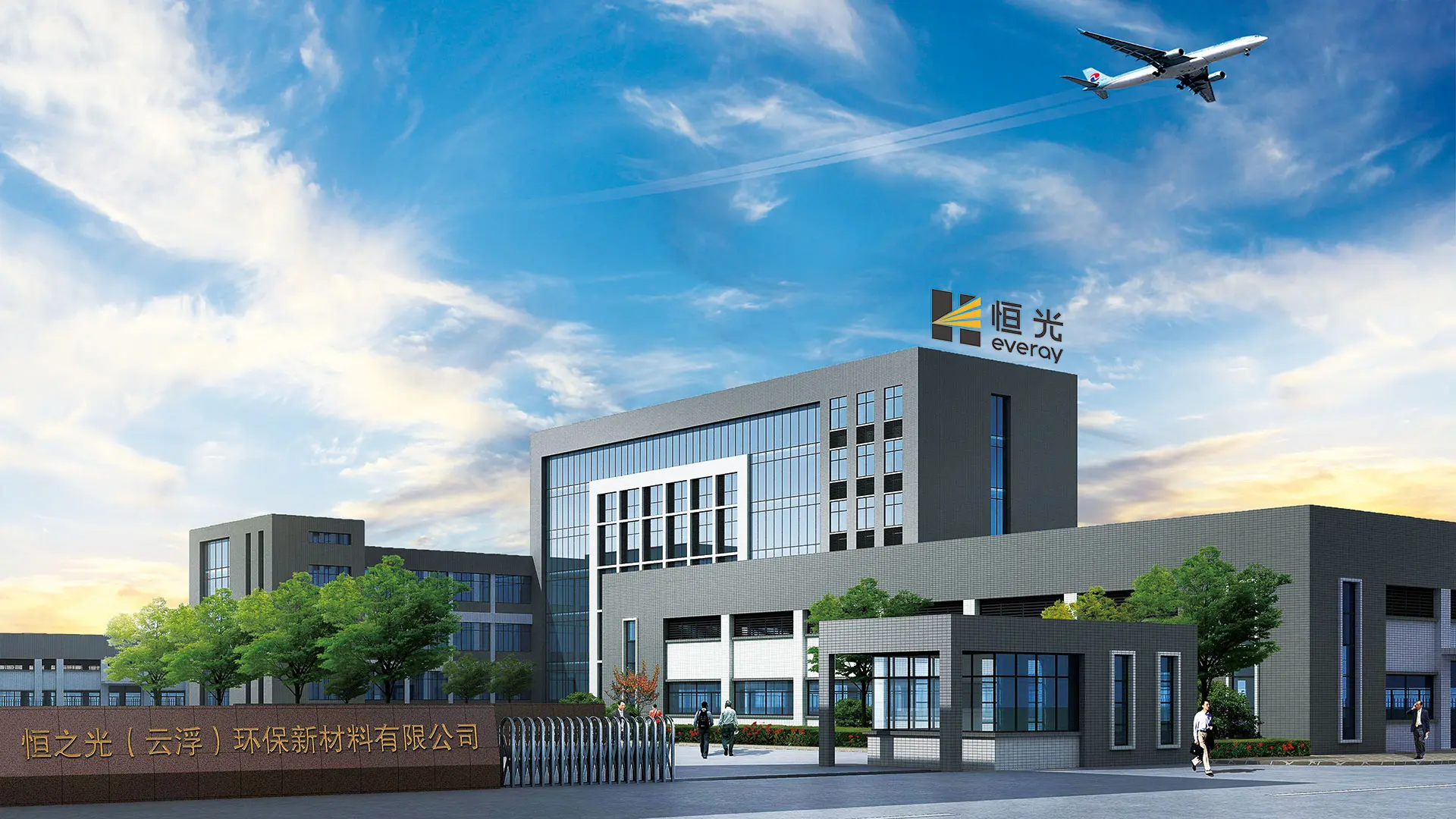
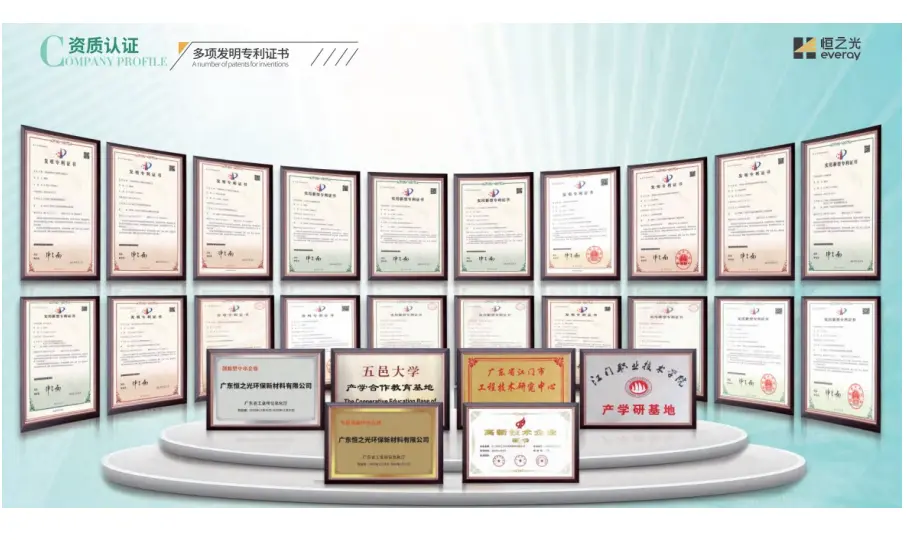
Established in 2006, Guangdong Ever Ray Environmental Material Co., Ltd. is a premier high-tech enterprise dedicated to the research, development, and manufacturing of high-performance oligomers for UV curable systems. Our comprehensive product portfolio spans epoxy acrylates, polyurethane acrylates (waterborne, aliphatic, and aromatic), polyester acrylates, pure acrylates, and special functional modified acrylate oligomers.
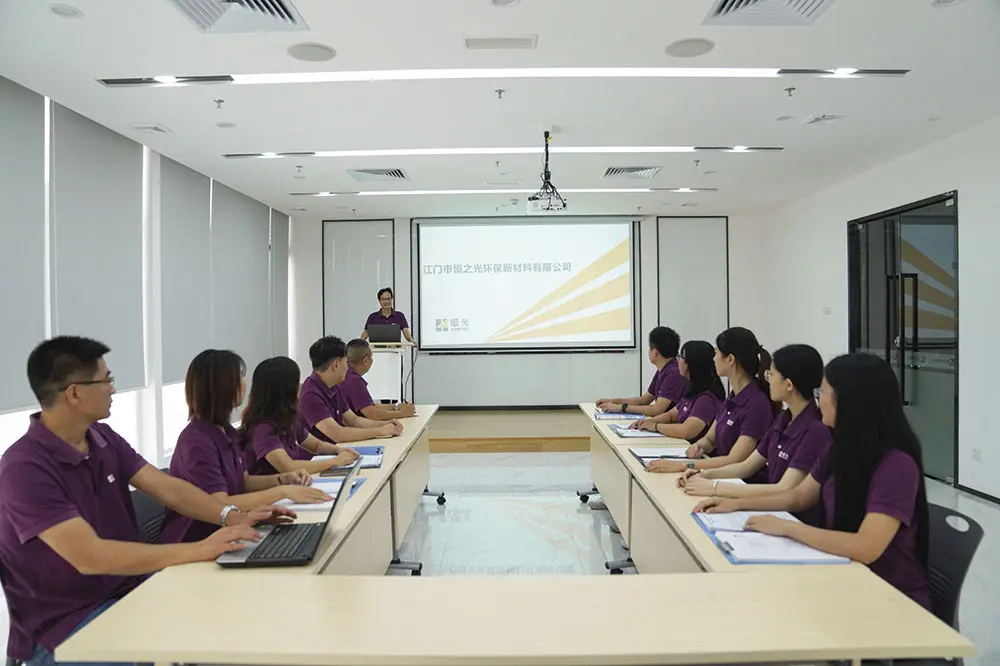
With an unwavering focus on technological innovation and environmental protection, our expert R&D teams deliver advanced formulations that balance chemical resistance, speed of cure, flexibility, and cost-efficiency to help our global clients secure a competitive market advantage.
To support high-volume global demands while maintaining stringent quality control, Ever Ray operates two advanced manufacturing plants in Guangdong Province, China:
Equipped with modern warehousing, sophisticated quality assurance laboratories, and professional logistics facilities, our plants feature a combined annual capacity exceeding 20,000 tons across more than 10 dedicated production lines. The entire manufacturing environment is managed via an advanced Distributed Control System (DCS) fully computerized system, operating under ISO9001 Quality Management and ISO14001 Environmental Management Systems. This ensures consistent batch quality, low variability, and high process safety.
Year Established
Total Production Area
Annual Production Capacity
Senior R&D Specialists
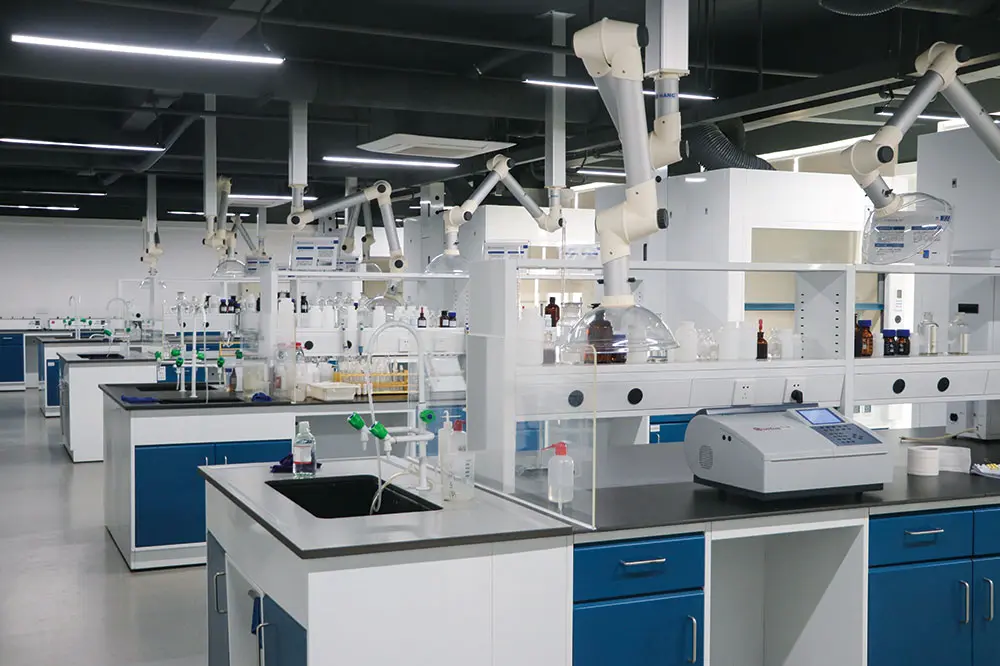
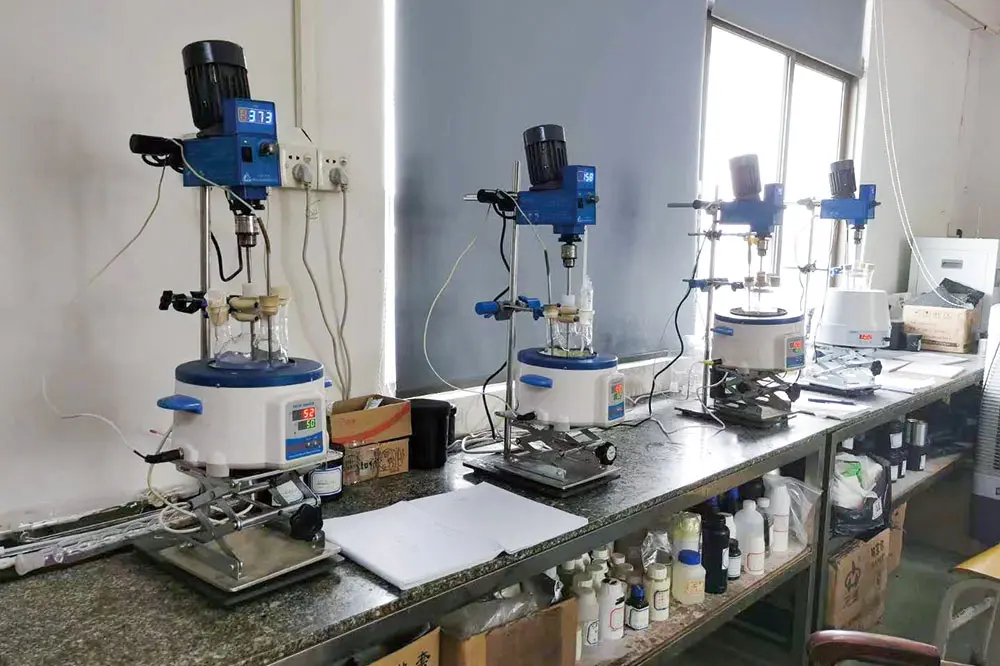
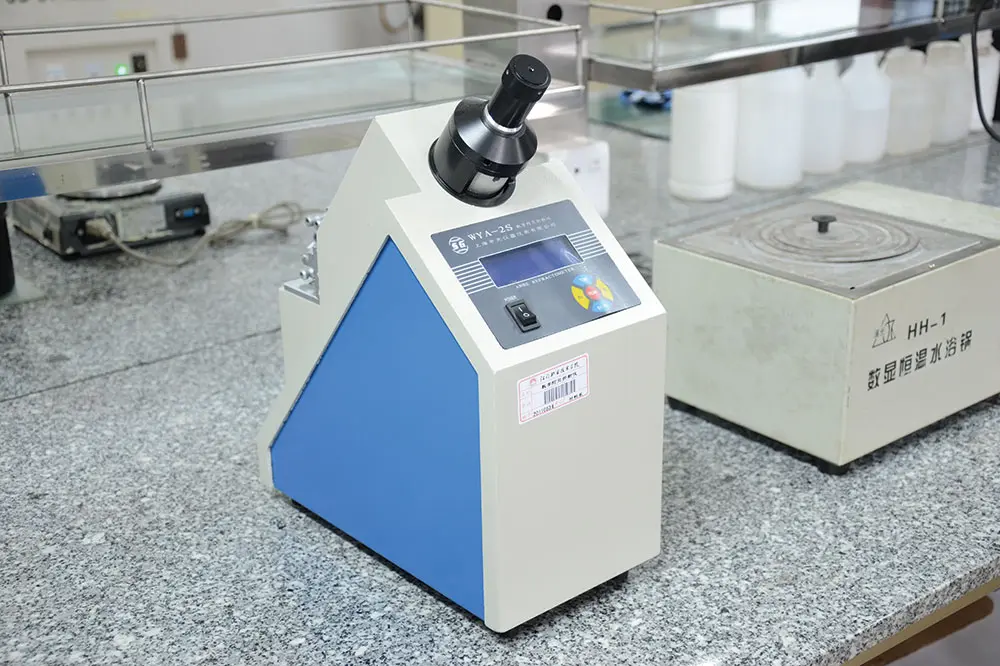
The strategic supply chain and operational advantages that make Chinese manufacturers the preferred partners for global industrial buyers.
Chinese chemical clusters offer direct access to crucial upstream feedstocks—such as isocyanates (IPDI, HDI, HMDI), polyols, and acrylic acid. This localized supply chain minimizes shipping delays and cushions against global market price fluctuations.
Advanced facilities like Ever Ray utilize fully computerized DCS (Distributed Control Systems). This process automation ensures highly stable reaction kinetics, repeatable batches, lower energy consumption, and scalable volume production.
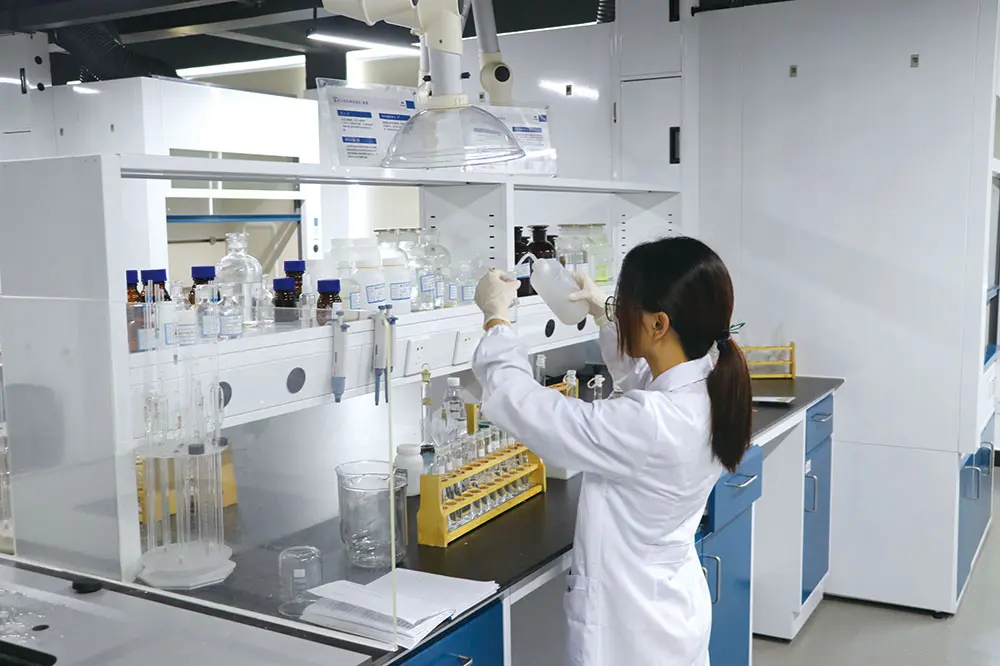
With localized R&D facilities housing dedicated technician teams, Chinese manufacturers excel at modifying resin parameters—such as molecular weight distribution, Tg, active double-bond density, and viscosity—to match regional application equipment.
The global polyurethane market is undergoing a structural evolution, driven by regulatory compliance, performance demands, and processing efficiency. Analyzing the industry landscape reveals several critical trends shaping the next generation of water polyurethane resins:
Driven by carbon-neutrality initiatives (such as Net Zero 2050), R&D teams are actively incorporating bio-based building blocks into polyurethane structures. Instead of relying solely on petroleum-derived polyols, manufacturers are synthesizing polyols from natural oils like castor oil, soybean oil, and seed oils. Products like Epoxidized Soybean Oil Acrylate (6710B) demonstrate that bio-derived alternatives can deliver competitive UV reactivity, improved substrate wetting, and a reduced carbon footprint, aligning with the sustainability mandates of global brands.
Traditional single-cure resins can face challenges when coating complex 3D shapes with shadowed areas that block UV light. To solve this, manufacturers are developing dual-cure waterborne polyurethanes. These hybrid resins feature both UV-reactive acrylate double bonds and secondary curing mechanisms, such as hydroxyl-isocyanate thermal crosslinking or silane moisture curing. This dual approach ensures that even shaded regions cure completely, achieving uniform chemical resistance and structural integrity across complex parts.
In coatings formulation, reducing VOCs often meant accepting higher viscosity, which makes application difficult. Modern synthesis techniques now allow for "high-solid, low-viscosity" oligomers. By controlling molecular weight distribution and incorporating internal plasticizing structures, resins like 56031 Polyester Acrylate and Modified Acrylate Oligomer achieve low application viscosities without relying on heavy solvent addition. This improvement simplifies processing in flexographic, gravure, and spray coating operations.
Waterborne polyurethane and UV oligomers are utilized across a diverse range of high-performance industrial sectors:
High-grade wood applications require excellent wood grain definition, warmth, and scratch resistance. Oligomers like 6102 Epoxy Acrylate and 7296C UV resin provide low shrinkage, preventing coating distortion or cracking over natural wood grains, while offering robust defense against household chemicals.
Resilient flooring must withstand heavy foot traffic, abrasions, and UV discoloration. Using low-viscosity resins like 1262B allows manufacturers to formulate tough, thin topcoats that adhere strongly to PVC, showing excellent wear resistance and maintaining clarity over time.
Packaging gravure and flexographic inks require fast curing and clean resolution. Specialty acrylates like 5336 and 7317 are engineered to provide high reactivity, helping prevent ink transfer issues and enabling unique tactile effects like wrinkle or snowflake patterns.
Global procurement teams must balance product cost, raw material performance, and complex international regulatory frameworks. To support seamless international distribution, Ever Ray ensures that its products comply with critical chemical control legislation:
Additionally, Ever Ray's production facilities operate under ISO 9001 and ISO 14001 certifications. This dual-system framework guarantees that every batch is manufactured in accordance with strict, document-controlled quality and environmental procedures.
Professional answers to key technical questions about waterborne polyurethanes and UV-curing oligomers.
Solvent-borne polyurethane coatings rely on organic solvents (e.g., butyl acetate, xylene) as carriers, releasing high levels of VOCs during curing. Waterborne Polyurethane Dispersions (PUDs) disperse the polymer chains in water using hydrophilic modifiers. This lowers VOC emissions and minimizes associated odor and flammability risks, while still delivering excellent toughness, elasticity, and abrasion resistance.
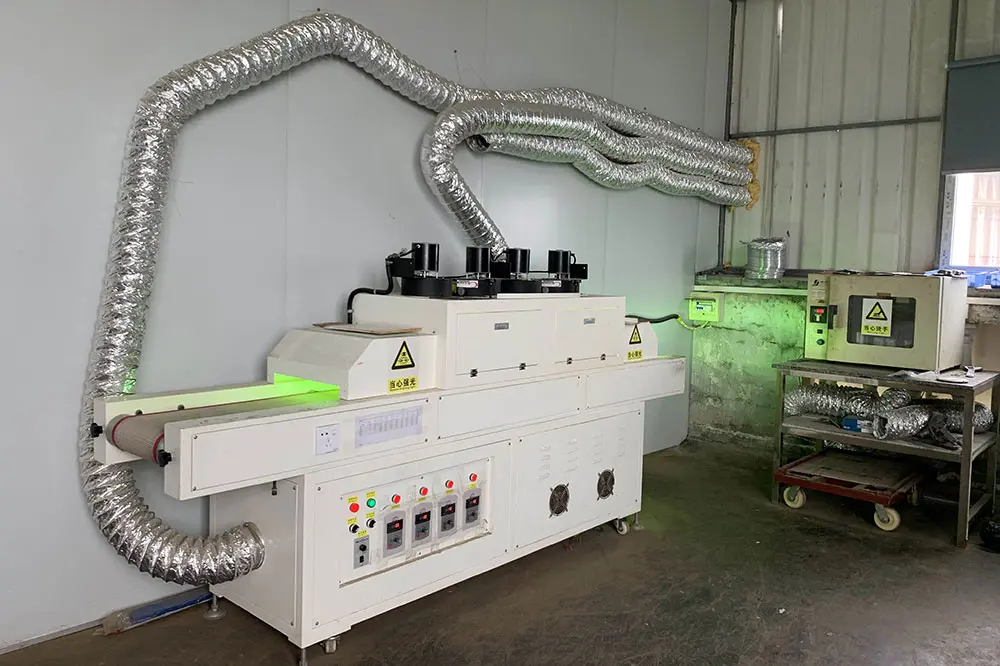
Yes, UV-PUD systems require a brief heat flash-off step (typically 50-80°C for 2-5 minutes) to evaporate the water phase and coalesce the film before exposure to UV light. Once dry, the coating is irradiated with UV light (H-bulb, Gallium, or LED), which triggers rapid crosslinking of the acrylate groups to form a highly durable, finished network.
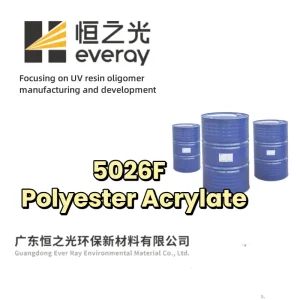
Oligomers like 6102 Low Shrinkage Epoxy Acrylate and 5026F Polyester Acrylate are specifically designed to reduce volumetric shrinkage during polymer crosslinking. This preserves strong adhesion on plastics like PVC, polycarbonate, and wood veneers, preventing cracking, warping, or delamination.
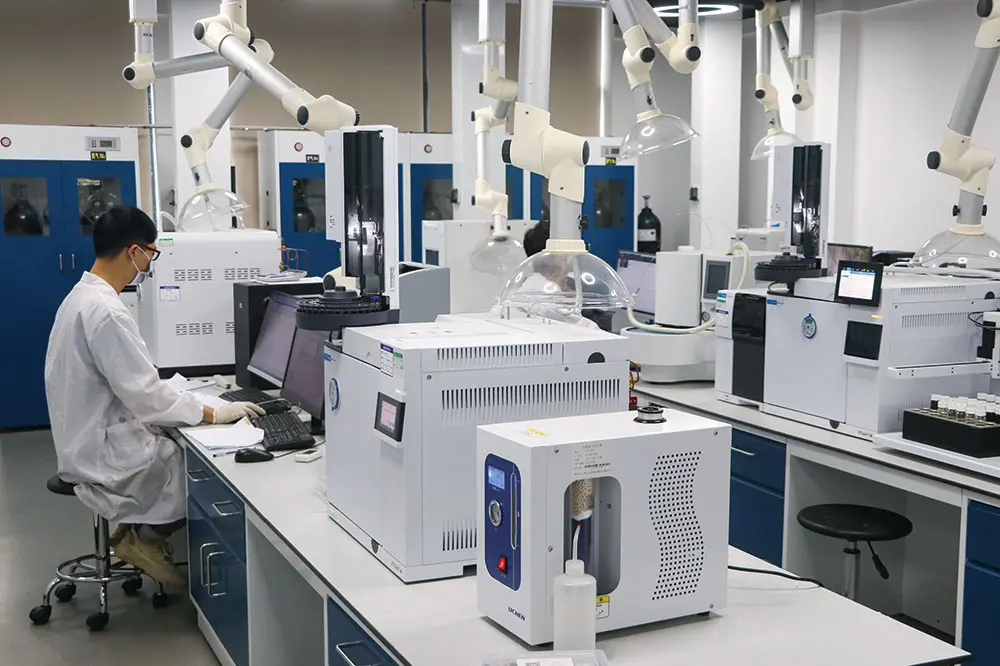
Our quality control relies on two main pillars: advanced manufacturing automation via a centralized DCS system that strictly regulates temperature and raw material feeds, and adherence to ISO9001 and ISO14001 standards. Every batch of raw materials is thoroughly inspected, and finished products undergo testing for viscosity, color value, acid value, and cure rate before shipment.
Yes. With more than 15 senior technicians in our R&D department and dual production sites, we can customize parameters such as molecular weight, double-bond density, glass transition temperature (Tg), and viscosity to match your specific production line requirements and cost targets.
Explore our specialized polyester acrylates, epoxy modified acrylates, and high durability topcoat materials.
 Ever Ray