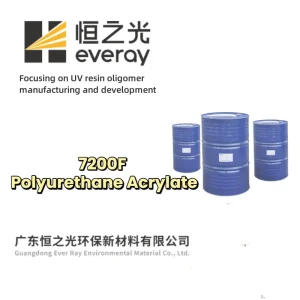
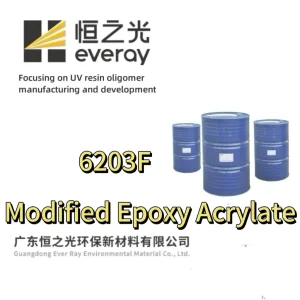
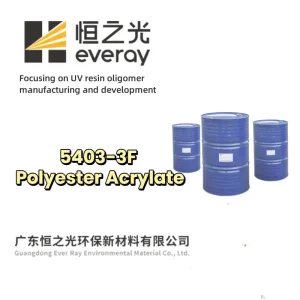
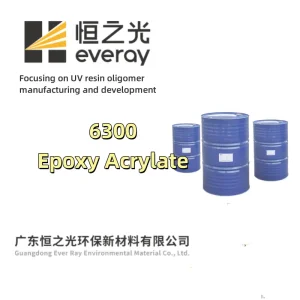
Explore our primary chemical grades optimized for coatings, inks, adhesives, and electronics. Engineered for precision UV curing efficiency.
The global industrial chemical landscape is undergoing an unprecedented transition driven by ecological mandates, occupational safety requirements, and volatile organic compound (VOC) limitations. Waterborne UV-curable systems represent the frontier of this transition. Historically, high-performance oligomers relied heavily on organic solvent carriers to regulate viscosity and achieve consistent coatings. However, modern environmental policies—such as the European Green Deal, the US Clean Air Act, and strict VOC restrictions in the Asia-Pacific region—have accelerated the shift toward waterborne polymer dispersions.
Waterborne polyurethane acrylates (PUDs) and modified epoxy acrylates present an optimized pathway for industrial operations to minimize their environmental footprint without sacrificing performance. By utilizing water as the primary solvent or dispersing phase, manufacturers drastically cut down fire risks, eliminate hazardous air pollutants (HAPs), and lower overall energy consumption during the drying and curing phases. This sustainability profile aligns with the commercial requirements of leading brands across automotive, packaging, and electronics sectors, establishing waterborne chemistry as a vital competitive advantage.
"The convergence of green chemistry and ultraviolet radiation curing technology represents the most energy-efficient and low-emission coating standard available to modern manufacturing."
Global B2B procurement managers seeking raw materials for UV-curable coatings face complex evaluation criteria. The search for a reliable manufacturer extends far beyond price per kilogram; it encompasses regulatory compliance, lot-to-lot consistency, technical support, and supply chain continuity. Procurement in sectors like packaging, wood finishing, and consumer electronics demands strict adherence to regulatory standards such as REACH, RoHS, and food-contact approvals (FDA/Nestlé guidance for packaging inks).
Formulators often require specific balances of hardness, flexibility, and cure speed. Off-the-shelf oligomers rarely meet precise target performance. A manufacturer's ability to adjust oligomer backbones—modifying monomer dilution, photoinitiator responsiveness, or cross-linking density—is a key procurement deciding factor.
In automated industrial coating operations, slight deviations in resin viscosity, acid value, or color density can cause costly production halts. Advanced DCS-controlled synthesis pipelines are critical to ensuring reliable physical properties across large volume deliveries.
Industrial users must lower their facility-wide VOC ratings. Selecting low-odor, low-toxicity, and high-solid (or waterborne) prepolymers enables chemical plants to maintain production permits in tightly regulated industrial zones.
Established in 2006, Guangdong Ever Ray Environmental Material Co., Ltd. stands as a premier high-tech enterprise dedicated to the research, development, and high-capacity manufacturing of oligomers for UV-curable resins. Our diverse chemical portfolio includes high-grade epoxy acrylates, polyurethane acrylates (including waterborne PUDs, aliphatic urethanes, and aromatic urethanes), polyester acrylates, pure acrylates, and specialty modified functional oligomers designed to satisfy rigorous global standards.
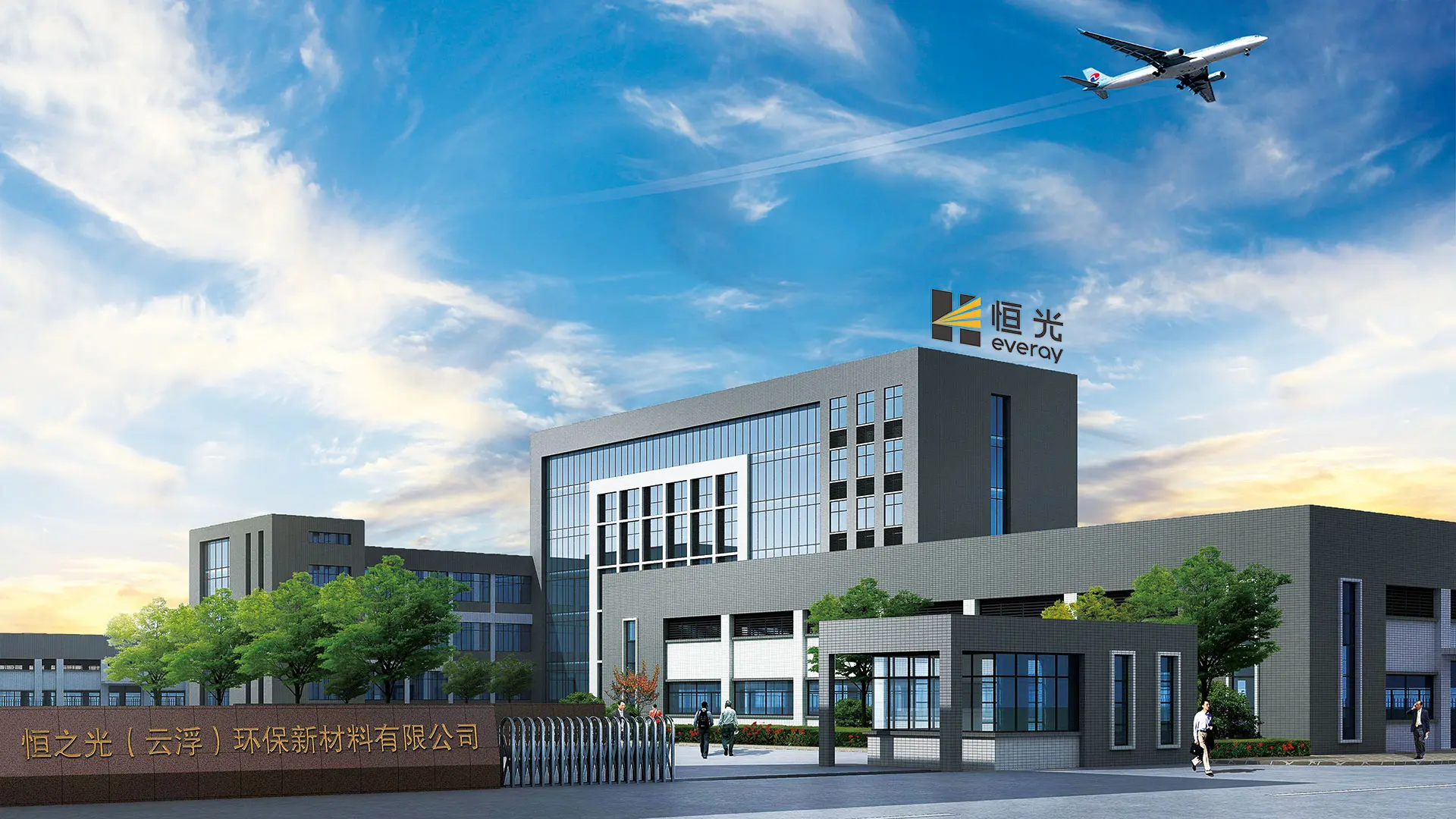
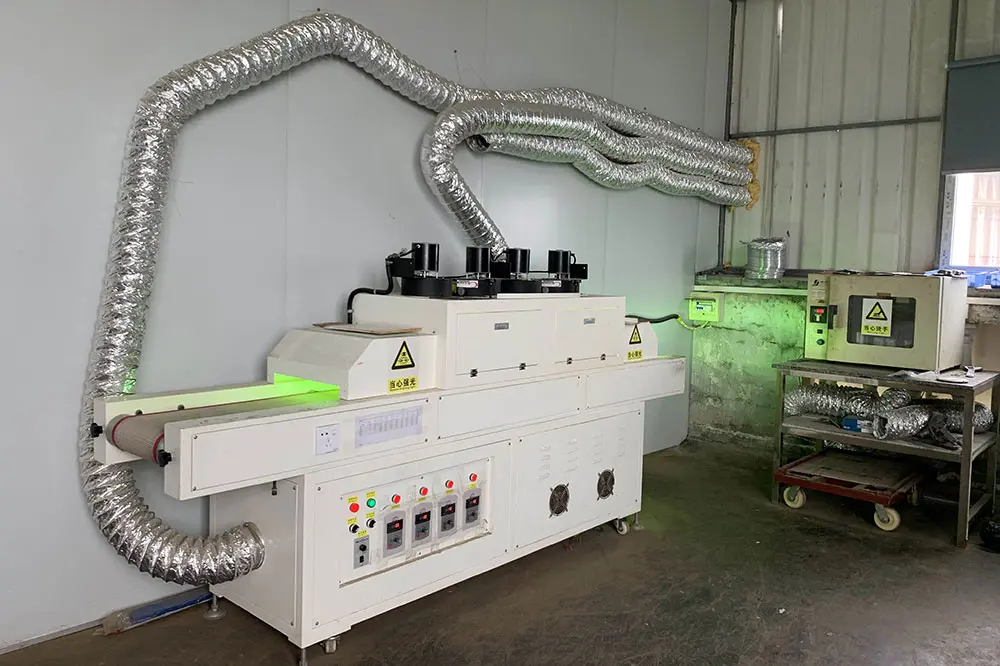
To address the growing scale of global industrial consumption, Ever Ray operates two advanced manufacturing facilities in Guangdong province. The Jiangmen base spans 10,000 square meters, serving as a specialized site for high-precision resin synthesis and customer formulation development. The Yunfu base covers 40,000 square meters, optimized for automated bulk synthesis, high-volume raw material storage, and integrated logistics infrastructure.
Both production sites are managed through a centralized DCS (Distributed Control System) fully computerized process control pipeline. This ensures real-time control over reaction temperatures, pressure limits, and chemical feed rates. Operating under ISO 9001 and ISO 14001 guidelines, our facilities achieve an annual output capacity exceeding 20,000 metric tons across more than 10 specialized production lines.
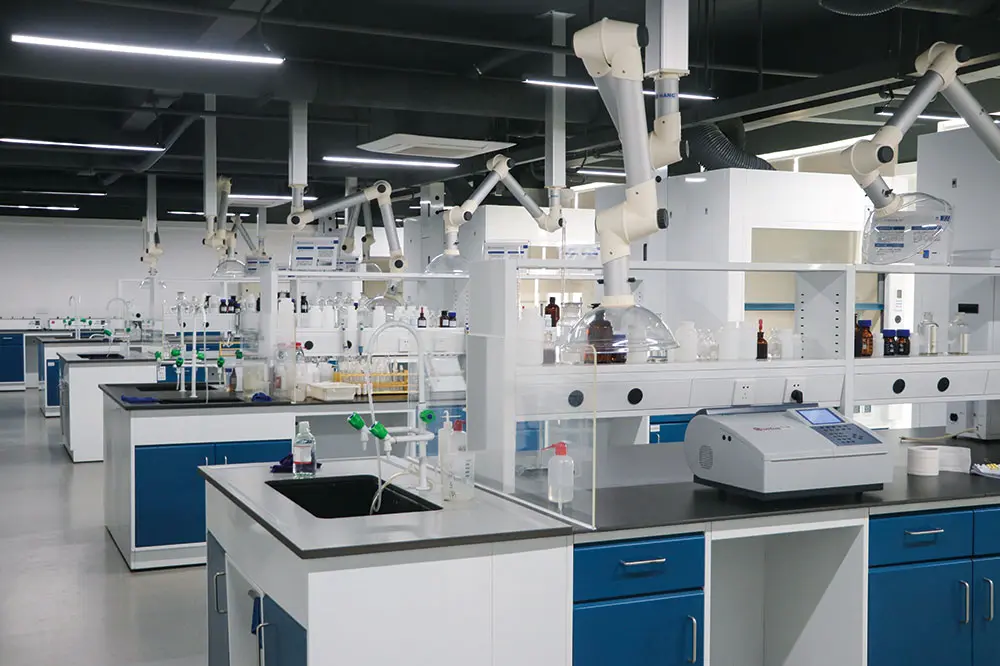
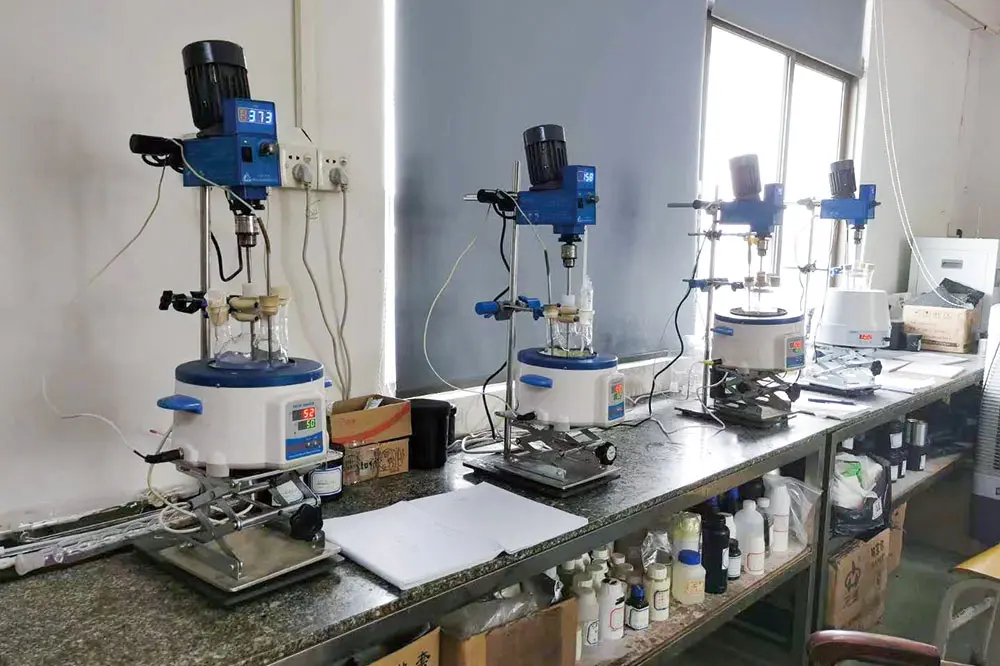
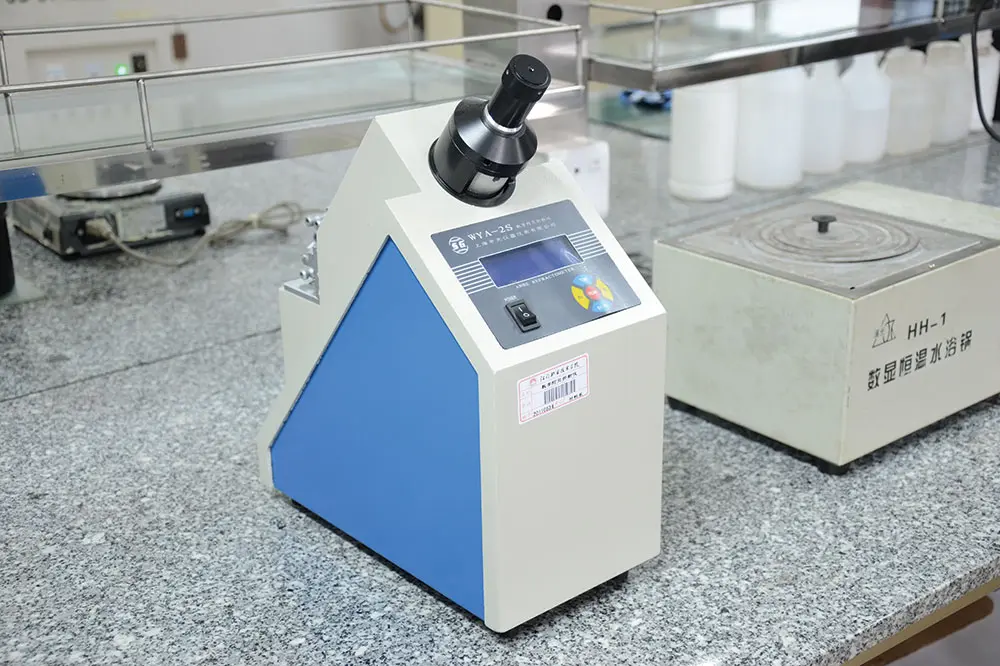
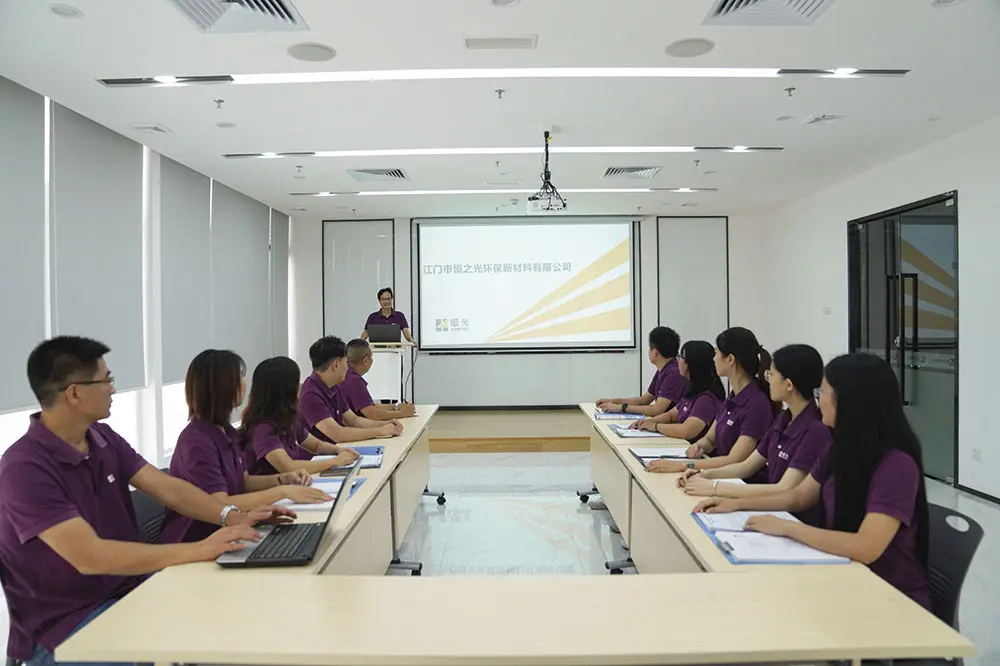
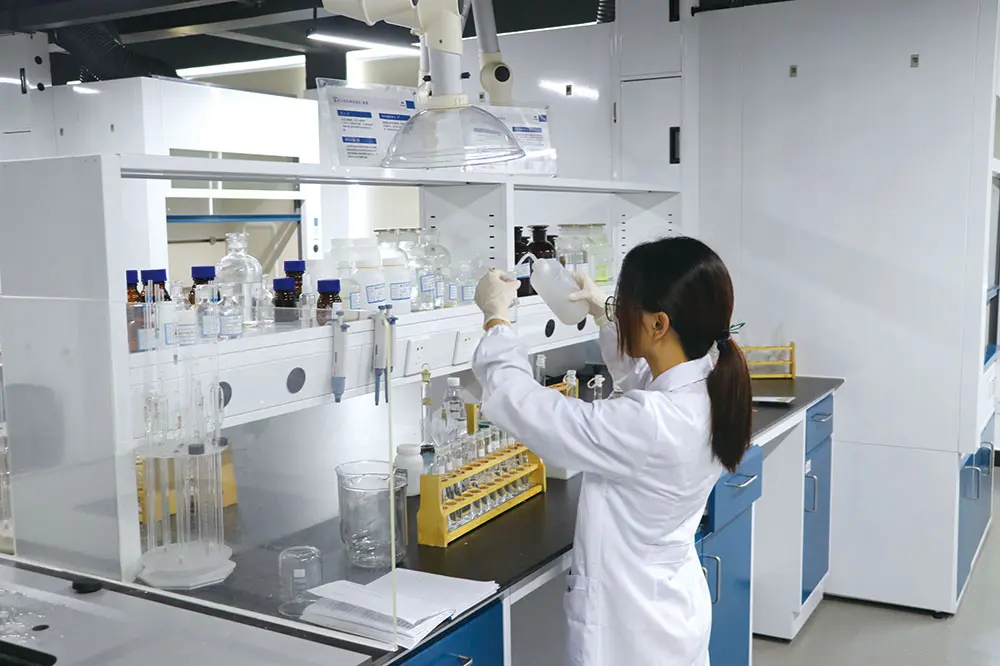
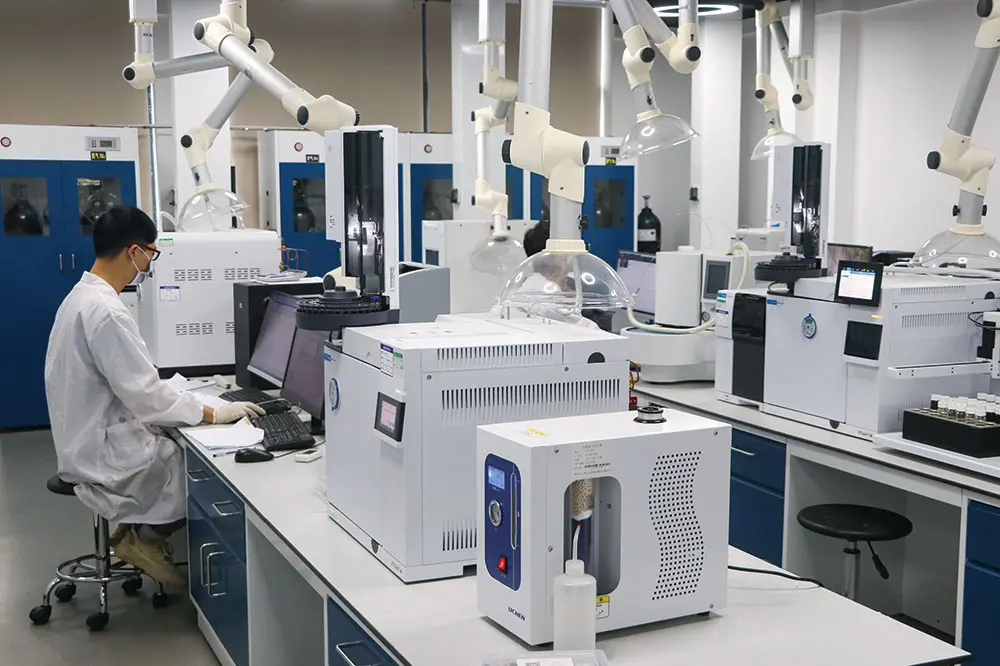
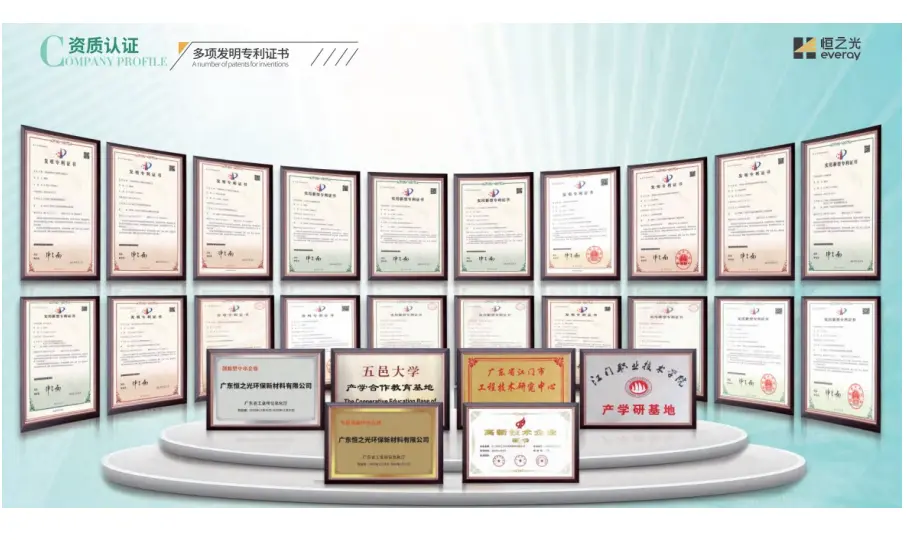
Ever Ray prioritizes continuous chemical innovation. Holding more than 10 invention and practical patents, our in-house R&D department features 15+ dedicated chemical synthesis technicians. Our research focus is directed at improving reactivity profiles, resistance parameters, and curing speeds across diverse application media.
By designing customized oligomer backbones, we help formulate coatings that achieve excellent adhesion, high pencil hardness, and resistance to environmental stress. Additionally, we integrate raw material supply chains to offer competitive pricing without compromising formulation quality. This balancing of performance and cost-effectiveness helps client partners thrive in competitive international markets.
Developing high-performance oligomers requires adapting to the distinct physical stresses encountered in localized application scenarios:
Wood substrates require flexible yet scratch-resistant finishes that accommodate the wood's natural expansion and contraction. Utilizing products like the high-adhesion 6100D-85 epoxy acrylate or Durable 7296C UV resin ensures excellent wood grain warmth, scratch resistance, and long-term yellowing resistance.
High-speed printing lines require rapid UV curing kinetics and precise rheology. Oligomers such as the 5403-3F Polyester Acrylate are specifically designed to optimize the delicate water-ink balance in offset UV lithography, preventing emulsion issues and ensuring crisp image transfers.
Handheld mobile devices and automotive plastic panels must resist chemical exposure (sweat, cosmetics, cleaning agents) and mechanical wear. Our polyurethane acrylates (PUAs) provide robust adhesion to polycarbonate (PC), ABS, and treated polyester films, preventing delamination.
Cosmetic nail coatings must cure rapidly under consumer LED-UV lamps without generating painful exothermic heat. Prepolymers like the 72583 Low Heat Release Polyurethane UV Resin are designed with optimized acrylic functionalities to minimize shrinkage stress and cure-related thermal spikes.
Select from our specialized UV pre-polymers, designed to meet challenging industrial demands for surface hardness, flexibility, and cure speed.
 Ever Ray