Premium grade technical resins engineered to provide chemical resistance, fast reactivity, structural durability, and low shrinkage profile.
A technical assessment of photopolymer development, global commercial vectors, and chemical formulation dynamics.
The global demand for UV-curable oligomers and industrial-grade 3D epoxy formulations is experiencing unprecedented expansion. As manufacturing scales transition from rapid prototyping to mass additive production, chemical stability and post-cure physical attributes take precedence. Modern manufacturing sectors demand materials that exhibit high-speed crosslinking, structural reliability, minimum volumetric shrinkage, and excellent interfacial adhesion.
The paradigm of Wholesale 3d Epoxy Manufacturers & Supplier operations has shifted from commodity dispersion to bespoke macromolecular engineering. Industrial systems leverage epoxy acrylates for their inherent mechanical toughness, rapid chemical response under 395nm and 365nm UV wavelengths, and high thermal resistance.
To successfully deploy high-viscosity resins in mechanical and structural components, manufacturers require chemical formulations that mitigate mechanical failure and minimize curl distortion during radical photopolymerization.
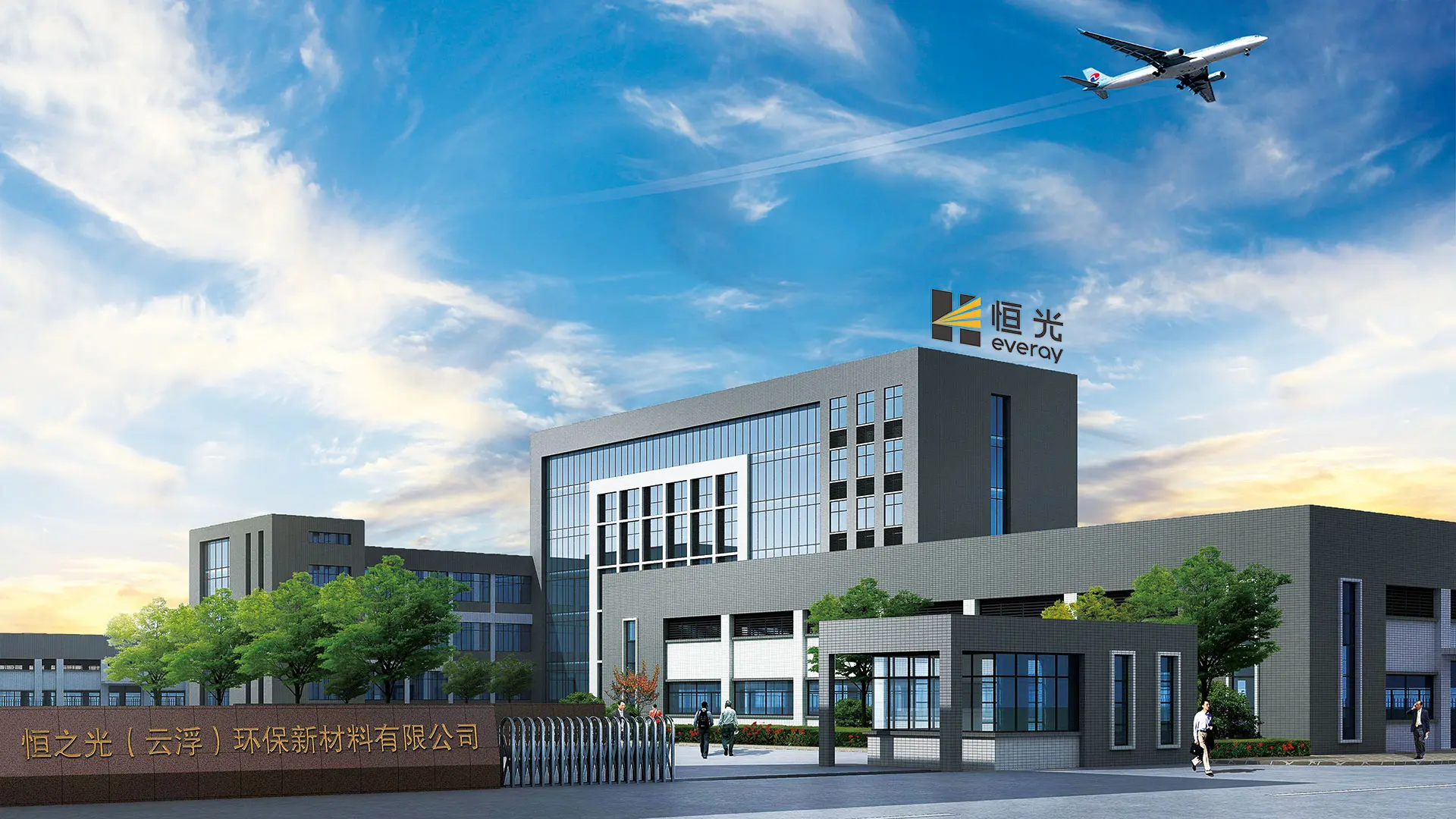
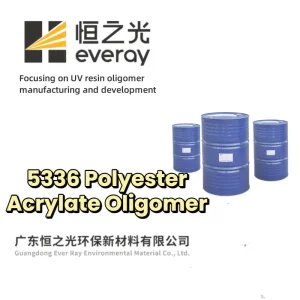
Guangdong Ever Ray Environmental Material Co., Ltd., established in 2006, is a high-tech enterprise focusing on the R&D and manufacturing of oligomers for UV curable resin such as epoxy acrylate, polyurethane acrylate (water-borne, aliphatic urethane, aromatic urethane), polyester acrylate, pure acrylate and other special functional modify acrylate oligomers.
We operate two production bases: our facility in Jiangmen, Guangdong, spans approximately 10,000 square meters, while our larger facility in Yunfu, Guangdong, encompasses 40,000 square meters. Complete with advanced quality control, storage, and logistics supporting infrastructure, our annual production capacity exceeds 20,000 tons operating across more than 10 production lines.
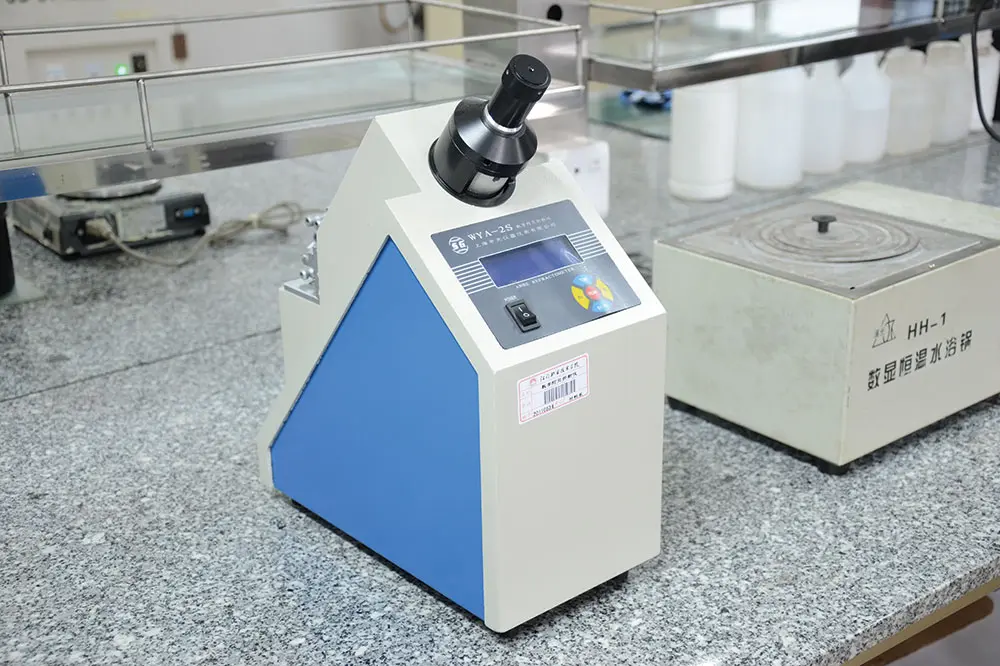
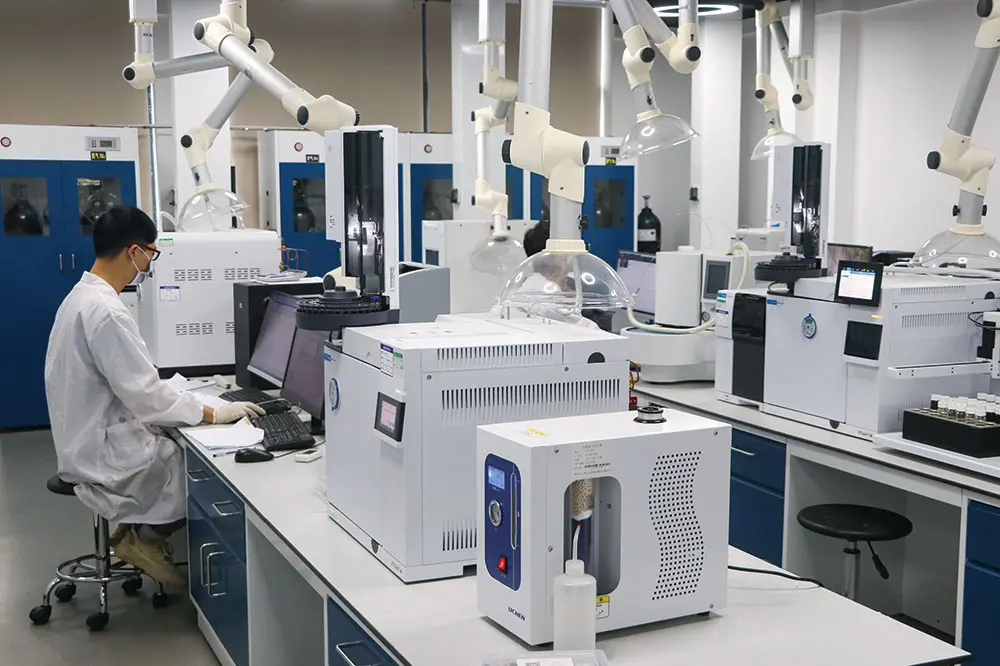
To maintain strict uniformity across batches, our chemical plants operate under the ISO9001 Quality Management System and ISO14001 Environmental Management System. We rely on a Distributed Control System (DCS) for computerized, automated chemical processing. This technology maintains critical temperature profiles, monomer feeding speed, and reactor pressure, ensuring the stability and safety of our manufacturing operations.
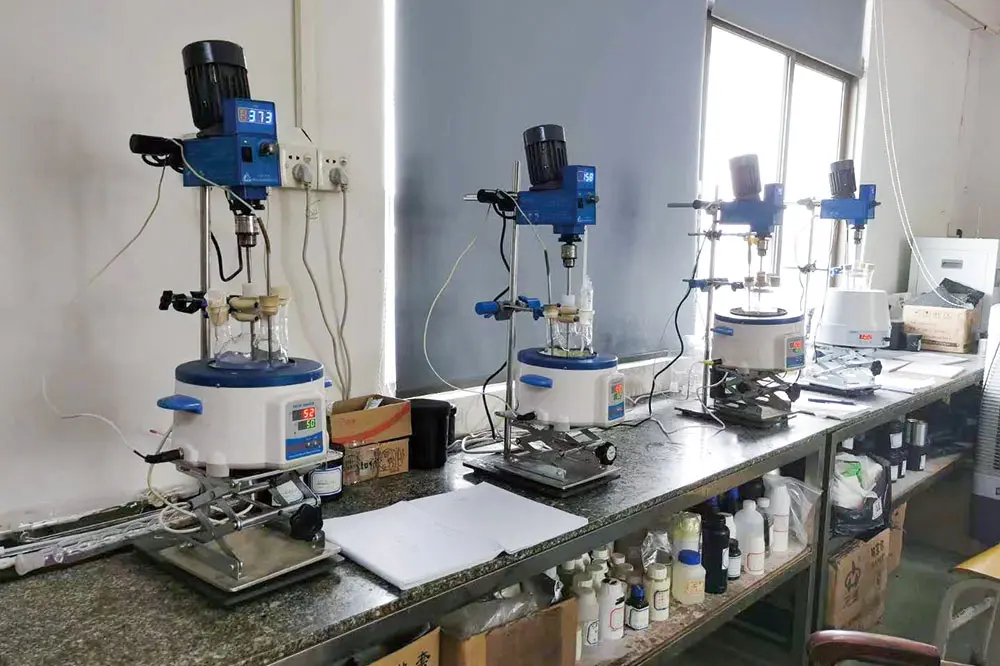
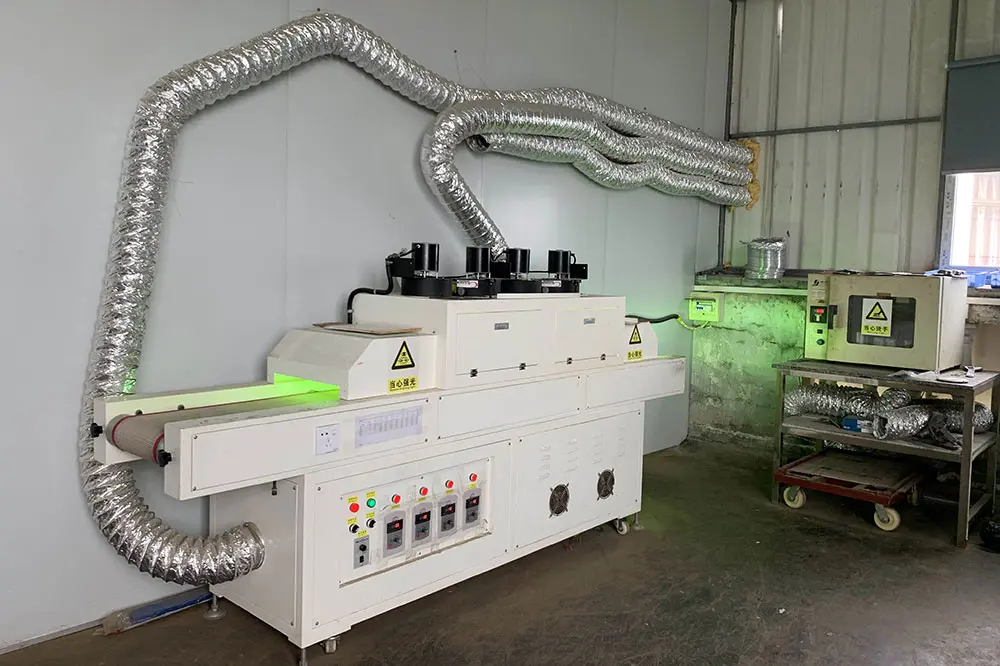
In UV photopolymerization, epoxy acrylates provide the chemical foundation for rigid industrial coatings and structural resins. Radical UV crosslinking occurs when photoinitiators absorb UV irradiation, forming free radicals that initiate the addition polymerization of acrylate double bonds.
Standard bisphenol-A epoxy acrylates possess high reactivity and produce hard, glossy surfaces, but they can be prone to embrittlement and yellowing under UV exposure. Ever Ray's R&D division has addressed these limitations by engineering modified epoxy acrylates. By introducing flexible chains and polyols, we minimize volumetric shrinkage and improve substrate adhesion without compromising curing speed.
| Oligomer Category | Core Structural Advantages | Primary Industrial Use Cases | Viscosity Profile |
|---|---|---|---|
| Epoxy Acrylate (Modified) | High hardness, chemical resistance, reduced shrinkage, enhanced leveling | Overprint varnishes, high-speed offset inks, glass/metal coatings | Medium to High (shear thinning) |
| Polyurethane Acrylate (PUA) | Toughness, elongation, impact resistance, non-yellowing (aliphatic) | Automotive coatings, optoelectronics, flexible 3D films | Variable (aliphatic/aromatic dependent) |
| Polyester Acrylate | Low viscosity, high pigment wetting, fast surface cure reactivity | Screen printing inks, pigment dispersions, wood coatings | Low to Medium |
| Pure Acrylate Monomers | Exceptional dilution capability, low odor, environmental safety profile | Active diluents, plastic varnishes, rapid cure additives | Low |
Our materials support diverse applications in wood coatings, plastic varnishes, packaging inks, electronics, and optoelectronics:
Resins like 7113A Aromatic PA and 7620 UV Curing Resin provide the surface leveling and thermal resistance required to ensure strong metal-to-plastic adhesion in high-vacuum electroplating.
6100D Epoxy Acrylate and 17701 Low Shrinkage Oligomer are developed to resist ink shrinkage and maintain pigment stability in high-resolution lithographic, flexographic, and screen-printing applications.
For outdoor machinery, automotive trim, and architectural materials, our 7200F Aliphatic Polyurethane Acrylate protects substrates against yellowing, thermal shock, and chemical exposure.
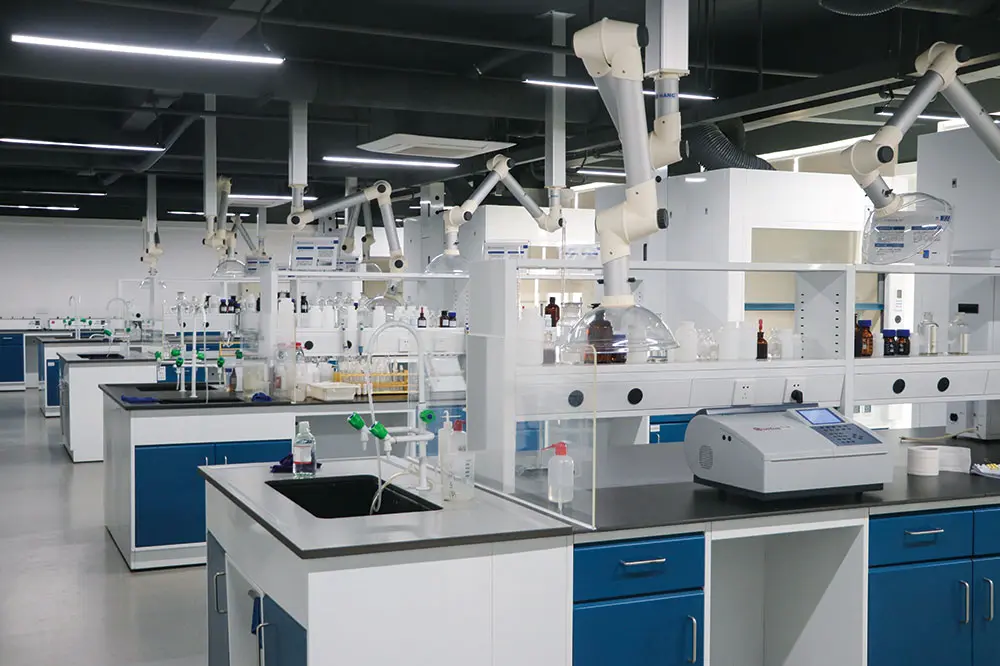
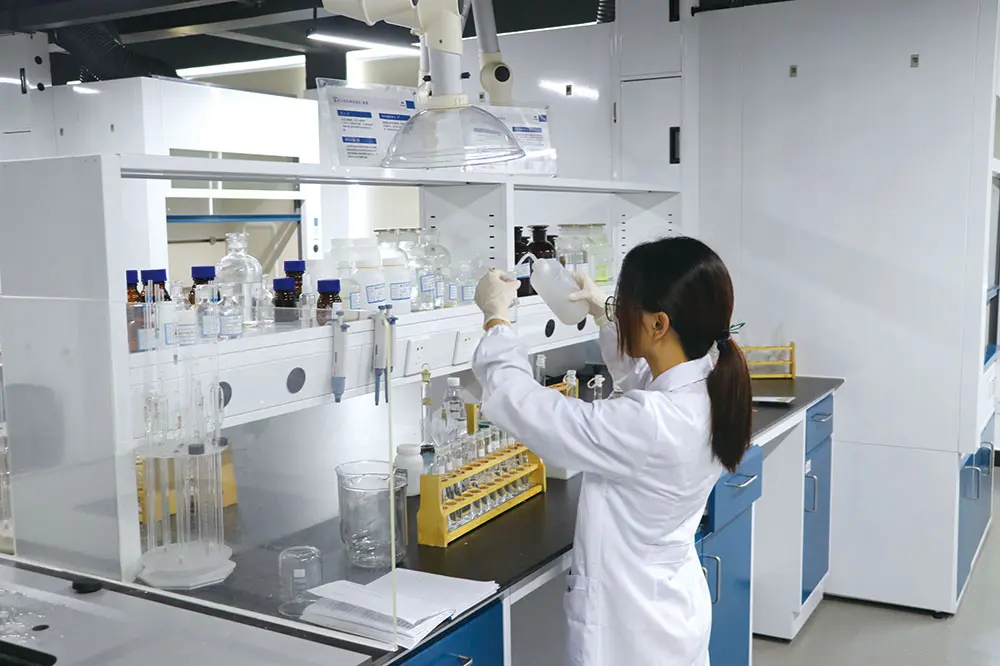
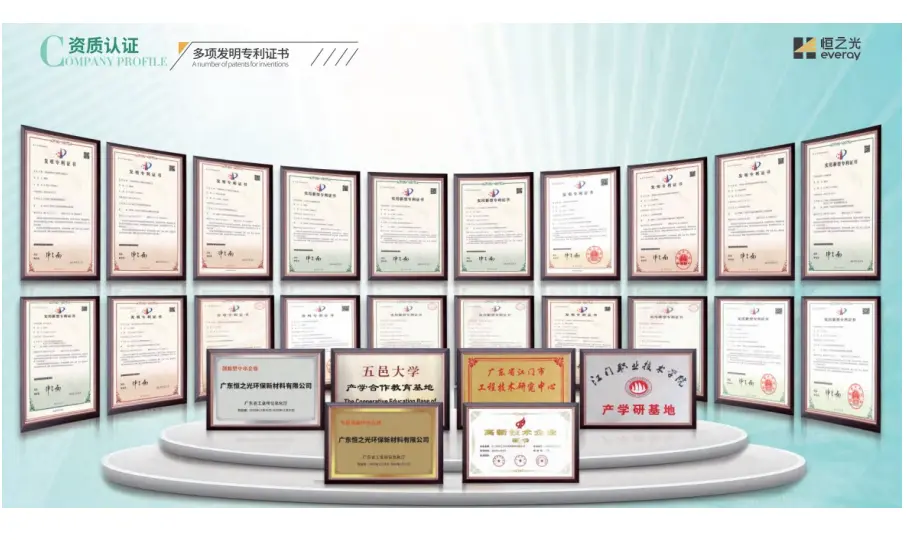
Innovation drives Ever Ray's development. Holding more than 10 invention and utility patents, our 15-member R&D team continuously refines monomer formulations to improve reactivity, chemical resistance, and gloss.
Regulatory frameworks like REACH (Europe) and EPA guidelines (US) require manufacturers to focus on green chemistry. We are developing bio-renewable carbon resources to formulate bio-based UV oligomers that maintain performance while reducing dependance on petrochemical raw materials. Our goal is to balance technical performance with environmental responsibility.
Expert answers addressing chemistry, formulation adjustments, curing variables, and supply chain logistics for industrial distributors and chemical engineers.
Premium functional resins designed for flexographic inks, plastic coatings, overprint varnishes, and vacuum metallization processes.
 Ever Ray