Global Commercial Landscape of Industrial 3D Printing Materials
The additive manufacturing landscape is undergoing a radical transition. 3D printing is no longer confined to rapid prototyping; it has matured into a core industrial production mechanism. At the heart of this revolution is the photopolymerization technology class, including SLA (Stereolithography), DLP (Digital Light Processing), and LCD/MSLA printing. These techniques rely fundamentally on high-purity liquid photopolymer resins, which are formulated using precise mixtures of oligomers, reactive diluents, and photoinitiators.
As global industries demand higher mechanical performance, fire retardancy, biocompatibility, and chemical stability, raw material manufacturing has become a critical bottleneck. Large-scale industrial operations require consistent batches with minimal volumetric shrinkage, optimized viscosity profiles, and superior inter-layer adhesion. This is where high-volume synthetic optimization of oligomers (such as expoxy acrylates, urethane acrylates, and polyester acrylates) bridges the gap between lab-scale innovation and gigafactory throughput.
Information Gain Insights: Unlike consumer-grade photopolymers that degrade quickly under UV radiation or moisture, industrial-grade 3D resins are engineered using custom aliphatic urethane oligomers and modified epoxy acrylates to maximize cross-linking density and minimize ester hydrolysis.
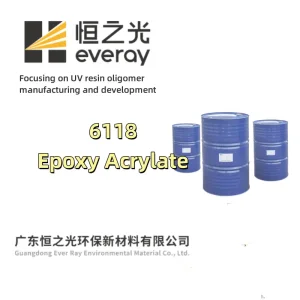
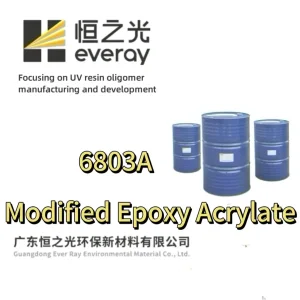
Functional prototyping under-the-hood requires materials with extremely high HDT (Heat Deflection Temperature). Formulations containing modified epoxy acrylates like our 6118 and 6803A provide the glass transition stability needed for structural components.
High-Resolution Electronics
Optical transparency and low moisture absorption are critical for microfluidic housings and connector potting. High flexibility pure acrylates protect sensitive electronics against thermo-mechanical cycling stresses.
Durable Wood & Coatings
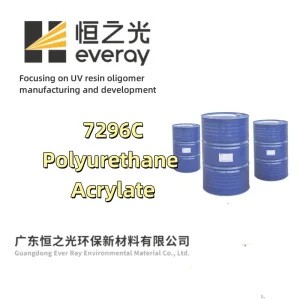
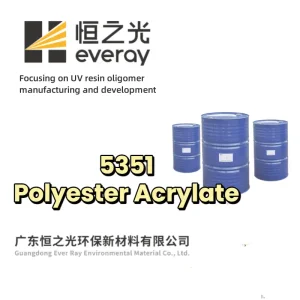
Co-developing UV-curable resins for coatings and printing inks. Products like the 5351 and 7296C provide excellent abrasion, scratch resistance, and solvent resistance, vital for heavy-traffic interior surfaces.
About Guangdong Ever Ray Environmental Material Co., Ltd.
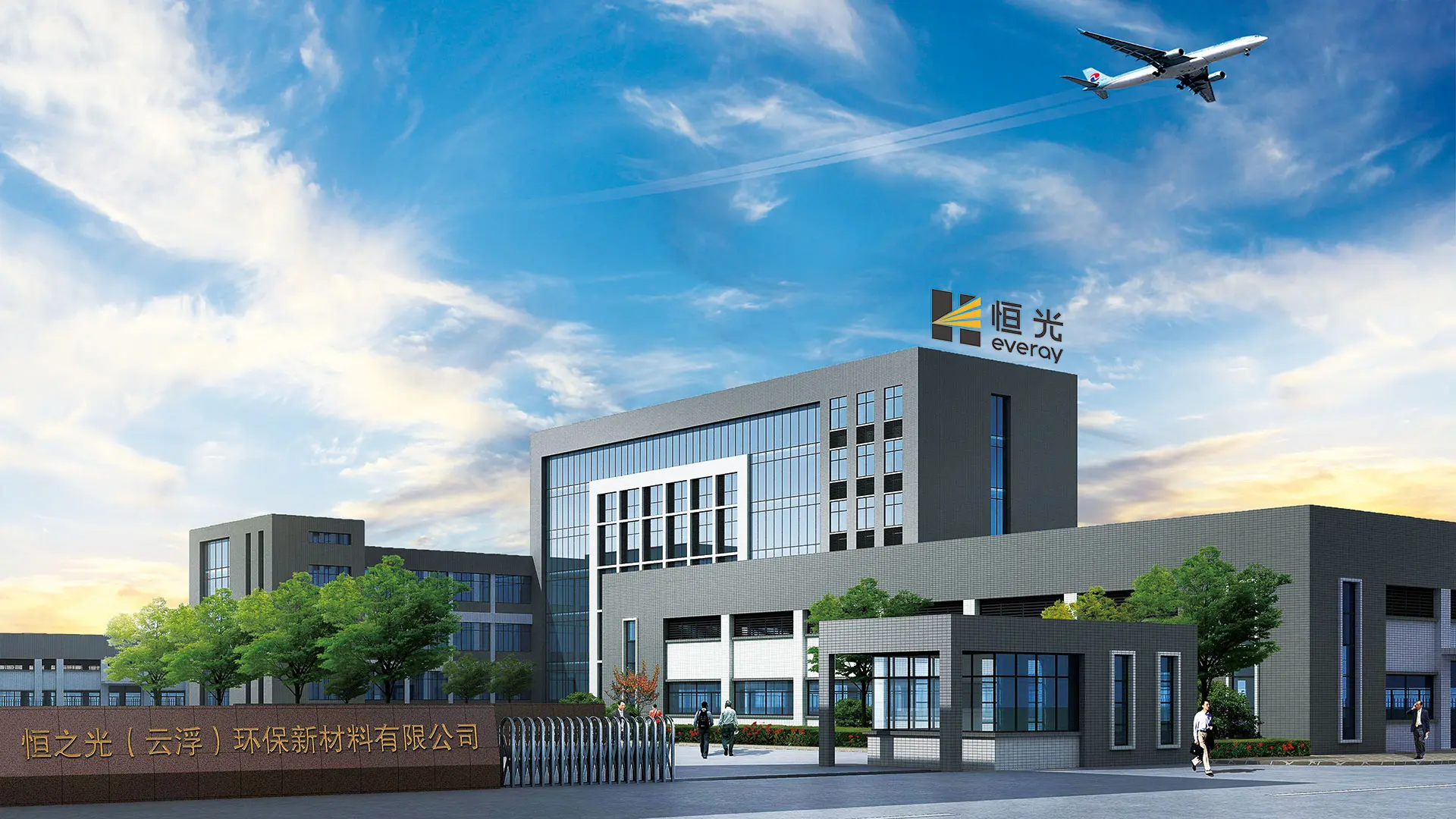
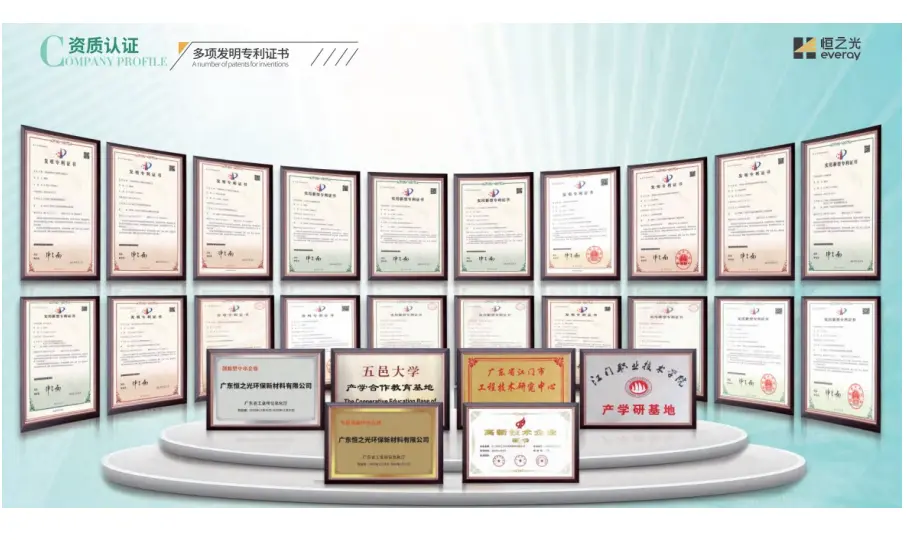
Established in 2006, Guangdong Ever Ray Environmental Material Co., Ltd. is a specialized high-tech enterprise focusing on the R&D and manufacturing of oligomers for UV curable resin. Our comprehensive portfolio includes epoxy acrylate, polyurethane acrylate (waterborne, aliphatic urethane, aromatic urethane), polyester acrylate, pure acrylate, and other special functional modified acrylate oligomers.
To meet the rigorous demands of industrial buyers and bulk formulation customers worldwide, we operate two massive production installations equipped with advanced DCS computerized manufacturing control systems. Our process ensures the highest quality control and batch consistency.
Productive Capacity & Quality Systems
Our capacity spans across two major manufacturing bases in Guangdong:
Production Facility Base
Industrial Footprint Area
Technical Features
Jiangmen, Guangdong Base
~10,000 Square Meters
Custom oligomer synthesis, specialty modification pilot lines.
Yunfu, Guangdong Base
~40,000 Square Meters
Bulk raw material manufacturing, automated DCS configuration lines.
With an annual capacity exceeding 20,000 metric tons across 10+ state-of-the-art production lines, we guarantee stable logistics. Our manufacturing centers strictly comply with the ISO9001 Quality Management System and ISO14001 Environmental Management System.
Developing advanced photopolymers requires resolving the trade-offs between three core parameters: viscosity, cure speed, and shrinkage rate.
Epoxy Acrylate Oligomers
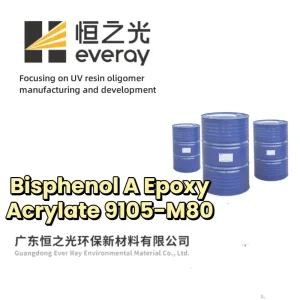
Epoxy acrylates serve as the foundational backbone for high-gloss, ultra-fast curing applications. By utilizing Bisphenol-A based chemical rings, resins like 9105M-80 achieve incredible tensile strength and hardness, making them ideal for protective industrial varnishes and high-modulus structural 3D printing components.
Urethane Acrylate Oligomers
To overcome the inherent brittleness of pure epoxy acrylates, aliphatic urethane acrylates are introduced. These structures feature customizable polyol segments that offer remarkable flexibility, impact strength, and non-yellowing characteristics. This is a critical requirement for outdoor components exposed to harsh weather conditions.
Polyester Acrylate Oligomers
Polyester acrylates provide optimized wetting characteristics, low viscosity, and fast reaction kinetics. They are commonly used in high-volume offset printing, screen printing inks, and as balancing agents to lower print-head viscosity without compromising final layer adhesion.
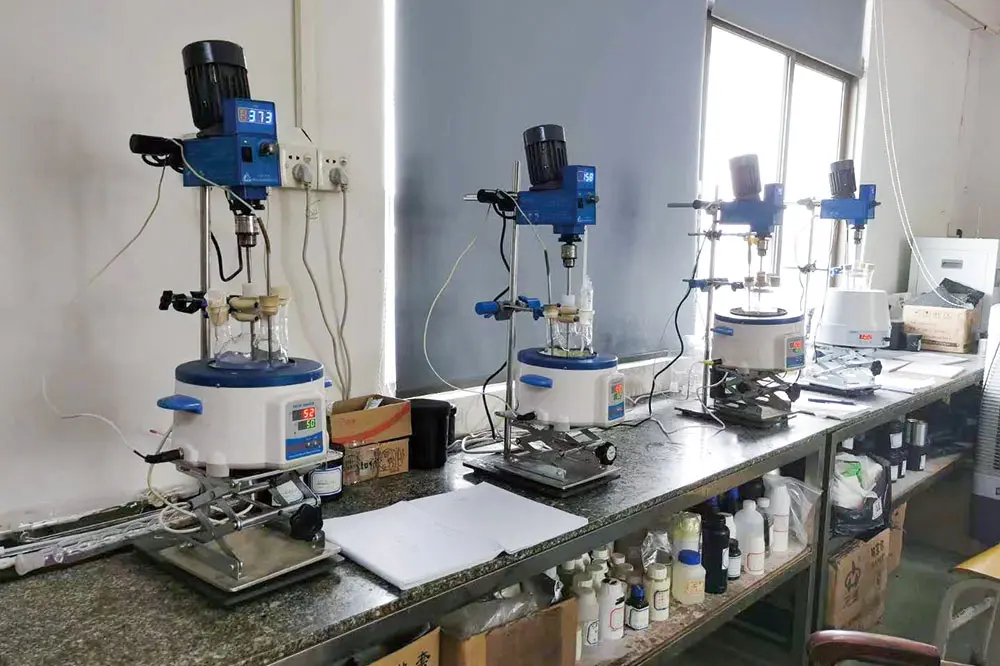
At Ever Ray, our R&D strategy focuses on modifying these classic molecular backbones to improve inter-layer bonding during 3D printing. Under rapid UV curing conditions, polymer chains shrink as covalent bonds replace intermolecular forces. By designing modified acrylates with lower double-bond density and high molecular weights, we dramatically minimize dimensional warping, allowing manufacturers to maintain tight engineering tolerances.
Localized Application Scenarios & Global Regulatory Standards
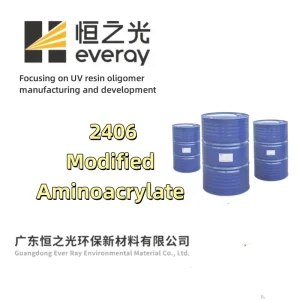
Global market demands require localized adaptation of raw chemical formulas. In North America and Europe, chemical safety acts like REACH and TSCA strictly regulate oligomer composition. Formulators must balance mechanical properties with low toxicity and skin-safety profiles. Our low-odor UV resins, such as the 2406 series, are specifically engineered to eliminate high-volatility compounds, allowing clean room environments and desktop fabrication labs to function comfortably.
Furthermore, manufacturing in tropical or high-humidity regions requires modified moisture-insensitive coatings. Standard pure acrylates may undergo micro-phase separation in wet environments. Our customized water-transfer printing oligomers are engineered to maintain glass adhesion, even under prolonged high humidity conditions, preventing peeling and delamination.
Technical Q&A / Material Selection FAQ
Q1: How does oligomer structure affect tensile strength in SLA 3D printing?
A: Tensile strength is directly related to the cross-linking density of the cured system. Epoxy acrylates possess rigid bisphenol-A aromatic rings that provide excellent structural rigidity and high modulus. However, if flexibility or elongation at break is required, mixing epoxy acrylates with aliphatic urethane acrylates provides the necessary hydrogen-bonding pathways to distribute tensile stresses without fracturing the part.
Q2: Why does low shrinkage matter in water transfer printing and UV coatings?
A: During UV curing, monomer and oligomer cross-linking leads to volumetric shrinkage. In water transfer printing and glass coatings, this shrinkage creates internal stress, causing delamination. Utilizing modified oligomers with low shrinkage profiles preserves chemical adhesion to smooth substrates like glass and metal, ensuring long-term durability.
Q3: How does Ever Ray manage raw material purity and batch-to-batch consistency?
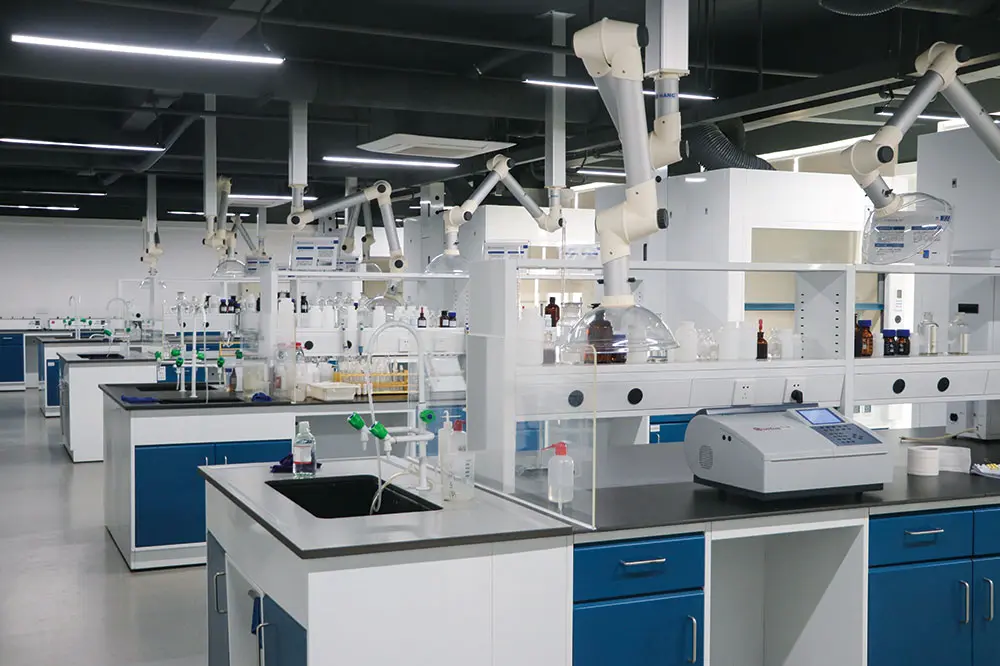
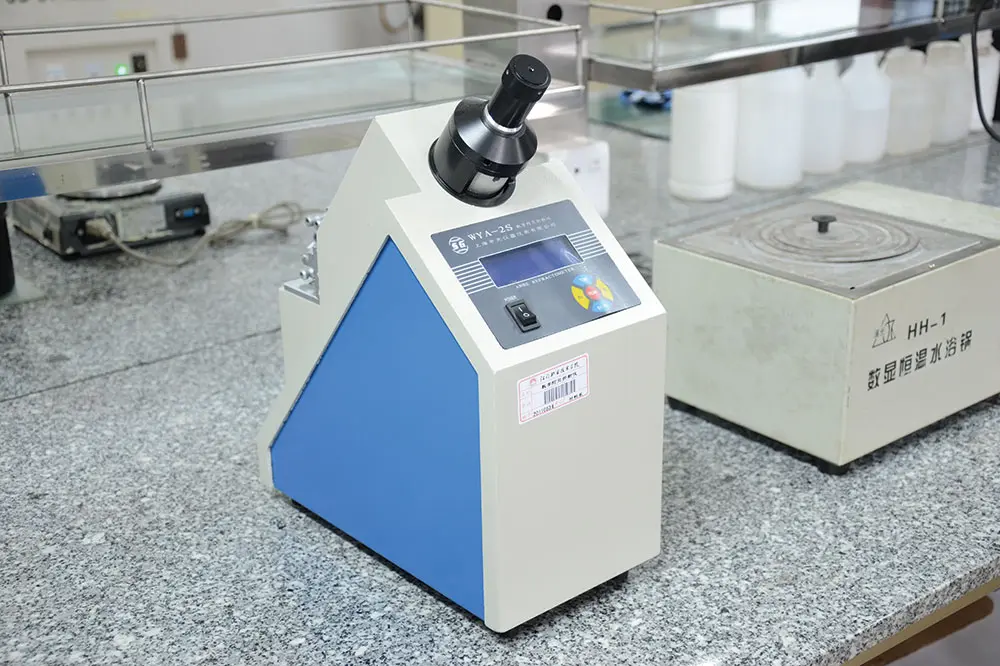
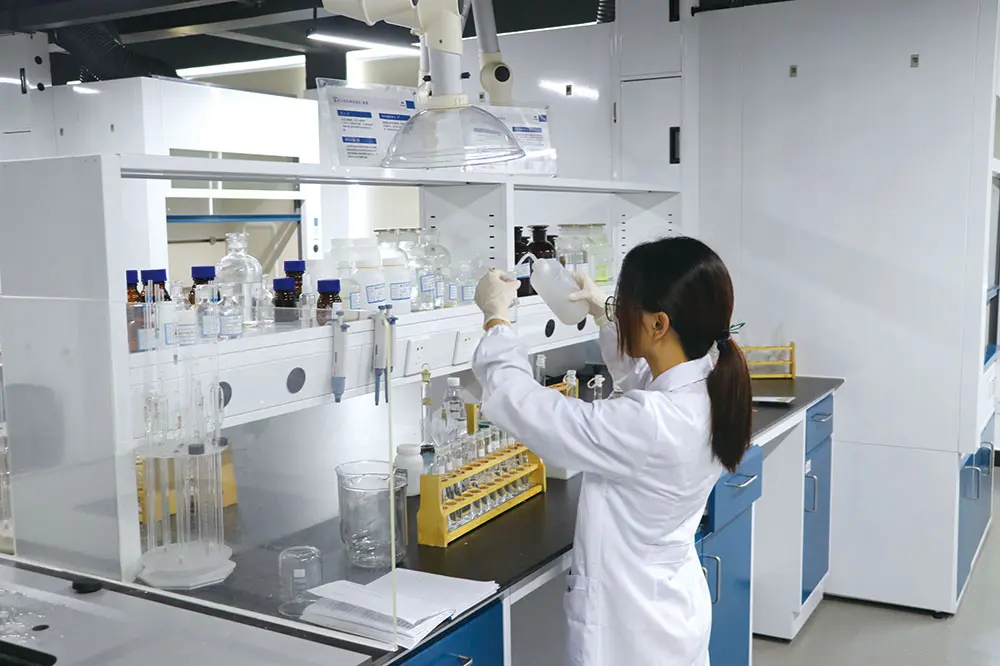
A: We utilize DCS fully computerized systems to control reactor temperature, addition rate, and reaction pressure. Every batch is evaluated via gel permeation chromatography (GPC) to verify molecular weight distribution, and by gas chromatography to ensure minimal residual monomer content. This meets the performance standards expected by industrial suppliers.
Q4: Are your photopolymer resins compatible with commercial MSLA/LCD and DLP 3D printers?
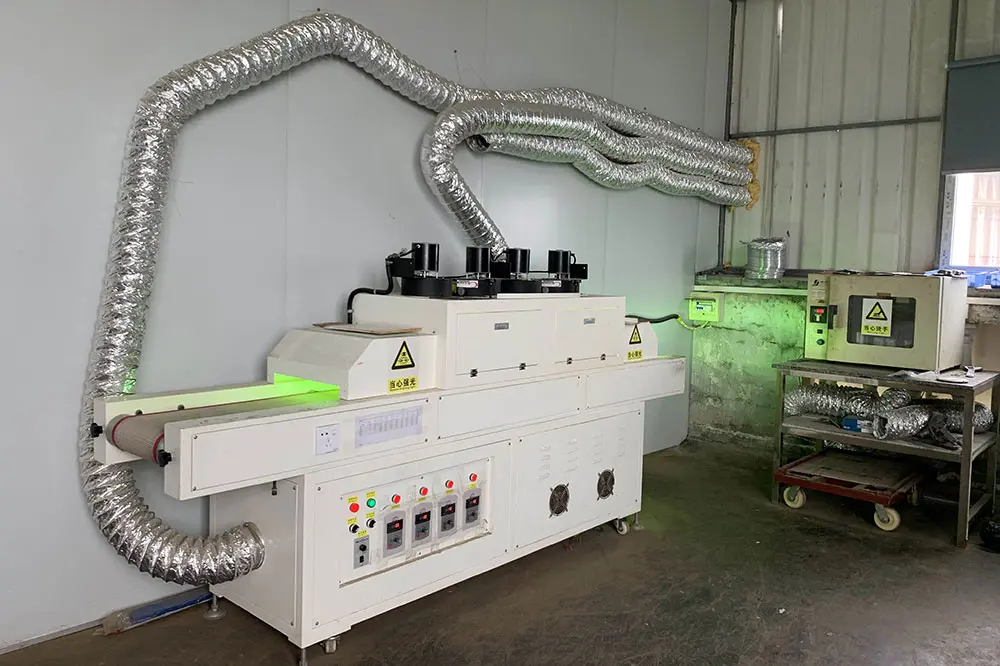
A: Yes. Our oligomers are designed for broad absorption spectrums. When formulated with appropriate photoinitiators (such as TPO or BAPO), they show high curing reactivity under standard 385nm and 405nm UV light sources, ensuring compatibility with industrial-grade DLP and consumer-grade LCD machines.
Q5: What makes excimer laser UV coatings distinct from standard UV cure?
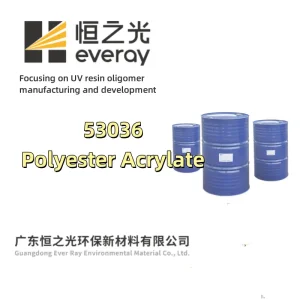
A: Excimer laser systems (typically operating at 172nm) cure only the top-most nanometer layer of the coating under inert gas. This induces micro-folding, producing an ultra-matte finish with a soft skin feel. Oligomers like our 53036 polyester acrylate are optimized to react efficiently to this high-energy wavelength without undergoing surface cracking.
Featured Photopolymer Oligomers & UV Resins (Batch II)
 Ever Ray