Explore our premium product portfolio designed for SLA/DLP 3D printing, high-precision bonding adhesives, and durable protective varnishes.
Understanding the transition from cosmetic prototyping to functional, high-performance additive manufacturing.
The global 3D printing landscape is undergoing a critical transformation. Industrial manufacturers are no longer satisfied with brittle, weak prototypes designed solely for shape verification. Today's demanding markets—including automotive, dental, electronics, and aerospace—require additive manufacturing materials that match or exceed the physical properties of traditional injection-molded thermoplastics.
At the center of this shift are photopolymer resins. Stereolithography (SLA), Digital Light Processing (DLP), and Liquid Crystal Display (LCD) printing methods depend entirely on the polymerization kinetics of liquid monomers and oligomers. Achieving the right balance of tensile modulus, impact strength, thermal deflection temperature (HDT), and chemical resistance requires highly specialized oligomer chemistry.
"High-resolution prints require low volumetric shrinkage and fast double-bond conversion. This can only be achieved by optimizing the raw oligomeric backbones, such as modified epoxy acrylates and polyurethane acrylates."
Precise control over resin viscosity ensures quick leveling in SLA/DLP vats, enabling rapid layer-by-layer deposition without structural defects or delamination.
Sufficient curing speeds are required to match high-power laser and monochrome LCD projection exposures, optimizing overall cycle throughput.
A deep dive into oligomer configurations and molecular engineering for formulation specialists.
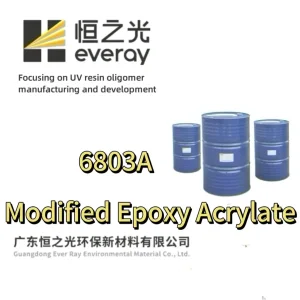
Characterized by fast curing speeds, high hardness, and outstanding chemical resistance. Epoxy acrylates (such as our 6231 and 6271 models) serve as excellent resins for high-gloss, scratch-resistant rigid parts and protective plastic coatings.
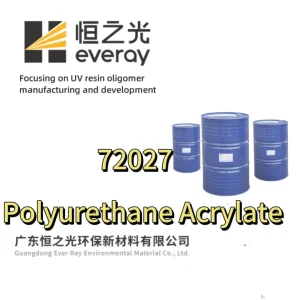
Engineered to deliver exceptional toughness, impact resistance, and elongation properties. PUA oligomers (such as 7402 or the weather-resistant 72027) are crucial for synthesizing ABS-like engineering resins that resist cracking under dynamic loads.
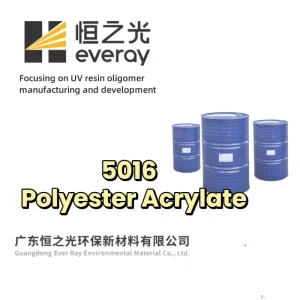
Offering excellent pigment wetting, low viscosity, and high dilution efficiency. Polyester acrylates like our 5351 and 5016 grades help adjust viscosity without sacrificing reactivity, making them ideal for UV inks and varnishes.
| Oligomer Type | Primary Features | Viscosity Profile | Target Applications |
|---|---|---|---|
| Modified Epoxy Acrylate (6231) | Fast curing, high gloss, low yellowing | Medium to High | Industrial coatings, rigid 3D models, offset inks |
| Polyurethane Acrylate (7402) | High tensile strength, elasticity, high toughness | Medium | ABS-like engineering resins, impact-resistant parts |
| Hyperbranched Acrylic Resin (4600) | High scratch resistance, rapid curing, low shrinkage | Low | High-precision optical coatings, screen inks |
| Polyester Acrylate (5016) | Excellent dilution, low odor, wide compatibility | Low | Varnishes, multi-substrate inks, raw resin blending |
Leveraging high production capacity, automated quality control, and vertical integration to secure global supply lines.
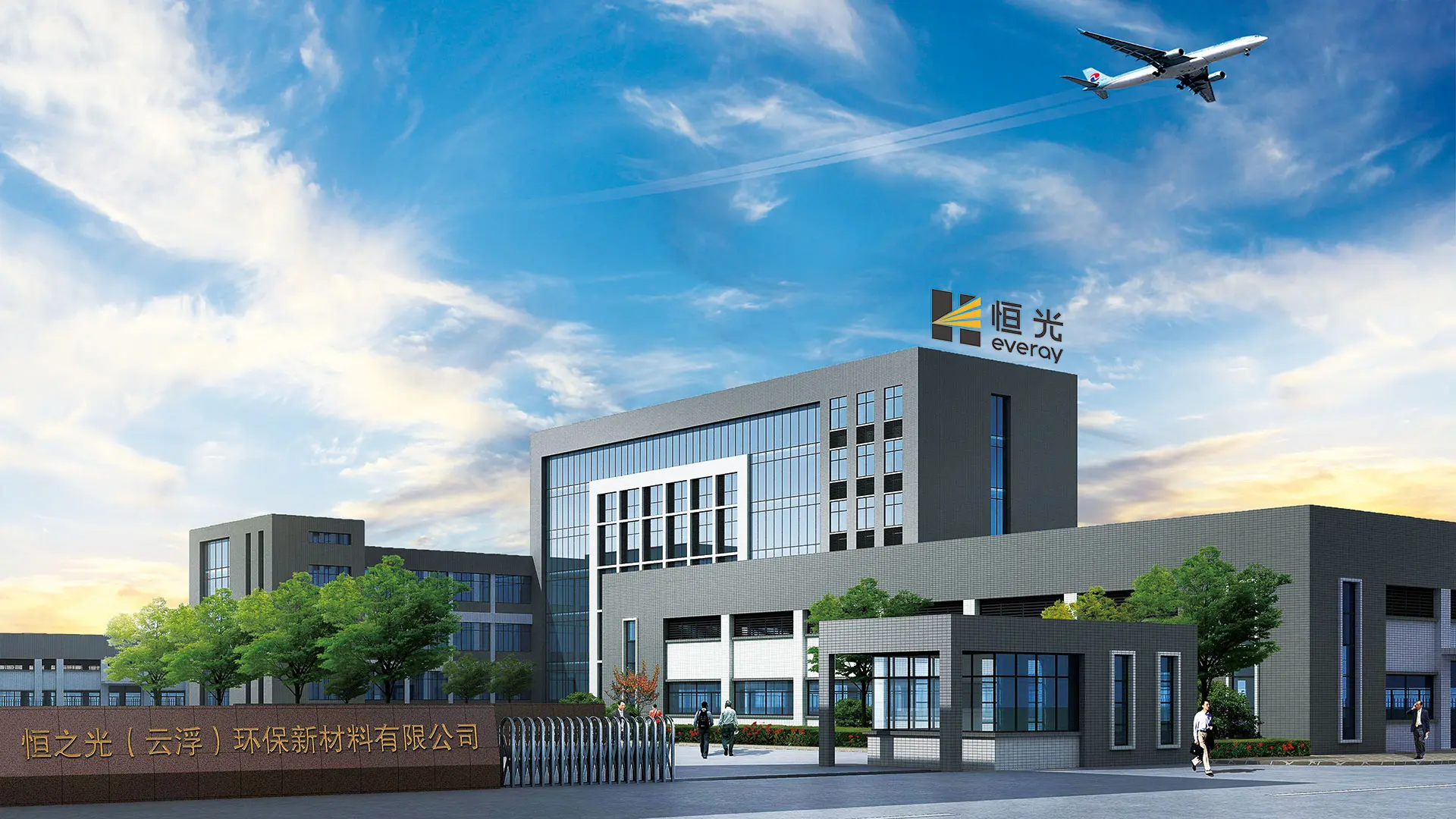
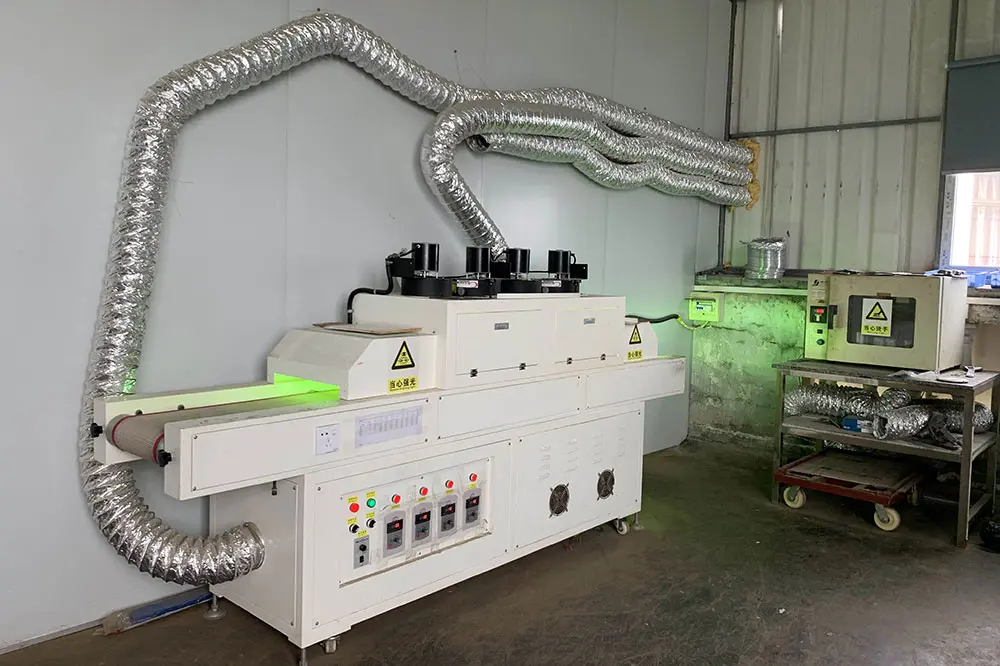
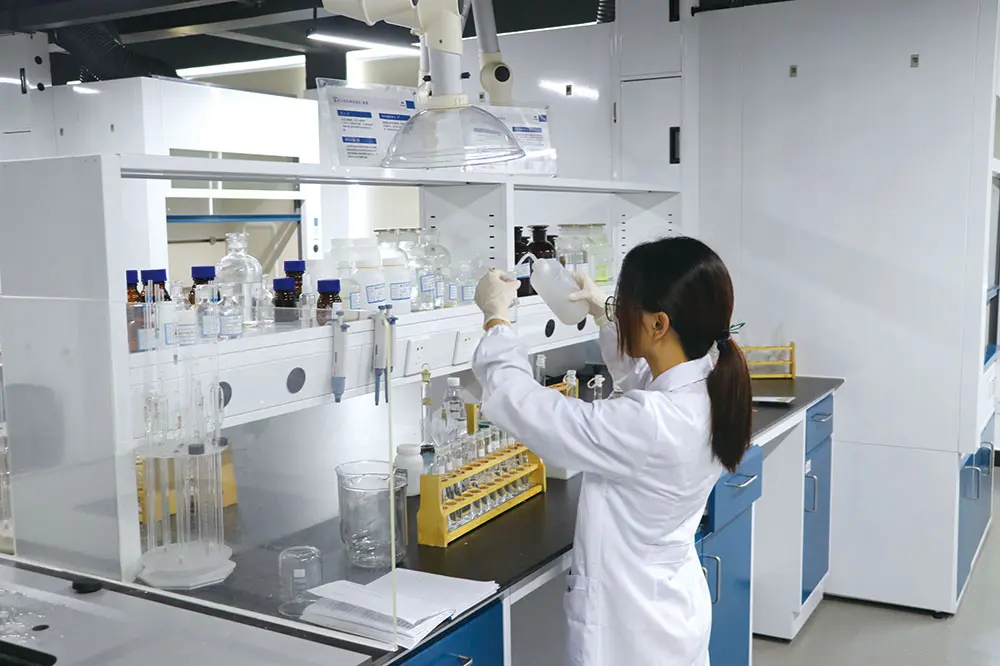
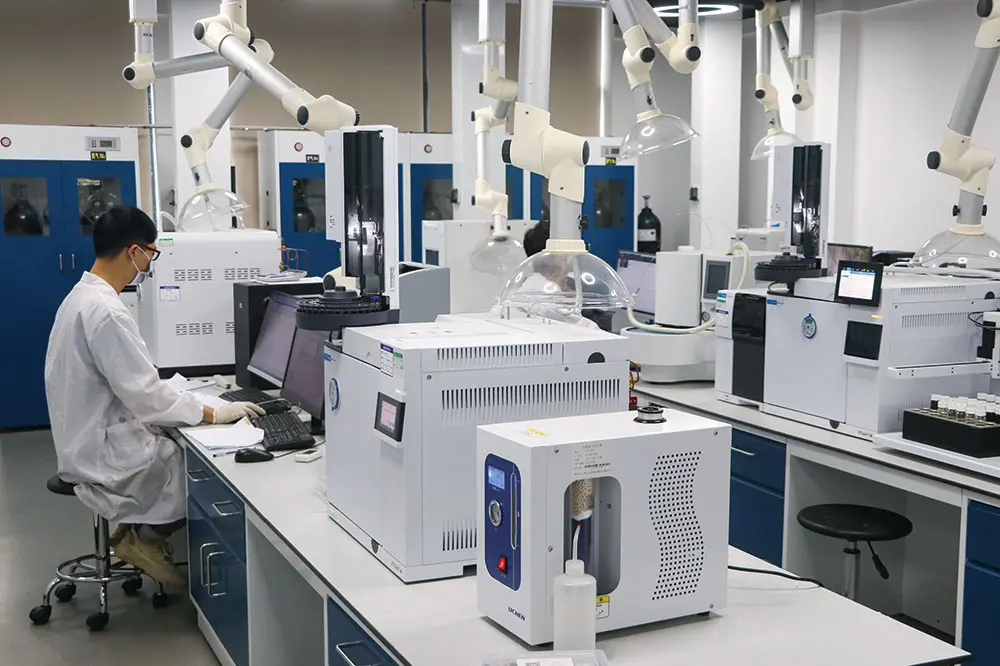
Located in the heart of South China's industrial chemical manufacturing hub, Guangdong Ever Ray operates two advanced manufacturing bases. Our original Jiangmen facility spans approximately 10,000 square meters, while our modern Yunfu facility covers 40,000 square meters. These dual facilities feature integrated R&D centers, quality control laboratories, and advanced chemical warehousing.
By using an advanced DCS (Distributed Control System) for fully computerized reactor regulation, we ensure that temperature, addition rates, and pressure curves are controlled precisely. This technological approach minimizes batch-to-batch variation, which is essential for raw photopolymers used in high-precision SLA 3D printing systems.
How our oligomers and resins are applied in actual engineering scenarios across multiple industries.
Our low-shrinkage formulations are ideal for printing high-accuracy orthodontic models, surgical drill guides, and custom impression trays. These materials maintain dimensional stability under varying temperatures.
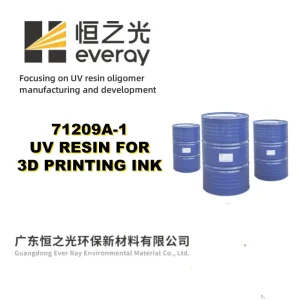
By blending our high-toughness polyurethane acrylates (such as 7402 and ABS-like 71209A-1), formulators can create snap-fit parts, ducting prototypes, and structural housings that resist high impacts during functional testing.
Resins like 7620 are designed specifically as basecoats and topcoats for UV vacuum metallization. They provide excellent adhesion to ABS, PC, and metal, yielding high gloss and mirror-like finishes.
Established in 2006, focusing on the research, development, and manufacture of high-tech UV curable environmental materials.
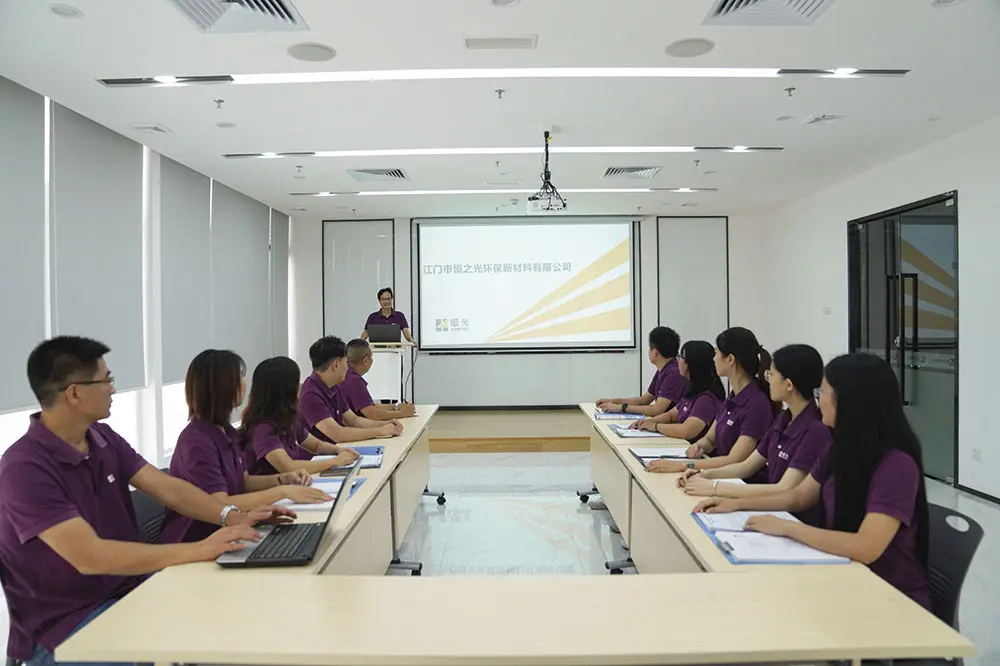
Guangdong Ever Ray Environmental Material Co., Ltd., established in 2006, is a high-tech enterprise focusing on the R&D and manufacturing of oligomers for UV curable resin. Our production focus includes epoxy acrylate, polyurethane acrylate (water-borne, aliphatic urethane, aromatic urethane), polyester acrylate, pure acrylate, and other special functional modified acrylate oligomers.
With more than 15 technicians in our R&D department and over 10 invention and practical patents, we provide products with high reactivity, chemical resistance, and high gloss. These materials are suitable for wood coatings, plastics, printing inks, and technical adhesives.
We work to balance technology and environmental protection, using science and technology to support sustainable, green living in our daily lives.
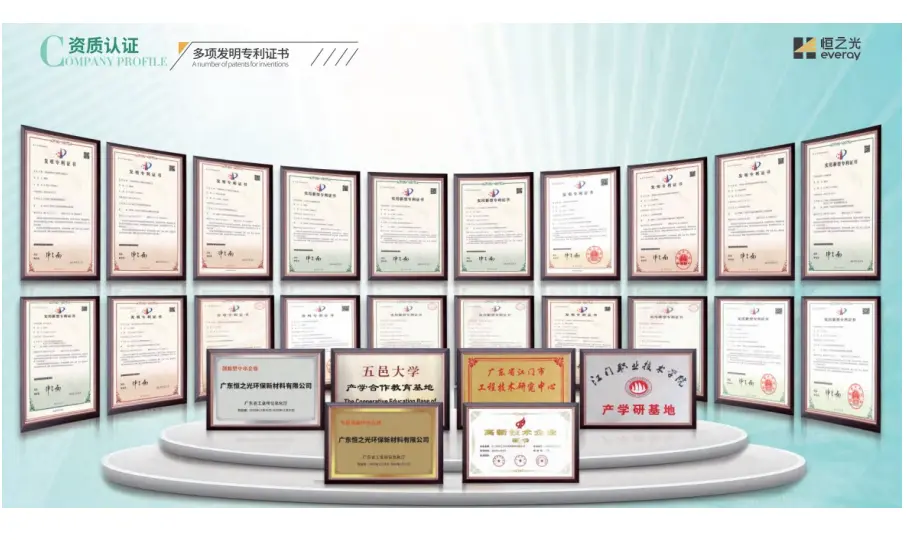
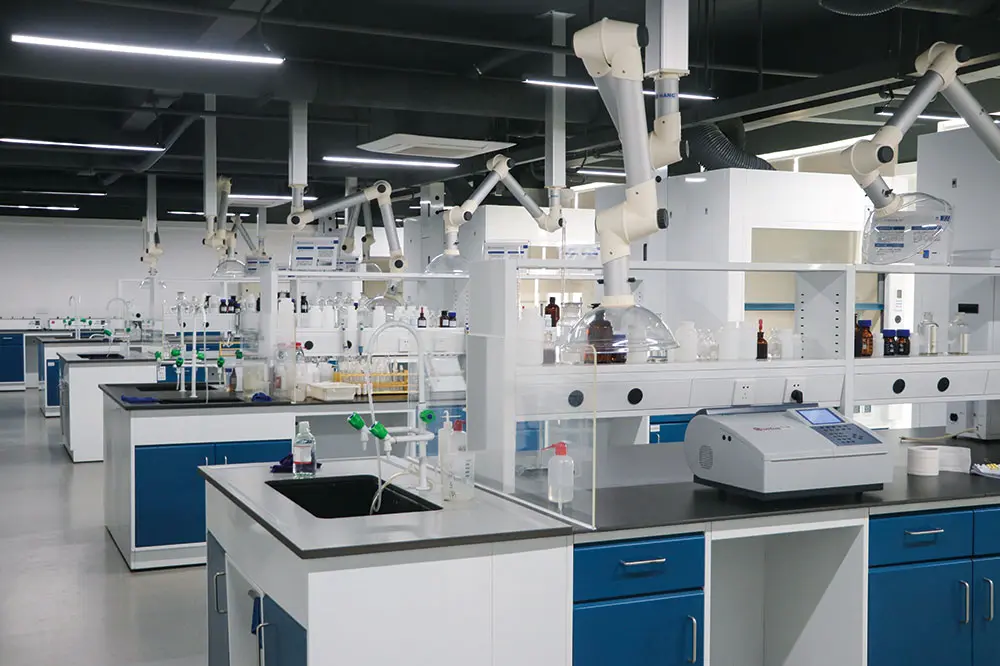
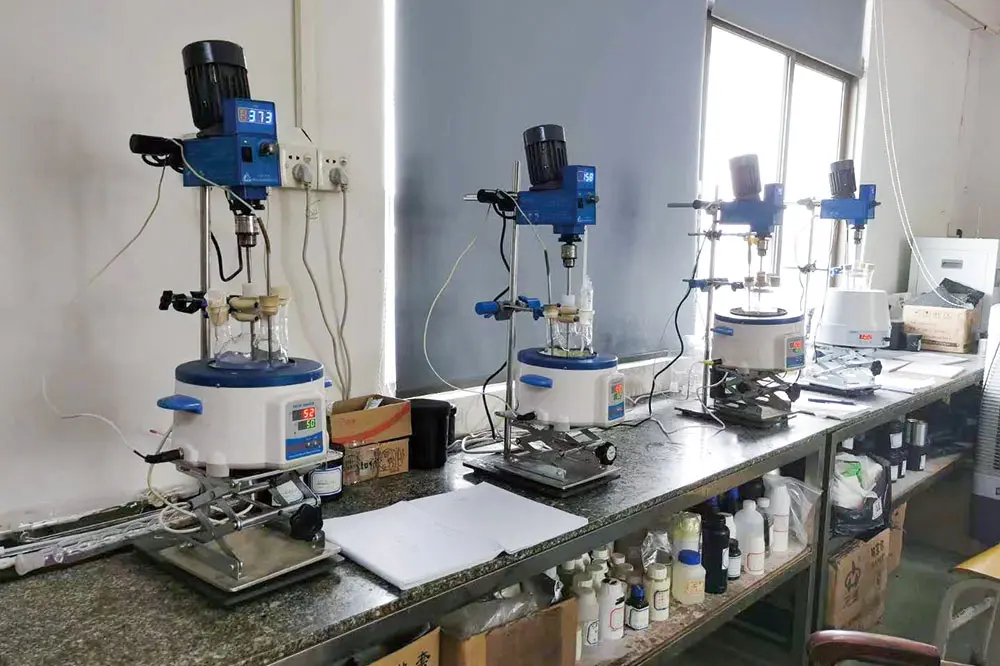
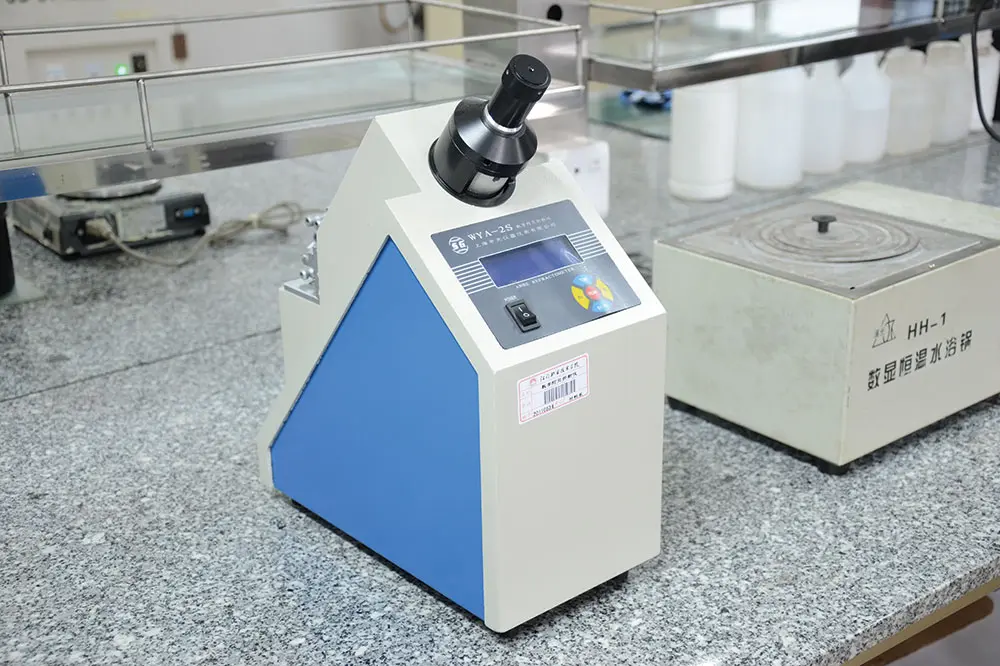
Ensuring your materials meet regional chemical standards and application requirements.
Exporting raw chemical oligomers requires compliance with regional safety frameworks. Ever Ray products conform to standard regulations such as RoHS and REACH. We provide complete Safety Data Sheets (SDS), technical datasheets, and compliance documentation for customs clearance.
Climates and equipment settings vary by region. We offer customization services to adjust viscosity, curing speed, and color values. This helps ensure optimal performance on standard SLA/DLP 3D printers in cold or high-humidity regions.
Chemical logistics require specialized handling to prevent premature gelation or degradation. We use light-blocking, air-tight steel containers and temperature-regulated logistics to maintain resin stability during transit.
Additionally, our chemical engineering team provides remote and on-site support to help customers optimize their formulations, resolve curing issues, and control shrinkage rates.
Expert answers addressing the chemical properties, synthesis processes, and optimization of 3D printing photopolymers.
Shrinkage occurs when liquid monomers and oligomers crosslink into a solid polymer network, bringing the molecules closer together. Highly functional monomers increase crosslink density but also increase shrinkage. Using oligomers with structured backbones (such as hyperbranched acrylates or modified polyurethane acrylates) helps minimize shrinkage while maintaining fast curing speeds.
Under recommended storage conditions (cool, dry spaces between 15°C and 28°C in original unopened containers), our standard oligomers and UV-curing resins remain stable for at least 12 months. We add high-performance polymerization inhibitors to prevent gelation without affecting the resin's reactivity under UV light exposure.
Epoxy acrylates cure quickly and offer high surface hardness, but they can be brittle. Polyurethane acrylates incorporate flexible urethane linkages (-NH-CO-O-) in their backbone, which absorb energy and resist cracking under impact. This makes polyurethane acrylates suitable for functional engineering components.
Yes. Our R&D team can synthesize customized acrylate oligomers to meet specific target parameters, such as refractive index, chemical resistance, adhesion to specific substrates, or viscosity levels for different printing processes.
Explore our specialized range of high-strength, weatherable, and electroplating-grade photopolymers.
 Ever Ray