Explore our top industrial-grade UV curable raw materials optimized for structural strength, rapid curing speed, and chemical resistance.
In modern chemical manufacturing, dual-curing resin systems represent a critical leap forward from traditional single-cure polymers. A dual-cure system combines two distinct, independent polymerization mechanisms within a single formulation. The primary mechanism is typically a ultra-fast, UV-initiated free radical polymerization, which yields rapid structural setting or "tack-free" surface properties upon exposure to UV light or LED radiation. The secondary mechanism utilizes secondary chemical triggers—such as thermal exposure, moisture access, or anaerobic condensation—to fully cross-link shadowed, opaque, or recessed geometric zones where light cannot penetrate.
This hybrid chemistry is crucial for industrial assemblies requiring high structural integrity, such as automotive multi-material bonding, electronic component encapsulation, and complex structural adhesives. By implementing our premium oligomers like Polyurethane Acrylate 7296-1 or Polyester Acrylate 5319A-1, formulators can design highly responsive dual-cure systems. The acrylate functionalities provide immediate green strength, while latent chemical pathways (like polyurethane isocyanate-hydroxyl reactions or epoxy-amine thermocures) ensure total cure depth and robust mechanical anchoring to difficult substrates.
Formulating dual-curing resins requires deep knowledge of oligomer design and polymer network dynamics. The current technological roadmap centers on three main hybrid systems:
Widely utilized in structural adhesives and semiconductor coatings. High-efficiency curing monomers such as Epoxy Acrylate 92001 lock components in place instantly, while a heat cycle cures shadowed areas.
Ideally suited for thin coatings, wire coating, and automotive paints. The UV radiation delivers immediate surface hardness, and atmospheric moisture drives secondary silane condensation or isocyanate-urea formation over time.
The premier mechanism for threadlockers, cylindrical retainers, and pipe sealant materials. When oxygen is excluded by assembly mating, the redox initiation mechanism takes over, polymerizing deep within thread engagement zones.
The future of this technology lies in developing sustainable bio-based prepolymers, lowering volatile organic compound (VOC) footprints, and adapting to low-intensity LED-UV light sources. Formulators are transitioning away from high-energy mercury vapor lamps in favor of energy-efficient 365nm to 405nm LED setups, using core materials like Polyester Acrylate 5501 to optimize energy consumption and mechanical output.
Below is a comparative breakdown of typical physical profiles for premium dual-cure oligomer classes from our production facility:
| Oligomer Class | Typical Products | Primary Cure Property | Secondary Cure Mechanism | Target Industries |
|---|---|---|---|---|
| Polyester Acrylate | 5501, 5319A-1, 5830A, 5351 | Rapid cross-linking, ultra-low viscosity | Thermal Hydroxyl crosslinking | Industrial Wood, Flexo Inks, Paper Coating |
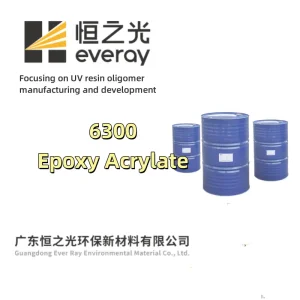
| Epoxy Acrylate | 92001, 6160M-3, 6231, 6300 | Exceptional hardness, high gloss | Latent epoxy ring-opening | Vacuum Electroplating, Protective Varnishes |
| Polyurethane Acrylate | 7296-1, 72923 | Toughness, abrasion resistance | Thermal Isocyanate-polyol additions | Automotive Parts, Optical Adhesives, Peelable Films |
| Specialty Functional Acrylates | 7317, 7411B, 1100UV, 6203F | High adhesion, texturizing (wrinkle/matte) | Custom crosslinking | Special Effect Inks, Heavy Metal Coatings |
Industrial applications vary significantly by region and market segment. Selecting the correct chemistry is essential to ensuring optimal assembly line throughput and long-term durability in challenging conditions.
The automotive sector relies on dual-curing polyurethane acrylates (PUAs) to coat intricate plastic dashboards, instrument clusters, and exterior trim. Parts with complex 3D shapes can create shadows where standard UV light cannot reach. Dual-cure oligomers, such as Polyurethane Acrylate 7296-1, are ideal for this application. They allow the coating to cure instantly in line-of-sight areas using UV LED, while shadowed zones cure through a thermal bake cycle. This delivers excellent wear resistance and weatherability across the entire part.
In modern electronic PCB assemblies, chips and circuit traces are frequently potted to protect them from environmental damage. In these applications, shadows under surface-mount components (SMDs) make pure UV curing ineffective. A dual-cure system containing low-viscosity resin like 7411B UV Resin or 56031 Polyester Acrylate can be applied as a seal. The exposed edges cure quickly under UV radiation to form a barrier, while moisture or heat cures the underlying material, protecting the circuits without thermal stress.
For fast-running flexographic and gravure presses, curing speed determines line throughput. Resin grades like 56031 Low Viscosity Polyester Acrylate allow formulators to design inks that cure instantly under UV light, even at high press speeds. When printing textured effects, specialized resins like 7317 UV Resin provide distinctive wrinkle and snowflake texturing, while maintaining excellent adhesion and chemical resistance.
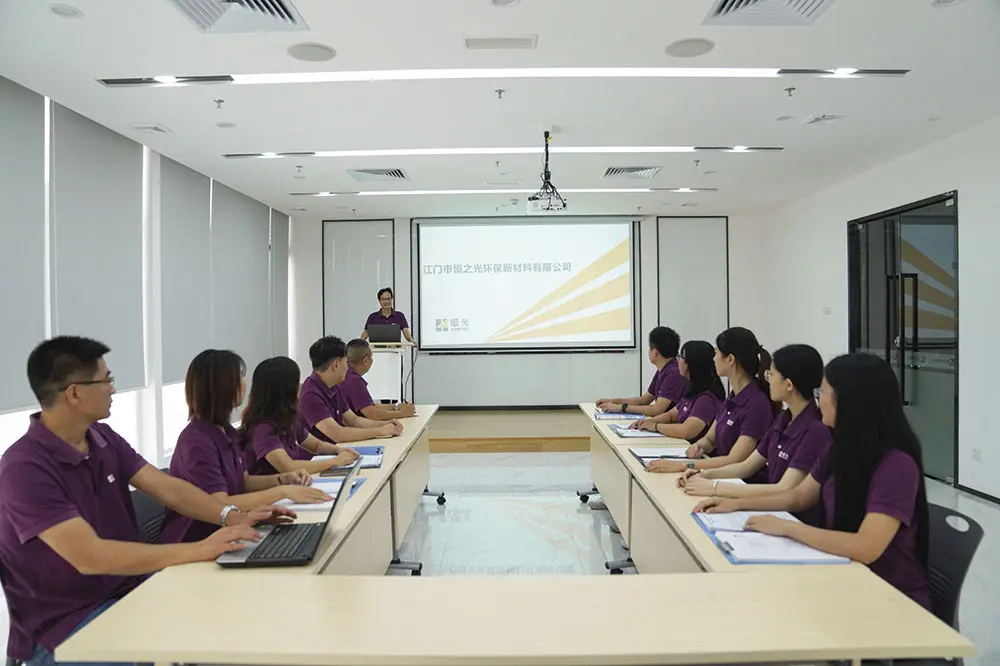
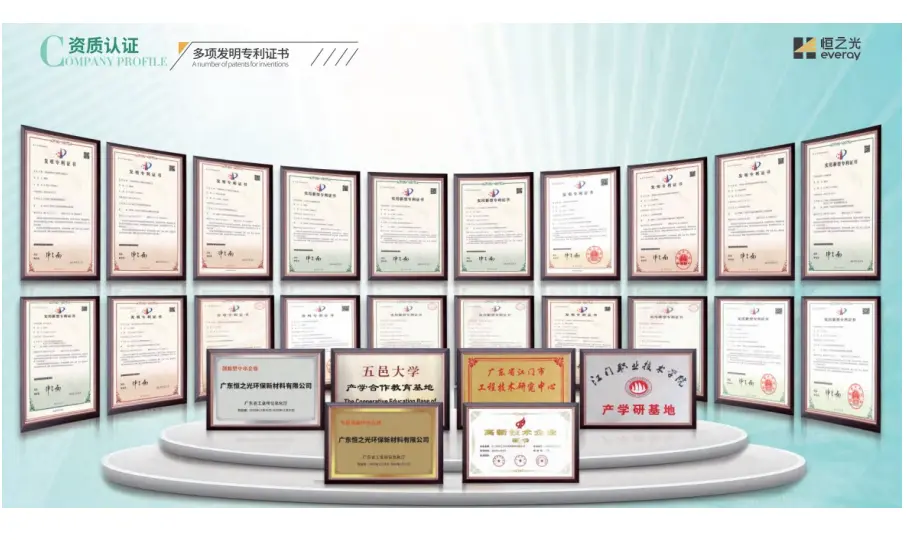
Guangdong Ever Ray Environmental Material Co., Ltd., established in 2006, is a high-tech enterprise focusing on the R&D and manufacturing of oligomers for UV curable resin such as epoxy acrylate, polyurethane acrylate (waterborne, aliphatic urethane, aromatic urethane), polyester acrylate, pure acrylate, and other special functional modified acrylate oligomers.
Operating under strict ISO9001 and ISO14001 certification frameworks, our factories leverage advanced DCS computerized process control systems. This automation ensures high safety standards and excellent batch-to-batch product consistency.
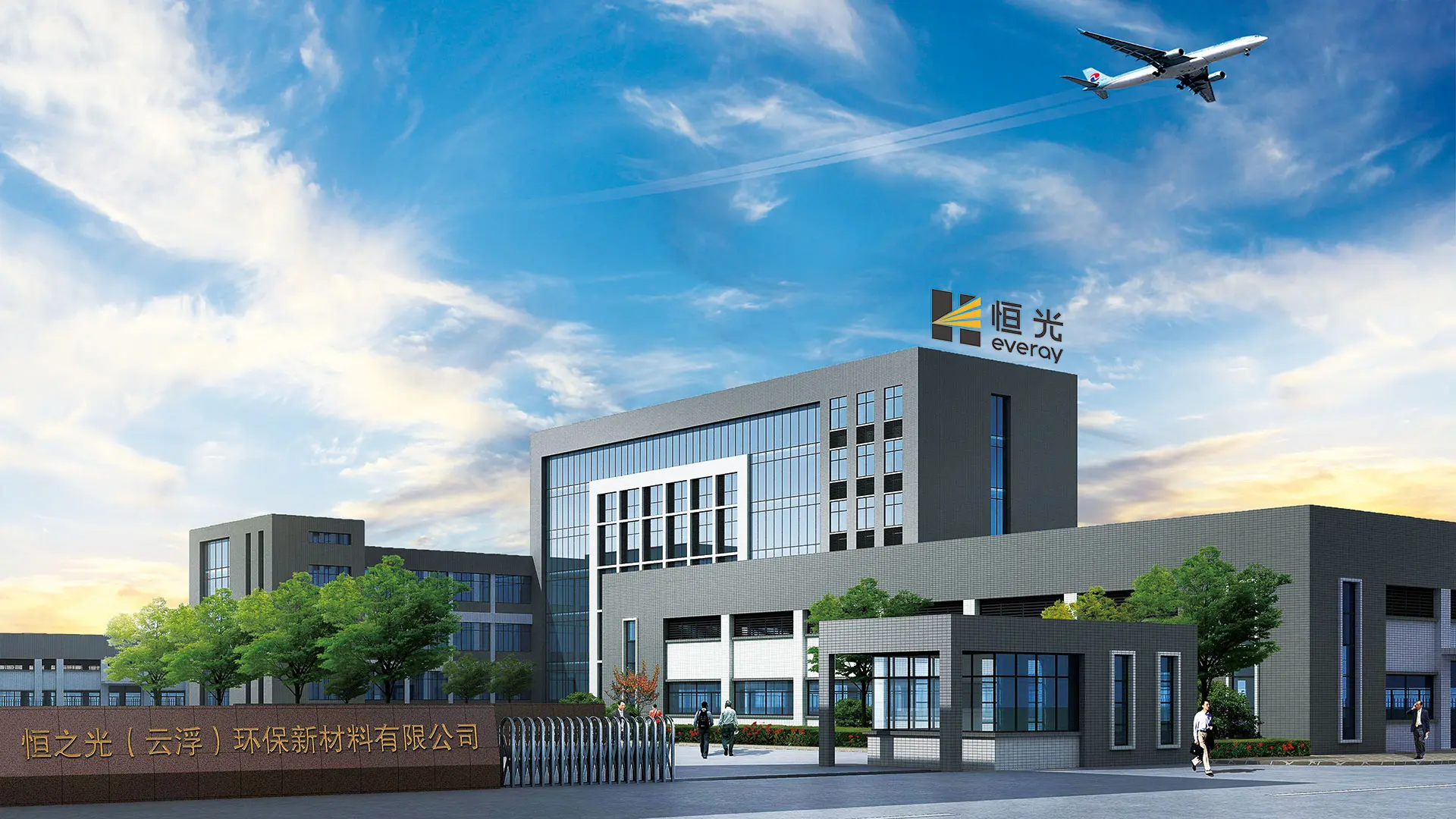
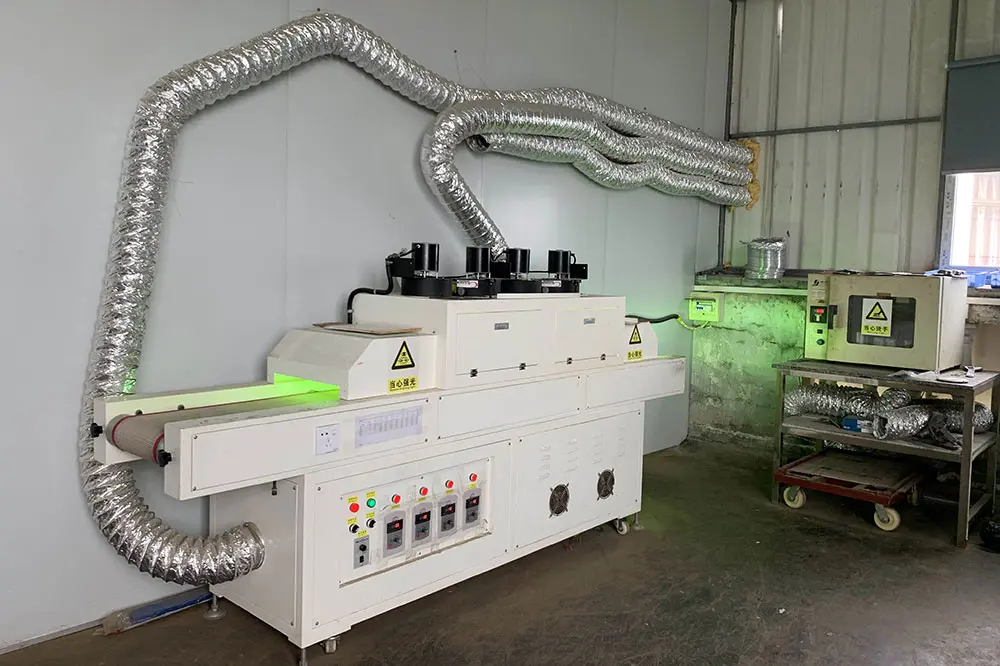
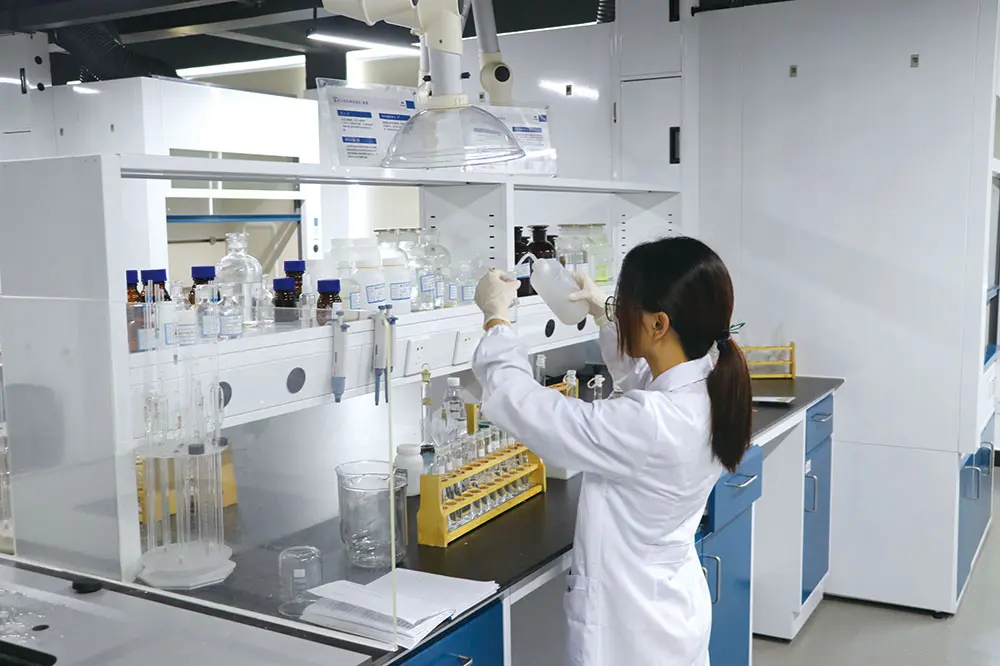
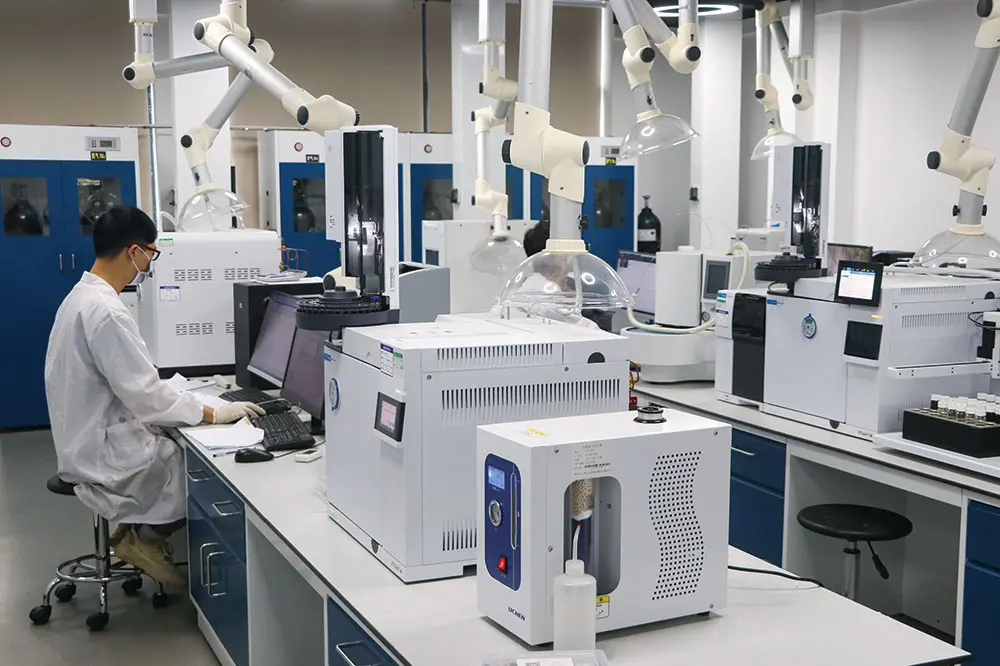
We operate two production bases: our 10,000 square meter facility in Jiangmen, Guangdong, and a 40,000 square meter facility in Yunfu, Guangdong. Together, they feature more than 10 modern production lines, complete quality control labs, and extensive storage and logistics facilities. These resources enable an annual production capacity exceeding 20,000 tons.
By sourcing high-quality raw materials domestically and internationally, and working with industry-leading UV material experts, we ensure our products deliver stable, reliable performance for customers worldwide.
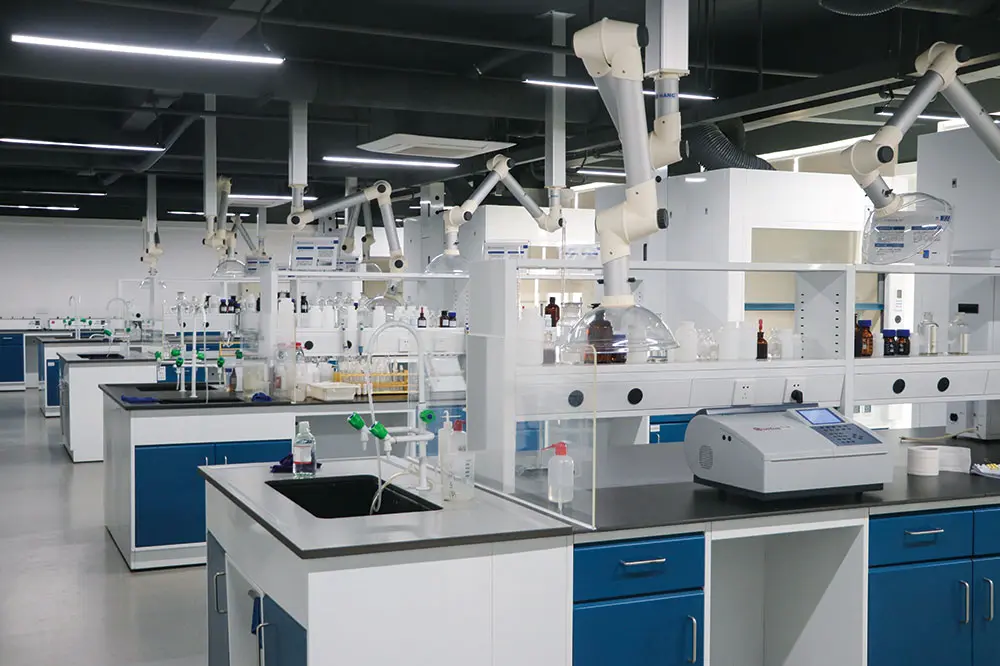
The global raw materials market faces constant logistical challenges, fluctuating monomer costs, and shifting environmental regulations. As a major supplier based in Guangdong, Ever Ray leverages China's industrial infrastructure to offer significant logistics, cost, and reliability benefits:
By sourcing from integrated chemical manufacturing zones in South China, global customers can reduce lead times and buffer stock requirements. This makes Ever Ray a dependable partner for demanding international supply chains.
For international business operations, regulatory compliance is just as important as chemical performance. Sourcing dual-cure materials globally requires meeting stringent environmental and safety standards.
All Ever Ray oligomers are manufactured to comply with key international standards, including REACH (Registration, Evaluation, Authorisation and Restriction of Chemicals) for European distribution, and RoHS and TSCA requirements. We provide complete material safety data sheets (MSDS), technical data sheets (TDS), and certification dossiers to simplify import procedures.
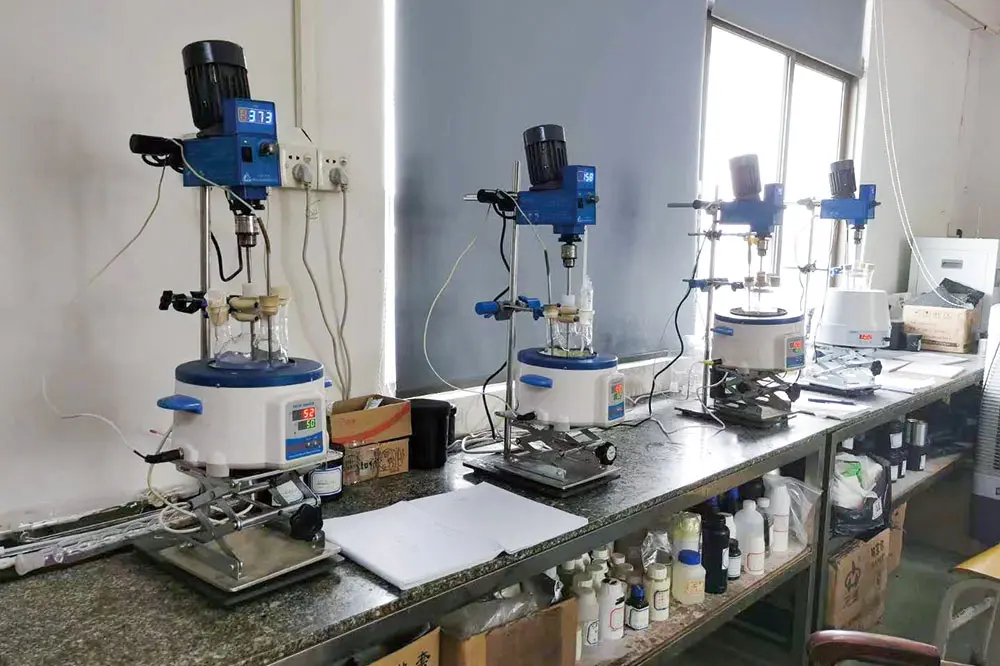
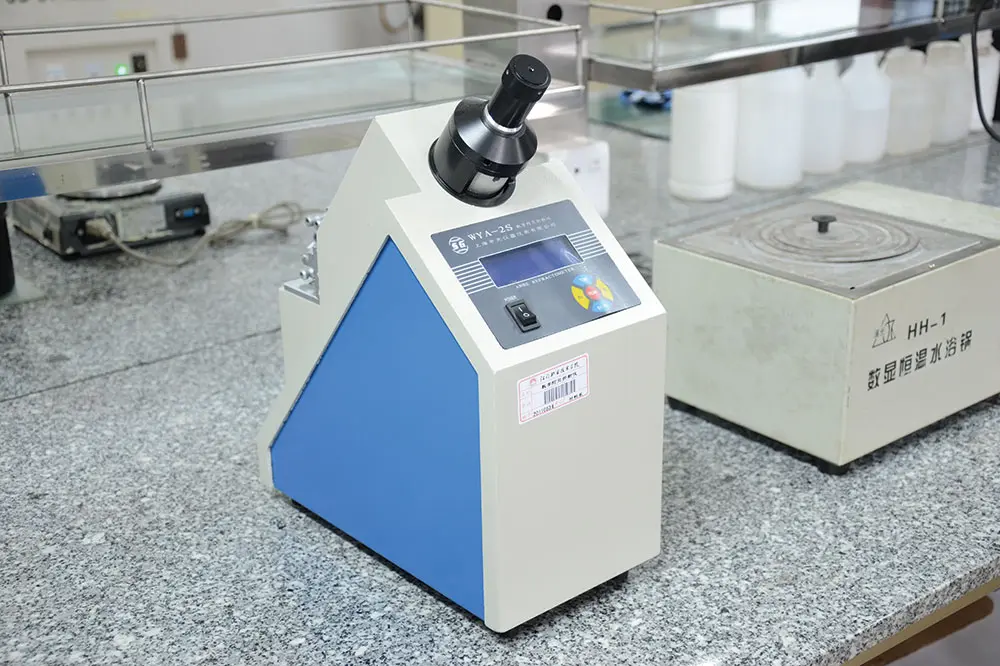
Our technical sales team also provides customized integration support. Whether you need to adjust viscosity, modify cure speeds for specific climates, or optimize adhesion on challenging substrates, our lab can customize oligomer profiles (such as adjusting hydroxyl levels in Polyester Acrylate 5830A) to match your manufacturing needs.
Browse our remaining high-reactivity acrylates, epoxy modifiers, and vacuum electroplating resins engineered for specialized industrial applications.
 Ever Ray