High-purity UV curable raw materials engineered for demanding coatings, industrial inks, electronics encapsulation, and 3D printing applications.
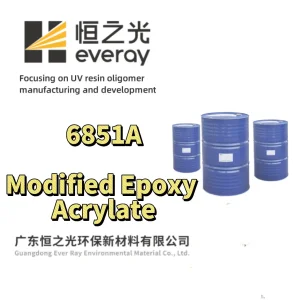
"The integration of specialized polyurethane acrylates (PUAs) and modified monomer systems has allowed manufacturers to engineer UV-curable resins that balance extreme elongation (>150%) with high tensile strength and instantaneous elastic recovery."
Industrial coating and ink formulation teams are increasingly shifting to aliphatic urethane chemistry to avoid yellowing under intense UV exposure while maintaining superior flexibility and impact absorption for outdoor applications.
With global regulations phasing out mercury lamps, modern factories are redesigning flexible UV resins to optimize photoinitiator matching at 365nm and 395nm wavelengths, enhancing energy efficiency and reducing heat damage on plastic films.
Internal volume shrinkage during crosslinking has historically caused adhesion failure on plastic and metal substrates. Advanced modified epoxy and pure acrylates now exhibit under 2% shrinkage, securing superb adhesion durability.
All materials must align with modern international regulatory frameworks including REACH (EU), TSCA (USA), RoHS, and specific volatile organic compound (VOC) limits. Solvent-free and low-odor formulations are prioritized to safeguard factory floor workers and end consumers.
Different coating application systems require distinct rheological profiles. Inkjet printing demands ultra-low viscosity (10–30 mPa·s at application temperature), whereas screen printing and wood coatings require high-molecular-weight oligomers with high shear thinning behavior.
Enterprise buyers demand secondary production sites or highly integrated raw material supply structures. This resilience mitigates risks associated with local environmental factory shutdowns, energy limitations, and fluctuating container freight rates.
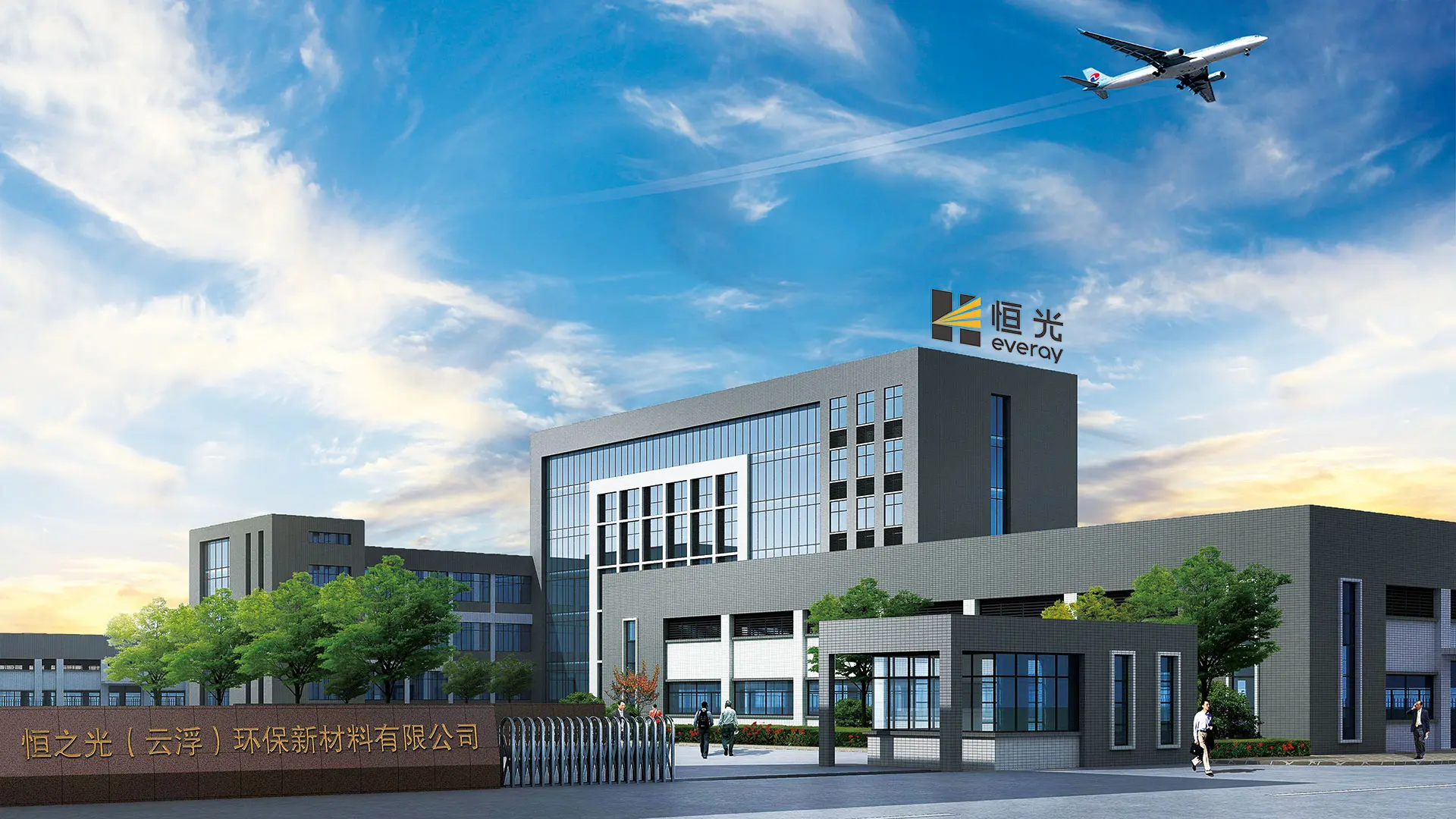
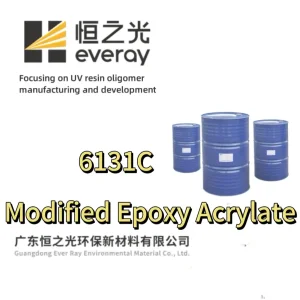
Guangdong Ever Ray Environmental Material Co., Ltd., established in 2006, is a national high-tech enterprise dedicated exclusively to the research, development, synthesis, and precision manufacturing of oligomers for UV-curable resins. Over nearly two decades of focus on environmental photopolymer chemistry, we have built a comprehensive portfolio comprising epoxy acrylates, polyurethane acrylates (waterborne, aliphatic urethane, and aromatic urethane), polyester acrylates, pure acrylates, and other highly specialized functional modified acrylate oligomers.
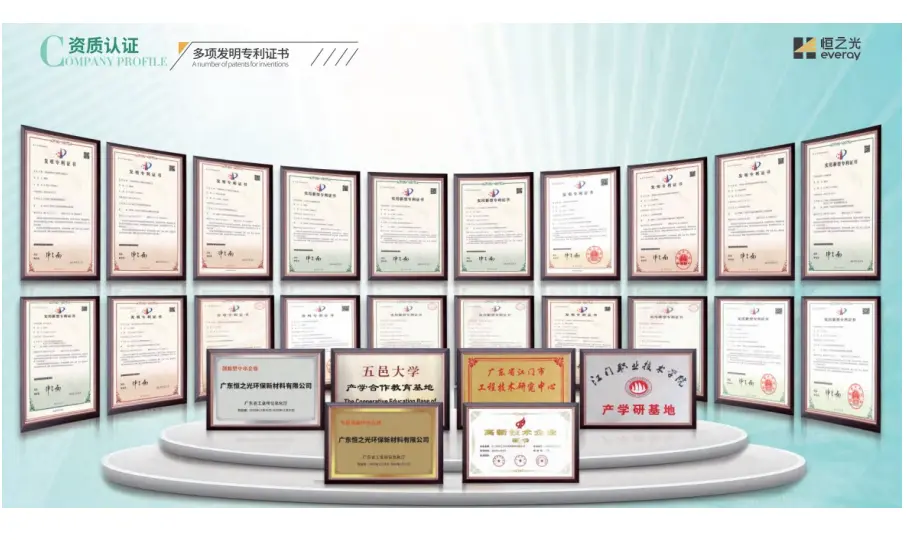
We actively collaborate with domestic and international UV polymer research institutes and employ senior material experts to guide our chemical synthesis developments. With more than 10 invention patents and practical utility patents and a dedicated R&D department containing over 15 professional chemical technicians, we formulate systems that bring high reactivity, exceptional chemical resistance, high gloss, and structural elasticity to international markets.
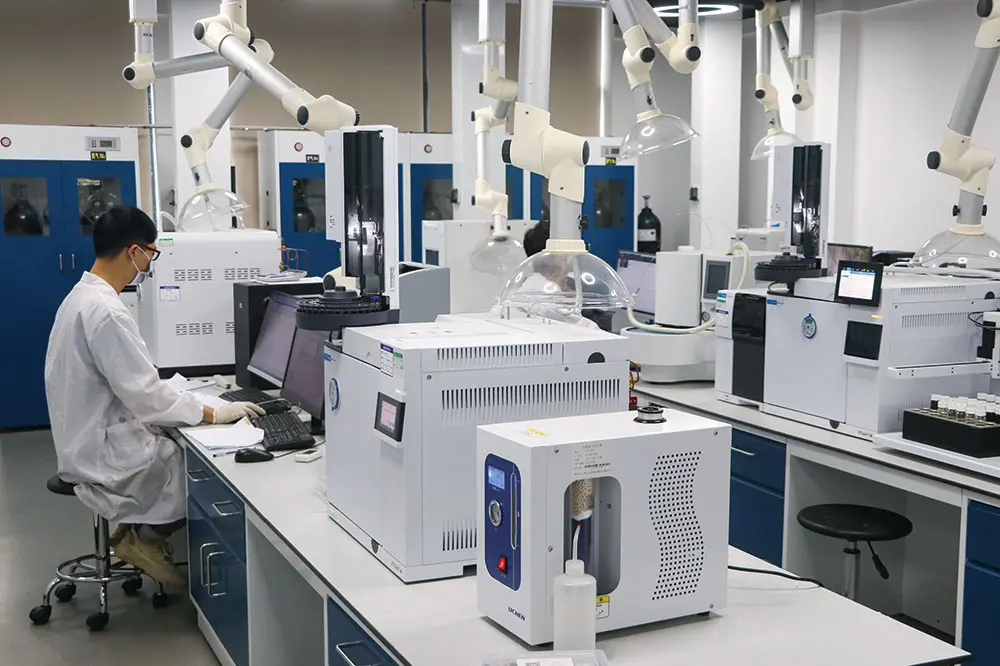
"Our factories employ a state-of-the-art Distributed Control System (DCS), integrating temperature, pressure, feed rates, and vacuum processes into a centralized, fully computerized monitoring loop. This eliminates human errors in monomer synthesis, guaranteeing consistent chemical structures across every single batch."
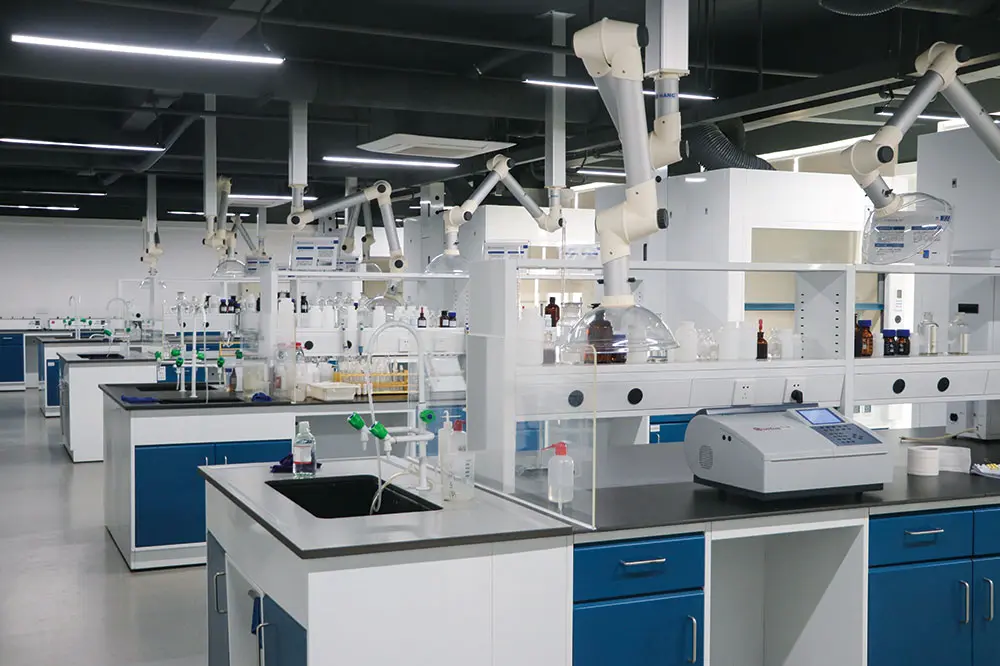
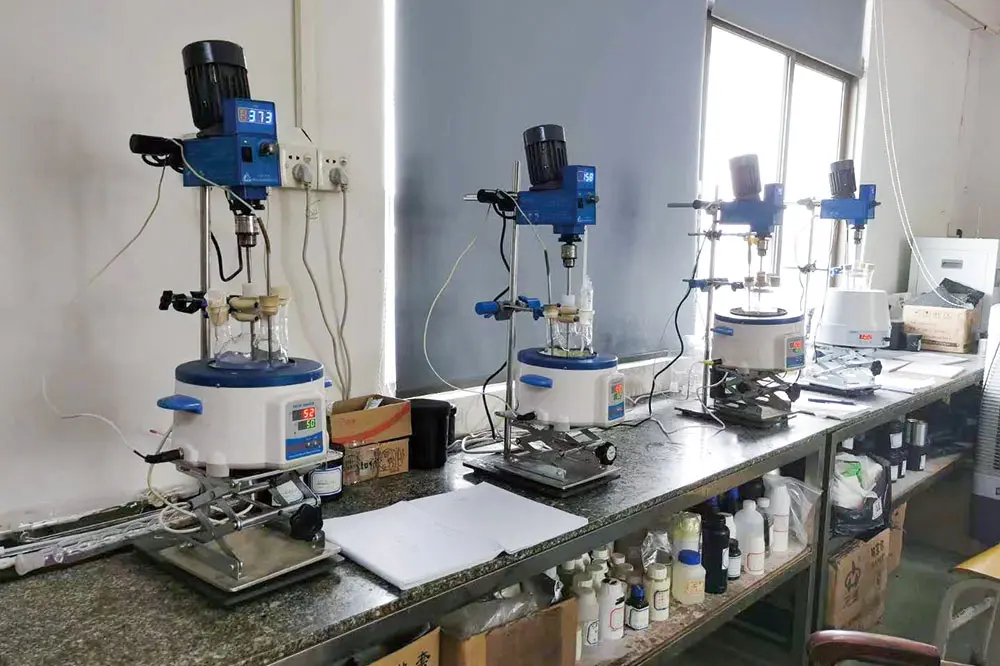
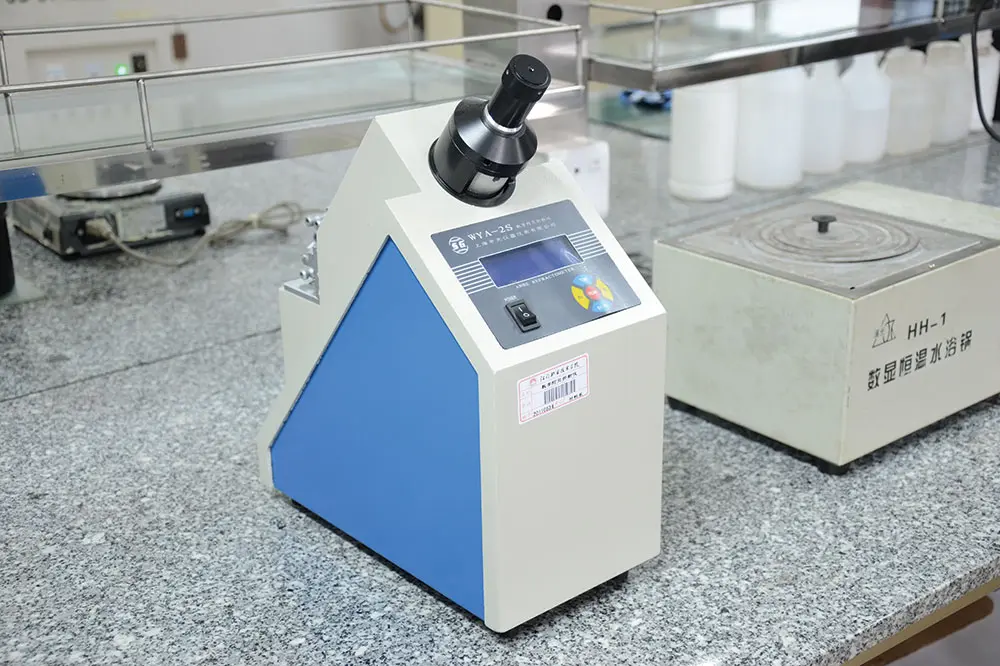
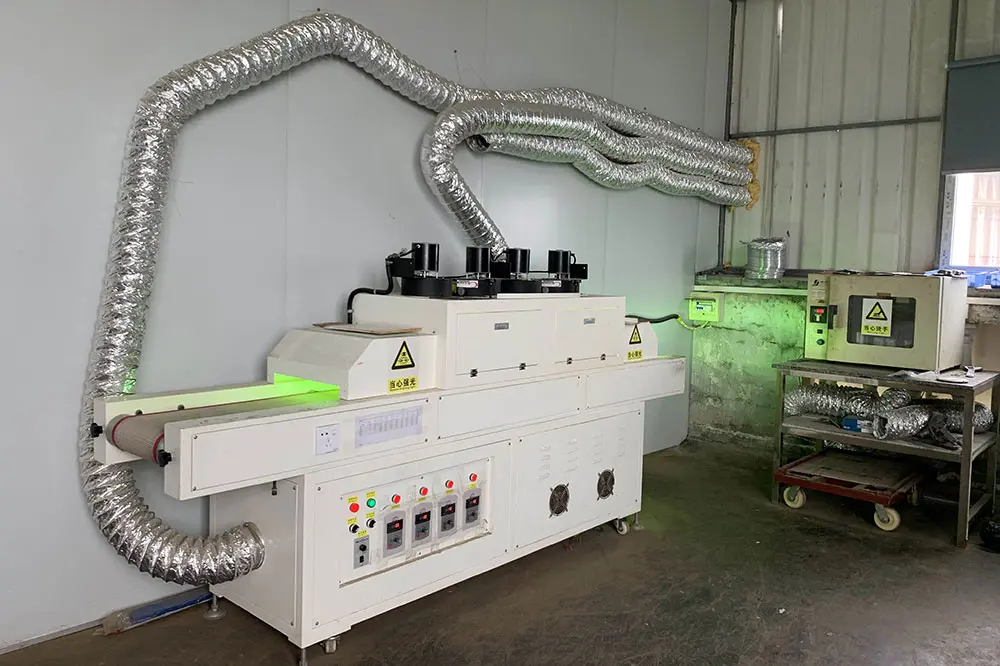
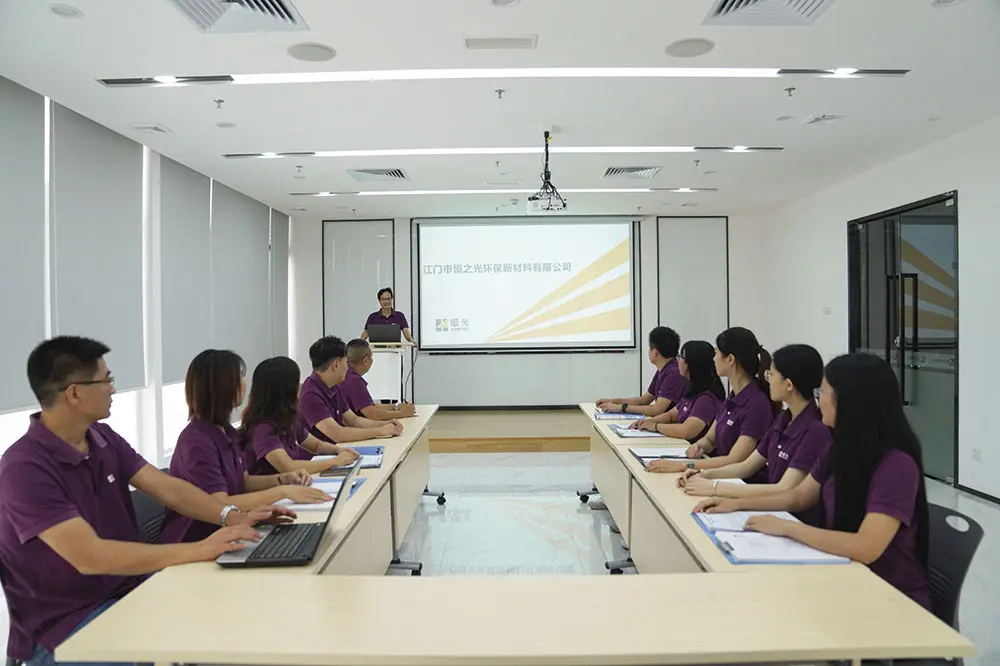
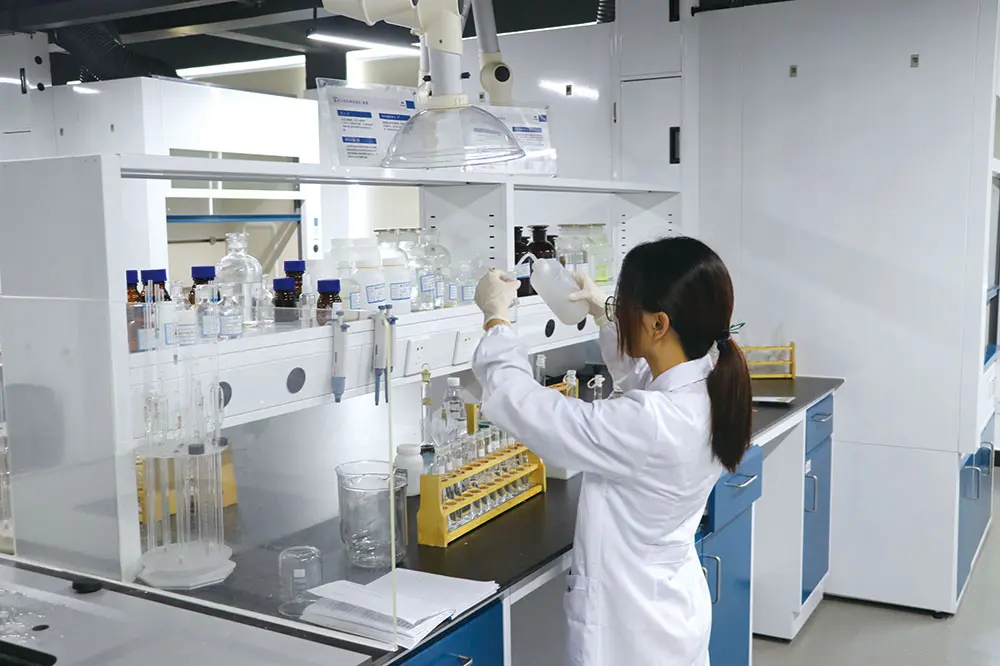
Our flexible UV resins and oligomers are engineered to solve specific engineering problems across a wide array of localized market scenarios.
In high-speed flexographic and offset printing on polypropylene (PP), polyethylene (PE), and polyester (PET) films, traditional inks peel under mechanical deformation. By utilizing flexible polyurethane acrylates (such as our high-reactivity 7317), formulation chemists can achieve exceptional crosshatch adhesion, high resolution, and instant cure speed, allowing inline packaging folding without micro-cracking.
The rapid prototyping and manufacturing sectors demand functional parts like gaskets, shoe soles, and wearable components. Standard 3D resins are too brittle. Incorporating our low-shrinkage modified epoxy acrylates and pure acrylates creates functional photopolymers that exhibit excellent structural memory, high elongation at break, and exceptional surface definition.
Industrial flooring and wooden furniture are subject to heavy impact, foot traffic, and temperature swings. Our 1290H PVC floor coating resin and polyester acrylate series (5501, 5052B-2) offer a balanced cure network that provides excellent scratch and chemical resistance while expanding and contracting alongside the natural movements of wood and plastic.
Insights from Ever Ray's laboratory engineers on optimizing formulations, choosing oligomers, and troubleshooting common UV-curing defects.
A: Balancing flexibility (elongation) with hardness (scratch resistance) is achieved by utilizing block-copolymer structures, specifically aliphatic polyurethane acrylates. In these oligomers, the polyurethane backbone acts as a soft segment providing elasticity and impact energy dispersion, while the terminal acrylate groups form a crosslinked rigid network upon UV exposure. Additionally, formulating with a mix of difunctional oligomers and selected tri-functional acrylates optimizes the crosslinking density, preventing the cured film from becoming too brittle or too tacky.
A: When photoinitiators absorb UV light, the double bonds of the acrylates open and form single covalent bonds. This reduction in atomic distance causes volume shrinkage. On non-porous plastics like PVC, PET, or PC, this shrinkage creates high internal stress at the interface, tearing the cured film away from the substrate. By choosing low-shrinkage oligomers like modified epoxy acrylates (e.g., our 6203F or 1290H), the internal stress is minimized, allowing the molecular anchor points of the resin to maintain robust adhesion.
A: LED-UV curing systems operate at narrow, single spectral peaks (typically 365nm, 385nm, or 395nm), emitting significantly less heat compared to broad-spectrum mercury lamps. This is critical when coating thin plastic films or heat-sensitive wood veneers. Furthermore, LED-UV arrays consume up to 70% less energy, have a working lifespan ten times longer, and contain zero ozone-producing mercury, aligning perfectly with global industrial green initiatives and ISO14001 guidelines.
A: We control batch consistency through two methods: advanced hardware automation and strict input-output quality gates. Our DCS computerized system regulates reaction temperatures to within ±0.5°C during the exothermic esterification process. Post-production, every batch is analyzed using raw material tracing and GPC (Gel Permeation Chromatography) to verify molecular weight distribution. A retention sample from each batch is kept for two years to ensure complete traceability.
Further selections from our advanced chemical catalog, optimized for specialty wood coatings, paper coatings, metal, and offset inks.
 Ever Ray