Engineered monomers and oligomers built to satisfy stringent industrial prototyping and advanced chemical formulation demands.
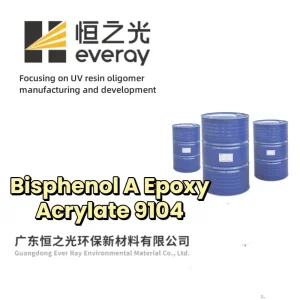
An in-depth analysis of how modern manufacturing pivots toward high-performance photopolymers for prototyping and customized production runs.
Modern engineering requires photopolymer resins capable of surviving physical drop, tensile, and thermo-mechanical stress analyses. Procuring organizations target oligomers like modified polyurethane acrylates to ensure functional parts match the flexural properties of final injection-molded thermoplastics.
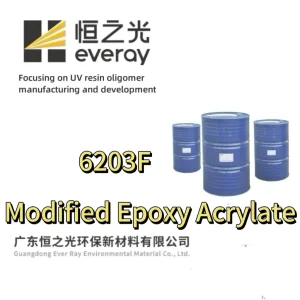
Volume reduction during the ultraviolet photo-crosslinking process is a critical pain point. Procurement teams evaluate modified epoxy and polyester acrylates with localized low-shrinkage characteristics (e.g., Ever Ray 6203F) to produce parts that require zero post-machining adjustment.
With applications spanning UV vacuum electroplating, water transfer printing, and optical bonding, custom formulations must feature active hydroxyl or carboxyl groups to guarantee superior peel strength on challenging substrates like ABS, Polycarbonate, glass, and metal.
The advancement of additive manufacturing and photo-polymerization technologies has shifted functional prototyping from a simple form-fit check to full-scale mechanical and environmental replication. As a premier Wholesale Functional Prototype Resin Manufacturer & Factory, Guangdong Ever Ray Environmental Material Co., Ltd. continues to define the chemical standards underlying these transformations.
Conventional stereolithography (SLA) and digital light processing (DLP) resins often sacrifice mechanical resilience for high reactive speeds. Our engineering roadmap addresses this trade-off by synthesizing high-molecular-weight oligomers containing structured urethane linkages, designed to cushion impact stress and arrest micro-crack propagation.
Global manufacturers face strict mandates to lower volatile organic compound (VOC) emissions while simultaneously reducing production lead times. Standard solvent-borne coatings and traditional thermal-cure polymers consume extensive floor space and heat energy. Radiation-cured (UV/EB) systems present a paradigm shift. Utilizing 100% solid, low-viscosity UV-curing prepolymers allows factories to eliminate drying ovens, save energy, and achieve instantaneous curing cycles.
Our Yunfu and Jiangmen factories produce specialized oligomers designed to serve these industrial demands. For instance, our low-viscosity modified epoxy acrylates reduce the demand for high amounts of reactive diluents (monomers). This preservation of molecular structure ensures the cured matrix retains optimal mechanical and thermal resistance, solving a common engineering challenge faced by formulation chemists worldwide.
Developing functional prototype resins requires a deep understanding of polymer classification. Each family of oligomers introduces distinct performance characteristics:
As industrial printers evolve toward sub-micron resolution and high-throughput production, photopolymer chemistry must evolve in parallel. Below is the development roadmap driving our R&D focus:
172nm excimer laser irradiation triggers physical matting without chemical matting agents. Our polyester acrylate UV resins (such as the 53036 grade) are designed to provide micro-wrinkling under excimer systems, leaving a soft-touch, scratch-resistant surface finish.
Long-term solar exposure and high-temperature post-curing cycles degrade clarity. We utilize specific aliphatic polyurethane backbones that resist oxidation, maintaining high optical transparency for outdoor housings and optical-clear adhesives.
To comply with the strict VOC limits set by global regulatory bodies, we have developed a line of waterborne UV polyurethane dispersions. These allow clean water dilution while retaining the fast curing speeds and toughness of traditional solvent-based oligomers.
In addition to pure raw materials, we provide customized formulation support to help manufacturers reduce overall costs. Understanding the synergy between photoinitiators, reactive monomers, and oligomers is key to avoiding structural failure in prototype parts. Through precision adjustment of the functional group density, we help customers balance high-speed UV reactivity against potential shrinkage stress, ensuring structural reliability across diverse operating temperatures.
Guangdong Ever Ray Environmental Material Co., Ltd. established in 2006, is a high-tech enterprise focusing on the R&D and manufacturing of oligomers for UV curable resin.
Our core product range features epoxy acrylates, polyurethane acrylates (waterborne, aliphatic urethane, and aromatic urethane), polyester acrylates, pure acrylates, and special functional modified acrylate oligomers.
We operate two specialized manufacturing centers. Our Jiangmen plant covers approximately 10,000 square meters, while our modern facility in Yunfu spans 40,000 square meters. Complete with advanced quality control, storage, and logistics facilities, our total production capability exceeds 20,000 tons annually across more than 10 dedicated production lines.
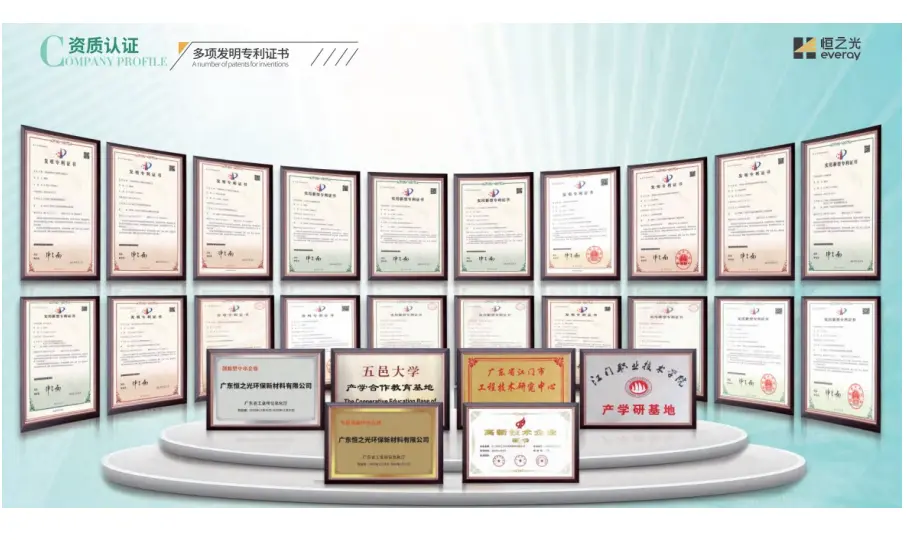
To ensure high quality control, our manufacturing is certified under the ISO9001 Quality Management System and ISO14001 Environmental Management System. We run a fully computerized DCS control system, select high-grade raw materials, and work alongside leading industry experts to ensure absolute consistency in chemical batches.
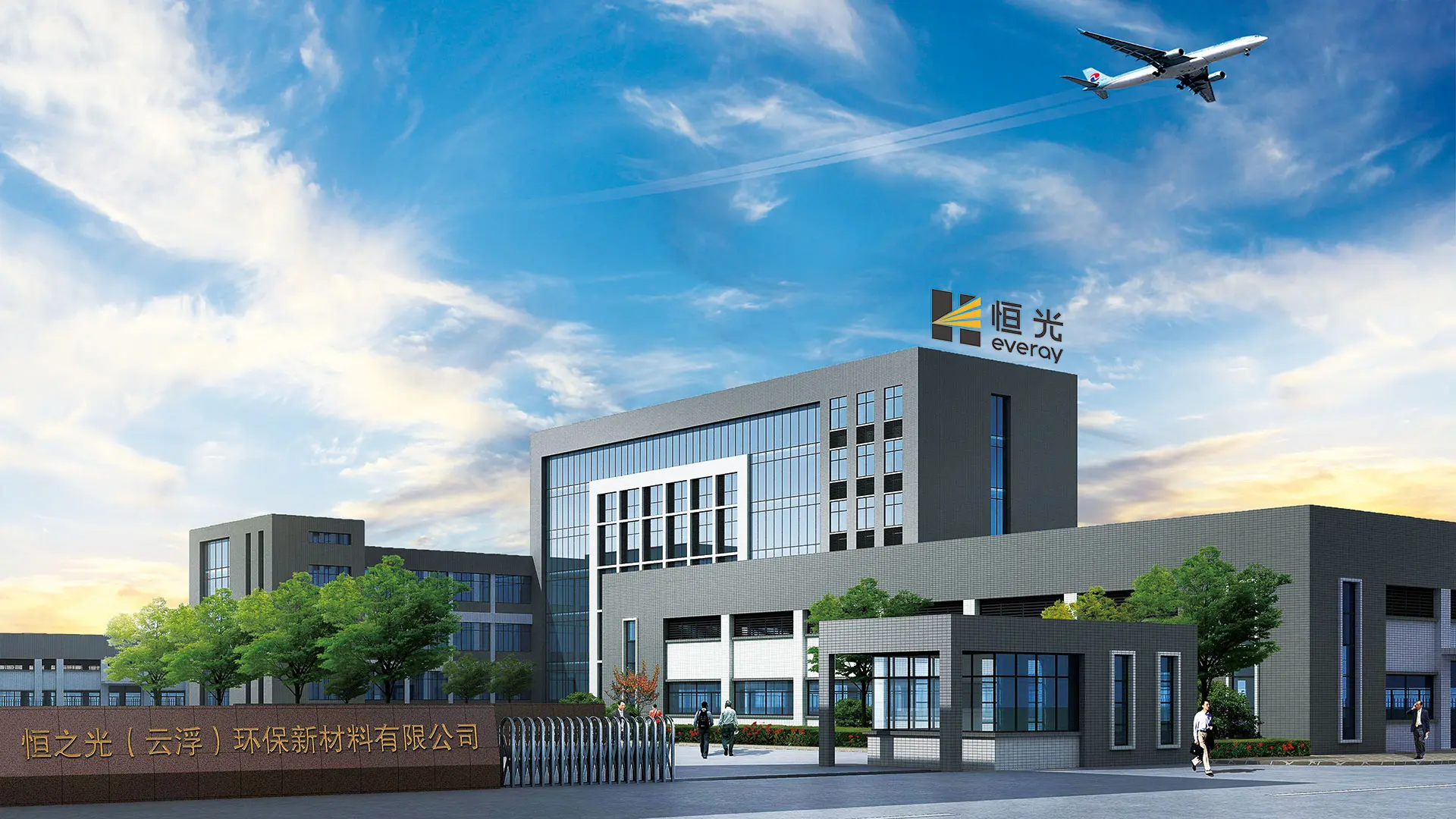
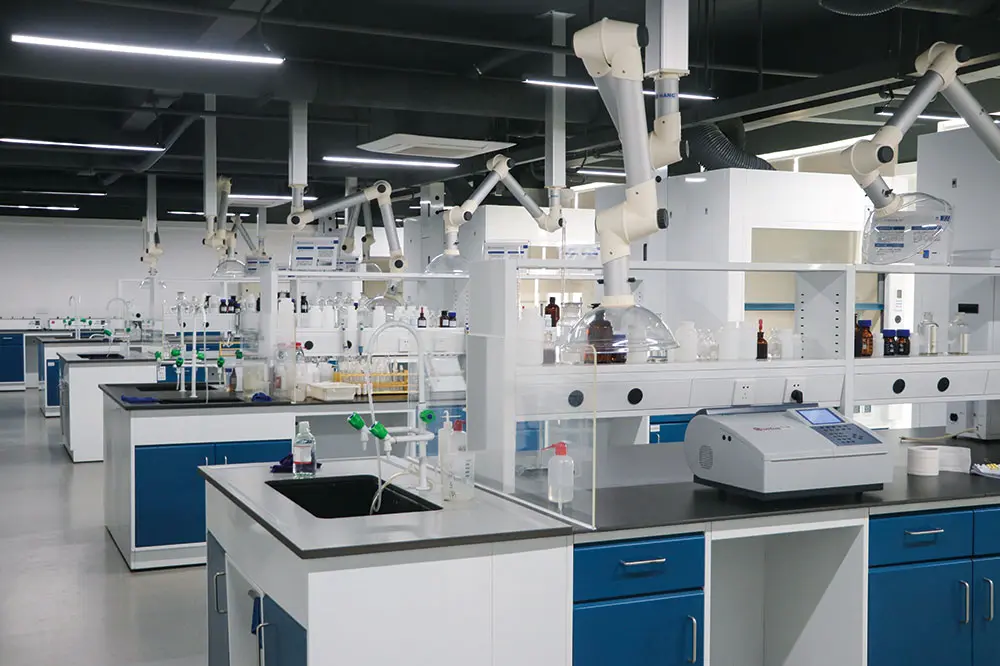
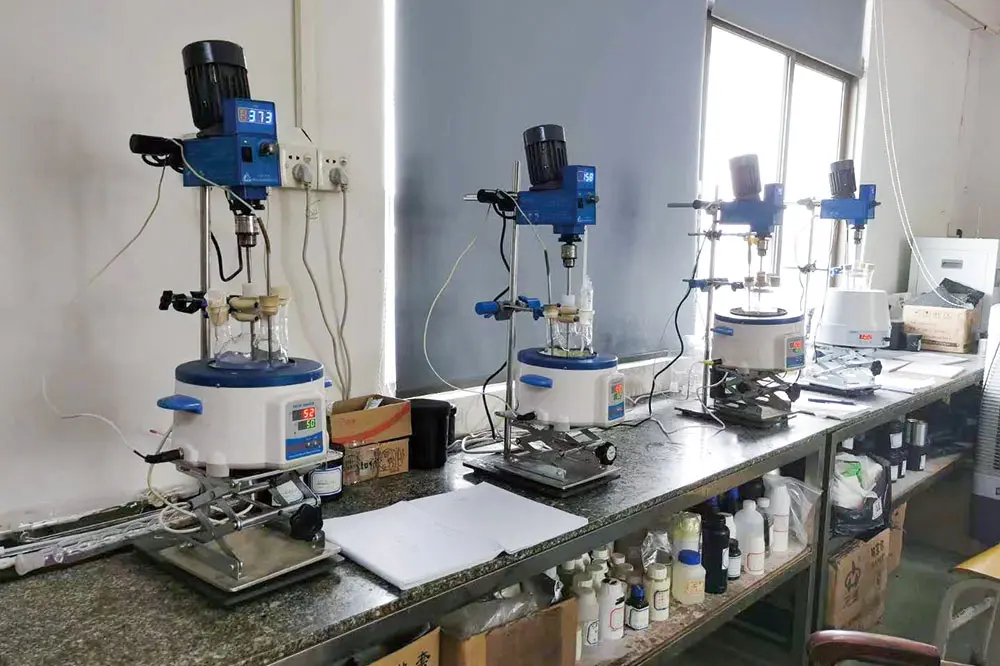
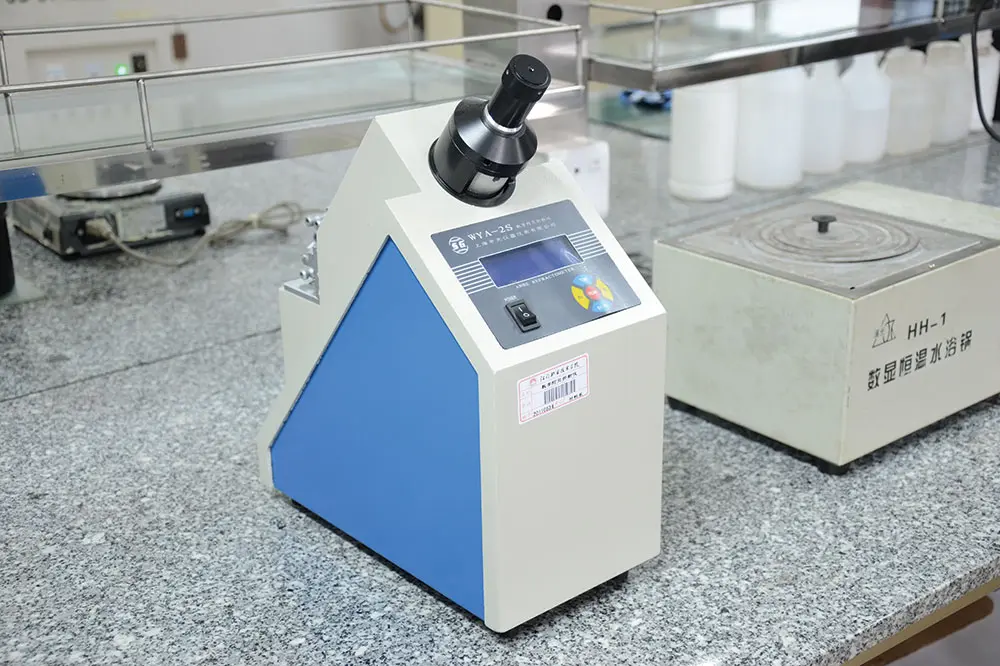
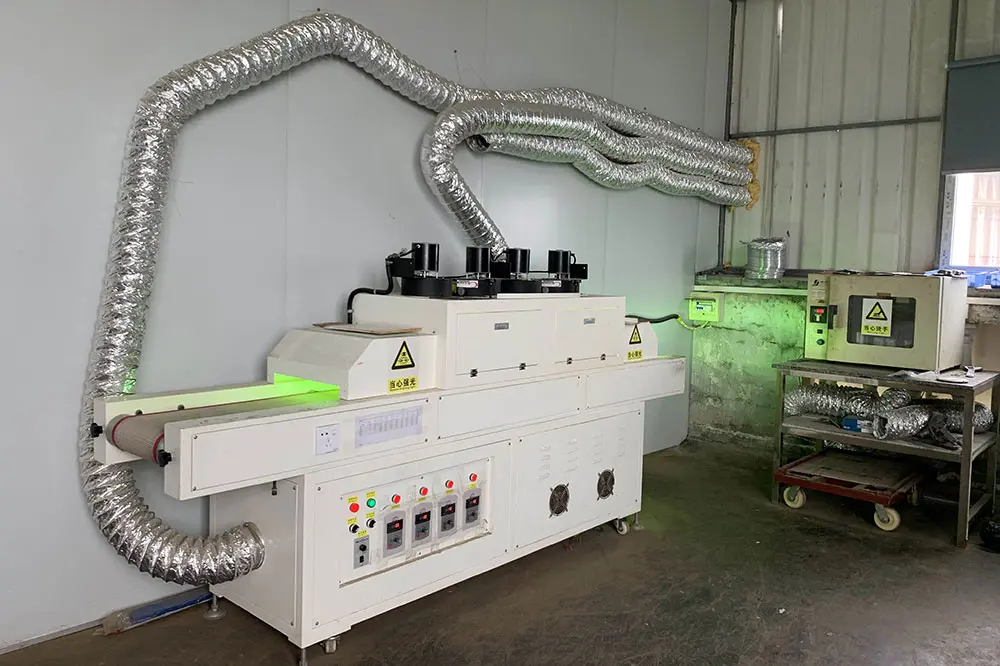
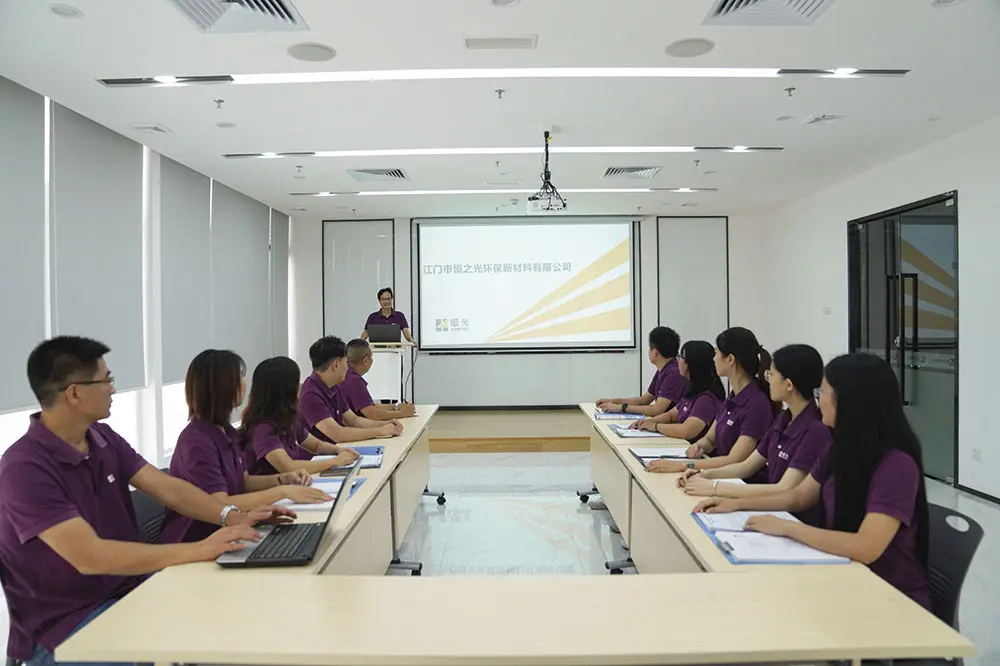
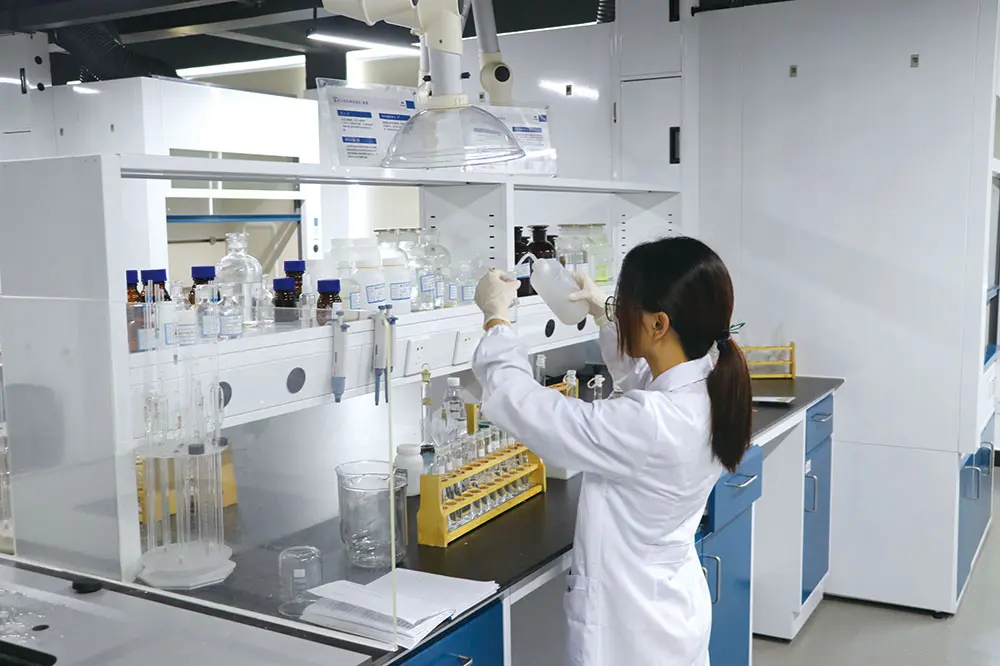
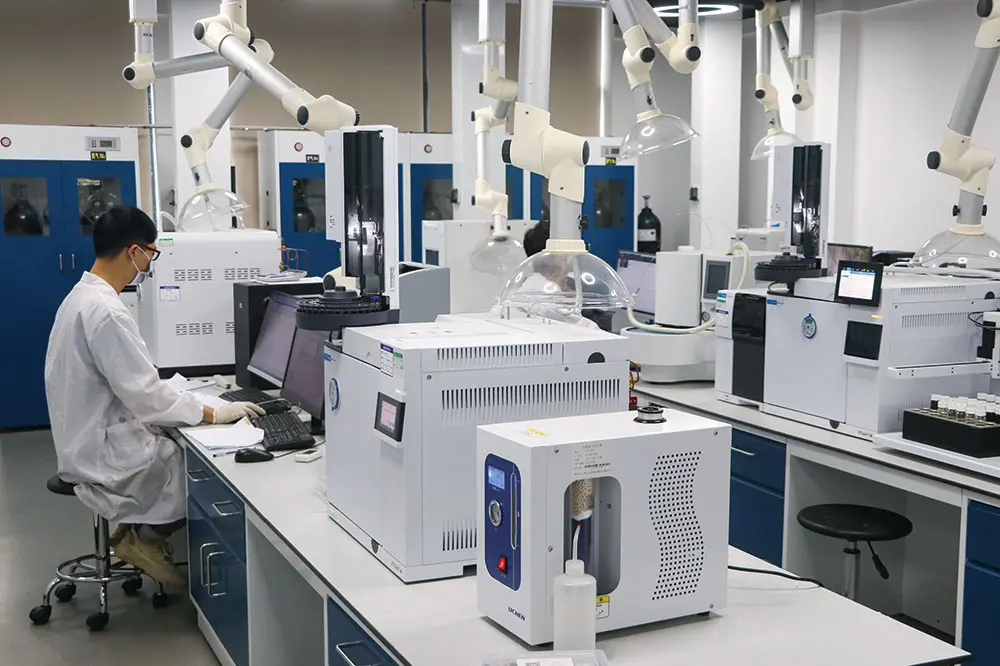
Backed by over 10 utility and invention patents, our dedicated R&D team features more than 15 chemical technicians. We assist clients by engineering formulations that deliver high reactivity, excellent chemical resistance, and exceptional surface gloss across wood coatings, plastics, electronics packaging, vacuum plating base/topcoats, and specialty printing inks.
Ensuring cross-border compliance, chemical safety, and streamlined supply chain support for global distribution.
All raw material inputs are screened to ensure alignment with global environmental and chemical regulations, including REACH for European markets and RoHS for electrical insulation components.
Our batch production operates through automated Distributed Control Systems (DCS), maintaining reaction temperatures within ±1°C to avoid batch-to-batch molecular weight drift.
Our products are shipped in sealed 200kg steel drums or IBC totes. We include complete SDS and dynamic temperature control logs for reliable sea container transit worldwide.
Expert clarifications regarding photopolymer properties, batch manufacturing customization, and chemical applications.
Complete your chemical formulation profiles with our high-adhesion, weather-resistant, and low-shrinkage oligomer solutions.
 Ever Ray