Glass is a foundational material utilized across multi-billion-dollar global markets, ranging from architectural façades and solar panel arrays to automotive windshields and sleek consumer electronic touchscreens. However, raw glass surfaces are inherently vulnerable to environmental deterioration, scratching, UV degradation, and chemical attacks. Modern industrial production processes require the deposition of high-performance coatings to imbue glass substrates with self-cleaning, anti-reflective, energy-dispersive, and impact-resistant characteristics.
Historically, thermal-curing solvent-based coatings dominated this domain. Today, the manufacturing sector is witnessing a sweeping paradigm shift toward ultraviolet (UV) curable systems. By utilizing advanced UV-curable oligomers—such as epoxy acrylates, polyurethane acrylates (PUA), and polyester acrylates—glass coating manufacturers can achieve near-instantaneous cure rates, substantial energy reductions, and minimal volatile organic compound (VOC) emissions, aligning with modern global regulatory frameworks like REACH and EPA standards.
To bond organic polymer coatings onto inorganic glass matrices, specialized molecular configurations are paramount. Silicon dioxide (SiO₂), the primary element of glass, presents a highly hydrophilic surface rich in hydroxyl groups, which historically causes poor adhesion under humid conditions. The key is integrating specific oligomer structures that act as bridge builders.
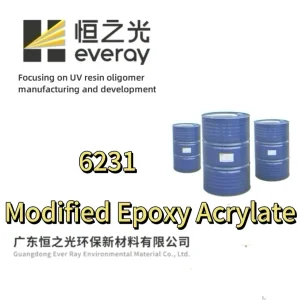
Commonly selected for their cost-effectiveness, fast cure speed, and high mechanical hardness. Resins like the 6231 and 6100D series provide exceptional surface gloss and shrinkage resistance, forming a rugged barrier layer that guards glass substrates from physical scratching and abrasion.
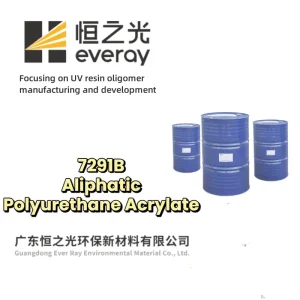
Aliphatic PUAs (e.g., PUA 7291B, 7200-1, and 7200F) provide the ultimate balance of elasticity, non-yellowing characteristics, and extreme climate resistance. Their polyurethane backbones exhibit superior toughness, preventing micro-fractures in coatings when subjected to thermal cycling (heat and cold resistance).
Designed for low-viscosity, high-solids formulation requirements. Systems such as the 5502B and 5312 polyester acrylates optimize pigment wetting and rheological characteristics, facilitating defect-free application via roller, spray, or screen-printing methods on large-format industrial glass sheets.
For international buyers and procurement divisions, selecting the right wholesale manufacturing partner is critical. China stands at the epicenter of raw material synthesis and polymer processing, offering unmatched production efficiency, domestic raw material security, and optimized logistics networks.
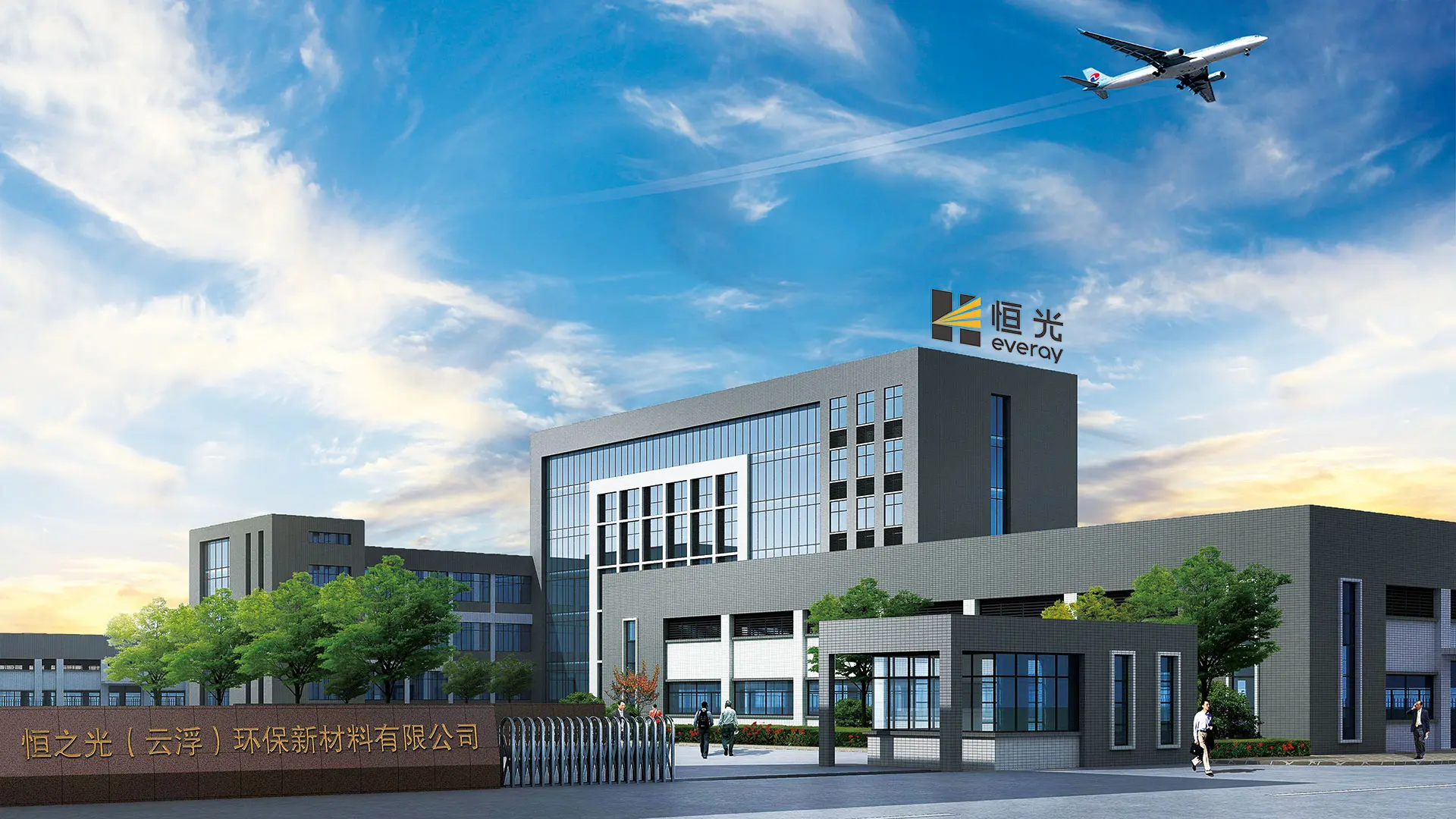
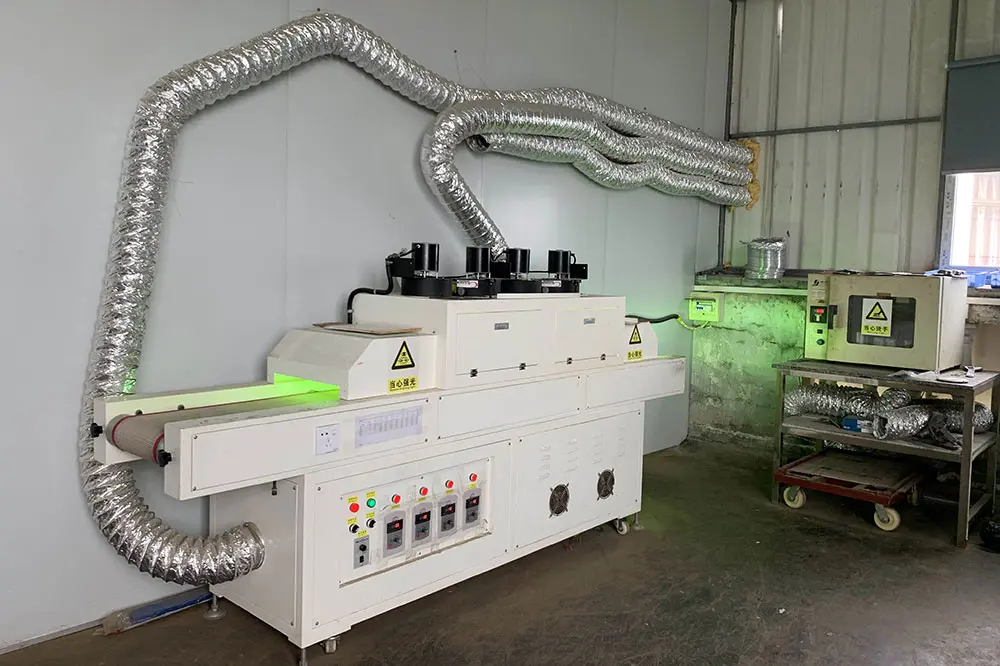
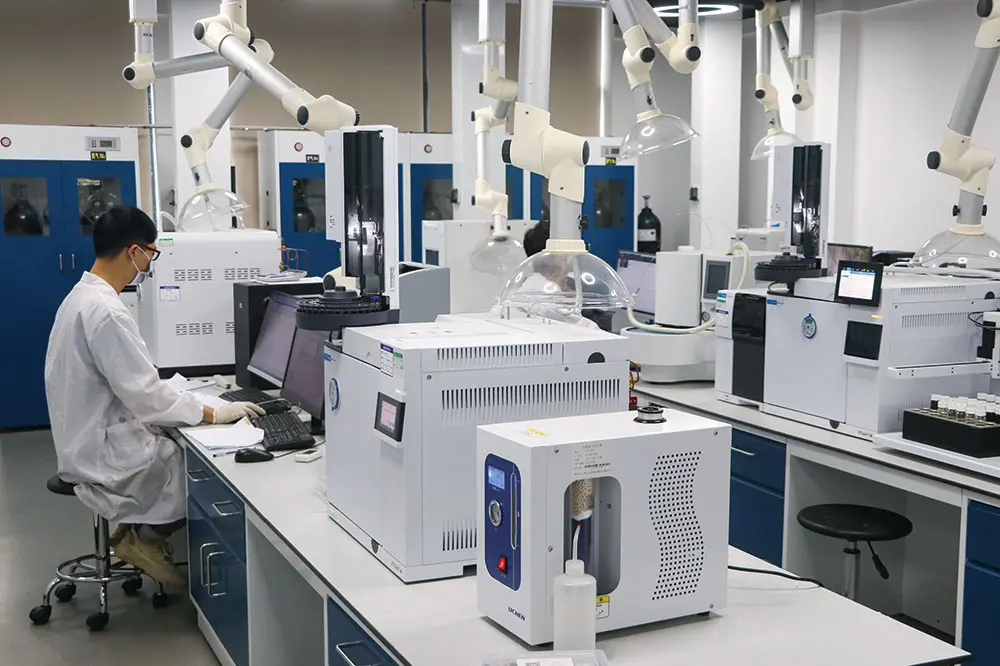
At Guangdong Ever Ray Environmental Material Co., Ltd. (founded in 2006), we operate two modern chemical synthesis plants. Our Jiangmen facility, spanning 10,000 square meters, works in tandem with our expansive 40,000-square-meter facility in Yunfu. By executing production through advanced DCS (Distributed Control System) computerized platforms, we guarantee batches characterized by precise polymer molecular weight distributions, low residuals, and consistent viscosity margins.
Sourcing directly from an integrated chemical synthesizer rather than a third-party blender guarantees that you can procure high-spec materials (including waterborne polyurethane acrylates and UV peelable adhesives) with direct cost-containment benefits and stable supply guarantees.
UV curable resin technologies are versatile and cater to highly specialized commercial tasks globally. Below are the key scenarios where Ever Ray’s technical formulations excel:
Applying high-bonding, anti-yellowing adhesives like 1762 UV resin ensures structural glass panes resist continuous outdoor sunlight, humidity, and shear stresses while maintaining high optical transparency for driver Head-Up Displays (HUD).
For crystal glassware assembly, high-end display counters, and glass furniture bonding, our 6200D UV-resin serves as the backbone of shadowless, optically clear adhesives that cure in seconds under long-wave UV radiation.
During the transportation and CNC processing of micro-electronics or display panels, glass sheets need protection from scratching. 72923 Fast-Cure Polyurethane Acrylate offers clean, residue-free peeling after the processing is completed.
Global procurement teams in the automotive, construction, and electronics sectors are demanding coatings that combine durability with process optimization. Environmental and structural specifications have shifted the industrial focus toward:
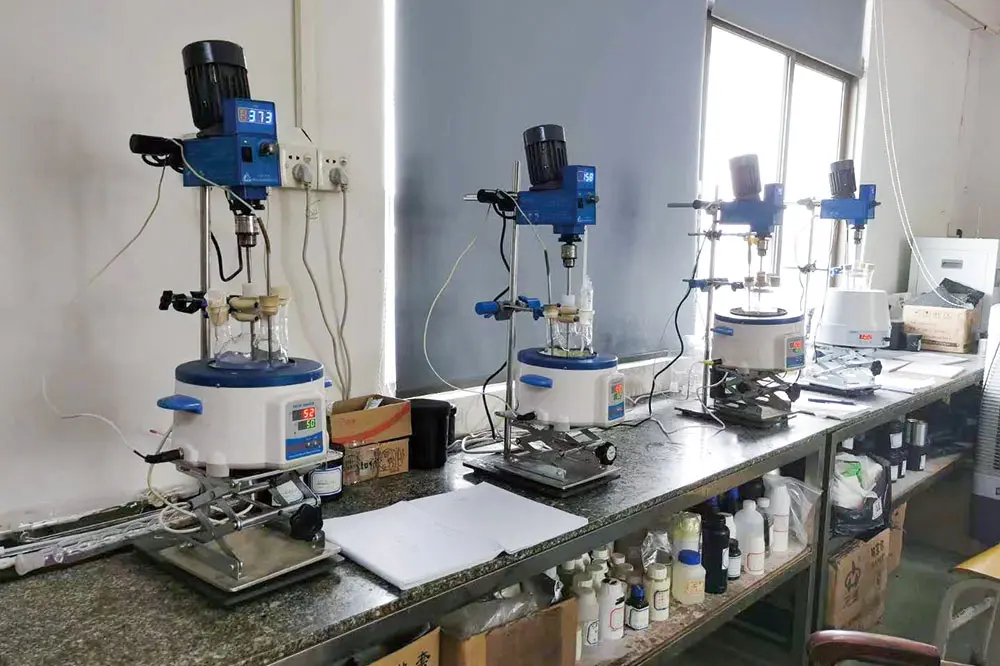
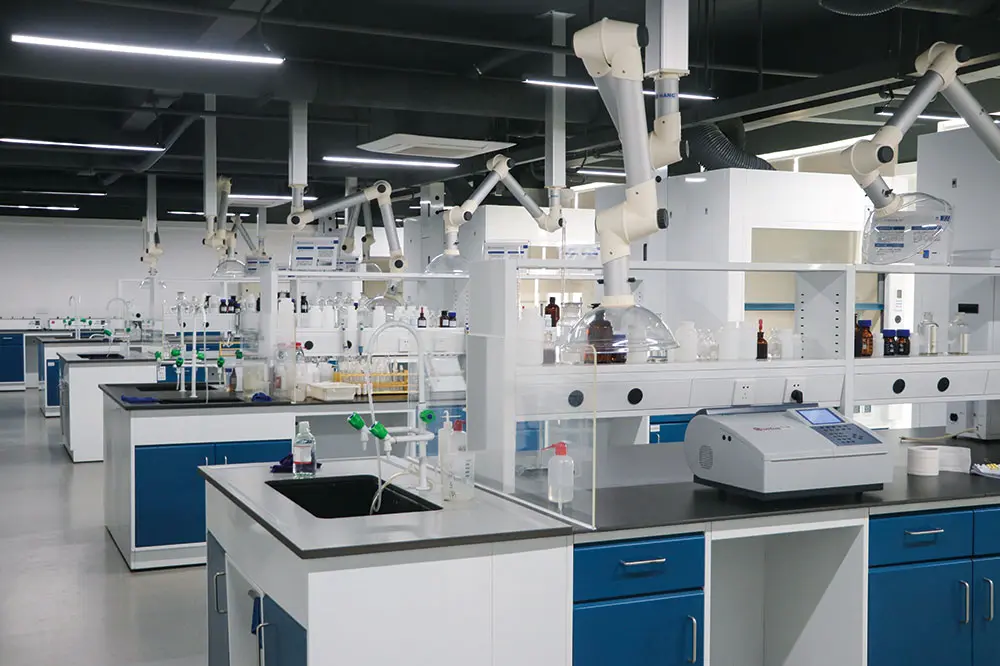
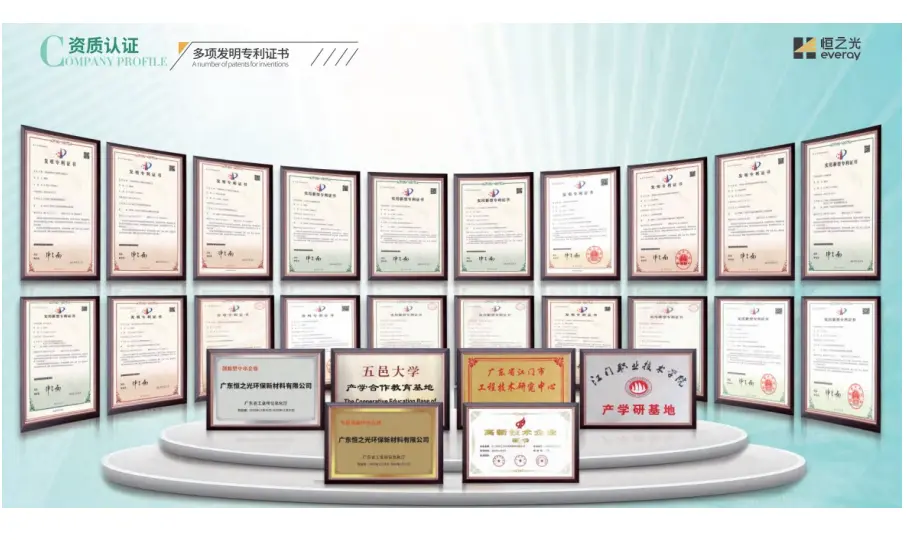
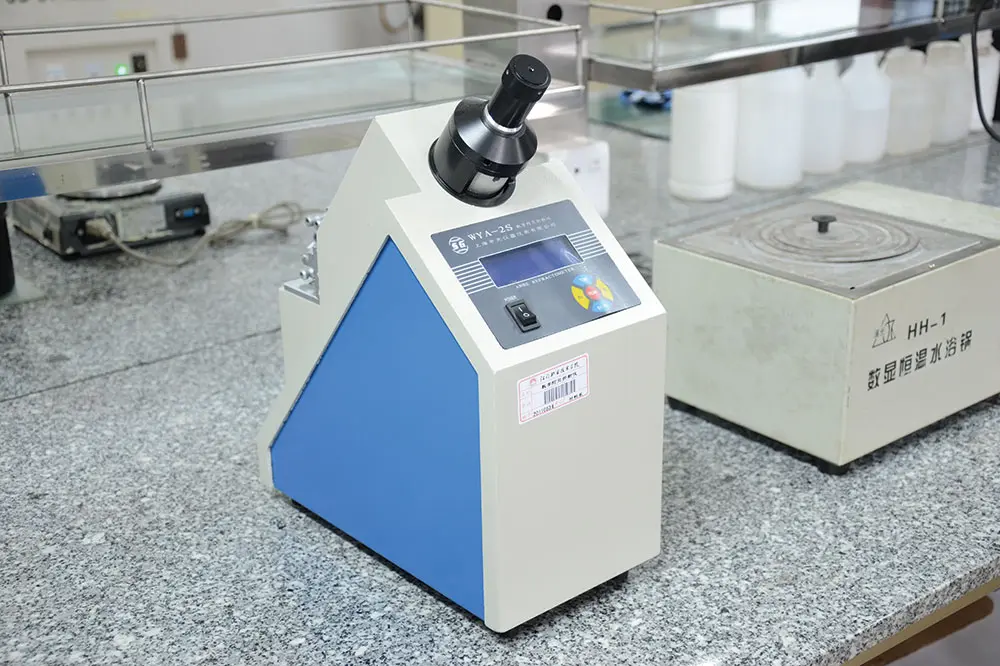
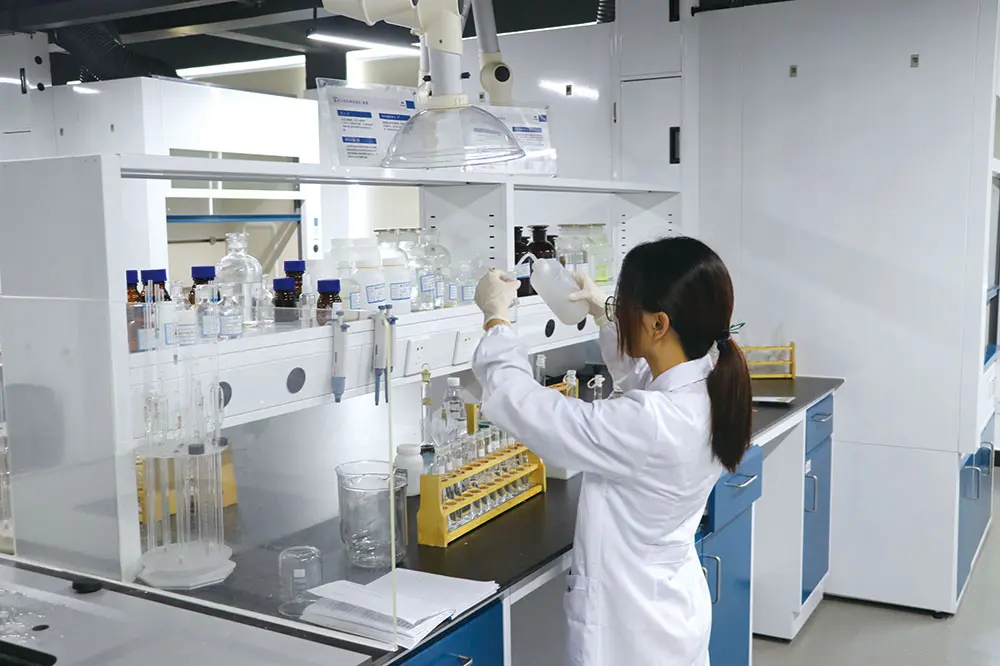
Equipped with modern technical laboratories, our team designs solutions that balance performance and cost-efficiency. Backed by 15+ dedicated technicians in our R&D department and more than 10 inventions and practical patents, we provide products with high reactivity, chemical resistance, and high gloss for formulations in wood coatings, plastics, screen-printing inks, and glass coatings.
Operating under the ISO9001 quality management and ISO14001 environmental management frameworks, our team ensures stable quality, safe logistics, and direct technical support from product development through to full-scale batch delivery.
Get technical answers regarding UV curable resins, surface energy dynamics, glass adhesion mechanisms, and manufacturing practices.
Glass is highly hydrophilic, polar, and chemically inert, making organic polymers prone to peeling. To resolve this, we incorporate coupling agents (like silanes) or use silylated modified UV oligomers. The alkoxy groups of the silane bond to the glass matrix, while the acrylic groups cross-link with the resin network under UV exposure to form a permanent covalent bond.
Aliphatic PUAs utilize non-yellowing isocyanate backbones (such as IPDI or HDI), providing superior outdoor stability and resistance to UV degradation. Aromatic PUAs, which contain benzene rings, degrade and turn yellow under sunlight, making them unsuitable for optical glass or exterior architectural panels.
We operate under ISO9001 and ISO14001 frameworks. Our plants utilize DCS automated chemical control systems, which monitor reactant additions, temperatures, and cycle times in real-time. Each batch undergoes testing for viscosity, acid values, solid content, and cure reactivity before release.
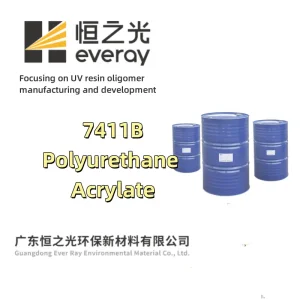
Our 7411B UV resin is designed for matte and low-gloss coatings. It provides a low-viscosity, high-solids profile that allows formulators to reduce solvent use while maintaining reliable film thickness and flow properties during application.
Yes. Waterborne UV resins like our Waterborne 70251 UV-resin combine the performance of UV curing with the lower viscosity of water systems. They cure to form tough, cross-linked coatings with excellent adhesion, hardness, and thermal resistance, making them ideal for wood, plastics, and glass decoration.
 Ever Ray