Discover high-performance modified acrylates engineered for rapid photopolymerization, superior wear resistance, and extreme chemical stability.
Established in 2006, Guangdong Ever Ray Environmental Material Co., Ltd. stands as a key developer and manufacturer of high-performance oligomers designed for light-curing systems. Focused on technological development, our team formulates high-quality alternatives and customized monomers to support modern commercial demands, serving as a dedicated chemical foundation for the Jdiction resin market.
Our chemical expertise focuses on synthetic design and formulation tuning for epoxy acrylates, polyurethane acrylates (including waterborne, aliphatic, and aromatic systems), polyester acrylates, pure acrylates, and specialty modified functional oligomers. Over the last two decades, our systems have been refined to deliver high reactivity, excellent chemical resistance, and stable mechanical strength across industrial wood finishing, electronics packaging, high-speed graphics inks, structural adhesives, and precise stereolithographic applications.
Equipped with 10+ core invention and utility patents, our 15-member research and development group works directly with global paint makers and formulating engineers. We assist clients by delivering customized chemical profiles that balance performance requirements with total cost management, working toward a sustainable chemical industry.
Understanding supply chains and shifting regulatory requirements in photopolymerization formulations.
Regulatory agencies (US EPA, EU REACH, China MEE) continue to restrict traditional solvent-borne systems. This regulatory shift accelerates the use of 100% solids UV-cured formulations and advanced waterborne UV polyurethane acrylates (WPUA), providing high physical properties with minimal processing emissions.
Advanced electronics and 3D printing require precise chemical profiles. Controlling shrinkage during cure, increasing double-bond conversion rates, managing crosslink density, and maintaining yellowing resistance under high-energy exposures are critical technical metrics for suppliers.
Global procurement managers look for reliable manufacturing hubs to balance geopolitical and raw material cost changes. Selecting strategic locations with large-scale production capacities and reliable shipping pathways is essential to preventing supply disruptions.
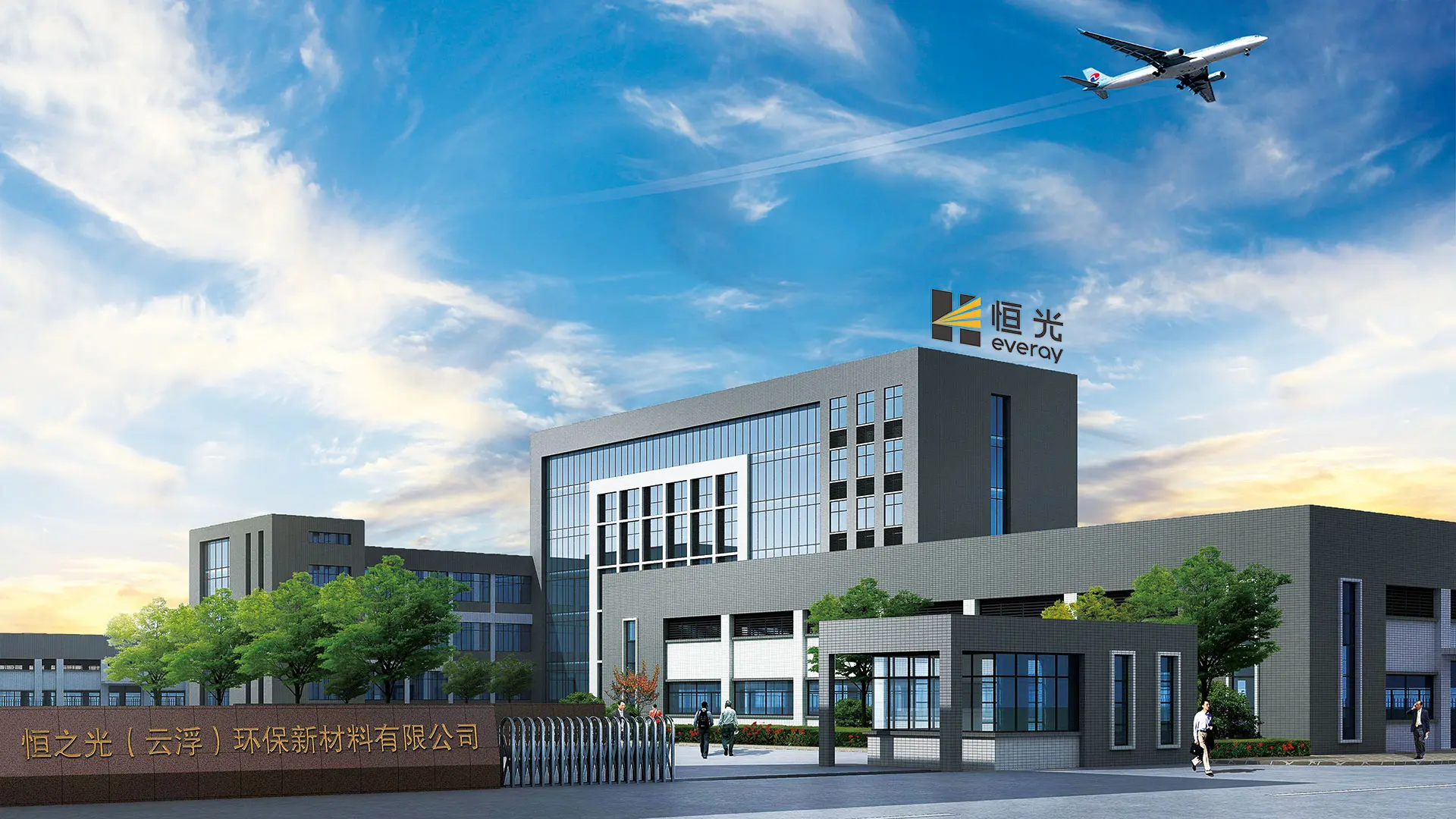
Guangdong Ever Ray utilizes modern manufacturing plants to support stable production. With operations split between two locations in Guangdong Province, we are equipped to maintain a reliable, continuous supply of UV oligomers to partners worldwide.
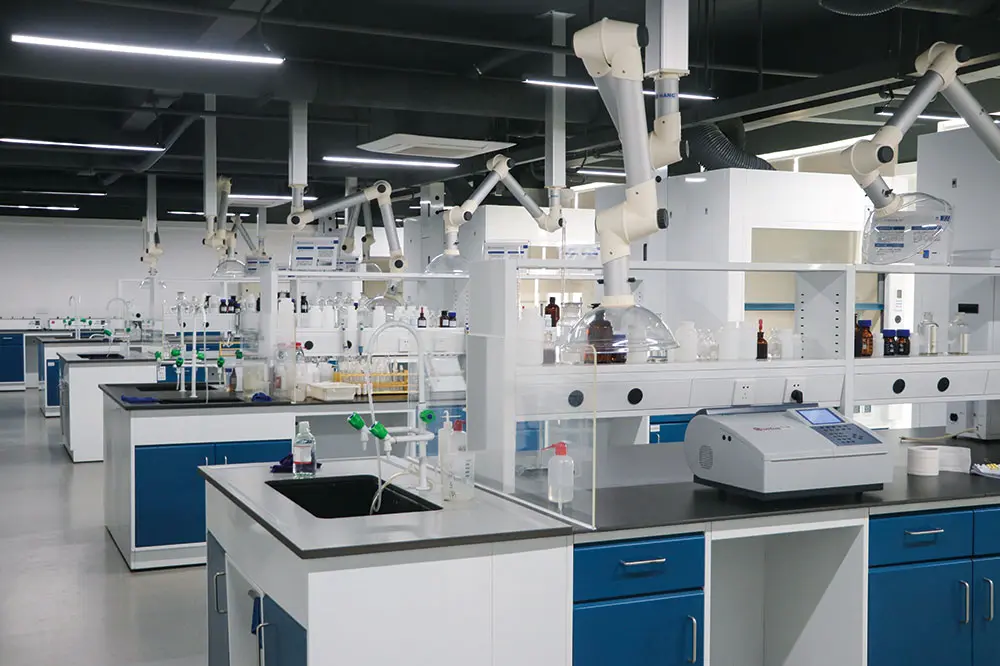
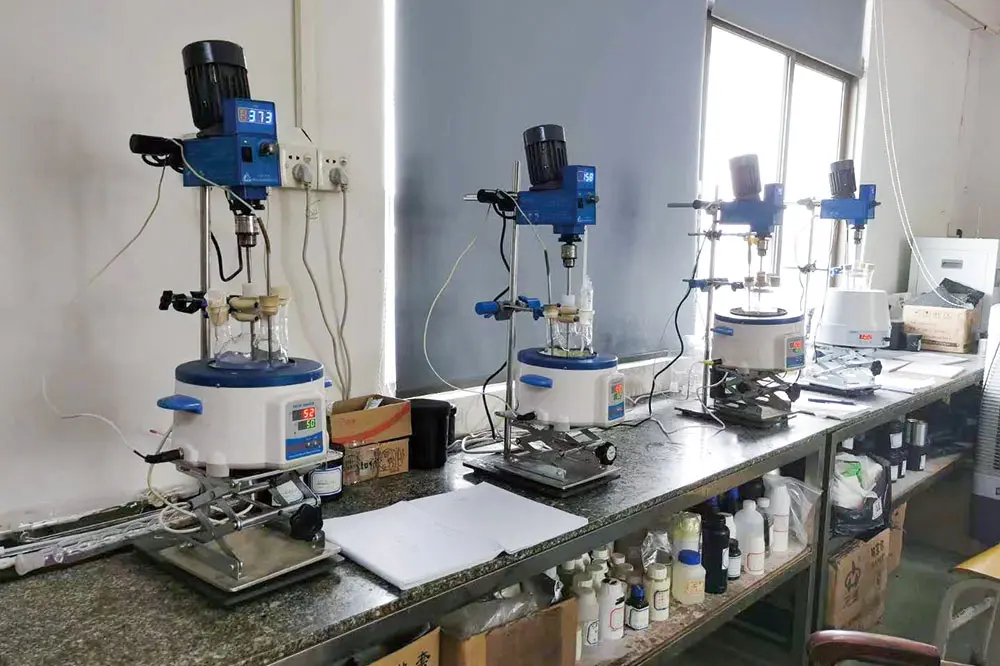
The primary R&D and processing facility in Jiangmen spans 10,000 square meters. Our scale is extended by the Yunfu production base, covering 40,000 square meters. Together, these sites house over 10 automated synthesis lines with an annual output capacity exceeding 20,000 metric tons. This output is managed via a distributed computer system (DCS) control platform that regulates critical parameters including temperature curves, monomer feed rates, vacuum pressure, and conversion indices, ensuring consistent batch quality.
Our facilities operate under the ISO9001 Quality Management System and the ISO14001 Environmental Management System. Quality control protocols track every raw material and batch, maintaining reliable chemical profiles from testing stages through to container shipping.
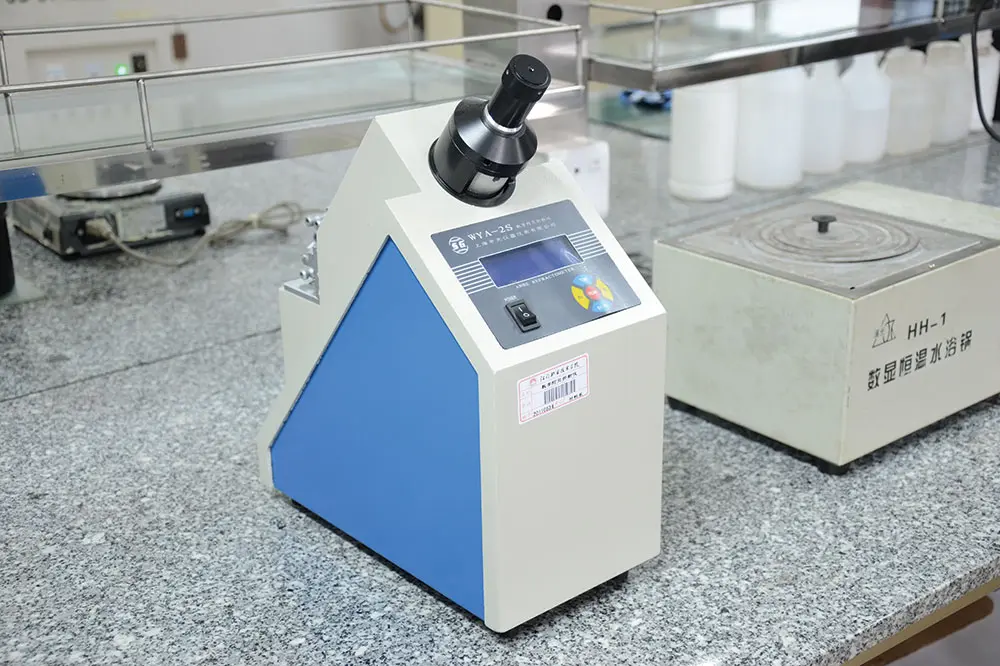
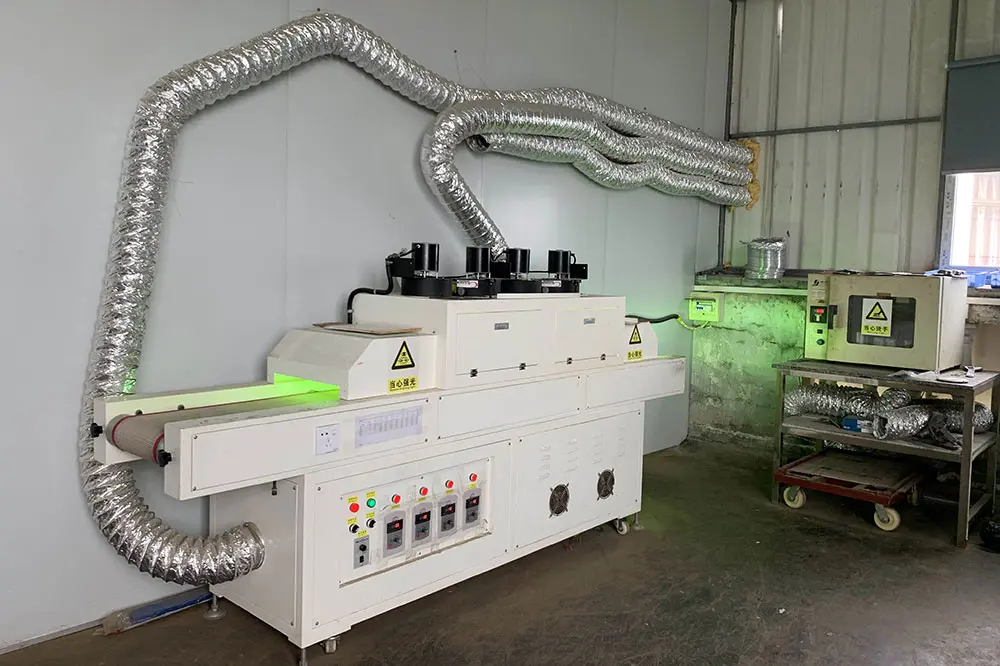
Our product lines cover the core categories of photopolymerization chemistry to meet diverse substrate and curing requirements.
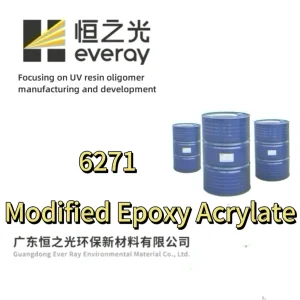
Modified epoxy acrylates provide fast curing rates, high surface hardness, and strong chemical resistance. These polymers are designed to minimize oxygen inhibition during free-radical polymerization. They are commonly used in varnishes, wood coatings, and electronic packaging, though stabilizers are added to manage yellowing under UV exposure.
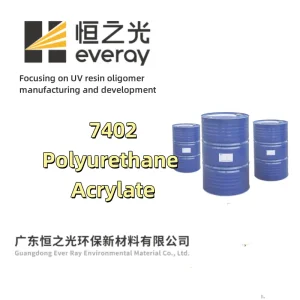
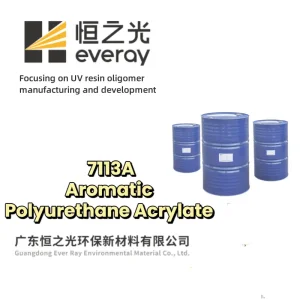
Aliphatic and aromatic polyurethane acrylates (PUA) combine hardness with flexibility. Aliphatic PUAs offer excellent optical clarity and resistance to weathering, making them suitable for long-term outdoor exposure. Aromatic variants provide a cost-effective alternative for indoor industrial applications.
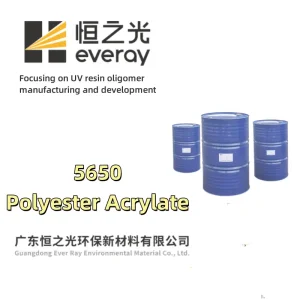
Polyester acrylates provide balanced viscosity and wetting performance, making them suitable for lithographic, flexographic, and screen inks. Pure acrylate systems are formulated for low odor, low irritation, and low shrinkage, which is beneficial for packaging and decorative wood coatings.
How formulating engineers leverage Ever Ray oligomers across different industries.
Industrial wood finishing lines require fast processing speeds and consistent coating properties. Using our waterborne UV systems and high-functionality epoxy acrylates helps achieve the necessary chemical resistance against common staining agents like ethanol and hot oils. Lower shrinkage values also prevent warping or delamination on porous wood substrates.
High-speed printing lines require rapid photopolymerization. Formulating with polyester acrylates like the 5403-3F allows ink systems to maintain stable rheological profiles under high shear forces, ensuring clean dot reproduction. For plastic packaging films, using flexible urethanes helps maintain adhesion during flexing and creasing.
Stereolithography (SLA) and Digital Light Processing (DLP) require high dimensional stability and low shrinkage. Curing too quickly can trap stress inside the part, causing distortion. Combining photo and thermal curing mechanisms allows formulators to produce complex parts that maintain mechanical performance at high temperatures.
Answering common technical questions about UV curing chemistry and product handling.
Volume shrinkage is caused by the reduction in distance between monomer units as they polymerize from van der Waals distances to covalent bonds. To minimize this, formulators can include high-molecular-weight oligomers like 5026F or pure acrylates. Adding structural fillers, optimizing the ratio of mono-functional diluents, and using dual-cure systems can also reduce shrinkage stress.
Yellowing is often caused by thermal decomposition or photolytic degradation of aromatic groups, particularly bisphenol-A structures, under UV exposure. Adding hindered amine light stabilizers (HALS), selecting aliphatic polyurethane acrylates (such as 7402), or using modified epoxy resins with aliphatic backbones like 61003A help reduce yellowing in outdoor and optical applications.
UV resins are sensitive to light and high temperatures. They should be stored in opaque, high-density polyethylene (HDPE) or lined steel containers. The storage temperature should be kept between 15°C and 35°C. Keeping a small amount of oxygen (air headspace) in the container is necessary to maintain the effectiveness of standard radical inhibitors like hydroquinone monomethyl ether (MEHQ).
Waterborne UV systems (e.g., 70251) reduce viscosity without requiring monomeric diluents, helping to minimize VOC emissions. They form a tack-free film after water evaporation, allowing for clean dust management before UV exposure. The cured coatings provide good adhesion, clear optical properties, and sufficient flexibility on wood substrates.
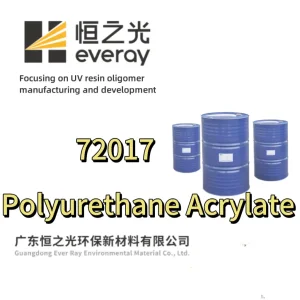
Dual-curing systems, such as 72017, use two different initiation reactions. First, UV light cures the exposed surface and visible sections quickly. Then, a heat cure step activates thermal initiators to complete polymerization in shaded or thicker areas. This helps ensure consistent curing in complex 3D printed parts and electronic assemblies.
Additional polymer options for specialized properties, including textured finishes, low shrinkage, and vacuum metallization.
 Ever Ray