Global Industrial Shift, Environmental Directives, and the Advancements of Jdiction UV Resins
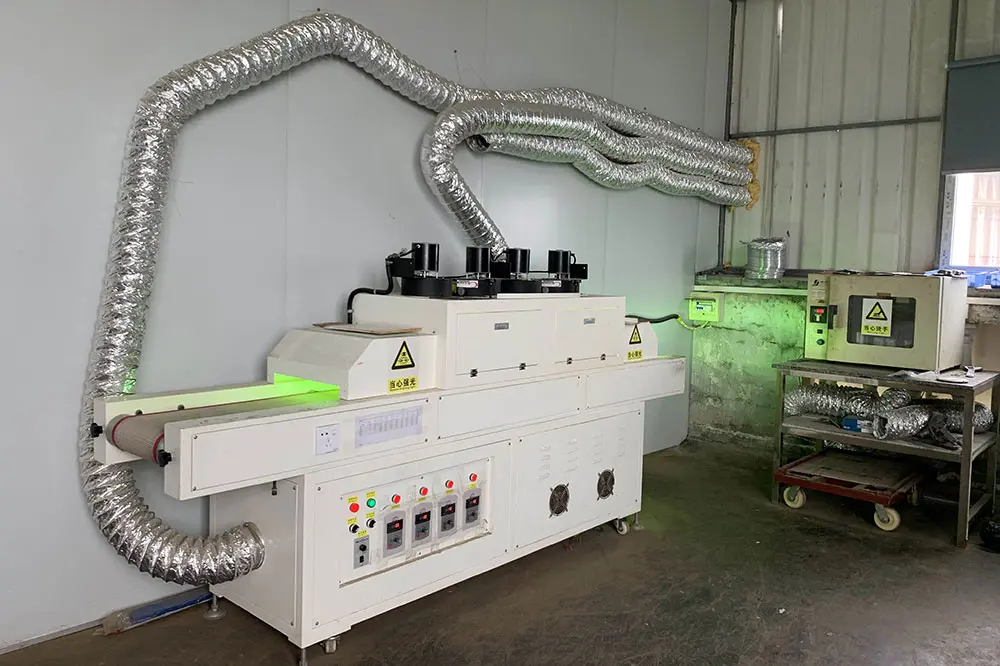
The global coatings, adhesives, and ink industries are undergoing a rapid technological evolution. Triggered by strict environmental guidelines restricting Volatile Organic Compounds (VOCs), manufacturers are moving away from solvent-borne formulations. Leading this structural shift is ultraviolet (UV) curing technology—a photochemical process that uses high-intensity light to instantly cure oligomers, monomers, and photoinitiators into highly crosslinked networks.
At the center of this industrial change is Guangdong Ever Ray Environmental Material Co., Ltd. (established in 2006). As a leading developer of high-performance oligomers and a manufacturer of Jdiction UV Resin grades, the company is changing how industrial formulations handle durability, speed, and safety. By providing high-reactivity acrylates, Ever Ray enables B2B buyers to achieve high performance while optimizing manufacturing costs.
In modern industrial applications, Jdiction UV Resin has evolved from a craft hobbyist material into a high-spec industrial polymer. Today's manufacturing systems require highly specialized raw chemical structures. Selecting the right supplier is no longer just about transactional pricing; it requires deep chemical expertise, consistent batch quality, and an adaptable supply chain.
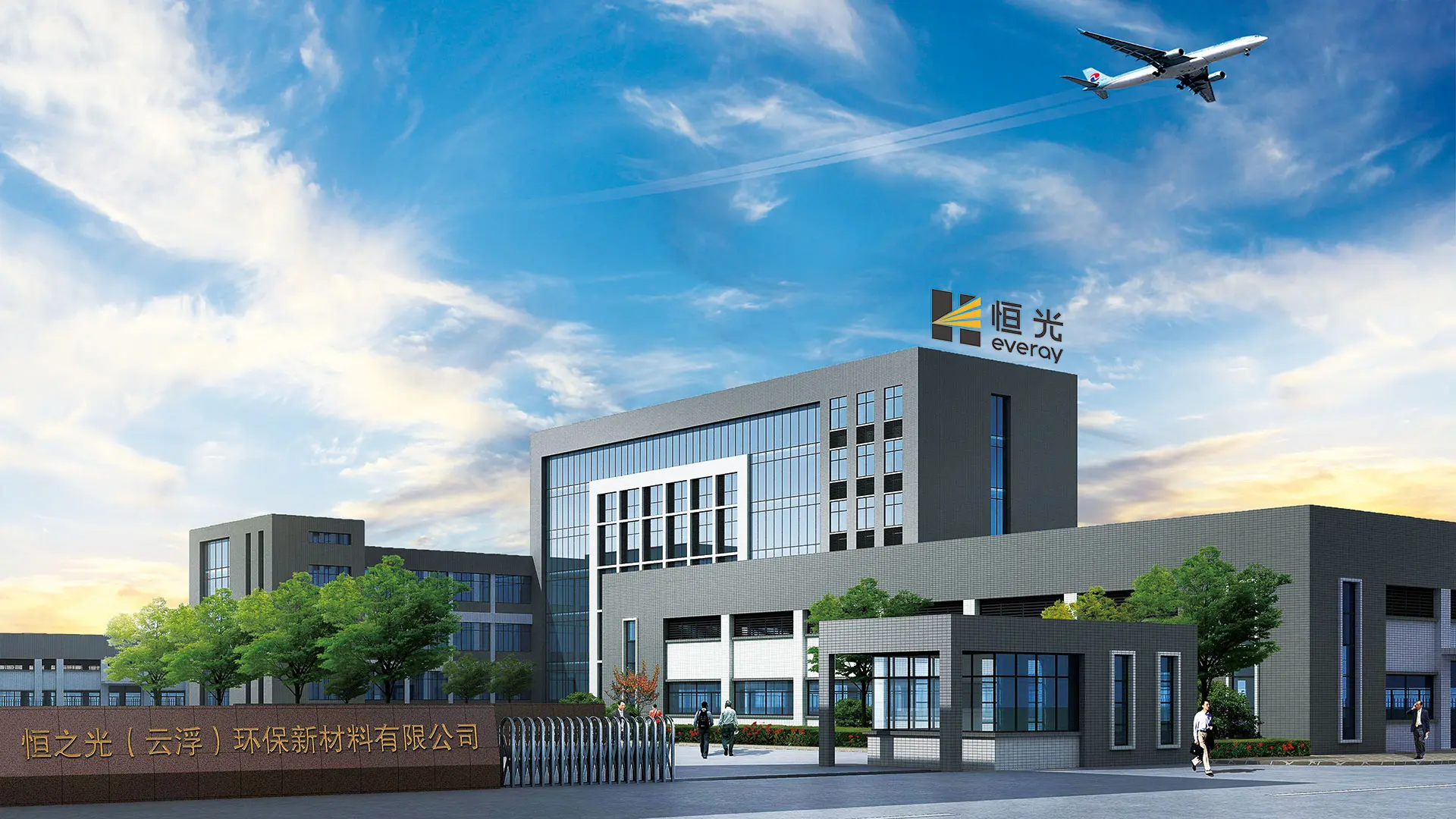
An ISO-certified chemical power plant delivering specialized oligomer compounds globally.
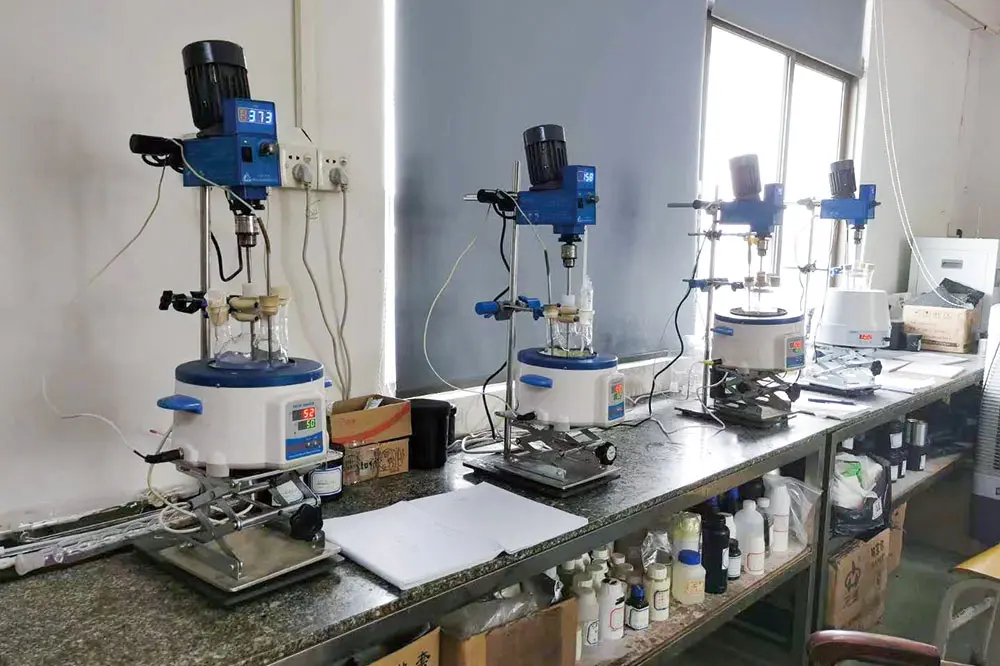
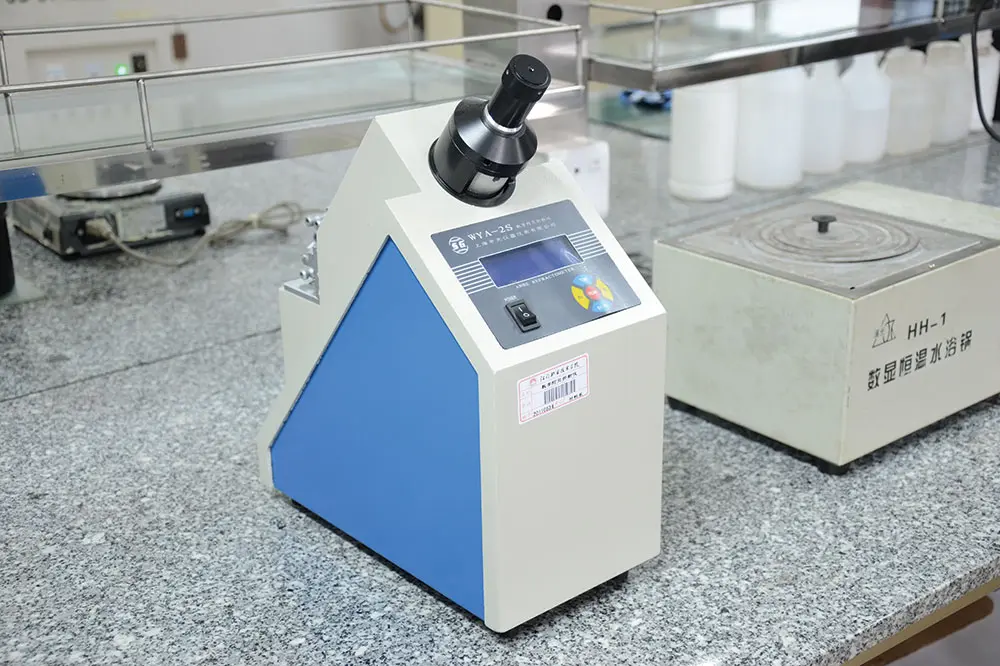
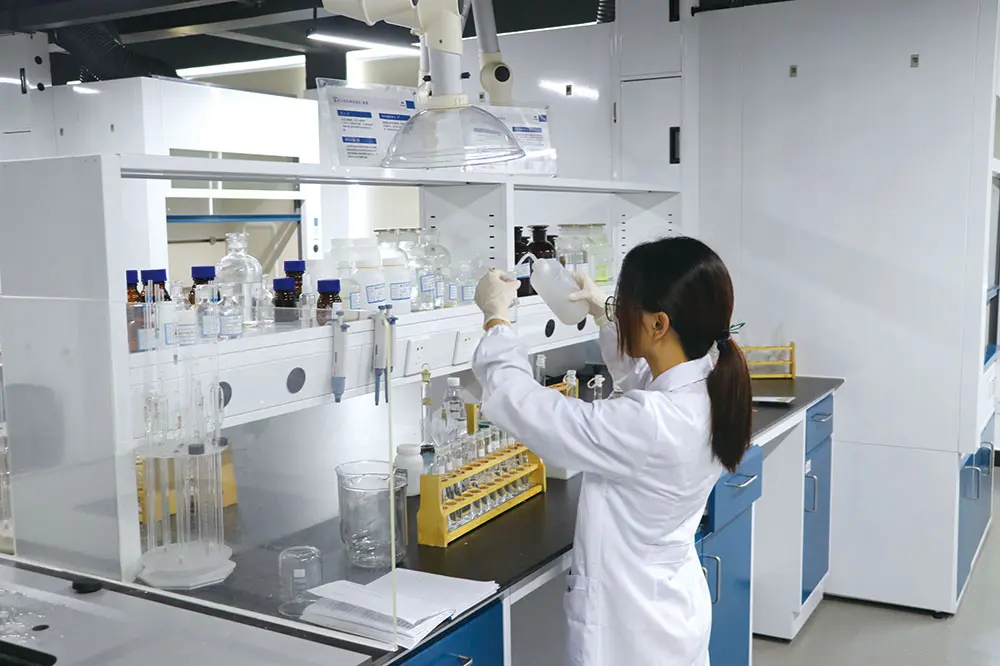
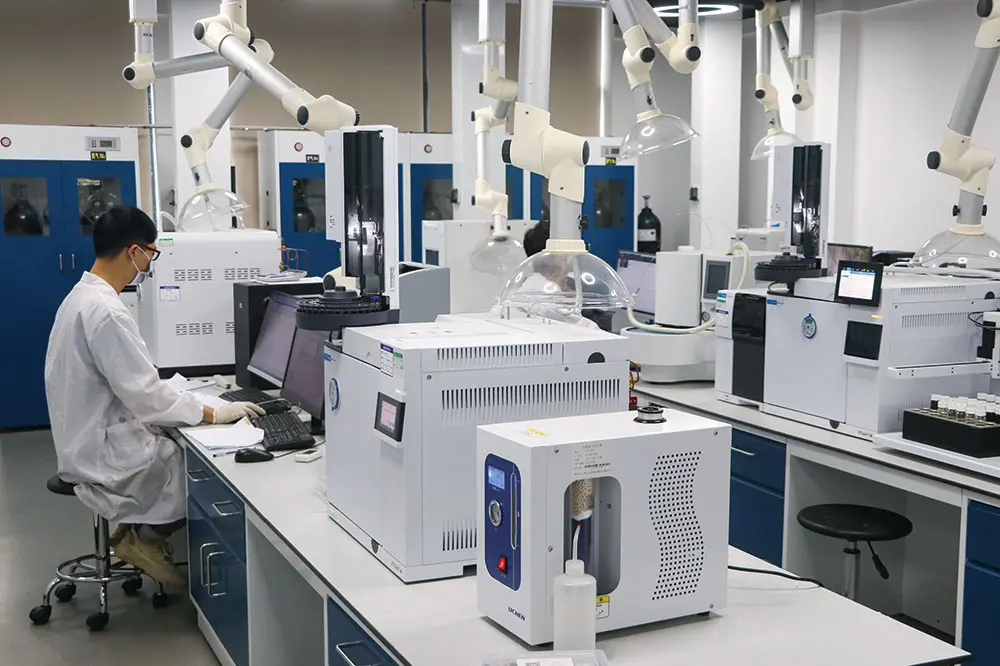
To support high volume and consistent quality for international partners, Ever Ray operates two chemical production facilities in Guangdong province. The Jiangmen base spans 10,000 square meters, handling highly customized trial productions, pilot evaluations, and custom formulations. The massive Yunfu base covers 40,000 square meters, housing 10 modern production lines controlled by a DCS (Distributed Control System).
DCS automation allows our chemical engineers to monitor and adjust critical reaction variables—such as pressure, feed rates, temperature, and cooling cycles—in real time. This system ensures consistent polymerization and maintains properties like molecular weight distribution, color index, and viscosity from batch to batch. The entire manufacturing footprint operates under strict compliance with ISO9001 Quality Management and ISO14001 Environmental Management Systems, utilizing premium domestic and international raw materials to ensure stable chemical outputs.
Selecting the right chemical foundation based on viscosity, curing speed, and mechanical requirements.
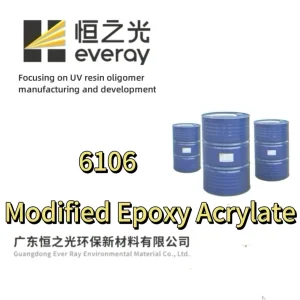
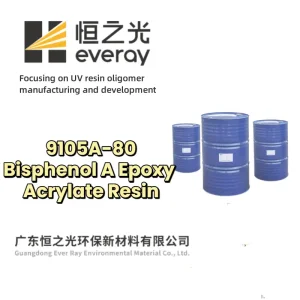
Known for fast curing, high hardness, high gloss, and excellent chemical resistance against acids and solvents. The foundational choice for wood coatings, paper varnishes, and industrial metal primers. (e.g., 9105A-80 & 9105M-80).
Combines polyurethane toughness with acrylate speed. Provides excellent flexibility, abrasion resistance, non-yellowing characteristics, and strong adhesion to difficult substrates like plastics and metals. (e.g., PUA 7291B & 73008).
Designed for low viscosity, high elasticity, and compatibility with pigments. These oligomers are widely used in lithographic, flexographic, and screen UV inks, delivering crisp color reproduction and reliable adhesion. (e.g., 5218, 5336 & 5103).
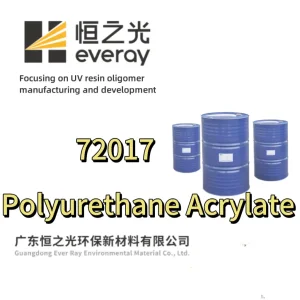
Engineered for complex shapes where light cannot reach evenly. These photothermal dual-curing systems use both UV light and heat to achieve complete crosslinking in shadow zones, making them ideal for 3D-printed footwear and electronic potting. (e.g., 72017 & 72017A-8).
From additive manufacturing in Vietnam to automotive assembly lines in Germany.
In shoe manufacturing centers like Vietnam, Indonesia, and southern China, traditional manufacturing faces pressure to shorten design-to-delivery times. By adopting Jdiction 72017A-8 Dual-Curing UV Resin, factory production lines can direct-print complex midsoles. The dual-cure technology ensures thick parts achieve complete cure, providing high elasticity and low shrinkage. This helps prevent mechanical breakdown under repeated stress.
In Tier-1 automotive supply chains, electronics must withstand extreme temperatures, humidity, and vibrations. Formulators use Jdiction's 73008 Low-Shrinkage Polyurethane Acrylate Resin to encapsulate delicate sensor assemblies. The low volume shrinkage prevents stress cracks on microcircuits, while the polyurethane backbone provides thermal shock resistance and non-yellowing clarity over the vehicle's lifespan.
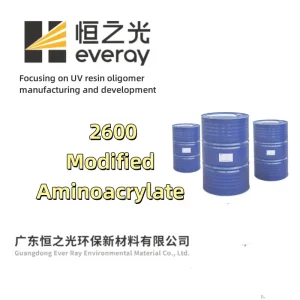
For large-scale PVC floor board and luxury vinyl tile (LVT) manufacturing, coating speeds often exceed 60 meters per minute. Formulators rely on Jdiction's Low Viscosity 1262B and 2600UV Resin. The low viscosity allows for thin, uniform application without excess diluents, and the high crosslinking density provides excellent scratch resistance and stain protection.
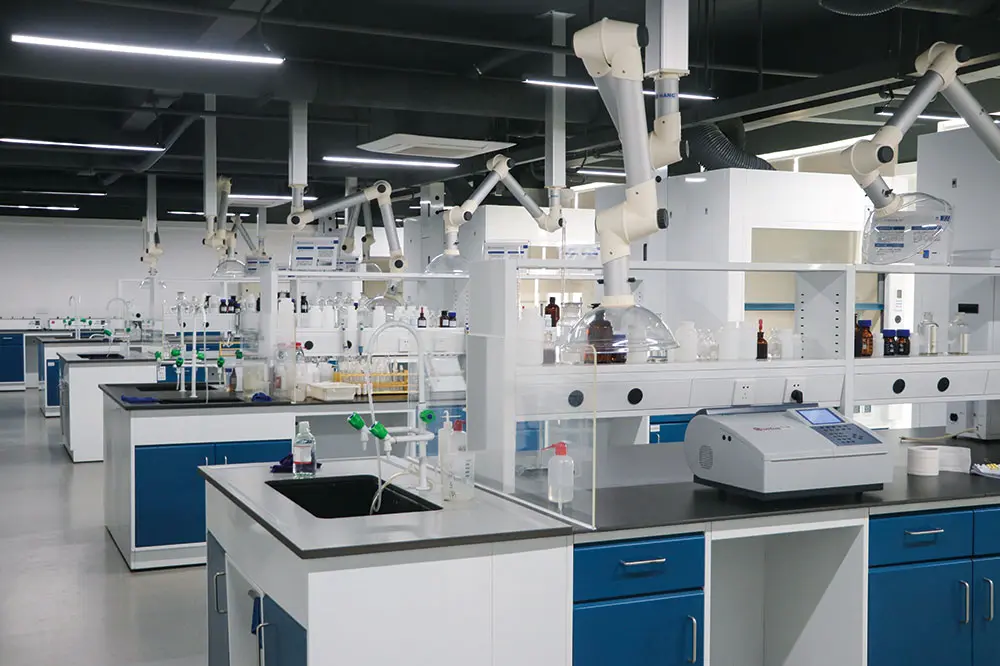
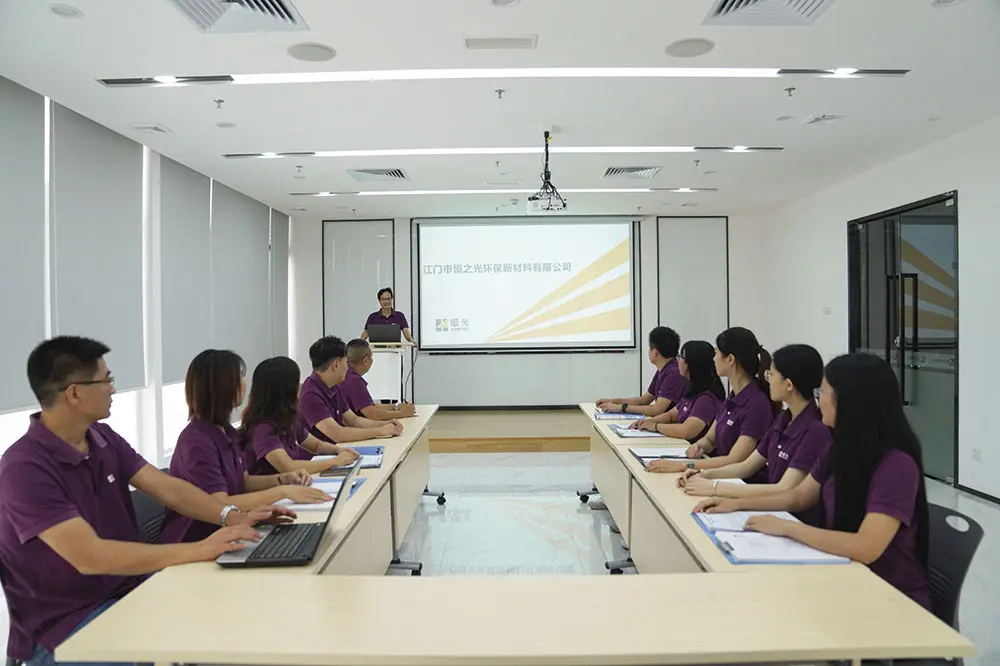
Guangdong Ever Ray does not just ship containers of oligomers; our R&D department collaborates directly with formulators. By optimizing the balance between monofunctional, difunctional, and hexafunctional acrylates, our team helps resolve issues like oxygen inhibition and adhesion failures on challenging plastics like PP and PET.
How Ever Ray ensures supply reliability and cost advantages for global buyers.
Guangdong Ever Ray is located within China's petrochemical cluster, giving us direct access to core chemical precursors like Acrylic Acid, Polyols, and Isocyanates. This direct integration helps protect our production from sudden raw material shortages and stabilizes pricing for our long-term contract partners.
Our Yunfu production plant features 10 fully automated DCS lines, allowing us to rapidly scale production. This digital setup enables us to switch lines efficiently to fulfill sudden bulk orders, maintaining consistent lead times even during peak shipping seasons.
Located near major international ports like Guangzhou and Shenzhen, we offer streamlined logistics to global destinations. We support customized industrial packaging options, including 200kg steel drums and 1000kg IBC totes, configured for safe transoceanic transit.
Answering common questions from chemical engineers, formulators, and supply chain managers.
 Ever Ray