Explore our premium industrial product portfolio, custom-synthesized for UV wood coatings, plastic varnish, flexible packaging inks, and heavy-duty structural adhesion.
The global chemical supply chain is currently experiencing an unprecedented paradigm shift towards non-toxic, eco-friendly reactive chemistry. For decades, epoxy resins formulated from bisphenol-A (BPA) and volatile organic solvents have dominated the aerospace, automotive, electronics, and woodworking sectors. However, tightening global regulatory initiatives—such as the European Chemical Agency's (ECHA) Registration, Evaluation, Authorisation and Restriction of Chemicals (REACH), and the US EPA’s strict TSCA guidelines—have forced polymer synthesis manufacturers to restructure their molecular engineering pathways.
Traditional industrial epoxies release dangerous quantities of Volatile Organic Compounds (VOCs) during formulation and curing, creating severe occupational safety risks and long-term environmental hazards. As a premium manufacturer, our strategic R&D efforts focus heavily on eliminating target hazard vectors (such as nonylphenol, free bisphenol, and organic solvents) by developing next-generation waterborne UV polyurethane acrylates and low-toxicity modified epoxy acrylates. These technological iterations enable coating applicators to maintain the characteristic adhesion and chemical resistance of structural epoxies while significantly lowering the Skin Irritation Index (PII).
Achieving non-toxic parameters without compromising crosslinking density and thermodynamic resilience requires sophisticated molecular design. By replacing volatile reactive diluents with highly functional, low-volatility monomers and oligomers, we eliminate the primary source of VOC emissions. Our synthetic processes utilize purified bio-sourced precursors and advanced chemical modification processes.
For example, our Modified Epoxy Acrylate Oligomers incorporate cycloaliphatic rings and flexible polyether segments. This hybrid molecular structure reduces brittleness—a common defect in traditional epoxies—and provides high reactivity under UV-LED light sources. The high conversion rate of acrylic double bonds (typically >92% under standard industrial curing lines) guarantees that almost zero residual monomer remains on the substrate, preventing chemical migration and potential toxicological exposure in finished products such as high-gloss furniture varnishes, nail gel polishes, and consumer electronics packaging.
Below is a comparative breakdown of our signature wholesale product series, showcasing their primary application fields, physical properties, and ecological advantages:
| Product Class | Representative Model | Viscosity Profile (mPa·s at 25°C) | Curing Mechanism | Key Advantages & Safety Profile |
|---|---|---|---|---|
| Modified Epoxy Acrylate | 6851A / 6300 | Low-to-Medium (8,000 - 15,000) | UV Free Radical / LED Curing | High transparency, excellent yellowing resistance, minimal shrinkage, lower skin irritation. |
| Polyurethane Acrylate (PUA) | 7402 / 7291B / 7600 | Medium-to-High (20,000 - 55,000) | Dual-Cure / Radical UV | Superior chemical resistance, excellent flexibility, scratch resistance, and low odor formulation. |
| Polyester Acrylate | 5101 / 5502B | Low-to-Medium (3,000 - 8,000) | UV / EB Curing | High crosslinking speed, high surface hardness, excellent substrate adhesion (PC/ABS/PET). |
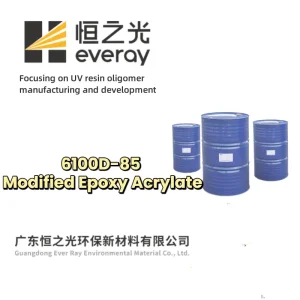
Our low-VOC polyester and epoxy acrylates, like the 6100D-85, provide the high chemical resistance and mechanical resilience required for high-volume furniture production in Europe and North America, fully complying with REACH and local air quality standards.
Formulations such as the 1730 UV resin are optimized for vacuum metalizing and advanced optoelectronic packaging. They provide excellent adhesion to challenging plastic substrates while maintaining a reliable optical clarity profile.
Our low-odor, fast-curing polyurethane acrylate oligomers are designed for consumer packaging applications. They prevent chemical migration and satisfy strict global compliance protocols for indirect food contact.
To maintain product quality across global supply chains, our production facilities are equipped with fully computerized DCS automated control systems. This technology allows us to monitor critical polymerization parameters in real time, ensuring high batch-to-batch consistency and minimizing chemical waste. Our manufacturing capabilities are backed by rigorous compliance certifications, reflecting our commitment to environmental responsibility.
Over the next five years, we plan to increase the bio-based content in our product line to over 45%, reducing reliance on fossil resources while maintaining the high performance of our UV-curable oligomers.
Guangdong Ever Ray Environmental Material Co., Ltd. established in 2006, is a high-tech enterprise focusing on the R&D and manufacturing of oligomers for UV curable resin such as epoxy acrylate, polyurethane acrylate (water borne, aliphatic urethane, aromatic urethane), polyester acrylate, pure acrylate and other special functional modify acrylate oligomers.
We focus on technology and environmental protection coexisting in harmony. We firmly take science and technology as our driving force in our future development, continue to pursue excellence, and work to maintain a sustainable, green living environment.
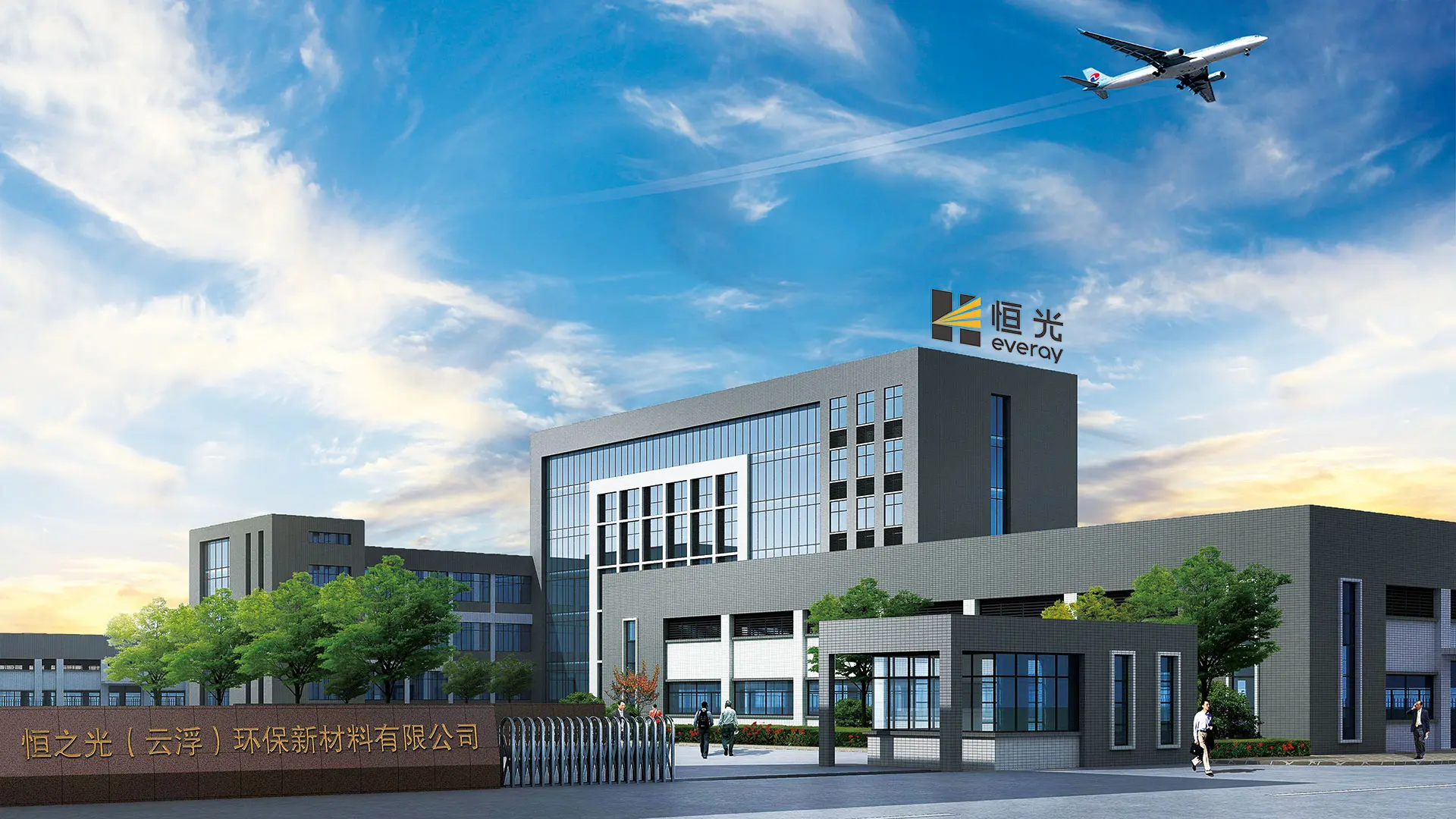
We have two production bases. One is in Jiangmen, Guangdong, with a production area of about 10,000 square meters. The other is in Yunfu, Guangdong, with a production area of around 40,000 square meters. Both sites are complete with quality control, storage, and logistics supporting facilities. Our annual production capacity exceeds 20,000 tons across more than 10 production lines.
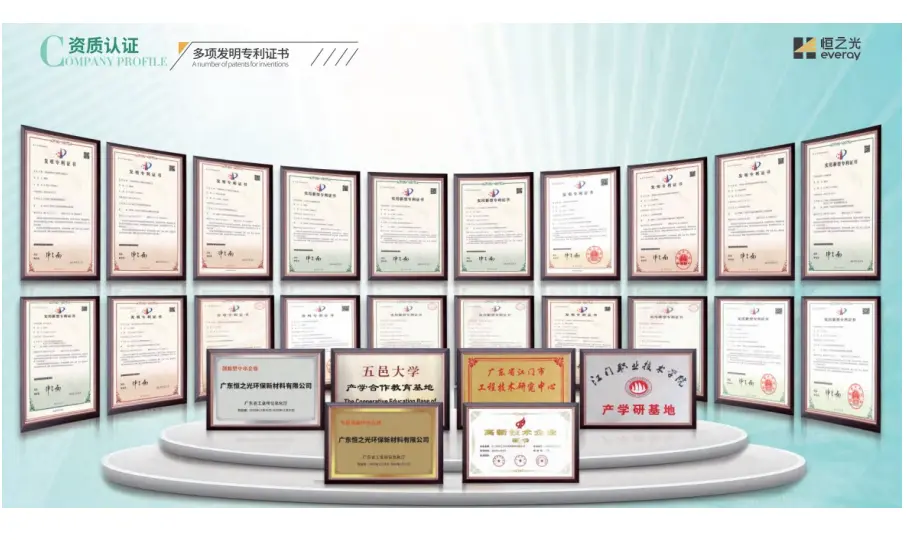
To ensure reliable quality control, our factories operate under the ISO9001 quality management system and the ISO14001 environmental management system, supported by an advanced, flexible DCS fully computerized control system. We source high-quality raw materials from domestic and international partners, apply scientific management practices, and collaborate with industry experts to maintain production safety and product quality stability.
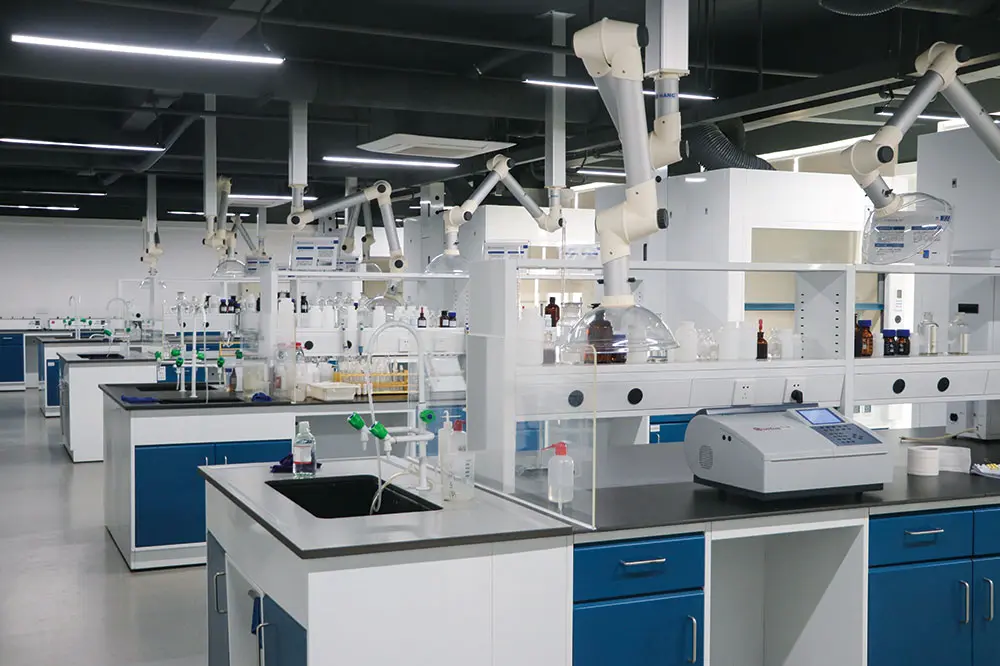
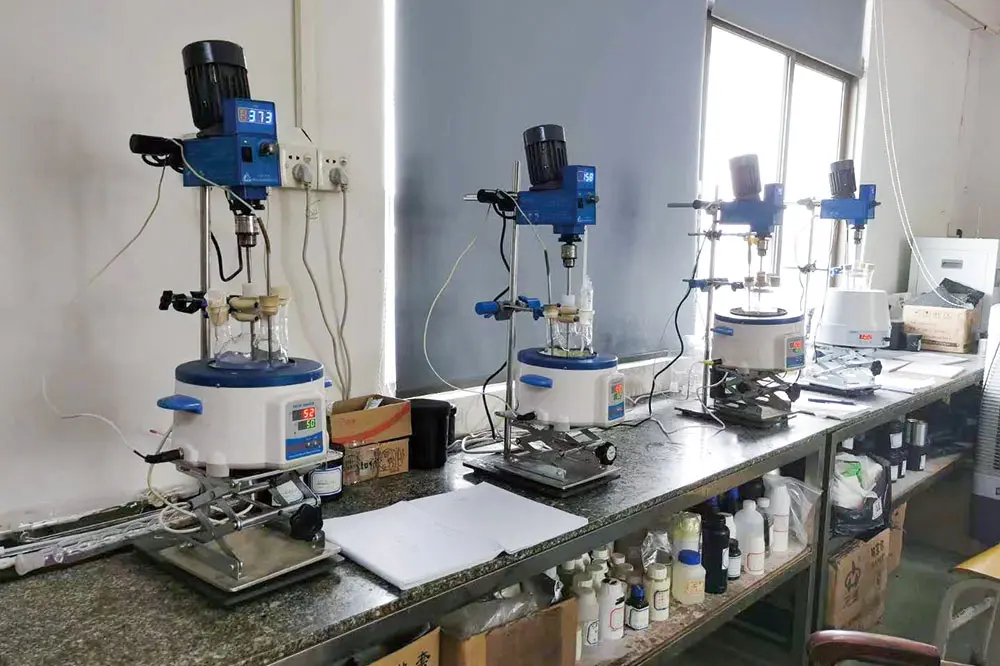
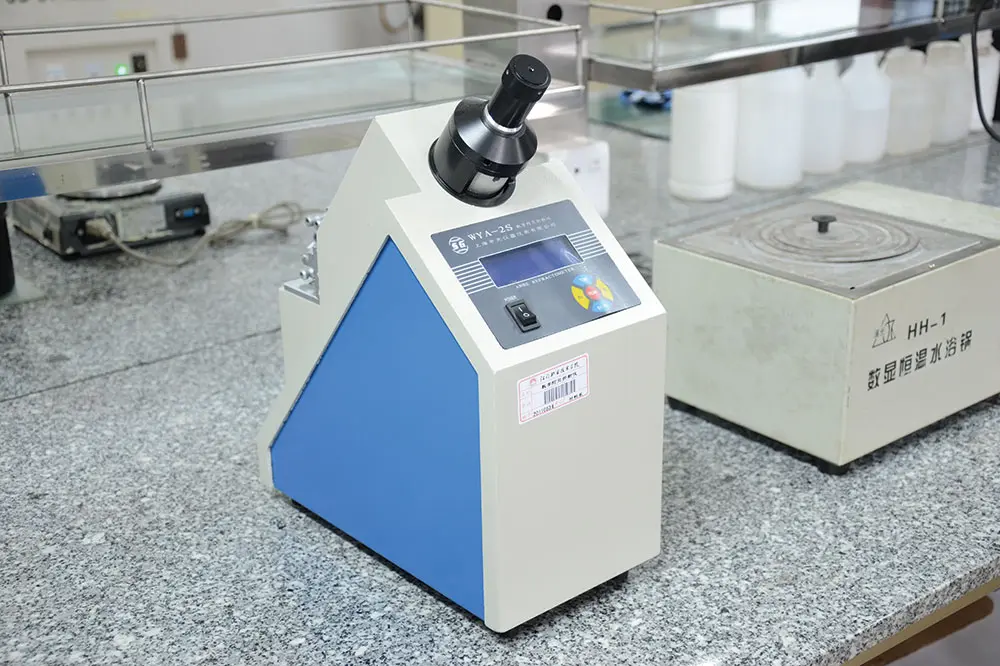
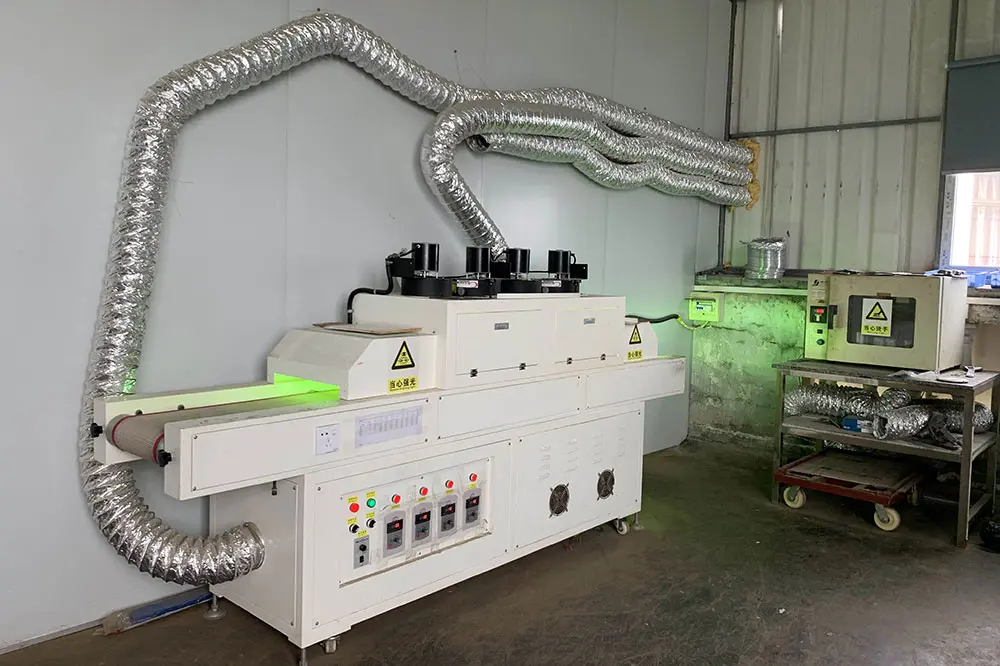
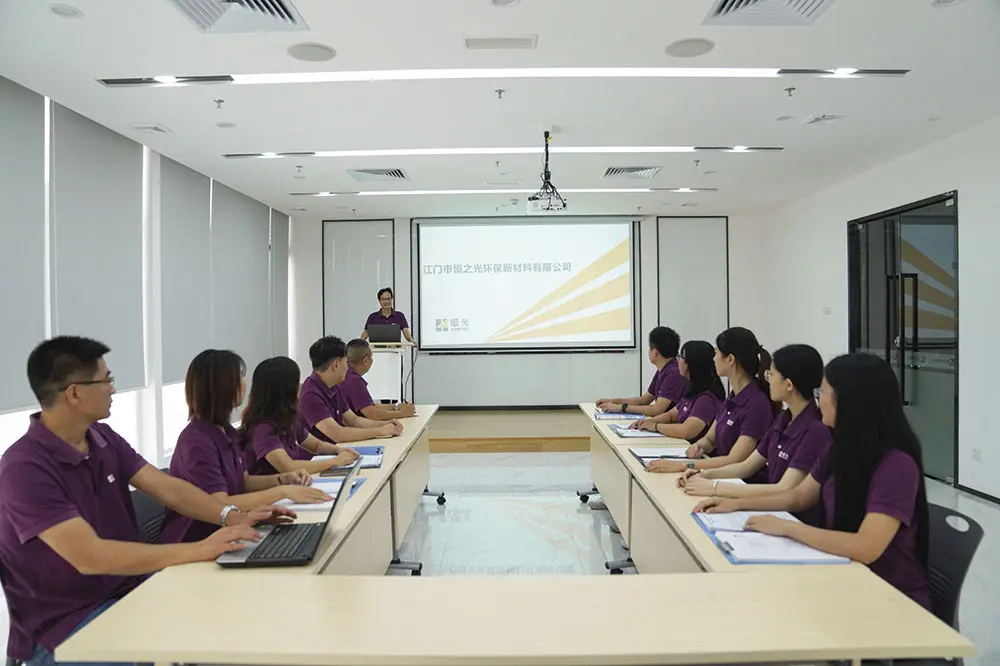
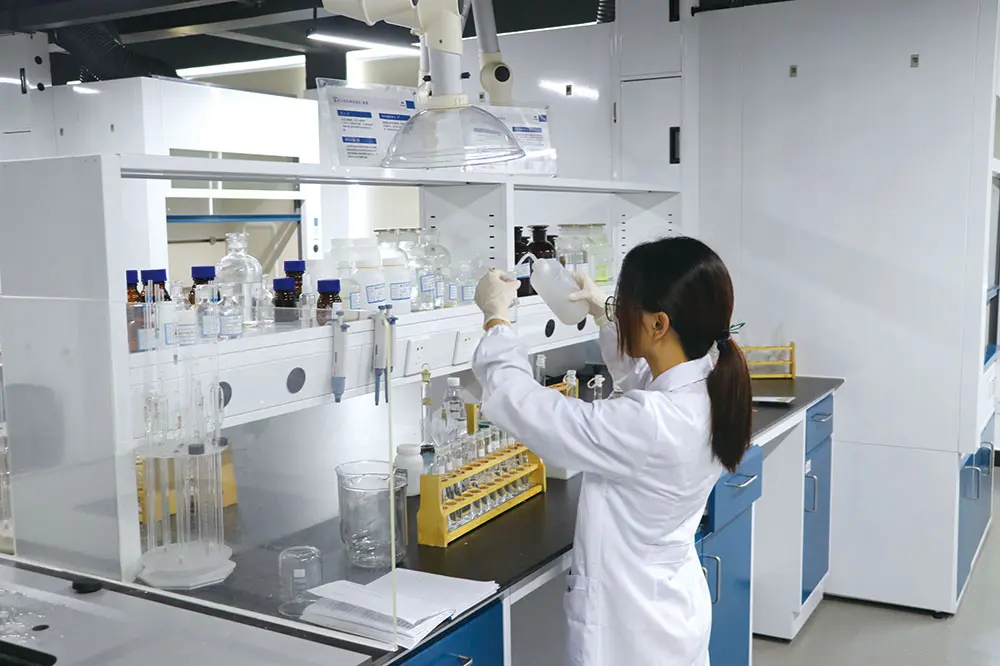
We hold more than 10 invention patents and practical patents. Our R&D department features a dedicated team of over 15 technicians focused on developing products that provide high reactivity, chemical resistance, and gloss for applications such as wood coatings, plastics, inks, and adhesives.
We offer custom formulations to help clients meet their technical performance goals and manage overall raw material costs.
Explore our highly functional resins, engineered for demanding industrial coating and varnishing applications.
Direct technical answers from our R&D engineering department concerning epoxy chemistry, safety standards, and performance optimization.
In industrial polymer chemistry, "non-toxic" refers to formulations that minimize hazardous organic solvents (VOCs), eliminate free Bisphenol-A (BPA) and nonylphenol components, and have a low Skin Irritation Index (PII). Our modified epoxy acrylates utilize clean synthetic pathways and high-purity raw materials. Under UV light, they achieve a high double-bond conversion rate (often >92%), leaving minimal residual monomers that could lead to skin irritation or chemical leaching.
Standard industrial epoxies rely on amines or anhydrides for ambient or thermal curing, a process that can take hours and often involves VOC emissions. Our modified epoxy acrylates are designed for fast photo-polymerization (UV/LED curing) within seconds. This process relies on free-radical crosslinking initiated by light, which eliminates the need for thermal ovens, increases production line speeds, and reduces energy consumption.
Aliphatic polyurethane acrylates have a molecular chain structure that resists UV-induced degradation, making them suitable for outdoor applications, high-end automotive topcoats, and protective clear coats where yellowing resistance is critical. Aromatic polyurethane acrylates offer strong adhesion, high surface hardness, and cost efficiencies, making them suitable for indoor applications like wood coatings, electronic packaging, and industrial primers.
Both our Jiangmen (10,000 sqm) and Yunfu (40,000 sqm) production sites operate under the ISO9001 Quality Management and ISO14001 Environmental Management frameworks. We use an automated DCS computerized control system to monitor polymerization parameters in real time. This ensures consistent batch quality, safety control, and low emission levels across all 10+ production lines.
For engineering plastics (like PC, ABS, and PMMA) which are prone to stress cracking, we recommend using low-shrinkage oligomers like our Polyester Acrylate 5101 or 5502B. For PVC floor coatings, we recommend models like the 1262B, which provides a balance of low viscosity, high scratch resistance, and reliable adhesion without requiring harsh chemical primers.
Our UV-curable oligomers and modified resins are formulated to comply with international regulations, including EU REACH, RoHS directive limits, and the US TSCA inventory. For packaging applications, we focus on low-migration chemistry to help clients align with indirect food contact guidelines like FDA 21 CFR regulations.
 Ever Ray