Select premium industrial raw materials with targeted low shrinkage, high flexibility, and excellent thermal stability properties.
Polyester acrylates represent a versatile category of oligomers used extensively within the radiation-curing technology sector. Synthesized through the esterification of acrylic acid with hydroxyl-terminated polyesters, these oligomers possess a customizable backbone capable of adjusting to varied crosslinking densities, viscosities, and elastomeric performances. For procurement teams and formulation chemists, selecting the appropriate polyester acrylate resin is key to balancing reactivity speed, substrate adhesion, and cost efficiency.
Compared to epoxy acrylates, which excel in hardness and rapid cure cycles but lack flexibility, and polyurethane acrylates, which offer superior durability but at a higher price, polyester acrylates provide an adaptable midpoint. They offer moderate to low viscosity, good wetting characteristics on inorganic substrates, and high elasticity options. Their structural versatility enables them to serve as key binding agents in graphic arts, industrial coatings, wood varnishes, and high-performance adhesives.
By altering the polyol-to-polyacid ratios and using linear or branched polybasic acids, chemists can tailor the oligomer from extremely flexible linear structures to dense, highly scratch-resistant crosslinked matrices.
Low-shrinkage polyester acrylates (such as the 73008 and 5017 grades) maintain dimensional stability on delicate surfaces, preventing peeling, edge-warping, or micro-cracking during fast UV cures.
High hydroxyl polyester acrylates (such as the 5830A grade) possess free reactive -OH groups, permitting dual-cure formulations. These link with isocyanates to form hybrid polyurethane-polyurethane networks that resist boiling water and chemical immersion.
Guangdong Ever Ray Environmental Material Co., Ltd., established in 2006, is a key player in the industrial scale-up of oligomers for UV curable resins. Operating out of South China, we bridge the gap between complex chemical synthesis and cost-effective bulk shipping. Our capabilities are optimized across multiple parameters:
The consolidation of raw material suppliers in the Pearl River Delta ensures that monomers like acrylic acid, various diacids (adipic acid, phthalic anhydride), and polyols are sourced with minimal transport overhead. This cost efficiency is passed directly to the buyer without sacrificing chemical purity. Under strict ISO9001 and ISO14001 guidelines, automated Distributed Control Systems (DCS) continuously monitor pressure, temperature, and feeding rates during the esterification processes to minimize batch-to-batch variation, ensuring a reliable supply for critical industrial lines.
Polyester acrylate formulations are engineered to solve specific application challenges, including high-humidity exposure, yellowing, and substrate adhesion limits.
Modern interior and exterior wood coatings require resistance to household cleaners, warm water, and surface abrasions. Formulations incorporating 6100D-85 epoxy acrylate or hyperbranched polyester matrices provide wood sealers with fast cure times, high surface hardness, and long-term grain definition.
Printing packaging substrates requires excellent pigment dispersion and low viscosity. Our A150 and 5017 UV resins provide excellent wetting properties for organic pigments, enabling fast-drying, smudge-free printing processes on high-speed rotational presses.
PVC tiles and vinyl floor finishes undergo heavy mechanical wear. Applying low-viscosity coatings like 1262B as an exterior varnish increases resistance against high shear stress, micro-scratches, and dirt accumulation.
For circuit boards, components, and sheet metals, moisture and thermal cycles pose consistent degradation risks. Integrating low-shrinkage urethane-modified resins like 73008 prevents delamination under thermal expansion and protects components from humidity.
Global regulatory pressure from organizations like ECHA (REACH registry) and environmental initiatives targeting zero-VOC emissions are driving structural changes in industrial resin formulations. Key trends shaping development and procurement cycles include:
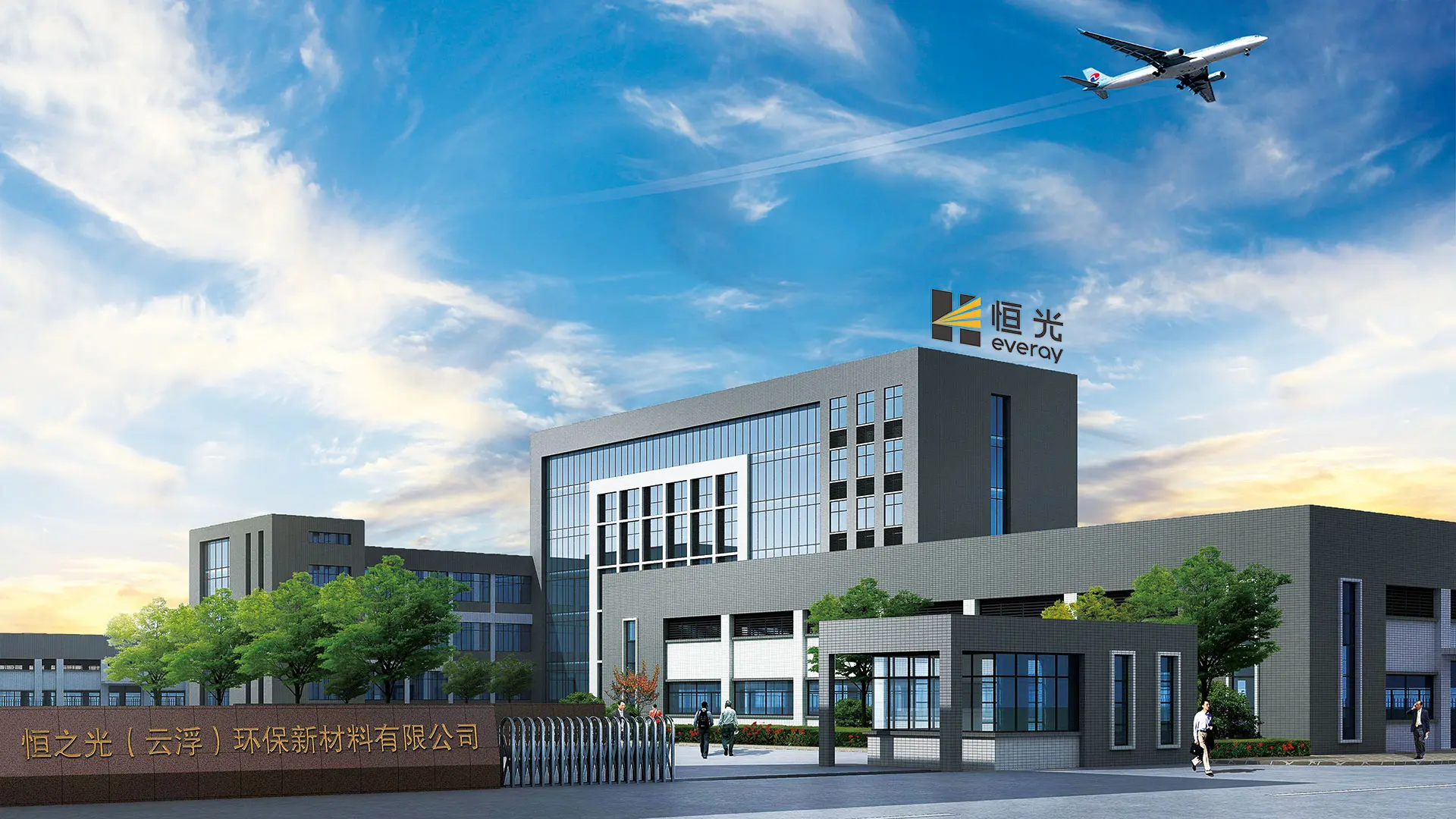
Guangdong Ever Ray Environmental Material Co., Ltd., established in 2006, is a high-tech enterprise focusing on the R&D and manufacturing of oligomers for UV curable resins. Our portfolio includes epoxy acrylate, polyurethane acrylate (waterborne, aliphatic urethane, aromatic urethane), polyester acrylate, pure acrylate, and custom modified functional oligomers.
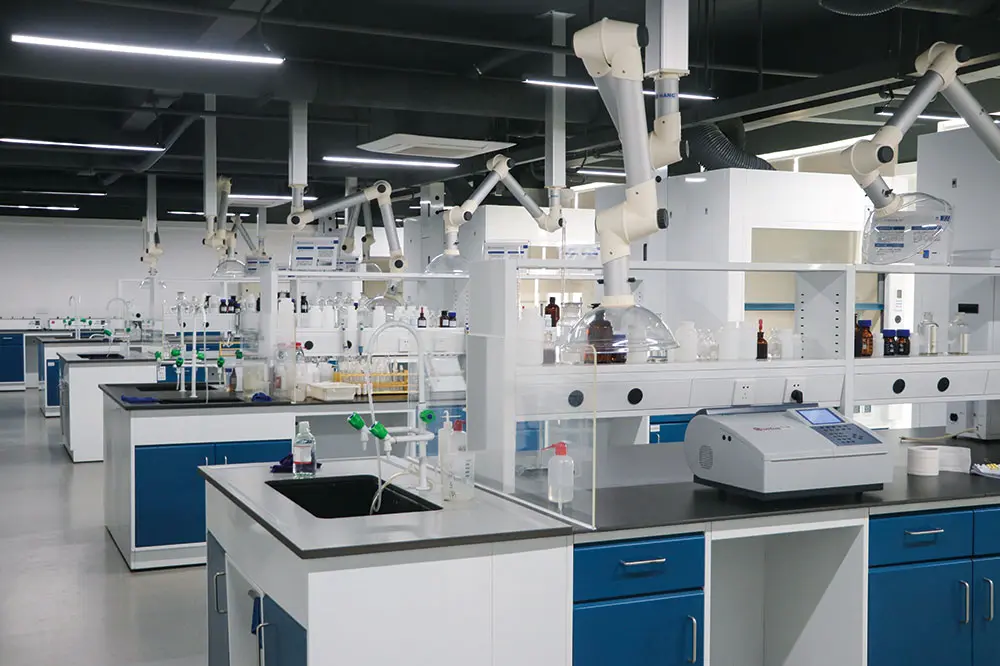
Our production footprint features two manufacturing sites: the Jiangmen base (approx. 10,000 m²) and the Yunfu facility (approx. 40,000 m²). Both locations are equipped with integrated quality control laboratories, temperature-controlled storage, and logistics operations. With an annual production capacity exceeding 20,000 tons and 10+ operational reactor lines, we provide a reliable, scalable supply of high-performance resins.
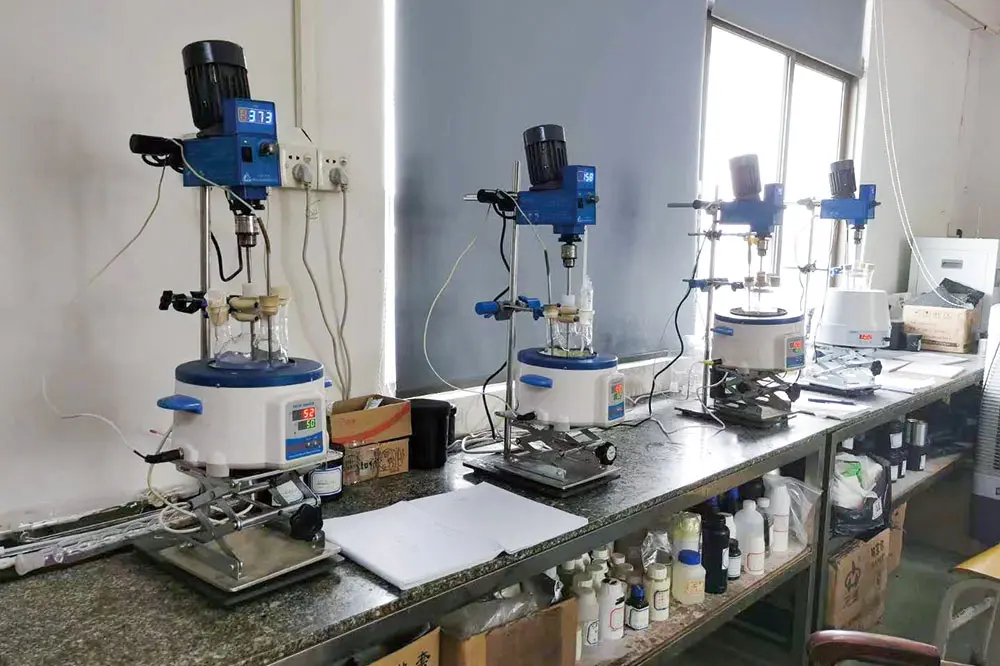
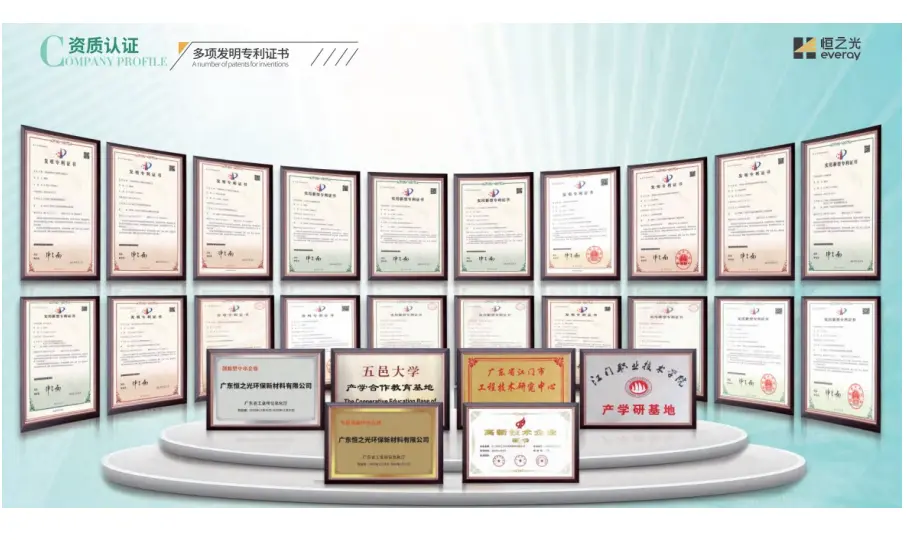
Holding more than 10 invention and practical patents, and supported by an R&D team of over 15 specialized technicians, we formulate systems for wood coatings, plastics, printing inks, and structural adhesives. We balance performance optimization with cost efficiency, focusing on sustainable technological progress.
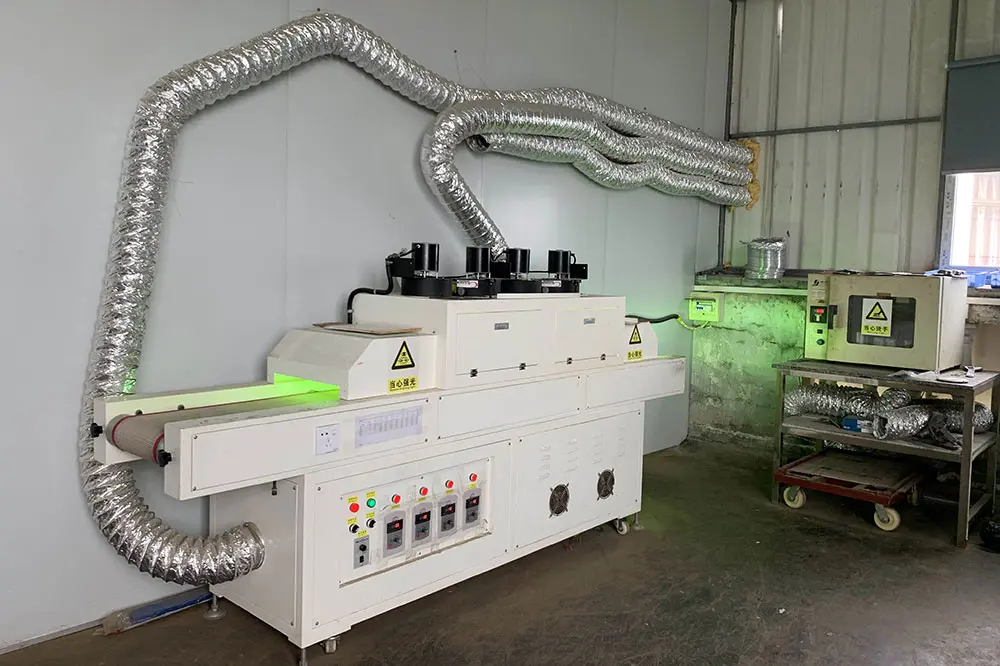
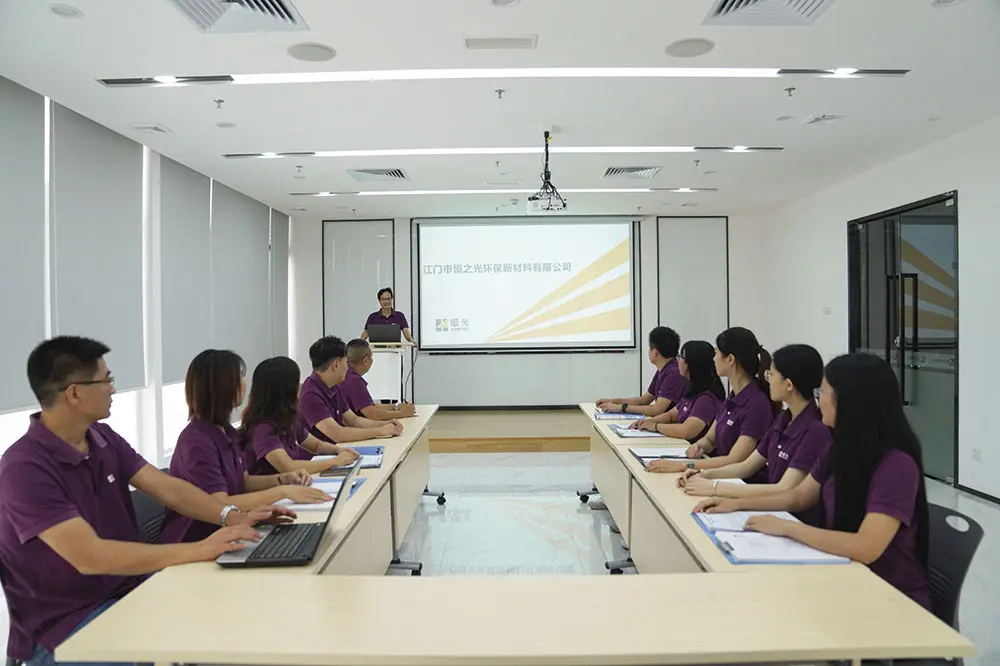
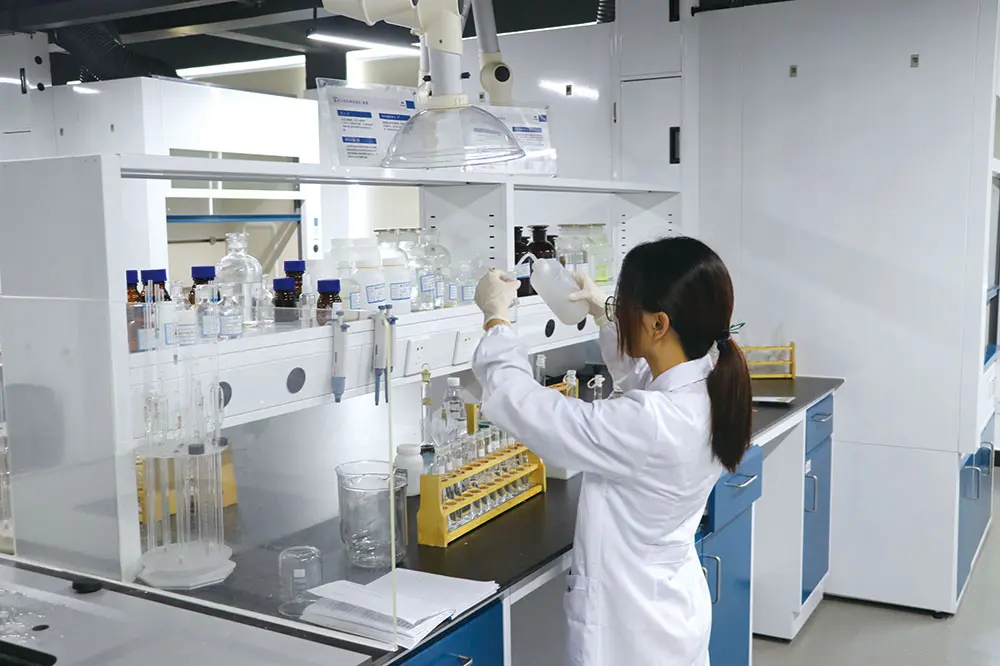
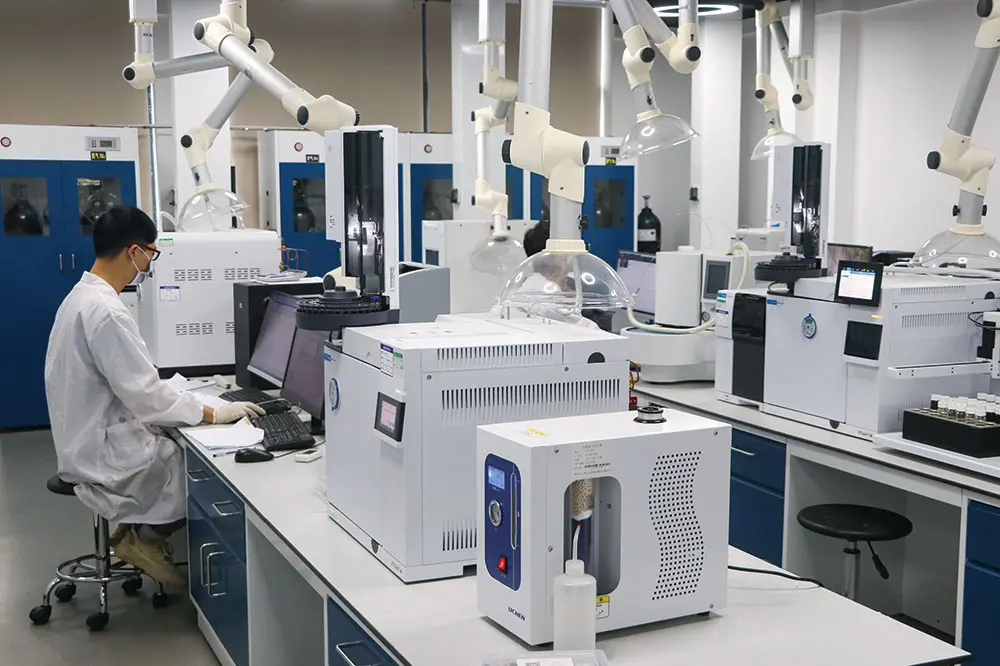
Technical and logistics answers for procurement managers, chemical engineers, and product distributors.
Polyester acrylates offer balanced hardness, chemical resistance, and flexibility at a competitive price. Epoxy acrylates cure very quickly and provide excellent surface hardness, but can be brittle. Urethane acrylates offer high elasticity and abrasion resistance, but carry higher raw material costs. Choosing the right oligomer depends on the specific substrate and performance requirements.
The cure speed is directly influenced by the acrylate functionality (the number of double bonds per molecule). High-functionality polyester acrylates cure rapidly but experience greater volumetric shrinkage. Viscosity is controlled by the molecular weight of the polyester backbone and can be reduced using low-viscosity reactive diluent monomers.
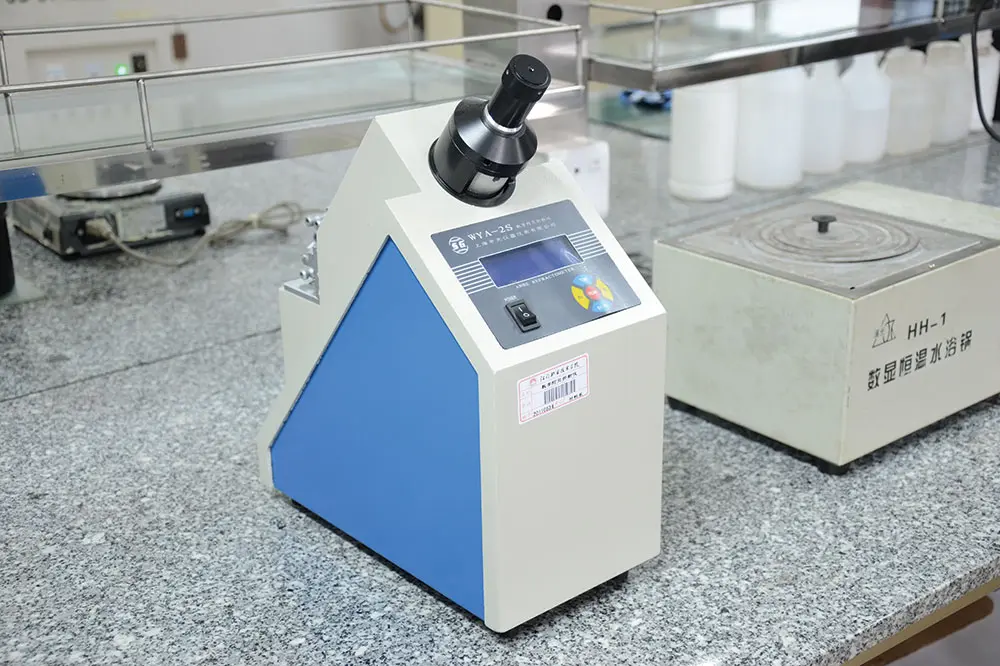
Both facilities utilize an automated Distributed Control System (DCS) to manage process temperatures, pressure, feed rates, and vacuum cycles. Raw materials undergo rigorous testing before reaction, and each batch is analyzed for viscosity, acid value, color, and curing speed prior to packaging.
Yes. Many of our polyester acrylates are designed for the longer-wavelength output (365nm to 395nm) of UV-LED lamps. When paired with suitable photoinitiator packages, they achieve complete curing without the surface stickiness caused by oxygen inhibition.
Yes, our R&D team of 15+ technicians works directly with clients to adjust viscosity, functional groups, adhesion profiles, and pigment compatibility. We formulate custom solutions to address specific performance goals or optimize material costs.
Our oligomers generally have a shelf life of 6 to 12 months when stored in original, unopened containers. Because they are light- and heat-sensitive, they should be stored in cool, dry, well-ventilated locations away from direct sunlight, UV sources, and temperatures above 40°C.
Explore specialized hyperbranched, chemical-resistant, and high-adhesion monomers tailored for demanding coating processes.
 Ever Ray