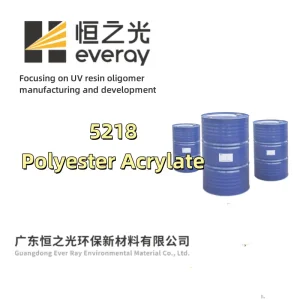
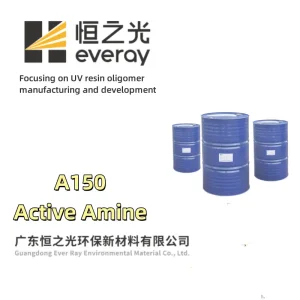
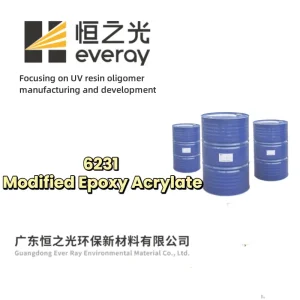
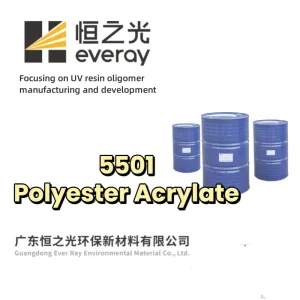
High-performance oligomers engineered to optimize mechanical properties, curing velocity, and durability across diversiform industrial substrates.
The chemistry of UV-curable oligomers dictates performance parameters like elasticity, chemical resistance, and substrate adhesion.
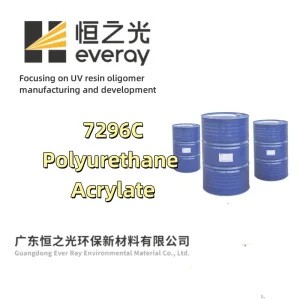
Polyurethane Acrylates (PUA), commonly classified under urethane acrylates, are among the most versatile oligomers utilized in photopolymerization. They are produced by reacting diisocyanates or polyisocyanates with polyols and hydroxyl-functional acrylates. This unique synthesis path produces a polymer backbone that combines the tough, flexible, and chemical-resistant characteristics of polyurethane with the rapid curing speed of acrylates.
Choosing the right type of polyurethane acrylate is critical for applications demanding high dimensional stability and long-term durability. We segment our production into two major classes of PUA resins:
Characterized by their exceptional resistance to UV-induced degradation and yellowing. Ideal for external coatings, automotive finishes, and nail gels requiring crystal-clear, durable topcoats.
Offering superior mechanical strength, rapid curing speed, and economic feasibility. They are extensively used in interior industrial coatings, wood varnishes, and high-speed printing inks.
By customizing the polyol backbone (polyester, polyether, or polycarbonate) and functionality (from di-functional to hexa-functional), we modify viscosity, elongation, and crosslinking density.
| Resin / Oligomer Class | Flexibility & Elongation | Tensile Strength & Hardness | Non-Yellowing Properties | Curing Kinetics | Adhesion to Difficult Substrates |
|---|---|---|---|---|---|
| Aliphatic Polyurethane Acrylate (PUA) | Excellent (High elongation capabilities) | Medium-High (Adjustable) | Exceptional (Highly stable) | Moderate to Fast | Excellent (Plastic, Glass, Metals) |
| Aromatic Polyurethane Acrylate (PUA) | Good to Moderate | High (Rigid and tough) | Poor (Subject to oxidation) | Fast | Good (Wood, Composite, Board) |
| Epoxy Acrylate | Poor (Typically brittle) | Very High (Hard and scratch-resistant) | Moderate (Prone to yellowing) | Extremely Fast | Excellent on rigid substrates |
| Polyester Acrylate | Moderate | Medium-High | Moderate | Fast | Moderate (Good pigment wetting) |
How global manufacturers employ Polyurethane Acrylates to solve mechanical limits and process constraints.
Wood substrates require coatings that can withstand structural contraction and expansion without cracking. Using a durable aliphatic polyurethane acrylate (such as our 7200-1 series) ensures that furniture varnishes maintain superior scratch resistance while remaining elastic enough to prevent micro-cracking over years of temperature cycling.
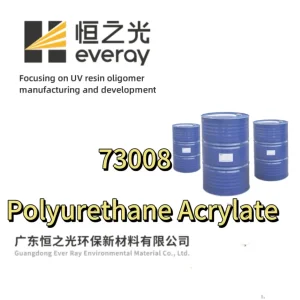
For electronic component encapsulation and protective coatings on non-porous metals, curing shrinkage can peel the coating from the substrate. Our low-shrinkage polyurethane acrylate oligomers like the 73008 Low-Shrinkage Resin are designed with specific molecular spacers that relieve stress during photopolymerization, guaranteeing continuous contact and high moisture protection.
Packaging inks must dry instantly under UV-LED stations while complying with strict migration standards. High-reactivity, flexible PUA oligomers allow formulators to craft inks that adhere strongly to flexible polymer films (BOPP, PET) and sustain the dynamic tension of high-speed flexo presses without peeling or losing color depth.
SLA and DLP additive manufacturing require resins with highly controllable cure depths, fast reactivity, and minimal warp. Specialized waterborne and low-viscosity PUA monomers offer rapid cure speeds and high resolution, producing printed parts with robust dimensional stability and high impact toughness.
The chemical sector is undergoing a rapid evolution toward green initiatives and higher efficiency. We stay ahead of these trends.
1. Shift to Zero-VOC & Waterborne Systems: Global environmental regulations (such as REACH in Europe and China's environmental tax policies) are pushing manufacturers to abandon solvent-based coatings. The development of waterborne UV polyurethane acrylates allows users to coat heat-sensitive substrates while eliminating volatile organic compounds completely. This dual benefit of water-dispersion and radiation-curing technologies is revolutionizing wood and plastic coating lines.
2. The Rise of LED-UV Curing Systems: Traditional high-pressure mercury lamps are energy-intensive and produce ozone. LED-UV curing systems, operating at specific wavelengths (typically 365nm or 395nm), offer cool curing, energy efficiency, and instant on/off switches. Consequently, PUA suppliers must synthesize specialized oligomers that exhibit high reactivity and cure response under LED wavelengths, avoiding surface stickiness caused by oxygen inhibition.
3. Bio-Based Polyurethane Acrylate: As carbon-neutral objectives become mandatory for multinational enterprises, sourcing materials derived from renewable resources is key. Modern PUA syntheses are increasingly incorporating bio-derived polyols (such as castor oil or soybean oil derivatives) to substitute petrochemical alternatives, reducing the overall carbon footprint without compromising the high performance of the cured films.
Guangdong Ever Ray Environmental Material Co., Ltd. — Pioneers in UV Curable Chemistry since 2006
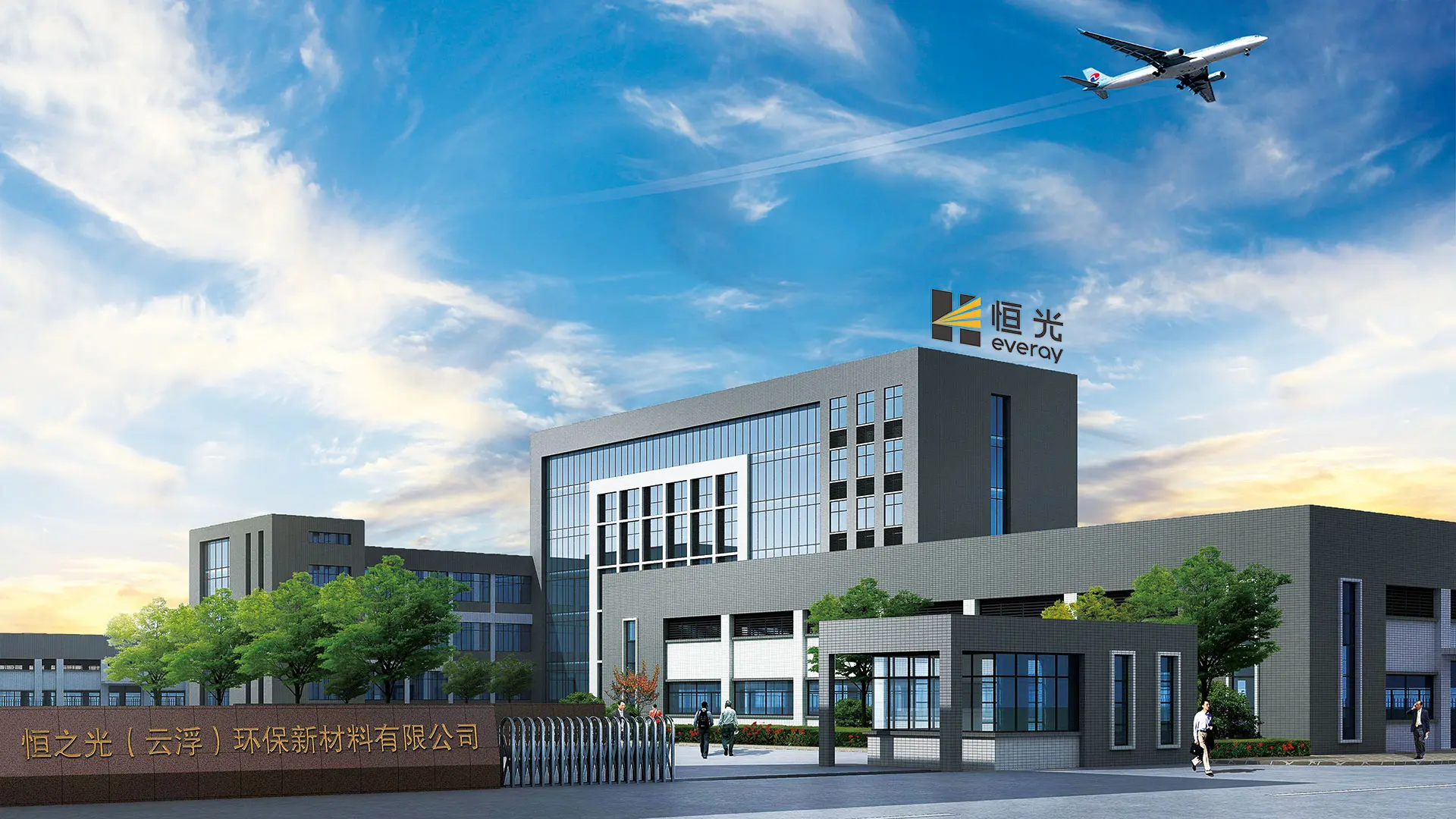
Established in 2006, Guangdong Ever Ray Environmental Material Co., Ltd. is a leading high-tech enterprise dedicated to the research, development, and high-volume manufacture of oligomers for UV-curable resins. Our portfolio includes top-tier epoxy acrylate, polyurethane acrylate (waterborne, aliphatic urethane, aromatic urethane), polyester acrylate, pure acrylate, and custom-modified functional oligomers.
By prioritizing technology, safe manufacturing, and green practices, we provide functional resins that ensure chemical resistance, hardness, and flexible performance for customers worldwide. We balance technical excellence with cost-saving innovations.
We operate two state-of-the-art production facilities in Guangdong province to ensure supply chain stability, high-volume capacity, and quality control:
Located in Jiangmen, Guangdong, this base spans approximately 10,000 square meters and focuses on specialized, high-performance oligomer synthesis and custom modification.
Located in Yunfu, Guangdong, this large-scale base covers 40,000 square meters. It features fully integrated quality control, modern storage, and logistics facilities.
Both factories operate under strict ISO9001 Quality Management and ISO14001 Environmental Management Systems. To guarantee production safety and batch-to-batch chemical stability, we use a flexible, fully computerized DCS control system. We source high-grade raw materials globally and consult with domestic UV curing experts to continually refine our production processes.
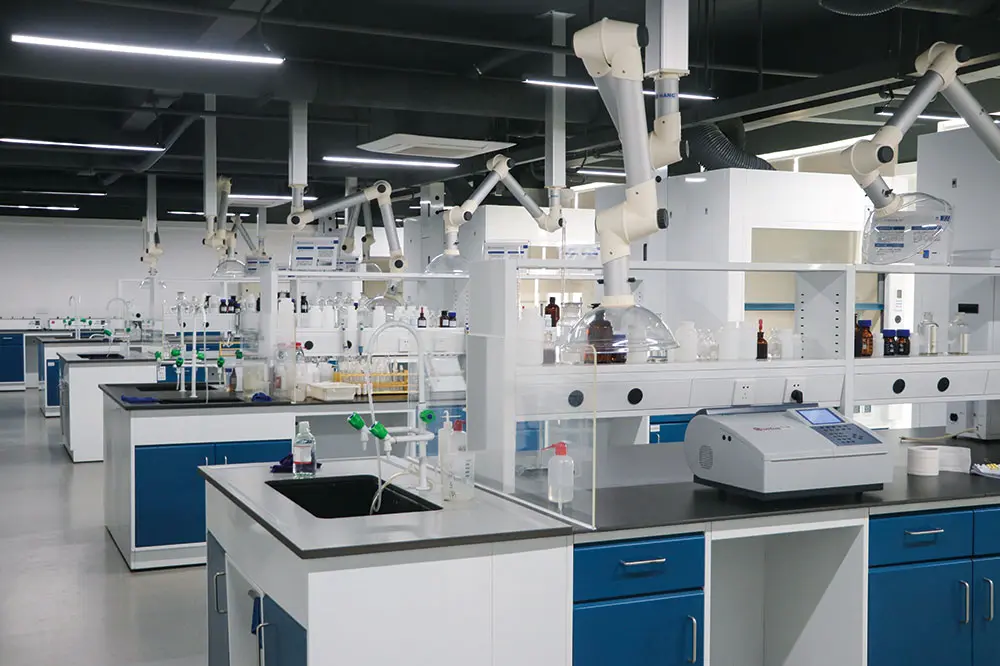
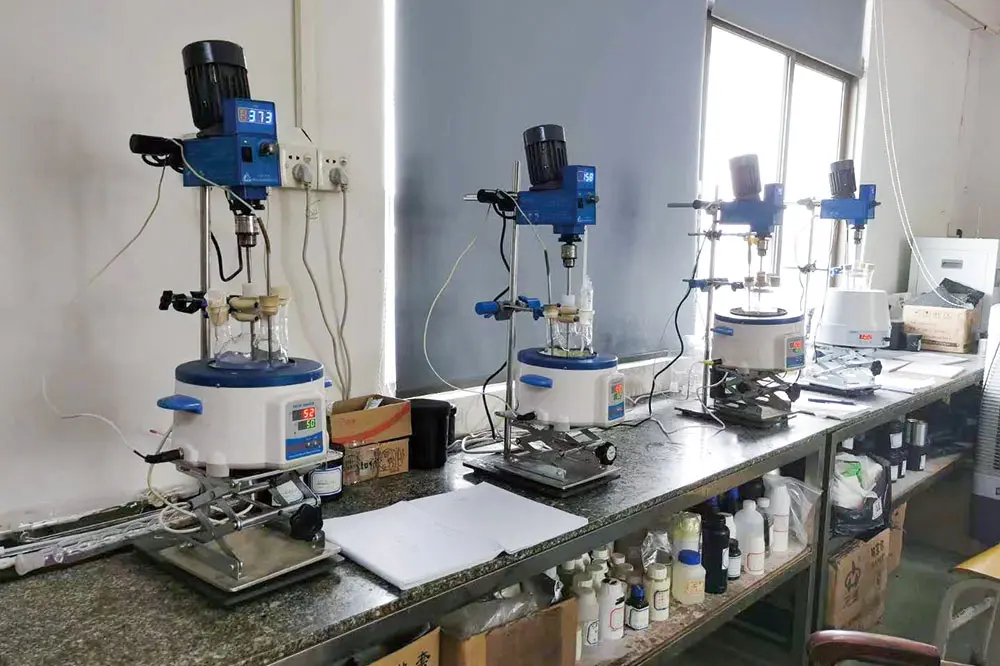
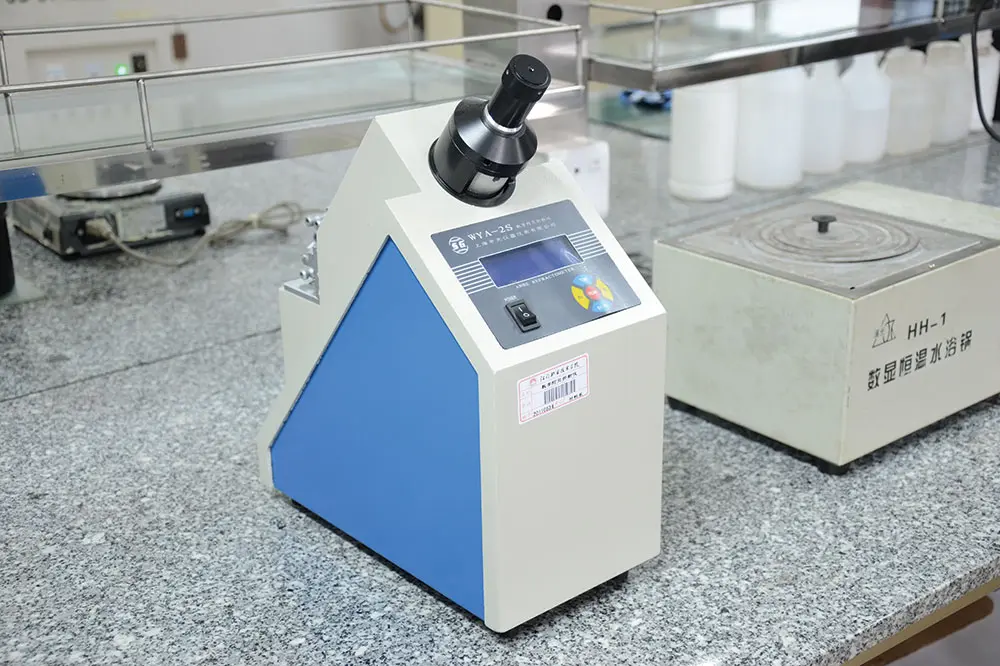
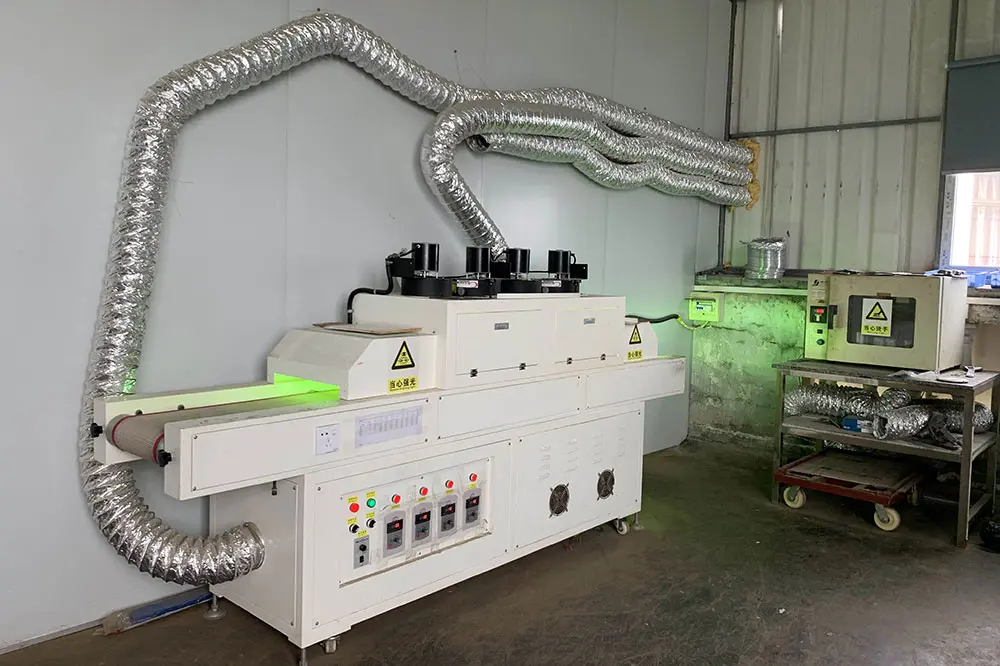
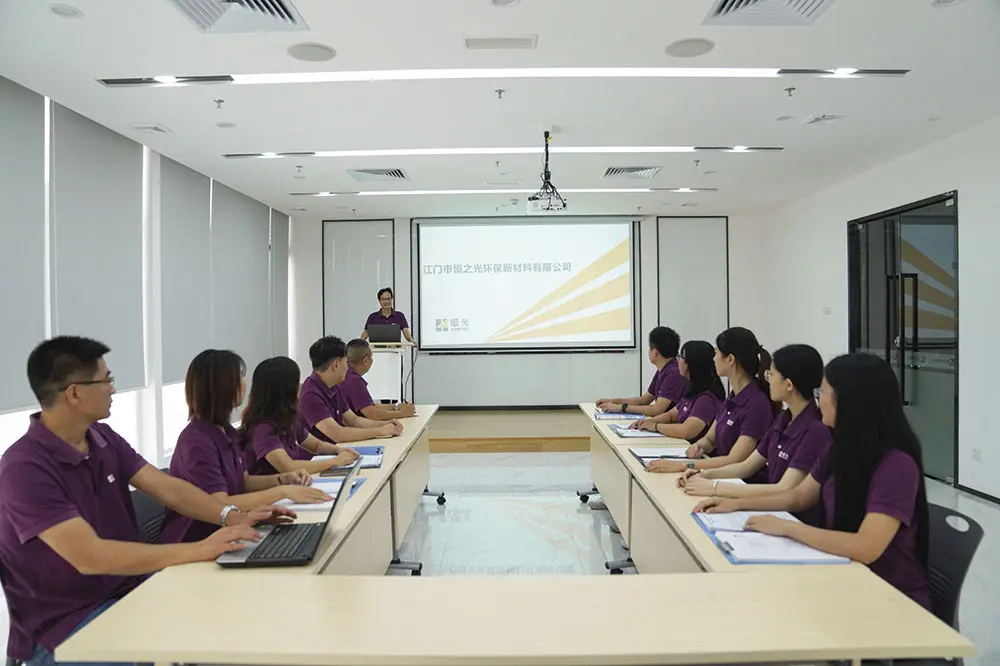
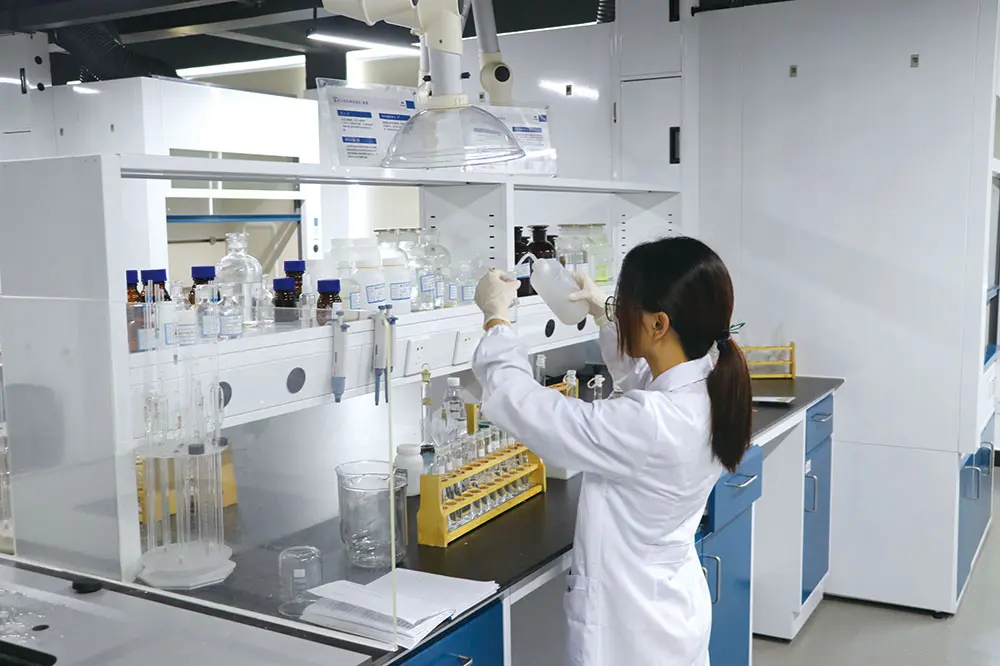
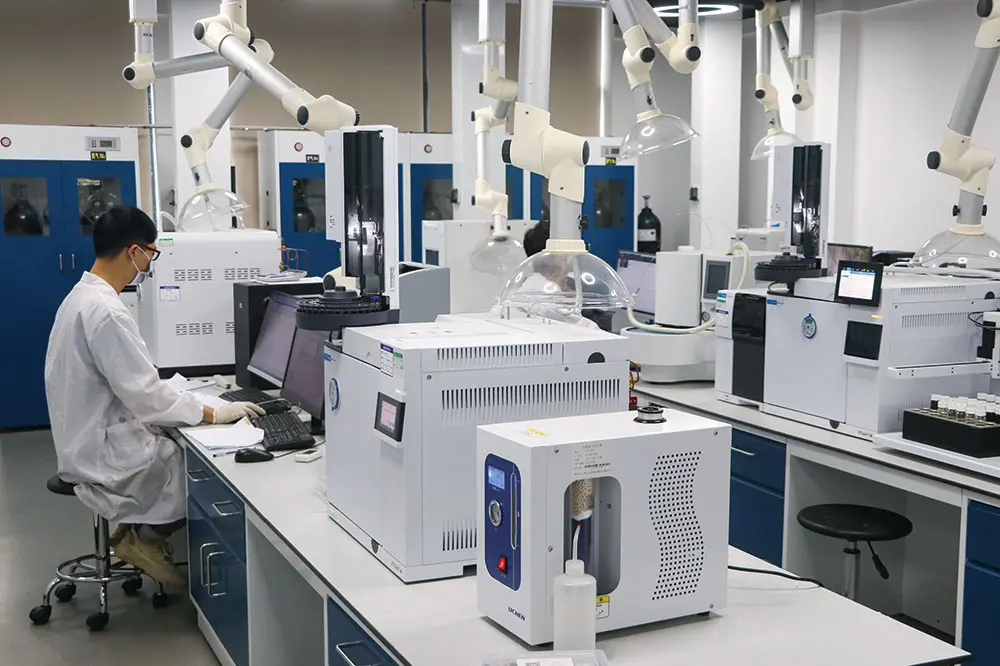
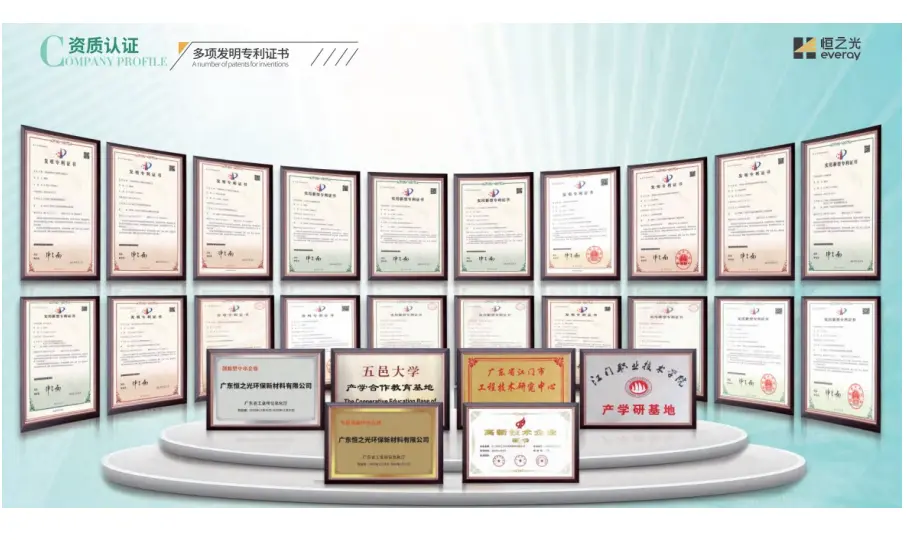
Our technical core is comprised of more than 15 R&D technicians holding over 10 invention and practical patents. Ever Ray focuses on supplying customized resin structures that impart high chemical resistance, rapid reactivity, and outstanding gloss retention across substrates like wood, plastic, films, inks, and adhesives. We prioritize harmonious eco-existence, employing sustainable science as our key growth driver.
How professional chemical procurement managers evaluate PUA suppliers to secure stability, safety, and price advantages.
Procuring chemical raw materials like Polyurethane Acrylates on a global scale requires strict validation across technical, environmental, and logistical parameters. As a professional, high-capacity supplier in South China, Ever Ray addresses the major risks procurement officers seek to mitigate:
Global distribution demands adherence to regional chemical registries. Our products are backed by REACH registrations, RoHS certificates, and complete Safety Data Sheets (SDS) to ensure seamless custom clearance.
Industrial coating lines cannot tolerate viscosity or color variations. Our DCS computer-automated control monitors reaction parameters (temperature, vacuum, raw feed rate) to guarantee high consistency.
With over 20,000 tons of annual capacity and dual-base production sites in South China, we offer shorter lead times, customized packing configurations, and buffer inventories for regular clients.
Get answers to the most common questions regarding chemical properties, performance, and custom manufacturing.
Select premium resins engineered for abrasion resistance, solvent resistance, and rapid curing properties.
 Ever Ray