High-purity monomers, low-viscosity diluent oligomers, and high-adhesion resins manufactured under strict DCS fully computerized control.
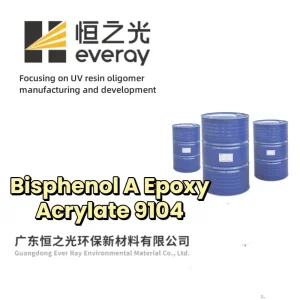
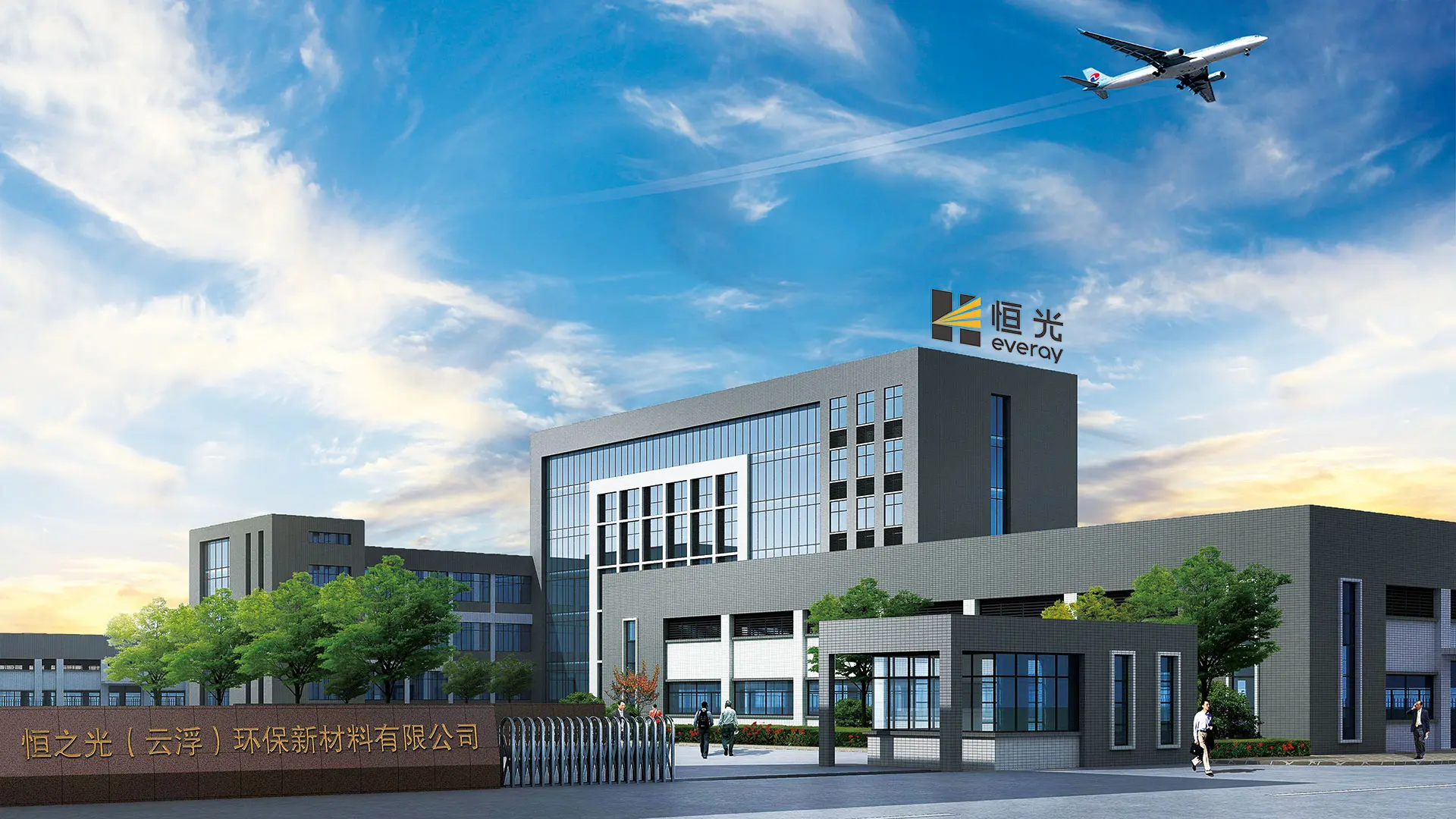
Established in 2006, Guangdong Ever Ray Environmental Material Co., Ltd. has developed into a premier national high-tech enterprise. We focus exclusively on the research, development, and advanced molecular synthesis of high-performance oligomers and monomer systems for UV-curable resins. Our expertise encompasses epoxy acrylate, polyurethane acrylates (including waterborne polyurethane dispersion systems, aliphatic urethanes, and aromatic urethanes), polyester acrylates, pure acrylates, and specialty functionalized modifier acrylates.
With an unwavering commitment to engineering quality and global supply continuity, we operate two state-of-the-art production bases. Our primary manufacturing footprint spans a combined 50,000 square meters of chemical processing zone, utilizing fully computerized Distributed Control Systems (DCS) to manage batch operations under ISO 9001 and ISO 14001 frameworks.
Exploring the molecular design principles and future application roadmaps of aliphatic and aromatic urethane acrylate liquid systems.
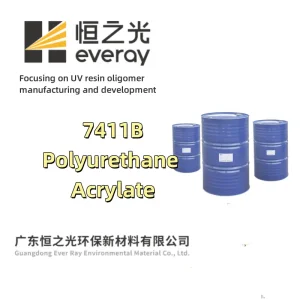
Polyurethane acrylate (PUA) oligomers represent the pinnacle of radiation-curing technology. By combining the chemical resistance, structural toughness, and high mechanical performance of polyurethanes with the fast radical polymerization rates of acrylic esters, Ever Ray synthesizes high-purity urethane liquids tailored for precise polymer architectures.
Our research lab focuses on optimizing the molecular weight distribution (Mw/Mn) of our urethane resins. Our main synthetic pathway involves reacting diisocyanates (such as IPDI, HDI, or HMDI for aliphatic systems; TDI or MDI for aromatic systems) with polyester, polyether, or polycarbonate diols. These are then capped with hydroxyl-functional acrylates (HEMA or HEA). The choice of soft segment controls the overall flexibility, mechanical glass transition temperature (Tg), and tensile strength of the cured product.
Altering the polyol backbone backbones allows for precise adjustment of elongation, scratch resistance, and adhesion to difficult substrates (such as untreated plastics, metal, or glass).
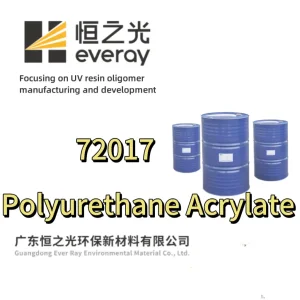
Incorporating photo-thermal mechanisms (such as our 72017 series) allows the material to cure in shadowy regions via heat, while line-of-sight areas cure via UV exposure.
We are actively researching bio-succinic acid and vegetable oil-derived polyols to replace petroleum monomers, reducing our overall carbon footprint while maintaining high reactivity.
High-purity liquid urethanes and acrylate oligomers developed to meet strict specifications across various demanding global sectors.
Our dual-curing polyurethane resins (such as 72017A-8) provide high elasticity, low volumetric shrinkage, and excellent tensile properties, making them suitable for midsoles, protective gear, and functional prototypes.
Our epoxy and urethane acrylates provide scratch resistance, anti-yellowing, and low-odor curing characteristics, making them suitable for mass-produced furniture and consumer electronics housings.
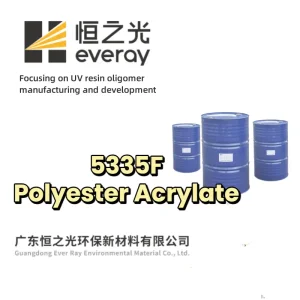
We supply specialized polyester acrylates (such as 5335F) that offer good pigment wetting, high chemical resistance, and fast radical polymerization rates for high-speed industrial printing presses.
An inside look at our advanced manufacturing plants in Yunfu and Jiangmen, designed for safety, precision, and high-volume output.
Our two production bases are designed for chemical manufacturing safety, consistent quality, and efficiency. The Jiangmen base spans 10,000 square meters, while our flagship Yunfu plant covers approximately 40,000 square meters. Both facilities utilize a fully computerized Distributed Control System (DCS), which automates reaction kinetics, temperature control, and feeding rates.
By minimizing human intervention during critical reaction steps, we can ensure batch-to-batch consistency. Our total annual capacity exceeds 20,000 metric tons across more than 10 dedicated synthesis lines. This large capacity allows us to maintain a stable supply of raw materials, ensuring prompt delivery even during times of market volatility.
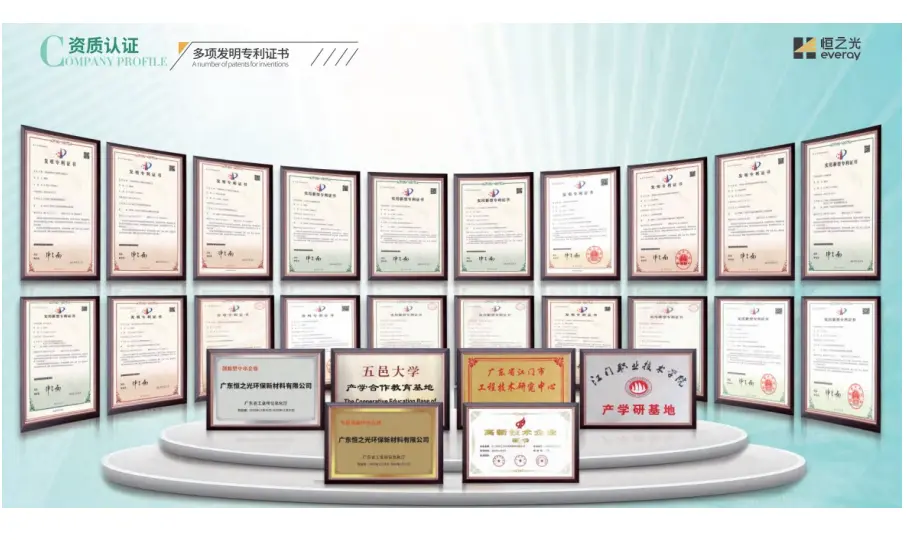
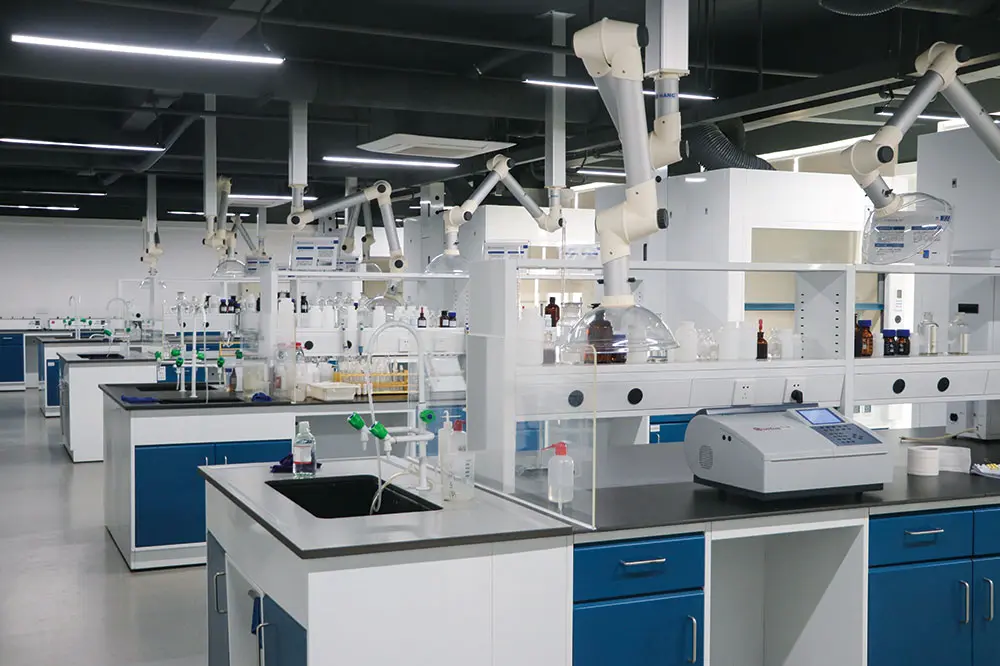
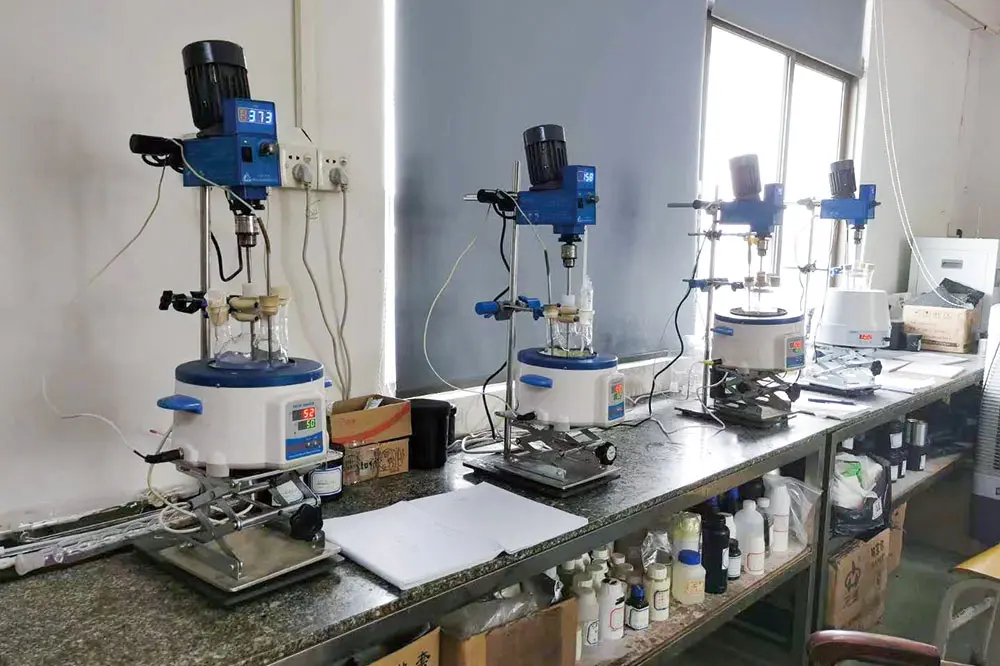
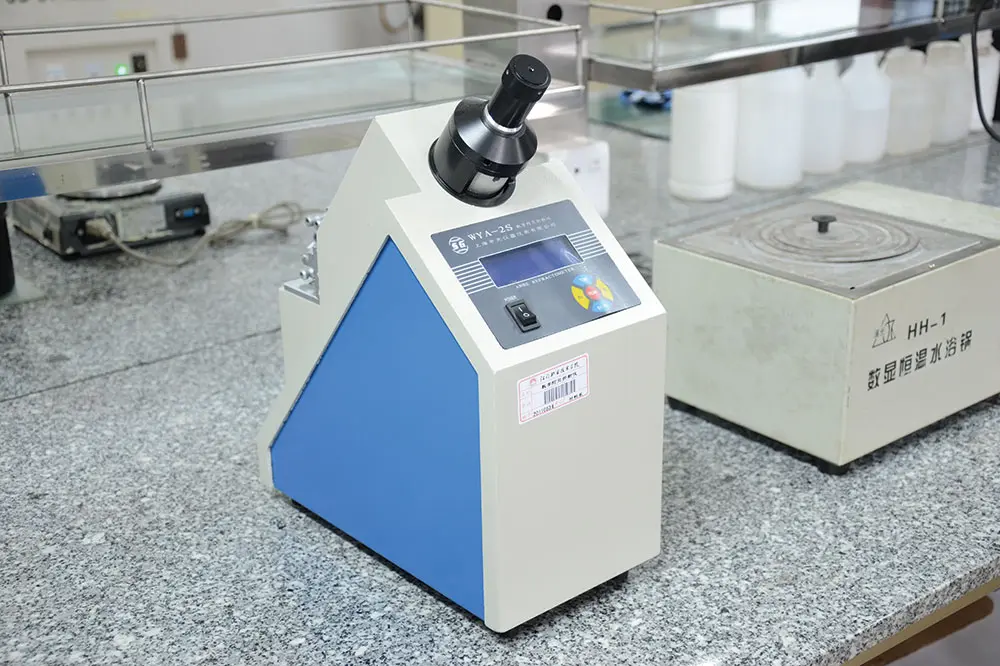
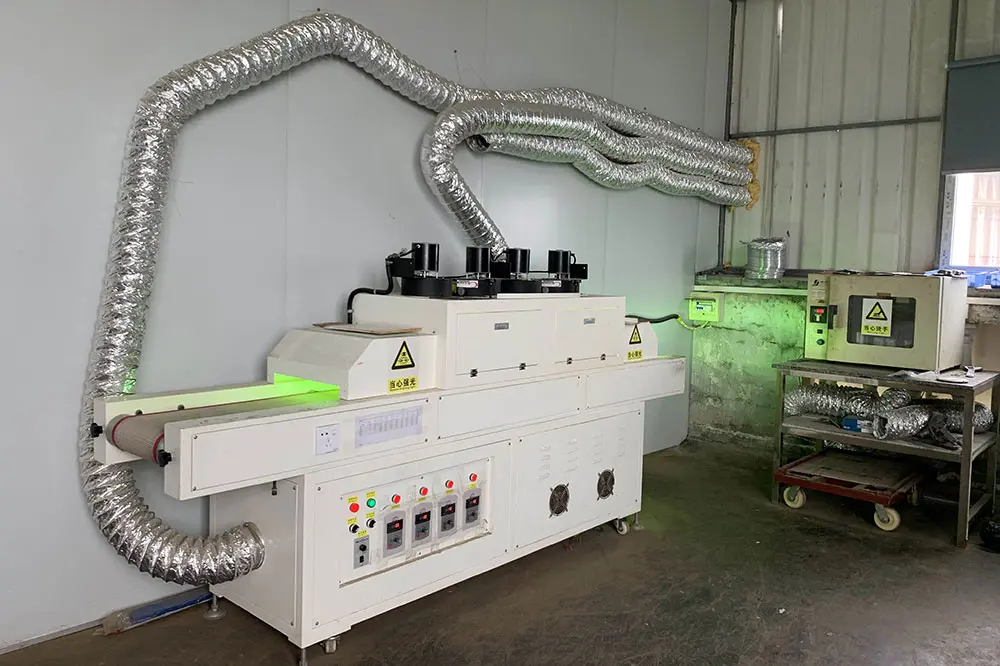
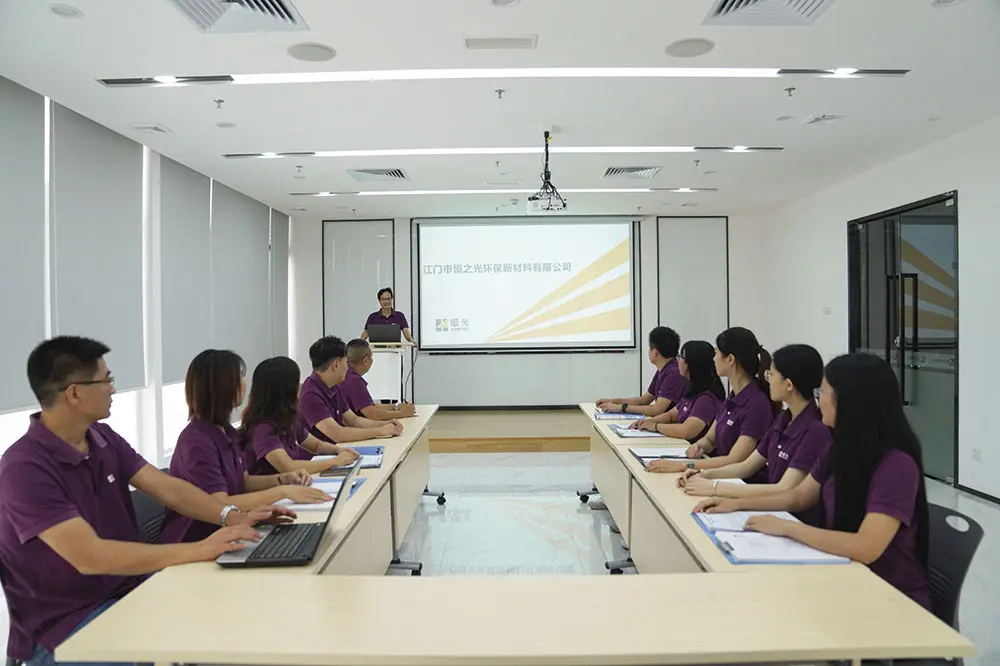
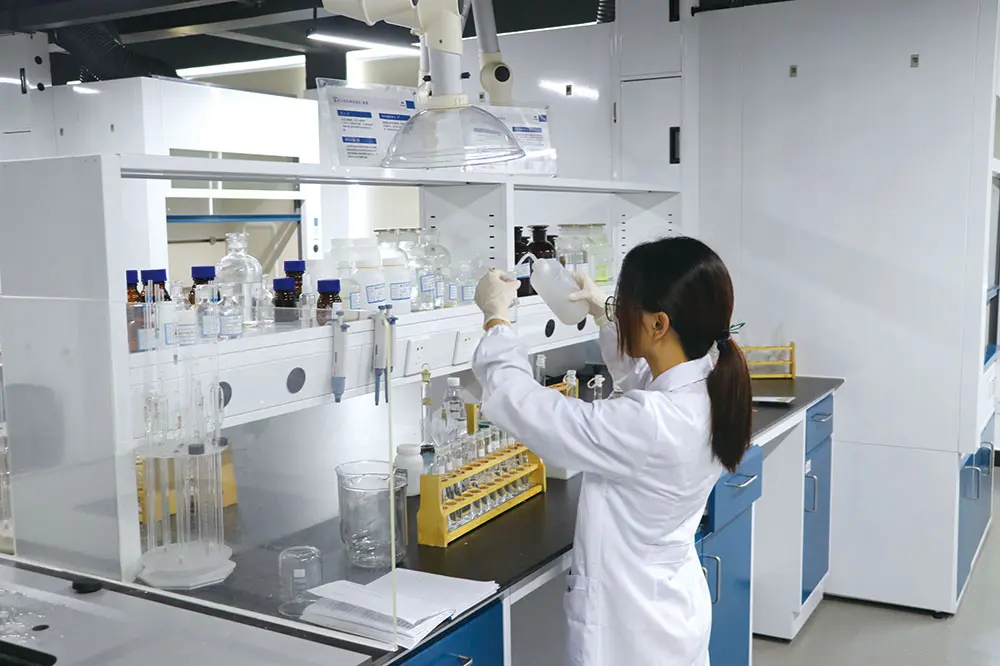
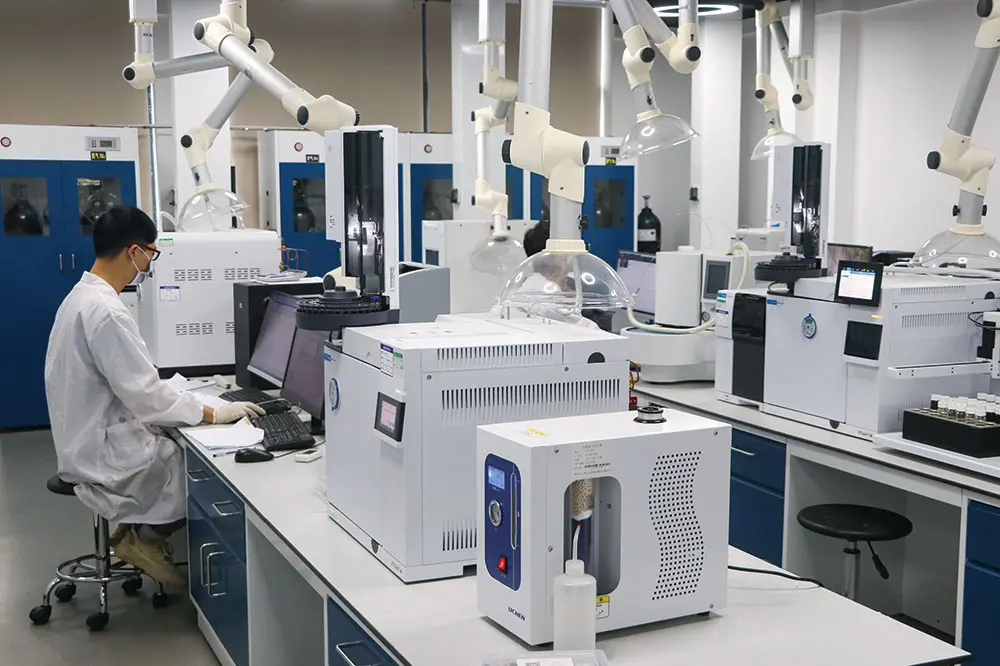
Guangdong Ever Ray utilizes strict chemical engineering and quality control procedures. Our R&D team consists of over 15 chemists, material scientists, and application engineers. We hold more than 10 patents and operate physical testing laboratories to evaluate gel fraction, conversion rate, shrinkage, glass transition temperature, and weathering.
We supply Material Safety Data Sheets (MSDS) and technical data sheets (TDS) for all products. Our formulations can be tailored to meet TSCA, REACH, and RoHS standards.
Our lab can adjust viscosity, functionality, and curing speed to match your processing equipment and target substrates.
With an annual output of 20,000 tons, our Yunfu plant ensures consistent production and reliable lead times for international orders.
Answers to common questions regarding oligomer selection, processing, and application engineering.
Explore our high-performance epoxy acrylates, impact-resistant ABS-like resins, and anti-yellowing oligomer solutions.
 Ever Ray