Engineered oligomers designed to optimize polymerization kinetics, reduce shrinkage stress, and provide excellent optical properties.
In modern high-speed industrial manufacturing, the transition from traditional solvent-borne thermal-cure resins to ultraviolet (UV) curable systems represents a major paradigm shift. At the core of this transition lies the chemistry of UV cure epoxy resin systems. Primarily based on epoxy acrylate oligomers, these systems rely on free-radical or cationic photoinitiated polymerization. Upon exposure to high-intensity UV radiation (typically within the 200–400 nm spectrum), photoinitiators absorb energy, generating radicals or acids that instantly react with the acrylic double bonds (C=C) or epoxy rings, converting liquid monomers and oligomers into a highly crosslinked solid polymer matrix within fractions of a second.
Epoxy acrylates, notably bisphenol-A based epoxy diacrylate (such as 6106 and 6160M-3), constitute the most critical class of UV curable prepolymers. These resins marry the superior mechanical properties of standard epoxy resins with the ultra-fast cure kinetics of acrylics. The bisphenol-A backbone contributes rigid aromatic rings, imparting exceptional hardness, scratch resistance, and tensile strength. The ether bonds within the backbone structure enhance chemical resistance against strong acids, bases, and organic solvents, making these resins the gold standard for high-durability coatings.
Despite their superior performance, classic bisphenol-A epoxy acrylates present intrinsic challenges: high viscosity, limited flexibility, and considerable volume shrinkage during curing (often between 5% and 10%). Polymerization shrinkage occurs as van der Waals gaps between separate monomers are replaced by tight, covalent C-C bonds, inducing internal stresses that can compromise adhesion to non-porous substrates (e.g., metals and engineering plastics).
To overcome these limitations, advanced modified epoxy acrylates have been developed. These modifications involve replacing part of the bisphenol-A core with aliphatic structures, flexible polyether/polyester links, or fatty acid chains. For example, our 6203F Low-Shrinkage Modified Epoxy Acrylate Resin incorporates custom elastomers into the prepolymer skeleton. This structure dampens the internal stress generated during rapid cure phases, drastically improving adhesion on difficult substrates while preserving the resin's high surface hardness. Such modifications are crucial for electronic encapsulants, automotive clearcoats, and high-speed packaging printing where structural integrity cannot be compromised.
Established in 2006, Guangdong Ever Ray Environmental Material Co., Ltd. is a leading high-tech enterprise dedicated to the R&D, chemical synthesis, and large-scale manufacturing of high-performance oligomers for UV curable resins. Our product portfolio encompasses a comprehensive selection of epoxy acrylates, polyurethane acrylates (including waterborne, aliphatic, and aromatic urethane), polyester acrylates, pure acrylates, and special functional modified acrylate oligomers designed for the global marketplace.
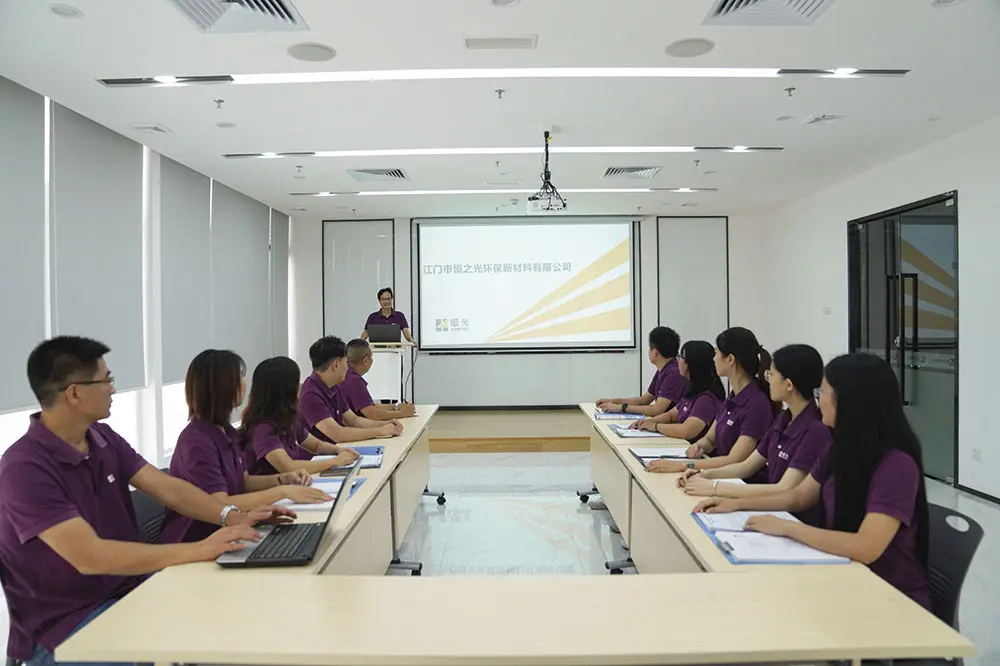
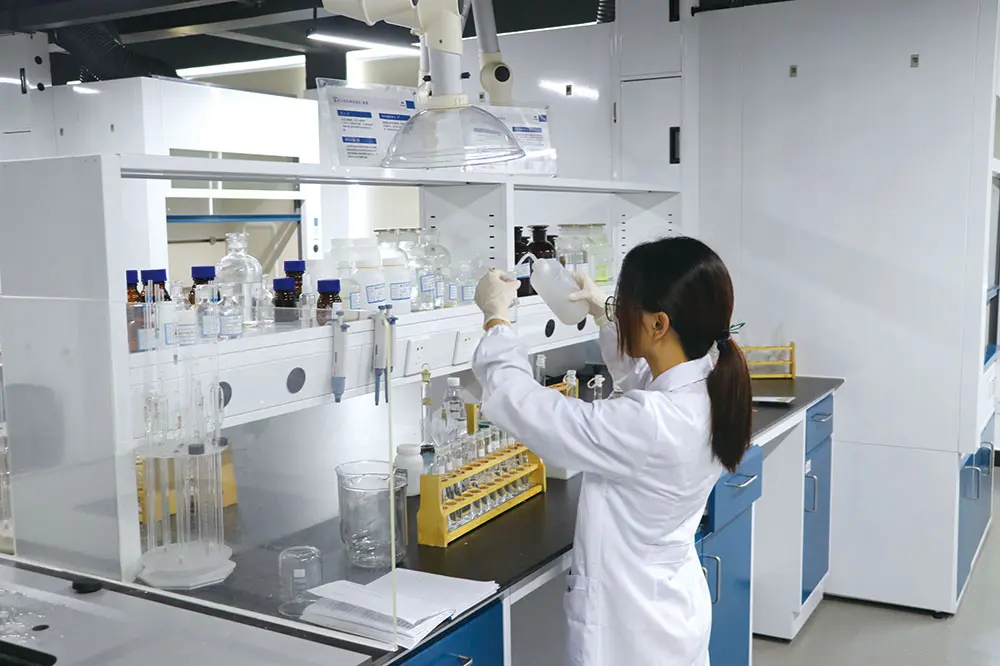
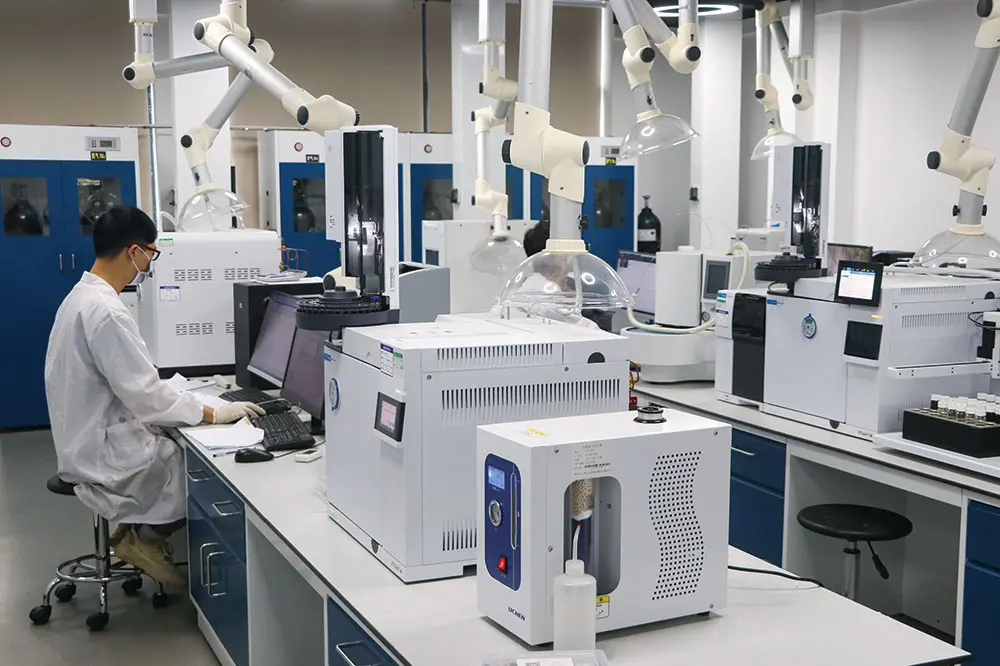
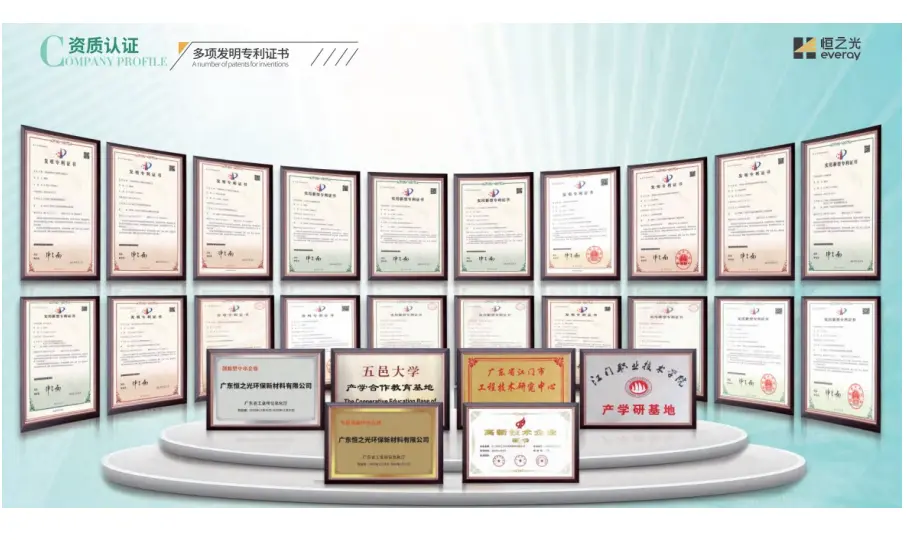
Our commitment to technical excellence is demonstrated by our robust R&D infrastructure. With over 15 dedicated research scientists and technicians in our R&D department, we hold more than 10 patents for inventions and practical designs. We focus on enhancing reactivity, chemical resistance, adhesion, and optical clarity in formulations across multiple industries. By balancing technical performance with cost optimization, we ensure that our global partners gain a competitive edge in their respective markets.
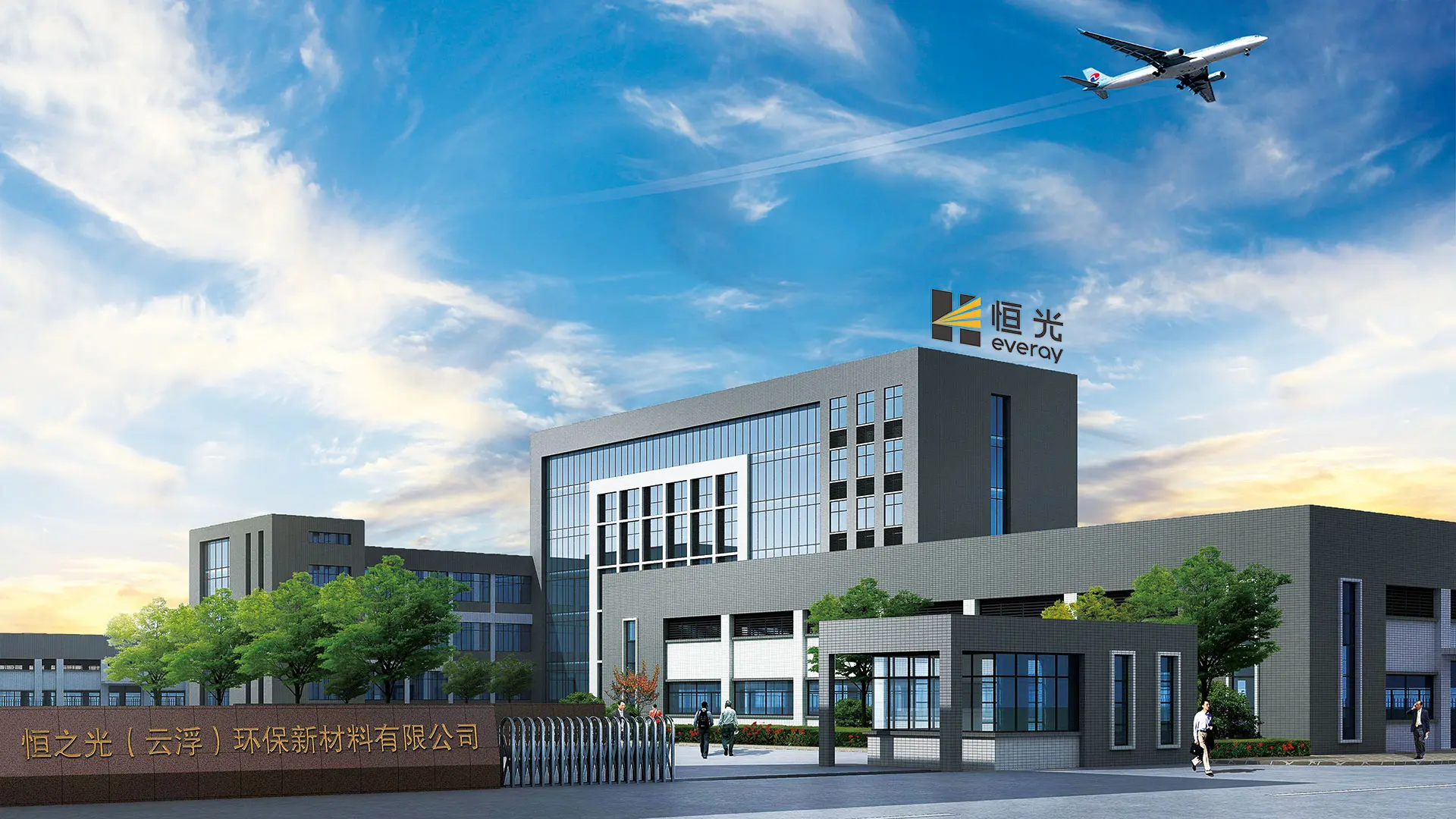
To ensure consistent supply and meet growing global demand, Guangdong Ever Ray operates two modernized manufacturing bases in South China:
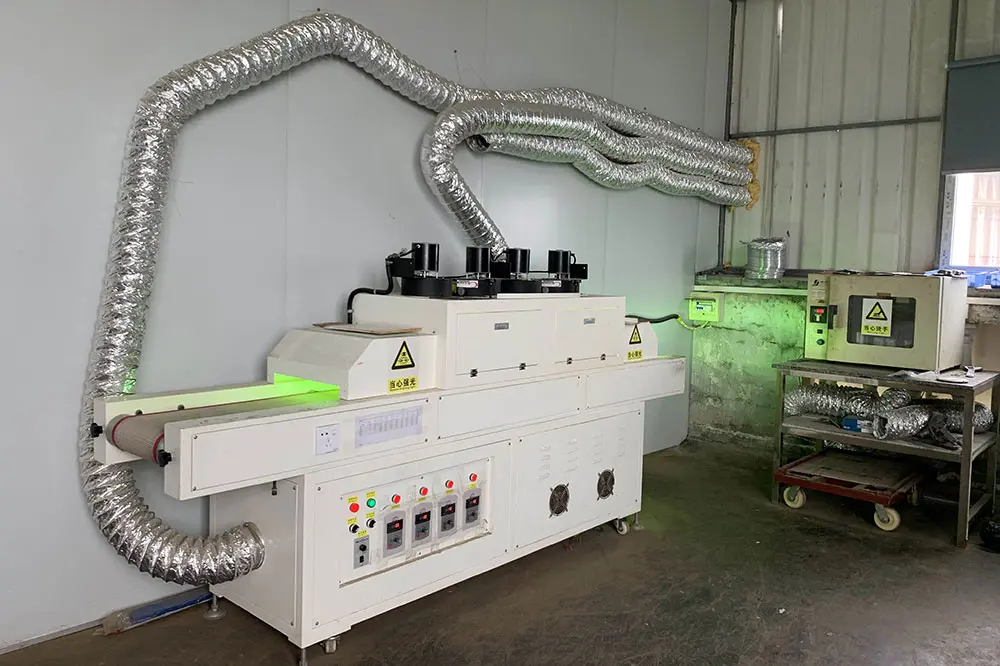
Together, these facilities have an annual production capacity exceeding 20,000 tons operating across more than 10 highly automated production lines. Our manufacturing lines run on advanced Distributed Control Systems (DCS). This computerized setup precisely manages reaction temperatures, raw material feed rates, pressure limits, and chemical additions, ensuring consistent quality from batch to batch.
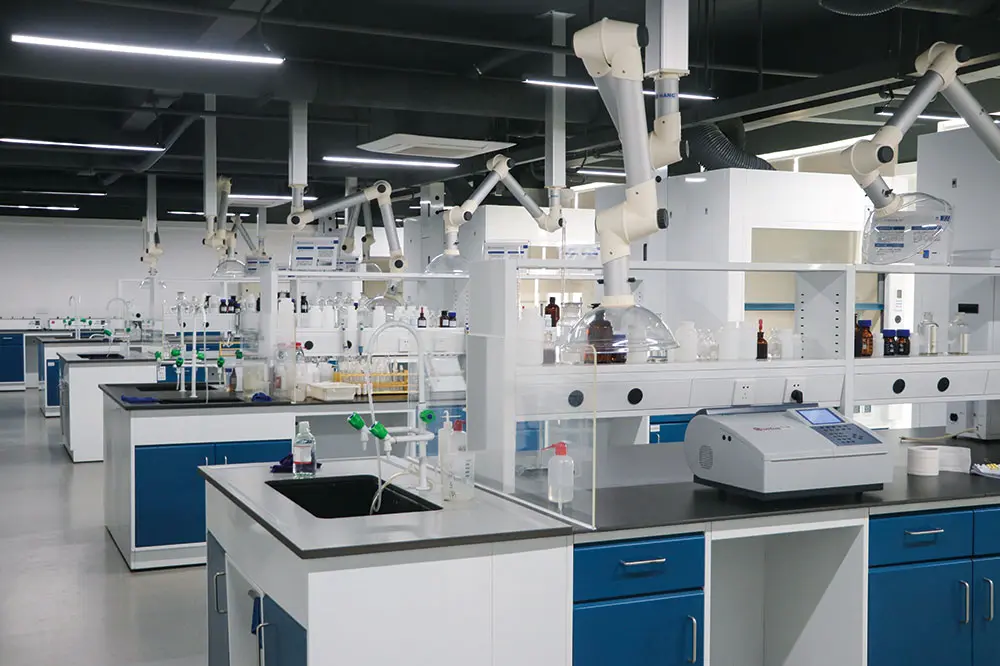
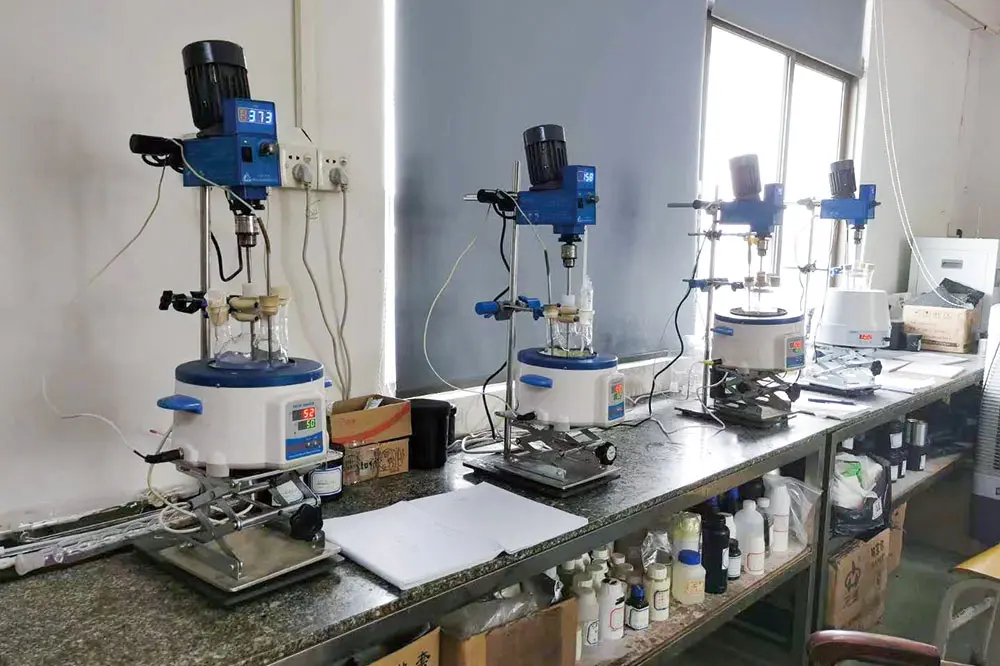
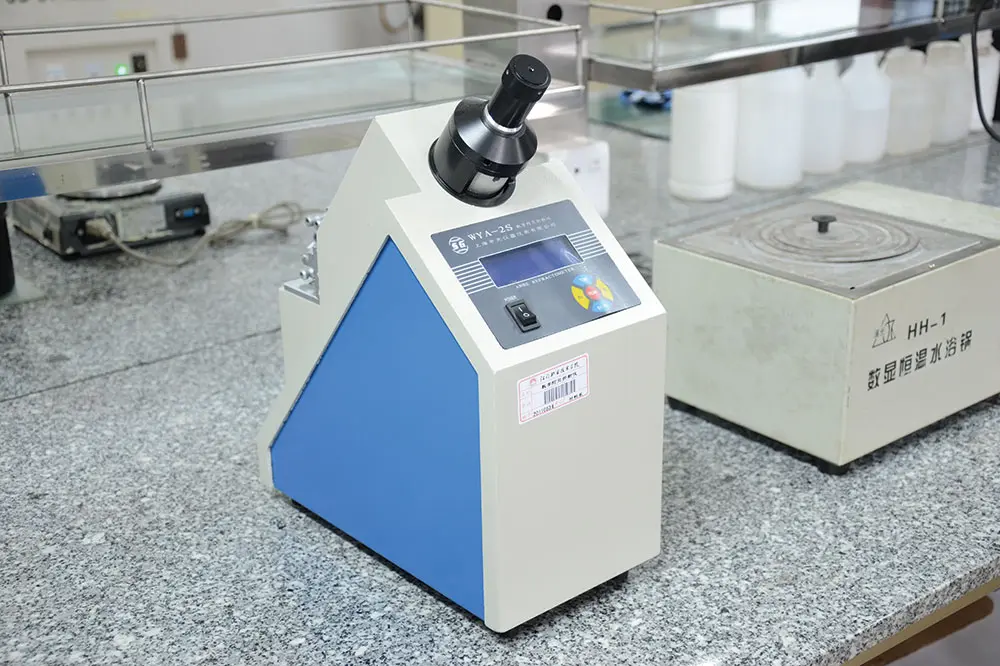
How regulatory pressure, technical advancements, and supply chain strategies are reshaping procurement pathways for industrial UV cure resins.
The global demand for UV cure epoxy resins has expanded beyond traditional graphical arts and wood finishing into high-precision electronics, automotive engineering, packaging, and additive manufacturing. Industrial buyers face several market shifts that require strategic supplier partnerships:
Global procurement teams prioritize security of supply, consistent batch quality, and technical assistance. Guangdong Ever Ray relies on quality-screened raw material suppliers and runs under ISO9001 and ISO14001 management protocols. Our technical support helps client chemists with viscosity adjustments, monomer compatibility checks, and photoinitiator selections, aiding in a smooth transition from procurement to production.
Customized resin chemistries configured to meet performance demands in wood coatings, functional plastics, flexible packaging, and electronic encapsulation.
Modern automated wood lines utilize roller coating and curtain coating to apply UV topcoats and sealers, which are then cured under UV mercury lamps. Resins like 7296C and 6118 offer a balance of hardness, scratch resistance, and solvent resistance. They cure quickly to protect natural wood and veneers from moisture, abrasion, and household chemicals.
Polycarbonate (PC), ABS, and PMMA are widely used in automotive interiors, consumer electronics, and displays. These substrates require high adhesion and scratch protection without thermal deformation. Our 72203A Polycarbonate Acrylate delivers high flexibility, adhesion, and a "soft-touch" feel. For electronics encapsulation, 61003A modified epoxy acrylate offers low shrinkage, structural stability, electrical insulation, and yellowing resistance.
In food packaging and label printing, UV inks must dry instantly and adhere to corona-treated plastic films (PP, PE, PET). Formulating with oligomers like 5377A Polyester Acrylate provides stable pigment wetting, high chemical resistance, and low odor, supporting print quality and safety compliance in modern packaging environments.
Navigating global chemical regulations, local customer service, and our strategic R&D vision for bio-based and energy-efficient UV curing technologies.
As chemical supply chains become more interconnected, global compliance is essential. Guangdong Ever Ray ensures that its products comply with major chemical registries, including EU REACH, US TSCA, and China's MEP. We also align with RoHS and WEEE directives for the electronics industry. This regulatory oversight helps minimize import risks for our international partners.
Our long-term R&D focuses on developing bio-based raw materials, improving LED curing efficiency, and expanding waterborne systems. By incorporating renewable raw materials like plant-derived fatty acids and polyols, we aim to reduce reliance on fossil resources without sacrificing performance. Additionally, we are optimizing our resins for UV-LED curing, helping clients lower energy consumption during production.
Increasing the bio-renewable content of our polyester and epoxy acrylate lines to 35-50%, helping clients meet carbon reduction targets.
Optimizing oligomer surface cure kinetics under 365nm and 395nm LED lights to reduce oxygen inhibition in high-speed lines.
Advancing waterborne UV prepolymers like 70601 to achieve zero volatile organic compounds (VOCs) and low carbon footprints.
Direct answers from our laboratory to key technical questions from formulation chemists and procurement managers.
Discover our full line of functional polyester, polycarbonate, and modified epoxy acrylates engineered for specialized industrial demands.
 Ever Ray